German Shepherd Spay and Neuter Timing
Deciding when to spay or neuter your beloved German Shepherd can feel like navigating a minefield of conflicting advice, leaving you second-guessing what's truly best for their long-term health and well-being. It’s a huge responsibility, and the last thing any of us want is to make a choice that could inadvertently lead to future health problems. This comprehensive guide is here to cut through the confusion, offering a deep dive into the latest understanding of spay and neuter timing for German Shepherds, helping you make an informed decision for your furry family member.
Understanding the Traditional Approach to Spay and Neuter
For decades, the standard recommendation for spaying and neutering puppies, regardless of breed, was often around six months of age. This advice was rooted in a combination of factors, primarily aimed at preventing unwanted pregnancies and certain health issues like mammary cancer, but it didn't always account for the unique developmental needs of larger breeds like German Shepherds. Many vets and shelters adopted this blanket policy, and it became deeply ingrained in the pet care community.
The 'Standard' Age Range and Why It Was Chosen
The six-month mark became popular for several reasons. From a practical standpoint, it was early enough to prevent most females from experiencing their first heat cycle, thereby significantly reducing the risk of mammary tumors later in life, and preventing accidental litters. For males, it was believed to curb certain behavioral issues, such as roaming and marking, and reduce the risk of testicular cancer. Veterinarians also found that younger animals often recovered more quickly from the surgery, and the procedures were generally simpler due to their smaller size. It was a well-intentioned approach that prioritized population control and certain immediate health benefits, but as we’ve learned more about canine development, especially in large and giant breeds, that "standard" age has begun to be critically re-evaluated.
Common Misconceptions About Early Spay/Neuter
One of the biggest misconceptions surrounding early spay/neuter (before skeletal maturity) is that it's universally beneficial with no downsides, especially for large breeds. Many owners were told, and still believe, that earlier is always better for preventing cancer and behavioral problems. While early spaying does dramatically reduce the risk of mammary cancer in females, and neutering eliminates the risk of testicular cancer, the conversation isn't quite so black and white. For German Shepherds, a breed prone to orthopedic issues, the timing of these procedures has come under intense scrutiny. It’s not just about preventing one type of problem; it’s about understanding the entire physiological picture of a developing dog and how hormones play a critical role. The idea that delaying can somehow make your dog "less healthy" or more prone to unwanted behaviors across the board isn't supported by the nuanced science we now have available.
The Evolving Science: Hormones and German Shepherd Development
Our understanding of canine physiology has advanced significantly, revealing the profound impact of sex hormones on the growth and development of large breeds. We now know that these hormones aren't just for reproduction; they play a vital role in the maturation of various body systems, particularly the musculoskeletal system. This scientific evolution has led many experts to question the long-standing recommendation for early spay and neuter, especially for breeds like the German Shepherd, which have a prolonged growth period and specific health predispositions.
The Role of Sex Hormones in Bone and Joint Health
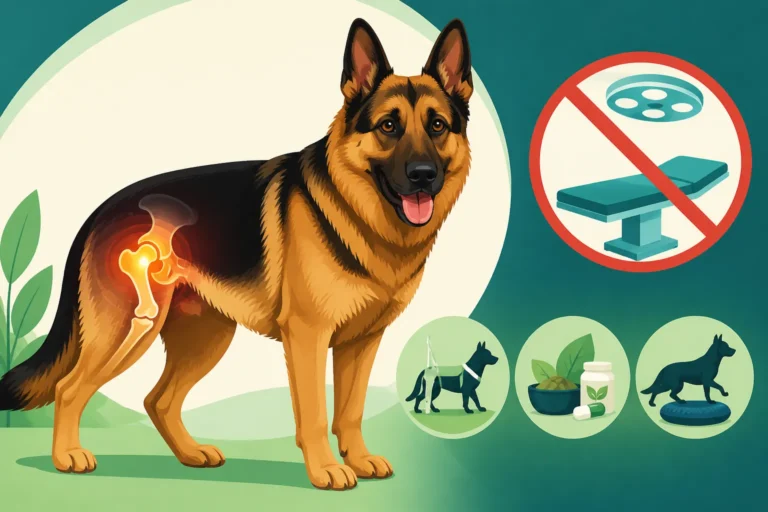
Sex hormones, like estrogen and testosterone, are crucial architects in the development of bones, joints, and even ligaments and tendons. They signal the growth plates, the soft areas at the ends of long bones responsible for bone lengthening, to close. If these hormones are removed too early through spay or neuter, these growth plates may remain open longer than they naturally would, leading to longer limbs and altered joint angles. For a breed already predisposed to conditions like German Shepherd Hip Dysplasia Explained and elbow dysplasia, this anatomical change can put undue stress on joints, potentially increasing the risk or severity of these debilitating conditions. It's a complex dance where hormones ensure that bones grow to their correct length and density, and that the surrounding soft tissues develop optimally to support the dog's structure.
Impact on Growth Plates and Musculoskeletal Integrity
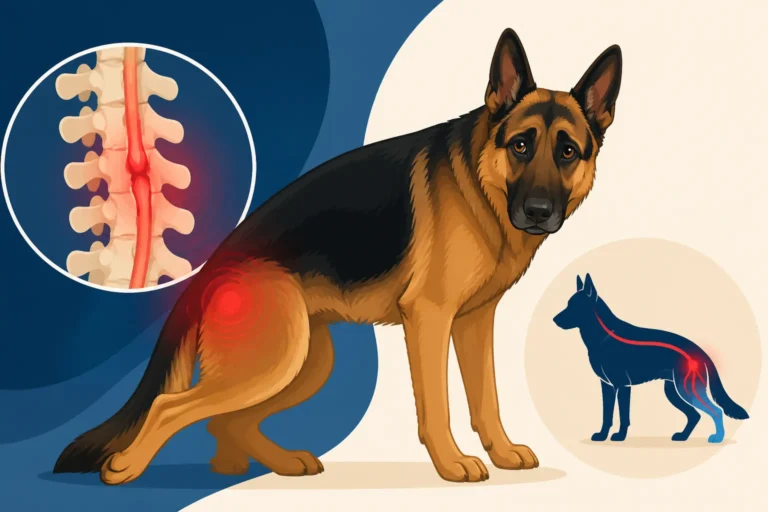
When a German Shepherd puppy is spayed or neutered before their growth plates have naturally closed, typically between 12-18 months of age, their bones can continue to grow for a longer period. This doesn't necessarily mean your dog will be "taller" in a beneficial way; rather, it can result in a disproportionate bone structure. For example, the ulna and radius (bones in the forearm) might grow at different rates, leading to elbow incongruity, a common component of German Shepherd Elbow Dysplasia: Symptoms and Treatment. Similarly, changes in femur length or the angle of the hip joint can exacerbate or contribute to hip dysplasia. This altered growth can significantly compromise the overall musculoskeletal integrity of a large, active breed like the German Shepherd, potentially leading to chronic pain, arthritis, and reduced mobility later in life. Understanding this critical developmental window is key to considering optimal timing.
Optimal Spay Timing for Female German Shepherds
For female German Shepherds, the decision to spay and the timing of that procedure is a delicate balance, particularly concerning the reduction of mammary cancer risk versus the potential increase in orthopedic issues. It's a conversation that requires careful thought and a thorough understanding of your individual dog's health profile and your lifestyle.
Weighing the Risks: Mammary Cancer vs. Joint Issues
The most commonly cited benefit of early spaying (before the first heat cycle) is the significant reduction in the risk of mammary cancer. Studies have consistently shown that spaying before the first heat reduces this risk to almost negligible levels. However, as discussed, early spaying also removes the hormones critical for proper bone and joint development. Female German Shepherds spayed before sexual maturity have been shown in some studies to have a higher incidence of hip dysplasia, elbow dysplasia, and cranial cruciate ligament tears. So, the dilemma becomes: do you prioritize the lower risk of cancer (which can be aggressive and life-threatening) or the lower risk of orthopedic issues (which can lead to chronic pain and expensive treatments)? This is where personalized veterinary advice is crucial. When discussing these potential health concerns, it's worth considering pet insurance options like Healthy Paws to help manage unforeseen costs, regardless of the timing you choose.
The "First Heat" Debate and What It Means for You
Many veterinarians and reputable breeders now advocate for allowing a female German Shepherd to go through at least one heat cycle, and sometimes two, before spaying. The idea is that this allows the natural hormones to complete their work in musculoskeletal development, potentially reducing the risk of joint problems. A female German Shepherd typically experiences her first heat cycle between 6 and 18 months of age, with larger breeds often maturing later.
Allowing one heat cycle means a temporary period of managing a dog in heat, which includes strict supervision to prevent unwanted pregnancies, dealing with bleeding, and potential changes in behavior. This can be challenging, but for many owners, the potential long-term orthopedic benefits outweigh the short-term inconvenience. After the first heat cycle, the mammary cancer risk does increase slightly compared to pre-first-heat spaying, but it remains significantly lower than for intact females or those spayed after multiple heat cycles. Discussing the pros and cons of allowing one or two heat cycles with your vet, considering your ability to safely manage an intact female, is a crucial step in deciding the Best Age to Spay a Female German Shepherd.
Optimal Neuter Timing for Male German Shepherds
Just like with females, the timing of neutering for male German Shepherds has seen a shift in recommendations. Moving away from the once-universal six-month mark, current research highlights the importance of allowing males to mature physically, weighing behavioral aspects against long-term health, particularly for their large frames.
Balancing Behavior, Cancer, and Orthopedic Concerns
For male German Shepherds, the traditional reasons for early neutering included preventing roaming, marking, aggression, and of course, testicular cancer. While neutering completely eliminates testicular cancer risk, and can help with certain hormone-driven behaviors, the picture is more complex. Studies, particularly those focused on large breeds, have indicated that early neutering may lead to an increased risk of orthopedic problems such as hip and elbow dysplasia, and cranial cruciate ligament ruptures. It can also potentially increase the risk of certain cancers later in life, such as prostate cancer and some forms of bone cancer (osteosarcoma), although the evidence is still being fully explored and debated within the scientific community.
The challenge for owners then becomes balancing the desire to mitigate potential behavioral issues or prevent specific cancers against the risk of predisposing their dog to lifelong joint pain or other health conditions. It's not uncommon to hear of male German Shepherds suffering from severe German Shepherd Arthritis: Symptoms and Treatment in their later years, and some research suggests a link to early neutering. This makes the decision deeply personal and one that should be made in conjunction with a trusted veterinarian who understands the nuances of large breed development.
The Late Neuter Approach: Benefits and Considerations
A growing number of veterinarians and German Shepherd enthusiasts are advocating for a "late neuter" approach for male German Shepherds, often recommending waiting until they are 18-24 months of age, or even older, to allow for full skeletal and hormonal maturity. By this age, their growth plates have typically closed, and their bones and joints have developed under the influence of natural testosterone. This delayed timing is believed to significantly reduce the risk of orthopedic issues, giving your dog the best chance at a healthy, mobile life free from premature joint degeneration.
However, delaying neutering means accepting the responsibilities of owning an intact male. This includes:
- Preventing unwanted breeding: Intact males are highly motivated to seek out females in heat, which requires vigilant supervision, secure fencing, and potentially avoiding dog parks.
- Managing hormone-driven behaviors: While not all intact males exhibit problematic behaviors, some may be more prone to marking, humping, or increased interest in other dogs (and potential conflict) compared to neutered males. This is where consistent training and socialization, discussed in our guide on German Shepherd Obedience Training Basics, become even more critical.
- Potential for testicular injury or torsion: Though rare, intact males are at a minimal risk for these conditions.
Many owners find that the long-term health benefits of waiting far outweigh these considerations, especially if they are committed to responsible ownership and training. The conversation about Best Age to Neuter a Male German Shepherd is complex and should consider the individual dog's temperament, genetic predispositions, and the owner's capacity for management.
Potential Health Implications of Early vs. Late Procedures
The timing of spaying and neutering isn't just a minor detail; it's a decision with far-reaching consequences for a German Shepherd's health, impacting everything from their joints to their susceptibility to certain diseases. It’s vital to understand these potential implications thoroughly.
Increased Risk of Joint Problems
One of the most significant and well-documented concerns with early spay and neuter in German Shepherds is the increased risk of orthopedic issues. As discussed earlier, sex hormones play a crucial role in the closure of growth plates. When these hormones are removed before growth is complete, bones can continue to grow for a longer period, often leading to longer, but weaker, bones and abnormal joint angles. This can significantly contribute to the development of:
- Hip Dysplasia: A painful condition where the hip joint doesn't form correctly. Early spay/neuter can exacerbate laxity in the joint, worsening the condition. Our guide on German Shepherd Hip Dysplasia Prevention offers further insights.
- Elbow Dysplasia: Similar to hip dysplasia, this involves abnormal development of the elbow joint. The altered growth rate of bones in the foreleg due to early hormone removal can increase the likelihood and severity.
- Cranial Cruciate Ligament (CCL) Ruptures: Studies show a higher incidence of CCL tears in dogs spayed or neutered early. The ligaments, which stabilize the knee joint, may be weaker or subject to greater stress due to altered biomechanics.
- Patellar Luxation: While less common in German Shepherds than in smaller breeds, early spay/neuter can contribute to conditions that affect proper kneecap alignment.
For a breed as active and powerful as the German Shepherd, maintaining strong, healthy joints is paramount for their quality of life. The costs associated with treating these joint issues, from medications and physical therapy to potential surgeries, can be substantial. Planning ahead with pet insurance like Healthy Paws can be a smart move, as these conditions are often long-term and costly to manage.
Other Health Concerns: Cancer, UTIs, and Cognitive Decline
Beyond orthopedic issues, timing of sterilization can influence other aspects of a German Shepherd's health:
- Certain Cancers: While early spaying drastically reduces mammary cancer risk, some research suggests a potential increase in other cancers with early sterilization in both sexes. For males, early neutering has been controversially linked to a higher risk of prostate cancer, bladder cancer, and osteosarcoma (bone cancer). For females, early spaying has been associated with an increased risk of hemangiosarcoma (a highly aggressive cancer) and lymphoma. The scientific consensus is still evolving, but it highlights the complex hormonal interplay. You can learn more about specific risks in our article on German Shepherd Common Cancers to Know.
- Urinary Incontinence in Females: Early spaying has been associated with a higher incidence of spay incontinence in female dogs, particularly in larger breeds. This condition, where a dog leaks urine involuntarily, can be a lifelong management challenge requiring medication.
- Obesity: Sterilized dogs often have a slower metabolism, which can make them more prone to weight gain. This isn't directly a timing issue, but rather a post-procedure effect that requires diligent dietary management and exercise. An overweight German Shepherd can put additional strain on their joints, worsening any pre-existing or potential orthopedic problems. Our guide on German Shepherd Weight and Obesity Risks offers valuable advice.
- Cognitive Decline: Some studies suggest a potential link between early spay/neuter and an increased risk of cognitive dysfunction syndrome in senior dogs, although this area of research is still developing.
- Hypothyroidism: There’s some debate and ongoing research regarding whether early spay/neuter can increase the risk of developing hypothyroidism (underactive thyroid) later in life, a condition common in German Shepherds that impacts metabolism and overall health.
It's clear that the decision involves more than just preventing pregnancy or one type of cancer. It requires a holistic view of the dog's entire life and potential health trajectory.
Here's a simplified table outlining some of the key trade-offs to consider when thinking about spay/neuter timing for your German Shepherd:
| Factor / Timing | Early (6-12 months) | Late (18-24+ months) |
|---|---|---|
| Mammary Cancer (Females) | Significantly reduced risk | Slightly increased risk (vs. early) |
| Testicular Cancer (Males) | Eliminated | Eliminated (post-neuter) |
| Hip/Elbow Dysplasia | Potentially increased risk | Potentially reduced risk |
| CCL Tears | Potentially increased risk | Potentially reduced risk |
| Urinary Incontinence (Females) | Potentially increased risk | Potentially reduced risk |
| Other Cancers (Osteosarcoma, Lymphoma, etc.) | Mixed/Conflicting evidence, some studies suggest increased risk | Mixed/Conflicting evidence, some studies suggest reduced risk |
| Growth Plate Closure | Prior to natural closure | After natural closure |
| Behavioral Development | May affect natural maturity | Allows full natural hormonal development |
| Unwanted Litters | High prevention | Requires vigilant management |
Making an Informed Decision with Your Veterinarian
Given the complexities, it's clear that there's no single "right" answer for every German Shepherd. The best approach involves a thoughtful discussion with your veterinarian, considering all the factors that make your dog unique.
Factors to Discuss Before Scheduling the Surgery
When you sit down with your vet to discuss spay/neuter timing, come prepared with questions and be ready to provide them with a comprehensive picture of your German Shepherd's situation. Here are some key discussion points:
- Your Dog's Lineage and Health History: Does your German Shepherd come from a line known for strong joints, or are there orthopedic issues in their pedigree? Knowing your dog's German Shepherd Genetic Health Testing results can be incredibly valuable. If your dog is a rescue, and you don't have this information, your vet can still assess their current physical condition.
- Current Health Status: Is your dog thriving, or do they have any existing health concerns? A baseline health assessment is crucial before any major surgery.
- Activity Level and Lifestyle: Is your German Shepherd a highly active working dog, a competitive sport dog, or primarily a family companion? The demands on their joints will vary significantly. For instance, a dog involved in intensive training for Schutzhund might have different needs than one enjoying leisurely walks. Our guide on How to Keep a German Shepherd Healthy emphasizes the importance of understanding their lifestyle.
- Your Ability to Manage an Intact Dog: Be honest with your vet about your living situation (e.g., fenced yard, apartment living), your time commitment, and your ability to prevent accidental breeding. If managing an intact female through a heat cycle or an intact male prone to roaming is genuinely not feasible or safe for you, this will factor into the decision.
- Local Regulations and Community Standards: Some areas have stricter regulations or community expectations regarding intact dogs. Your vet can advise you on these.
- Vet's Experience and Philosophy: While many vets still adhere to older recommendations, a growing number are embracing more contemporary, breed-specific guidelines. Seek out a vet who is open to discussing the latest research and tailoring advice to your German Shepherd's specific needs.
Remember, a good veterinarian will engage in a thorough conversation, outlining the pros and cons of different timings, rather than simply dictating a universal age. Don't be afraid to ask for supporting research or multiple perspectives if you feel uncertain.
Considering Lifestyle, Environment, and Individual Dog Needs
Ultimately, the decision needs to be highly individualized. A German Shepherd living a quiet life as a cherished pet might have different risk factors and management needs than a working line dog training for search and rescue.
- For the high-drive, working German Shepherd: Delayed sterilization often makes more sense to allow for maximal bone and muscle development, potentially reducing the risk of injuries in their demanding roles. However, managing an intact, high-drive working dog requires exceptional commitment to training and supervision.
- For the family companion German Shepherd: You might still opt for a delayed sterilization to protect joint health, especially if your dog is actively involved in running, hiking, or playing fetch. The inconvenience of managing a heat cycle or an intact male for a few extra months can be a small price to pay for potentially avoiding significant health issues and their associated costs down the line. Pet insurance, like a plan from Healthy Paws, can also provide peace of mind for unexpected veterinary bills, which are always a possibility, regardless of how carefully you plan.
- For the rescue German Shepherd: If you adopt an older German Shepherd who is already intact, their skeletal maturity is likely complete, minimizing some of the growth plate concerns. However, you'll still need to consider their behavioral history and any existing health conditions when deciding on sterilization timing. Many rescues will have already spayed/neutered dogs before adoption, especially if they are adults.
The goal is to find the sweet spot where you minimize the risks specific to your dog, support their healthy development, and align with your capacity as a responsible owner. This collaborative decision-making process with your vet will empower you to choose the timing that truly gives your German Shepherd the best possible start to a long, healthy life.
Disclaimer
The information provided in this guide is for general educational purposes only and should not be considered a substitute for professional veterinary advice. Every German Shepherd is an individual, and decisions regarding their health, including spay and neuter timing, should always be made in consultation with a qualified veterinarian who can assess your specific dog's health, breed line, lifestyle, and individual risk factors.