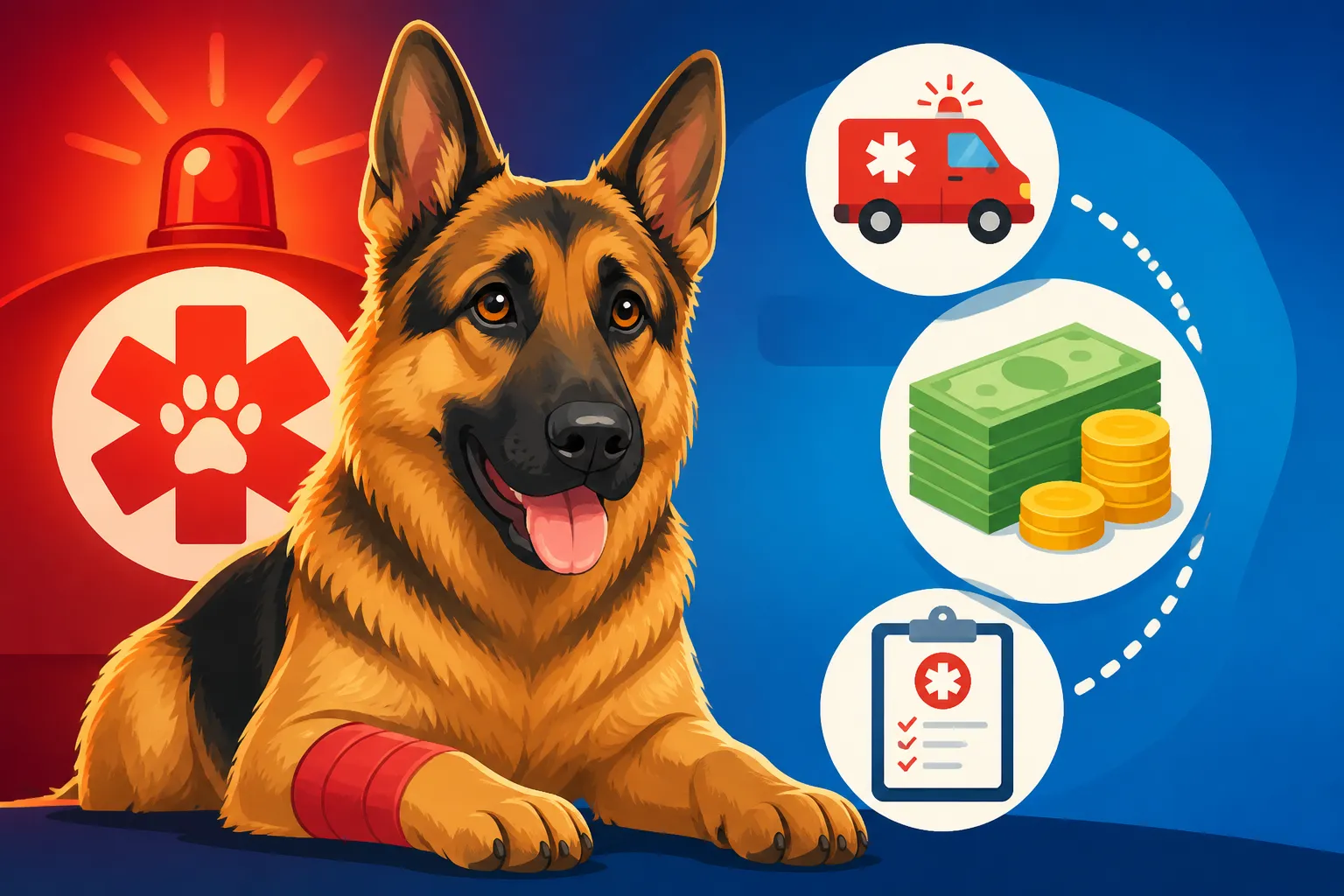
German Shepherd Emergency Vet Cost Examples
There are few things as terrifying for a German Shepherd owner as that sudden, unexpected call or moment when you realize something is terribly wrong with your beloved companion. One minute they're playing, the next they're showing alarming symptoms, and your mind immediately jumps to the worst-case scenario: an emergency vet visit. The emotional toll is immense, but often, the financial burden adds another layer of stress. This guide aims to shed light on what kind of emergency vet costs you might face, offering real-world examples and practical advice to help you prepare for the unthinkable.
Understanding Common German Shepherd Emergencies
German Shepherds are magnificent, robust dogs, but like all breeds, they are prone to certain health emergencies that can arise without warning. Knowing what to look out for can sometimes make the difference, and understanding the potential costs involved for these specific issues can help you prepare. These aren't just minor scrapes; these are situations where immediate veterinary intervention is critical.
Bloat (GDV)
Gastric Dilatation-Volvulus, or "bloat," is a terrifying and life-threatening condition that German Shepherds are particularly susceptible to due to their deep chests. It happens when the stomach fills with gas and twists, cutting off blood flow and preventing anything from passing through. The onset can be incredibly rapid. One moment your dog might seem a little uneasy, pacing or trying to vomit unsuccessfully, and within hours, their abdomen can swell dramatically, leading to collapse.
If you suspect bloat, time is of the absolute essence. This is not a "wait and see" situation. You need to get to an emergency vet immediately. Diagnosing bloat typically involves X-rays, and treatment almost always requires emergency surgery to untwist the stomach and often to perform a gastropexy (surgically tacking the stomach to the abdominal wall) to prevent recurrence. The costs associated with this can be astronomical, covering everything from the initial stabilization and diagnostics to the complex surgery itself, and then several days of intensive post-operative care. For more detailed information, check out our guide on German Shepherd Bloat (GDV): Symptoms and Treatment.
Accidental Poisoning or Ingestion
German Shepherds, especially younger ones, can be incredibly curious and sometimes, unfortunately, prone to eating things they shouldn't. This can range from raiding the garbage for leftover chicken bones to ingesting toxic substances like rat poison, antifreeze, medications, or even certain common houseplants. The symptoms vary widely depending on what was ingested, from vomiting and diarrhea to seizures, lethargy, or even internal bleeding.
When your German Shepherd has eaten something potentially harmful, an emergency vet visit is crucial. The vet will need to identify the substance if possible, induce vomiting if appropriate (and if done within a specific timeframe), administer activated charcoal to absorb toxins, or in severe cases, provide supportive care, IV fluids, and specific antidotes. If a foreign object is swallowed and causes an obstruction, surgical removal might be necessary. The quick action you take at home, knowing exactly what they ingested, can sometimes save time and money, but professional help is always needed.
Traumatic Injuries
Despite their tough exterior, German Shepherds can suffer significant traumatic injuries. These could be from a car accident, a fall, a fight with another animal, or even an unfortunate encounter with a sharp object. Fractures, deep lacerations, internal bleeding, head trauma, or spinal injuries are all possibilities. The signs might be obvious, like a visible wound or limping, but internal injuries can be harder to spot, manifesting as lethargy, pale gums, difficulty breathing, or abdominal pain.
Emergency care for trauma often involves immediate pain management, stabilization, X-rays to check for fractures or internal damage, and sometimes ultrasound. Depending on the injury, surgery might be required to repair broken bones, stitch deep wounds, or address internal bleeding. A German Shepherd involved in a serious accident will often need an extensive work-up, including blood tests, imaging, and potentially specialist consultations, all contributing to a substantial emergency bill.
Severe Allergic Reactions
Just like people, German Shepherds can experience severe allergic reactions, known as anaphylaxis, though less common. These can be triggered by insect stings (bees, wasps), certain medications, or even food allergens. While mild reactions might just involve hives or itching, a severe reaction can cause facial swelling, difficulty breathing due to airway constriction, vomiting, diarrhea, and even collapse. The rapid progression is what makes these so scary.
If your German Shepherd is experiencing a severe allergic reaction, their breathing can quickly become compromised. An emergency vet will typically administer antihistamines, corticosteroids, and sometimes epinephrine to counteract the reaction. They may also need IV fluids and oxygen therapy to support breathing and circulation. Prompt treatment is key to preventing a fatal outcome, and while not always as expensive as major surgery, the immediate, critical care still carries a significant cost. Our guide on German Shepherd Allergies: Symptoms and Treatment can provide more insights into managing less severe allergic reactions.
Sudden Illness or Collapse
Sometimes, an emergency isn't a specific event but a sudden and alarming downturn in your dog's health. This could be a sudden onset of severe vomiting and diarrhea, acute pancreatitis, an unexpected seizure, or even a sudden collapse with no apparent cause. These situations are terrifying because the cause isn't immediately clear, and your vet needs to act quickly to diagnose and stabilize your dog.
When your German Shepherd suddenly becomes very ill or collapses, an emergency veterinarian will perform a thorough physical exam, often including blood work (complete blood count, chemistry panel), urinalysis, and potentially X-rays or ultrasound to try and pinpoint the problem. They might need intravenous fluids, anti-nausea medications, antibiotics, or seizure control drugs. Diagnosing the underlying issue can be a complex process involving multiple tests, and while some illnesses are treatable, the initial emergency stabilization and diagnostic work-up will incur significant costs.
German Shepherd Emergency Vet Cost Examples
The reality of emergency veterinary care is that it can be incredibly expensive. These aren't your routine check-ups. You're paying for immediate access to specialized equipment, skilled staff, and critical, life-saving procedures, often outside regular business hours. It's truly a testament to the dedication of these professionals, but it also means financially preparing for the unexpected is crucial.
Diagnostics and Initial Stabilization Costs
When you arrive at an emergency vet with a critically ill or injured German Shepherd, the first priority is stabilization and diagnosis. This initial phase can rack up significant costs even before treatment begins. For example, if your dog is in shock, they might immediately be put on IV fluids and pain medication. Diagnostic tools are vital to understand what's happening internally.
Here’s a breakdown of what these initial costs might include:
- Emergency Exam Fee: Typically higher than a regular office visit, often ranging from $100-$250, especially for after-hours or holiday visits.
- Blood Work: A full panel (CBC, chemistry) can cost $150-$300, providing crucial information about organ function, infection, and red blood cell counts.
- X-rays: Essential for diagnosing issues like bloat, fractures, foreign body ingestion, or pneumonia. A set of X-rays can run $200-$500.
- Ultrasound: More detailed than X-rays for soft tissue issues, internal bleeding, or organ assessment. An abdominal ultrasound can cost $300-$800, often performed by a specialist.
- IV Fluids and Medications: For stabilization, pain relief, or treating specific symptoms. This can add $100-$500+ depending on the duration and type of medication.
Surgical Intervention Costs
If your German Shepherd's emergency requires surgery, this is where the costs can truly escalate. The complexity of the procedure, the specialists involved, and the necessary anesthesia all contribute to a hefty bill.
Consider these scenarios:
- Bloat (GDV) Surgery: This is one of the most expensive emergency surgeries. It involves not only untwisting the stomach but often tacking it to the abdominal wall (gastropexy) to prevent future episodes. The cost can range from $3,000 to $8,000, sometimes even higher in major metropolitan areas or for complicated cases. This includes anesthesia, surgical fees, medications, and initial recovery.
- Foreign Body Removal: If your German Shepherd has ingested an object causing an intestinal obstruction, surgery is often needed. The cost for this can be $2,500 to $7,000, depending on the location of the object and any damage it has caused.
- Fracture Repair: Depending on the type and location of the fracture, orthopedic surgery can be very complex. Costs can range from $2,000 to $6,000, often requiring a board-certified veterinary surgeon.
- Emergency C-section: While not always an "emergency" in the same vein, unexpected complications during labor can necessitate an emergency C-section, which can cost $1,500 to $4,000.
Hospitalization and Aftercare Costs
Beyond the initial diagnosis and any surgical procedures, ongoing hospitalization and aftercare are often necessary, and these can add up daily. Your German Shepherd might need to stay at the emergency clinic for several days, receiving round-the-clock care.
- Daily Hospitalization: This includes continuous monitoring, nursing care, IV fluids, and medications. Depending on the level of care required (e.g., ICU vs. standard ward), daily costs can be $500 to $1,500+ per day. For a multi-day stay, this quickly becomes a significant sum.
- Specialized Treatments: Beyond basic care, some dogs might need specific treatments like blood transfusions ($500-$1,000 per unit), oxygen therapy ($100-$300 per day), or advanced pain management.
- Follow-up Appointments and Medications: Once discharged, there will be follow-up vet visits to monitor recovery, suture removal, and potentially weeks or months of medication, adding hundreds more to the total.
To give you a clearer picture, here's a rough estimate table for common German Shepherd emergencies. Please remember these are broad ranges and actual costs can vary wildly based on your location (a clinic in New York City will likely be more expensive than one in a rural area), the specific clinic, and the complexity of your dog's condition.
| Emergency Condition | Typical Low-End Estimate | Typical High-End Estimate | Key Cost Drivers |
|---|---|---|---|
| Bloat (GDV) Surgery | $3,000 | $8,000+ | Surgery, anesthesia, ICU, diagnostics, medications, gastropexy |
| Foreign Body Removal | $2,500 | $7,000 | Surgery, anesthesia, diagnostics (X-rays/ultrasound), hospitalization |
| Severe Trauma (e.g., Car Accident) | $1,500 | $10,000+ | Diagnostics (X-rays, ultrasound), surgery (fractures, internal bleeding), prolonged ICU |
| Accidental Poisoning (mild) | $500 | $1,500 | Inducing vomiting, activated charcoal, IV fluids, supportive care |
| Accidental Poisoning (severe) | $1,500 | $5,000 | Diagnostics, extended hospitalization, specific antidotes, organ support |
| Severe Allergic Reaction | $400 | $1,200 | Emergency exam, medications (antihistamines, steroids, epinephrine), IV fluids, oxygen |
| Acute Pancreatitis | $800 | $3,000 | Diagnostics, IV fluids, pain management, anti-nausea medication, hospitalization |
| Sudden Collapse/Seizures | $700 | $4,000 | Diagnostics (bloodwork, imaging), IV medications, hospitalization, specialist consultation |
It's clear that these costs can quickly reach thousands of dollars. This financial reality highlights the importance of proactive financial planning for your German Shepherd's health. You can also review our general guide on German Shepherd Vet Costs Per Year for a broader perspective on routine and unexpected expenses.
Factors Influencing Emergency Vet Bills
Why does an emergency vet bill for the same condition seem to differ so much from one owner's experience to another? Several key factors come into play, making it difficult to give a one-size-fits-all estimate. Understanding these variables can help you anticipate and perhaps even manage costs better, although in an emergency, the priority is always your dog's well-being.
Severity of the Condition
This is arguably the most significant factor. A mild case of stomach upset that just needs some anti-nausea medication and bland food advice will be vastly different from a severe case of bloat requiring immediate, complex surgery. A small laceration might just need stitches, while a deep wound with internal damage demands extensive diagnostics, internal repair, and potential multi-day hospitalization. The more critical the condition, the more aggressive and costly the treatment typically becomes.
For instance, if your German Shepherd has a minor cut, a vet might clean it and bandage it for a few hundred dollars. But if that cut is deep, near a joint, or involves muscle and nerve damage, it could require general anesthesia, surgical repair, multiple layers of sutures, and follow-up care, pushing the cost well over a thousand dollars. The difference in cost isn't just about the initial injury, but about the cascade of medical interventions needed to address its full impact on your dog's system.
Location of the Veterinary Hospital
Veterinary costs can fluctuate significantly based on geographic location, much like human healthcare. Clinics in large metropolitan areas with higher overheads (rent, staff salaries) often have higher prices than those in suburban or rural settings. For example, an emergency clinic in Los Angeles or New York City might charge 20-30% more for the same procedure than one in a smaller town in the Midwest.
It's not just about the city itself; the type of facility also matters. A large, state-of-the-art veterinary emergency and specialty center, often affiliated with a university or offering 24/7 specialist care, will generally have higher costs than a smaller, independent emergency clinic. These larger centers often have advanced imaging equipment (MRI, CT scans), in-house labs, and a full staff of board-certified specialists available around the clock, which comes at a premium.
Specialist Care Needed
Many emergency conditions, especially complex ones like advanced orthopedic injuries, neurological issues, or complicated internal medicine cases, require the expertise of a veterinary specialist. These are vets who have completed extensive additional training (residency) and are board-certified in a specific area, such as surgery, internal medicine, cardiology, or critical care. Their specialized knowledge and skills come at a higher cost.
For example, a routine tooth extraction might be done by your general practitioner, but a complicated jaw fracture would likely be referred to a veterinary dental specialist or an oral surgeon. Similarly, intricate spinal surgery would be performed by a board-certified veterinary neurologist or orthopedic surgeon. When a specialist is involved, their consultation fees, surgical fees, and advanced diagnostic costs (like an MRI for a spinal issue, which can easily cost $2,000-$4,000) will significantly increase the overall bill compared to a general practitioner handling a less complex issue.
Time of Day/Night
Emergency clinics operate 24/7, but the cost of care can often be higher during off-hours, weekends, and holidays. This "emergency fee" or "after-hours surcharge" helps cover the increased operational costs of having staff on duty during these less convenient times. While your regular vet might charge $70 for an office visit, an emergency clinic might charge $150 or more just for the initial exam during a late-night call.
This surcharge isn't just for the exam; it can apply to diagnostics and even some procedures. The staff working these shifts often receive premium pay, and the clinic needs to cover its costs for keeping lights on, equipment running, and a full team available when most other businesses are closed. It's an unavoidable part of receiving immediate care when your primary vet isn't available, but it's an important factor to be aware of when considering the total emergency bill.
Preparing for Potential Emergency Costs
The thought of an emergency vet bill can be daunting, especially when it could run into thousands of dollars. However, being proactive and having a plan in place can significantly reduce the stress and financial burden when a crisis hits. Just like you prepare for your own health, preparing for your German Shepherd's potential emergencies is a crucial part of responsible pet ownership.
Building an Emergency Fund
One of the most straightforward and effective ways to prepare is to establish a dedicated emergency fund specifically for your German Shepherd's health needs. Think of it like a personal savings account, but strictly for unexpected vet bills. Instead of scrambling to find funds or facing difficult decisions based on cost, you’ll have a safety net already in place.
Start small if you need to. Even setting aside $25-$50 a month can build up over time. Aim for a goal of at least $3,000 to $5,000, as this amount can cover many common, but expensive, emergency procedures like bloat surgery or foreign body removal. Keep these funds in an easily accessible, separate savings account so you're not tempted to dip into it for other expenses. Some banks offer high-yield savings accounts that can help your money grow a little faster. Having this fund means that if an emergency strikes, your primary concern can be your German Shepherd's health, not your wallet.
Exploring Pet Insurance Options
Pet insurance is another incredibly valuable tool for managing the unpredictable costs of emergency veterinary care. It works much like human health insurance, where you pay a monthly premium, and in return, the insurance company reimburses you for a portion of your vet bills (after deductibles are met). For a German Shepherd, a breed known for certain predispositions like hip and elbow dysplasia, as well as being susceptible to bloat, insurance can be a lifesaver.
When choosing pet insurance, look for plans that cover accidents and illnesses, rather than just accidents, as many emergencies fall under illness categories. Pay close attention to:
- Deductibles: The amount you pay out-of-pocket before insurance kicks in (e.g., $250, $500, $1,000).
- Reimbursement Rate: The percentage of the vet bill the insurance company will cover (e.g., 70%, 80%, 90%).
- Annual Limit: The maximum amount the policy will pay out in a year.
- Pre-existing Conditions: Most policies do not cover conditions your dog had before the policy started, so it's best to get insurance when your German Shepherd is young and healthy.
Brands like Healthy Paws and Trupanion are well-regarded for comprehensive coverage for accidents and illnesses, offering high reimbursement rates and no per-incident limits. Other providers like Fetch by The Dodo or Lemonade also offer good options. It's worth getting quotes from several companies to compare coverage and premiums for your specific German Shepherd. While it's an ongoing monthly expense, the peace of mind and protection against multi-thousand-dollar emergency bills can be invaluable. For a deeper dive, consider reading our guide on Is Pet Insurance Worth It for a German Shepherd.
Preventive Care as a Cost-Saving Measure
While preventive care might not seem directly related to emergency costs, it plays a critical role in reducing the likelihood of many emergencies and can save you money in the long run. Many emergencies stem from underlying health issues that could have been prevented or caught early.
This includes:
- Regular Vet Check-ups: Annual or semi-annual exams allow your veterinarian to catch subtle changes or developing issues before they become critical. Early detection of conditions can lead to less invasive and less costly treatments. For example, if you're keeping up with your German Shepherd Vaccination Schedule, you're preventing potentially life-threatening diseases that would otherwise require emergency care.
- Appropriate Diet and Exercise: Maintaining a healthy weight through a balanced diet (perhaps from brands like Ollie or high-quality kibble from Chewy) and regular exercise can prevent issues like obesity-related joint problems, heart disease, and even reduce the risk of bloat. Overweight dogs are more prone to a host of health problems that can lead to emergencies.
- Dental Care: Good dental hygiene prevents severe dental disease, which can lead to painful infections, organ damage, and in rare cases, systemic issues requiring emergency intervention.
- Parasite Prevention: Consistent use of flea, tick, and heartworm prevention protects your German Shepherd from vector-borne diseases that can cause severe illness and expensive emergency treatments.
By prioritizing routine wellness and preventive measures, you're not just ensuring your German Shepherd's daily comfort; you're actively working to How to Keep a German Shepherd Healthy and minimize the chances of a sudden, costly emergency down the line. It's an investment in their long-term health and your financial stability.
Making Difficult Financial Decisions
Facing a German Shepherd emergency is already emotionally draining. When significant costs are involved, it can add immense pressure, forcing you to make tough decisions. It's a heartbreaking reality that sometimes, despite all the love in the world, the financial aspect of advanced veterinary care becomes a barrier. However, understanding your options and communicating openly with your veterinary team can help navigate these difficult conversations.
Discussing Payment Plans
When faced with a large emergency vet bill, it can feel like you have to come up with all the money upfront, which isn't always possible. Many veterinary hospitals understand this challenge and offer various payment solutions to help clients manage costs.
- In-House Payment Plans: Some clinics, especially your regular family vet, might offer an interest-free payment plan for a portion of the bill, spread over a few weeks or months. This is often based on your relationship with the clinic and the total amount.
- Third-Party Credit Options: Programs like CareCredit or Scratchpay are specifically designed for healthcare expenses, including veterinary care. They offer special financing options, often with deferred interest for a set period (e.g., 6, 12, 18 months), allowing you to pay off the balance over time. It's essentially a credit card for health expenses. It's crucial to understand the terms and interest rates, as interest can be substantial if the balance isn't paid within the promotional period.
- Partial Payments or Deposits: In some emergency situations, clinics might require a deposit upfront, with the remaining balance due upon discharge or structured into a payment agreement. Don't be afraid to ask what options are available; the vet staff are usually empathetic to the financial strain of these situations.
Veterinary Financial Aid Programs
Beyond payment plans, there are various charitable organizations and programs that offer financial assistance to pet owners facing high veterinary bills. These resources are often need-based and can provide grants or subsidies to help cover a portion of the costs, especially for life-saving treatments.
- National Organizations: Groups like The Pet Fund, RedRover, and Frankie's Friends offer financial aid to pet owners who cannot afford emergency or critical care. Each organization has specific eligibility requirements and application processes, so it's important to research them carefully.
- Breed-Specific Rescues: Many German Shepherd rescues or breed clubs have emergency funds set aside for their specific breed, particularly if the dog was adopted through them. Even if your dog wasn't adopted from them, they might have resources or be able to point you towards local assistance.
- Local Programs: Check with your state veterinary medical association or local humane societies, as they sometimes have lists of local programs or grants available for emergency pet care. Some larger animal hospitals may also have their own charitable funds.
Applying for these programs can take time, which is a luxury you might not have in an emergency. However, even if it's a partial grant, it can make a significant difference in bridging the financial gap.
Understanding Prognosis vs. Cost
This is perhaps the hardest part of any emergency vet visit. When your German Shepherd is critically ill, the veterinary team will present you with diagnostic findings, treatment options, a prognosis (the likely outcome), and the associated costs. Sometimes, the most expensive treatment might offer only a slim chance of recovery or a poor quality of life afterward.
It's vital to have an open and honest conversation with your veterinarian about:
- The Chances of Success: What is the realistic probability that the recommended treatment will work?
- Quality of Life: If the treatment is successful, what will your German Shepherd's quality of life be like? Will they be in pain, require extensive ongoing care, or have significant limitations?
- Alternative Options: Are there less aggressive, less costly treatments that could provide comfort, even if they don't offer a cure?
- The Option of Euthanasia: As heartbreaking as it is, sometimes the most humane choice, particularly if prognosis is poor and suffering is high, or if the financial burden is simply insurmountable, is compassionate euthanasia. This is a decision no one ever wants to make, but a good vet will support you through it with empathy and respect.
Remember, your veterinary team is there to advocate for your pet's health and to support you through these tough choices. Don't be afraid to ask difficult questions, get clarity on the prognosis, and discuss your financial limitations openly. They want the best outcome for your German Shepherd, and sometimes that means exploring all options, even the heartbreaking ones.
Disclaimer
The information provided in this article is for general informational purposes only and does not constitute veterinary advice. Always consult with a qualified veterinarian for any health concerns or before making any decisions related to your German Shepherd's health or treatment. Costs are estimates and can vary significantly based on location, facility, and the specific medical needs of your pet.