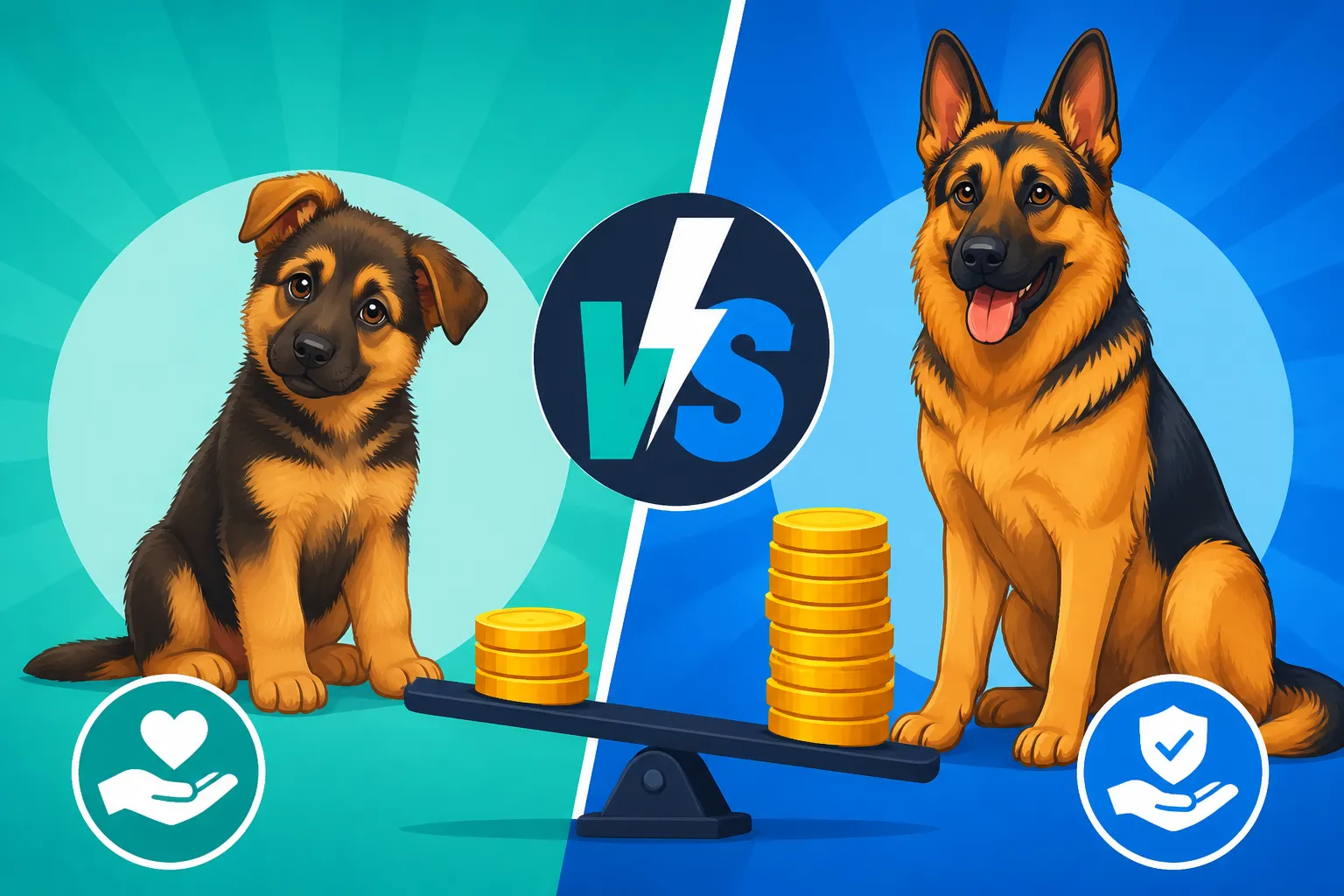
German Shepherd Puppy vs Adult Adoption Cost
Bringing a German Shepherd into your life is an incredibly rewarding experience, but the initial and ongoing costs can feel like a labyrinth, especially when you're weighing the heartwarming option of adoption. Many prospective owners grapple with the crucial question: is it more financially sensible to adopt a German Shepherd puppy or an adult dog? This comprehensive guide will meticulously break down the adoption costs and associated expenses for both puppies and adults, helping you make an informed decision for your family and your wallet.
Understanding German Shepherd Adoption Basics
When you decide to adopt a German Shepherd, whether from a dedicated breed-specific rescue or a general animal shelter, you're not just picking out a furry friend; you're often contributing to the operational costs of the organization that saved and cared for them. These organizations pour resources into vetting, medical care, food, and shelter for every dog that comes through their doors.
The General Landscape of Adoption Fees
Adoption fees are essentially a contribution to cover some of these essential expenses, and they also serve another vital purpose: they act as a screening mechanism. Rescues want to ensure that potential adopters are serious and capable of providing for a dog, and a fee helps deter individuals who might not be prepared for the financial responsibilities of pet ownership. These fees can vary widely, not only by region but also by the specific rescue organization. A smaller, volunteer-run local rescue might have different overheads and therefore different fee structures compared to a large, national organization.
It's common for adoption fees to include a package of services that can save you significant money in the long run. Most reputable rescues will ensure that the dog is spayed or neutered, up-to-date on core vaccinations, microchipped, and dewormed. Some might even include initial vet check-ups or a small supply of food to help with the transition. Always ask for a detailed breakdown of what the adoption fee covers, as this can dramatically impact your initial out-of-pocket expenses for your new German Shepherd.
Factors Influencing Adoption Costs
Several factors play a significant role in determining the final adoption fee for a German Shepherd. The dog's age is a primary consideration, with puppies often commanding higher fees due to their high demand and the extensive care they require (like multiple rounds of puppy shots). However, the age factor isn't always linear; sometimes senior dogs, who can be harder to place, might have reduced adoption fees.
The dog's health status is another critical element. If a German Shepherd has a known medical condition that requires ongoing treatment or special care, a rescue might adjust the fee to reflect that, either slightly lowering it to encourage adoption or, conversely, ensuring the fee helps cover some of the initial specialized vet costs. Geographic location also impacts pricing; adoption fees in a high cost-of-living area like Los Angeles or New York City might be higher than in a rural area, simply because the operational costs for the rescue are higher. Finally, breed-specific rescues, which often invest more in genetic testing and specialized care for German Shepherds, might have slightly higher fees than a general animal shelter, though this isn't always the case.
German Shepherd Puppy Adoption Costs
The allure of a fluffy German Shepherd puppy is undeniable. They're adorable, full of boundless energy, and offer the unique opportunity to shape their personality from a blank slate. However, that fresh start often comes with a higher price tag, both initially and in the short-term.
Initial Adoption Fees for Puppies
When you're looking to adopt a German Shepherd puppy, expect adoption fees to generally range from $300 to $800, and sometimes even higher depending on the specific rescue, location, and what's included. Why the higher price point? Puppies require multiple rounds of vaccinations, deworming, and often more frequent vet visits for growth checks. They're also in incredibly high demand, which allows rescues to set slightly higher fees to help subsidize the care of less adoptable dogs.
For instance, a German Shepherd puppy at a rescue might come with their first two rounds of distemper/parvo vaccinations, a rabies shot (if old enough), deworming, and a microchip. They'll also typically be spayed or neutered before adoption, or the rescue will provide a voucher for the procedure at a later date, often requiring a deposit that's returned upon completion. This upfront medical investment by the rescue can save you hundreds of dollars that you would otherwise pay out-of-pocket at a private vet.
Hidden Costs and Early Expenses for Puppies
Beyond the adoption fee, the true financial commitment for a German Shepherd puppy truly begins. You'll need to factor in numerous "hidden" costs that add up quickly. A new puppy means a shopping spree for essentials: a sturdy crate for crate training a German Shepherd puppy, food bowls, a leash and collar, and a variety of chew toys that can stand up to powerful puppy jaws. These initial supplies alone can easily run you $200-$500 or more, especially if you opt for high-quality, durable items.
Then there's the ongoing medical care. Even if initial vaccinations are covered, boosters, follow-up deworming, and the inevitable "my puppy ate something weird" vet visits are common. Consider the long-term health, as early spaying or neutering can impact their growth plates and joint health. If you choose to wait until they're older, as some experts recommend for German Shepherds to ensure proper joint development, you'll incur that surgery cost later. Training is paramount for German Shepherds. Puppy classes are highly recommended for socialization and basic obedience, usually costing $150-$300 for a multi-week course. You might also want to invest in high-quality puppy food, like that from reputable brands often found on Chewy, which can cost $60-$90 per month for a large-breed puppy formula designed to support their rapid growth without over-nutrition. Remember, a well-fed and well-trained puppy will grow into a healthier, happier adult.
German Shepherd Adult Adoption Costs
Adopting an adult German Shepherd can be an incredibly rewarding experience. These dogs often come with a known history, established personalities, and sometimes even basic training. While they may seem less "sparkly" than a puppy, they often offer a more predictable and, at times, more budget-friendly option.
Adoption Fees for Adult German Shepherds
For adult German Shepherds (typically ranging from 1 year old and up), adoption fees tend to be slightly lower or comparable to puppies, usually falling in the range of $200 to $600. The lower demand for adult dogs, coupled with the fact that many of their initial medical needs like spaying/neutering and core vaccinations are already complete, contributes to this. Some rescues might even have special programs or reduced fees for older adults or "senior" German Shepherds to encourage their adoption.
For example, a rescue might list a 3-year-old German Shepherd whose previous owner surrendered them due to a lifestyle change. This dog would likely already be spayed/neutered, microchipped, and current on all vaccinations, saving you those immediate costs. They might even have a basic understanding of house training and leash manners, further reducing your initial time and financial investment in training. You can learn more about general expenses by reading our guide on the Cost of Owning a German Shepherd Per Year.
Ongoing Costs and Adjustments for Adults
While the initial adoption fee might be less for an adult German Shepherd, it's crucial to consider the potential ongoing costs and adjustment needs. An adult dog might require a different type of training. For instance, if they have some behavioral quirks like separation anxiety or leash reactivity, you might need to invest in specialized training or a professional dog trainer, which can be more expensive than basic puppy classes. Solving issues like German Shepherd separation anxiety can take time and professional help.
Health is another factor. While many adult dogs are healthy, some might come with pre-existing conditions that the rescue has disclosed. For example, joint issues like hip dysplasia, which are common in German Shepherds, might manifest in adulthood and require ongoing management, supplements, or even surgery later in life. Discussing their medical history thoroughly with the rescue and getting a comprehensive vet check-up soon after adoption is essential. Investing in pet insurance from providers like Healthy Paws can be a smart move here, offering peace of mind against unexpected medical emergencies or chronic conditions. Food costs for adult German Shepherds will also be substantial given their size; premium large-breed formulas, whether kibble or fresh food services like Ollie, can be $80-$120+ per month.
Comparing the Total Financial Picture
It’s easy to get fixated on the initial adoption fee, but a realistic assessment requires looking at the broader financial landscape. The total cost of bringing home a German Shepherd goes far beyond that first payment.
A Side-by-Side Cost Comparison Table
To really illustrate the differences, let's break down some common initial and early ongoing costs you might encounter when adopting either a German Shepherd puppy or an adult. Please remember these are general estimates and can fluctuate greatly based on location, brand choices, and individual dog needs.
| Expense Category | German Shepherd Puppy (Estimated Range) | Adult German Shepherd (Estimated Range) | Notes |
|---|---|---|---|
| Adoption Fee | $300 – $800+ | $200 – $600 | Puppies often higher due to demand/initial vet work; sometimes senior adults have reduced fees. |
| Initial Vet Visit | $100 – $250 | $80 – $200 | First check-up, potentially boosters, deworming. |
| Vaccinations (Boosters) | $150 – $300 (multiple rounds) | $0 – $100 (if not current) | Puppies need full series; adults usually just annual boosters if kept up to date. |
| Spay/Neuter Surgery | Often included/voucher | Often included | Most rescues cover this. If not, can be $200-$500+. |
| Microchip | Often included | Often included | Rescues typically do this. If not, $30-$50. |
| Initial Supplies (Crate, Bowls, Leash, Toys) | $200 – $500 | $150 – $400 | Puppies need more chew toys; adults might need different sized crates or specific beds. |
| Puppy/Basic Obedience Classes | $150 – $300 | $0 – $300 (if needed for refresh/specific issue) | Crucial for puppies; adults might need remedial or specialized training. |
| First Month's Food | $60 – $90 (puppy formula) | $80 – $120+ | Large breed adult formulas are pricey; consider brands like Purina Pro Plan for German Shepherds. |
| Pet Insurance (First Month) | $30 – $60 | $40 – $80+ | Rates can be higher for adults, especially if pre-existing conditions (though not covered by insurance). |
| Total Estimated Initial | $990 – $2,500+ | $650 – $2,000+ | These totals highlight the immediate financial outlay, not including emergency funds. |
Long-Term Financial Considerations
The initial costs are just the tip of the iceberg when it comes to German Shepherd ownership. Over the lifespan of your dog, the ongoing expenses will far outstrip the adoption fee. Food, for instance, is a significant monthly expense. A German Shepherd will eat a substantial amount, and feeding a high-quality diet, which is crucial for their health and longevity, will add up. Brands like Orijen or Acana, while excellent, come with a higher price tag.
Routine veterinary care, including annual check-ups, vaccinations, and parasite prevention, is non-negotiable. Unexpected vet bills for illnesses or injuries can be astronomical, with a German Shepherd Bloat Emergency often costing thousands of dollars. This is where pet insurance, such as a plan from Healthy Paws, can be an invaluable investment. While it won't cover pre-existing conditions, it can soften the blow of new health issues.
Factor in grooming supplies (brushes for their double coat, shampoo), toys that can withstand their powerful jaws, and potential boarding or dog-walking services if your lifestyle requires it. Considering the German Shepherd Lifespan: How Long They Live, you're looking at a decade or more of these financial commitments. Preparing for this long-term responsibility is as important as the initial adoption cost.
Making the Best Decision for Your Budget and Lifestyle
Choosing between a German Shepherd puppy and an adult dog involves more than just a financial spreadsheet. It's about matching the dog's needs with your lifestyle, experience level, and, of course, your budget.
When a Puppy Might Be More Cost-Effective in the Long Run
While puppies often have higher initial adoption fees and more intensive early expenses, there are arguments for them being more "cost-effective" in the long run for certain owners. For one, you get to establish all their habits from day one. You control their diet, training, socialization, and vet care history entirely. This proactive approach can potentially mitigate future health or behavioral issues, which can be very expensive to correct down the line. For example, preventing German Shepherd Hip Dysplasia through careful feeding and controlled exercise in puppyhood can save you from costly treatments later.
Furthermore, a puppy typically comes with a clean slate regarding behavior. You can guide their development through consistent positive reinforcement, ensuring they integrate seamlessly into your family dynamic. This might mean fewer behavioral interventions or specialized training costs compared to an adult dog with unknown past experiences or ingrained habits. If you have the time, patience, and energy to dedicate to intensive early training and socialization, a puppy can indeed be a fantastic long-term investment, both emotionally and potentially financially, as you build a strong foundation. You'll also learn invaluable lessons about training them by following a guide like German Shepherd Puppy Training Guide.
When an Adult Dog Offers Value and Stability
For many, an adult German Shepherd is actually the more sensible and "valuable" choice. Firstly, what you see is largely what you get. An adult dog's personality, temperament, and size are already established, making it easier to determine if they're a good fit for your family and living situation. Rescues often have a wealth of information about an adult dog's past, including their likes, dislikes, and how they interact with children or other pets. This predictability can save you from unforeseen behavioral challenges that might arise with a puppy.
Financially, while some adult dogs might have ongoing health needs, others are perfectly healthy and just need a loving home. Their adoption fees are often lower, and much of the initial medical work (spay/neuter, microchip, core vaccines) is usually done. You also skip the most intense phases of puppyhood – the constant potty training, destructive chewing, and endless bursts of energy. An adult dog, especially one who is already house-trained and has basic manners, can integrate into a home with much less immediate stress and demanding effort, making them incredibly appealing to busy individuals or families who want a companion without the intense demands of raising a puppy. It's truly a rewarding experience to give an older dog a second chance at happiness.
Disclaimer
The information provided in this article is for general informational purposes only and does not constitute professional veterinary or financial advice. Always consult with a qualified veterinarian regarding your German Shepherd's health and medical needs, and a financial advisor for personal financial planning. Adoption fees and associated costs are estimates and can vary significantly.