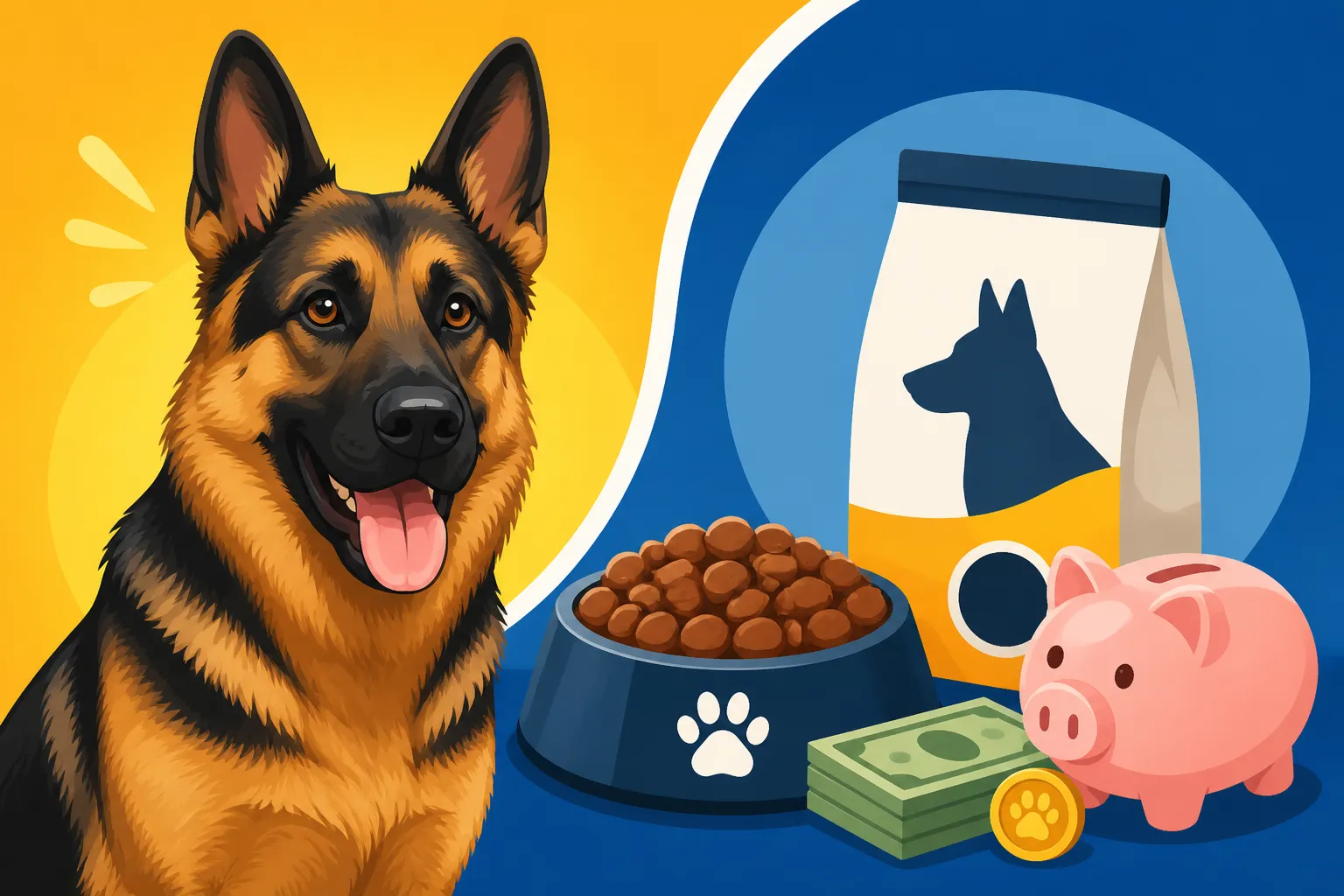
Monthly Cost of Feeding a German Shepherd
Owning a magnificent German Shepherd is an absolute joy, but let's be honest, the financial commitment can sometimes feel a bit overwhelming. One of the biggest ongoing expenses, and often a source of anxiety for new and seasoned owners alike, is feeding your large, active companion. It’s not just about tossing any kibble into a bowl; it’s about providing quality nutrition that supports their health and energy, all while trying to stick to a realistic budget. This comprehensive guide will meticulously break down the monthly cost of feeding a German Shepherd, helping you understand where your money goes and how to make informed choices for your beloved dog.
Understanding the Key Factors Influencing Food Costs
Before we dive into specific numbers, it’s crucial to understand that the monthly cost of feeding your German Shepherd isn't a fixed figure. Several dynamic factors play a significant role in determining how much you'll spend. Ignoring these variables can lead to unexpected budget strains or, worse, compromising your dog's nutritional needs.
Age and Life Stage
Just like humans, a German Shepherd's dietary needs change dramatically throughout their life. A growing puppy, a thriving adult, and a wise senior all have distinct caloric and nutritional requirements, which directly impacts the quantity and type of food they need.
Puppies, for instance, are little energy factories, growing at an astonishing rate. They require specialized puppy formulas that are higher in calories, protein, and essential nutrients like DHA for brain development. Because they’re growing so fast and often eat multiple small meals a day, their food consumption can be surprisingly high, even if they aren't as large as an adult yet. Many owners find themselves refilling bowls more often than anticipated, which can quickly add up. For more detailed information on feeding young pups, check out our guide on the German Shepherd Puppy Feeding Schedule. Once your German Shepherd reaches adulthood, typically around 12-18 months, their growth plateaus, and their caloric needs generally stabilize, requiring an adult-formulated food. Senior German Shepherds, on the other hand, might need fewer calories to prevent weight gain as their metabolism slows, or they might need specific ingredients to support joint health or organ function. Each stage brings its own set of nutritional considerations and, consequently, its own price tag.
Activity Level and Health Needs
A German Shepherd's activity level is another huge determinant of how much food they require. A highly active German Shepherd, perhaps one involved in sports like agility or Schutzhund, or a working dog with a demanding job, burns significantly more calories than a companion dog who enjoys leisurely walks and naps on the couch.
A dog with a higher energy output will simply need more food to maintain a healthy weight and energy level. This means buying larger bags of food more frequently. Moreover, any underlying health conditions can drastically alter your dog's dietary requirements and associated costs. For example, a German Shepherd with German Shepherd EPI Symptoms to Watch (Exocrine Pancreatic Insufficiency) will need specialized digestive enzymes with every meal, while a dog with German Shepherd Allergies: Symptoms and Treatment might require a limited-ingredient or prescription diet. These specialty diets are almost always more expensive than standard kibble. If your dog suffers from conditions like German Shepherd Arthritis: Symptoms and Treatment, you might also consider supplements that come with their own additional costs. It’s vital to consult with your veterinarian to tailor a diet that meets these specific needs, understanding that these adjustments will impact your monthly budget.
Type of Food
The market for German Shepherd food is vast, offering a bewildering array of choices, each with a different price point. This is perhaps the most significant factor influencing your monthly feeding cost.
You can find everything from budget-friendly grocery store kibble to premium grain-free, organic, raw, or fresh food options. Generally, the higher the quality of ingredients, the more expensive the food will be. A basic dry kibble might be the most economical choice, but premium kibble brands often use higher quality proteins, fewer fillers, and include beneficial supplements, justifying their higher price. Raw food diets, which involve feeding raw meat, bones, and organs, or fresh, human-grade prepared meals, are typically the most expensive options but are chosen by owners who believe they offer superior health benefits. Understanding these distinctions is key to both your dog's health and your wallet. For a deeper dive into choosing the right nutrition, our guide on the Best Dog Food for German Shepherds offers excellent insights.
Breakdown of Typical Monthly German Shepherd Food Expenses
Now that we’ve explored the factors, let’s get down to the nitty-gritty: what can you expect to pay each month for your German Shepherd’s food? We’ll look at the common types of food available and their average costs. Keep in mind these are estimates, and prices can vary based on brand, region, and sales.
| Food Type | Average Monthly Cost Range (USD) | Typical Bag/Serving Size | Frequency of Purchase | Key Considerations |
|---|---|---|---|---|
| Budget Dry Kibble | $40 – $70 | 30-40 lb bag | Every 3-4 weeks | Good for tight budgets, often more fillers. |
| Premium Dry Kibble | $70 – $120 | 25-30 lb bag | Every 2-3 weeks | Higher quality ingredients, often breed-specific. |
| Wet Food (as sole diet) | $150 – $300+ | 13 oz cans (case of 12) | Weekly to bi-weekly | Hydrating, palatable, but very expensive for large breeds. |
| Raw/Frozen Fresh Food | $200 – $500+ | 4-10 lb batches | Weekly | High quality, complex preparation, storage needs. |
| Human-Grade Fresh (e.g., Ollie) | $250 – $600+ | Custom portions | Bi-weekly/Monthly | Convenient, subscription-based, tailored meals. |
| Treats & Chews | $20 – $50 | Varies | Monthly | Essential for training, mental stimulation. |
| Supplements | $15 – $40+ | Varies | Monthly to bi-monthly | Supports joint health, digestion, coat, etc. |
(Note: These are estimates for an average adult German Shepherd (60-90 lbs). Puppy and senior diets may vary.)
Dry Kibble Costs
Dry kibble remains the most popular and generally the most economical choice for German Shepherds. The cost, however, can fluctuate significantly depending on the brand and quality.
For a large breed like a German Shepherd, who might consume 3-5 cups of food per day (depending on their specific needs, which you can learn more about in How Much to Feed a German Shepherd), a 30-40 lb bag of kibble will typically last between three to five weeks. A budget-friendly kibble, often found at supermarkets or large retailers, might cost you anywhere from $40 to $70 for a large bag. These brands usually contain a higher percentage of grains and by-products. Stepping up to a premium dry kibble, such as Royal Canin German Shepherd formula, Purina Pro Plan, or Hill's Science Diet, will see prices jump to $70-$120 per 25-30 lb bag. These formulas often feature high-quality animal proteins as the primary ingredient, chelated minerals, prebiotics, and specific ingredients to support large breed joints and digestion. Many owners feel the investment is worth it for the visible health benefits, including a shinier coat, better digestion, and sustained energy levels. Subscribing to auto-delivery services from online retailers like Chewy can often net you a discount, helping to mitigate some of these costs.
Wet Food, Toppers, and Mix-Ins
While feeding a German Shepherd solely on wet food is generally cost-prohibitive for most owners, it's often used as a topper or a special treat. Wet food is much less calorie-dense than kibble due to its high water content, meaning you'd need to feed a large volume to meet your GSD's caloric needs.
A typical 13-ounce can of quality wet dog food can range from $2 to $5, and a German Shepherd could easily eat several cans a day. If you were to feed wet food exclusively, your monthly bill could easily soar to $150-$300 or more. However, many owners opt to mix a small amount of wet food with kibble to enhance palatability, especially for picky eaters or dogs with dental issues. These "mix-ins" might add an extra $20-$50 to your monthly budget, depending on how frequently you use them. It’s a nice way to add variety and moisture to their diet without breaking the bank on a full wet food diet.
Raw or Fresh Food Diets
For owners committed to a more natural or specialized feeding regimen, raw (BARF or PMR) or human-grade fresh food diets are popular, albeit more expensive, choices.
A raw diet involves feeding raw meat, bones, and organs, often prepared at home or purchased from specialized suppliers. The monthly cost for a homemade raw diet can be anywhere from $200 to $400+, depending on your sourcing of ingredients, which often means buying in bulk from butchers or specialty pet stores. Prepared raw meals, which are often pre-portioned and balanced, can push this cost even higher, potentially $300-$500+ per month. Then there are fresh food delivery services, like Ollie, which provide pre-portioned, human-grade meals tailored to your dog's specific needs. These services offer immense convenience and high-quality nutrition but come with a premium price tag, often ranging from $250 to $600+ per month for a large breed like a German Shepherd. These costs reflect the quality of ingredients, convenience, and often, the bespoke nature of the meals. You can explore the pros and cons further in our Raw Diet for German Shepherds Explained article.
Treats and Chews
Don’t forget about treats and chews! These are not just for spoiling your German Shepherd; they are invaluable tools for training, mental enrichment, and dental health.
From crunchy biscuits to long-lasting dental chews and puzzle toy stuffers, these items are an essential part of your dog's life. The cost can vary wildly, from inexpensive bags of training treats costing $5-$10, to premium bully sticks or dental chews that can be $5-$15 each. Many German Shepherds are power chewers, so finding durable, safe chews is key, and these tend to be pricier. Budgeting $20-$50 per month for treats and chews is a realistic expectation. Buying larger bags or multi-packs can often save money in the long run. Also, consider making some homemade treats for an even more economical and healthy option.
Smart Strategies for Managing German Shepherd Feeding Costs
The costs can seem daunting, but there are indeed smart strategies you can employ to ensure your German Shepherd receives excellent nutrition without draining your bank account. It’s all about being a savvy consumer and planning ahead.
Buying in Bulk and Utilizing Sales
One of the most effective ways to reduce your monthly food bill is by purchasing larger quantities of food and keeping an eye out for sales.
Larger bags of kibble almost always have a lower per-pound price than smaller ones. If you have the storage space and your German Shepherd is doing well on a particular food, investing in the largest available bag makes good financial sense. Many pet supply stores, both brick-and-mortar and online retailers like Chewy, offer frequent sales, loyalty programs, or subscription discounts. Signing up for auto-ship services often gives you a percentage off each order, plus the convenience of not having to remember to buy food. Stocking up during these sales, perhaps buying two large bags instead of one, can lead to significant savings over time. Just be sure to check the expiration dates and store the food properly in an airtight container to maintain freshness.
Evaluating Store Brands vs. Premium Brands
It’s natural to be drawn to the big-name premium brands, but sometimes, store brands or lesser-known brands can offer comparable quality at a more attractive price.
Not all budget-friendly options are created equal, and not all expensive brands are necessarily the only good choice. Do your research. Compare ingredient lists. Look for foods where a named meat source (e.g., "chicken meal" rather than "meat meal") is among the first few ingredients. Some store brands from reputable pet retailers have invested heavily in creating high-quality formulas that stand up well against their premium counterparts. For example, some large pet store chains have developed their own "house brands" that are manufactured to strict standards. Reading reviews and consulting with your veterinarian can help you determine if a less expensive option could still provide excellent nutrition for your German Shepherd without compromising their health or falling short of key nutrients.
DIY Meal Prep and Homemade Treats
If you have the time and are comfortable with the nutritional science, preparing some of your German Shepherd's food or treats at home can be a cost-effective and healthy alternative.
For those interested in exploring this, our guide on Homemade Food for German Shepherds offers some starting points. Cooking for your dog allows you to control the quality of ingredients and avoid fillers, artificial preservatives, and common allergens. You can buy human-grade meats and vegetables in bulk when they're on sale and prepare balanced meals or meal toppers. Similarly, making your own dog treats, using simple ingredients like peanut butter, oats, and bananas, is far cheaper than buying gourmet treats from the store. Just ensure any homemade diet is properly balanced with all essential vitamins and minerals, as deficiencies can lead to serious health problems. Always consult with a veterinary nutritionist before transitioning to a fully homemade diet to ensure it meets all of your German Shepherd's specific needs.
Beyond the Bowl: Related Feeding Costs to Consider
Feeding your German Shepherd isn't just about the food itself. There are other associated costs that, while not directly food expenses, are intrinsically linked to their dietary health and overall well-being. Overlooking these can lead to unexpected budget surprises.
Nutritional Supplements
While a high-quality commercial dog food should ideally provide all the nutrients your German Shepherd needs, many owners choose to add supplements to address specific concerns or provide extra support.
Common supplements for German Shepherds include those for joint health (like glucosamine and chondroitin, often discussed in relation to preventing conditions like How to Prevent Hip Dysplasia in German Shepherds), omega fatty acids for skin and coat health, probiotics for digestive support, and sometimes multivitamins. These can add an extra $15-$40 (or more) to your monthly budget, depending on the brand and type of supplement. It's crucial to discuss any supplements with your veterinarian before introducing them, as excessive amounts of certain vitamins or minerals can be harmful. For senior German Shepherds or those with particular health challenges, supplements can be an invaluable part of their care, potentially extending their healthy years and quality of life. Learn more about effective options in our Best Joint Supplements for Senior German Shepherds guide.
Specialty Diets for Health Issues
When a German Shepherd develops a chronic health issue, their dietary needs can become very specific, often requiring prescription diets that come at a premium price.
For example, a dog diagnosed with kidney disease, pancreatitis (German Shepherd Pancreatitis: Symptoms and Treatment), or severe food allergies might require a veterinary-prescribed diet from brands like Royal Canin Veterinary Diet, Hill's Prescription Diet, or Purina Pro Plan Veterinary Diets. These foods are formulated with precise nutrient profiles to manage specific medical conditions and are significantly more expensive than even premium over-the-counter foods. Depending on the condition, these specialty diets could add $50-$150+ to your monthly food budget. While pet insurance typically doesn't cover regular food, a good policy from a provider like Healthy Paws might help with diagnostic costs or veterinary visits associated with these conditions, indirectly easing the financial burden on managing complex health issues that necessitate a special diet. It's an investment in your dog's health and longevity.
Food Storage and Bowls
While seemingly minor, the initial and replacement costs of food storage containers and feeding bowls also factor into your long-term feeding budget.
For a large breed, you'll need sturdy, appropriately sized bowls – preferably stainless steel, ceramic, or glass, as plastic can harbor bacteria and cause chin acne. Investing in a good quality, elevated feeder might also be something to consider, though research on its impact on conditions like bloat (German Shepherd Bloat: Signs and Prevention) is mixed. Good quality bowls can range from $15-$50 for a set. A large, airtight food storage container is essential to keep kibble fresh, prevent pests, and retain nutritional value, especially when buying in bulk. These can cost $20-$60, but they're a one-time purchase that can last for years. These aren't monthly costs, but they are necessary expenses to factor into the initial setup or occasional replacement budget for your German Shepherd's feeding station.
Final Thoughts on Your German Shepherd's Food Budget
Feeding a German Shepherd is undoubtedly a significant financial commitment, but it’s one of the most important investments you can make in their health and happiness. By understanding the various factors that influence costs, exploring different food options, and implementing smart budgeting strategies, you can ensure your loyal companion receives optimal nutrition without undue stress on your finances. Remember, a healthy diet is the foundation for a long, vibrant life with your German Shepherd.
Disclaimer
Please note that this article is intended for informational purposes only and should not be taken as professional veterinary advice. Always consult with a qualified veterinarian regarding your German Shepherd's specific dietary needs, health conditions, and before making any significant changes to their diet or supplement regimen. Individual costs may vary based on location, brand choice, and market fluctuations.