German Shepherd Health Problems Guide
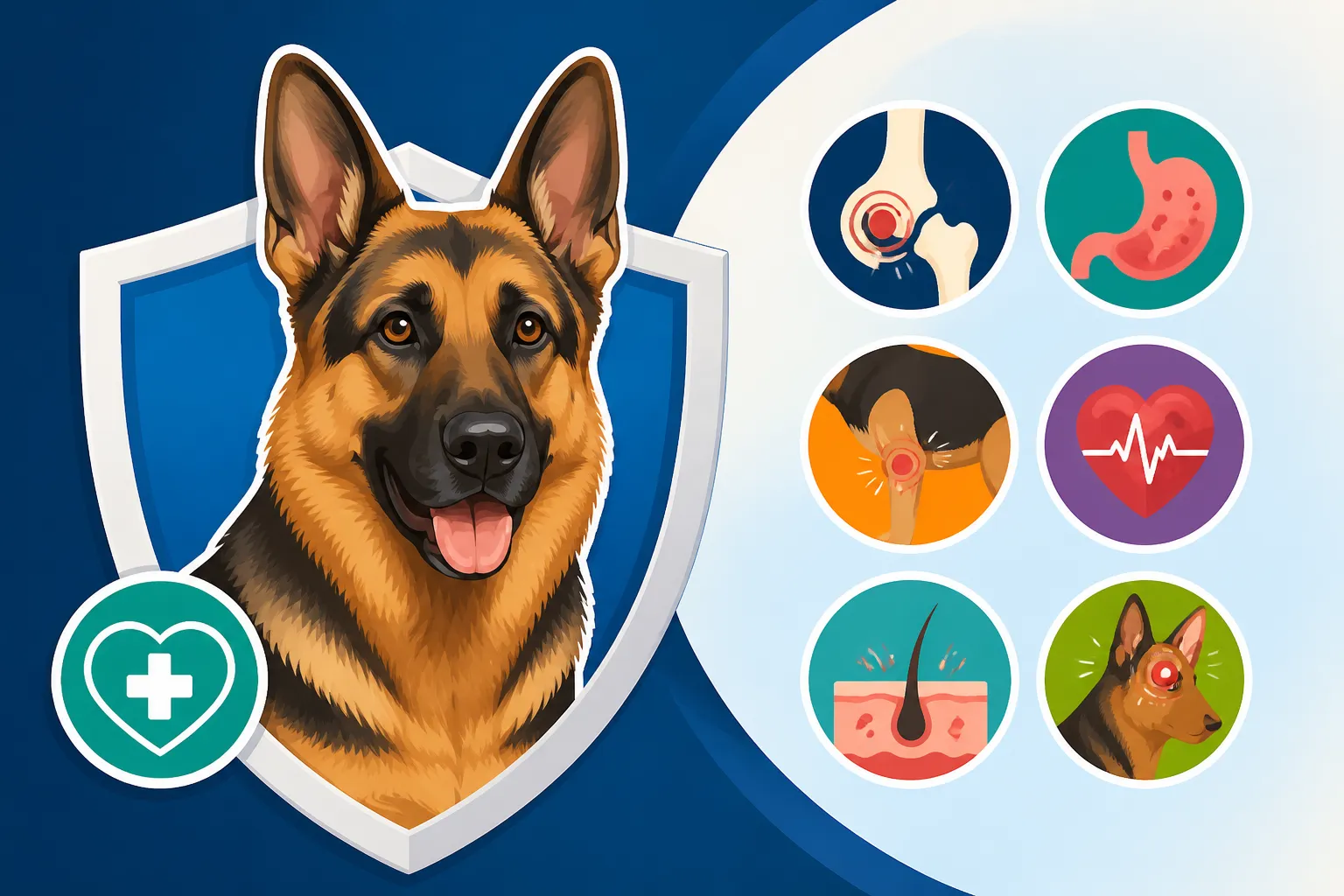
Bringing a German Shepherd into your life is an incredible joy, but it also comes with the heavy responsibility of understanding and preparing for their potential health challenges. It's truly heartbreaking to see your beloved companion suffer, especially when some conditions are notoriously common within the breed. This comprehensive guide is here to shed light on the most prevalent German Shepherd health problems, empowering you with the knowledge to recognize symptoms early, seek appropriate care, and ultimately give your loyal friend the best possible chance at a long, healthy, and happy life.
Understanding the German Shepherd's Genetic Predispositions
It's an unfortunate truth that German Shepherds, despite their strength and intelligence, are prone to certain genetic health issues. These aren't always a reflection of poor care, but rather inherent vulnerabilities passed down through generations. Recognizing these predispositions is the first step in proactive management and early intervention, which can make a world of difference in your dog's quality of life. Many owners feel a wave of despair when faced with these diagnoses, but understanding what you're up against is empowering.
Hip and Elbow Dysplasia: The Unfortunate Reality
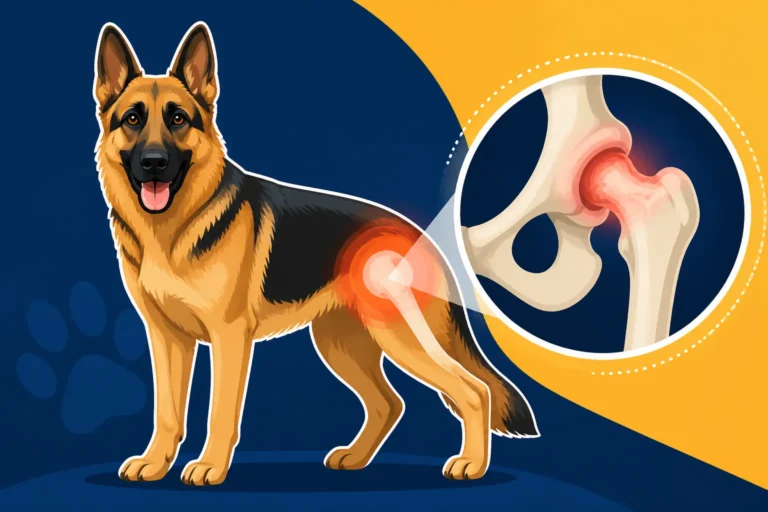
If you've spent any time researching German Shepherds, you've undoubtedly heard of hip and elbow dysplasia. These aren't just minor aches and pains; they are debilitating developmental disorders of the joints. Imagine waking up every day with chronic joint pain – that's often the reality for dogs affected by these conditions. The ball and socket joints, either in the hips or elbows, don't fit together properly, leading to grinding, wear, and tear, and eventually, painful osteoarthritis. It’s a struggle many German Shepherd owners face, watching their once-active dogs become hesitant to move or even whimper with pain.
The severity can vary wildly. Some dogs might show subtle lameness after exercise, while others can be severely crippled from a young age. This isn't just about aging; puppies as young as five or six months old can exhibit signs, leading to immense worry for their families. The progressive nature of these diseases means they often worsen over time, presenting a continuous challenge in managing pain and maintaining mobility. Understanding the nuances of conditions like German Shepherd Hip Dysplasia Explained is crucial for any owner.
Degenerative Myelopathy: A Heartbreaking Diagnosis
Degenerative Myelopathy, or DM, is a condition that strikes fear into the hearts of German Shepherd owners, and for good reason. It's a progressive disease of the spinal cord, often likened to ALS in humans. The disease slowly causes weakness and paralysis in the hind limbs, gradually working its way forward. Watching a once-vibrant dog lose the ability to walk, play, and even stand independently is truly heartbreaking. There's no cure, and the progression is relentless, usually occurring over 6-12 months.
The cruel irony is that affected dogs rarely experience pain; their minds remain sharp and engaged, even as their bodies fail them. This makes the emotional toll on owners even heavier. They're faced with the difficult task of providing comfort and support, often requiring specialized equipment like wheelchairs and extensive home modifications, while their dog still wants to be an active part of the family. Learning about Degenerative Myelopathy in German Shepherds can help prepare you for this difficult journey.
Bloat (GDV): A Sudden and Deadly Threat
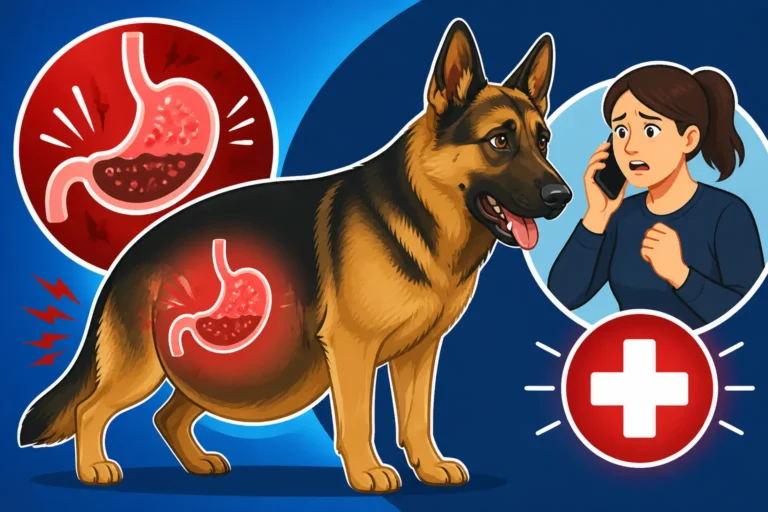
Gastric Dilatation-Volvulus, more commonly known as bloat, is a sudden, life-threatening condition that can affect any deep-chested dog breed, and German Shepherds are particularly susceptible. This isn't your average stomach upset; it's an emergency where the stomach fills with gas and often twists, cutting off blood supply and leading to rapid shock. The onset is terrifyingly fast, often with no warning. One minute your dog is fine, the next they're pacing, retching, and showing extreme distress.
The fear surrounding bloat is palpable among German Shepherd enthusiasts because time is absolutely critical. Without immediate veterinary intervention, often surgical, the prognosis is grim. It’s a condition that demands constant vigilance, especially around feeding times and exercise, and it’s why many owners live with a low-level hum of anxiety, always watching for the first subtle signs. Being aware of German Shepherd Bloat: Signs and Prevention is a fundamental part of responsible ownership.
Common Orthopedic Issues in German Shepherds
Orthopedic problems are, unfortunately, a significant concern for German Shepherd owners. Their large size, active nature, and genetic predispositions make them particularly vulnerable to a range of musculoskeletal conditions beyond just dysplasia. These issues often lead to chronic pain, reduced mobility, and a diminished quality of life if not managed properly. It’s a journey many of us embark on, navigating vet visits, physical therapy, and various treatments to keep our companions comfortable.
Hip Dysplasia: More Than Just a "Bad Hip"
Hip dysplasia in German Shepherds is far more complex than just a "bad hip." It's a spectrum disorder, ranging from mild looseness (laxity) in the joint to severe malformation and degenerative joint disease. The core problem lies in the incongruity between the femoral head (the "ball") and the acetabulum (the "socket") of the hip joint. Instead of a smooth, gliding motion, there's excessive movement, friction, and uneven weight distribution, which erodes cartilage and leads to bone spurs and chronic inflammation.
Owners often report a "bunny hop" gait, reluctance to jump or climb stairs, stiffness after rest, or even a decrease in activity level. What starts as occasional discomfort can escalate into debilitating pain, especially as arthritis sets in. The emotional toll of watching your energetic puppy struggle to play is immense. Management often involves a multi-modal approach, including pain medication, joint supplements, controlled exercise, physical therapy, and in some severe cases, surgical interventions like Total Hip Replacement (THR) or Femoral Head Ostectomy (FHO). Proactive measures discussed in articles like How to Prevent Hip Dysplasia in German Shepherds can offer some hope.
Elbow Dysplasia: The Other Joint Concern
While hip dysplasia often gets more attention, elbow dysplasia is equally prevalent and can be just as painful for German Shepherds. This condition actually encompasses several different developmental abnormalities of the elbow joint, including:
- Fragmented Coronoid Process (FCP): A small piece of bone breaks off the ulna.
- Osteochondritis Dissecans (OCD): Cartilage fails to mature into bone, leading to a flap of cartilage in the joint.
- Ununited Anconeal Process (UAP): A bone growth center fails to fuse with the ulna.
- Elbow Incongruity: The bones of the forearm (radius and ulna) don't align perfectly.
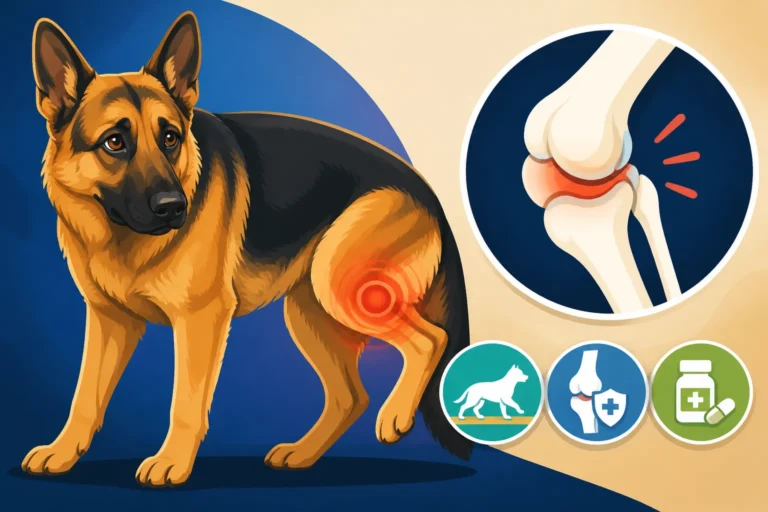
Any of these can cause pain, lameness, and eventual arthritis. Dogs with elbow dysplasia often exhibit a noticeable lameness in one or both front legs, sometimes accompanied by stiffness, a reluctance to bear weight, or a "paddling" gait. The signs might be more obvious after strenuous exercise or upon waking. Treatment options range from conservative management, like anti-inflammatory drugs and physical therapy, to various surgical procedures designed to correct the underlying abnormality or mitigate the damage. Early diagnosis is key, as the joint damage can progress quickly. More details can be found in German Shepherd Elbow Dysplasia: Symptoms and Treatment.
Panosteitis: The "Growing Pains" of Youth
Panosteitis, often colloquially referred to as "growing pains," is an inflammatory condition affecting the long bones of rapidly growing large breed puppies, including German Shepherds. It typically affects dogs between 5 and 18 months of age, though it can sometimes occur earlier or later. The exact cause isn't fully understood, but it involves inflammation within the bone marrow and outer surface of the bones. It's not permanent damage, but it sure can be distressing for both puppy and owner.
The classic symptom is a sudden, shifting lameness that can move from one leg to another, sometimes even daily. One day your pup is limping on their front left, the next it’s the back right. This migratory lameness, often accompanied by tenderness when the affected bone is touched, can be quite alarming. Thankfully, panosteitis is usually self-limiting, meaning puppies outgrow it as their bones mature. Treatment focuses on pain management through anti-inflammatory medications and rest during flare-ups. While uncomfortable, it’s a condition that almost all puppies recover from completely without lasting effects. You can learn more about this specific issue in German Shepherd Panosteitis (Growing Pains).
Neurological Conditions Affecting German Shepherds
The German Shepherd's incredible intelligence and working drive are often tied to a robust nervous system, yet they are, sadly, also prone to several serious neurological disorders. These conditions can range from debilitating spinal cord issues to seizure disorders, profoundly impacting a dog's quality of life and demanding significant commitment from their human companions. It's a tough path to navigate, filled with uncertainty and often, emotional strain.
Degenerative Myelopathy: A Gradual Loss of Mobility
We touched on DM earlier, but let's dive deeper into what makes this condition so uniquely challenging. Degenerative Myelopathy is a non-painful, progressive neurological disease that affects the spinal cord, particularly in the thoracic (mid-back) region. It's caused by a mutation in the SOD1 gene, making genetic testing a crucial tool for responsible breeders, as discussed in German Shepherd Genetic Health Testing. The disease breaks down the protective myelin sheath around the nerve fibers and ultimately damages the nerves themselves, preventing signals from traveling effectively between the brain and the hind limbs.
The first signs are often subtle: a slight dragging of a hind paw, scuffing of nails, or mild wobbliness in the rear. These symptoms are often mistaken for arthritis or hip dysplasia initially, making accurate diagnosis tricky. As it progresses, weakness intensifies, leading to difficulty standing, walking, and eventually, complete paralysis of the hindquarters. Owners often describe their dogs "knuckling over" or crossing their hind legs when walking. Despite the profound physical decline, DM dogs maintain their mental faculties and their desire to engage with their families, which is both a blessing and a curse. While there's no cure, physical therapy, assistive devices like slings and wheelchairs, and maintaining good muscle mass can help improve quality of life for a time. Understanding the progression and care options is vital, especially when facing something like Degenerative Myelopathy Life Expectancy.
Cauda Equina Syndrome: Tail to Toes Trouble
Cauda Equina Syndrome (CES) is another painful neurological condition that primarily affects the lower back and hindquarters of German Shepherds, particularly middle-aged to older dogs. This syndrome occurs when the nerves in the lumbosacral region (the area where the spine meets the pelvis), known as the cauda equina (Latin for "horse's tail," due to their appearance), become compressed or entrapped. This compression can be caused by disc degeneration, a slipped disc, a tumor, or instability in the vertebrae.
Symptoms often include severe pain in the lower back, hind leg weakness, difficulty jumping or climbing stairs, lameness in one or both hind legs, and sometimes, a loss of tail function (e.g., a limp tail or inability to wag). In severe cases, dogs may experience urinary or fecal incontinence. The pain can be excruciating, making basic movements agonizing. Diagnosis often involves X-rays, MRI, or CT scans to pinpoint the site of compression. Treatment options vary from conservative management with anti-inflammatory drugs and strict rest to surgical decompression, which can provide significant relief for many dogs. The decision for surgery is a big one, often weighed against the dog's age, severity of symptoms, and overall health.
Epilepsy: Managing Seizures in Your Companion
Epilepsy in German Shepherds refers to a chronic neurological disorder characterized by recurrent, unprovoked seizures. While seizures can be a symptom of various underlying issues (e.g., brain tumors, liver disease, toxins), when no identifiable cause is found, it's termed idiopathic epilepsy, which is believed to have a strong genetic component in German Shepherds. Witnessing your dog have a seizure is incredibly frightening and can leave you feeling helpless and heartbroken.
Seizures can manifest in different ways, from full-body convulsive "grand mal" seizures to more subtle "focal" seizures that might involve twitching, staring, or unusual behaviors. Typically, a grand mal seizure involves a loss of consciousness, uncontrolled muscle movements, paddling of the legs, salivation, and sometimes urination or defecation. These episodes usually last from a few seconds to a few minutes, followed by a "post-ictal" phase where the dog may be disoriented, tired, or temporarily blind. Management primarily involves anti-epileptic medications, which aim to reduce the frequency and severity of seizures. Finding the right medication and dosage often requires patience and close collaboration with your veterinarian. While epilepsy cannot be cured, it can often be successfully managed, allowing affected German Shepherds to lead relatively normal lives with consistent care and monitoring. It’s a challenge that tests the owner’s commitment, but the bond often grows stronger through it.
Gastrointestinal and Digestive Health Challenges
German Shepherds are magnificent dogs, but their digestive systems can sometimes be a source of ongoing concern for owners. Many face a constant battle with sensitive stomachs, allergies, or more serious, sudden gastrointestinal emergencies. It’s a common frustration to see your dog struggle with chronic diarrhea or vomiting, and even more terrifying to confront a life-threatening acute condition.
Gastric Dilatation-Volvulus (Bloat): Time is of the Essence
Bloat, or GDV, is an absolute nightmare for German Shepherd owners. It’s not just a painful gas buildup; it's a catastrophic event where the stomach rapidly expands with gas, fluid, or food (dilatation) and then often rotates on its axis (volvulus). When the stomach twists, it traps gas and prevents anything from entering or leaving the stomach, including blood flow. This cuts off circulation to the stomach and often the spleen, leading to tissue death, shock, and a cascade of systemic problems that can be fatal within hours.
The signs of bloat are critical to recognize immediately:
- Pacing, restlessness, and anxiety.
- Distended abdomen (though this isn't always obvious).
- Non-productive retching or vomiting (trying to throw up but nothing comes out, or only foamy saliva).
- Excessive drooling.
- Painful abdomen (may yelp or guard their stomach).
- Pale gums, rapid heart rate, weak pulse (signs of shock).
If you suspect bloat, drop everything and go to the nearest emergency vet immediately. Every minute counts. Treatment almost always involves emergency surgery to decompress and untwist the stomach, and often gastropexy (surgically tacking the stomach to the abdominal wall) is performed to prevent future episodes. While expensive and invasive, this procedure can save a dog’s life. Prevention strategies are vital, including feeding multiple smaller meals, avoiding strenuous exercise immediately after eating, and considering the use of slow feeder bowls. For more information, please see German Shepherd Bloat Emergency: What to Do.
Exocrine Pancreatic Insufficiency (EPI): A Lifelong Management
Exocrine Pancreatic Insufficiency (EPI) is a condition where the pancreas fails to produce enough digestive enzymes necessary to break down food, particularly fats, proteins, and carbohydrates. German Shepherds are significantly overrepresented in cases of EPI, often developing it as young adults. It’s a frustrating and often misunderstood condition, leaving owners searching for answers when their dog looks emaciated despite eating large quantities of food.
The classic symptoms include:
- Chronic diarrhea, often pale, voluminous, greasy, and foul-smelling.
- Significant weight loss despite a ravenous appetite.
- Poor coat quality.
- Coprophagia (eating feces) or pica (eating non-food items), due to nutrient malabsorption.
The diagnosis is made with a simple blood test called a cTLI (canine Trypsin-Like Immunoreactivity) test. Once diagnosed, EPI is a lifelong condition that requires daily management. The good news is that it is typically manageable with pancreatic enzyme replacement therapy. These enzymes, often in powder form like Pancrease V or Viokase-V, are sprinkled on food and allowed to sit for a short period before feeding. With proper enzyme supplementation and sometimes a specialized diet, dogs with EPI can lead full, happy, and healthy lives. It requires diligent adherence to the treatment plan, but the transformation from a skinny, sickly dog to a thriving one is incredibly rewarding. Find detailed management strategies in German Shepherd EPI Diet and Management.
Allergies and Sensitive Stomachs: Finding the Right Diet
German Shepherds are notoriously prone to both food and environmental allergies, as well as general sensitive stomachs. These issues can manifest in a variety of uncomfortable ways, leading to endless vet visits and trial-and-error diet changes, leaving owners feeling exhausted and their dogs itchy and miserable.
Food Allergies: Unlike food intolerances (which cause digestive upset), true food allergies trigger an immune response. Common allergens include beef, dairy, wheat, chicken, and soy. Symptoms often involve:
- Itchy skin, particularly around the paws, ears, and hindquarters.
- Chronic ear infections.
- Recurrent skin infections (hot spots, pyoderma).
- Gastrointestinal signs like vomiting, diarrhea, or frequent loose stools.
Diagnosing food allergies often requires an elimination diet, which involves feeding a novel protein or hydrolyzed protein diet for 8-12 weeks, followed by reintroduction of suspected allergens. This can be a painstaking process, but it's often the most reliable way to identify triggers.
Environmental Allergies (Atopy): These are allergies to airborne substances like pollen, dust mites, and mold spores. Symptoms are primarily skin-related:
- Intense itching, especially seasonal.
- Red, inflamed skin.
- Chewing paws, rubbing face.
- Recurrent skin and ear infections.
Management often includes antihistamines, corticosteroids, allergy shots (immunotherapy), special shampoos, and strict flea control.
Sensitive Stomachs: Even without a true allergy, many German Shepherds simply have sensitive digestive systems prone to upset. This can be triggered by sudden diet changes, stress, certain ingredients, or even parasites. Symptoms typically include intermittent vomiting, diarrhea, or loose stools. Feeding a consistent, high-quality, easily digestible diet, often featuring limited ingredients or specific formulations for sensitive stomachs, is usually the best approach. Brands like Healthy Paws can help cover the costs associated with diagnosing and treating chronic conditions like allergies and sensitive stomachs. For practical advice, explore German Shepherd Sensitive Stomach Solutions.
Other Significant Health Concerns
Beyond the more commonly discussed orthopedic and gastrointestinal issues, German Shepherds can also be susceptible to a range of other health problems, from serious diseases like cancer to chronic skin conditions and sensory organ ailments. Being aware of these possibilities can help you stay proactive in your dog's care and catch potential issues early.
Cancer: A Frightening Reality for Many
Cancer is a devastating diagnosis for any pet owner, and unfortunately, German Shepherds appear to have a higher incidence of certain types of cancer compared to many other breeds. This can be due to genetic factors, environmental exposures, or a combination of both. The thought of your loyal companion battling such a serious illness is truly frightening.
Some of the more common cancers seen in German Shepherds include:
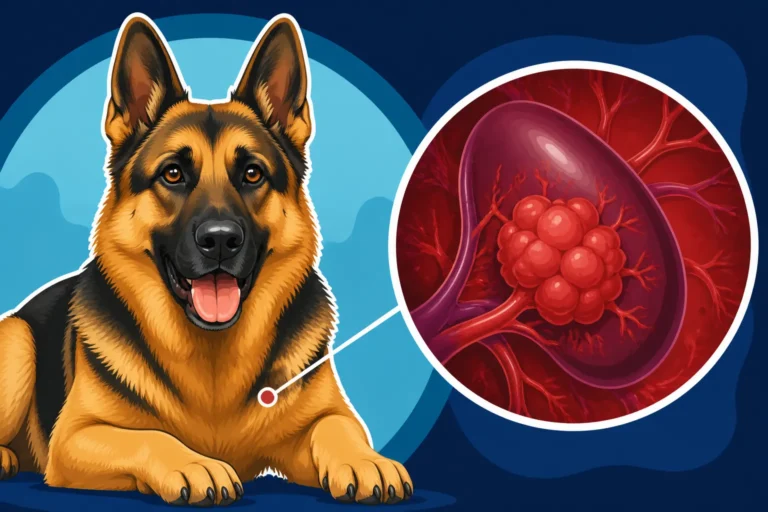
- Hemangiosarcoma: This aggressive cancer originates in the cells that line blood vessels and can occur anywhere in the body, but is most commonly found in the spleen, heart, or liver. It often progresses rapidly and can lead to internal bleeding, which is frequently the first sign owners notice (e.g., sudden weakness, pale gums, distended abdomen).
- Osteosarcoma: A highly aggressive bone cancer that typically affects the limbs of large and giant breeds. It causes lameness and severe pain.
- Lymphoma: A cancer of the lymphatic system, which can affect lymph nodes throughout the body, as well as internal organs.
- Mammary Tumors: More common in unspayed female German Shepherds. Many are benign, but some can be malignant.
Early detection is key for improving prognosis with most cancers. Regular veterinary check-ups, being observant for any new lumps or bumps, changes in appetite or energy levels, or unexplained lameness are crucial. Bloodwork, X-rays, and biopsies are common diagnostic tools. Treatment options vary widely depending on the type and stage of cancer, and may include surgery, chemotherapy, radiation therapy, or palliative care. It's a challenging journey, but advancements in veterinary oncology offer more hope than ever before. Understanding German Shepherd Common Cancers to Know is a good starting point.
Skin and Coat Issues: Beyond Just Shedding
German Shepherds are renowned for their magnificent double coats, but this very feature, combined with their genetic makeup, can predispose them to various skin and coat problems beyond just their infamous shedding (which is a battle in itself!). These issues can be persistent, itchy, and frustrating for both dog and owner.
- Allergies: As mentioned, environmental and food allergies are huge culprits for skin issues in German Shepherds, leading to chronic itching, redness, recurrent infections, and "hot spots" (acute moist dermatitis). These can be incredibly uncomfortable and lead to self-mutilation through licking and scratching.
- Pyoderma: Bacterial skin infections, often secondary to allergies or other underlying conditions that compromise the skin barrier. These result in pustules, scabs, redness, and hair loss.
- Flea Allergy Dermatitis (FAD): Even a single flea bite can trigger an intense allergic reaction in sensitive German Shepherds, leading to severe itching and skin inflammation, especially around the tail base and hindquarters.
- Folliculitis: Inflammation of the hair follicles, which can be caused by bacteria, fungi, or mites.
- Perianal Fistulas: While less common than allergies, this severe and painful condition involves chronic, infected tracts that form around the anus. German Shepherds are particularly predisposed. It requires dedicated, often long-term medical management and sometimes surgery.
Managing skin issues often involves a multi-pronged approach: identifying and avoiding allergens, treating underlying infections with antibiotics or antifungals, using medicated shampoos, diligent flea and tick prevention, and sometimes anti-itch medications. Maintaining a healthy coat through regular grooming and a high-quality diet rich in Omega fatty acids can also play a preventative role. For persistent skin problems, German Shepherd Itchy Skin: Causes and Fixes can provide more practical tips.
Eye and Ear Conditions: Keeping Sensory Organs Healthy
The keen senses of a German Shepherd are integral to their nature, but their eyes and ears are also areas prone to certain health problems. Keeping these sensory organs in optimal condition is vital for their comfort and overall well-being.
Ear Infections: German Shepherds can be prone to ear infections (otitis externa), often due to their ear canal shape, allergies, or moisture accumulation. Symptoms include head shaking, ear scratching, redness, discharge, and a foul odor from the ears. Regular cleaning with a vet-approved ear cleaner, especially after swimming, can help prevent infections, and prompt veterinary attention is needed for treatment with topical or oral medications. You can find more advice in German Shepherd Ear Cleaning Guide.
Eye Conditions:
- Pannus (Chronic Superficial Keratitis): This is a progressive, immune-mediated eye condition specific to German Shepherds, particularly those living at higher altitudes or exposed to more UV light. It involves inflammation and scarring of the cornea, which can lead to blindness if untreated. It appears as a pink, fleshy growth that starts at the outer corner of the eye and spreads across the cornea. Lifelong treatment with topical corticosteroids is usually required to manage and prevent progression.
- Cherry Eye: This occurs when the gland of the third eyelid prolapses, appearing as a red, swollen mass in the corner of the eye. While not life-threatening, it can be irritating and sometimes leads to dry eye if not corrected. Surgical replacement of the gland is the preferred treatment.
- Cataracts: Clouding of the lens of the eye, which can impair vision and potentially lead to blindness. While often age-related, some German Shepherds can develop juvenile cataracts due to genetic factors.
- Entropion/Ectropion: These are eyelid abnormalities where the eyelid rolls inward (entropion) or outward (ectropion), causing irritation or exposure of the eye. Both can be corrected surgically.
Regular eye checks and vigilance for any redness, discharge, squinting, or vision changes are important. Early intervention for many eye conditions can prevent discomfort and preserve vision.
Proactive Steps for Managing German Shepherd Health
While some health issues are genetically predisposed, there’s a great deal we, as responsible owners, can do to mitigate risks and promote overall well-being. Proactive care is not just about reacting to problems; it’s about creating a lifestyle that supports health and longevity. It’s an ongoing commitment, but one that is profoundly rewarding when you see your German Shepherd thriving. This is truly how to keep a German Shepherd healthy.
Importance of Responsible Breeding and Genetic Testing
This is arguably the single most impactful step you can take before even bringing a German Shepherd home. The choices made by breeders directly influence the genetic health of puppies. A truly responsible breeder goes above and beyond to minimize the risk of passing on heritable diseases.
- Parental Health Clearances: Reputable breeders will perform comprehensive health screenings on both parent dogs before breeding. This includes certifications from organizations like the Orthopedic Foundation for Animals (OFA) or PennHIP for hips and elbows. These certifications assess joint quality and help reduce the incidence of dysplasia. They also often screen for eye conditions and cardiac health.
- Genetic DNA Testing: Crucially, responsible breeders utilize DNA tests for specific conditions where a genetic marker has been identified. For German Shepherds, this most commonly includes testing for Degenerative Myelopathy (DM), which screens for the SOD1 gene mutation. Breeders should be able to provide clear results, showing whether a dog is "clear," a "carrier," or "at risk." Breeding two "at risk" dogs is highly irresponsible.
- Transparency and Pedigree: A good breeder will be transparent about their dogs' health history, show you health certificates, and be willing to discuss their breeding philosophy. They will also have detailed pedigrees for their dogs, allowing you to trace health and temperament lines back several generations.
- Selecting a Reputable Breeder: Avoid "backyard breeders" or puppy mills at all costs, as they often prioritize profit over health, leading to a higher incidence of genetic diseases in their puppies. Seek out breeders who are actively involved in breed clubs, show their dogs, and prioritize the health and temperament of their lines. This investment upfront can save you untold heartache and significant veterinary costs down the line.
Diet, Exercise, and Weight Management
These three pillars are fundamental to a German Shepherd’s overall health, impacting everything from joint integrity to immune function and energy levels. It’s not just about providing food; it’s about providing the right food in the right amount, coupled with appropriate activity.
- Quality Nutrition: A high-quality diet is paramount. German Shepherds thrive on diets rich in protein from animal sources, with moderate fat and appropriate carbohydrates. Look for formulas specifically designed for large breeds, as these often have a balanced calcium-to-phosphorus ratio crucial for healthy bone development, especially in puppies. Avoid foods with excessive fillers, artificial colors, or by-products. Consider brands like Purina Pro Plan or Royal Canin, which often have breed-specific formulas. For dogs with sensitive stomachs or allergies, exploring limited-ingredient diets or hydrolyzed protein options may be necessary. Read more on German Shepherd Feeding Guide.
- Appropriate Exercise: German Shepherds are active, intelligent dogs that require consistent daily exercise. This isn't just a casual stroll; it needs to be mentally and physically stimulating. However, over-exercising a growing puppy can be detrimental to developing joints. Controlled, low-impact exercise like swimming and leash walks are better than intense running or jumping for young dogs. As adults, they benefit from activities like hiking, fetching, agility, or obedience training. Mental stimulation, through puzzle toys and training sessions, is just as important as physical exercise to keep their sharp minds engaged and prevent boredom-induced destructive behaviors. German Shepherd Exercise Requirements outlines this well.
- Weight Management: Maintaining an ideal body weight is perhaps one of the most critical factors in preventing and managing joint disease. Every extra pound puts undue stress on hips, elbows, and other joints, exacerbating conditions like dysplasia and arthritis. Work with your vet to determine your German Shepherd’s ideal weight and adjust their diet and exercise regime accordingly. Learning how to tell if a German Shepherd is overweight can be truly beneficial. Even for dogs with conditions like German Shepherd Arthritis: Symptoms and Treatment, keeping them lean is a huge factor in comfort and mobility.
Regular Veterinary Check-ups and Preventative Care
Consistent and thorough veterinary care is the backbone of managing a German Shepherd’s health. It’s not just for when they’re sick; it’s about preventing illness and catching problems at their earliest, most treatable stages.
- Annual Wellness Exams: Even if your German Shepherd seems perfectly healthy, annual (or semi-annual for seniors) check-ups are non-negotiable. Your veterinarian will perform a comprehensive physical examination, checking everything from teeth and ears to joints and heart sounds. They can detect subtle changes that you might miss, and discuss any concerns you have.
- Vaccinations and Parasite Control: Keeping up-to-date on vaccinations (e.g., distemper, parvovirus, rabies, leptospirosis) and year-round parasite prevention (fleas, ticks, heartworm, intestinal worms) is crucial. These prevent common and sometimes life-threatening diseases.
- Dental Care: Dental health is often overlooked but profoundly impacts overall health. Regular dental cleanings (brushing at home, dental chews) and professional veterinary dental cleanings under anesthesia can prevent painful dental disease, which can lead to other systemic health issues. German Shepherd Dental Care Explained offers more insight.
- Early Detection Bloodwork: For middle-aged and senior German Shepherds, annual bloodwork (complete blood count, chemistry panel, thyroid panel) can provide valuable insights into organ function and metabolic health. These tests can flag developing issues like kidney disease, liver problems, or thyroid imbalances before clinical signs become apparent, allowing for earlier intervention. Topics like Common German Shepherd Health Issues by Age highlight the importance of age-specific care.
- Listen to Your Dog (and Your Gut): You know your German Shepherd best. If something feels "off" – a slight change in gait, a subtle cough, a decrease in appetite, or unusual lethargy – don't hesitate to contact your vet. Trust your instincts; often, owners are the first to notice a problem. Prompt veterinary attention can make a huge difference in outcomes, especially for conditions where time is critical.
Financial Realities of German Shepherd Health Problems
Let's be candid: owning a German Shepherd can be expensive, and dealing with their common health problems can quickly escalate costs into the thousands, or even tens of thousands, of dollars. This isn't a minor consideration; it's a significant financial reality that every prospective and current owner needs to understand and plan for. It's a huge source of stress for many families, fearing they won't be able to provide the best care.
Understanding Treatment Costs
When a German Shepherd develops a chronic or acute health issue, the associated veterinary costs can be staggering. It's not just the immediate diagnosis and treatment; it's often a lifetime of management.
Here's a breakdown of typical costs for some common German Shepherd health issues:
- Hip or Elbow Dysplasia:
- Diagnosis (X-rays, consultations): $300 – $800
- Conservative management (medication, supplements, physical therapy): $50 – $300 per month, ongoing.
- Surgery (e.g., Total Hip Replacement for one hip): $4,000 – $8,000 per hip.
- Post-operative care and rehabilitation: $1,000 – $3,000.
- Total potential cost for severe bilateral dysplasia: $10,000 – $20,000+.
- Explore German Shepherd Hip Dysplasia Surgery Cost for more specific numbers.
- Degenerative Myelopathy (DM):
- Diagnosis (neurological exam, MRI, DNA testing): $500 – $3,000.
- Management (physical therapy, assistive devices like wheelchairs/slings, supplements): $100 – $500 per month, ongoing.
- While there's no cure, supportive care is crucial.
- Bloat (GDV):
- Emergency stabilization, X-rays, and immediate surgery: $3,000 – $7,000, potentially more for complications or overnight ICU stays.
- Post-operative care: $500 – $2,000.
- This is a true emergency that hits hard and fast financially.
- Exocrine Pancreatic Insufficiency (EPI):
- Diagnosis (blood test): $100 – $300.
- Enzyme replacement medication: $50 – $200 per month, lifelong.
- Specialized diet costs: often slightly higher than regular food.
- Cancer (e.g., Hemangiosarcoma):
- Diagnosis (ultrasound, biopsy, bloodwork): $500 – $2,000.
- Surgery (e.g., splenectomy): $2,000 – $5,000.
- Chemotherapy: $1,000 – $5,000+.
- Palliative care: Variable, often ongoing monthly costs for pain management.
These figures illustrate that the cost of German Shepherd health care is not trivial. Many owners face agonizing decisions when presented with treatment plans that are financially out of reach, highlighting the importance of planning. For a broader overview, consider reading German Shepherd Vet Costs Per Year.
The Role of Pet Insurance
Given the high potential costs of German Shepherd health problems, pet insurance has become a lifeline for many families. It's designed to help cover a significant portion of unexpected veterinary bills, allowing you to focus on your dog's health rather than the financial strain.
- How it Works: You typically pay a monthly premium, and in return, the insurance company reimburses you for a percentage of eligible veterinary expenses after you meet a deductible. Policies vary widely in what they cover, their deductibles, reimbursement percentages (e.g., 70%, 80%, 90%), and annual limits.
- What it Covers: Most comprehensive policies cover accidents, illnesses, emergency care, surgery, hospitalization, diagnostic tests (X-rays, bloodwork, MRI), and prescribed medications. Some plans offer "wellness riders" for routine care like annual exams, vaccinations, and dental cleanings, though these are typically separate and more basic coverage is usually for unexpected events.
- Pre-existing Conditions: This is the most crucial aspect: pet insurance generally does not cover pre-existing conditions. This means any illness or injury your German Shepherd had before your policy started, or during the waiting period, will likely be excluded. This is why it's highly recommended to enroll your German Shepherd in pet insurance when they are a young puppy, before any conditions have a chance to develop.
- Providers: Several reputable pet insurance providers exist, such as Healthy Paws, Embrace, Fetch, and Lemonade. Each has different plans and benefits. It's essential to research and compare policies to find one that best fits your needs and budget. For instance, Healthy Paws is known for its comprehensive accident and illness plans, which can be invaluable when facing major surgeries or chronic illness management.
- Is it Worth It? For a breed like the German Shepherd, with known predispositions to expensive conditions like dysplasia, bloat, and cancer, pet insurance can absolutely be worth the investment. It provides peace of mind and ensures you can make medical decisions based on what's best for your dog, rather than being constrained by cost. It's an important part of responsible pet ownership, as it effectively creates a safety net for those unforeseen medical emergencies or chronic disease management. You can weigh the options by reading Is Pet Insurance Worth It for a German Shepherd.
Disclaimer
The information provided in this guide is intended for general knowledge and informational purposes only, and does not constitute veterinary advice. It is essential to consult with a qualified veterinarian for any health concerns or before making any decisions related to your German Shepherd's medical care. Always seek the advice of a professional for diagnosis and treatment of any medical condition.