German Shepherd Bloat Emergency: What to Do
Few things strike fear into the heart of a German Shepherd owner quite like the mention of bloat, or Gastric Dilatation-Volvulus (GDV). It's a terrifying, rapidly progressing condition that can turn a normal evening into a life-or-death emergency in mere hours. Knowing precisely what to do and when to act is paramount to giving your beloved companion the best chance of survival, and this guide is here to walk you through every critical step.
Understanding German Shepherd Bloat (GDV) – The Silent Killer
Bloat is one of those conditions that every German Shepherd owner must be aware of. It's not just an upset stomach; it's a critical medical emergency that demands immediate attention. Understanding what it is and why our German Shepherds are particularly prone to it is the first step in being prepared.
What Exactly is GDV?
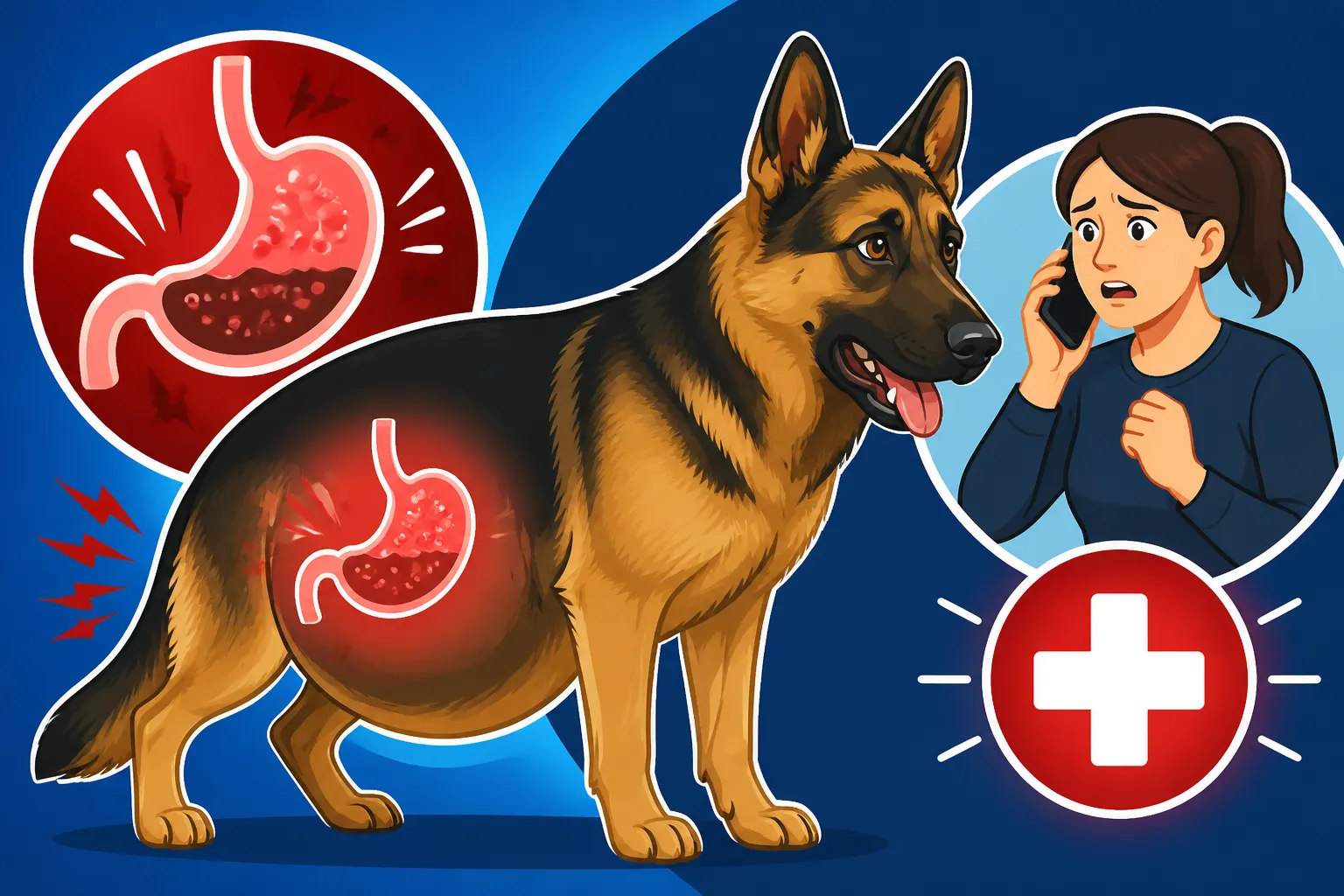
Gastric Dilatation-Volvulus, or GDV, is a condition where a dog's stomach fills with gas, food, or fluid (dilatation) and then twists upon its axis (volvulus). Imagine a balloon inflating rapidly and then rotating, effectively knotting off its entrance and exit points. This twisting traps the gas and fluid inside, cutting off blood supply to the stomach and often the spleen. The stomach tissue quickly starts to die, and the pressure on surrounding organs, including the diaphragm, makes it incredibly difficult for your dog to breathe. It also impacts the large veins that return blood to the heart, leading to a dangerous drop in blood pressure and shock. The speed at which this can escalate is truly frightening; a dog can go from seemingly fine to critically ill in a blink.
Why German Shepherds Are at High Risk
While any deep-chested dog breed can suffer from bloat, German Shepherds are statistically among the highest risk breeds. Their specific body conformation – a deep, narrow chest – creates a physiological predisposition for the stomach to distend and then twist. It's almost like their internal architecture gives their stomach more "room" to move in an undesirable way.
Beyond their physical build, several other factors contribute to their heightened risk. Genetics play a significant role, meaning if a German Shepherd's parents or close relatives had bloat, their offspring are more likely to develop it. Certain eating habits, such as eating one large meal a day very quickly, can increase risk. Studies have also linked stress, vigorous exercise immediately before or after meals, and even eating from raised bowls (though this is debated) to an increased incidence of GDV. It’s a complex interplay of nature and nurture, but the end result is the same: German Shepherds are highly susceptible. For more insights into how to mitigate this risk, you might find our guide on German Shepherd Bloat: Signs and Prevention incredibly useful.
Recognizing the Urgent Signs of Bloat
Time is of the essence when it comes to bloat. The faster you recognize the symptoms, the better your dog's chances of survival. It’s not always obvious, especially in the early stages, but learning to spot these critical indicators could literally save your German Shepherd's life.
Early Warning Signs to Never Ignore
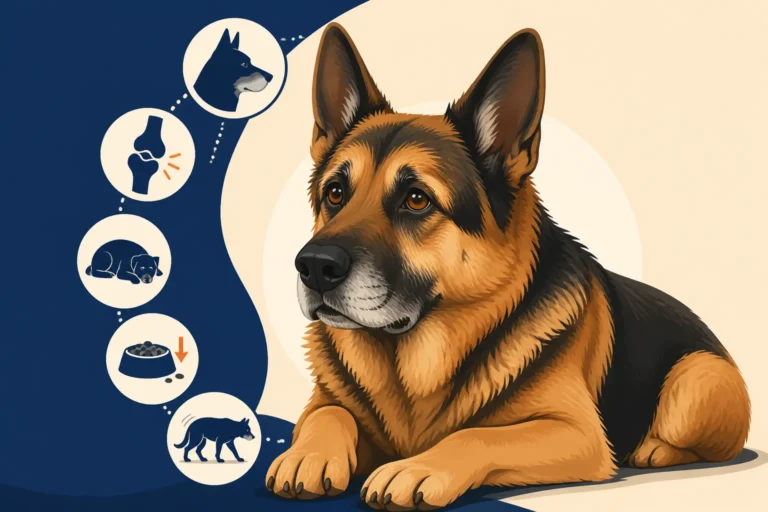
Many owners describe the onset of bloat as sudden and confusing. Your dog might first become restless, pacing anxiously around the house as if they can't get comfortable. They might try to lie down but then immediately stand back up, or shift their position repeatedly. This is often accompanied by excessive drooling, as if they are nauseous.
Perhaps the most classic early sign, and one that should send shivers down any German Shepherd owner's spine, is unproductive retching or dry heaving. Your dog will stand in the vomiting position, strain, and gag, but nothing or very little will come out. They might produce some foamy saliva, but no actual vomit. This indicates that something is blocking the normal digestive process. They might also glance repeatedly at their abdomen or whine softly, indicating discomfort. This isn't just a stomach ache; it's a distress signal.
Advanced and Critical Symptoms
As bloat progresses, the symptoms become far more severe and unmistakable. The most visually striking sign is a noticeably distended or swollen abdomen, often becoming taut and drum-like to the touch. While it tends to swell on the left side initially, it can quickly become generalized and very firm. If your dog has a lot of fur, this distension might be harder to see, but the change in their posture and behavior will be undeniable.
At this advanced stage, your German Shepherd will likely be in considerable pain and shock. They might become weak, stagger, or even collapse. Their breathing will become rapid and shallow, as the enlarged stomach puts immense pressure on their lungs. Their gums may appear pale or even blue-tinged, signifying a lack of oxygen and poor circulation. Their heart rate will be rapid and weak. This is a dire emergency, and at this point, every single minute counts. If you suspect your German Shepherd has bloat, even just based on early signs, do not hesitate for a second. Get them to an emergency vet immediately.
Immediate Actions to Take During a Bloat Emergency
The moment you suspect bloat, your immediate response is the single most important factor in your German Shepherd’s survival. There’s no time for hesitation, no room for "let's wait and see."
The Critical First Steps at Home
Your first and most crucial step is to pick up the phone. Call your veterinarian immediately, or if it's after hours, call the nearest 24-hour emergency veterinary clinic. Do not just show up. Explain your dog's breed (German Shepherd – high risk!), symptoms (dry heaving, distended belly, restlessness), and that you suspect bloat. This allows the veterinary team to prepare for your arrival, clearing an emergency room and readying equipment.
While on the phone or immediately after, try to keep your dog as calm as possible, but act with extreme urgency yourself. Their anxiety will likely be high, and yours might be too, but maintaining a calm demeanor helps. Do NOT try any home remedies. Do not try to make them vomit, give them antacids, or attempt to "burp" them. These actions can actually worsen the situation, potentially causing the stomach to twist further or rupturing it. Your role at home is to confirm the emergency, notify the professionals, and prepare for transport.
Transporting Your German Shepherd to the Vet
Once you’ve made the call, the next critical step is safe and swift transportation. If possible, have someone else drive while you keep an eye on your dog, offering reassurance. If you’re alone, focus on getting to the clinic safely and quickly. German Shepherds are large dogs, and moving a distressed one can be challenging. If your dog is able, encourage them to walk to the car. If they are collapsing or too weak, you might need help to lift them carefully, supporting their abdomen as much as possible.
Before you leave, ensure the clinic has your Estimated Time of Arrival (ETA). Knowing you're on your way allows them to continue preparations. Make sure your vehicle is ready; you might want to lay down some old towels or blankets in case of drooling or accidents due to stress. Once you arrive, often a veterinary technician will meet you at the car to help carry your dog in and get them directly into the emergency room without delay. Every second saved here can contribute to a more positive outcome.
Veterinary Intervention and Treatment Options
Once you arrive at the emergency clinic, a whirlwind of activity will begin. The veterinary team will work quickly and efficiently to stabilize your German Shepherd and determine the best course of action.
Diagnosis and Stabilization at the Clinic
Upon arrival, the veterinary team will immediately assess your dog's condition, focusing on vital signs and level of shock. They'll typically perform an X-ray to confirm GDV. A classic "double bubble" appearance on the X-ray, indicating gas trapped in two compartments of the stomach, is usually diagnostic of a twisted stomach.
Simultaneously, they’ll start aggressive supportive care. This usually involves placing an intravenous (IV) catheter to administer fluids rapidly, combatting shock and improving circulation. Pain medication is crucial, as GDV is incredibly painful. They may also give antibiotics, as the compromised gut integrity can lead to bacterial translocation. The veterinary staff might attempt to decompress the stomach by passing a tube down the esophagus into the stomach to release gas and fluid. If this isn't possible due to the twist, a large needle (trocar) might be used to carefully relieve pressure directly through the abdominal wall. These stabilization steps are vital before considering surgery.
Surgical Correction (Gastropexy) and Prognosis
Once your German Shepherd is stable, emergency surgery is almost always required to correct GDV. The surgeon will meticulously derotate the stomach, moving it back into its correct anatomical position. After the stomach is untwisted, the next critical step is a procedure called gastropexy. During a gastropexy, the stomach is permanently tacked or sutured to the abdominal wall. This isn't just about fixing the current crisis; it's a preventative measure designed to prevent the stomach from twisting again in the future, significantly reducing the risk of recurrence.
While gastropexy prevents twisting, it doesn't prevent future bloat (dilatation), so preventative measures discussed later are still essential. The prognosis for German Shepherds with GDV depends heavily on the speed of intervention, the degree of shock, and whether other organs, like the spleen, have been severely damaged. Survival rates are higher with early intervention, but complications like heart arrhythmias, peritonitis, or further tissue damage are possible. The cost for such an emergency surgery and hospitalization can be substantial, often ranging from several thousand dollars. This is precisely where having robust pet insurance, like Healthy Paws, can provide immense relief, allowing you to make critical decisions based on your dog's needs rather than your wallet. Our article, German Shepherd Bloat Surgery Cost, delves deeper into the financial aspects of this emergency.
Post-Emergency Care and Prevention Strategies
Surviving a bloat emergency is a huge hurdle, but the journey doesn't end there. Diligent post-operative care and a commitment to preventative strategies are essential for your German Shepherd's long-term health.
Recovering from Bloat Surgery
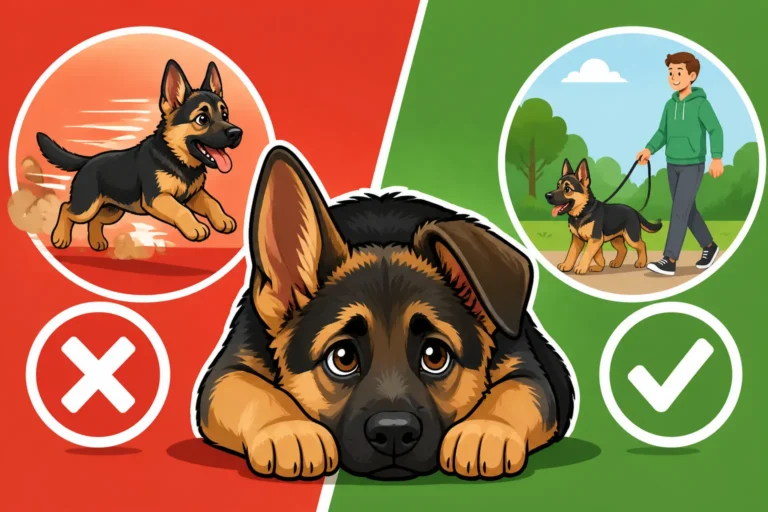
The recovery period after GDV surgery is critical and requires meticulous attention. Your German Shepherd will likely need to stay at the veterinary hospital for several days, receiving IV fluids, pain management, and antibiotics. They will be closely monitored for complications such as heart arrhythmias, which are common post-GDV, or signs of infection. When they come home, strict rest is paramount. This means no strenuous exercise, jumping, or rough play for several weeks, often a month or more, depending on your vet's instructions.
Their diet will also be a major focus. Initially, they'll be on a bland, easily digestible diet, fed in small, frequent meals. Your vet will guide you on how to gradually transition them back to their regular food, if appropriate, or recommend a specific long-term diet. Regular follow-up appointments will be necessary to ensure proper healing and address any concerns. This period of recovery is intense, both for your dog and for you, but seeing them slowly regain their strength is incredibly rewarding.
Implementing Long-Term Prevention Measures
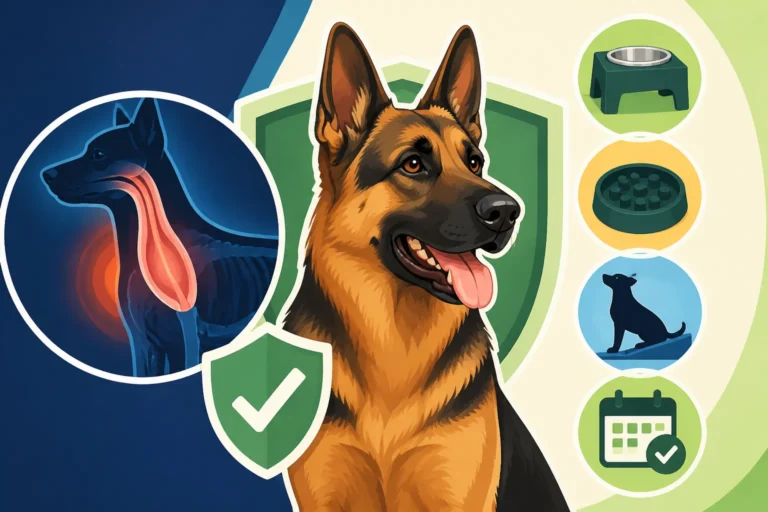
Even with a gastropexy, which prevents the stomach from twisting, preventative measures are crucial to minimize the chances of future dilatation (the stomach filling with gas). The cornerstone of prevention for German Shepherds is their feeding routine. Instead of one large meal, feed two to three smaller meals spread throughout the day. This reduces the amount of food and gas entering the stomach at any one time.
Consider using slow feeder bowls or puzzle feeders, which force your German Shepherd to eat at a more measured pace. Avoid strenuous exercise for at least an hour before and after meals. Some vets recommend ensuring a calm, stress-free environment during feeding, as anxiety can contribute to gulping air. While the debate about raised bowls continues, many vets now suggest feeding at ground level or using shallow bowls rather than elevated ones. Discuss these strategies with your vet, and if your German Shepherd hasn't had GDV but is at high risk, a prophylactic gastropexy (a preventative tacking of the stomach) might be an option to consider. Our article on How to Prevent Bloat (GDV) in German Shepherds offers even more detailed advice. Maintaining a comprehensive approach to your dog's well-being, including proactive health management, is something that responsible pet parents, often supported by pet insurance providers like Healthy Paws, prioritize.
The Emotional Toll on Owners
Experiencing a German Shepherd bloat emergency is not just physically traumatic for your dog; it's an intensely emotional and often financially stressful ordeal for you, the owner. Acknowledging and preparing for this aspect is as important as understanding the medical steps.
Coping with the Stress and Financial Burden
The fear, anxiety, and sheer panic you feel when you realize your beloved German Shepherd is in such a critical condition can be overwhelming. Many owners report feelings of guilt, wondering if they missed earlier signs or if there was something more they could have done. It's a natural reaction to a life-threatening emergency, but it's important to remember that GDV often strikes quickly and without clear precursors.
Beyond the emotional rollercoaster, there's the significant financial burden. Emergency surgery, hospitalization, diagnostic tests, and medications quickly add up, easily reaching into the thousands of dollars. This unexpected cost can be a huge source of stress, forcing heartbreaking decisions if funds are not readily available. This is where being financially prepared, perhaps through an emergency savings fund or, more effectively, through pet insurance, becomes invaluable. A reliable provider like Healthy Paws can significantly alleviate this financial pressure, allowing you to focus entirely on your German Shepherd's recovery without the added worry of a crippling vet bill. Thinking ahead about "Is Pet Insurance Worth It for a German Shepherd" is a conversation every owner should have.
Support Systems and Future Preparedness
Navigating the emotional aftermath and the intensive recovery period for your German Shepherd can feel isolating. Don't hesitate to lean on your veterinary team for emotional support and clear guidance. They understand the severity of the situation and are there to help. Talking to other German Shepherd owners who have experienced bloat can also be incredibly validating and helpful. Online forums and breed-specific groups often provide a community where you can share your experience and gain insights.
Moving forward, being prepared is key. Keep your vet's number and the number of the nearest 24-hour emergency clinic prominently displayed and saved in your phone. Ensure your emergency fund or pet insurance coverage is up-to-date. Knowing you have a plan in place, even if you hope never to use it, can provide a profound sense of peace. This preparedness allows you to act decisively and confidently, knowing you’ve done everything you can to protect your German Shepherd from this formidable threat.
| Symptom Category | Early Warning Signs | Advanced / Critical Symptoms |
|---|---|---|
| Behavior | Restlessness, pacing, anxiousness, reluctance to lie down | Weakness, collapse, inability to stand, severe lethargy |
| Gastrointestinal | Unproductive retching/dry heaving, excessive drooling, licking lips | Visible abdominal distension (swelling, tightness), looking at flank |
| Respiration | Increased panting, uncomfortable breathing | Rapid, shallow breathing (dyspnea), grunting |
| Mucous Membranes | Normal or slightly pale gums | Pale, white, or blue-tinged gums |
| Circulation | Normal or slightly elevated heart rate | Rapid and weak pulse, signs of shock (cold extremities) |
| Pain Level | Mild to moderate discomfort, whining | Severe pain, hunched posture |
Disclaimer
The information provided in this article is for educational purposes only and is not intended to be a substitute for professional veterinary advice, diagnosis, or treatment. If you suspect your German Shepherd is experiencing bloat or any other medical emergency, please contact your veterinarian or an emergency veterinary clinic immediately. Always seek the advice of a qualified veterinary professional with any questions you may have regarding your pet's health.