Is a East German DDR German Shepherd a Good Pet
East German DDR German Shepherd dogs require experienced leadership, daily exercise, and socialization to determine if they fit your family.
Is this the right one for you?
Origins and temperament, size and coat, what living with one is actually like, and how it compares to the breeds people weigh against it.

East German DDR German Shepherd dogs require experienced leadership, daily exercise, and socialization to determine if they fit your family.

West German Show Line German Shepherds feature stable temperaments, strong exercise needs, and specific grooming requirements as family pets.

West German Working Line German Shepherd dogs possess intense drive and intelligence, requiring dedicated exercise and training to thrive as pets.

Show Line German Shepherd temperament and exercise needs determine whether this striking breed makes a suitable, loving companion for a busy family.

Working line German Shepherds possess high energy and strong drives requiring extensive daily exercise and structured training.
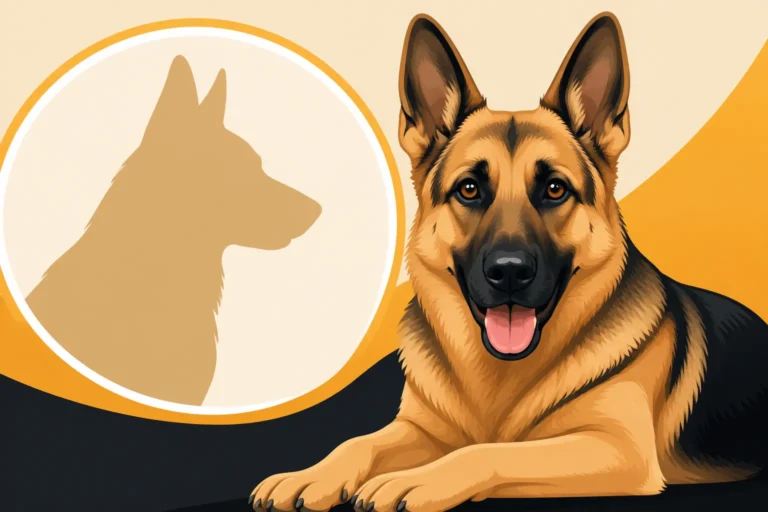
The tan German Shepherd describes lighter markings on a predominantly black and tan coat, driven by genetics without affecting health or temperament.
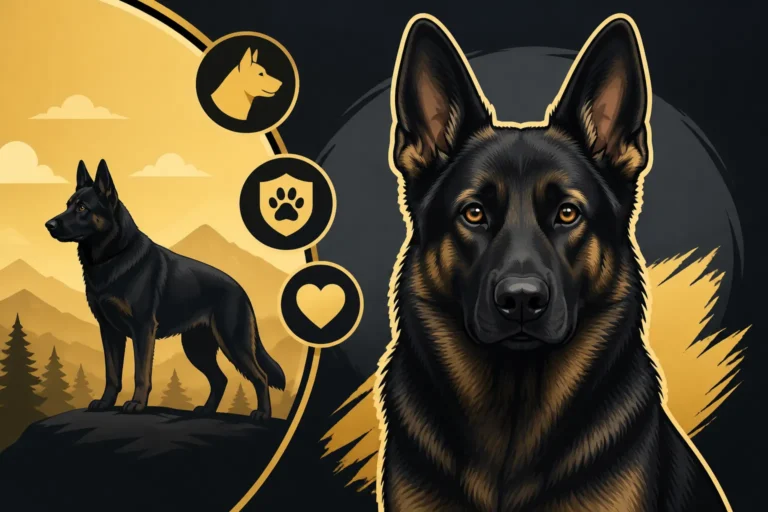
Black sable German Shepherd characteristics, coat genetics, and distinct appearance are explained to help owners understand this unique canine variant.
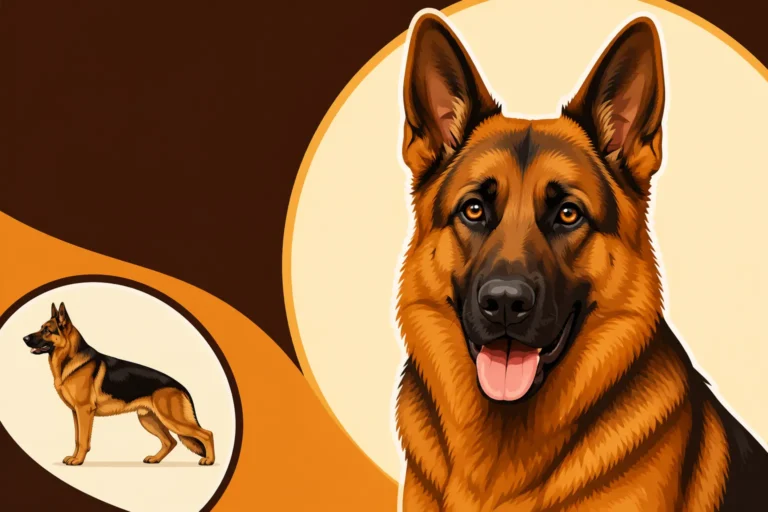
The Red Sable German Shepherd coat features banded hairs with a warm reddish base and darker tips, influenced by dominant genetics.
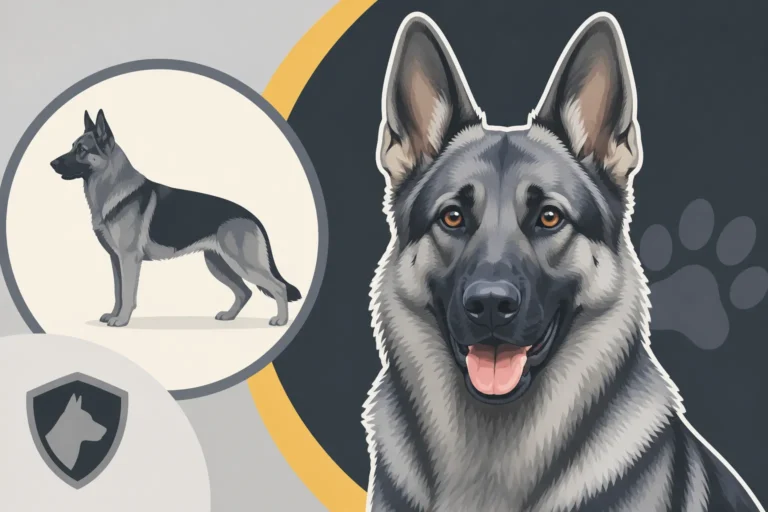
Gray German Shepherd coat genetics, health considerations, and care requirements define this unique, natural variation of the breed.
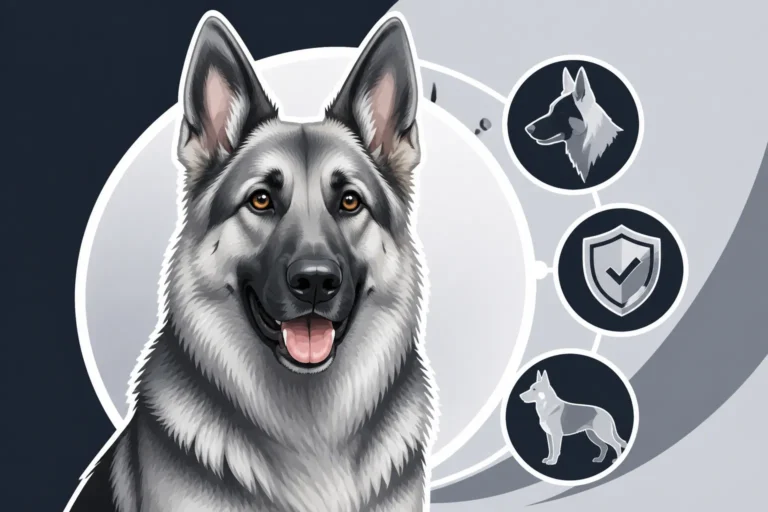
Purebred silver German Shepherds possess standard traits and a recessive dilution gene that creates their unique coat color without affecting health.