Gray German Shepherd: What to Know
Many folks, when they first lay eyes on a stunning gray German Shepherd, are immediately captivated. There’s something truly majestic, almost wolf-like, about their silvery coats, and it often leads to a lot of questions. Is it a rare color? Does it mean they have a different temperament? The truth is, while their appearance might be striking and less common than the classic black and tan, a gray German Shepherd is still very much a German Shepherd at heart. This guide will walk you through everything you need to know about these beautiful dogs, from their unique coloration to their care needs, helping you understand what truly sets them apart and what makes them just like any other beloved GSD.
Understanding the Gray German Shepherd Coat and Genetics
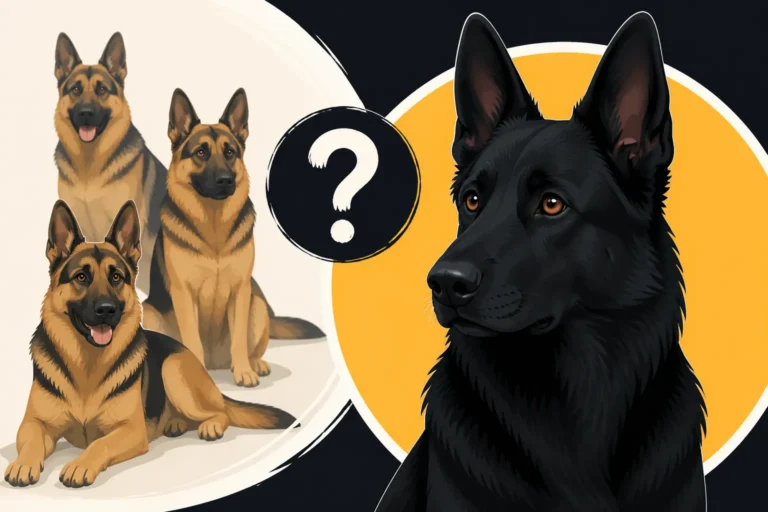
The first thing to understand about a gray German Shepherd is that "gray" isn't just one shade. It can encompass a range from a light, almost silver hue to a darker, more charcoal or steel gray, often mixed with tan or fawn markings. These dogs are captivating, but their color often sparks myths and misconceptions. Let's dig into what truly makes a German Shepherd gray and why it's a natural part of the breed.
What is a Gray German Shepherd?
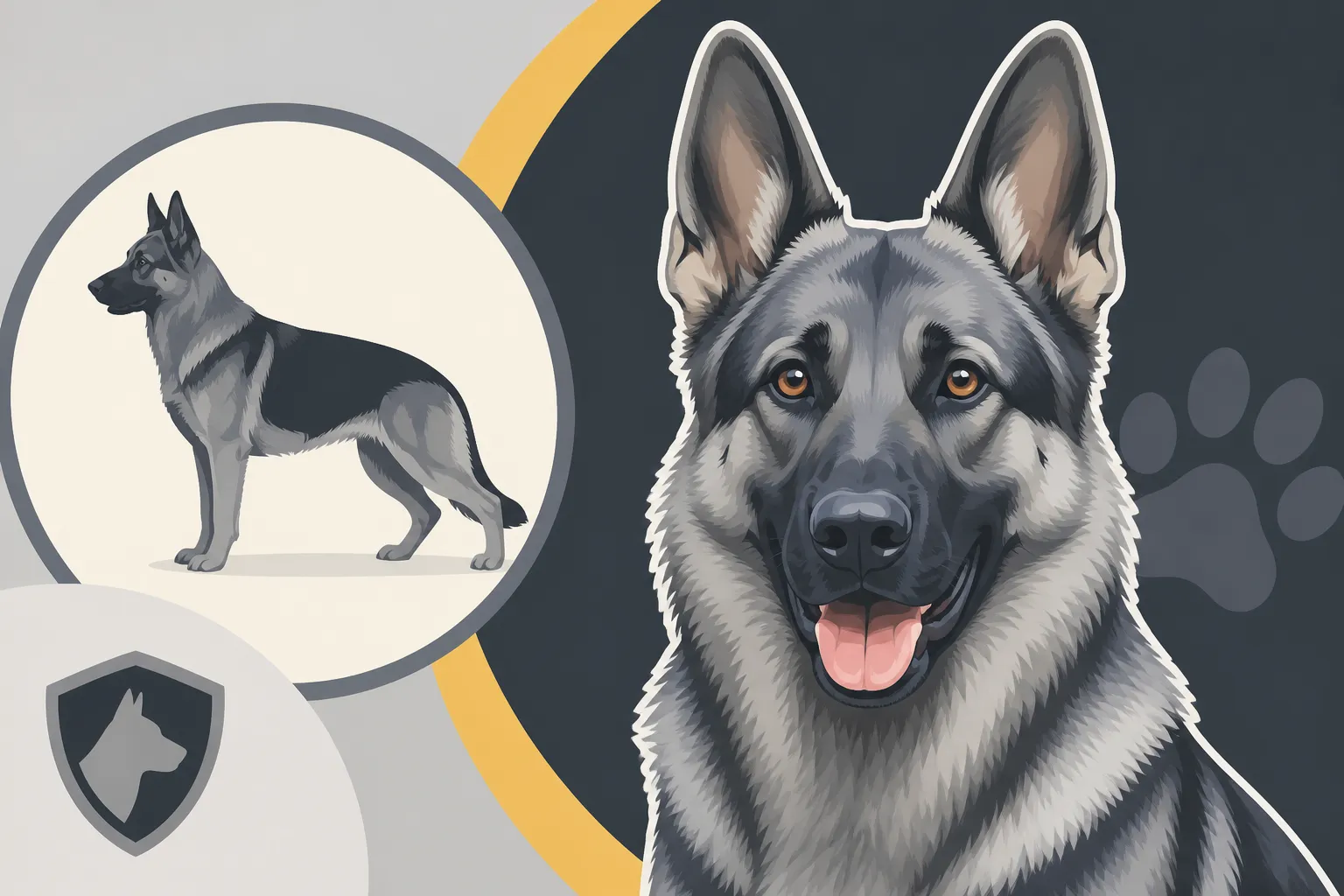
A gray German Shepherd is simply a German Shepherd whose coat color is primarily gray. This isn't a separate breed, nor is it a "rare" fault in the traditional sense, though it might be less frequently seen in some show lines compared to others. The gray color itself is a variation of the sable coat pattern, often referred to as "wolf gray" or "silver sable." Instead of the darker black guard hairs overlaid on a tan base, the guard hairs are gray, giving the dog that distinct, often breathtaking, appearance. It’s a completely natural color that has been present in the breed since its inception, reflecting the diverse genetics of these incredible dogs.
When people talk about a "silver German Shepherd," they're usually referring to a lighter shade of gray, where the gray hairs appear almost metallic or platinum. A "wolf gray" German Shepherd tends to have a more grizzled, salt-and-pepper look, often with lighter cream or tan undertones. These aren't distinct genetic categories but rather descriptive terms for the spectrum of gray that can occur. The key takeaway is that these are all variations of the same genetic expression within the German Shepherd breed, not a different type of dog altogether.
The Genetics Behind the Gray Color
The gray coloration in German Shepherds is primarily determined by the agouti gene series, specifically related to the sable gene. Sable is a dominant pattern, meaning a dog only needs one copy of the sable gene (Ay) to express it. In sables, each individual hair has bands of different colors along its length, typically with darker tips and lighter bases. When the "dilution" gene, which affects the intensity of black pigment, comes into play, those black bands can be "diluted" to a gray color. This creates the stunning gray sable appearance.
It's a common misconception that a gray coat indicates a dilution gene associated with health problems. In some breeds, a "blue" (dilute black) or "isabella" (dilute liver) color can be linked to a condition called Color Dilution Alopecia (CDA), which causes hair loss and skin issues. However, the gray in German Shepherds is typically a result of the sable gene interacting with other modifiers, not necessarily the same "blue" dilution gene that causes CDA in breeds like Dobermans or Great Danes. Always choose a breeder who understands German Shepherd Genetic Health Testing to ensure your puppy's well-being, regardless of color. A responsible breeder will prioritize health over specific coat colors.
Here's a quick look at some common German Shepherd coat colors and their genetic basis:
| Coat Color | Description | Genetic Basis (Simplified) | Commonality |
|---|---|---|---|
| Black and Tan | Black saddle over tan base, classic GSD look. | Recessive black (at) with modifiers | Very Common |
| Sable | Individual hairs banded with multiple colors, often grey/tan with black tips. | Dominant sable (Ay) | Common |
| Black | Solid black coat, no other markings. | Recessive black (a) with no agouti pattern | Less Common |
| Bicolor | Predominantly black with tan points on legs/face, less tan than black & tan. | Recessive black (at) with limited tan expression | Less Common |
| Gray (Wolf Gray) | Sable pattern where black pigment is diluted to gray. | Dominant sable (Ay) with dilution modifiers | Less Common |
| White | Solid white coat, not albino. | Recessive gene that prevents pigment expression in hair. | Less Common |
As you can see, gray is a recognized and naturally occurring color in the breed. It’s not something that needs to be "bred for" in an artificial way, but rather a phenotype that emerges when specific genetic combinations occur.
Temperament and Health of a Gray German Shepherd
One of the biggest questions people have when they see a German Shepherd with an unusual color is whether that color somehow impacts their personality or health. It’s a valid concern, especially with some breeds where specific colors have been linked to genetic issues. However, when it comes to gray German Shepherds, the answer is usually quite straightforward: their temperament and general health profile are the same as any other German Shepherd.
No Impact on Temperament
Let's put this myth to rest right away: the color of a German Shepherd's coat has no bearing on their temperament. A gray German Shepherd will possess the same characteristic traits of loyalty, intelligence, courage, and protectiveness that you'd expect from any other GSD. Their personality is shaped by their genetics (their bloodline and parents' temperaments), their early socialization, and the training they receive, not by whether their fur is black, tan, sable, or gray.
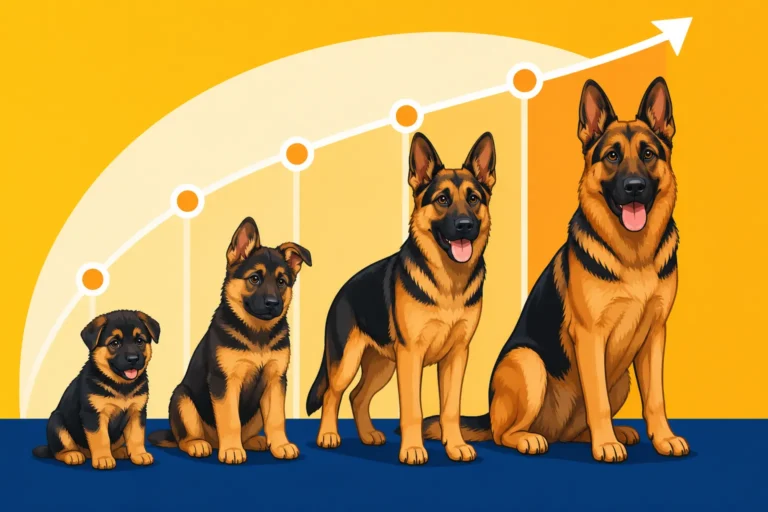
If you bring home a gray German Shepherd puppy, you should expect the same needs and challenges as with any GSD puppy. They'll require consistent German Shepherd Puppy Training Guide, plenty of early socialization to ensure they grow into well-adjusted adults, and a firm yet fair hand in leadership. Don't be fooled by anyone claiming a "rare" gray coat means a "calmer" or "more aggressive" dog. These claims are unfounded and often used to justify inflated prices or to mask irresponsible breeding practices. Focus on the individual dog's lineage and early experiences, not the color of their fur.
Health Considerations: Color vs. Breed Traits
Just like their black and tan, sable, or solid black counterparts, gray German Shepherds are prone to the same breed-specific health issues. The gray color itself does not predispose them to any unique ailments. The common health concerns for the breed include:
- Hip and Elbow Dysplasia: These are orthopedic conditions where the joints don't form correctly, leading to arthritis and pain. This is why thorough German Shepherd Hip Dysplasia Explained is crucial for all GSDs.
- Degenerative Myelopathy (DM): A progressive neurological disease affecting the spinal cord, particularly in older dogs. You can learn more about Degenerative Myelopathy in German Shepherds to understand its symptoms and progression.
- Bloat (Gastric Dilatation-Volvulus): A life-threatening condition where the stomach fills with gas and can twist. Knowing the signs and prevention methods is vital, as discussed in German Shepherd Bloat: Signs and Prevention.
- Exocrine Pancreatic Insufficiency (EPI): A digestive disorder where the pancreas doesn't produce enough enzymes to digest food.
To ensure you get a healthy German Shepherd, regardless of color, always choose a reputable breeder who performs extensive health testing on their breeding stock. They should provide proof of clearances for hips, elbows, and ideally, DNA tests for DM and other genetic conditions common in German Shepherds. A gray coat color doesn't offer a "health advantage" or "disadvantage" – it's all about responsible breeding practices.
Caring for Your Gray German Shepherd
Caring for a gray German Shepherd is no different from caring for any other German Shepherd. They have the same needs when it comes to grooming, diet, exercise, and overall health maintenance. Their unique coat color might make them stand out, but their fundamental requirements remain consistent with the breed standard.
Grooming a Double Coat
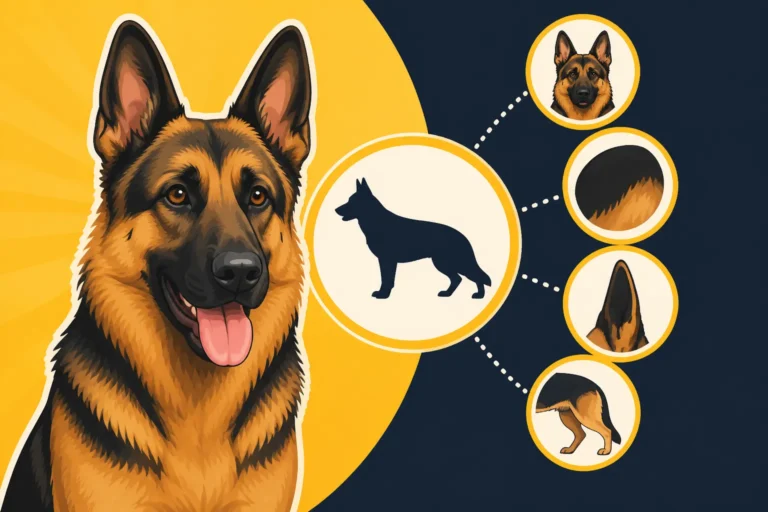
German Shepherds are famous for their dense double coats, and gray GSDs are no exception. They have a harsh outer coat that protects them from elements and a soft, dense undercoat that provides insulation. This means they are serious shedders, especially during seasonal "blow outs" where they shed their entire undercoat. Regular grooming is essential to keep their coat healthy and minimize shedding around your home.
You'll need a good quality slicker brush, an undercoat rake, and a deshedding tool. Brushing several times a week, and even daily during heavy shedding seasons, is highly recommended. Not only does this remove loose hair and dirt, but it also distributes natural oils, keeping their skin and coat healthy. For quality grooming supplies, you can often find highly-rated options on platforms like Chewy, which makes it easy to stock up on everything you need. For a comprehensive guide on keeping their coat in top condition, refer to How to Groom a German Shepherd.
Diet and Exercise Needs
Like all German Shepherds, gray GSDs are active, intelligent dogs that require a high-quality diet and plenty of exercise to thrive. Their diet should consist of a premium dog food formulated for large, active breeds. Look for ingredients that support joint health, such as glucosamine and chondroitin, which are crucial given the breed's predisposition to hip and elbow issues. For more detailed information on feeding your companion, check out our Best Dog Food for German Shepherds guide. Always consult with your veterinarian to determine the best feeding schedule and portion sizes for your individual dog's age, weight, and activity level.
In terms of exercise, German Shepherds need a substantial amount of physical and mental stimulation every day. This isn't a breed content to lounge on the couch all day. Think long walks, runs, hikes, vigorous playtime, and mentally challenging activities like obedience training, puzzle toys, or scent work. A bored German Shepherd is often a destructive German Shepherd! They excel in various canine sports, and engaging them in activities like agility or Schutzhund can be incredibly rewarding for both of you. Remember, physical activity needs to be balanced with appropriate rest, especially for puppies whose growth plates are still developing.
Finding a Gray German Shepherd: Ethical Sourcing
If you're set on welcoming a gray German Shepherd into your life, the process of finding one should be no different than finding any other GSD. Ethical sourcing is paramount to ensure you're getting a healthy, well-socialized puppy from a responsible breeder, rather than unknowingly supporting puppy mills or backyard breeders.
What to Look For in a Reputable Breeder
A reputable breeder of German Shepherds, regardless of the color they specialize in, will prioritize health, temperament, and adherence to breed standards. Here’s what you should expect:
- Health Clearances: They should readily provide proof of OFA (Orthopedic Foundation for Animals) or PennHIP clearances for hips and elbows for both parent dogs. They should also perform DNA testing for conditions like Degenerative Myelopathy. Don't just take their word for it; ask to see the official documentation.
- Transparency: A good breeder will be happy to answer all your questions, show you where the puppies are raised, and allow you to meet the parent dogs. They should also inquire about your living situation and experience to ensure their puppy is going to a suitable home.
- Vaccinations and Worming: Puppies should have age-appropriate vaccinations and deworming. They should also be at least 8 weeks old before going to their new homes.
- Support and Contract: A reputable breeder will offer lifetime support and take back the dog at any point if you are unable to care for it. They should also have a clear contract outlining health guarantees and responsibilities.
- Focus on Temperament: They will talk about the temperament of their dogs and how they socialize their puppies. They won't solely focus on "rare" colors or physical traits.
You can find more detailed guidance on how to identify a good breeder in our article How to Find a Reputable German Shepherd Breeder. Be wary of anyone who highlights the "rarity" of a gray coat as a primary selling point or charges an exorbitant amount solely based on color. While some colors might be less common, a truly responsible breeder's priority will always be the overall health and quality of their dogs, not just their superficial appearance.
Avoiding Scams and Unethical Practices
Unfortunately, the appeal of "rare" colors can sometimes be exploited by unscrupulous breeders. Some might advertise "silver German Shepherds" or "wolf gray GSDs" at inflated prices without proper health testing or socialization. These breeders are often more concerned with profit than the well-being of their animals.
Here are some red flags to watch out for:
- No Health Testing: If a breeder cannot provide verifiable health clearances for the parents, walk away. This is non-negotiable for a breed with known genetic health predispositions.
- Multiple Breeds/Colors: Breeders who have many different breeds or constantly have puppies available in various "rare" colors might be running a puppy mill.
- Lack of Transparency: Refusal to let you visit their facility, meet the parents, or see where the puppies are raised is a huge warning sign.
- Pushed Sales: High-pressure sales tactics or demanding immediate deposits without proper vetting.
- Shipping Puppies Blindly: A responsible breeder wants to meet prospective owners and ensure a good match.
- Focus on "Rare": While gray is a recognized color, a breeder who primarily emphasizes its "rarity" and uses it as a justification for a higher price, rather than emphasizing health and temperament, is suspect. Remember, a gray German Shepherd is still a German Shepherd. Their value lies in their health, lineage, and upbringing, not just their coat. Understanding the full picture of German Shepherd Puppy Price Explained can help you discern fair pricing from exploitation.
By doing your homework and prioritizing ethical breeding practices, you can ensure that your beautiful gray German Shepherd comes from a place of care and responsibility, setting them up for a long, happy, and healthy life with you.
Disclaimer
This article is for general informational purposes only and does not constitute professional advice. Laws, prices and regulations vary by location and change over time. Consult a qualified professional for guidance on your specific situation.