Is a East German DDR German Shepherd a Good Pet
Many people are fascinated by the powerful presence and storied history of the East German, or DDR, German Shepherd. You might be drawn to their striking appearance or their reputation for incredible working ability, but then find yourself wondering if such a driven dog can truly fit into a typical family life. It’s a completely valid question, because bringing any dog into your home is a huge decision, and with a lineage as specific as the DDR line, it's wise to understand exactly what you're signing up for. This guide aims to clear up those questions, exploring the nuances of owning a DDR German Shepherd as a beloved pet.
Understanding the East German (DDR) German Shepherd Lineage
The term "DDR German Shepherd" often conjures images of powerful, serious dogs, and for good reason. Their history is deeply rooted in a very specific set of breeding priorities, which shaped them into the impressive animals we see today. It's crucial to understand this background to appreciate why they are so different from other lines.
A Brief History of the DDR Line
To understand the DDR German Shepherd, we need to take a quick trip back in time to post-World War II Germany. When Germany was divided, East Germany (the Deutsche Demokratische Republik, or DDR) established stringent breeding programs for its German Shepherds. Unlike the West German lines, which eventually began to emphasize show ring aesthetics, the DDR program focused almost exclusively on creating an ideal working dog for military, border patrol, and police duties. Breeders in the DDR were isolated from Western bloodlines, leading to a very distinct and consistent type of German Shepherd.
These dogs were bred for extreme intelligence, physical endurance, courage, and an unwavering drive to work. There was no room for dogs with soft temperaments, health issues that would impede their duties, or a lack of willingness to perform. Every dog in the breeding program had to pass rigorous health screenings and working trials. This meant that the dogs were often larger, more robust, with heavy bone structure, and a straighter back than many contemporary lines, ensuring they could handle the physical demands of their jobs. The focus was entirely on functionality and resilience, creating a dog that was truly "fit for purpose" in the most demanding environments. This historical context is vital when considering a DDR German Shepherd as a family companion, as those deeply ingrained working traits are still very much present.
Key Physical and Temperamental Traits
DDR German Shepherds are instantly recognizable for their formidable physical attributes. They tend to have a larger, more substantial build, with impressive bone density and powerful musculature. Their coats are typically dense, often in shades of sable, black and tan, or solid black, providing excellent protection against the elements. A hallmark physical trait that often differentiates them from some other lines is their generally straighter backline, diverging from the more sloped backs seen in some West German show lines. They possess a powerful, confident gait that speaks volumes about their physical prowess and endurance.
Beyond their physical appearance, their temperament is where the DDR line truly shines, or potentially challenges, a prospective owner. These dogs are known for their incredibly high drive, meaning they have an innate, almost insatiable desire to work, to have a job, and to be mentally stimulated. They are exceptionally intelligent, quick learners, and possess intense focus. This intelligence, however, comes with a caveat: without proper direction and mental engagement, it can manifest as boredom, frustration, and destructive behavior. They are also known for their strong protective instincts, a direct result of their heritage as guard and patrol dogs. This means they are naturally watchful and can be wary of strangers, making early and thorough socialization absolutely paramount. Their self-assured nature and inherent suspicion require an owner who understands how to channel these traits positively and establish clear, consistent leadership.
Assessing Compatibility: Is a DDR German Shepherd Right for Your Household?
Deciding if a DDR German Shepherd is the right addition to your family means taking a very honest look at your lifestyle, experience, and commitment. These aren't dogs that will thrive simply lounging on the couch all day; they demand a significant investment of time and energy.
High Energy and Exercise Demands
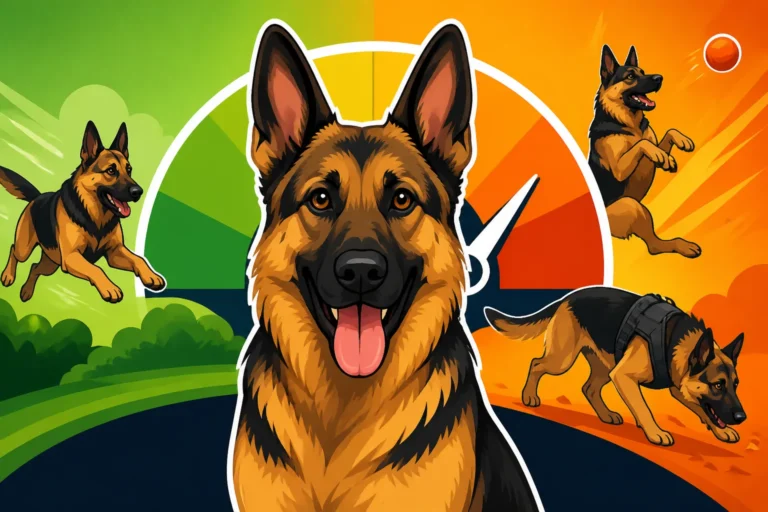
Let's be blunt: DDR German Shepherds are not for the faint of heart when it comes to exercise. They were bred to patrol vast borders and perform demanding tasks for hours on end. This means they have an incredible amount of stamina and a deep-seated need to expend that energy. A simple walk around the block twice a day isn't going to cut it. We're talking about rigorous physical activity, ideally for one to two hours daily, if not more. This could include long, brisk hikes, runs, intense games of fetch, swimming, or engaging in dog sports like agility or flyball.
Without adequate physical exertion, a DDR German Shepherd will likely become bored, anxious, and destructive. Imagine a highly intelligent, physically powerful dog cooped up indoors with nothing to do. That pristine sofa might suddenly look like a fun new chew toy, or your flowerbeds might become an exciting excavation site. Their pent-up energy needs an outlet, and if you don't provide a constructive one, they will find their own, often less-than-desirable, solutions. It's a common frustration for owners who underestimate this need – they love their dog but are overwhelmed by the chaos. Ensuring your lifestyle can genuinely accommodate this level of activity is the first, and perhaps most important, step in determining if a DDR German Shepherd is a good fit. You need to be an active individual or family, ready to make exercise a daily priority.
The Need for Experienced Leadership and Training
Bringing a DDR German Shepherd into your home is not just about physical activity; it's also about mental engagement and establishing clear boundaries. These dogs are incredibly intelligent and eager to please, but they also possess a strong will and an independent streak. This combination means they absolutely thrive under experienced leadership. They are definitely not recommended for first-time dog owners or those who are inconsistent with training. You need to be calm, confident, and utterly consistent in your approach. How to Train a German Shepherd
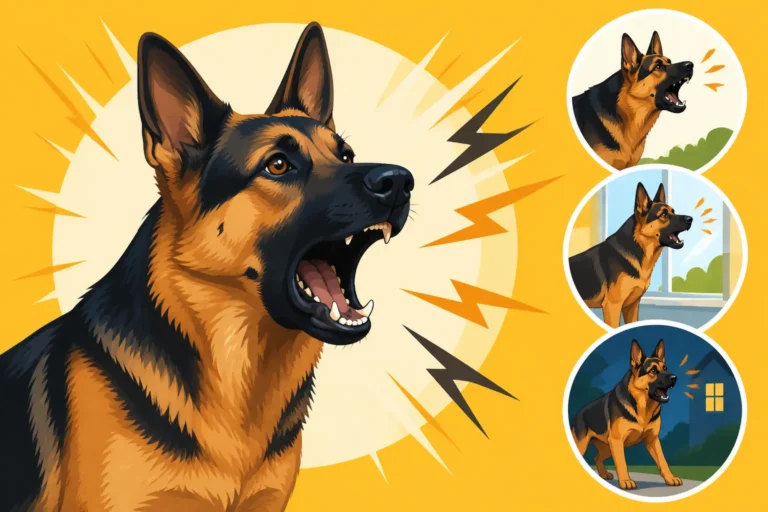
Their intelligence means they pick up commands quickly, but also that they will test boundaries to see what they can get away with. If you're not prepared to provide firm, fair, and consistent guidance from day one, they can quickly become the boss of the household, leading to unwanted behaviors like excessive barking, resource guarding, or even reactivity towards strangers. Early socialization is non-negotiable, exposing them positively to various people, places, sounds, and other dogs from a young age. This continuous training and socialization shouldn't stop after puppyhood; it's a lifelong commitment. Enrolling in advanced obedience classes, engaging in protection sports, or even just regular training sessions at home will keep their sharp minds engaged and strengthen your bond. Without this structure, their remarkable intelligence can become a challenge rather than a blessing.
Socialization and Family Dynamics
The protective instincts of a DDR German Shepherd are legendary, and while this makes them excellent guardians, it also means careful consideration is needed for socialization and family dynamics. Their inherent suspicion of strangers and strong bond with their immediate family means that proper, early, and ongoing socialization is absolutely critical. A well-socialized DDR GSD should be confident and discerning, not fearful or aggressive. They should learn to tolerate strangers and new situations without anxiety or undue reactivity.
When it comes to children, many German Shepherds can be wonderful family dogs, but a DDR line dog with high drives requires extra thought. They need to be raised with children, with both dog and kids taught appropriate boundaries and interactions. Supervision is key, especially with younger children, as their play can be rough and their size intimidating. Similarly, introducing them to other pets needs to be done carefully and methodically. Their strong prey drive can be an issue with smaller animals if not properly managed from a young age. A DDR German Shepherd often bonds deeply with its primary family members and will be fiercely loyal, but that loyalty requires trust and respect built through consistent leadership and positive experiences. German Shepherds with Kids and Other Pets It's a big responsibility to ensure they are well-adjusted members of your household and community.
Health, Care, and Long-Term Commitment
Beyond their temperament and training needs, owning a DDR German Shepherd involves a significant commitment to their overall health and well-being. Like any large, active breed, they have specific care requirements that extend throughout their lifespan.
Common Health Considerations for DDR Lines
While DDR German Shepherds are generally celebrated for their robust health and often possess a more natural, less exaggerated conformation compared to some show lines, they are still German Shepherds and are susceptible to certain breed-specific health issues. Hip and elbow dysplasia are unfortunately common orthopedic conditions across the breed, though some believe the DDR lines, due to their stringent breeding standards, may have a lower incidence or at least less severe forms. This doesn't mean they're immune, however. German Shepherd Hip Dysplasia Explained Reputable breeders of DDR lines will always provide comprehensive health clearances for their breeding stock, including OFA or PennHIP certifications for hips and elbows, and ideally, DNA testing for conditions like Degenerative Myelopathy (DM). German Shepherd Genetic Health Testing
Beyond joint issues, German Shepherds can also be prone to conditions like bloat (GDV), a life-threatening gastric emergency, and certain allergies or digestive sensitivities. Regular veterinary check-ups are essential, as is a watchful eye from the owner for any subtle changes in behavior or physical condition. Early detection and intervention are always key to managing these health concerns effectively. Understanding the potential health landscape is part of being a responsible owner, helping you prepare for and mitigate risks throughout your dog's life. German Shepherd Health Problems Guide
Grooming and Nutritional Needs
The dense double coat of a DDR German Shepherd is beautiful but requires regular attention. They are notorious for shedding, especially during their "blow coat" seasons, which can happen twice a year. If you’re not prepared for dog hair on your clothes, furniture, and pretty much everywhere, this might be a wake-up call! Regular brushing, at least 2-3 times a week (daily during shedding season), is essential to remove loose hair, prevent mats, and distribute natural oils, keeping their coat healthy. Deshedding tools like a slicker brush, an undercoat rake, and a de-shedding tool can become your best friends. German Shepherd Shedding: How to Manage It Bathing should be done as needed, typically every few months, to avoid stripping their natural oils. Beyond coat care, regular nail trims, ear cleaning, and dental hygiene are crucial for their overall comfort and health.
From a nutritional standpoint, an active DDR German Shepherd needs a high-quality diet formulated for large, active breeds. Look for foods with real meat as the first ingredient and a balanced blend of protein, fat, and carbohydrates. The specific amount will vary based on age, weight, and activity level, but generally, these dogs need more calories than a less active breed. You can find excellent options for specific needs, like puppy formulations or options for sensitive stomachs, from trusted retailers like Chewy. I always recommend discussing diet choices with your veterinarian to ensure it meets your dog’s unique requirements. A proper diet fuels their boundless energy and supports their muscle and joint health. Best Dog Food for German Shepherds
Financial and Time Investment
Let's talk about the practicalities. Owning a DDR German Shepherd is a significant financial commitment, far beyond the initial purchase price of the puppy. You're looking at ongoing costs for high-quality food, which can be substantial for a large breed. Regular veterinary care, including vaccinations, deworming, and annual check-ups, is a given. Then there are potential emergency vet visits, which can be incredibly expensive, especially if surgical intervention is needed for something like bloat or an injury. Many owners choose pet insurance to help offset these costs, but it’s still an added monthly expense. Cost of Owning a German Shepherd Per Year
Beyond routine care, you'll need to budget for professional training classes, especially if you're new to the breed or want to delve into advanced obedience or dog sports. Quality gear, including durable leashes, collars, harnesses, crates, and an endless supply of strong chew toys (because these dogs are expert chewers!), also adds up. Don't forget grooming supplies or professional grooming services if you opt for them. But even more than money, the biggest investment is time. These dogs thrive on interaction and need you to be present. They need your time for exercise, for training, for play, and just for companionship. This isn't a dog you can leave alone for long stretches daily without consequences. Understanding and committing to both the financial and time investment is crucial for a happy partnership with a DDR German Shepherd.
The Rewards of Owning a DDR German Shepherd
While the demands of owning a DDR German Shepherd are considerable, the rewards for those who are up to the task are truly immeasurable. These are not just dogs; they are partners, protectors, and loyal members of the family in the truest sense of the word.
Unwavering Loyalty and Protection
One of the most defining and cherished traits of a DDR German Shepherd is their profound loyalty. Once they bond with their family, that bond is deep and unwavering. They see their people as their pack, and they are instinctively driven to protect them. This protective instinct isn't aggressive or unruly in a well-socialized DDR GSD; rather, it manifests as a vigilant watchfulness. They are acutely aware of their surroundings and will often place themselves between their family and perceived threats.
Imagine walking through a quiet park with your DDR GSD by your side. They’re attentive to you, but their ears are also swiveling, taking in every sound, every movement. Should a stranger approach too quickly, they might subtly position themselves in front of you, a silent declaration of their readiness to defend. This deep-seated desire to guard their loved ones provides an incredible sense of security. Knowing you have such a devoted and capable protector by your side is a truly special feeling, creating a bond based on mutual trust and respect.
Intelligence and Trainability
There's a reason German Shepherds, and particularly the working lines like the DDR, are consistently ranked among the most intelligent dog breeds. Their sharp minds and eagerness to learn make them incredibly trainable. They thrive on mental challenges and genuinely enjoy engaging in tasks with their human companions. This isn't a dog that needs to be coerced into learning; they want to figure things out and please you.
Their trainability extends far beyond basic obedience. Many DDR German Shepherds excel in advanced dog sports such as IGP (Schutzhund), obedience trials, agility, tracking, and search and rescue. Teaching complex commands, working on intricate scent detection, or perfecting an agility course are not just activities; they are ways to engage their brilliant minds and strengthen the partnership between dog and owner. The sheer joy and satisfaction you experience when working with a DDR German Shepherd, watching them grasp new concepts and execute tasks with precision, is profoundly rewarding. It’s a constant source of amazement to witness their capacity for learning and their dedication to their work, whatever that "work" might be in a pet home.
A True Companion for Active Lifestyles
If you lead an active lifestyle, a DDR German Shepherd might just be your perfect four-legged adventure buddy. These dogs are built for endurance and thrive when they have a purpose, even if that purpose is accompanying you on your daily excursions. They love being outdoors, exploring new environments, and participating in physical activities alongside their human.
Whether it’s a long-distance run, a challenging hike up a local mountain trail, a vigorous game of fetch at the dog park, or a swim in a nearby lake, your DDR GSD will be ready and eager. They are the kind of dog that will motivate you to get off the couch and embrace the outdoors, transforming mundane exercise into an exciting shared experience. For someone who enjoys an active life and wants a canine companion that can keep pace and even push their limits, a DDR German Shepherd can be an incredibly fulfilling partner. They become an extension of your active self, always ready for the next adventure, always by your side, sharing in every moment.
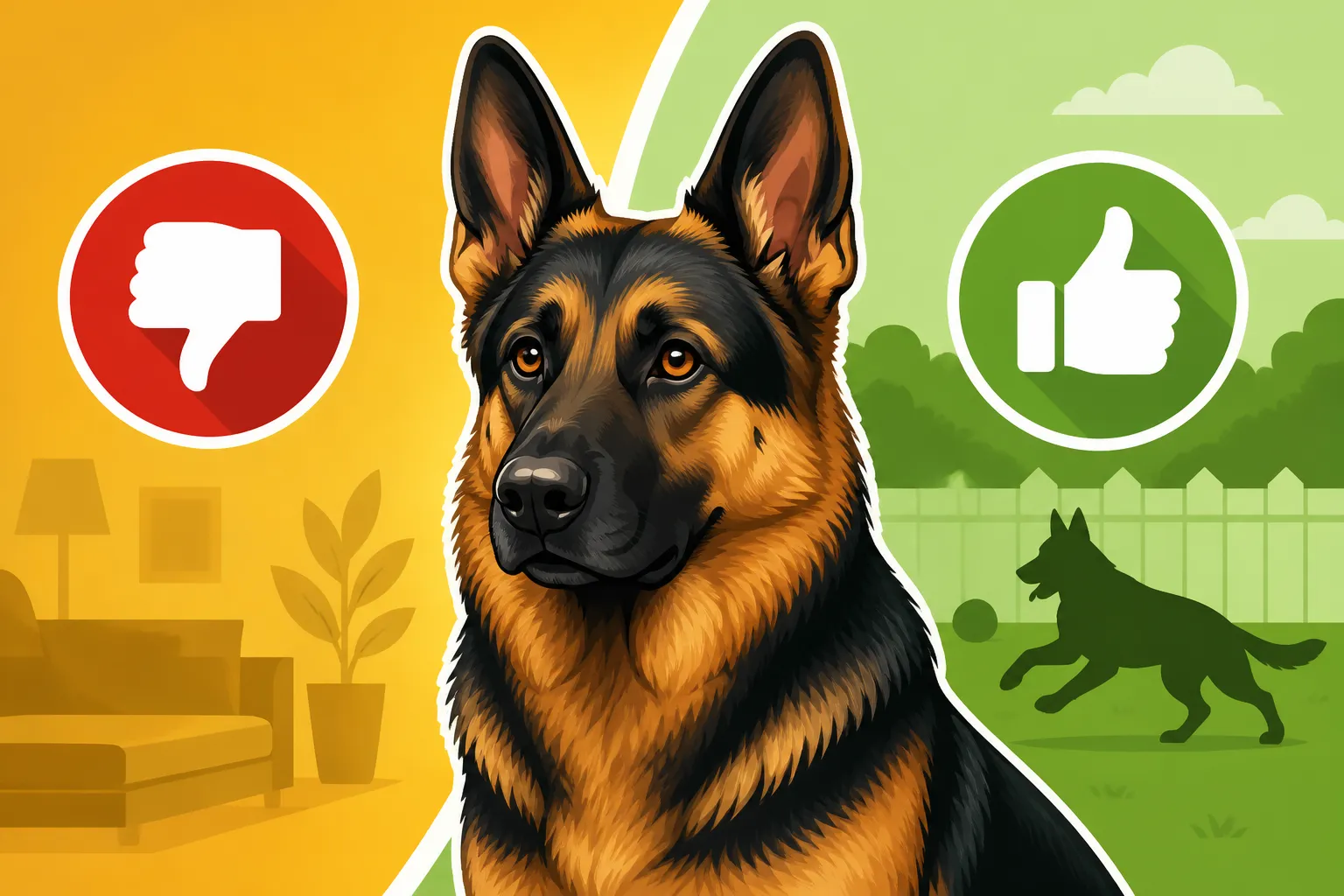
DDR German Shepherd: Pros and Cons as a Pet
To help you visualize the commitment and rewards, here’s a quick overview of the pros and cons of welcoming a DDR German Shepherd into your life as a pet.
| Feature | Pros | Cons |
|---|---|---|
| Temperament | Extremely loyal, protective, confident, intelligent, strong work ethic, forms deep bonds. | Can be aloof with strangers, strong protective instincts require careful management, high prey drive. |
| Energy Level | Excellent for active individuals/families, enjoys rigorous exercise, thrives in dog sports. | Requires significant daily exercise (1-2+ hours), prone to destructive behavior without adequate outlet. |
| Trainability | Highly intelligent, quick learner, excels in obedience and advanced training, eager to please. | Needs experienced, consistent, and firm leadership; not suitable for first-time or inconsistent owners. |
| Health | Generally robust health, strong bone structure, potentially lower incidence of severe joint issues (compared to some lines). | Still susceptible to breed-specific issues like hip/elbow dysplasia, bloat, and certain allergies. |
| Grooming | Easy to maintain short to medium coat. | Heavy seasonal shedding (double coat), requires regular brushing. |
| Family Fit | Devoted companion for active families, good with children if raised with them and properly socialized. | Requires extensive early socialization, can be wary of new people and situations if not managed. |
| Overall | Incredible potential as a working partner or highly engaged companion, deeply rewarding relationship. | High demands on owner's time, energy, and commitment; significant financial investment. |
Disclaimer
This article is for general informational purposes only and does not constitute professional advice. Laws, prices and regulations vary by location and change over time. Consult a qualified professional for guidance on your specific situation.