Understanding German Shepherd Behavior
German Shepherd instincts, history, and traits explain common challenges like separation anxiety, reactivity, barking, and chewing.
Work with the temperament you have.
House-training and crate work, recall, leash manners, separation anxiety, and the behaviors this breed is wired for.

German Shepherd instincts, history, and traits explain common challenges like separation anxiety, reactivity, barking, and chewing.

German Shepherd exercise requirements include daily physical activity and mental stimulation tailored specifically to puppies, adults, and seniors.

Crate training methods and proper sizing guidelines help owners establish a safe den environment for German Shepherd puppies and adult dogs.

German Shepherd developmental milestones explain socialization, potty training, and command schedules across puppy and adolescent growth stages.
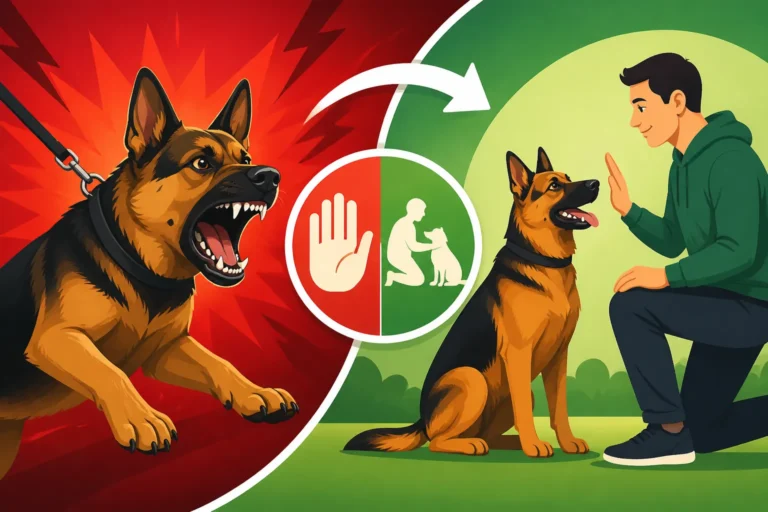
German Shepherd aggression involves genetics, early warning signs, and specific triggers such as fear, resource guarding, territorial instincts, and pain.

German Shepherd obedience training methods provide owners with foundational commands, socialization practices, and behavior management strategies.

German Shepherd socialization strategies help owners expose puppies and adult dogs to diverse environments, sounds, and people to build confidence.

German Shepherd behavior problems and solutions explain how to manage barking, biting, pulling, and anxiety in your dog.

German Shepherd puppy training details vital socialization strategies, developmental stages, and basic obedience commands for new dog owners.

German Shepherd training requires consistent boundaries, early socialization, and positive reinforcement to manage energy and protective instincts.