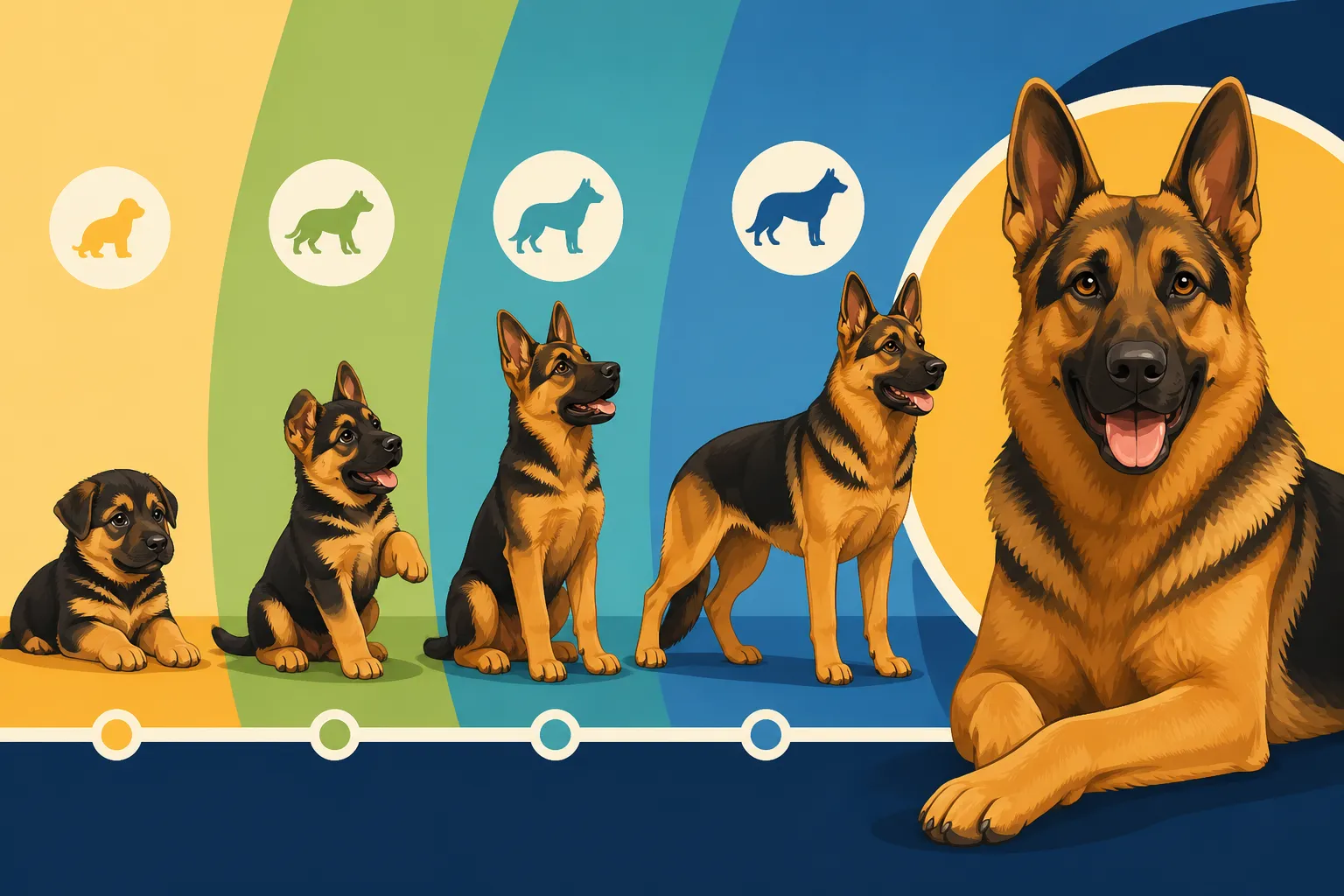
German Shepherd Training Timeline by Age
Bringing home a German Shepherd puppy is an exhilarating experience, filled with boundless joy and a touch of overwhelmed excitement. But let's be honest, alongside the puppy cuddles comes the daunting reality of training – and knowing when to teach what can feel like navigating a maze blindfolded. Many new owners get frustrated, wondering if they're doing things at the right pace or missing crucial windows. This comprehensive guide is here to untangle that confusion, providing a clear, age-by-age German Shepherd training timeline to help you raise a well-behaved, confident, and happy companion from day one.
Understanding the German Shepherd Learning Curve
German Shepherds are renowned for their intelligence, eagerness to please, and incredible working drive. This makes them highly trainable, but it also means they thrive on structure, consistency, and mental stimulation. Without proper guidance, their intelligence can lead to them self-training for behaviors you don't want, simply because they're bored or confused. Understanding their developmental stages is key to tailoring your training approach and maximizing their potential. It's not just about teaching commands; it's about building a strong bond and a foundation of trust that lasts a lifetime.
When you bring a GSD into your life, you're not just getting a pet; you're getting a canine partner who yearns for purpose. Their ancestors were herding dogs, bred for problem-solving and collaboration. This inherent desire to work alongside their human companions is a powerful asset in training, but it also means that idle paws (and minds) can quickly lead to destructive or troublesome behaviors. It's a common frustration for owners: "My GSD is so smart, why are they still chewing my furniture?" Often, the answer lies in a lack of appropriate outlets for their keen intellect and energy.
German Shepherd Puppy Development Stages
Just like human children, German Shepherd puppies go through distinct developmental periods, each with its own sensitivities and learning opportunities. Ignoring these stages can make training more difficult, while understanding them allows you to introduce concepts at the most receptive times. From the moment they open their eyes to when they become confident adults, their brains and bodies are constantly evolving, influencing how they perceive the world and how they learn.
The first few weeks of life, often spent with their mother and littermates, are critical for developing bite inhibition and social cues. When they come home to you, usually around 8 weeks, they're entering a prime socialization window where positive experiences shape their future temperament. As they grow into adolescents, around 4-6 months, their hormones kick in, and they start testing boundaries – much like human teenagers! This isn't defiance; it's a natural part of their development, and understanding it helps you respond with patience and clear expectations, rather than frustration.
The Importance of Early Socialization
Socialization isn't just about letting your puppy meet other dogs; it's about exposing them to a wide variety of sights, sounds, people, places, and textures in a positive and controlled manner. This crucial period, roughly between 8 and 16 weeks, forms the bedrock of a well-adjusted German Shepherd. A poorly socialized GSD can develop fear-based aggression, anxiety, or reactivity later in life, which can be incredibly challenging to manage. Many owners regret not prioritizing this enough, leading to uphill battles with their adolescent or adult dogs.
Think of it as building a robust emotional immune system for your puppy. Every positive encounter helps them learn that the world isn't a scary place. Take them to safe public places like parks (before they are fully vaccinated, carry them), expose them to different flooring surfaces, let them hear traffic noises from a distance, and introduce them to calm, vaccinated adult dogs. Even just letting them observe from a distance can be beneficial. It's not about overwhelming them, but about gradual, positive exposure. A great resource for navigating this can be found in a guide on How to Socialize a German Shepherd.
The Crucial Puppy Months: 8-16 Weeks Old
This is arguably the most vital period for shaping your German Shepherd's future. Everything they learn now, both good and bad, will set the stage for their behavior as adults. It's a time of rapid learning, immense curiosity, and boundless energy. While it might feel like a whirlwind of potty accidents and playful nips, approaching this period with a clear plan will save you countless headaches down the road. Remember, puppies are sponges, absorbing everything, so make sure what they're soaking up is positive and constructive.
Many new German Shepherd puppy owners find themselves overwhelmed by the sheer volume of things to teach and manage. The little bundle of fluff that arrived just weeks ago seems to grow exponentially, and with that growth comes more energy and a stronger will. It’s easy to feel like you’re constantly cleaning up messes or redirecting nipping, but this is exactly when a consistent routine and positive reinforcement will pay dividends. Establish clear rules from day one, and everyone in the household needs to be on the same page.
Potty Training and Crate Training Foundations
These two go hand-in-hand and are cornerstones of raising a well-behaved German Shepherd puppy. Potty training requires vigilance and consistency: take your puppy out frequently (every 1-2 hours, after waking up, after eating, before bed), celebrate successes enthusiastically, and clean up accidents thoroughly without scolding. Crate training, when done correctly, provides a safe haven for your puppy, prevents destructive behavior when unsupervised, and aids in speedy potty training.
For potty training, establish a designated potty spot in your yard. Always take your puppy to that specific spot and wait for them to do their business. Use a consistent phrase like "Go potty!" and reward them instantly with a high-value treat and praise the moment they finish. This immediate reward helps them associate the act with the desired location. Consistency is key, especially during those sleepy middle-of-the-night trips. You can learn more detailed steps in our guide on How to Potty Train a German Shepherd Puppy.
Crate training should always be a positive experience. Never use the crate as punishment. Start by making the crate a comfortable den with soft bedding and enticing toys. Feed meals inside the crate with the door open, gradually increasing the time they spend in there with the door closed. If your puppy whines, it’s often a sign they need a potty break or are adjusting. Distinguish between boredom whining and urgent needs. A chews like a Kong filled with peanut butter can make the crate a rewarding place. For a full breakdown, check out How to Crate Train a German Shepherd.
Early Socialization and Bite Inhibition
As mentioned, early socialization is non-negotiable. Expose your puppy to a variety of safe, vaccinated dogs (especially older, calm ones who will teach manners), different people (ages, genders, appearances), and environments. Enroll in a well-run puppy class – these are invaluable for controlled socialization and basic manners. Simultaneously, focus heavily on bite inhibition. German Shepherds have powerful jaws, and teaching them to control their bite force is crucial.
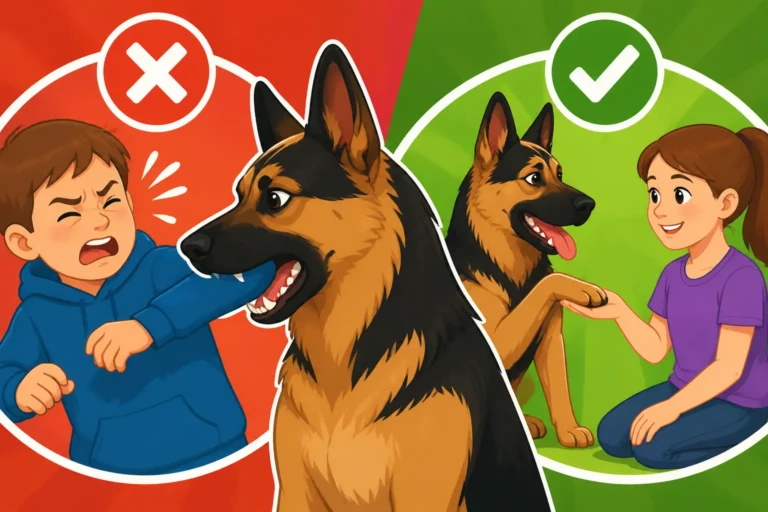
Bite inhibition is taught through natural consequences. When your puppy bites too hard during play, yelp loudly ("Ow!") and immediately stop playing. Turn away, or if necessary, leave the room for 30-60 seconds. This teaches them that hard bites end the fun. Resume play only when they are calm. If they bite too hard again, repeat. Once they learn to inhibit their bite, you can then teach them not to put their teeth on humans at all by redirecting all mouthing to appropriate chew toys. A great resource for this is German Shepherd Puppy Biting: What to Do. Provide a wide array of chew toys from brands available on Amazon, ensuring they're safe and appropriate for their size and chewing power.
Basic Commands: Sit, Stay, Come, Down
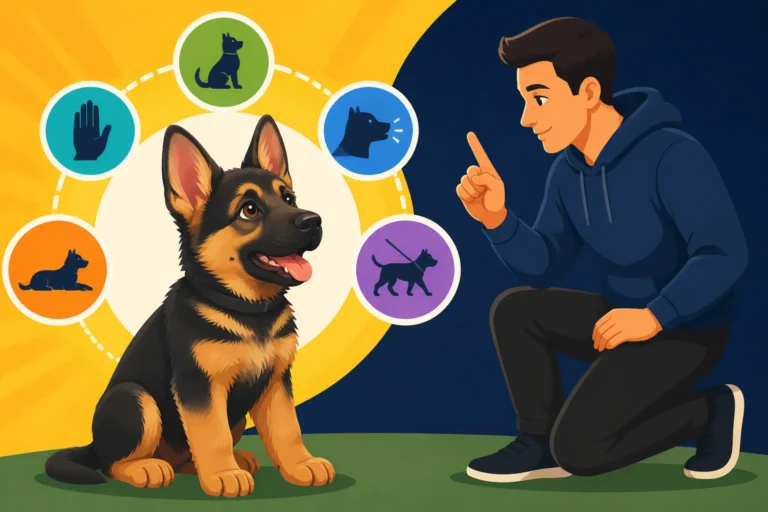
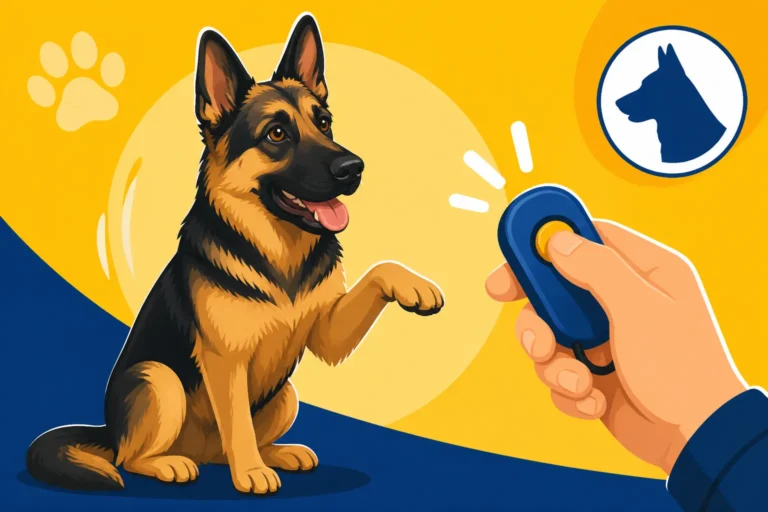
These foundational commands aren't just tricks; they're vital for safety and control. Start teaching them in short, fun sessions (5-10 minutes, several times a day) using positive reinforcement – treats, praise, and toys. Keep it upbeat and end on a high note. Your puppy’s attention span is short, so brief, frequent sessions are more effective than long, drawn-out ones.
- Sit: Hold a treat near their nose, move it back over their head. As their head goes up, their rear naturally lowers. The moment their rear touches the ground, say "Sit!" and reward.
- Stay: Once "Sit" is solid, ask for a "Sit," then say "Stay" and take one step back. If they remain, step forward and reward. Gradually increase distance and duration.
- Come (Recall): This is paramount for safety. Start in a quiet, distraction-free environment. Back away from your puppy, get excited, and say "Come!" When they reach you, reward enthusiastically. Never use "Come" for something unpleasant. You'll want to dive deeper into this with How to Teach a German Shepherd to Come.
- Down: Lure them into a "Down" by holding a treat from their nose, down to the floor, and slowly pulling it along the floor away from them. Their body will follow. Reward immediately.
Consistency is the absolute key here. Everyone in the household needs to use the same commands and reward structure. Consider an online puppy training program like BAXTER & Bella, which offers structured lessons and support for new puppy owners, guiding them through these critical early stages.
Adolescence: 4-12 Months Old: Navigating the "Teenage" Phase
Ah, the German Shepherd teenage phase! Just like human teenagers, your GSD will experience a period of rapid growth, hormonal changes, and a sudden desire to "test the boundaries." What was once a perfectly compliant puppy might suddenly become selective about listening, easily distracted, and seemingly forget all their training. This is a completely normal, albeit frustrating, stage. Patience, continued consistency, and a strong sense of humor will be your best allies. Don't take it personally; they're not being stubborn, they're simply undergoing a natural developmental shift.
This period, typically between 4 and 12 months, can feel like you've taken ten steps back in your training. Your GSD might suddenly develop selective hearing, pull more on the leash, or revert to old behaviors you thought were long gone. Their energy levels often surge, and their focus on the outside world intensifies. It's easy to get discouraged, but this is not the time to ease up on training. In fact, it's when you need to double down on consistency and provide even more structure, exercise, and mental stimulation.
Dealing with Adolescent Behavior Changes
During adolescence, German Shepherds experience a surge in hormones and a drive to explore their independence. This often manifests as testing boundaries, increased chewing, renewed "puppy nipping" (though now with stronger jaws!), and a general decrease in attention span when distractions are present. They might also go through "fear periods," where something that never bothered them before suddenly becomes scary. This is why continued, calm, and positive exposure is still important.
To navigate this, reinforce rules even more strictly. If they're chewing inappropriate items, redirect them to a robust chew toy. If they're jumping, consistently turn your back until all four paws are on the floor before giving attention. Use management tools like baby gates or leashes indoors to prevent unwanted behaviors. Remember, they are still learning, and repetition is crucial. Many owners find themselves frustrated by German Shepherd Behavior Problems and Solutions during this period, but understanding it's a phase can help manage expectations. Keeping them mentally engaged with puzzle toys and training sessions can significantly reduce destructive tendencies born of boredom.
Refining Leash Training and Recall
Leash pulling can become a major issue during adolescence as your GSD gains strength and becomes more interested in sniffing every bush and greeting every dog. Likewise, recall (coming when called) can become less reliable because the outside world offers so many more exciting temptations than you do. This is a critical time to solidify these skills, as an escaped or out-of-control GSD can be a danger to themselves and others.
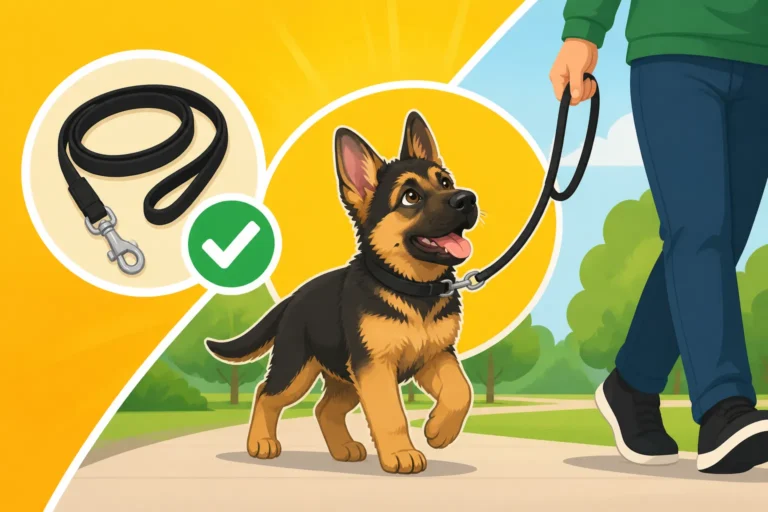
Invest in a good quality front-clip harness or a head halter for more control during walks. These tools can make a huge difference in managing a pulling adolescent. Practice loose-leash walking in increasingly distracting environments, rewarding heavily when your GSD walks nicely by your side. For recall, practice in a securely fenced area or on a long line (a 30-50 foot leash). Use high-value treats and enthusiastic praise. Never punish your dog when they eventually come, even if it took a while, as this will make them less likely to come next time. Our guide on How to Leash Train a German Shepherd Puppy covers the foundations that you'll now be building upon.
Introducing Intermediate Obedience
With basic commands relatively solid (even if they're testing them!), adolescence is an excellent time to introduce more complex obedience exercises. This provides mental stimulation, reinforces your bond, and prepares them for more advanced activities. Commands like "Leave It," "Drop It," "Wait," and advanced stays are incredibly useful for control and safety.
- Leave It: Start with a low-value treat on the floor. Cover it with your hand. Say "Leave It." When your dog looks away, mark and reward with a different, higher-value treat. Gradually increase the temptation and duration.
- Drop It: Trade your dog for whatever they have in their mouth. Offer a high-value treat, say "Drop It," and when they release the item, give them the treat.
- Wait: Similar to "Stay," but often used for impulse control at doorways, before eating, or getting out of the car.
Consider enrolling in a local obedience class that moves beyond basic puppy manners. These classes offer structured learning in a distracting environment, which is perfect for an adolescent GSD. Many German Shepherds excel in sports like agility or rally obedience, and this is a great age to start exploring those options.
Young Adulthood: 1-2 Years Old: Solidifying Training and Exploring Advanced Skills
By the time your German Shepherd reaches one year old, much of their rapid growth and the more extreme "teenage" behaviors should begin to settle. However, they are still maturing both physically and mentally. This stage, roughly from 1 to 2 years, is about solidifying all the foundational training, refining their obedience, and channeling their intelligence and energy into productive outlets. Consistency remains paramount, as does continued mental and physical exercise. They're not puppies anymore, but they're not fully mature adults either; think of them as young adults building careers.
It's common for owners to feel like, "Okay, we've gotten through the puppy and teenage phases, now we can relax!" While some of the more chaotic behaviors might subside, this is still a crucial time for reinforcement and continued learning. Neglecting training now can lead to a regression in manners, as German Shepherds thrive on having a job and clear expectations. Their adult size and strength mean that any lingering bad habits, like pulling on the leash or jumping, become much harder to manage.
Mastering Off-Leash Reliability
For many German Shepherd owners, the dream is to have a dog that can reliably be off-leash in safe environments. Achieving this requires impeccable recall, solid impulse control, and a strong bond of trust. This age range is ideal for working towards this goal, as their attention span and maturity are increasing. However, remember that off-leash privileges are earned gradually and should only be exercised in areas where it's safe and permitted.
Start by practicing recall and proofing all your commands in increasingly distracting, yet controlled, environments. Use a long line to bridge the gap between on-leash and off-leash freedom. Reward not just for coming, but for checking in with you frequently while off-leash. Make yourself the most exciting thing in their environment! Play games, use favorite toys, and offer high-value treats. Work on commands like "Stay" or "Wait" with distractions present. Remember, a German Shepherd’s natural prey drive can be strong, so be realistic about environments with squirrels or other small animals. Our guide on How to Train a German Shepherd Off-Leash offers more in-depth techniques.
Exploring Dog Sports and Activities
German Shepherds excel in a wide array of dog sports and activities due to their intelligence, athleticism, and desire to work. This age is perfect for delving deeper into specific disciplines that can provide immense mental and physical stimulation. Beyond basic obedience, options include agility, competitive obedience, rally obedience, tracking, Schutzhund (IGP), scent work, and even therapy work.
Dog sports aren't just for highly competitive individuals; many clubs offer beginner-friendly classes that focus on teamwork and fun. Activities like agility can build confidence and teach body awareness, while scent work taps into their natural instincts and is a fantastic mental workout. Exploring a range of sports can help you find what truly excites your German Shepherd. These activities also strengthen your bond and provide a structured outlet for their energy, which can prevent boredom-related behavioral issues at home. For those interested in advanced working dog sports, learning about German Shepherd Schutzhund: Step-by-Step can be a great starting point.
Addressing Persistent Behavioral Issues
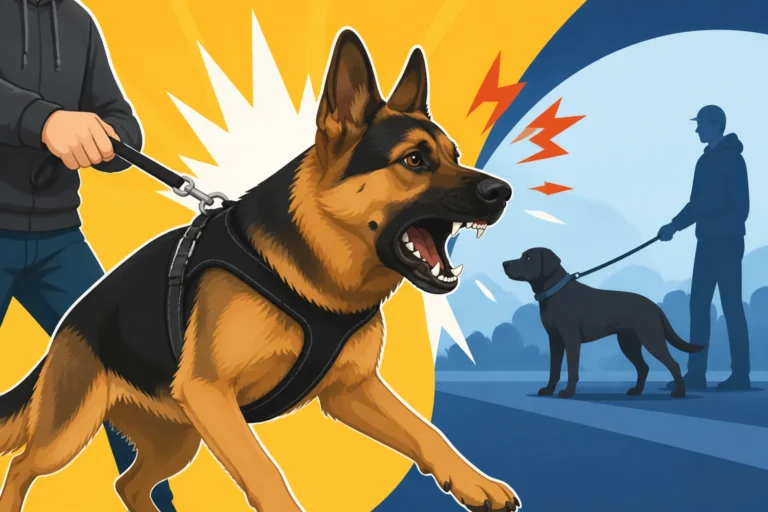
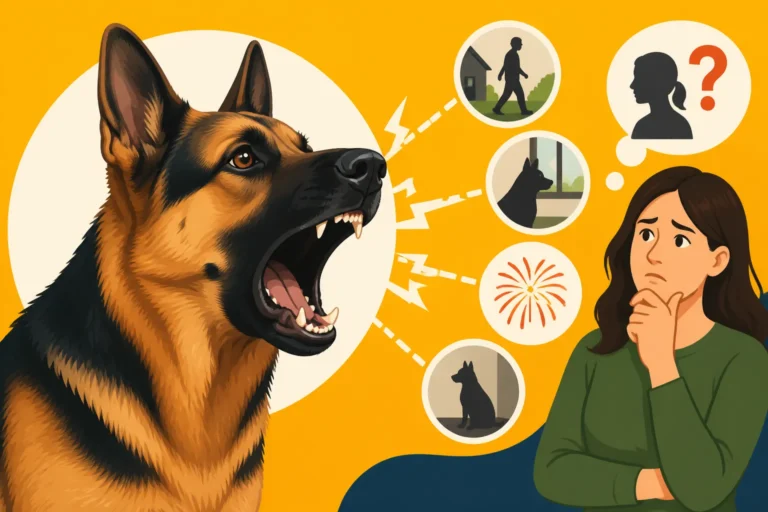
Even with consistent training, some German Shepherds might still exhibit persistent behavioral challenges during this stage. These could include separation anxiety, excessive barking, reactivity towards other dogs or strangers, or resource guarding. Addressing these issues promptly and effectively is crucial, as they tend to become more entrenched with age.
If you're struggling with a particular issue, it's often best to seek guidance from a certified professional dog trainer or a veterinary behaviorist. They can help identify the root cause of the behavior and develop a tailored modification plan. For example, if your German Shepherd displays signs of distress when left alone, our article on German Shepherd Separation Anxiety Solutions might offer some initial insights. Similarly, if they're reactive on walks, understanding German Shepherd Reactivity on Walks is essential. Sometimes, persistent issues stem from a lack of appropriate exercise or mental stimulation, so reviewing your dog's German Shepherd Exercise Requirements is always a good idea. Professional guidance can provide the tools and confidence you need to overcome these hurdles.
Mature Adulthood: 2+ Years Old: Lifelong Learning and Enrichment
Congratulations, your German Shepherd is now entering their prime! By two years old, most GSDs have reached their full physical and mental maturity. This doesn't mean training stops; rather, it transitions into a phase of maintenance, continued enrichment, and adapting to their changing needs. A mature German Shepherd is a joy to live with – a confident, reliable companion who understands their role in the family. But just like humans, dogs benefit from lifelong learning to keep their minds sharp and their spirits high.
Many owners assume that once a dog reaches adulthood, training is "done." Nothing could be further from the truth, especially with an intelligent breed like the German Shepherd. Their brains are wired to learn and work, and without ongoing mental challenges, they can become bored, which can lead to new or resurfacing behavioral issues. This phase is about enjoying the fruits of your labor while still providing opportunities for growth and continued engagement.
Maintaining Training and Mental Stimulation
Ongoing training isn't about teaching entirely new commands every day, but about regularly practicing known commands, proofing them in new environments, and occasionally teaching a fun new trick or advanced skill. This keeps their obedience sharp and strengthens your communication. Mental stimulation is just as important as physical exercise for a German Shepherd, regardless of age.
Incorporate short training bursts into your daily routine: ask for a "Sit" before meals, practice "Stay" when guests arrive, or do a few "Down-Stays" during commercial breaks on TV. Introduce advanced tricks like "Spin," "Weave," or "Find It" games. Engage them with puzzle toys from brands like Kong or Outward Hound (easily found on Amazon), which make them "work" for their food or treats. Scent work games, even simple ones around the house, are incredibly engaging for their powerful noses. Reviewing our guide on Best Mental Stimulation for German Shepherds can provide fresh ideas to keep their minds active.
Adapting Training for Senior German Shepherds
As your German Shepherd ages, their physical capabilities will naturally decline, and their training and activity levels will need to adapt. This might mean less strenuous exercise, shorter training sessions, and modifications to accommodate any health issues. However, their need for mental engagement often remains strong, making continued, gentle training and enrichment crucial for their well-being.
Older German Shepherds might develop conditions like arthritis or hip dysplasia, making high-impact activities uncomfortable. Switch from long runs to shorter, more frequent, gentle walks. Focus on low-impact mental games like scent work, gentle puzzle toys, or reviewing known commands in comfortable positions. Adapt your reward system if their diet needs to change, perhaps using praise and gentle petting more often. Regular vet check-ups are essential to monitor their health and adjust their care and training regime accordingly. Our article on German Shepherd Arthritis in Senior Dogs offers valuable insights into managing age-related joint issues.
Essential Training Tools and Resources by Age
Having the right tools can make all the difference in your German Shepherd's training journey, and these needs often evolve as your dog grows. From the basics you'll need on day one to more specialized equipment for advanced training, being prepared will set you up for success. Moreover, knowing where to turn for help, whether it's a book, an online course, or a professional trainer, is invaluable.
It’s easy to get overwhelmed by the sheer number of products available for dog training. Just walking down the pet store aisle can feel like a labyrinth of choices. My goal here is to cut through the noise and highlight the essentials that genuinely support effective training, emphasizing that sometimes the simplest tools are the most powerful, especially when combined with knowledge and consistency.
Recommended Gear for Each Stage
The equipment you need will change as your German Shepherd matures and progresses in their training. Investing in quality, appropriate gear is important for both safety and effectiveness. Many of these items are readily available on Amazon, making it easy to get what you need when you need it.
| Age Stage | Essential Gear | Purpose |
|---|---|---|
| 8-16 Weeks (Puppy) | Crate (appropriately sized), Playpen/Baby Gates, Flat Collar, Lightweight Leash (4-6ft), ID Tags, Potty Pads (optional), Plenty of Chew Toys, High-Value Training Treats, Clicker | Containment, safety, management, house training, basic manners, positive reinforcement |
| 4-12 Months (Adolescent) | Front-Clip Harness or Head Halter, Durable Leash, Long Line (30-50ft), Variety of Chew Toys (heavy duty), Interactive Puzzle Toys, High-Value Training Treats, Training Pouch | Leash control, recall practice, mental enrichment, continued positive reinforcement |
| 1-2 Years (Young Adult) | Standard Collar/Harness, Longer Leash for walks (6-8ft), Specialized Equipment for Dog Sports (e.g., agility tunnel, scent work kit), Durable Fetch Toys, High-Value Rewards | General control, advanced activities, sport-specific training, enrichment |
| 2+ Years (Mature Adult) | Comfortable Collar/Harness, Familiar Leash, Age-Appropriate Chew Toys, Joint Supplements (if needed), Comfortable Bedding, Continued Puzzle Toys | Comfort, continued mental engagement, health support, maintenance |
For collars, always choose one that fits snugly but allows two fingers to slip underneath. A good quality leather or nylon leash is essential. As they grow, you'll want to upgrade their chew toys to stand up to their strong jaws – look for brands like Kong or Nylabone.
Finding the Right Professional Support
While this guide provides a comprehensive timeline, there will undoubtedly be moments where you need personalized advice or hands-on help. Knowing when and where to seek professional support is a mark of a responsible German Shepherd owner. Don't hesitate to reach out if you're feeling stuck or overwhelmed.
Look for trainers who use positive reinforcement methods and are certified by reputable organizations (e.g., CCPDT, KPA-CTP). Avoid trainers who advocate for harsh corrections, shock collars, or dominance-based methods, as these can damage your bond and lead to fear and aggression in German Shepherds. Group classes are great for socialization and learning in distracting environments, while private sessions can address specific behavioral issues.
Beyond in-person training, many excellent online resources are available. Programs like BAXTER & Bella offer comprehensive online puppy training with live Q&A sessions, perfect for those who prefer to learn at home or have limited access to local trainers. Books, webinars, and reputable online communities can also provide valuable insights and support throughout your German Shepherd's life. Remember, investing in good training is an investment in a happy, well-adjusted dog and a peaceful home.
Disclaimer
The information provided in this guide is for general informational purposes only and does not constitute professional veterinary or behavioral advice. Always consult with a qualified veterinarian or certified professional dog trainer for any health concerns or specific behavioral issues your German Shepherd may be experiencing. Individual results may vary based on your dog's genetics, temperament, health, and the consistency of your training efforts.