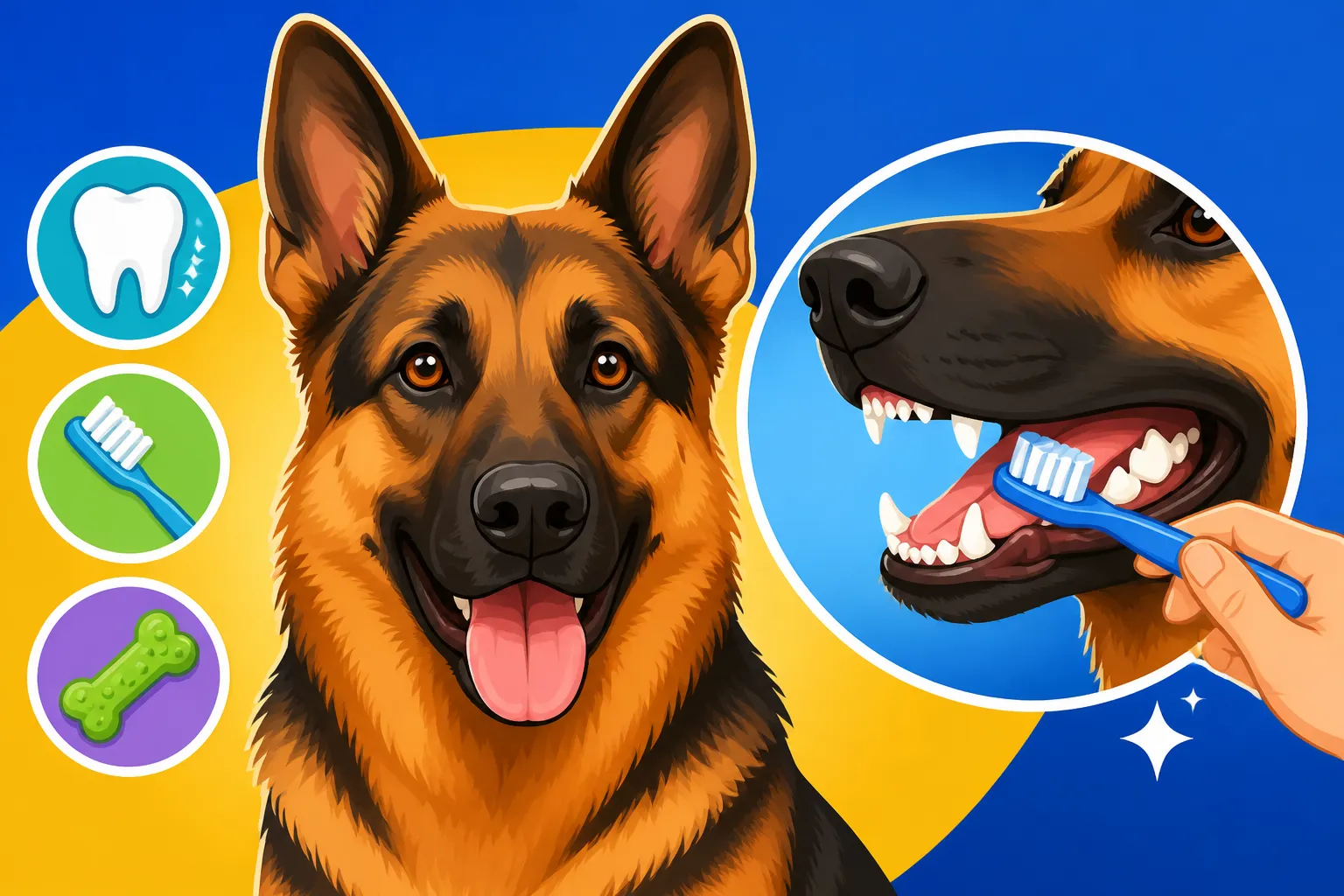
German Shepherd Dental Care Routine
Let's be real, tackling your German Shepherd's dental health can feel like an uphill battle. You love your loyal companion, but the thought of wrestling with a toothbrush or navigating endless options for dental chews is enough to make anyone sigh. It’s tough when you know how vital their oral hygiene is, but actually implementing a routine feels overwhelming. This comprehensive guide is here to cut through the confusion and give you a realistic, actionable roadmap to maintaining your German Shepherd's dental care routine, ensuring their comfort and long-term well-being.
Why Dental Care is Non-Negotiable for German Shepherds
It's easy to overlook what's going on inside your German Shepherd's mouth until there's a problem. They're stoic dogs, often hiding pain remarkably well, which means dental issues can fester unnoticed for a long time. But ignoring their pearly whites (or increasingly, not-so-pearly ones) isn't just about bad breath; it's about safeguarding their entire body. Their dental health is a critical pillar of their overall well-being, influencing everything from their appetite to their heart health.
The Silent Threat of Periodontal Disease
Periodontal disease is the most common dental problem in dogs, affecting most by the time they're three years old. It starts subtly, with a thin film of bacteria called plaque forming on their teeth. If this plaque isn't removed, it hardens into tartar, a rough, calcified substance that brushing alone can't easily dislodge. You might notice a yellowish-brown buildup along the gumline – that's tartar. It's not just unsightly; it's a breeding ground for bacteria.
Once tartar forms, the bacteria begin to irritate and infect the gums, leading to gingivitis – inflamed, red, and often bleeding gums. This is the first stage of periodontal disease, and it's reversible with proper cleaning. However, if left unchecked, the infection progresses below the gumline, attacking the supporting structures of the teeth. This is where the real damage happens: bone loss, loosening of teeth, and excruciating pain that your German Shepherd will likely try to hide. The frustration here is that by the time you notice overt signs like refusal to eat hard food or excessive drooling, the disease is often quite advanced and much harder, and more expensive, to treat. It's a silent killer of comfort and health, and proactive care is truly the only way to beat it.
Beyond the mouth, the bacteria from severe periodontal disease can enter your German Shepherd's bloodstream, traveling to major organs like the heart, kidneys, and liver. This can lead to serious secondary health issues, shortening their lifespan and significantly impacting their quality of life. This is why keeping a German Shepherd healthy absolutely includes a robust dental care plan. You might be surprised to learn that dental disease is often a contributing factor to various ailments discussed in any German Shepherd Health Problems Guide.
Beyond Bad Breath: Other Oral Issues
While periodontal disease is the most prevalent, German Shepherds, with their powerful jaws and love for chewing, can face other significant oral health challenges. One common issue is broken or fractured teeth. This often happens when dogs chew on inappropriate, overly hard items like real bones, antlers, or even rocks. A fractured tooth is incredibly painful, exposing the sensitive pulp cavity to bacteria, which can quickly lead to infection and abscess formation. Imagine trying to eat with a broken tooth – it's no fun for them either.
Oral tumors, while less common than periodontal disease, are another serious concern. These can range from benign growths to aggressive cancers. Regular visual inspection of your German Shepherd's mouth during your home care routine can help you spot any unusual lumps or bumps early. Early detection is crucial for successful treatment outcomes, especially with cancers like malignant melanoma or squamous cell carcinoma. An abscess, a pocket of pus caused by bacterial infection, can form at the root of a tooth, often as a result of severe periodontal disease or a broken tooth. These are intensely painful and can cause facial swelling, fever, and lethargy. Recognizing these signs and seeking prompt veterinary attention is vital to prevent more severe complications and alleviate your dog's suffering.
The Cornerstone of Home Dental Care: Brushing Your German Shepherd's Teeth
When it comes to dental care for your German Shepherd, brushing their teeth is, without a doubt, the most effective thing you can do at home. I know, I know – the idea of brushing a large dog's teeth can sound like a wrestling match waiting to happen. But with patience, the right tools, and a consistent approach, it's entirely achievable and incredibly rewarding for their health. Think of it as a small daily investment that pays huge dividends in preventing pain and major vet bills down the line.
Tools of the Trade: Toothbrushes and Toothpaste
Choosing the right equipment is the first step in setting yourself up for success. You're not going to use your own toothbrush on your German Shepherd, nor will your human toothpaste be safe for them.
-
Toothbrushes: There's a variety of dog-specific toothbrushes available.
- Finger brushes: These slip over your finger and are great for starting out, especially with puppies or dogs wary of a traditional brush. They offer a good tactile feel, allowing you to gauge pressure and reach. However, they might not be as effective for scrubbing all surfaces as a bristle brush.
- Long-handled toothbrushes: These look more like human toothbrushes but are designed with specific angles and softer bristles for a dog's mouth. They're excellent for reaching molars at the back of the mouth. Many find a double-headed brush, with bristles angled at 45 degrees, particularly effective for cleaning both the gumline and tooth surface simultaneously.
- Electric toothbrushes (pet-specific): Yes, they exist! For some German Shepherds, the vibrations might be off-putting, but for others, the efficiency of an electric brush can make quick work of brushing. They often come with small heads suitable for a dog's teeth and are designed for quiet operation.
- You can find a wide range of these brushes available on platforms like Amazon, offering different styles and price points to suit your dog's needs and your comfort level.
-
Toothpaste: This is where it gets interesting! Dog toothpaste comes in flavors like poultry, beef, peanut butter, or even vanilla mint, specifically formulated to be safe for them to swallow (unlike human toothpaste, which contains fluoride and detergents that are toxic if ingested). Enzyme toothpastes are particularly effective, as the enzymes help break down plaque even after you've finished brushing. Never, ever use human toothpaste on your dog; it can make them very sick. Pick a flavor your German Shepherd genuinely enjoys, as this will significantly increase their cooperation.
Making Brushing a Positive Experience
Okay, you've got the tools. Now for the technique! The key is to introduce brushing gradually and make it a genuinely positive experience. Consistency is more important than perfection, especially in the beginning.
- Start Slow and Gentle: Don't just dive in with a brush. Begin by simply handling your German Shepherd's muzzle and lips. Gently lift their lips to expose their teeth and gums. Reward them lavishly with praise and a high-value treat every time they allow you to do this without resistance. Do this for a few days until they're completely comfortable.
- Introduce the Taste: Once they're okay with you touching their mouth, put a tiny dab of dog toothpaste on your finger and let them lick it off. Most dogs love the taste! This associates the toothpaste with a positive, tasty experience. Do this for a few days.
- Finger Brush First: Now, put a little toothpaste on a finger brush. Gently rub it along a few teeth, focusing on the outside surfaces, which are most prone to plaque buildup. Again, keep it super short – just a few seconds – and immediately follow with praise and a treat. Build up the duration over days or even weeks. Don't worry about getting the inside surfaces yet; most dental disease occurs on the outside.
- Transition to a Bristle Brush: Once your German Shepherd accepts the finger brush, transition to a regular dog toothbrush, still focusing on short sessions and positive reinforcement. Aim for brushing at least every other day, but daily is ideal for optimal plaque removal. Remember, your goal is to brush the gumline, where plaque accumulates most, using small circular motions.
- Be Patient and Persistent: Some German Shepherds will take to it quickly, others will be more resistant. Don't get discouraged! If they're struggling, go back a step. Make it a game, a special bonding time. Always end on a positive note, even if you only managed to brush for a few seconds. A consistent routine, even if short, is far better than sporadic, stressful attempts. Many owners find incorporating this into their puppy's early training, alongside things like German Shepherd Puppy Training Guide activities, makes it much easier to accept as they grow.
Imagine a scenario: You’ve got a brand-new German Shepherd puppy, full of boundless energy and curiosity. Instead of waiting for their adult teeth to come in, you start by simply touching their mouth, praising them. Then, you introduce a tiny smear of delicious poultry-flavored toothpaste on your finger. The puppy licks it up, tail wagging. Soon, it's a game: "time for teeth!" they hear, and they know a tasty reward is coming. As they grow, this habit is ingrained, making daily brushing a calm, accepted part of their routine, rather than a battle of wills. This is the ideal, but even with an older, more resistant dog, patience and positive reinforcement can work wonders.
Dietary Approaches and Dental Chews for Oral Health
Beyond the direct action of brushing, what your German Shepherd eats and what they chew on play a significant role in their dental health. It's not a magic bullet, but a supportive strategy that can complement your regular brushing routine. Understanding the nuances of diet and chews can help you make informed decisions for your furry friend.
The Role of Diet in Dental Hygiene
The type of food your German Shepherd consumes can influence plaque and tartar buildup.
- Kibble and Dental Health: Many veterinarians and owners believe that kibble, particularly larger, textured pieces, can help scrape some plaque off teeth as the dog chews. There are even prescription dental diets, like those from Hill's Science Diet or Royal Canin, specifically formulated with a unique kibble shape and fiber matrix designed to mechanically scrub the teeth and reduce plaque and tartar buildup. These often contain ingredients that can help reduce bacteria in the mouth as well. However, it's important to understand that even the best dental kibble is not a substitute for brushing. Think of it as a supplementary aid, not a standalone solution.
- Wet Food and Raw Diets: Wet foods tend to leave more residue on teeth, which can contribute to faster plaque accumulation. If your German Shepherd is on a wet food diet, or even a raw diet, extra vigilance with brushing and other dental care methods is crucial. While raw diets are sometimes touted for their dental benefits due to larger, chewable components like bones (which should be chosen very carefully to avoid fractures, as discussed later), the science isn't conclusive that they inherently lead to cleaner teeth overall compared to a well-managed kibble diet combined with brushing. For more detailed information on feeding your German Shepherd, check out our comprehensive German Shepherd Feeding Guide.
- Overall Nutrition: A balanced, high-quality diet, regardless of form, contributes to overall health, including a strong immune system. A healthy dog is better equipped to fight off infections, including those in the mouth. This is why paying attention to what you feed your German Shepherd, exploring options like those reviewed in our Best Dog Food for German Shepherds guide, can have indirect benefits for their dental health.
Choosing Effective Dental Chews and Toys
Dental chews and toys can be a valuable addition to your German Shepherd's dental care routine, but not all products are created equal. The goal is to find items that are effective at cleaning without posing a risk of dental fracture or digestive upset.
-
Types of Dental Chews:
- Enzymatic Chews: Many dental chews, such as Greenies or Virbac CET VeggieDent Chews, are designed to have an abrasive texture that helps scrub teeth as your dog chews. Some also contain enzymes or other active ingredients that help reduce plaque and freshen breath. These are often endorsed by the Veterinary Oral Health Council (VOHC), which certifies products proven to reduce plaque and/or tartar. Look for the VOHC seal as a reliable indicator of efficacy.
- Textured Chews: Other chews rely purely on their texture to mechanically remove plaque. When selecting these, consider your German Shepherd's powerful jaw. You need something durable enough to last but not so hard that it risks breaking a tooth.
- When shopping for these, online retailers like Chewy offer a vast selection, often with customer reviews that can give you insights into how durable and effective a particular chew might be for strong chewers like German Shepherds. You might also find a good variety on Amazon, allowing you to compare options and prices easily.
-
Appropriate Chew Toys: Durable rubber toys, such as those made by Kong, can provide hours of chewing satisfaction while being safer for teeth than harder alternatives. Filling a Kong with wet food or dog-safe peanut butter and freezing it can encourage prolonged chewing and engagement. Nylabone also offers a range of durable chew toys specifically designed for aggressive chewers, with textures intended to help clean teeth. Always choose a toy appropriate for your German Shepherd's size and chewing intensity to prevent choking hazards or ingestion of large pieces.
Here's a quick comparison of some common dental aids:
| Dental Aid Type | Primary Benefit | Ideal Frequency | Cost Range (per month) | Effectiveness (Plaque/Tartar Reduction) |
|---|---|---|---|---|
| Toothbrushing | Most effective mechanical plaque removal | Daily | Low (initial brush/paste) | High |
| VOHC-Accepted Chews | Supplemental plaque/tartar reduction, freshen breath | Daily to every other day | Medium | Moderate to High (supplemental) |
| Dental Diets | Mechanical scrubbing, special ingredients | Every meal | High (premium food) | Moderate (supplemental) |
| Water Additives/Rinses | Reduce oral bacteria, freshen breath | Daily | Low to Medium | Low to Moderate (supplemental) |
| Raw Bones (SAFE ones) | Mechanical cleaning, mental stimulation | Weekly (under supervision) | Low to Medium | Moderate (risk of fracture) |
Professional Dental Care: When and Why it's Crucial
No matter how diligent you are with home brushing and dental chews, professional veterinary dental care remains an indispensable part of your German Shepherd's oral health routine. Just like humans need regular dental check-ups and cleanings, our canine companions benefit immensely from expert oversight. There are simply things we can't do at home, and ignoring professional care can lead to significant issues that could have been prevented.
Regular Veterinary Check-ups and Oral Exams
Your German Shepherd's annual (or sometimes bi-annual, especially for seniors) veterinary examination isn't just about vaccinations and a general health check; it's a prime opportunity for their mouth to get a thorough assessment. During these routine visits, your vet will perform a basic oral exam, checking for visible signs of plaque and tartar buildup, gingivitis, loose or broken teeth, and any unusual growths or masses. They'll lift your dog's lips, check the front and sides of their mouth, and visually assess the overall condition.
While this awake exam is incredibly valuable for detecting obvious problems, it's limited. Your dog is awake, so a truly comprehensive inspection of every tooth surface, below the gumline, and the back of the mouth isn't possible. They won't let your vet probe for pockets of infection or take X-rays without sedation. If your vet notices significant tartar, redness, or signs of pain, they will almost certainly recommend a professional dental cleaning under anesthesia. Don't be surprised or offended by this recommendation; it's a sign they're looking out for your dog's best interest. It's a common part of a good German Shepherd's health plan. Ensuring your vet is knowledgeable and thorough in their approach to oral health is part of how to choose a vet for a German Shepherd.
Understanding Professional Dental Cleanings
This is where the real deep dive into your German Shepherd's oral health happens. A professional dental cleaning (often referred to as a COHAT – Comprehensive Oral Health Assessment and Treatment) is performed under general anesthesia. I know, the word "anesthesia" can be scary for any pet owner, and it's completely normal to feel apprehensive about your beloved German Shepherd undergoing it. However, modern veterinary anesthesia protocols are very safe, with extensive monitoring to minimize risks.
Here's what a professional dental cleaning typically involves:
- Pre-Anesthetic Blood Work: Before any anesthetic procedure, your vet will perform blood tests to ensure your German Shepherd's internal organs, like the liver and kidneys, are functioning properly and can safely metabolize the anesthetic drugs. This greatly reduces the risk.
- Anesthesia and Monitoring: Your dog will be gently induced into anesthesia, and an endotracheal tube will be placed to protect their airway. Throughout the procedure, a dedicated veterinary technician will continuously monitor their vital signs, including heart rate, respiration, blood pressure, and oxygen saturation, using specialized equipment.
- Full Oral Exam: Once anesthetized, the vet can perform a truly thorough examination of every tooth, gumline, and oral cavity structure. They'll probe for periodontal pockets, check for tooth mobility, and identify any hidden issues that were impossible to see while your dog was awake.
- Dental X-rays: This is perhaps the most crucial part that home care cannot replicate. Dental X-rays allow the vet to see below the gumline, revealing issues like bone loss, root abscesses, fractured roots, or un-erupted teeth. About 60-70% of dental disease is hidden below the gumline and can only be detected with X-rays.
- Scaling and Polishing: Specialized ultrasonic and hand scalers are used to meticulously remove plaque and tartar from above and below the gumline. After scaling, the teeth are polished to smooth out any microscopic etches left by the scaling tools, making it harder for new plaque to adhere.
- Extractions (if necessary): If severe periodontal disease, fractures, or other irreversible damage is found, extractions may be necessary to remove painful, infected teeth. This might sound drastic, but removing a diseased tooth can provide immense relief and prevent further infection spread. Your vet will discuss these possibilities with you beforehand.
The cost of a professional dental cleaning can vary significantly based on your location, the clinic, and the extent of work needed (e.g., extractions will increase the cost). It's an investment, certainly, but one that prevents future pain for your dog and potentially more expensive treatments down the road. If you're curious about typical costs, our article on German Shepherd Vet Costs Per Year can give you a general idea. Consider that dental health is intricately linked to overall health, so proper dental care also supports the goals outlined in How to Keep a German Shepherd Healthy.
Complementary Dental Aids and What to Avoid
While brushing and professional cleanings are the pillars of good German Shepherd dental hygiene, there are other products that can offer additional support. However, it's just as important to know what to steer clear of, as some well-intentioned choices can actually cause more harm than good to your strong-jawed companion.
Water Additives, Oral Rinses, and Wipes
These supplementary aids are designed to help reduce oral bacteria and freshen breath, acting as a "little extra" alongside a solid brushing routine. They are never a substitute for brushing or professional cleanings, but they can contribute to overall oral health, especially for dogs who are resistant to brushing.
- Water Additives: These are solutions you add to your German Shepherd's drinking water daily. They typically contain ingredients like chlorhexidine or zinc salts, which help reduce bacteria in the mouth and break down plaque. The benefit is that they work continuously throughout the day as your dog drinks. However, some dogs might be sensitive to the taste or experience mild digestive upset, so it's always best to introduce them slowly and monitor your dog's reaction. Look for products that are VOHC-approved for proven efficacy. You can often find a good selection of these water additives on platforms like Chewy, making it convenient to add to your regular pet supply order.
- Oral Rinses: Similar to human mouthwash, these are applied directly to your dog's gums or teeth using a spray bottle or applicator. They usually contain antibacterial agents to kill germs and freshen breath. They can be particularly useful after a meal or on days you can't manage a full brush, but their contact time is limited, so their effect is often short-lived.
- Dental Wipes: These are pre-moistened pads that you can use to wipe your German Shepherd's teeth and gums. They offer a gentle way to remove some surface plaque and can be a good stepping stone for dogs who aren't ready for a toothbrush. They're also handy for quick clean-ups or when you're traveling. While they don't offer the deep cleaning of a toothbrush, they are certainly better than doing nothing at all. They are an easy way to introduce oral hygiene to a sensitive German Shepherd.
When considering these aids, remember they are supplemental. Think of them like flossing or mouthwash for humans – helpful, but not a replacement for brushing and dental visits. Always choose products specifically formulated for dogs and consult with your vet if you have any doubts.
Harmful Habits and Objects to Steer Clear Of
German Shepherds are powerful chewers, and while chewing is natural and beneficial, directing that instinct toward the wrong objects can have disastrous consequences for their teeth. Many owners mistakenly believe that extremely hard objects are best for cleaning or entertainment, but these often lead to painful and expensive dental injuries.
- Real Bones (Cooked or Raw): This is a big one. Cooked bones are brittle and can splinter, leading to choking, internal punctures, or severe constipation. Raw bones, while less prone to splintering, can still cause broken teeth, especially weight-bearing bones like femurs. The risk of bacterial contamination (e.g., Salmonella) for both the dog and household members is also significant. Many vets strongly advise against feeding bones for dental cleaning.
- Antlers: While popular, antlers are often too hard for a German Shepherd's teeth. Chewing on antlers is a common cause of slab fractures (a large piece of the tooth breaking off), particularly on premolars and molars. These fractures are extremely painful and almost always require professional dental intervention, often an extraction or a root canal, which can be very costly (check German Shepherd Hip Dysplasia Surgery Cost to get an idea of how vet surgery can cost; dental surgery can be similar).
- Ice Cubes: Many dogs love ice cubes, but their hardness and irregular shape can also lead to tooth fractures, especially if your German Shepherd crunches down hard. It's safer to offer chilled water or frozen treats made for dogs.
- Tennis Balls: While seemingly innocuous, the abrasive surface of a tennis ball can act like sandpaper on your German Shepherd's teeth over time, especially if they are enthusiastic chewers who grind the ball. This can wear down the enamel, leading to sensitive teeth and increased risk of decay.
Instead of these risky options, opt for VOHC-accepted dental chews, durable rubber toys (like Kongs), or specially designed dental toys that are softer yet still engaging. Prioritizing tooth safety over perceived "natural" chewing is crucial for preventing painful injuries and maintaining your German Shepherd's long-term oral health.
Developing a Lifelong Dental Care Schedule
A healthy German Shepherd doesn't happen by accident, and their dental care is no exception. It's a journey that starts in puppyhood and continues throughout their senior years, adapting as their needs change. Establishing a routine early and maintaining it consistently is the most effective way to prevent costly and painful dental problems.
Puppyhood: Starting Early and Building Habits
The best time to start your German Shepherd's dental care routine is when they are a puppy. This might seem early, especially since they'll lose their puppy teeth anyway, but it's less about cleaning and more about desensitization and habit formation. Puppy teeth are temporary, but the habits you build now will last a lifetime.
- Positive Association: Begin by simply handling your puppy's mouth, lifting their lips, and gently touching their gums. Make it a positive experience with lots of praise and tasty treats. The goal is to get them comfortable with having their mouth handled.
- Introduce Tools: Once they are comfortable with handling, introduce a tiny dab of dog-specific toothpaste on your finger. Let them lick it off. Gradually, introduce a soft finger brush, gently rubbing it on their gums and any erupted puppy teeth. Keep sessions very short – just a few seconds – and always end with a treat and praise.
- Consistency is Key: Aim for a few times a week, building up to daily. The more consistent you are, the more it becomes a normal part of their routine, rather than a scary or unpleasant surprise. This early exposure helps them accept brushing more readily when their permanent teeth come in around 4-6 months of age.
- Chew Toys: Provide appropriate puppy-safe chew toys that are soft enough not to damage their developing teeth but durable enough to satisfy their natural chewing instincts. Chewing can help alleviate discomfort from teething and also start the process of light plaque removal. Establishing these routines early is just as important as starting their general training with a robust German Shepherd Puppy Training Guide.
Adult and Senior German Shepherd Dental Needs
As your German Shepherd matures, their dental care routine should become a regular, non-negotiable part of their daily life. Adult German Shepherds have fully developed teeth and are actively prone to plaque and tartar buildup, especially if home care is inconsistent.
- Daily Brushing: For adult dogs, daily brushing with a dog-specific toothbrush and enzymatic toothpaste is the gold standard. Focus on the outer surfaces of the teeth and the gumline.
- Regular Dental Chews: Incorporate VOHC-accepted dental chews into their routine, ensuring they are appropriate for their size and chewing strength. Remember these are supplementary and not a replacement for brushing.
- Annual Vet Checks: Continue with annual (or bi-annual) veterinary check-ups that include an oral exam. Your vet will assess the effectiveness of your home care and recommend professional cleanings under anesthesia as needed. Most adult dogs will require professional cleanings every 1-3 years, depending on their individual dental hygiene and genetics.
As your German Shepherd enters their senior years, typically around 7-8 years old, their dental needs often become even more pronounced. Just like humans, older dogs are at higher risk for dental disease, including advanced periodontal disease, loose teeth, and even oral cancers.
- Increased Vigilance: You'll need to be even more diligent with daily brushing and oral inspections. Look for any changes in their mouth, such as new growths, increased redness, or sensitivity. Our German Shepherd Senior Care Guide emphasizes the importance of these regular checks.
- More Frequent Vet Visits: Your vet might recommend more frequent dental check-ups, potentially every six months, to monitor their oral health closely.
- Addressing Pain: Older dogs are more likely to experience dental pain, which can impact their appetite and overall comfort. If you notice any changes in eating habits, excessive drooling, or pawing at their mouth, seek veterinary attention promptly. Sometimes, adjusting their diet to softer foods, as outlined in our German Shepherd Senior Diet Adjustments guide, might be necessary during periods of dental discomfort or post-procedure recovery.
- Pre-Anesthetic Considerations: For senior dogs, pre-anesthetic blood work and thorough health assessments become even more crucial before a professional cleaning. Discuss any health concerns, such as heart murmurs or kidney disease, with your vet, as these might influence anesthetic protocols.
By staying proactive and adapting your German Shepherd's dental care routine throughout their life stages, you're not just preventing bad breath; you're safeguarding their health, comfort, and ensuring they can enjoy many more happy years by your side. You'll be contributing significantly to their overall health, including preventing issues related to German Shepherd Weight and Obesity Risks which can sometimes be linked to dental pain making it difficult to eat.
Disclaimer
The information provided in this article is for general informational purposes only and is not intended as a substitute for professional veterinary advice. Always consult with a qualified veterinarian for any health concerns or before making any decisions related to your German Shepherd's dental care or treatment.