Best Supplements for German Shepherds
Many German Shepherd owners find themselves constantly wondering if they're doing enough to support their beloved companion's health, especially when faced with the breed's well-known predispositions to certain issues like joint problems or sensitive stomachs. It's a real worry, seeing them age or struggle, and wanting to give them every advantage. This comprehensive guide is here to walk you through the often-confusing world of canine supplements, helping you understand which ones might genuinely benefit your German Shepherd and why.
Understanding the Unique Health Needs of German Shepherds
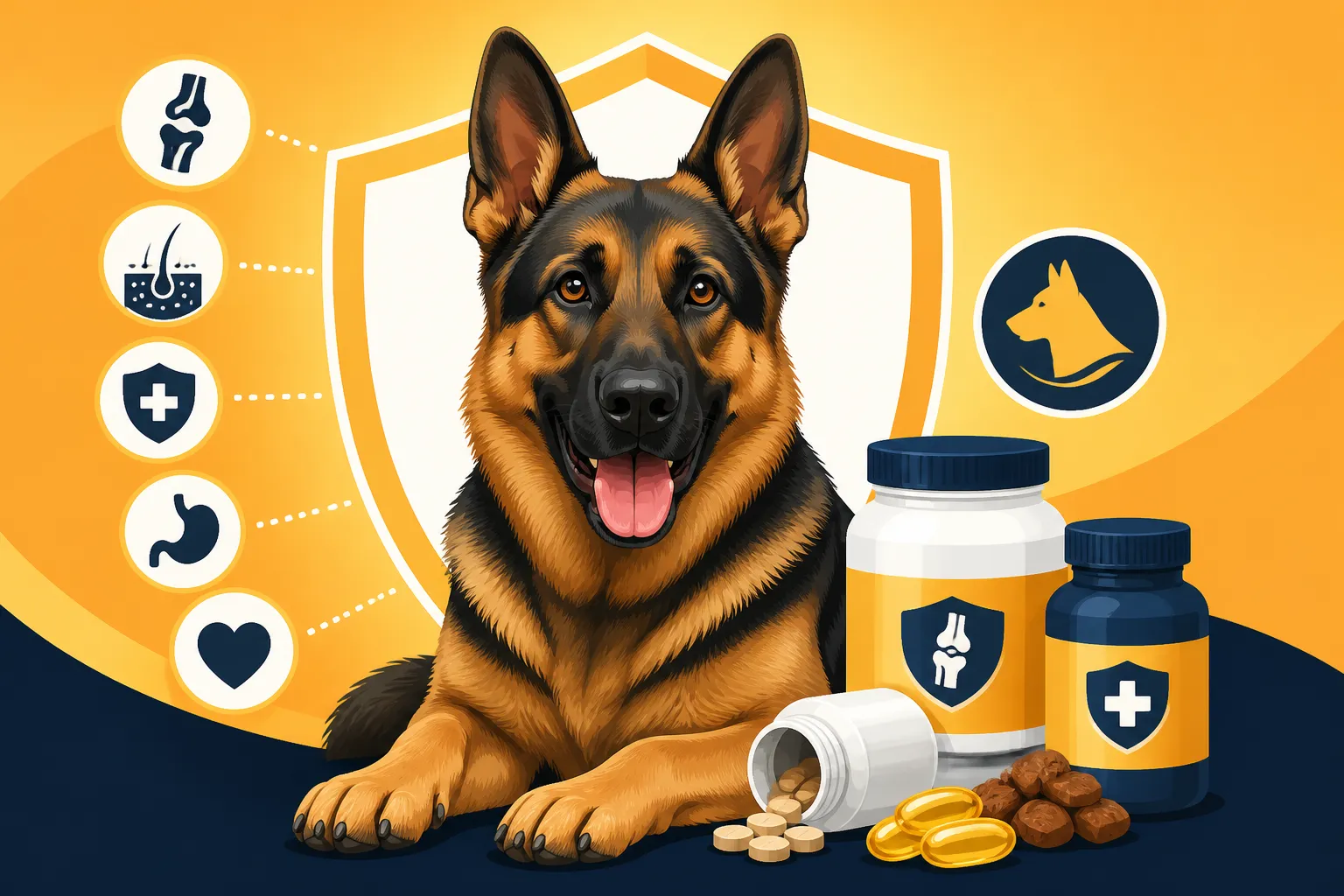
It's no secret that German Shepherds, while magnificent dogs, come with a specific set of health considerations that every owner should be aware of. This isn't to say they're inherently unhealthy, but rather that their genetic makeup and physical characteristics make them prone to certain conditions. Understanding these predispositions is the first step in proactively supporting their well-being, and often, supplements can play a vital role in this preventative and supportive care.
The Breed's Predisposition to Joint Issues
Perhaps the most talked-about health concern for German Shepherds revolves around their joints, particularly their hips and elbows. Conditions like hip dysplasia and elbow dysplasia are unfortunately common in the breed. It's a truly heartbreaking diagnosis to receive, watching your active, powerful dog struggle with pain or limited mobility, especially when they're still young. These conditions are genetic, but environmental factors like diet, exercise, and yes, even supplements, can influence their onset and severity.
The German Shepherd's rapid growth rate as a puppy and their large, powerful frame put significant stress on developing and mature joints. Even dogs from excellent breeding lines with clear health certifications can develop these issues over time due to a combination of genetics and lifestyle. This makes early and consistent joint support a cornerstone of good German Shepherd care. Many owners wish they had known more about prevention earlier, highlighting the importance of articles like our detailed guide on German Shepherd Hip Dysplasia Explained.
Digestive Sensitivities and Gut Health
Another area where German Shepherds often face challenges is their digestive system. Many owners report their German Shepherds having sensitive stomachs, prone to issues like loose stools, gas, or even more serious conditions like Exocrine Pancreatic Insufficiency (EPI) or inflammatory bowel disease. It's incredibly frustrating when you're trying your best to feed them a high-quality diet, only for them to consistently have an upset tummy. This isn't just uncomfortable for your dog; it can also affect their nutrient absorption and overall vitality.
A healthy gut is fundamental to a strong immune system and overall health, for dogs just as it is for humans. When the gut flora is out of balance, it can manifest in various ways beyond just digestive upset, including skin problems and a dull coat. Managing these sensitivities often involves careful diet selection, but digestive supplements can provide crucial support to rebalance and maintain a healthy gut microbiome, helping to address issues like loose stool. If you’ve ever had a German Shepherd with persistent tummy troubles, you know how vital effective solutions can be.
Skin, Coat, and Immune System Support
Beyond joints and digestion, German Shepherds can also be susceptible to various skin issues, allergies, and general immune system weaknesses. A dull coat, flaky skin, excessive itching, or recurrent infections are all signs that something might be off with their skin and immune health. These can be particularly bothersome, leading to constant scratching, discomfort, and even secondary infections if not addressed promptly. It's often a cycle: environmental allergens trigger a reaction, which then compromises the skin barrier, leading to more sensitivity.
Their thick double coat requires proper nutrition to stay healthy and shed appropriately. The immune system, which is intrinsically linked to gut health, plays a critical role in fending off everything from seasonal allergies to more serious illnesses. Providing targeted nutritional support can bolster their natural defenses, leading to a healthier coat, clearer skin, and a more robust overall immune response. You can find more comprehensive information on German Shepherd Skin Problems and Fixes to help tackle specific skin concerns.
Essential Categories of Supplements for German Shepherds
Given the breed's specific health considerations, certain categories of supplements stand out as particularly beneficial for German Shepherds. These aren't magic pills, but rather concentrated forms of nutrients that can bridge dietary gaps and provide targeted support where their bodies need it most.
Joint Support Supplements
When we talk about German Shepherd health, joint support is almost always at the top of the list. These supplements are designed to maintain cartilage health, reduce inflammation, and support overall joint function, which is critical for a breed so prone to conditions like hip and elbow dysplasia. Many German Shepherd owners will begin a joint supplement regimen early in their dog's life as a preventative measure.
The primary active ingredients you’ll find in quality joint supplements often include glucosamine, chondroitin, and MSM. Glucosamine helps in the repair and formation of cartilage, acting as a building block. Chondroitin works synergistically with glucosamine, inhibiting enzymes that destroy cartilage and improving its elasticity. MSM (Methylsulfonylmethane) is known for its anti-inflammatory properties, which can help alleviate pain and discomfort associated with joint stiffness. Other beneficial ingredients might include hyaluronic acid, green-lipped mussel, or turmeric, all of which contribute to joint lubrication and inflammation reduction. For a deeper dive, check out our guide on German Shepherd Joint Health Supplements.
Probiotics and Digestive Aids
If your German Shepherd regularly experiences digestive upset – anything from sporadic loose stools to chronic gas – probiotics and digestive enzymes can be a game-changer. These supplements work to rebalance the gut microbiome, which is a complex ecosystem of bacteria and other microorganisms crucial for digestion, nutrient absorption, and immune function. When this balance is off, you see the frustrating symptoms of a sensitive stomach.
Probiotics introduce beneficial bacteria to the gut, helping to crowd out harmful pathogens and improve overall digestive efficiency. Digestive enzymes, on the other hand, help break down food more effectively, ensuring your dog gets the most nutrition from their meals and reducing the workload on their digestive system. This can be particularly helpful for dogs with conditions like EPI, where their pancreas doesn't produce enough enzymes. For dogs with chronic issues, these aids can dramatically improve their quality of life, turning mealtime from a gamble into a predictable, pleasant experience. Discover more about Best Probiotics for German Shepherds.
Omega Fatty Acids for Skin and Coat
A beautiful, healthy German Shepherd coat isn't just about aesthetics; it's an indicator of overall health. Omega-3 and omega-6 fatty acids are absolutely crucial for maintaining skin integrity, reducing inflammation, and promoting a shiny, healthy coat. Many commercial dog foods contain some omega fatty acids, but often not in the optimal balance or sufficient quantities for a breed with specific needs like the German Shepherd.
Omega-3s, primarily EPA and DHA found in fish oil, are powerful anti-inflammatories. They can significantly reduce itching, flakiness, and the severity of allergic reactions, helping to address issues like German Shepherd Allergies: Causes and Relief. Omega-6s, found in sources like flaxseed oil, are essential for skin barrier function and coat luster. Supplementing with a high-quality fish oil or other omega blend can transform a dull, dry, itchy coat into a soft, gleaming one, while also providing benefits for heart health and cognitive function. Many owners see a noticeable difference in just a few weeks of consistent supplementation.
Multivitamins and General Wellness Boosters
While a well-balanced diet should theoretically provide all necessary vitamins and minerals, there are times when a multivitamin or general wellness booster can be beneficial. This is particularly true for puppies, senior German Shepherds, dogs recovering from illness, or those on restrictive diets. A multivitamin acts as a nutritional safety net, ensuring no essential nutrients are missed.
These supplements typically contain a broad spectrum of vitamins (A, B complex, C, D, E) and minerals (calcium, phosphorus, zinc, selenium) that support various bodily functions, from bone health to immune response and energy metabolism. For growing puppies, ensuring adequate nutrient intake is paramount for proper development. For senior German Shepherds, whose bodies may not absorb nutrients as efficiently, a multivitamin can help maintain vitality and support their aging systems. Always remember, though, that a multivitamin should supplement a good diet, not replace it, and it's easy to overdo certain vitamins, especially the fat-soluble ones.
What to Look for in High-Quality German Shepherd Supplements
The market for pet supplements is absolutely flooded with options, and it can feel overwhelming to navigate, trying to figure out what's genuinely effective and safe for your beloved German Shepherd. It's a minefield of marketing claims, and separating the wheat from the chaff requires a bit of savvy. Don't just grab the first bottle you see; a little research goes a long way in ensuring you're giving your dog the best.
Key Ingredients and Their Benefits
When you pick up a supplement, the first thing you should always scrutinize is the ingredient list. Transparency is key. You want to see clearly listed, recognizable ingredients, not vague proprietary blends. For joint supplements, as mentioned, look for therapeutic dosages of glucosamine, chondroitin, and MSM. These should be near the top of the list, indicating significant quantities. For omega fatty acids, check the EPA and DHA levels, not just the total fish oil amount, as these are the crucial active components.
For probiotics, look for specific strains of beneficial bacteria (e.g., Lactobacillus and Bifidobacterium strains) and the CFU count (Colony Forming Units), which indicates the number of live organisms. Higher CFU counts generally mean more potent effects. Some brands like Zesty Paws and Purina Pro Plan FortiFlora are often recommended by vets for their specific strains and proven efficacy. If you're looking at a multivitamin, ensure it's balanced and tailored for large breeds, avoiding excessive levels of any single nutrient that could become toxic. Always remember that for conditions like German Shepherd Arthritis: Symptoms and Treatment, specific ingredients are more effective than others.
Quality, Sourcing, and Certifications
This is where the rubber meets the road. Just because an ingredient is listed doesn't mean it's high quality or effectively absorbed by your dog. Look for brands that are transparent about their sourcing. Do they use human-grade ingredients? Are their fish oils wild-caught and tested for heavy metals like mercury? Do they disclose their manufacturing processes? These details speak volumes about a company's commitment to quality.
Certifications from reputable organizations can also offer peace of mind. For example, the National Animal Supplement Council (NASC) Quality Seal indicates that a product has met stringent quality control standards, including ingredient integrity, accurate labeling, and adverse event reporting. This isn't a guarantee of efficacy, but it does assure you of a certain level of quality and safety in manufacturing. Reputable brands often make this information readily available on their websites or packaging. Shopping from trusted retailers like Chewy or Amazon can also provide access to customer reviews and brand information, but always do your own research beyond just star ratings.
Formulations and Administration Methods
Supplements come in many forms, and choosing the right one often comes down to what your German Shepherd will actually take. You might find tablets, chewable soft chews, powders, or liquid forms. Soft chews are often the most palatable, easily disguised as treats, which can be a huge relief if you have a picky eater. Powders can be sprinkled over food, blending in seamlessly, while liquids can be mixed into wet food or even given directly via a syringe if your dog is cooperative.
Consider your dog's preferences and any existing health issues. If your German Shepherd has dental problems, a hard tablet might be difficult for them to chew. If they're prone to turning up their nose at anything "medicinal," a highly palatable soft chew might be your best bet. Some brands, like Ollie, focus on fresh, human-grade food delivery services that sometimes incorporate natural supplements or highly bioavailable ingredients directly into their meal plans, which can simplify administration. The goal is to find a form that allows for consistent, stress-free administration, ensuring your dog actually receives the intended benefits.
| Supplement Type | Key Ingredients | Primary Benefits | Ideal Formulations | Considerations for GSDs |
|---|---|---|---|---|
| Joint Support | Glucosamine, Chondroitin, MSM, Green-Lipped Mussel, Hyaluronic Acid | Supports cartilage, reduces inflammation, improves mobility, pain relief | Soft chews, powders, liquids | Critical for preventing/managing hip & elbow dysplasia; early start recommended. Look for therapeutic dosages. |
| Probiotics/Digestive | Lactobacillus, Bifidobacterium strains, Digestive Enzymes | Balances gut flora, aids digestion, nutrient absorption, boosts immunity | Powders (sprinkled on food), chewables | Excellent for sensitive stomachs, loose stools, EPI management. High CFU count is key. |
| Omega Fatty Acids | EPA, DHA (Fish Oil), Flaxseed Oil | Healthy skin, shiny coat, reduced itching, anti-inflammatory, cognitive health | Liquid oil (pump bottle), softgels | Essential for double coat health, allergy management. Source from reputable brands for purity. |
| Multivitamins | Vitamins A, B, C, D, E, Zinc, Selenium, Calcium | General health, immune support, energy metabolism, nutrient gap filling | Chewable tablets, soft chews, powders | Good for puppies, seniors, or dogs on restricted diets. Ensure it's balanced for large breeds to avoid over-supplementation. |
Integrating Supplements into Your German Shepherd's Routine
Once you've carefully selected the right supplements for your German Shepherd, the next step is successfully incorporating them into their daily life. This isn't just about tossing a pill in their bowl; it's about thoughtful integration that maximizes effectiveness and minimizes stress for both you and your dog.
Starting Slow and Monitoring for Changes
It's tempting to jump right in with the full recommended dosage, especially when you're eager to see results for conditions like German Shepherd Osteoarthritis: Symptoms and Treatment. However, the best approach is to introduce any new supplement slowly. Start with a smaller dose, perhaps half of the recommended amount, for a few days to a week. This allows your German Shepherd's digestive system to adjust and helps you identify any potential sensitivities or adverse reactions early on.
During this introductory period and beyond, keep a close eye on your dog. Are there any changes in their appetite, stool consistency, energy levels, or behavior? For joint supplements, you might look for subtle improvements in gait or willingness to play. For skin and coat supplements, monitor for reduced scratching or increased shine. It can take several weeks, sometimes even months, to see the full benefits of certain supplements, so patience and consistent observation are key. Jotting down notes can be helpful to track progress accurately.
Combining Supplements Safely
Many German Shepherd owners find themselves using multiple supplements to address different aspects of their dog's health – perhaps a joint supplement, a probiotic, and an omega fatty acid. While this is generally safe, it requires careful consideration to avoid over-supplementation or adverse interactions. Always review the ingredients of each supplement to ensure there isn't excessive overlap, particularly with fat-soluble vitamins (A, D, E, K), which can build up to toxic levels.
The best practice is to discuss all current and planned supplements with your veterinarian. They can provide guidance on appropriate dosages, potential interactions, and the best timing for administration. For example, some supplements are better absorbed with food, while others might be more effective on an empty stomach. A holistic approach to your German Shepherd's health often involves a combination of high-quality food, appropriate exercise, and targeted supplementation, but it should always be a carefully managed regimen.
Storage and Shelf Life Considerations
The effectiveness of many supplements can degrade over time or if stored improperly. Always check the product label for specific storage instructions. Many supplements, especially probiotics, need to be kept in a cool, dark place, and some even require refrigeration to maintain the viability of live cultures. Exposure to heat, light, or air can significantly reduce their potency, rendering them less effective or even useless.
Also, pay close attention to the expiration date. Using expired supplements is generally not harmful, but they will likely have lost much of their potency. If you buy in bulk, ensure you can use the product before it expires. Investing in a quality product means nothing if its active ingredients are compromised by poor storage or outdated use. Proper storage is a simple but crucial step in maximizing your investment in your German Shepherd's health.
Common Mistakes and Misconceptions About Canine Supplements
The world of pet health can sometimes feel like a wild west, with countless products promising miraculous results. It's easy to get caught up in the hype or fall prey to common misunderstandings about what supplements can and cannot do for your German Shepherd. Being informed can save you money, time, and potential heartache.
The "More is Better" Fallacy
One of the most dangerous misconceptions is believing that if a little is good, a lot must be better. This is absolutely not true for supplements, especially with certain vitamins and minerals. As mentioned, fat-soluble vitamins (A, D, E, K) can accumulate in the body and become toxic if given in excessive amounts. Even water-soluble vitamins, while generally flushed out, can cause digestive upset in high doses.
Over-supplementation can also occur when combining multiple products that contain the same active ingredients. For instance, if your dog food is already fortified with glucosamine and you add a full-dose joint supplement, you might be giving more than is beneficial. Always adhere strictly to the manufacturer's recommended dosage, and never exceed it without explicit veterinary guidance. The goal is optimal health, not excessive intake, which can lead to serious German Shepherd Health Problems Guide.
Relying on Supplements Over Proper Diet and Vet Care
Supplements are just that: supplements. They are meant to complement a healthy lifestyle, not replace its fundamental components. The cornerstone of your German Shepherd's health should always be a high-quality, balanced diet tailored to their age, activity level, and specific needs. No amount of supplements can counteract the negative effects of a poor diet. Choosing the Best Dog Food for German Shepherds is paramount.
Similarly, supplements are not a substitute for professional veterinary care. If your German Shepherd is showing signs of illness, pain, or discomfort, a visit to the vet should always be your first course of action. Supplements can aid in recovery or provide long-term support, but they cannot diagnose conditions or replace medical treatments. Think of supplements as a supportive cast, not the star of the show. Your vet is the lead actor in your dog's healthcare story.
Navigating Marketing Hype and Anecdotal Evidence
It’s easy to be swayed by glowing testimonials, impressive marketing campaigns, or even well-meaning advice from other dog owners. While anecdotal evidence can sometimes point you in a good direction, it should never be the sole basis for making decisions about your German Shepherd's health. Every dog is an individual, and what works wonders for one might have no effect or even an adverse effect on another.
Be critical of marketing claims that sound too good to be true. Look for scientific backing, clinical studies (even if done on animals in general, not just German Shepherds), and transparent ingredient sourcing. Remember, the pet supplement industry is largely unregulated compared to pharmaceuticals, so "buyer beware" is a real concern. Stick to reputable brands and consult with your vet, who can help you sift through the noise and make evidence-based decisions for your German Shepherd's unique needs.
When Professional Veterinary Guidance is Crucial
While supplements can be a powerful tool in supporting your German Shepherd's health, they are not a substitute for professional veterinary care. In fact, your veterinarian should be your primary partner in making informed decisions about any and all aspects of your dog's health, including supplementation.
Before Starting Any New Supplement Regimen
This cannot be stressed enough: always consult your veterinarian before introducing any new supplement into your German Shepherd's diet. This is especially true if your dog has existing health conditions, is on medication, or is a puppy or senior. What might seem like a harmless addition could potentially interact negatively with medications, exacerbate an underlying condition, or be inappropriate for their age or physiological state.
Your vet has a comprehensive understanding of your dog's medical history, current health status, and breed-specific predispositions. They can help you identify which supplements, if any, are truly necessary and beneficial, recommend appropriate dosages, and advise on quality brands. This professional input is invaluable in preventing unintended harm and ensuring you’re spending your money on products that will actually make a positive difference. A good example is understanding the nuances of German Shepherd Puppy Feeding Mistakes to Avoid, where certain supplements might be contraindicated.
Addressing Specific Health Concerns
If your German Shepherd is exhibiting symptoms of a health issue – whether it’s chronic limping, persistent digestive upset, severe allergies, or behavioral changes – supplements should not be your first line of defense in place of a vet visit. These symptoms require a proper diagnosis from a qualified veterinarian. Once a diagnosis is made, your vet can then discuss how supplements might fit into a broader treatment plan.
For instance, if your German Shepherd is struggling with significant joint pain, a vet might recommend anti-inflammatory medications alongside a joint supplement, or suggest specific therapies. For dogs with diagnosed EPI, digestive enzymes are a medical necessity, not just an optional supplement. In these cases, supplements become part of a targeted, veterinarian-approved strategy to manage a specific condition, working in conjunction with other treatments. This is particularly relevant when dealing with serious issues like those covered in our guide on Degenerative Myelopathy in German Shepherds.
Regular Health Check-ups and Blood Work
Even with a healthy German Shepherd on a great diet and a sensible supplement regimen, regular veterinary check-ups are non-negotiable. Annual or semi-annual exams allow your vet to monitor your dog's overall health, catch potential issues early, and adjust their care plan as needed. This includes reassessing the need for or efficacy of any supplements they are taking.
Sometimes, routine blood work can reveal nutritional deficiencies or excesses that might indicate a need for supplement adjustment or discontinuation. For example, if your dog is on an iron supplement, blood tests can confirm if their levels are normalizing. These check-ups are also a perfect opportunity to ask any questions you have about new products you're considering or changes you've observed in your German Shepherd. Proactive and ongoing veterinary care is the ultimate "supplement" for a long, healthy life for your German Shepherd. Our How to Keep a German Shepherd Healthy article further emphasizes this holistic approach.
Disclaimer
Please remember that the information provided in this article is for educational and informational purposes only and does not constitute veterinary medical advice. Always consult with a qualified and trusted veterinarian before making any decisions about your German Shepherd's health, including starting or stopping any supplements or treatments. Every dog is unique, and what works for one may not work for another.