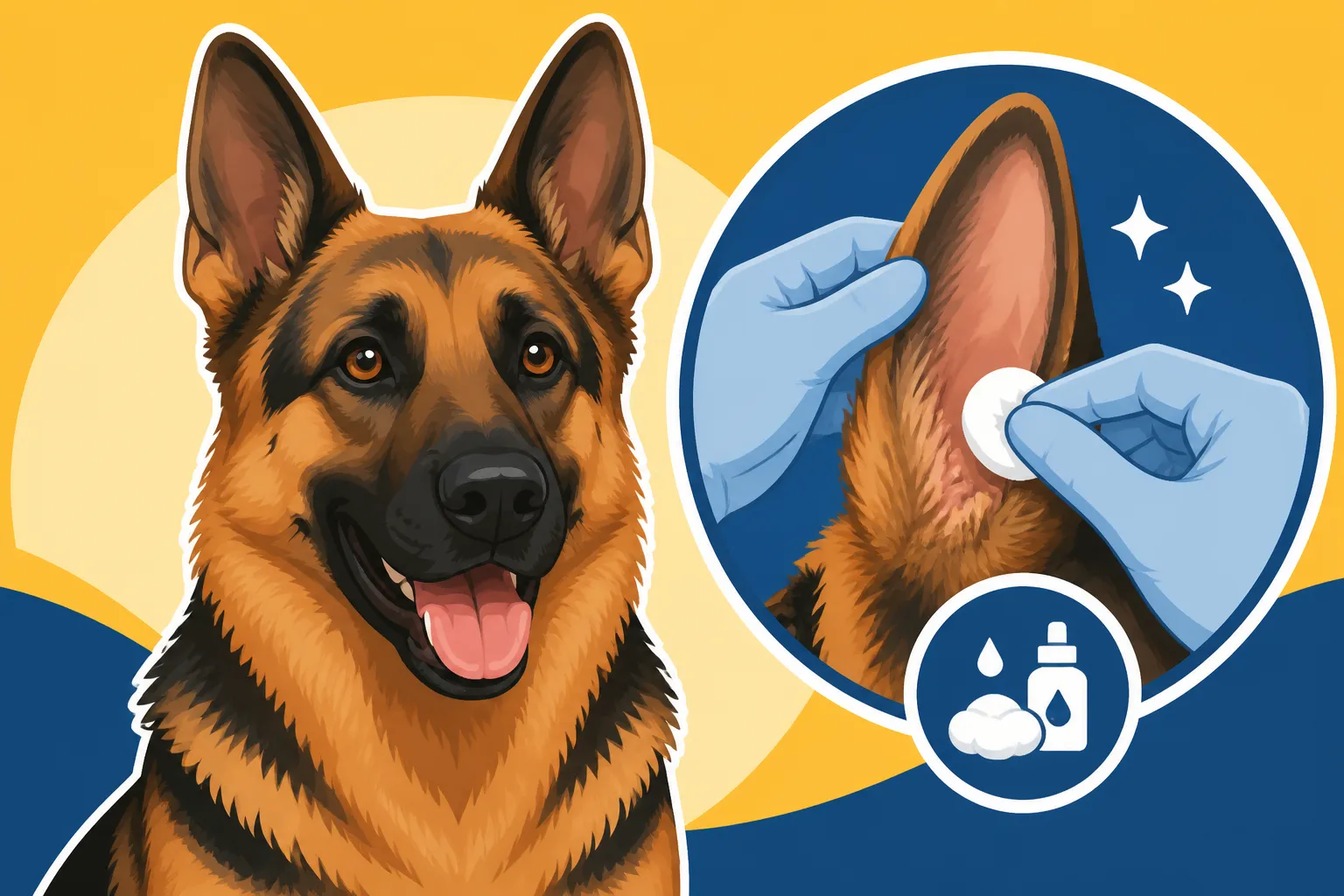
German Shepherd Ear Cleaning Guide
It's a familiar scenario for many German Shepherd parents: you lean in for a loving cuddle, and suddenly, a not-so-pleasant aroma wafts from your beloved dog's ears. Or perhaps you've noticed them scratching more than usual, shaking their head, or looking generally uncomfortable. German Shepherds, with their wonderfully expressive but often deep and sometimes floppy ears, are particularly prone to ear issues if not properly maintained. This comprehensive guide is here to walk you through everything you need to know about keeping those ears pristine, healthy, and free from the discomfort of dirt, wax buildup, and potential infections.
The Unique Challenges of German Shepherd Ear Health
German Shepherds are magnificent creatures, but their powerful physique and keen senses come with a few responsibilities for their owners, especially concerning their ears. Unlike some breeds with fully erect or completely floppy ears, many German Shepherds have ears that naturally stand erect, yet their deeper canals can still trap moisture and debris, creating a perfect breeding ground for trouble.
Understanding German Shepherd Ear Anatomy
To truly understand why ear care is so vital for our German Shepherds, let's talk a little about what's going on inside that ear. A dog's ear canal isn't like ours, which is relatively short and straight. Instead, it's shaped like an 'L', with a vertical canal leading down to a horizontal canal, before reaching the eardrum. This deep, winding structure is fantastic for funneling sound, which is part of what makes German Shepherds such excellent working dogs, but it's also a design that can unfortunately trap a lot of gunk.
This L-shape means that air circulation can be limited, especially if the ear flaps tend to fall partially or fully, which can happen with younger pups or some individuals. The warmth and humidity create an inviting environment for bacteria and yeast to multiply. Plus, all that hair inside and around the ear can further impede airflow and catch foreign bodies like grass seeds or dirt, leading to irritation and worse. Knowing this anatomy helps us appreciate why a regular, thorough cleaning routine isn't just a nicety, but a necessity.
Common Ear Ailments and Their Causes
When we talk about ear problems in German Shepherds, we're usually looking at a few key culprits. The most common is otitis externa, which is an inflammation of the external ear canal. This can manifest as an ear infection, caused by an overgrowth of bacteria or yeast that thrive in those warm, moist, dark environments we just discussed. You might notice a strong, yeasty odor, excessive scratching, or a dark, waxy discharge.
Beyond infections, German Shepherds can also suffer from allergies – both food and environmental – that manifest as itchy, inflamed ears. If your dog is constantly shaking their head or scratching their ears, and you've ruled out an infection, it might be worth exploring potential allergies. Things like pollen, dust mites, or certain ingredients in their diet can trigger these reactions. Even parasites, like ear mites, though less common in well-cared-for adult dogs, can cause intense itching and irritation, especially in puppies or dogs who spend a lot of time outdoors. Understanding these potential causes is the first step in addressing and preventing them, which is why topics like German Shepherd Ear Infections: Prevention are so crucial for owners.
Assembling Your German Shepherd Ear Cleaning Arsenal
Before you even think about starting the cleaning process, it's essential to have all your tools ready and within reach. Nothing makes a German Shepherd more anxious during a grooming session than seeing you scrambling for supplies halfway through. A well-prepared workspace contributes greatly to a calm and efficient experience for both of you.
Selecting the Best Ear Cleaner for Your German Shepherd
Choosing the right ear cleaner is paramount. You want a product that is effective yet gentle, designed specifically for dogs. Avoid using harsh chemicals, alcohol-based solutions, or anything that isn't formulated for canine ears, as these can cause irritation, dryness, or even damage to the delicate ear canal. Look for veterinary-recommended solutions that are pH-balanced, have drying agents, and sometimes contain mild antiseptics to help prevent microbial growth.
Many reputable brands offer excellent ear cleaning solutions. For instance, you can find a wide range of options from brands like Epi-Otic, Zymox, or Virbac available on platforms like Chewy or Amazon. Some solutions specifically target yeast or bacteria, while others are more general maintenance cleaners. If your German Shepherd has known sensitivities or a history of ear problems, it's always best to consult your veterinarian for their specific recommendation on a cleaner that suits your dog's unique needs. They might even prescribe a medicated cleaner if there's an active issue.
Essential Grooming Tools and Supplies
Beyond the ear cleaner itself, you’ll need a few other items to make your cleaning session successful. First, you'll need plenty of cotton balls or gauze squares. Avoid cotton swabs (Q-tips) for deep cleaning, as these can push debris further into the ear canal or even damage the eardrum. Cotton swabs are generally only safe for cleaning the visible outer folds of the ear.
You'll also want some clean towels – one to protect your clothing from splashes and another for drying your dog's ears after cleaning. Treats, and lots of them, are non-negotiable! Positive reinforcement is key to making ear cleaning a positive experience for your German Shepherd. Having a dedicated space with good lighting is also helpful. Consider a sturdy table if your dog is comfortable with it, or a bathroom where messes are easy to clean. Remember, a successful grooming routine, including ear care, is part of a larger picture of How to Groom a German Shepherd for their overall well-being.
A Step-by-Step Guide to Effective German Shepherd Ear Cleaning
Let's get down to business! Cleaning your German Shepherd's ears might seem daunting at first, especially if they're not thrilled about it, but with patience, practice, and a positive attitude, it becomes a routine they'll tolerate, and maybe even enjoy, thanks to those tasty rewards.
Creating a Calm and Cooperative Environment
The key to a stress-free ear cleaning experience starts long before the cleaner touches their ear. Begin by choosing a time when your German Shepherd is relaxed, perhaps after a good walk or a play session. Avoid times when they're over-stimulated or agitated. Find a quiet spot in your home where you won't be interrupted. For some dogs, this might be on the floor with you; for others, a non-slip mat on a sturdy table works well, mimicking a vet or groomer's setup.
If your dog is new to ear cleaning, start slow. Let them sniff the cleaner bottle, touch their ears gently, and reward them even for small increments of cooperation. Gradually build up to the full cleaning. Speak in a calm, soothing voice throughout the process. A nervous owner often creates a nervous dog, so try to project confidence and a positive attitude. If you have someone else available, a helper can gently hold your dog or distract them with treats while you focus on the ears. This teamwork can make a world of difference, especially with a large, strong breed like a German Shepherd.
The Gentle Art of Cleaning Your German Shepherd's Ears
Once you've got your dog settled and your supplies ready, it's time for the actual cleaning. Here’s how to do it effectively and safely:
- Inspect the Ear: Gently lift your German Shepherd’s ear flap and take a good look inside. What do you see? Is it relatively clean, or is there a build-up of dark wax, redness, or an unusual odor? This initial inspection will help you determine how thorough you need to be and if there are any immediate signs of trouble that warrant a vet visit.
- Apply the Cleaner: Hold the ear flap upright to expose the ear canal. Carefully insert the tip of the ear cleaner bottle into the opening of the ear canal. Don't push it too far down, just enough to get the solution in. Squeeze generously to fill the ear canal with the cleaning solution. You want enough liquid in there to really loosen up any debris.
- Massage the Base of the Ear: This is the crucial part! With the ear flap still held up, gently massage the base of your German Shepherd's ear. You should hear a squishy, gurgling sound as the solution moves around inside the L-shaped canal. Continue massaging for 20-30 seconds. This action helps break up and dislodge wax, dirt, and debris. Your dog might try to shake their head during this step; that's normal, but try to keep them still for the full massage time.
- Allow Them to Shake: Once you've massaged thoroughly, step back and allow your German Shepherd to shake their head vigorously. This is their natural way of expelling the loosened gunk from the ear canal. Be prepared for some spray, which is why that protective towel or a bathroom setting is so handy!
- Wipe the Outer Ear: After they've had a good shake, take a clean cotton ball or gauze pad and gently wipe out the visible parts of the ear canal and the inner ear flap. You'll likely see a lot of dissolved wax and debris on the cotton. Continue wiping with fresh cotton until no more gunk comes out. Remember, only wipe what you can see. Never force anything deep into the ear canal.
- Repeat for the Other Ear: Follow the exact same steps for your German Shepherd's other ear.
Post-Cleaning Care and Positive Reinforcement
Once both ears are clean, give them a final gentle wipe with a dry towel to remove any excess moisture, especially if your cleaner isn't specifically fast-drying. Leaving moisture in the ear can invite new problems.
Now for the best part: lavish praise and rewards! Give your German Shepherd their favorite high-value treats, offer plenty of belly rubs, and let them know what a good, brave dog they were. Making this a positive experience is absolutely vital for future cooperation. If they associate ear cleaning with treats and praise, they’ll be much more tolerant next time. You might even consider giving them a special chew toy or a short play session afterwards to reinforce the good feelings. Consistency and positive associations are the cornerstone of all good German Shepherd Obedience Training Basics, and that extends to grooming as well.
Recognizing and Responding to Ear Infection Warning Signs
Even with the most diligent cleaning routine, sometimes issues can arise. Knowing when to simply clean and when to call the vet is critical for your German Shepherd's health and comfort. Early detection can prevent minor irritations from escalating into painful, chronic infections.
Identifying Symptoms of Ear Trouble
Your German Shepherd can't tell you their ear hurts, so it's up to you to be observant. There are several tell-tale signs that indicate something might be amiss with their ears. Keep an eye out for any of the following:
- Excessive scratching or pawing at the ears: This is often the first and most obvious sign of discomfort.
- Head shaking: Frequent or violent head shaking, often accompanied by whimpering or signs of pain.
- Redness or inflammation: The inside of the ear flap or visible ear canal might appear redder than usual.
- Swelling: The ear flap or the opening of the ear canal might look swollen.
- Discharge: A dark, waxy, yellow, or greenish discharge coming from the ear. Healthy ear wax is usually light brown and minimal.
- Odor: A strong, unpleasant smell emanating from the ear, often described as "yeasty" or "foul."
- Pain or sensitivity: Your dog might yelp, shy away, or become defensive when you try to touch their head or ears.
- Tilting head or loss of balance: In severe cases, or if the infection is deep, your dog might consistently tilt their head to one side or show signs of disorientation.
- Rubbing ears on furniture or the ground: Another way dogs try to relieve intense itching.
If you observe any of these symptoms, it's time to take action. Remember, understanding How to Tell If a German Shepherd Is in Pain is a valuable skill for any dog owner, as it can alert you to a variety of underlying health issues, not just ear problems.
When Professional Help is Needed
While regular cleaning is fantastic for maintenance, it cannot treat an active ear infection. If you notice any of the severe symptoms mentioned above – especially persistent head shaking, strong odor, excessive discharge, or signs of pain – do not try to treat it yourself with over-the-counter remedies or aggressive cleaning. What you might think is dirt could be an infection that requires specific medication.
A veterinarian needs to examine your German Shepherd's ears, often with an otoscope, to properly diagnose the issue. They can identify if it's a bacterial infection, yeast infection, ear mites, or something else entirely. They might take a swab to look at under a microscope, which helps them prescribe the correct medication, whether it's a topical ointment, oral antibiotics, or anti-fungals. Delaying a vet visit can lead to more severe pain for your dog, more complex and expensive treatments, and even chronic ear problems or hearing damage. Never hesitate when it comes to your dog's discomfort; a quick trip to the vet is always the safest course of action.
Proactive Strategies for Long-Term Ear Health
Preventative care is always better than reactive treatment. By implementing a consistent routine and being mindful of other factors that influence ear health, you can significantly reduce the chances of your German Shepherd developing painful ear problems.
Establishing a Regular Ear Care Schedule
Consistency is king when it comes to ear hygiene. How often you need to clean your German Shepherd's ears depends on several factors: their individual ear wax production, how much time they spend swimming or playing in dusty environments, and whether they have a history of ear issues. For many German Shepherds, a thorough cleaning every 2-4 weeks is sufficient. However, if your dog is prone to infections, swims frequently, or has allergies, you might need to clean them weekly or even more often.
Here's a sample ear care schedule you might consider, but always adjust based on your dog's specific needs:
| Activity | Frequency | Notes |
|---|---|---|
| Visual Inspection | Daily / Every Other Day | Quickly check for redness, discharge, or odors. Essential after walks or outdoor play. |
| Wipe Outer Ear | Weekly | Use a damp cotton ball to gently wipe the outer folds and visible ear canal to remove surface dirt. |
| Thorough Cleaning | Every 2-4 Weeks | Use a canine-specific ear cleaning solution as described in this guide. |
| After Swimming/Baths | Immediately | Use a drying ear solution or a dry cotton ball to absorb excess moisture from the ear canal. |
| Vet Check-up | Annually (or as advised) | Regular vet visits allow for professional ear checks and early detection of potential issues. |
Remember, this is just a guideline. If you're ever unsure, consult your veterinarian. They can help you determine the best schedule for your individual German Shepherd. Consistent care not only keeps their ears clean but also familiarizes them with the process, making it less stressful over time. This is part of a broader commitment to How to Keep a German Shepherd Healthy throughout their life.
The Role of Diet and Allergy Management in Ear Health
What goes into your German Shepherd's body can significantly impact the health of their ears. Diet plays a surprising role, especially if your dog has sensitivities. Food allergies can often manifest as chronic ear infections, itchy skin (leading to scratching around the ears), and general inflammation. If you suspect food allergies, your vet might recommend an elimination diet to identify trigger ingredients. Brands like Royal Canin often have veterinary-specific diets for food sensitivities that can be helpful.
Environmental allergies, such as pollen, dust mites, or mold, are also major culprits for chronic ear issues. Just like humans, dogs can get itchy, inflamed ears when exposed to allergens. Beyond regular cleaning, managing environmental allergies might involve working with your vet on antihistamines, specialized shampoos (which link to broader German Shepherd Coat and Skin Care), or even allergy shots. Products like Apoquel or Cytopoint can provide significant relief for severe allergic itching, but these are prescription medications and should only be used under veterinary guidance.
Beyond allergies, a balanced diet rich in Omega-3 fatty acids can support overall skin and coat health, which indirectly benefits ear health by reducing inflammation. Some owners explore options like fresh dog food services such as Ollie, or other high-quality kibbles available on Chewy, ensuring their German Shepherd receives optimal nutrition. By addressing diet and managing allergies, you're not just treating symptoms; you're tackling the root causes of many recurring ear problems, contributing to your German Shepherd's long-term comfort and well-being.
Disclaimer
Please remember that this guide provides general information and recommendations for German Shepherd ear care. It is not a substitute for professional veterinary advice. Always consult with your veterinarian for any specific health concerns, diagnoses, or treatment plans for your individual dog.