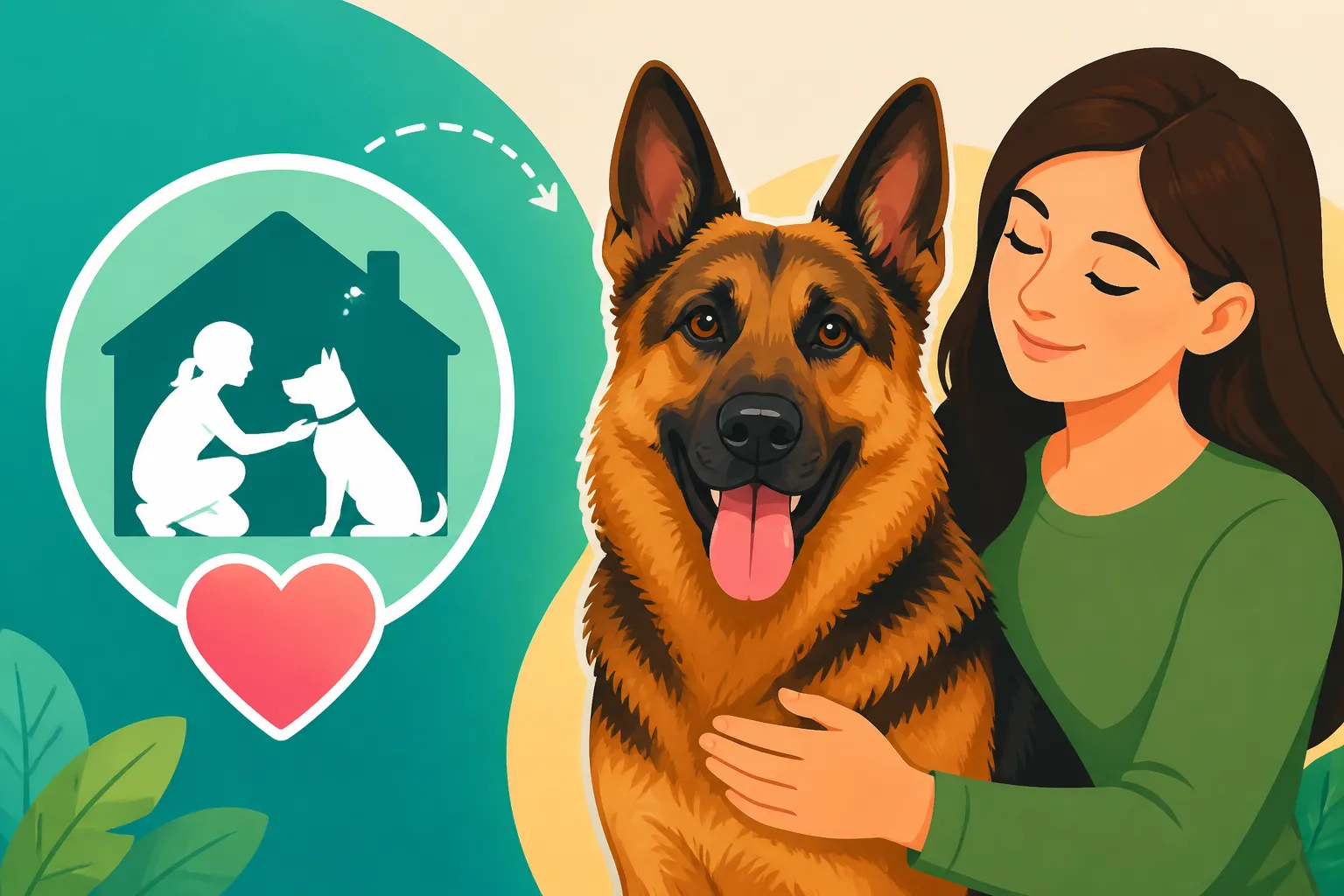
How to Adopt a German Shepherd
Bringing a new dog into your home is a huge decision, and for many, the dream of having a loyal, intelligent German Shepherd companion is strong. However, sometimes the idea of going through a breeder feels overwhelming, or perhaps your heart is set on giving a deserving dog a second chance at a loving home. This comprehensive guide will walk you through everything you need to know about how to adopt a German Shepherd, from finding the right rescue to preparing your home and helping your new family member adjust.
Why Adoption is a Wonderful Choice for German Shepherds
Adopting a German Shepherd, or any dog for that matter, is an incredibly rewarding experience that often brings a unique bond built on trust and gratitude. It's a journey filled with both challenges and immense joy, offering a fulfilling alternative to purchasing from a breeder. Many people assume adopted dogs come with "baggage," but often, these dogs are simply victims of circumstance, ready to bloom in a stable, caring environment.
Giving a Second Chance
The heartbreaking reality is that countless German Shepherds end up in shelters and rescues through no fault of their own. Sometimes it's a family relocation, an owner's illness, financial hardship, or simply a lack of understanding about the breed's needs. These magnificent dogs, known for their loyalty, intelligence, and protective instincts, often find themselves confused and heartbroken in unfamiliar surroundings. When you choose to adopt, you're not just getting a dog; you're literally saving a life and giving a deserving animal a chance to experience the warmth of a loving home again. This act of compassion creates an incredible connection, as many adopters describe their rescue German Shepherds as exceptionally devoted, almost as if they understand and appreciate the second chance they've been given.
It's a misconception that all adopted German Shepherds are older or have severe behavioral issues. While some might be seniors looking for a quiet retirement home, many are young adults or even puppies who, for various reasons, lost their first homes. They come with their own personalities, some already knowing basic commands, others eager to learn. The beauty of adoption is that you often get a clearer picture of an adult dog's true temperament, unlike a young puppy whose personality is still developing. This can be a huge advantage for families looking for a specific energy level or disposition.
Understanding the Temperament of Adopted GSDs
When you adopt a German Shepherd, you're typically bringing home a dog whose personality is already largely formed. This can be a major advantage, as rescue organizations often spend time assessing their dogs, understanding their quirks, energy levels, and how they interact with people, children, and other animals. They can often provide insights into the dog's history, even if limited, which helps you choose a dog that truly fits your lifestyle. For example, some GSDs thrive in active, outdoor-loving homes, while others are more content as loyal couch companions after a good walk.
Of course, some adopted German Shepherds may come with a past that requires patience and understanding. They might have experienced neglect, inconsistent training, or even trauma. This can manifest as shyness, fear, or certain behavioral challenges. However, with a consistent routine, positive reinforcement, and often the guidance of a professional trainer, these dogs can make incredible progress. It's truly amazing to witness a German Shepherd blossom from a timid, uncertain animal into a confident, happy family member. The key is realistic expectations, an open heart, and a willingness to put in the work, which for a German Shepherd, is always a worthwhile investment. You'll find many resources on how to train a German Shepherd, especially those that need a little extra guidance.
Where to Begin Your Search for an Adoptable German Shepherd
Finding the right German Shepherd for adoption requires a bit of research and patience. It's not always as simple as walking into a shelter and picking one out, especially with a specific breed like the German Shepherd. However, knowing where to look and what to expect will significantly streamline your search and increase your chances of finding your perfect canine companion.
Reputable German Shepherd Rescues
Breed-specific rescues are often the best place to start your search when looking for a German Shepherd. These organizations are typically run by volunteers who are deeply passionate about the breed and have extensive knowledge of German Shepherd temperament, health, and needs. They often take in German Shepherds from overwhelmed shelters, owner surrenders, or even cases of neglect. Rescues like the German Shepherd Dog Rescue of Northern California or Texas GSD Rescue specifically focus on rehabilitating and rehoming GSDs.
What makes breed-specific rescues stand out is their thorough screening process. They often place their dogs in foster homes, where volunteers can observe the dog's behavior in a home environment, gauge their compatibility with children, other pets, and their overall personality. This invaluable insight means they can provide a much more accurate assessment of a dog's needs and suitability for your family. Furthermore, these rescues often ensure their dogs are fully vetted, spayed/neutered, microchipped, and up-to-date on vaccinations before adoption. They also usually provide ongoing support and advice even after adoption, which is a huge comfort for new owners.
Local Animal Shelters and Humane Societies
Don't overlook your local animal shelters and humane societies, even if they aren't breed-specific. While they may not always have a German Shepherd available, these facilities often receive purebred dogs as owner surrenders or strays. It's a good idea to regularly check their websites, fill out a "breed alert" form if available, or even visit in person. Shelters like the ASPCA or your local humane society often have a diverse range of dogs, and you might just stumble upon a German Shepherd in need.
The main difference with general shelters is that they might have less historical information on the dogs compared to a breed-specific rescue. Their resources are spread across many breeds, so the temperament assessments might not be as in-depth. However, shelters are often overflowing, and adopting from them directly saves a life and frees up space for another animal in need. Just be prepared to do a bit more legwork yourself in terms of understanding the dog's background and potential needs, though shelter staff are usually incredibly helpful and dedicated to finding good homes.
Online Adoption Platforms
In today's digital age, online platforms have become incredibly powerful tools for connecting potential adopters with dogs in need. Websites like Petfinder and Adoptapet aggregate listings from thousands of shelters and rescues across the country. You can filter by breed, age, location, and even specific traits, making it easy to see all available German Shepherds in your area or even further afield if you're willing to travel. These platforms are fantastic for broadening your search beyond local facilities.
When using online platforms, remember that they are essentially directories. The information provided comes directly from the individual rescues or shelters. Always verify the legitimacy of the organization listing the dog. A reputable rescue will have a clear application process, health records, and a willingness to answer all your questions. Be wary of listings that seem too good to be true or pressure you into a quick transaction without proper vetting. These platforms can be a great starting point, but always follow up with direct communication and thorough research on the specific rescue or shelter involved.
The German Shepherd Adoption Process Step-by-Step
Adopting a German Shepherd isn't quite like picking up a new appliance. Rescues and shelters have a comprehensive process in place designed to ensure their dogs go to suitable, loving, and permanent homes. This process can feel a bit intrusive at times, but remember, it's all for the welfare of the dog. Understanding each step can help alleviate any anxiety and prepare you for a smooth adoption journey.
Application and Interview
The first official step in adopting a German Shepherd will almost certainly be filling out an adoption application. This isn't just a formality; it's a critical document that helps the rescue or shelter understand your lifestyle, living situation, and experience with dogs. Expect questions about your home environment (do you own or rent, fenced yard?), your work schedule, your previous pet ownership history, and your family dynamic, including children and other pets. They'll want to know why you're interested in a German Shepherd specifically, and what your expectations are for a new dog.
Following the application, you'll likely have an interview, either in person or over the phone. This is a chance for the rescue staff or volunteers to get to know you better and clarify any points from your application. It’s also your opportunity to ask detailed questions about the German Shepherd you’re interested in, their known history, personality quirks, and any specific needs they might have. Don't be shy! Ask about their training, how they walk on a leash, if they have any known fears, or how they react to different situations. This is a two-way street; you're also assessing if this particular dog is the right fit for your home.
Home Visits and Meet-and-Greets
Many reputable German Shepherd rescues will conduct a home visit as part of their screening process. This might sound daunting, but it's really about ensuring your home environment is safe and suitable for a German Shepherd. They'll look for things like secure fencing, potential hazards, and how the dog might fit into your living space. For instance, if you're adopting a German Shepherd, they'll want to see if there's enough room for a large breed to comfortably move around and if outdoor spaces are secure enough to prevent escapes, especially given a GSD's intelligent and sometimes cunning nature.
The meet-and-greet is perhaps the most exciting part! This is when you'll get to spend time with the German Shepherd you're hoping to adopt. This interaction is crucial to see if there’s a genuine connection and if the dog's personality matches what you're looking for. If you have other dogs, a supervised "dog-dog meet" will usually be arranged to ensure compatibility. Similarly, if you have children, the rescue will want to observe how the German Shepherd interacts with them. Remember to bring along any family members who will be living with the dog. A successful meet-and-greet feels natural and relaxed, offering a glimpse into your potential future together.
Understanding Adoption Fees
Yes, there are adoption fees, and it's important to understand why. German Shepherd adoption fees typically range from $150 to $500, though they can vary depending on the rescue, the dog's age (puppies are often more expensive), and the region. These fees are not arbitrary; they cover a significant portion of the costs associated with rescuing, vetting, and caring for the dogs. This includes expenses like spaying or neutering, vaccinations, microchipping, deworming, any necessary medical treatments, and food. Without these fees, rescues simply couldn't operate. You can learn more about what goes into these costs by reading our guide on German Shepherd Adoption Fees Explained.
Think of the adoption fee as an investment in your new dog's health and a contribution to the life-saving work of the rescue. In many cases, the actual cost of care for a rescued German Shepherd far exceeds the adoption fee, with the remaining balance being covered by donations and fundraising. Be prepared to pay this fee upfront once the adoption is finalized. It's a small price to pay for the immense joy and companionship a German Shepherd brings, not to mention the peace of mind that comes with adopting a dog that has already received essential medical care.
Preparing Your Home for Your New German Shepherd
Bringing a German Shepherd home, especially an adopted one, is an exciting time, but it requires thoughtful preparation to ensure a smooth transition for everyone. A well-prepared home minimizes stress for your new companion and sets the stage for a successful and happy life together. This breed thrives on routine and clear boundaries, so having everything ready before they arrive is key.
Essential Supplies and Safe Spaces
Before your German Shepherd walks through the door, make sure you have all the necessities. This includes a sturdy leash and collar with identification tags, food and water bowls, a comfortable dog bed (or a few throughout the house!), and a variety of appropriate toys. German Shepherds are intelligent and active, so puzzle toys and durable chew toys are excellent for mental stimulation and preventing destructive chewing. You'll also need a good quality dog food – many rescues will tell you what brand the dog has been eating, and it's best to stick with that initially to avoid stomach upset. For consistent supplies, online retailers like Chewy are fantastic for auto-ship options on food, treats, and toys, making sure you never run out.
Creating a "safe space" is paramount for an adopted dog, especially in the first few days or weeks. This could be a crate, a designated room, or a corner of a room with their bed and toys, where they can retreat and feel secure. This space should be quiet and away from high-traffic areas. Make sure any potential hazards are removed or secured – German Shepherds are curious and can get into trouble. Think about child locks on cabinets, securing electrical cords, and removing toxic plants. A secure yard with a fence that your German Shepherd can't jump or dig under is also critical, as this breed can be escape artists if bored or anxious.
Health Checks and Veterinary Care
Even though rescues typically provide initial veterinary care, it’s highly recommended to schedule a visit with your own veterinarian within the first week or two of adoption. This initial check-up allows your vet to establish a baseline for your German Shepherd's health, discuss any concerns you might have, and plan for future preventative care. They’ll likely check for parasites, update any necessary vaccinations, and discuss topics like dental health and proper weight management. It's also a great opportunity to get personalized advice on nutrition and exercise tailored to your new dog's specific needs. Consider getting familiar with potential issues like German Shepherd Health Problems Guide.
This vet visit is also the perfect time to discuss pet insurance. German Shepherds, while generally robust, are prone to certain breed-specific health issues like hip and elbow dysplasia, bloat, and degenerative myelopathy. Companies like Healthy Paws offer various plans that can help manage the financial burden of unexpected veterinary emergencies or chronic conditions. Investing in a good pet insurance plan early can provide significant peace of mind down the road, ensuring you can always provide the best care without worrying about the cost.
Introducing Your New Dog to Existing Pets and Family
A thoughtful and controlled introduction is crucial for a harmonious household. If you have other dogs, plan the first meeting in a neutral territory, like a park, on leashes. Keep initial interactions short and positive, rewarding calm behavior. Supervise all interactions closely for the first few weeks, and ensure each dog has their own space, toys, and feeding areas. Never leave them unsupervised until you are absolutely certain they are comfortable and safe together.
Introducing your new German Shepherd to children also requires careful management. Teach children how to interact respectfully with dogs – no pulling tails, disturbing them while they eat or sleep, or roughhousing. Always supervise interactions, especially with young children. A German Shepherd's protective instincts can sometimes be misinterpreted, so consistent training and clear boundaries are vital. For cats or other small pets, introductions should be very gradual, starting with scent swapping and separated visual access, progressing to supervised meetings over weeks or even months. Patience is your greatest ally here, ensuring everyone feels safe and secure in their new shared home.
Common Challenges and How to Overcome Them
Adopting a German Shepherd, while incredibly rewarding, isn't always a walk in the park. Many adopted dogs have experienced upheaval, and even the most well-adjusted GSD will need time to settle into a new environment. Understanding and anticipating common challenges can help you navigate the transition with grace and confidence, turning potential hurdles into opportunities to strengthen your bond.
Adjusting to a New Environment
The "honeymoon phase" is a common phenomenon with adopted dogs. For the first few days or weeks, your German Shepherd might be quiet, withdrawn, and seemingly perfectly behaved. This is often because they are overwhelmed by their new surroundings and are simply observing. They might not eat much, explore little, or even hide. It's vital during this period to give them space, maintain a consistent routine, and avoid overwhelming them with too many new experiences or visitors. Patience is key.
As they start to feel more comfortable, their true personality will emerge, and with it, sometimes new behaviors or anxieties. This is normal! They might start testing boundaries, exhibiting mild separation anxiety, or showing house-training setbacks. During this adjustment period, a predictable daily schedule for feeding, potty breaks, and exercise provides security. Continue using their safe space, reward calm behavior, and don't get frustrated by minor regressions. Consistent, positive reinforcement training, even for basic commands like "sit" and "stay," helps build confidence and establish your leadership. Remember, it can take anywhere from a few weeks to several months for a German Shepherd to truly settle in and feel at home.
Addressing Past Traumas or Behavioral Issues
Some adopted German Shepherds may come with a history of neglect, abuse, or simply a lack of proper socialization and training. This can lead to behavioral challenges such as fearfulness, resource guarding, leash reactivity, or even separation anxiety. It's important to approach these issues with empathy and understanding, recognizing that these behaviors are often coping mechanisms or learned responses rather than intentional defiance. Early intervention is crucial here. Resources like those found in our German Shepherd Behavior Problems and Solutions guide can be invaluable.
If you observe significant behavioral issues, don't hesitate to seek professional help from a certified dog trainer or a veterinary behaviorist. They can help identify the root cause of the behavior and develop a tailored training plan using positive reinforcement methods. Avoid punishment-based training, which can further traumatize a fearful dog and damage the trust you're trying to build. Consistent, patient training, often combined with desensitization and counter-conditioning techniques, can work wonders. Remember that progress might be slow, but every small step forward is a victory. This is where your commitment to their well-being truly shines.
Continued Training and Socialization
Even if your adopted German Shepherd has some basic training, ongoing education and socialization are vital for their well-being and your bond. German Shepherds are highly intelligent and thrive on having a "job" to do, whether it's obedience work, agility, or just daily training sessions. Continued training builds confidence, strengthens your relationship, and provides much-needed mental stimulation. Consider enrolling in obedience classes or even working towards advanced titles. Our comprehensive guide on How to Train a German Shepherd provides excellent starting points.
Socialization, especially for adult adopted German Shepherds, might look a little different than with a puppy. It's not about overwhelming them with new experiences, but rather controlled, positive exposures to new people, places, sounds, and other calm, well-behaved dogs. Taking walks in different neighborhoods, visiting dog-friendly stores, or attending structured playgroups can all contribute to building a well-adjusted dog. If your GSD shows signs of reactivity or fear, consult with a professional trainer to guide these experiences safely. The goal is to build positive associations and help your German Shepherd feel comfortable and confident in the world around them.
The Long-Term Commitment of German Shepherd Ownership
Adopting a German Shepherd is a commitment that typically spans 10 to 14 years, sometimes even longer for a particularly healthy individual. This isn't just about providing food and shelter; it's about dedicating yourself to their holistic well-being, from their physical health to their mental and emotional needs. These loyal companions truly become a part of your family, and their needs evolve over time.
Ongoing Health and Wellness
Regular veterinary check-ups are non-negotiable for a German Shepherd, even after the initial adoption vetting. Annual exams, preventative care like flea, tick, and heartworm medication, and booster vaccinations are crucial for maintaining their health. As German Shepherds age, they become more susceptible to certain conditions, making senior care particularly important. Our guide, German Shepherd Health Problems Guide, details many of these concerns. Early detection of issues like arthritis or thyroid problems can lead to more effective management and a better quality of life.
Beyond routine vet visits, pay close attention to any changes in your German Shepherd's behavior, appetite, or energy levels. German Shepherds are stoic and might not always show obvious signs of pain or discomfort. Any limping, excessive panting, changes in stool, or unusual lumps should warrant a call to your vet. Maintaining a healthy weight, providing regular exercise, and ensuring good dental hygiene (brushing their teeth regularly) are all proactive steps you can take to contribute to their long-term health. Remember, a healthy German Shepherd is a happy German Shepherd, and proactive care can significantly impact their lifespan.
Diet and Nutrition Considerations
Feeding your German Shepherd a high-quality, appropriate diet is fundamental to their long-term health. This means choosing a dog food formulated for large breeds, with high-quality protein sources as the primary ingredient. The specific needs will vary based on age, activity level, and any underlying health conditions. For instance, a highly active working line German Shepherd will require more calories and protein than a senior dog. Our comprehensive German Shepherd Feeding Guide offers detailed advice.
You might also consider specialized diets if your German Shepherd has sensitivities or allergies. Some dogs thrive on limited-ingredient diets, while others benefit from fresh food options. Brands like Ollie offer fresh, human-grade dog food subscriptions that are tailored to your dog's specific needs and delivered right to your door, which can be an excellent option for German Shepherds with sensitive stomachs or specific dietary requirements. Always consult with your veterinarian before making significant changes to your dog's diet to ensure it meets all their nutritional requirements. Proper nutrition plays a massive role in maintaining their energy, coat health, and overall vitality.
Exercise and Mental Stimulation
German Shepherds are an active, intelligent breed, and meeting their exercise and mental stimulation needs is vital for their physical and psychological well-being. Without adequate outlets for their energy and minds, they can easily become bored, leading to destructive behaviors like excessive barking, chewing, or digging. Daily exercise should include a combination of physical activity, such as long walks, runs, or fetch, and mental challenges like puzzle toys, training sessions, or scent work. Aim for at least 60-90 minutes of vigorous activity daily for an adult German Shepherd. Our article on German Shepherd Exercise Requirements elaborates on this.
Mental stimulation is just as important as physical exercise. German Shepherds love to learn and solve problems. Incorporate regular training sessions, teaching new tricks, or practicing advanced obedience commands. Rotating toys, providing chew items, and even engaging in dog sports like agility or IGP can keep their minds sharp and prevent boredom. Remember, a tired German Shepherd is usually a well-behaved German Shepherd. Neglecting these needs can lead to a frustrated dog and a stressed owner, so make consistent engagement a top priority throughout your German Shepherd's life.
Disclaimer
The information provided in this guide is intended for educational and informational purposes only and is not a substitute for professional veterinary advice, diagnosis, or treatment. Always seek the advice of your veterinarian or other qualified animal health provider with any questions you may have regarding a German Shepherd's medical condition or specific needs.