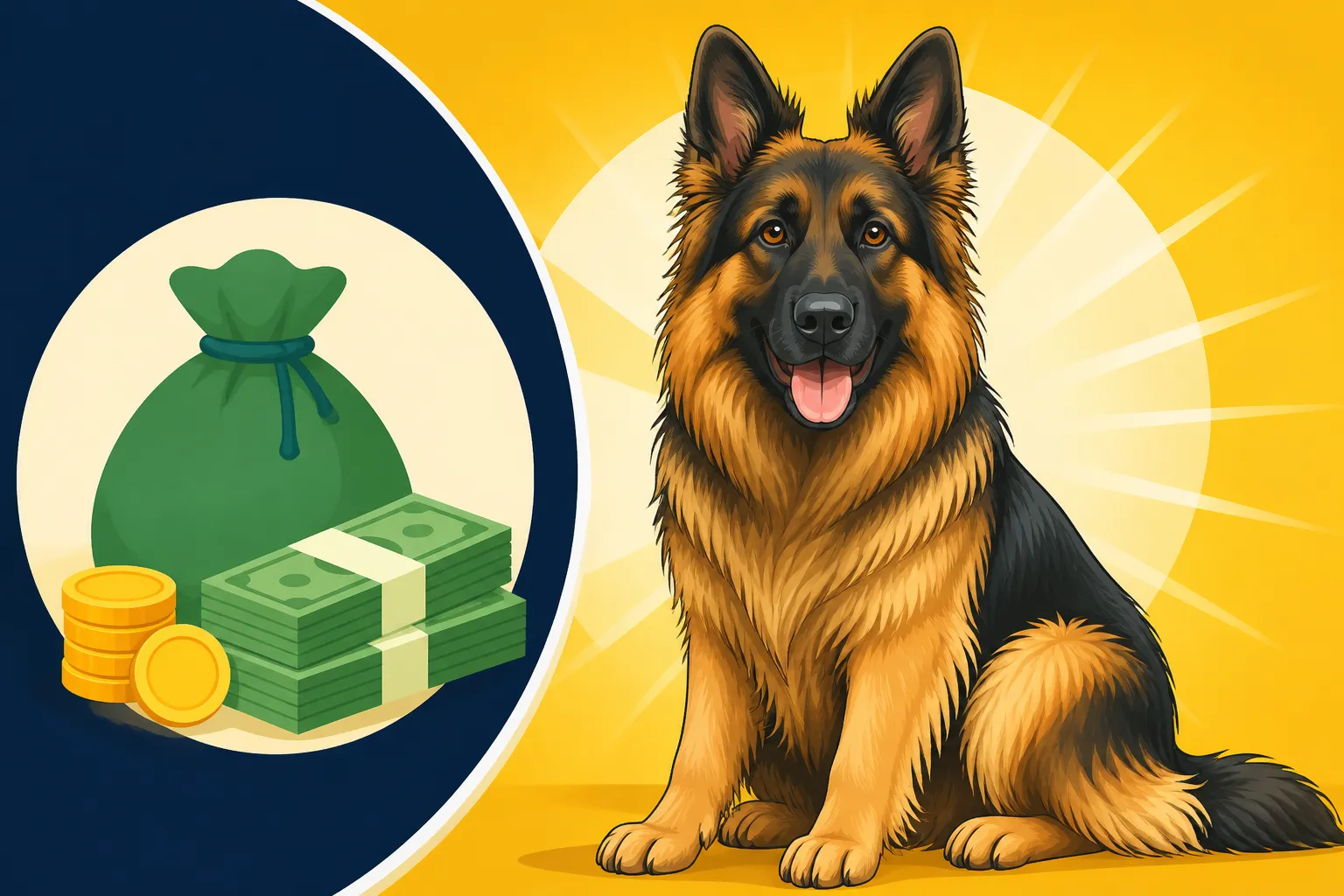
How Much Is a Long-Haired German Shepherd
Bringing a new German Shepherd into your life is an incredibly exciting journey, but if you've been dreaming of a long-haired companion, you've likely found yourself wondering how much this unique variant might cost. The truth is, the initial price tag for a long-haired German Shepherd puppy can vary dramatically, and that's just the beginning of the financial commitment. This comprehensive guide will break down not only the upfront costs but also the ongoing expenses you can expect to ensure your beautiful, long-coated GSD thrives.
Understanding the Appeal and Rarity of Long-Haired German Shepherds
It's easy to fall in love with the majestic appearance of a long-haired German Shepherd. Their flowing coats, often with a luxurious feathering on the ears, legs, and tail, give them a distinctly elegant look that sets them apart from their more common short-haired counterparts. But this beauty often comes with its own set of considerations, both in terms of cost and care.
What Makes Long-Haired GSDs Unique
Genetically speaking, the long coat in German Shepherds is a recessive trait. This means that both parents must carry the long-hair gene for a long-haired puppy to be born. Historically, the long coat was considered a fault in breed standards for show lines, particularly in the American Kennel Club (AKC), which traditionally preferred the double coat of medium length. However, perceptions have shifted, and many kennel clubs, including the German Shepherd Dog Club of Germany (SV) and the FCI (Fédération Cynologique Internationale), now recognize the long-haired variant, albeit sometimes in separate classes or with specific distinctions. This genetic quirk and historical context contribute to their perceived rarity and, consequently, their price.
The long-haired variety still possesses the same incredible intelligence, loyalty, and protective instincts that German Shepherds are renowned for. You're not getting a "different" breed, just a visually distinct one. Owners often find the long coat to be incredibly striking, making their dogs stand out in a crowd. However, it's crucial to understand that their magnificent coats demand a bit more attention when it comes to grooming, which is another factor that can influence their overall cost of ownership.
Are Long-Haired German Shepherds More Expensive?
In many cases, yes, a long-haired German Shepherd puppy can indeed be more expensive than a standard short-haired one. This isn't always a hard and fast rule, as ultimately the price is driven by demand, breeder reputation, and the specific lineage of the dog. However, because the long-hair gene is recessive and was once considered less desirable by some segments of the breeding community, reputable breeders who specifically breed for or accept the long coat often charge a premium.
Think about it this way: if a breeder only occasionally produces a long-haired pup from two standard-coated parents who both carry the gene, that specific puppy might be seen as more unique. Conversely, breeders who specialize in long-haired German Shepherds and have carefully selected their breeding stock to consistently produce this coat type might price them higher due to their specialization and the perceived "designer" aspect. The general range for a well-bred long-haired German Shepherd puppy from a reputable breeder typically starts higher than the average for a short-haired one, often running from $2,000 to $4,000, and sometimes even higher for exceptional bloodlines or show potential.
Initial Costs: Puppy Price Breakdown for Long-Haired German Shepherds
The initial purchase price is often the largest single expense you’ll face, and it's where you’ll see the most direct impact of the "long-haired" factor. However, this price isn't just for the dog itself; it reflects a multitude of factors that contribute to a reputable breeder's costs and the quality of the puppy they provide. Understanding these elements can help you gauge if a price is fair or if you're looking at a potential red flag.
Factors Influencing Puppy Price
Several critical factors play into the final price tag of a long-haired German Shepherd puppy:
- Breeder Reputation and Ethics: A highly reputable breeder invests heavily in their dogs. This means extensive health testing on parent dogs (such as OFA or PennHIP certifications for hips and elbows, and genetic testing for conditions like Degenerative Myelopathy), proper nutrition for the breeding pair and puppies, early socialization, and often, initial vet checks and vaccinations. These breeders don't cut corners, and their prices reflect that commitment to producing healthy, well-adjusted puppies. You want to find a breeder who is transparent about their practices and is willing to share all relevant health clearances. Learning How to Find a Reputable German Shepherd Breeder is paramount.
- Bloodline and Pedigree: Pups from champion bloodlines, those with impressive working titles, or a history of exceptional health and temperament, will naturally command a higher price. This is because these bloodlines indicate a greater likelihood of inheriting desirable traits and a lower risk of certain genetic health issues.
- Location: Prices can vary by geographical region. For instance, a long-haired German Shepherd puppy in a high cost-of-living area or a region with fewer reputable breeders might be more expensive than in an area with more options. Shipping costs, if applicable, would also add to the overall initial expense.
- Health Testing and Guarantees: Beyond basic vet checks, serious breeders perform comprehensive German Shepherd Genetic Health Testing on their breeding stock. This screens for prevalent issues like hip and elbow dysplasia, as well as specific genetic diseases relevant to the breed. A puppy from parents with clear health certifications offers more peace of mind and often comes with a health guarantee, which naturally adds to the initial cost.
Price Ranges by Quality
Just like with any purebred dog, long-haired German Shepherds can fall into different "tiers" of quality, each impacting the price:
- Pet Quality: These puppies are wonderful companions, perfectly healthy, but might have a minor conformational fault that would prevent them from being competitive in the show ring, or they might simply be sold without breeding rights. They typically fall on the lower end of the reputable breeder's price spectrum for long-haired GSDs, perhaps $2,000 – $3,000. They're excellent for families looking for a loving pet without specific show or working aspirations.
- Show or Working Quality: These puppies are bred to excel in specific arenas. Show-quality pups meet breed standards closely, possess excellent conformation, and have the potential to win titles. Working-quality pups come from lines known for their drive, intelligence, and trainability, making them suitable for protection work, search and rescue, or competitive dog sports like IGP (formerly Schutzhund). These specialized puppies can range from $3,500 to $5,000+, sometimes significantly more, depending on the lineage, titles of the parents, and the specific program.
Here's a simplified table illustrating potential price ranges:
| Factor | Estimated Price Range (USD) | Notes |
|---|---|---|
| Reputable Pet Quality Puppy | $2,000 – $3,000 | Healthy, well-socialized, often spay/neuter contract. |
| Show/Working Prospect Puppy | $3,500 – $5,000+ | Exceptional lineage, health clearances, potential for competition. |
| Less Reputable Breeder | $800 – $1,800 | Often lacks health testing, poor socialization, buyer beware. |
| Rescue/Adoption | $300 – $800 | Varies, usually covers spay/neuter, vaccinations, and microchipping. |
It's tempting to look at the lower prices from less reputable breeders, but be warned. These puppies often come from puppy mills or backyard breeders who prioritize profit over health and temperament. You might save a few hundred dollars initially, but you could end up with a dog with serious German Shepherd Health Problems Guide or behavioral issues, leading to far greater emotional and financial costs down the line. Remember, the German Shepherd Puppy Price Explained isn't just for the dog, it's for the foundation of a healthy, happy life.
Ongoing Expenses: Beyond the Purchase Price
After the initial excitement of bringing your long-haired German Shepherd home, the reality of ongoing care settles in. These expenses might not be as large as the initial puppy price, but they are continuous and crucial for your dog's well-being. Don't underestimate them!
Essential Supplies and Startup Costs
Just like setting up a nursery for a baby, your German Shepherd needs their own dedicated items. These are mostly one-time or infrequent purchases:
- Crate: A sturdy, large-breed appropriate crate is essential for training and safety. Expect to spend $80-$200.
- Food and Water Bowls: Stainless steel or ceramic are generally recommended for hygiene. $20-$50.
- Collar, Leash, and Harness: Start with a good quality set, understanding you might upgrade as your puppy grows. $50-$100.
- Bedding: A durable, comfortable bed, possibly a chew-proof one. $50-$150.
- Toys: German Shepherds are smart and active, needing a variety of durable toys for mental and physical stimulation. Kong, Nylabone, and Goughnuts are popular brands. Budget $30-$100 initially.
- Grooming Tools: Especially for a long-haired GSD, you'll need specific brushes, combs, and perhaps a deshedding tool. More on this below. $50-$150.
Nutrition and Diet
Feeding a large, active breed like a German Shepherd isn't cheap, especially if you prioritize high-quality nutrition, which you absolutely should for their long-term health.
- Premium Dog Food: A long-haired German Shepherd, like all GSDs, needs a high-quality large-breed specific formula. Look for foods with real meat as the first ingredient and appropriate protein and fat levels. Brands like Royal Canin German Shepherd formula, Purina Pro Plan, Orijen, and Acana are often recommended by breeders and vets. The monthly cost can range from $60 to $150 or more, depending on the brand, formula, and your dog's activity level and size. For example, if you opt for fresh food delivery services like Ollie, costs can be higher, but many owners find the health benefits worth it. Finding the Best Dog Food for German Shepherds is a journey, and investing in good food can prevent many health issues.
- Supplements: Depending on your dog's diet and any specific health needs (especially joint support as they age), you might consider supplements. Glucosamine and chondroitin are common for joint health. This could add another $20-$50 monthly.
- Treats: For training and rewards, treats are essential. Choose healthy options. $15-$30 monthly.
You can often find great deals on premium foods and treats through online retailers like Chewy, which can help manage these ongoing costs.
Grooming Needs
This is where the long-haired aspect truly influences ongoing costs. That flowing coat is beautiful but requires diligent care to prevent matting and manage shedding.
- Brushing: Daily or every-other-day brushing is often necessary for long-haired GSDs. You'll need a slicker brush, an undercoat rake, and a de-shedding tool. Learning How to Groom a German Shepherd effectively for their coat type is crucial.
- Bathing: While German Shepherds don't need frequent baths, perhaps every 2-3 months or as needed, professional grooming might be a consideration for thorough cleaning and drying, especially if you lack the equipment at home.
- Professional Grooming: Many long-haired German Shepherd owners opt for professional grooming services, especially during heavy shedding seasons, to help manage the "blow coat." This can cost anywhere from $70 to $150 per session, a few times a year. If you plan to manage it all yourself, factor in the cost of high-quality shampoos, conditioners, and a powerful dog dryer. For more details on this specific expense, you can look into German Shepherd Grooming Costs.
- Nail Trims and Ear Cleaning: These are regular maintenance tasks. You can learn to do them yourself at home with the right tools, or your vet or groomer can perform them for a small fee ($15-$30 per service). For more about their shedding, check out German Shepherd Shedding: How to Manage It.
Veterinary Care and Health
One of the most unpredictable yet absolutely essential expenses is veterinary care. German Shepherds are prone to certain health conditions, and early detection and treatment are vital.
- Routine Vet Visits: Puppy vaccinations, deworming, and annual check-ups are standard. Expect $100-$300 for initial puppy shots, and $150-$500 annually for adult wellness exams, vaccinations, and parasite prevention (heartworm, flea, and tick medication). For a full breakdown of what to expect, read about German Shepherd Annual Vet Bill Breakdown.
- Spay/Neuter: If you're not planning to breed, spaying or neutering is a significant one-time cost, typically ranging from $200 to $600, but can be higher depending on your location and the vet clinic.
- Emergency or Unexpected Illnesses: This is where costs can skyrocket. German Shepherds are predisposed to conditions like hip and elbow dysplasia, bloat (GDV), and degenerative myelopathy. Treatments for these can range from hundreds to thousands of dollars. For instance, hip dysplasia surgery can cost well over $5,000 per hip.
- Pet Insurance: This is a serious consideration for German Shepherd owners. Plans from providers like Healthy Paws can help offset the costs of unexpected accidents or illnesses, potentially saving you thousands of dollars in a crisis. Monthly premiums for a German Shepherd can range from $40 to $80, depending on your location, deductible, and coverage level. Many owners feel it's worth it for the peace of mind. Consider exploring Is Pet Insurance Worth It for a German Shepherd for more information.
Training, Socialization, and Miscellaneous Costs
Beyond the basics, there are other crucial investments that contribute to a well-adjusted and happy long-haired German Shepherd. These are not optional; they are fundamental to managing a powerful, intelligent breed.
Training and Socialization
German Shepherds are highly intelligent and capable dogs, but they require consistent training and extensive socialization from a young age. Their protective instincts mean they need to learn appropriate responses to strangers, other dogs, and novel situations.
- Puppy Classes: Group puppy classes are invaluable for early socialization and basic obedience. They typically cost $120-$250 for a 6-8 week course.
- Obedience Training: As they grow, advanced obedience or even specialized training (like scent work or agility) can be beneficial. Group classes for adults might be similar in price to puppy classes, while private training can range from $75-$200 per hour session.
- Equipment: Training collars, long lines, and high-value treats are ongoing needs.
Investing in proper training and socialization for your German Shepherd is not just about having a well-behaved dog; it’s about preventing potential behavioral problems down the line, which can be far more costly and stressful to address. Remember, a German Shepherd's German Shepherd Temperament and Personality thrives on clear leadership and consistent guidance.
Licensing, Insurance, and Emergency Funds
Beyond specific pet insurance, there are other financial responsibilities to consider.
- Dog Licensing: Most cities and counties require annual dog licensing. This is usually a nominal fee, typically $10-$30 per year, and often requires proof of rabies vaccination.
- Home/Renter's Insurance: Some insurance companies have breed-specific restrictions or higher premiums for certain breeds, including German Shepherds, due to their size and powerful nature. It's vital to check with your insurance provider before bringing a GSD home.
- Emergency Fund: Even with pet insurance, it's wise to have a dedicated emergency fund for your dog. This can cover deductibles, treatments not fully covered by insurance, or other unexpected costs. Aim for at least $1,000-$2,000 specifically for pet emergencies.
Time and Lifestyle Investment
While not a direct monetary cost, the time and lifestyle commitment required for a long-haired German Shepherd is enormous and arguably the most significant investment of all.
- Exercise: German Shepherds are high-energy dogs. They need a minimum of 60-90 minutes of vigorous exercise daily, which can include long walks, running, fetching, or structured play. Without adequate exercise, they can become destructive or develop behavioral issues. Understanding their German Shepherd Exercise Requirements is key.
- Mental Stimulation: Their intelligence demands mental challenges. Puzzle toys, training sessions, and interactive games are crucial to prevent boredom and keep their minds sharp.
- Grooming: As mentioned, their long coats require regular brushing sessions, which take time out of your day.
- Companionship: German Shepherds thrive on being part of the family. They are not dogs to be left alone for long periods. Your lifestyle must accommodate a dog that needs significant interaction and attention.
The initial cost of a long-haired German Shepherd puppy is a notable expense, but it's just the tip of the iceberg. The ongoing commitment to their high-quality food (easily available from retailers like Chewy), routine veterinary care (which a good plan from Healthy Paws can assist with), specialized grooming, and consistent training will be a part of your life for the next decade or more. Understanding and preparing for these financial and time investments beforehand ensures you can provide the best possible life for your magnificent long-haired companion.
Disclaimer
Please note that the information provided in this article is intended for general informational purposes only and does not constitute professional veterinary advice. Always consult with a qualified veterinarian or certified dog trainer for personalized guidance regarding your German Shepherd's health, diet, training, and care. Costs mentioned are estimates and can vary significantly based on location, specific services, and individual circumstances.