German Shepherd Panda Gene Explained
The Panda gene in German Shepherds clarifies the origin of rare white markings and distinct coat patterns resulting from a KIT gene mutation.
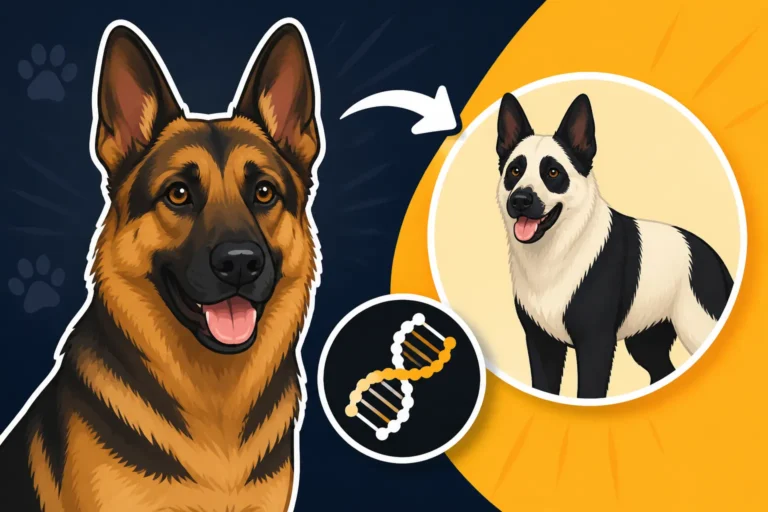
The Panda gene in German Shepherds clarifies the origin of rare white markings and distinct coat patterns resulting from a KIT gene mutation.
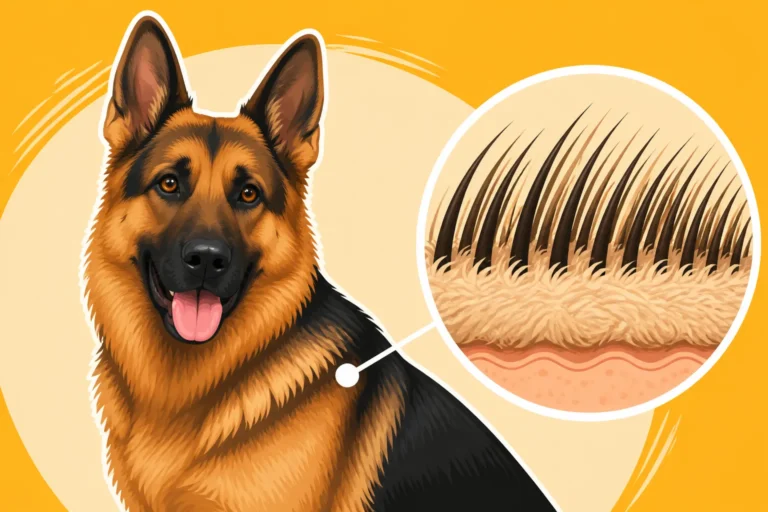
The German Shepherd double coat features a protective outer layer and a thermal undercoat that requires seasonal grooming and maintenance.

German Shepherd lifespan expectations vary across working and show lines, influenced by genetics, environment, and proper veterinary care.

German Shepherd bite force typically ranges from two hundred to three hundred pounds per square inch based on scientific testing.
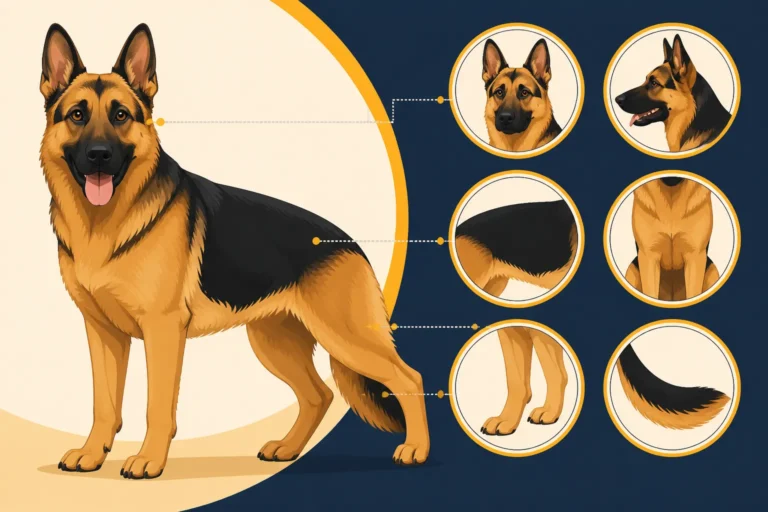
German Shepherd physical characteristics include their powerful build, typical size ranges, distinct head shape, and standard coat types and colors.

German Shepherd lifespan typically ranges from nine to thirteen years, influenced by genetics, diet, exercise, and preventative veterinary care.

German Shepherd barking tendencies stem from natural guardian instincts, boredom, anxiety, and communication needs, which owners can manage effectively.

German Shepherd apartment living is possible with consistent exercise, proper mental stimulation, daily routines, and a strong human connection.

German Shepherd energy levels, historical working roots, puppy development needs, and daily exercise requirements for active adult dogs.

German Shepherd guarding behavior requires basic obedience training, proper socialization, and a clear distinction between alerting and aggression.