German Shepherd Double Coat Explained
If you're a German Shepherd parent, or even just thinking about becoming one, you've probably heard a lot about their glorious, sometimes overwhelming, coat. It's one of their most distinguishing features, beautiful and protective, yet it can also be a source of constant shedding, matting worries, and endless questions about how to best care for it. Trust me, I've been there, sweeping up tumbleweeds of fur, wondering if I'd ever see my floor again! This guide is here to unravel the mysteries of the German Shepherd's double coat, giving you all the nitty-gritty details you need to understand and manage it like a pro.
Understanding the German Shepherd Double Coat
The German Shepherd's iconic coat isn't just about looks; it's a marvel of natural engineering, designed to keep them comfortable and protected in a variety of climates and conditions. Unlike breeds with single coats, like Greyhounds or Poodles, German Shepherds boast a multi-layered defense system that serves several crucial purposes. This double-layer design is a hallmark of many working breeds, especially those originating from colder climates or requiring rugged outdoor performance.
The Anatomy of a Double Coat: Outer vs. Undercoat
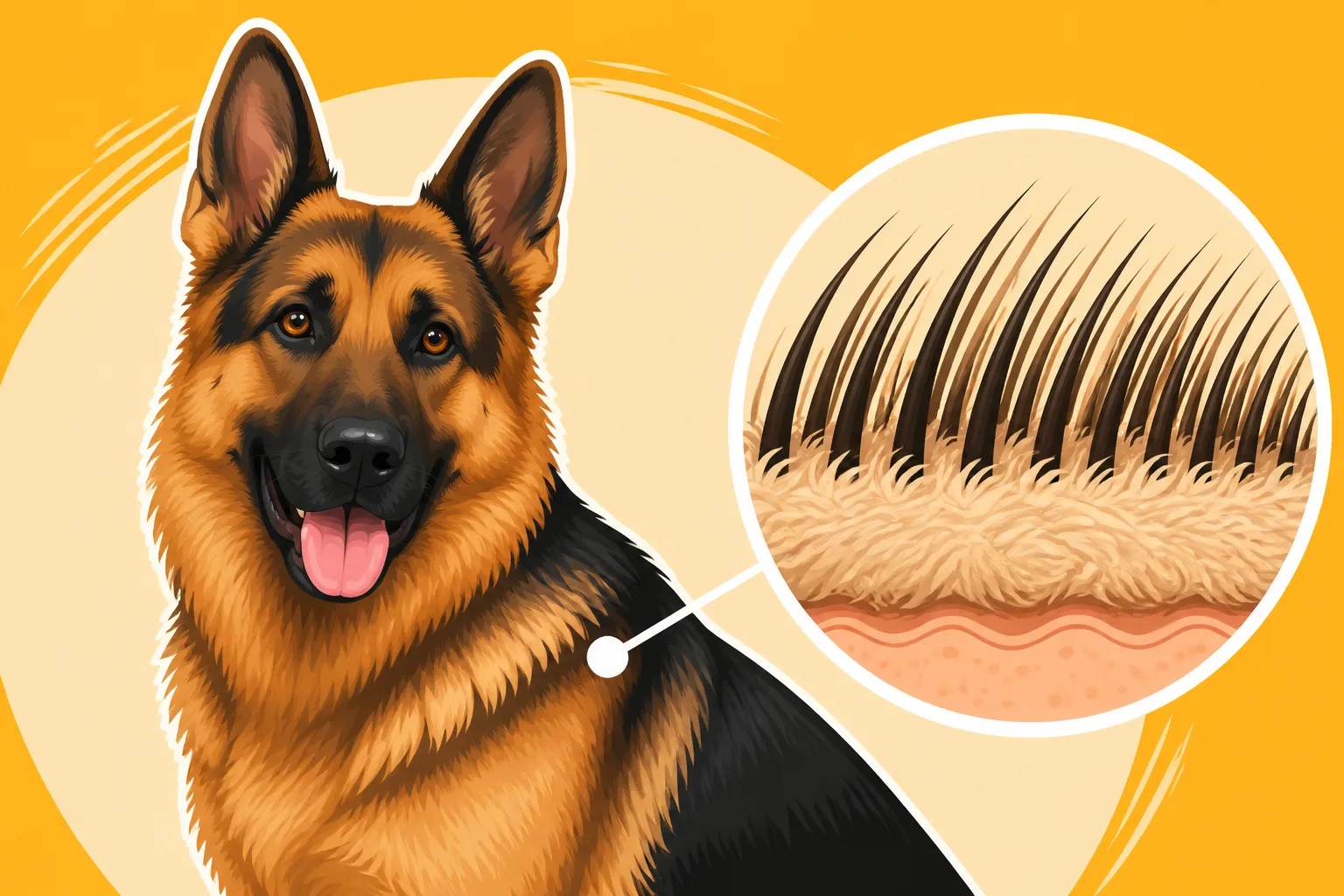
Imagine two distinct sweaters, one on top of the other, each doing its own job. That's essentially what a German Shepherd's double coat is all about. You have a tough, protective outer coat and a dense, insulating undercoat working in tandem.
The outer coat, often called the guard coat or topcoat, consists of coarse, straight, and somewhat stiff hairs. These longer hairs are the ones you see most prominently, giving the German Shepherd its distinct color and pattern. Their primary role is protection – they act like a raincoat, repelling water, dirt, and debris, and shielding the skin from UV rays, scratches, and insect bites. Think of them as the armor, designed for durability and deflecting external elements.
Beneath this formidable outer layer lies the undercoat, a soft, woolly, and much denser layer of shorter hairs. This is the thermal regulator, the unsung hero that keeps your German Shepherd warm in winter and cool in summer. The undercoat traps air, creating an insulating barrier against both cold and heat. It's what gives a German Shepherd its fluffiness and, let's be honest, contributes significantly to the shedding! When temperatures change, the density of this undercoat adjusts, becoming thicker in winter and thinner in summer, though the shedding process is what truly manages this transition.
Here's a quick comparison of these two crucial layers:
| Feature | Outer Coat (Guard Coat/Topcoat) | Undercoat |
|---|---|---|
| Texture | Coarse, stiff, straight | Soft, woolly, dense |
| Length | Longer, visible hairs | Shorter than outer coat |
| Primary Role | Protection from elements (water, dirt, sun, debris) | Insulation (warmth in winter, coolness in summer) |
| Shedding | Sheds year-round, less dramatic | "Blows out" seasonally, very heavy shedding |
| Appearance | Defines color, pattern, and overall outline | Contributes to volume and fluffiness |
Why German Shepherds Evolved a Double Coat
The double coat isn't a fashion statement; it's a survival mechanism rooted deeply in the German Shepherd's history and purpose. Originating from Germany, these dogs were primarily bred for herding sheep and later for police and military work. Their work often involved being outdoors in varied and sometimes harsh European climates, from chilly, damp winters to warm, sunny summers.
This breed needed a coat that could stand up to the elements – rain, snow, wind, and sun – while also providing insulation and protection during demanding physical activity. The coarse outer coat sheds water like a duck's feathers, keeping the dog dry even in a downpour, which is essential to prevent hypothermia. The thick undercoat, on the other hand, provides that critical thermal regulation, trapping air to maintain a stable body temperature. Without this specialized coat, German Shepherds would have struggled to perform their duties efficiently and safely in the environments they were developed for. It's a testament to their working heritage, a beautiful and functional adaptation.
Variations in German Shepherd Coat Types
While the double coat is standard, not all German Shepherd coats look exactly the same. The breed standard primarily recognizes what's often referred to as the "stock coat," but other coat lengths exist, leading to slight variations in appearance and, importantly, grooming needs. It’s important for prospective owners to understand these differences, as they can impact everything from shedding volume to how often you’ll need to brush your dog.
Standard Double Coat (Stock Coat)
The standard double coat, or "stock coat," is what most people picture when they think of a German Shepherd. This coat features medium-length, dense, straight outer hairs that lie close to the body, coupled with a thick, soft undercoat. The outer coat is somewhat coarse to the touch and provides excellent protection against the elements, while the undercoat offers superb insulation.
This is the most common and widely recognized coat type for the breed, admired for its resilience and classic appearance. The hair length on the stock coat is uniform across the body, with a slightly longer ruff around the neck and sometimes a bit of feathering on the backs of the legs and tail. Dogs with a beautiful, well-maintained stock coat are truly a sight to behold, showcasing the breed's athletic and noble physique. For tips on keeping this coat in top condition, you might find our guide on How to Keep a German Shepherd Healthy especially useful.
Long Coat (Plush Coat)
Ah, the long coat German Shepherd! These dogs are stunning, with their flowing, luxurious locks that give them an almost regal appearance. The long coat, also sometimes called a "plush coat," has significantly longer outer hairs, particularly around the ears, chest, legs, and tail, creating noticeable feathering and a fuller overall look.
While undeniably beautiful, the long coat presents some unique challenges. It can be prone to more tangles and matting, especially behind the ears, in the armpits, and on the breeches (the hair on the back of the thighs). Despite their long outer coat, these dogs still possess an undercoat, although its density can vary. The longer guard hairs might not be as stiff or water-resistant as those of a stock coat, potentially offering slightly less protection from extreme weather. Grooming a long-coated German Shepherd requires dedication, often more frequent brushing to prevent knots and keep their glorious mane looking its best.
Other Less Common or Non-Standard Coats
Beyond the stock and long coats, you might hear whispers of other coat types, though these are generally considered non-standard or result from specific genetic variations. One such example is the "smooth coat" or "short coat," which is essentially a stock coat with a significantly shorter outer layer. While it still technically has a double coat structure, the length is considerably reduced, giving the dog a sleeker appearance. These coats are less common in purebred lines as they typically fall outside the accepted breed standard for German Shepherds.
Another variation that sometimes arises is a German Shepherd with a very sparse or absent undercoat. While visually they might appear to have a standard outer coat, the lack of an insulating layer can make them less tolerant of extreme temperatures. This can be a concern for their overall comfort and health, as they lack the natural protective barrier against both heat and cold. Understanding these rare variations helps in appreciating the specific genetic traits that make the typical German Shepherd coat so unique and effective.
The German Shepherd Shedding Cycle (The "Blow Coat")
If you own a German Shepherd, you know that shedding isn't just a season; it's a lifestyle! Their double coat means they shed, and they shed a lot. It’s part and parcel of having one of these magnificent dogs, but understanding why and when they shed can help you manage the furry fallout more effectively. Don't be surprised if you find yourself buying shares in a vacuum cleaner company!
Seasonal Shedding Explained
The most intense shedding periods for a German Shepherd typically occur twice a year, during what's lovingly referred to as their "blow coat" season. This usually happens in the spring, when they shed their thick winter undercoat to make way for a lighter summer coat, and again in the fall, when they shed their summer coat to grow in a denser winter one. These periods can last for several weeks, and during this time, you'll witness an astonishing amount of undercoat coming off your dog.
It's a natural process driven by changes in daylight and temperature, preparing your dog's body for the upcoming weather. While these are the peak shedding times, German Shepherds do shed year-round, albeit to a lesser extent. You'll always find some loose hairs, especially from the outer guard coat, but it pales in comparison to the seasonal blow out. Preparing for these times with the right tools and a solid grooming routine is key to maintaining sanity and minimizing the fur tsunami in your home. Looking for more ways to cope? Our article on German Shepherd Shedding: How to Manage It has even more tips.
Managing the Blow Out
When your German Shepherd is blowing their coat, it feels like they're trying to redecorate your entire house with their fur! Managing this intensive shedding period requires a proactive approach. Daily brushing, sometimes even twice a day, becomes your best friend. The goal is to remove as much of the loose undercoat as possible before it falls out all over your furniture and clothes. Investing in high-quality deshedding tools is crucial. Products like a good undercoat rake or a deshedding brush can work wonders by reaching deep into the undercoat without damaging the outer guard hairs.
Bathing can also help during a blow out. A thorough bath, followed by vigorous drying with a high-velocity dog dryer (if you have one, or even a strong human hair dryer on a cool setting), can help loosen and blow out a significant amount of dead undercoat. Just be prepared for a literal fur storm during the drying process! Regular grooming appointments with a professional groomer who specializes in deshedding treatments can also be a lifesaver, as they have powerful tools and techniques to handle the job efficiently. Remember, the more hair you get out during grooming, the less you'll find around your house.
Essential Grooming for a Double Coat
Caring for a German Shepherd's double coat isn't just about aesthetics; it's vital for their health and comfort. A well-maintained coat is less prone to matting, skin issues, and discomfort. Establishing a consistent grooming routine early on will make a huge difference for both you and your furry friend. It's a bonding experience, too!
Brushing Techniques and Tools
Regular brushing is the cornerstone of German Shepherd coat care. For general maintenance, aiming for 2-3 times a week is a good start, increasing to daily during shedding seasons. You'll need a few specific tools to do the job right:
- Slicker Brush: Great for detangling surface mats and removing loose hair from the topcoat. Use gentle, sweeping strokes, being careful not to scratch the skin.
- Undercoat Rake: This is your secret weapon for the double coat! It has widely spaced, rounded teeth that penetrate the outer coat to pull out dead, loose undercoat without damaging the guard hairs. Use it in the direction of hair growth, working in sections. This tool is essential during a "blow coat."
- Pin Brush: Useful for general brushing, especially on longer coats or feathered areas, to prevent tangles.
- Deshedding Tool (e.g., FURminator-style tool): These can be effective for removing a lot of undercoat, but use them sparingly and with a light hand, as overuse can cut or damage the guard hairs. I usually recommend these for weekly use, not daily, outside of a serious blow-out.
When brushing, always start from the head and work your way back, paying close attention to areas where mats often form: behind the ears, under the collar, in the armpits, and on the tail and hindquarters. Make sure to brush all the way down to the skin to truly remove the undercoat. Many owners find great grooming supplies on websites like Chewy, which offer a wide array of brushes and combs specifically designed for large, double-coated breeds.
Bathing and Drying Best Practices
Bathing a German Shepherd isn't an everyday affair; overbathing can strip their coat of natural oils, leading to dry skin and coat issues. Generally, bathing every 2-3 months is sufficient, or when they're visibly dirty. Use a high-quality dog shampoo specifically formulated for double coats or sensitive skin. Avoid harsh detergents or human shampoos, as these can disrupt the skin's pH balance.
Here’s a basic bathing routine:
- Pre-brush: Always brush your dog thoroughly before bathing to remove loose hair and any existing mats. Water can tighten mats, making them nearly impossible to remove after the bath.
- Wet thoroughly: Use lukewarm water to completely soak their coat, down to the skin. This can take a while with a double coat!
- Shampoo and rinse: Apply shampoo, lathering well. Focus on getting it through both layers of the coat. Rinse meticulously, making sure no shampoo residue is left behind, as this can cause skin irritation.
- Condition (optional but recommended): A dog conditioner can help rehydrate the skin and coat, making it softer and easier to brush.
- Towel dry: Squeeze out as much water as possible.
- Blow dry: This is arguably the most crucial step for a double-coated breed. Air drying can lead to "hot spots" (moist dermatitis) or fungal growth because the undercoat traps moisture against the skin. Use a high-velocity dog dryer if you have one – it will save you immense time and effort and effectively "blow out" more loose undercoat. If using a human hair dryer, use a cool setting and keep it moving to avoid burning the skin. Ensure your German Shepherd is completely dry, especially the undercoat, before they go outside or lay down for an extended period. For more details on this, check out our guide on How Often to Bathe a German Shepherd.
Nail Trimming and Ear Care
Beyond the glorious coat, proper nail and ear care are equally important for your German Shepherd's overall hygiene and health. Neglecting these areas can lead to pain, infection, or other issues that are easily preventable.
Nail Trimming: German Shepherds need their nails trimmed regularly, typically every 3-4 weeks, depending on their activity level. If you hear their nails clicking on hard floors, they're too long. Long nails can cause discomfort, alter their gait, and even lead to orthopedic problems over time by putting pressure on their paw joints. Use sturdy dog nail clippers or a grinder. If you're unsure, ask your vet or a professional groomer to show you how, or consider using professional services found on sites like Chewy that offer grooming supplies for home use. Be careful to avoid cutting into the quick, which is a blood vessel and nerve that runs through the nail. A small nick can be painful and bleed, so if you're nervous, trim small amounts frequently.
Ear Care: German Shepherds have erect ears, which generally allows for good air circulation, reducing the risk of ear infections compared to floppy-eared breeds. However, regular inspection is still necessary. Check their ears weekly for any redness, swelling, unusual odor, or excessive wax buildup. If you notice any of these signs, it's time for a vet visit. For routine cleaning, use a veterinarian-approved ear cleaner. Apply a few drops into the ear canal, gently massage the base of the ear for 30 seconds, and then wipe away any visible dirt or wax with a cotton ball or soft cloth. Never use cotton swabs inside the ear canal, as this can push debris further in and potentially damage the eardrum. Early detection of issues is crucial, so don't hesitate to consult your vet if you suspect an ear problem. Our article on German Shepherd Ear Cleaning Guide provides further detailed steps.
Common Coat and Skin Issues
Even with the best grooming routine, German Shepherds can still experience various coat and skin issues. Their dense double coat and sometimes sensitive skin make them prone to certain problems. Recognizing the signs early can help you seek appropriate treatment and keep your dog comfortable.
Dry Skin and Allergies
Dry, flaky skin is a surprisingly common issue for German Shepherds. It can manifest as dandruff, itching, or a dull, brittle coat. Several factors can contribute to dry skin, including low-humidity environments, harsh shampoos, and nutritional deficiencies. Sometimes, switching to a high-quality dog food rich in Omega-3 and Omega-6 fatty acids can make a significant difference. Many reputable brands offer formulas specifically designed for skin and coat health, often available through retailers like Chewy. These fatty acids help maintain the skin's natural barrier and promote a healthy, shiny coat.
Allergies are another major culprit behind skin problems in German Shepherds. They can suffer from environmental allergies (pollen, dust mites, mold), food allergies (certain proteins like chicken or beef, or grains), or flea bite allergies. Symptoms include incessant scratching, licking paws, skin redness, recurrent ear infections, and patchy hair loss. If you suspect allergies, a vet visit is essential. They can help identify the allergen through testing or an elimination diet and recommend appropriate treatments, which might include antihistamines, medicated shampoos, or a prescription diet. Our article on German Shepherd Allergies: Symptoms and Treatment goes into more detail on how to handle these frustrating issues.
Hot Spots and Other Irritations
"Hot spots," medically known as acute moist dermatitis, are painful, red, moist, and often oozing skin lesions that can appear very suddenly. They typically occur when a dog repeatedly licks, chews, or scratches an area, often due to an underlying irritation like an insect bite, an allergy flare-up, or even excessive moisture trapped in the coat after swimming or bathing. Because German Shepherds have such dense coats, moisture can easily get trapped, creating a perfect breeding ground for bacteria, especially during humid weather.
Preventing hot spots involves vigilant grooming, especially ensuring the coat is completely dry after getting wet. If a hot spot develops, the first step is usually to carefully trim the fur around the lesion to allow air to reach it and to facilitate cleaning. A veterinarian will typically prescribe topical treatments, antibiotics, or anti-inflammatory medications. Keeping an Elizabethan collar on your dog might also be necessary to prevent them from further irritating the area. Other irritations can include contact dermatitis from certain plants or chemicals, or even irritation from poorly fitting collars or harnesses. Regular inspection of your dog's skin during grooming can help catch these issues early.
Preventing Matting and Damage
Matting is the bane of many German Shepherd owners, especially those with long-coated varieties or dogs who aren't brushed regularly. Mats form when loose, shed hair gets tangled with live hair, creating dense clumps that pull on the skin. Not only are mats uncomfortable and potentially painful, but they also trap moisture and dirt, leading to skin infections and hot spots. Severe mats can even restrict blood flow.
Prevention is definitely key when it comes to matting. Consistent and thorough brushing with the right tools, like an undercoat rake, is your best defense. If you encounter a small mat, try to gently tease it apart with your fingers or the blunt end of a comb, working from the outer edges inward. Never pull or cut a mat with scissors close to the skin, as it's incredibly easy to accidentally cut your dog. If mats are severe or extensive, it's always best to seek help from a professional groomer or veterinarian. They have specialized tools and expertise to safely remove mats, often requiring shaving. Regular grooming, a good diet for healthy coat growth, and prompt attention to any tangles will keep your German Shepherd's beautiful double coat free from painful mats.
Debunking Common Myths About German Shepherd Coats
There's a lot of folklore and well-meaning but often incorrect advice floating around about German Shepherd coats. Let's clear up some of the most persistent myths to ensure you're giving your furry companion the best and most accurate care. Misinformation can sometimes lead to practices that are actually detrimental to your dog's health and comfort.
The Myth of Shaving a German Shepherd
This is perhaps the most common and damaging myth out there. Many owners, frustrated by shedding or thinking it will keep their dog cooler in summer, consider shaving their German Shepherd. Please, don't do it! Shaving a double-coated breed like a German Shepherd can do more harm than good.
Here's why:
- Destroys Insulation: The double coat is designed for insulation – it keeps them warm in winter AND cool in summer by trapping air. Shaving removes this natural cooling system, leaving them more susceptible to overheating and sunburn.
- Sunburn Risk: Without the protective outer layer, their skin is exposed to harmful UV rays, increasing the risk of sunburn and skin cancer.
- Improper Regrowth: Often, the undercoat grows back faster and thicker than the outer guard coat, leading to a "woolier" texture. This can disrupt the natural shedding cycle, make future shedding worse, and increase the likelihood of matting. The outer guard hairs might never grow back correctly or at all, permanently altering the coat's texture and protective qualities.
- Loss of Protection: The coarse outer coat protects against thorns, scratches, and insect bites. Shaving removes this vital shield.
Instead of shaving, focus on effective deshedding with appropriate tools and ensure your dog has plenty of shade and water in warm weather. A good groomer can offer "hygiene clips" on specific areas, but full body shaving is generally a big no-no for this breed.
Coat Color and Health Misconceptions
Another area ripe with myths surrounds German Shepherd coat colors and their supposed link to health or temperament. For example, you might hear that black German Shepherds are healthier or have better temperaments, or that white German Shepherds are inherently sickly or weak. These claims are generally unfounded.
While certain genetic conditions can be linked to specific genes that also influence coat color (like merle patterns in some breeds potentially linked to vision or hearing issues), in German Shepherds, a healthy dog can come in a variety of accepted colors – black and tan, sable, solid black, bicolor, and even the often-debated white. The color itself does not dictate health or temperament. A responsible breeder will focus on health testing and temperament, regardless of coat color. The genetics for coat color are separate from those for hip and elbow health, for instance.
The key to a healthy German Shepherd isn't its coat color, but rather responsible breeding practices, proper nutrition, regular veterinary care, and a loving environment. Focusing on genetic health testing for common issues like German Shepherd Hip Dysplasia Explained or Degenerative Myelopathy in German Shepherds is far more important than any superficial judgments based on coat color. Always prioritize health and temperament over specific color preferences.
Final Thoughts on the German Shepherd Double Coat
The German Shepherd's double coat is undeniably one of its most striking features, a beautiful testament to its origins as a resilient working dog. While it demands a certain level of commitment in terms of grooming, understanding its purpose and how to properly care for it can transform what might seem like a chore into a rewarding part of dog ownership. From the protective guard hairs to the insulating undercoat, every strand plays a role in your dog's well-being.
Embrace the shedding, invest in the right tools (many of which you can find conveniently on Chewy), and make regular grooming a positive bonding experience. By debunking common myths and following best practices for brushing, bathing, and overall hygiene, you're not just maintaining a beautiful coat; you're ensuring your German Shepherd stays comfortable, healthy, and happy throughout their life. It's a small price to pay for the unwavering loyalty and companionship these incredible dogs offer.
Disclaimer
This article is for general informational purposes only and does not constitute professional advice. Laws, prices and regulations vary by location and change over time. Consult a qualified professional for guidance on your specific situation.