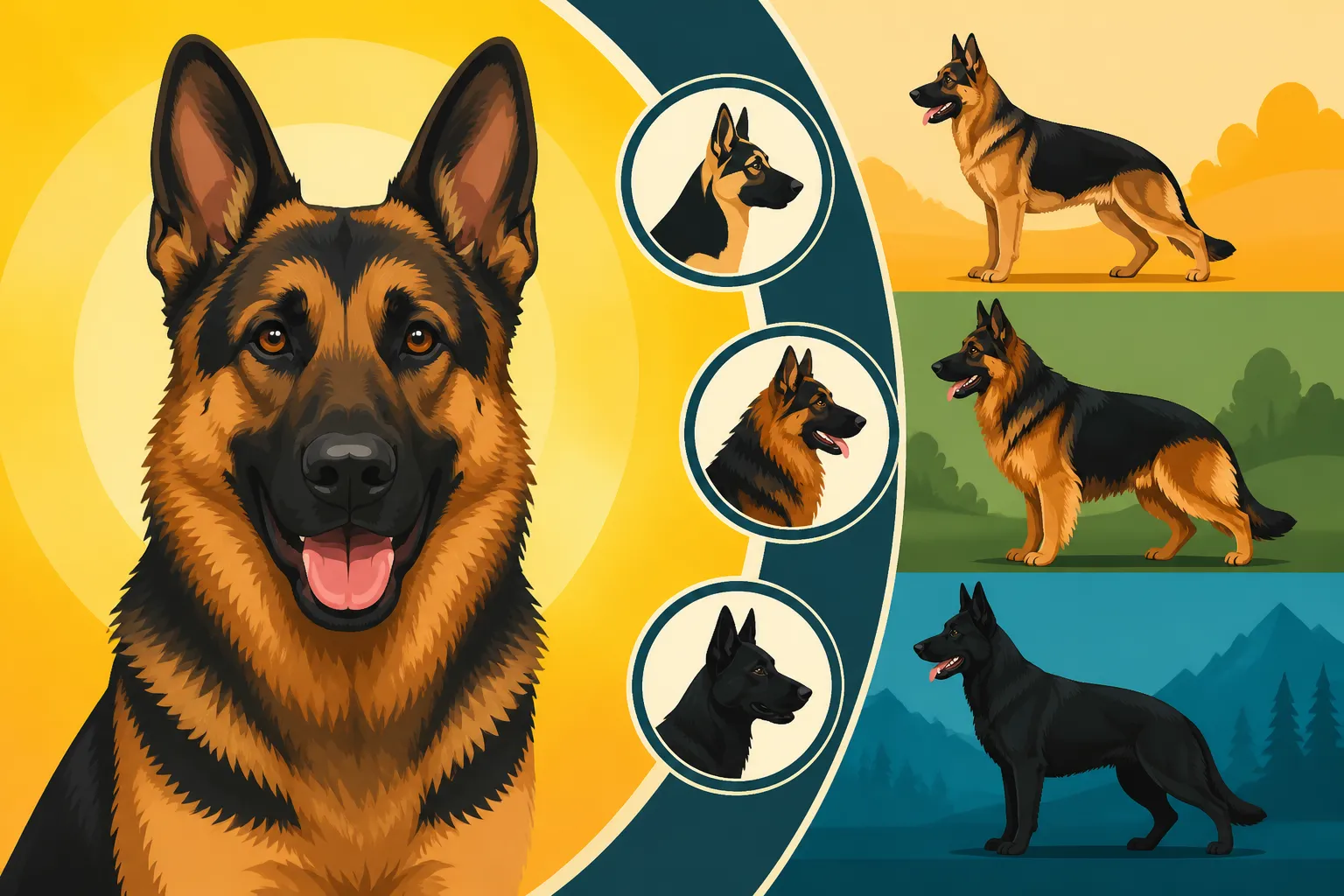
German Shepherd Lifespan by Line
One of the most common worries for any German Shepherd owner, or prospective owner, is how long their incredible companion will be by their side. It's a deeply emotional concern, often compounded by hearing about various "lines" of German Shepherds – working lines, show lines, American, European – and wondering if these distinctions actually influence their longevity. This guide will explore the nuances of German Shepherd lifespan across different breeding lines, helping you understand the factors at play and how to contribute to a long, vibrant life for your cherished dog.
Understanding German Shepherd Lifespan
Before we delve into the specifics of different lines, it's crucial to grasp the general factors that determine a German Shepherd's lifespan. While genetics play a significant role, they are far from the only determinant. Environmental factors, lifestyle, and veterinary care can drastically alter a dog's longevity, sometimes even outweighing genetic predispositions. It's a complex interplay, and as owners, we have considerable influence over many of these variables.
Average Lifespan Expectations
For many German Shepherds, the typical lifespan falls in the range of 9 to 13 years. This can feel short for such a magnificent dog, especially when compared to smaller breeds that often live longer. However, given their large size and the demands placed on their bodies, it's a relatively respectable duration. Understanding this average gives us a baseline, but remember, every dog is an individual, and there are always exceptions to the rule. Some German Shepherds may sadly pass much younger due to unforeseen circumstances or aggressive health issues, while others, with diligent care and a bit of luck, can happily thrive well into their mid-teens.
The journey with a German Shepherd is truly special, and maximizing their time with us is a top priority. It involves a holistic approach to their care, considering everything from their earliest days as a puppy to their golden years as a senior. For a broader look at the general topic, you can check out our detailed guide on German Shepherd Lifespan: How Long They Live.
Key Factors Influencing Longevity
Beyond just genetics and breeding lines, several universal factors profoundly impact a German Shepherd's lifespan. These include diet, exercise, preventive healthcare, and even their emotional well-being. A German Shepherd on a high-quality diet, receiving regular, appropriate exercise, and visiting the vet for routine check-ups is inherently more likely to live a longer, healthier life than one whose basic needs are neglected.
For instance, proper nutrition from a young age supports healthy growth and development, preventing many issues later in life. Consistent, moderate exercise keeps their joints supple and their heart strong. Regular veterinary care, including vaccinations and parasite prevention, catches potential problems early before they become life-threatening. The commitment you make to these daily and yearly routines is paramount. You can discover more about these fundamental elements in our comprehensive guide, How to Keep a German Shepherd Healthy.
Working Line German Shepherds and Their Lifespan
Working line German Shepherds are bred primarily for their utility, intelligence, and drive. These dogs excel in roles such as police K9s, search and rescue, protection work, and competitive dog sports like IGP (formerly Schutzhund). Their breeding focuses on robust health, strong nerves, and an unwavering desire to work. This emphasis on functional soundness often translates into specific health trends and, consequently, their lifespan.
Health Tendencies in Working Lines
Generally speaking, working line German Shepherds are often perceived as being hardier and less prone to some of the structural issues seen in certain show lines. Breeders of working lines prioritize sound hips, elbows, and backs, as any weakness in these areas would severely hinder a dog's ability to perform its demanding tasks. This isn't to say they are immune to health problems, but the selection criteria are stringent.
However, their high drive and intense physical activity mean they can be susceptible to injuries if not properly managed. Torn ligaments, muscle strains, and other orthopedic injuries can occur, especially if their conditioning isn't appropriate for their activity level. Furthermore, certain conditions like Degenerative Myelopathy (DM), while not exclusive to working lines, can still be a concern, and responsible breeders will screen for it. Dive deeper into this specific condition with our article on Degenerative Myelopathy in German Shepherds.
Lifespan Expectations for Working Line Dogs
The lifespan of working line German Shepherds typically aligns with the breed average, often falling into the 10 to 13-year range, and sometimes even longer. Their robust genetics, combined with the active and stimulating lifestyles they typically lead, contribute positively to their overall health. A working line GSD that is well-exercised, mentally stimulated, and provided with excellent veterinary care is set up for a long and fulfilling life.
It's important to remember that these dogs thrive on purpose and activity. A working line German Shepherd confined to a sedentary lifestyle without adequate mental and physical outlets may develop stress-related health issues or behavioral problems that can indirectly impact their well-being and longevity. Their inherent drive is a double-edged sword: a blessing when channeled properly, but a potential source of distress if neglected. Ensuring they have appropriate nutrition is also key; you can find excellent options for active dogs on platforms like Chewy.
Show Line German Shepherds and Their Lifespan
Show line German Shepherds, particularly those bred for American Kennel Club (AKC) or similar show rings, historically focused on aesthetic standards outlined in the breed's conformation. While soundness is still a goal, the interpretation of "type" can sometimes lead to exaggerations in structure that may have health implications. European show lines, especially West German show lines, tend to maintain a closer balance between form and function, often adhering to stricter standards that emphasize working ability alongside appearance.
Health Tendencies in Show Lines
When people discuss health concerns in show lines, the conversation often revolves around orthopedic issues. The distinct angulation sometimes favored in American show lines, for example, has been linked by some critics to increased stress on joints. This can potentially exacerbate conditions like hip and elbow dysplasia, which are already prevalent in the breed. It's not a universal truth for all show lines, but it's a widely debated topic within the German Shepherd community.
However, reputable show breeders are increasingly diligent about health testing and breeding away from known issues. Many now champion comprehensive genetic screening and participate in programs like OFA and PennHIP to evaluate joint health. Understanding German Shepherd Hip Dysplasia Explained is crucial for any owner, regardless of line. Other health issues like certain allergies or digestive sensitivities can appear in any line, making a careful diet selection, perhaps from a range of specialized foods available on Chewy, a good preventative measure.
Lifespan Expectations for Show Line Dogs
The lifespan of show line German Shepherds can vary, but generally, they also fall within the 9 to 12-year average. For many well-bred show line dogs, a long and healthy life is absolutely achievable, especially with responsible breeding practices and attentive ownership. The concern isn't inherently with the "show line" designation itself, but rather with how a particular line is bred and for what specific traits.
A key differentiator is the breeder's commitment to health testing and selecting breeding pairs with excellent health histories. For example, a West German show line dog, often bred under strict German SV (Schutzhund Verein) rules that mandate working titles and rigorous health checks, might be expected to have a similar or even slightly better average lifespan than some working lines. In contrast, lines bred purely for extreme aesthetics without regard for functional soundness might present a higher risk of health issues that could shorten their lives.
Specific German Shepherd Lines and Longevity Trends
The world of German Shepherds is more nuanced than just "working" and "show." Within these broad categories, various specific lines have developed over decades, each with its own history, breeding goals, and often, particular health and longevity trends. Understanding these can offer a more granular perspective on what to expect from your German Shepherd.
West German Lines
West German lines are perhaps the most influential and widely recognized, stemming from Germany's strict breeding regulations. These dogs are often characterized by a balanced blend of working ability and conformation.
West German Working Line
These dogs are bred for top-tier performance in sports like IGP (Schutzhund), tracking, and protection work. Their physical structure is designed for endurance, agility, and power, with a strong emphasis on robust health. Breeders meticulously screen for hip and elbow dysplasia and temperament issues. This rigorous selection process generally results in a healthy, durable dog.
Owners of West German working lines can typically expect a lifespan similar to or slightly above the breed average, often in the 10-13 year range. Their active lifestyles and sound genetics contribute significantly to their longevity. They thrive on physical and mental challenges, so providing ample exercise and training, as outlined in guides like German Shepherd Exercise Requirements, is crucial for their well-being and long-term health.
West German Show Line
These dogs are bred to meet the German SV standard, which, unlike some other show standards, still requires working titles and passes extensive temperament and health evaluations. While they have the classic "sloped back" appearance, their structure is generally considered functional and less exaggerated than some American show lines. The emphasis on overall soundness, combined with strict health testing, means these dogs are often quite robust.
A West German show line German Shepherd often enjoys a healthy lifespan, typically within the 9-12 year range. The commitment of their breeders to health and temperament contributes positively to their longevity. However, like all German Shepherds, they benefit from a high-quality diet, regular exercise, and consistent veterinary care.
East German (DDR) and Czech Working Lines
These lines originated from behind the Iron Curtain and were developed with a primary focus on extreme toughness, endurance, and utility for border patrol and military work in challenging conditions. Both DDR and Czech lines are known for their solid temperaments, powerful builds, and strong nerves.
East German (DDR) Line
DDR German Shepherds were bred in East Germany under strict governmental control, prioritizing health, stamina, and working ability. They tend to have darker pigment, blockier heads, and a less exaggerated angulation than some Western lines. The gene pool was somewhat closed, which led to a very consistent type, often known for incredible resilience.
These dogs are generally very healthy and have a strong constitution. Their lifespan often falls into the upper end of the breed average, sometimes reaching 11-14 years, provided they receive proper care. Their physical hardiness makes them excellent candidates for active homes, and their health is often supported by robust genetics honed by decades of functional breeding.
Czech Working Line
Czech German Shepherds share many characteristics with DDR lines, also being bred for demanding police and military work. They are known for their high drive, strong bone structure, and formidable presence. Health was paramount, as these dogs needed to withstand harsh environments and rigorous training.
Much like DDRs, Czech working lines generally enjoy a long lifespan, typically between 10-13 years. Their genetic soundness and adaptability contribute to their longevity. Owners should be prepared for a highly active dog that requires consistent training and exercise to thrive. Providing the right nutrition and considering German Shepherd Joint Health Supplements can be especially beneficial for these highly athletic dogs.
American and Canadian Lines
American and Canadian German Shepherd lines, particularly those geared towards the AKC show ring, have often diverged significantly from their European counterparts in terms of physical conformation.
American Show Line
These dogs are bred to meet the AKC breed standard for conformation, which, at times, has emphasized an extreme "flying trot" gait, leading to more pronounced rear angulation and a very sloped back. While breeders aim for soundness, some critics argue this aesthetic focus has inadvertently introduced structural weaknesses that can lead to orthopedic issues.
The lifespan of American show lines can be variable. While many live healthy lives, some individuals may be more prone to severe hip and elbow dysplasia compared to dogs from lines with stricter health mandates. This can potentially reduce their active lifespan or lead to more significant veterinary costs. Average lifespan tends to be 8-11 years, with careful breeding able to push this higher. Regular health screenings and understanding conditions like German Shepherd Hip Dysplasia: Symptoms and Treatment are paramount for owners.
American Working Line
While less common than American show lines, some breeders in North America focus on producing German Shepherds for working roles, drawing from primarily European working line pedigrees. These dogs are selectively bred for temperament, drive, and health, similar to their European working counterparts.
The lifespan of American working line German Shepherds tends to mirror that of their European working line relatives, often reaching 10-13 years. These dogs are typically athletic, with good bone structure and a lower incidence of the extreme angulation seen in some show lines. They need active homes and consistent training to truly thrive.
Here's a quick comparative overview:
| German Shepherd Line | Primary Breeding Focus | Typical Lifespan Range | Common Health Tendencies |
|---|---|---|---|
| West German Working Line | Performance, drive, soundness | 10-13 years | Robust, active, genetic screening for DM and dysplasia |
| West German Show Line | Conformation (SV Standard), drive | 9-12 years | Strong nerves, good structure, genetic screening |
| East German (DDR) Working Line | Toughness, endurance, utility | 11-14 years | Very hardy, solid build, strong constitution |
| Czech Working Line | Drive, strength, utility | 10-13 years | Powerful, resilient, high energy |
| American Show Line | Conformation (AKC Standard) | 8-11 years | Potential for exaggerated angulation, hip/elbow issues |
| American Working Line | Performance, drive | 10-13 years | Similar to European working lines |
Factors Beyond Line Affecting Lifespan
While breeding line offers a glimpse into potential predispositions, it's never the full story. Many other factors, often entirely within an owner's control, play an enormous role in determining how long and how well a German Shepherd lives. Focusing on these elements empowers you to provide the best possible environment for your dog.
Nutrition and Diet
A high-quality, balanced diet is fundamental to a long and healthy life. German Shepherds, especially, benefit from a diet formulated for large, active breeds. This means appropriate protein levels, healthy fats, and a balance of vitamins and minerals to support their large frames, muscular build, and high energy. Overfeeding can lead to obesity, which puts immense strain on their joints, heart, and other organs, significantly shortening their lifespan. Underfeeding, especially in puppies, can stunt growth and lead to developmental problems.
It's not just about what they eat, but how much and when. Sticking to a consistent feeding schedule and avoiding free-feeding can help manage weight. Consider consulting with your vet to determine the best food type and portion sizes for your individual dog's age, activity level, and health status. Many owners find value in brands like Purina Pro Plan or Royal Canin, which often have breed-specific formulas. You can explore German Shepherd Diet by Age and Weight for more detailed guidance.
Exercise and Mental Stimulation
German Shepherds are highly intelligent and energetic dogs. Insufficient exercise can lead to boredom, destructive behaviors, and weight gain, all of which negatively impact their health. Regular, appropriate exercise, tailored to their age and physical condition, is vital. This includes daily walks, runs, playtime, and engaging activities that challenge them both physically and mentally. A bored German Shepherd can be a destructive German Shepherd, and chronic stress can also take a toll on their physical health.
For puppies, it's crucial to balance exercise with rest to protect their developing joints. Over-exercising a young German Shepherd can contribute to orthopedic problems like hip or elbow dysplasia. As they mature, they can handle more vigorous activities. Mental stimulation through training, puzzle toys, and new experiences is just as important as physical exercise to keep their minds sharp and prevent cognitive decline as they age. Our article When Do German Shepherds Stop Growing provides important insights into their physical development.
Veterinary Care and Preventive Health
Consistent veterinary care, from puppyhood through their senior years, is non-negotiable for maximizing lifespan. Regular check-ups allow your vet to catch potential issues early, administer necessary vaccinations, and provide parasite prevention. German Shepherds are prone to certain breed-specific conditions, and early detection is often key to effective management.
Genetic health testing by breeders is a crucial first step, but ongoing care is up to the owner. This includes preventative measures like dental care, which can prevent systemic infections, and understanding common issues like bloat. Being aware of German Shepherd Bloat: Signs and Prevention can literally be a lifesaver. Furthermore, discussing potential genetic predispositions with your vet, such as those related to German Shepherd Hip Dysplasia Explained or Degenerative Myelopathy in German Shepherds, allows for proactive monitoring and early intervention.
Maximizing Your German Shepherd's Lifespan
Given the various factors that influence a German Shepherd's longevity, what specific steps can you take to help your beloved dog live the longest, happiest, and healthiest life possible? It's about a proactive, holistic approach that addresses their physical, mental, and emotional needs at every stage of life.
Choosing a Reputable Breeder
The very first step to a long and healthy life for your German Shepherd starts before you even bring them home: choosing a reputable breeder. A good breeder prioritizes health, temperament, and adherence to breed standards that promote sound structure. They will perform comprehensive genetic health testing for conditions common in German Shepherds, such as hip and elbow dysplasia, and degenerative myelopathy. They should be transparent about their breeding practices, provide health clearances for the parents, and be willing to answer all your questions thoroughly.
A reputable breeder will not rush puppies to new homes, nor will they breed dogs with known health or temperament issues. They invest time and resources into ensuring the health of their breeding stock and the welfare of their puppies. This foundational health laid by responsible breeding can significantly influence your dog's long-term well-being. Learn more about the importance of testing in German Shepherd Genetic Health Testing.
Comprehensive Healthcare Throughout Life
Your German Shepherd needs consistent and comprehensive healthcare throughout their entire life. This means regular veterinary visits, not just when they're sick. Puppy vaccinations and deworming are essential, as are annual wellness exams for adults. As your German Shepherd ages, these check-ups become even more crucial, allowing your vet to monitor for age-related conditions like arthritis, organ dysfunction, or cancer.
Beyond routine visits, be vigilant for any changes in your dog's behavior, appetite, mobility, or energy levels. German Shepherds are stoic, and sometimes subtle signs are all you get. Early detection and intervention for any health issue, from minor infections to serious conditions, can make a significant difference in outcomes and lifespan. Considering pet insurance or building an emergency fund can help ensure you're always prepared for unexpected medical needs.
Lifestyle Choices for Longevity
The day-to-day lifestyle you provide for your German Shepherd is a powerful determinant of their lifespan. This encompasses several key areas:
Optimal Nutrition and Weight Management
Feed a high-quality, age-appropriate diet, and closely monitor your dog's weight. Obesity is a silent killer, contributing to joint problems, heart disease, diabetes, and a host of other ailments. If you're unsure about portion sizes or specific dietary needs, consult your veterinarian. They can guide you on the best foods, whether it's kibble from a well-regarded brand found on Chewy, or a different diet, and help you maintain a healthy weight for your dog. Adjust their diet as they age, possibly switching to a senior formula as recommended in German Shepherd Senior Diet Adjustments.
Regular, Appropriate Exercise
Ensure your German Shepherd gets consistent, appropriate exercise. This means daily walks, runs, or play sessions that challenge them physically without overstressing their joints. Avoid extreme activities during their growth phases. As they mature, engage them in activities like hiking, swimming, or dog sports that align with their working drive. For senior dogs, gentle exercise helps maintain muscle mass and joint flexibility, preventing rapid decline.
Mental Enrichment and Stress Reduction
A stimulated mind is as important as an exercised body. Provide puzzle toys, engage in regular training sessions, and offer new experiences. German Shepherds thrive on having a "job" to do, and mental work helps keep them engaged and prevents boredom-induced stress. A low-stress environment, consistent routine, and strong bond with their family all contribute to their overall well-being and can positively impact their lifespan.
By focusing on these actionable steps, you're not just hoping for a longer lifespan; you're actively creating the conditions for your German Shepherd to thrive for as many years as possible.
Disclaimer
This article is for general informational purposes only and does not constitute professional advice. Laws, prices and regulations vary by location and change over time. Consult a qualified professional for guidance on your specific situation.