How to Stop a German Shepherd Pulling on Leash
Oh, the sheer force of a German Shepherd on a leash! If you've ever felt like you're being taken for a walk instead of walking your dog, battling a powerful canine tug-of-war on every outing, you are absolutely not alone. It's frustrating, it's exhausting, and frankly, it can be a little embarrassing. But don't despair – this comprehensive guide is here to equip you with the knowledge, tools, and techniques to transform those dreaded walks into enjoyable, stress-free strolls for both you and your loyal companion.
Understanding Why Your German Shepherd Pulls
Before we can tackle the pulling, it's crucial to understand why your magnificent German Shepherd feels the need to pull you down the street. It's rarely out of defiance, but rather a combination of natural instincts, sheer enthusiasm, and sometimes, a simple misunderstanding of what you expect. These aren't dainty little lap dogs; they are powerful, intelligent, and often very driven animals, which means their motivations for pulling can be quite strong.
The Power of Instinct and Excitement
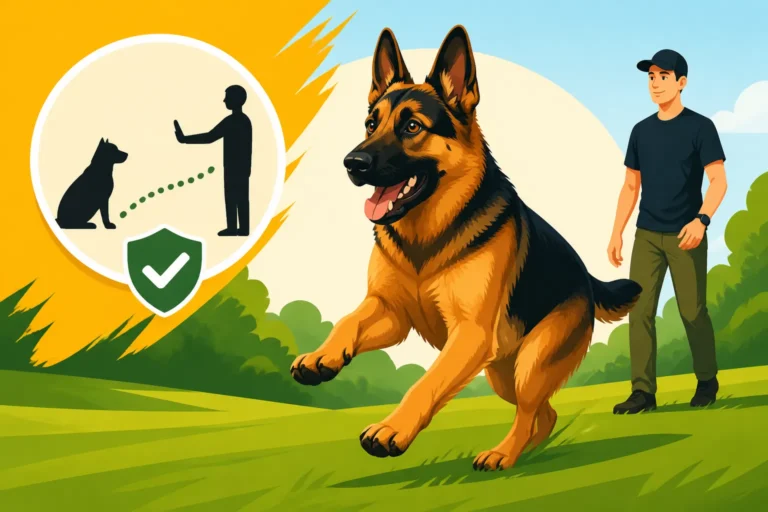
German Shepherds are bred to be active, intelligent, and sometimes, to have a strong prey drive. When you step outside, the world explodes with exciting sights, sounds, and smells – a squirrel dashing across the path, another dog approaching, a tantalizing scent trail left by a rabbit, or even just the thrill of a new adventure. For a German Shepherd, this immediate rush of stimulation can be overwhelming, and their natural instinct is often to charge forward to investigate, chase, or greet. They have powerful bodies designed for endurance and speed, and that desire to move, move, move can easily translate into pulling against the leash.
Consider a young German Shepherd puppy, full of boundless energy. Every blade of grass, every new sound, is a discovery. They haven't learned impulse control yet, and their excitement levels can be off the charts. Even adult German Shepherds, if not properly trained, will revert to these instincts. They're just so keen to experience everything now that they forget you're on the other end of the leash. This isn't them being "bad"; it's them being a German Shepherd, full of life and curiosity, and needing guidance to navigate their world politely.
Lack of Clear Communication
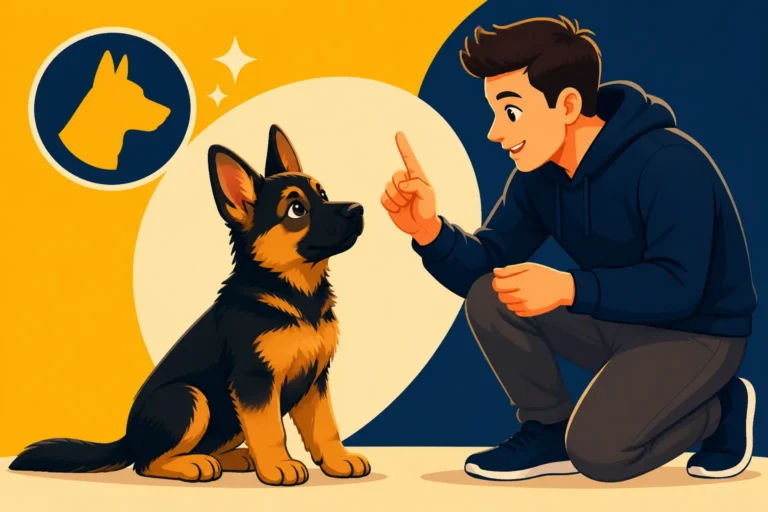
Often, a German Shepherd pulls because they genuinely don't understand what "loose leash walking" means to you. Dogs learn through association and consistency. If pulling sometimes gets them to where they want to go faster, even if it's just a few feet, they learn that pulling is an effective strategy. It's a classic example of intermittent reinforcement, which is incredibly powerful in shaping behavior. If you occasionally give in, even by just letting them drag you a little before you catch up, you're inadvertently reinforcing the pulling.
Think about it from their perspective: they surge forward, you move with them, and voila, they're closer to that interesting bush or fire hydrant. To them, they achieved their goal. They don't differentiate between a comfortable walk and a frantic pull. It's our job as their human companions to clearly and consistently communicate the desired behavior. Without that clear communication, backed by consistent training and rewards, they'll continue to operate on their instinctual understanding of getting from point A to point B as quickly as possible, using their considerable strength.
Essential Tools and Equipment for Leash Training
Having the right gear can make a monumental difference in your success when teaching your German Shepherd to walk politely on a leash. While no tool is a substitute for consistent training, some can certainly help manage the pulling while you're in the teaching phase, making the experience more manageable and safer for both of you.
Harnesses Designed for No-Pull Control
Traditional harnesses, especially those that clip on the back, can actually encourage pulling because they engage a dog's natural opposition reflex – the tendency to pull harder against pressure. It's like a sled dog harness, designed for exactly that purpose! For a German Shepherd, this can be counterproductive. Instead, consider harnesses that are specifically designed to discourage pulling.
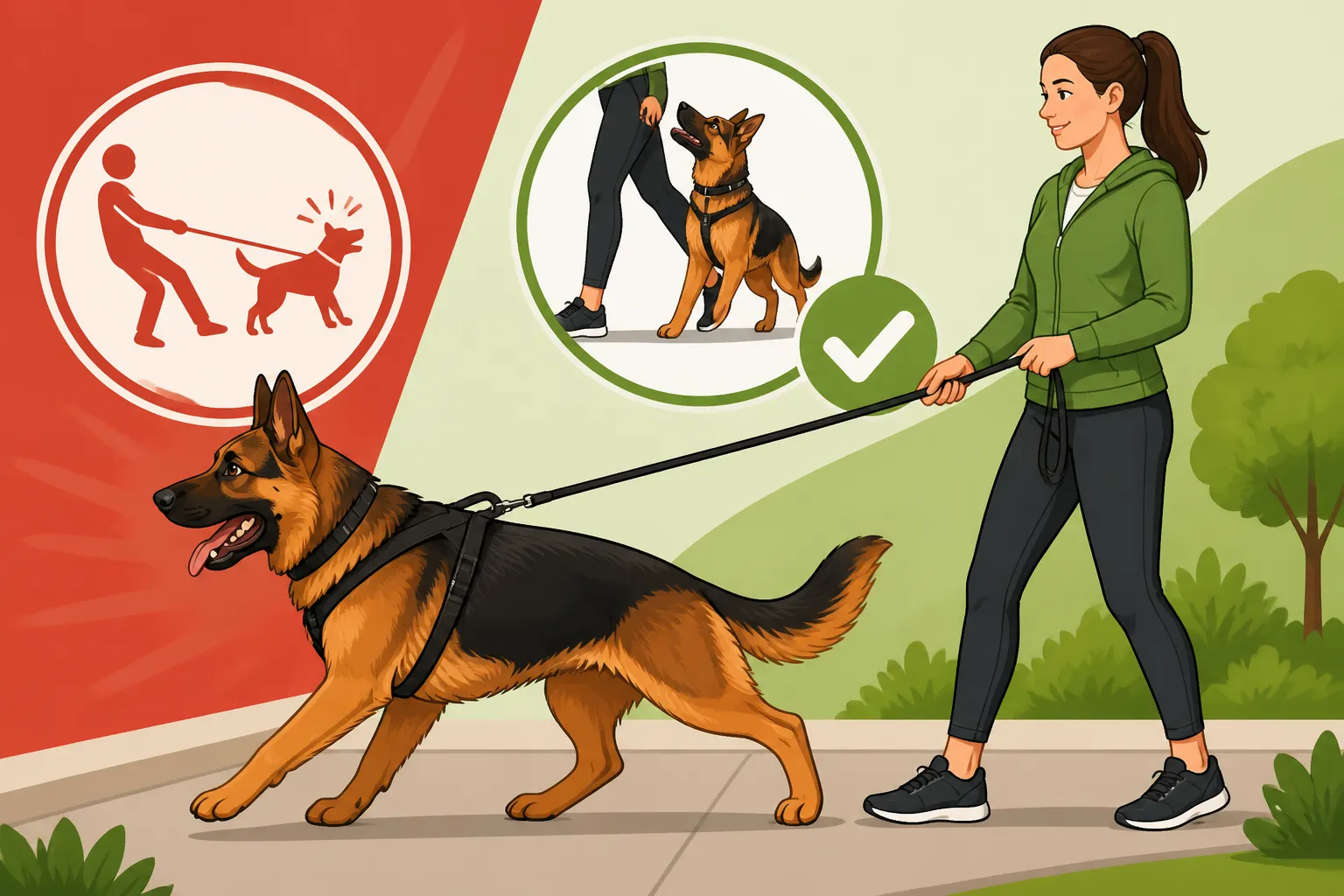
Front-clip harnesses are often a game-changer. These harnesses have the leash attachment ring on the dog's chest. When your German Shepherd pulls, the leash redirects their momentum, gently turning them to the side rather than allowing them to lean into the pull. This effectively steers them off course, making pulling inefficient and uncomfortable (but not painful). Brands like Easy Walk or Freedom No-Pull Harness are popular choices. You can find a wide variety of these harnesses on Amazon, often with different padding and strap configurations to fit your German Shepherd comfortably. The key is to ensure it fits snugly but doesn't chafe, especially around the armpits, given the powerful strides of a German Shepherd. Investing in one of these can immediately alleviate some of the physical strain on your arm and shoulder.
Head Halters and Their Benefits
Head halters, sometimes called head collars or head harnesses (like the Gentle Leader or Halti), work similarly to a horse halter. They fit over your dog's muzzle and around their neck, with the leash attaching under their chin. When your German Shepherd pulls, it gently redirects their head and body back towards you, giving you leverage over their direction. This method works on the principle of "where the head goes, the body follows."
For strong pullers, a head halter can offer excellent control, making walks significantly more manageable. It allows you to guide your German Shepherd much more effectively, even when they're highly stimulated. However, it's crucial to introduce a head halter gradually and positively. Many dogs initially resist them, pawing at their face. Start with short durations, pair it with high-value treats, and build up their comfort level slowly. Never yank or jerk on a head halter; the idea is gentle guidance. A well-adjusted head halter, used correctly, can be a wonderful tool for teaching polite leash manners and providing control without discomfort.
Leash Types and Why They Matter
The type of leash you use also plays a role. A standard 4-6 foot leash is generally ideal for training loose-leash walking. It provides enough length for your German Shepherd to explore a bit without getting too far ahead, and it keeps them close enough for you to maintain control and provide immediate feedback. Avoid retractable leashes during training. While they might seem to offer freedom, they actually teach a dog that pulling extends their range, which is the opposite of what we want. They also offer very little control in an emergency and can be dangerous if the dog suddenly lunges.
When choosing a leash, opt for a durable material like nylon or leather, with a sturdy clasp. Given the strength of a German Shepherd, you'll want something that won't fray or break easily. Some trainers also recommend a double-ended leash when using a front-clip harness, as you can attach one end to the chest clip and the other to the back clip (or a regular collar), offering even more control and stability, especially for a powerful breed.
Effective Training Techniques to Stop Pulling
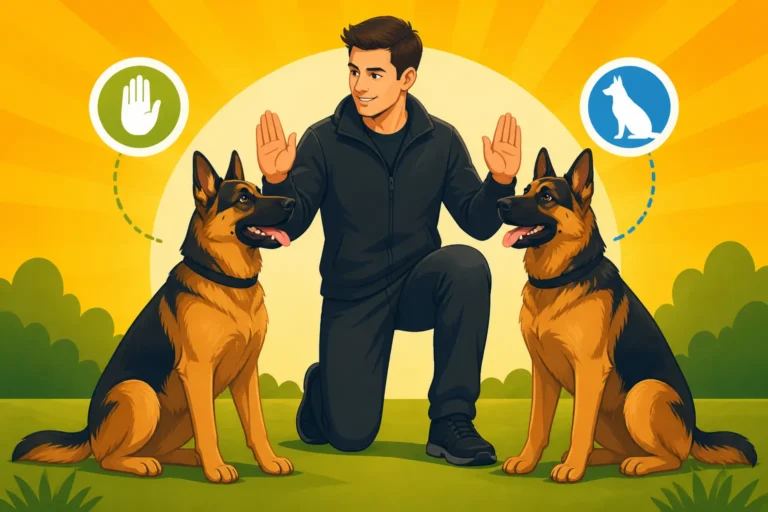
Now that we understand the 'why' and have the right tools, let's dive into the 'how.' Stopping a German Shepherd from pulling requires consistency, patience, and positive reinforcement. It's a process of teaching them a new, more polite way to experience the world on a leash.
The Stop-and-Go Method
This is one of the most widely recommended and effective techniques for teaching loose-leash walking. The premise is simple: any pulling means an immediate halt.
Here’s how it works:
- Start: Begin your walk with your German Shepherd beside you on a loose leash.
- Stop When They Pull: The instant your German Shepherd puts tension on the leash, you stop walking. Don't say anything, don't yank the leash – just become a tree.
- Wait for Slack: Wait patiently. Your German Shepherd might turn around to look at you, sniff the ground, or even sit. The moment they release the tension on the leash, creating a bit of slack, even for a second, immediately say "Yes!" or use a clicker.
- Reward and Resume: As soon as the leash is loose, mark the behavior (with your verbal cue or clicker) and immediately take a step forward, praising them.
- Repeat, Repeat, Repeat: Every time they pull, you stop. Every time the leash goes slack, you resume.
This method teaches your German Shepherd that pulling stops their progress, while a loose leash starts it again. They quickly learn that the only way to get to where they want to go is to keep the leash loose. Be prepared for your first few walks using this method to be incredibly slow, potentially only going a few feet in 15 minutes. It might feel tedious, but consistency is key. Your dog will eventually make the connection. For more detailed insights into puppy training and overall obedience, you might find valuable resources in a guide like "German Shepherd Puppy Training Guide."
Changing Direction
Another highly effective strategy is to unpredictably change direction whenever your German Shepherd pulls. This keeps them attentive to you and teaches them that they need to pay attention to where you're going, rather than charging ahead.
Here’s how to implement it:
- Walk: Start walking with your German Shepherd.
- Pull = Turn: The very second you feel tension on the leash from them pulling, say "Let's go!" or "This way!" and immediately turn 90 or 180 degrees in the opposite direction. Don't yank; just turn and walk.
- Encourage and Reward: As you turn, your German Shepherd will likely be surprised and have to hustle to catch up. The moment they are walking politely beside you on a loose leash, praise them and offer a treat.
- Keep Them Guessing: Don't follow a predictable pattern. Walk forward, turn right, turn left, do a U-turn. This forces your dog to focus on you as the leader and source of direction.
This technique is especially good for German Shepherds who are very focused on external stimuli. It breaks their concentration on the exciting things ahead and redirects their attention to you. Over time, they learn that if they want to keep walking forward, they need to stay connected to you and your movements. Learning how to teach a German Shepherd to come reliably, as explored in "How to Teach a German Shepherd to Come," will also strengthen their responsiveness to your cues during these directional changes.
Rewarding Loose-Leash Walking
Positive reinforcement is paramount. We want to reward the desired behavior, not just stop the undesired one. Make loose-leash walking highly rewarding for your German Shepherd.
Here’s how to do it effectively:
- High-Value Treats: Carry small, soft, high-value treats that your German Shepherd absolutely loves (e.g., small pieces of cooked chicken, cheese, hot dogs).
- Frequent Rewards for Slack: Whenever your German Shepherd is walking nicely with a loose leash, even if it's just for a few steps, mark the behavior with a verbal "Good!" or a click, and immediately give them a treat right at your side.
- "Magnet Hand" Technique: Hold a treat at your German Shepherd's nose level on your preferred side (left or right, depending on where you want them to walk). Walk a few steps, praise, and give the treat. Gradually increase the number of steps before giving the treat, always keeping them in the desired position.
- Verbal Praise and Affection: Don't forget the power of your voice and gentle pets! Many German Shepherds thrive on praise and connection with their owners.
The goal is to make walking politely on a leash more rewarding than pulling. They need to understand that good things happen when they are attentive to you and the leash is relaxed. Consistency is key here; every loose-leash step is an opportunity for a reward. For a holistic approach to training, you might consider comprehensive online programs. For example, some owners find structured courses, such as those offered by BAXTER & Bella, helpful for guiding them through various training stages, including loose-leash walking, with step-by-step instructions.
Addressing Common Challenges and Maintaining Progress
Training a German Shepherd, especially a strong-willed one, isn't always a straight line. You'll encounter challenges, and it's vital to have strategies to overcome them and maintain the progress you've made.
Dealing with Distractions
German Shepherds are intelligent and often have a keen focus on their environment. Distractions – other dogs, squirrels, people, strong smells, loud noises – can easily derail a perfectly good loose-leash walk. The key is to start training in low-distraction environments and gradually introduce more challenging ones.
Initially, practice in your quiet backyard or a very calm street. Once your German Shepherd is consistently walking well there, slowly move to slightly busier areas. When a distraction appears, be ready to intervene. If they start to fixate or pull towards it, use your stop-and-go method or directional changes. Sometimes, a well-timed "Look at me!" command, followed by a high-value treat when they make eye contact, can break their focus on the distraction. Remember that their German Shepherd Exercise Requirements are high, and sometimes over-excitement can lead to pulling, so ensure they are getting adequate physical and mental stimulation outside of structured walks.
Consistency is Non-Negotiable
This is perhaps the most important rule of all. Every single person who walks your German Shepherd must use the same training methods and expectations. If one person allows pulling, even occasionally, it undermines all the hard work everyone else is putting in. Dogs are masters of generalization; they learn what works in a specific situation. If pulling works with Dad but not with Mom, they'll just learn to pull when Dad walks them.
Ensure everyone in the household understands and applies the "stop-and-go" or "change direction" rule, and consistently rewards loose-leash walking. This means no "quick walks" where you just let them pull because you're in a hurry. Those quick lapses can set you back significantly. Consistency builds strong, reliable habits. If you're struggling with consistent application, revisiting basic German Shepherd Obedience Training Basics can reinforce the foundation needed for successful leash work.
When to Seek Professional Help
If you've been consistent, tried various tools and techniques, and are still struggling with severe pulling, it might be time to enlist the help of a professional dog trainer. A certified professional can observe your German Shepherd's specific behaviors, identify underlying issues, and provide tailored guidance. They can help you fine-tune your technique, address any specific challenges, or even suggest alternative approaches you hadn't considered.
Look for trainers who use positive reinforcement and reward-based methods. They can offer one-on-one sessions or group classes, which can be great for controlled socialization and practice around other dogs. Sometimes, just having an experienced eye to provide feedback can make all the difference in breaking through a training plateau. Don't view seeking help as a failure; view it as a dedication to your German Shepherd's well-being and a commitment to having a harmonious relationship. Many trainers offer specialized courses on How to Leash Train a German Shepherd Puppy or for adult dogs, providing invaluable support.
Final Thoughts on Achieving Loose Leash Mastery
Teaching your German Shepherd to walk politely on a leash is a journey, not a destination. There will be good days and challenging days. Your German Shepherd's powerful physique and keen mind mean that you'll always need to be attentive and consistent, but the rewards are immense. Imagine enjoying a peaceful walk through your neighborhood, your loyal companion strolling calmly beside you, attentive and engaged. That picture-perfect walk is absolutely achievable with dedication and the right approach.
Remember, every time you step out the door with your German Shepherd, it's a training opportunity. Even if you're just going to the mailbox, make it a lesson in loose-leash walking. The more consistently you apply these techniques, the faster your German Shepherd will learn that walking nicely by your side is the most rewarding way to experience the world. It builds trust, strengthens your bond, and makes everyday outings a joy for both of you.
Disclaimer
The information provided in this article is for general informational purposes only and is not a substitute for professional veterinary advice. Always consult with a qualified veterinarian or professional dog trainer for any specific concerns regarding your German Shepherd's health or training.