Why Is My German Shepherd Suddenly Aggressive
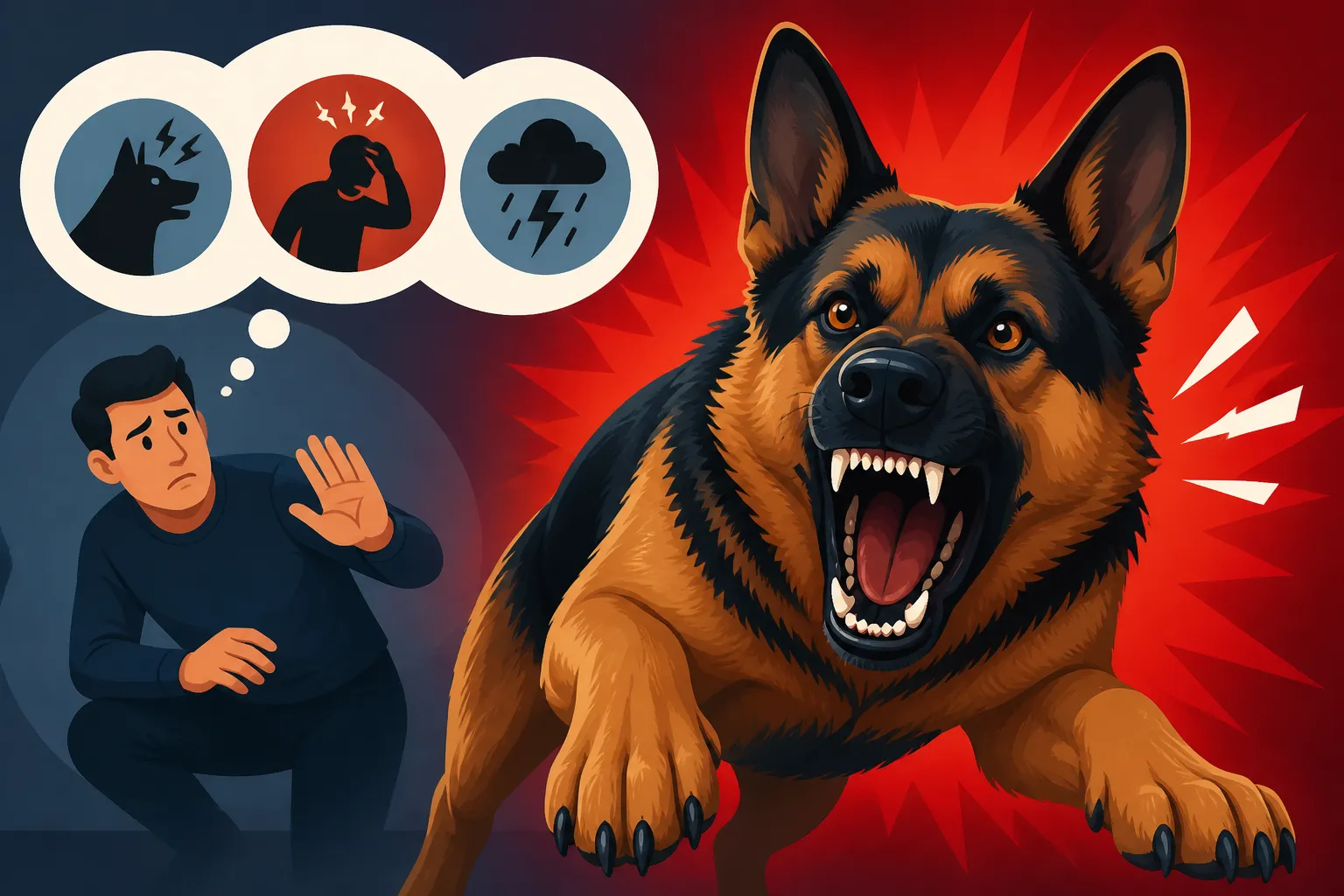
It's incredibly unsettling and frankly, quite frightening, when your loving German Shepherd suddenly displays aggression. One day they're your loyal companion, and the next, they're growling, snapping, or even biting, leaving you wondering what went wrong and how to fix it. This sudden shift isn't just a "phase"; it's a clear signal that something significant has changed for your dog. This comprehensive guide will delve deep into the multifaceted reasons behind sudden aggression in German Shepherds, helping you understand the "why" and, more importantly, guiding you on the path to finding effective solutions.
Unpacking Medical Reasons for Sudden Aggression
When a well-behaved dog suddenly turns aggressive, the first place your mind should go—and your vet should check—is their physical health. It's astounding how often pain or an underlying illness can manifest as a drastic change in temperament. Imagine how irritable and defensive you might become if you were constantly in pain, couldn't communicate it, and someone kept trying to touch your sore spot. Your German Shepherd feels much the same.
Pain and Illness as a Trigger
Pain is a huge factor in sudden aggression. A dog in pain might lash out as a defensive mechanism, especially if they anticipate being touched in an area that hurts. This isn't them being "mean"; it's them trying to protect themselves. Conditions like arthritis, hip or elbow dysplasia, dental issues, ear infections, or even internal organ pain can cause a dog to become unexpectedly snappish. Think about a German Shepherd with a severe ear infection: the intense itching and discomfort could make them react aggressively if you try to clean their ear. It's a primal instinct to guard a vulnerable, hurting part of their body. Even something less obvious, like a spinal issue or a pinched nerve, can cause chronic discomfort that chips away at a dog's patience and leads to unexpected outbursts. If you notice your German Shepherd is How to Tell If a German Shepherd Is in Pain, it's crucial to seek veterinary attention immediately.
Beyond pain, other illnesses can also play a role. Hormonal imbalances, such as those caused by thyroid issues, can significantly alter a dog's mood and behavior. Hypothyroidism, for instance, can lead to lethargy, weight gain, and sometimes, increased irritability or aggression. Diabetes, kidney disease, or liver disease can also cause a dog to feel unwell, disoriented, or generally "off," which might make them more prone to snapping. Even a urinary tract infection can make a dog uncomfortable and irritable, leading to behavioral changes. These conditions aren't always visible on the surface, which is why a thorough veterinary check-up is absolutely non-negotiable when dealing with sudden aggression. Don't underestimate the power of an unseen ailment to transform your dog's personality.
Neurological Conditions Affecting Behavior
Beyond general pain and illness, specific neurological conditions can directly impact a German Shepherd's brain function and, consequently, their behavior. The brain is the control center, after all. Conditions like seizures, even subtle ones that aren't the dramatic "grand mal" type, can cause a dog to become confused, disoriented, and fearful, leading to defensive aggression. Brain tumors are another terrifying but real possibility; depending on their location, they can press on areas of the brain that control temperament, leading to sudden, uncharacteristic aggression. A dog with a brain tumor might also exhibit other signs like stumbling, circling, or changes in appetite, but sudden aggression can be a primary symptom.
Cognitive Dysfunction Syndrome (CDS), often referred to as "doggy dementia," can affect older German Shepherds, leading to confusion, anxiety, and a breakdown in previously learned behaviors. An elderly dog struggling with CDS might lash out because they no longer recognize familiar people or surroundings, or because they are overwhelmed by sensory input they can't process. Even head trauma, sustained weeks or months prior, can sometimes lead to latent neurological issues that manifest as behavioral changes down the line. It's a grim thought, but these neurological factors need to be on the table for discussion with your veterinarian. A vet might suggest imaging like an MRI or CT scan if they suspect a neurological cause, especially if other physical ailments are ruled out. Understanding the full scope of German Shepherd Health Problems Guide is vital for any owner.
Understanding Behavioral and Environmental Triggers
Once medical causes have been thoroughly investigated and, hopefully, ruled out, it’s time to turn our attention to the psychological and environmental factors that can cause a German Shepherd to suddenly become aggressive. Dogs are incredibly perceptive creatures, and subtle changes in their world, or how they perceive it, can have profound effects on their behavior.
Resource Guarding and Territoriality
Resource guarding is a very natural, instinctual behavior where a dog protects items they perceive as valuable—be it food, toys, a favorite resting spot, or even a person. While some dogs might subtly guard from a young age, sudden, intense guarding can emerge later in life. Imagine your German Shepherd has always shared their toys, but suddenly, when you reach for a favorite squeaky ball, they growl. This could be triggered by a new stressor in the household, a perceived threat to their "resources," or simply reaching an age where this instinct becomes more pronounced. They might be protecting their dinner bowl (especially if there's been a change in feeding routine or a new pet introduced), a high-value chew, or even their bed. This behavior is rooted in anxiety about losing something important to them.
Territorial aggression, on the other hand, is directed towards perceived intruders in their space – their home, yard, or even the car. A German Shepherd’s protective instincts are strong, but when they suddenly escalate to aggression towards regular visitors, delivery drivers, or even people passing by the window, it’s a red flag. This might be exacerbated by changes in the environment, like new construction next door, increased foot traffic, or even a poorly secured fence that makes them feel their territory is constantly under threat. The key here is sudden onset; if it’s always been a mild concern, that’s different from a drastic change. Proper German Shepherd Obedience Training Basics can help manage these instincts before they escalate.
Frustration and Redirected Aggression
German Shepherds are highly intelligent and require significant physical and mental stimulation. If their needs aren't being met, they can experience immense frustration, which can boil over into aggression. Picture a German Shepherd stuck in a small apartment all day, with minimal exercise and mental engagement. They might start pacing, barking excessively, or engaging in destructive chewing. This pent-up energy and frustration can lead to sudden outbursts. For example, if a dog is intensely focused on something outside the window – say, a squirrel – and you try to physically remove them from the window, they might snap at you, not because they’re mad at you, but because you’re interfering with their intense, unfulfilled drive. This is known as redirected aggression.
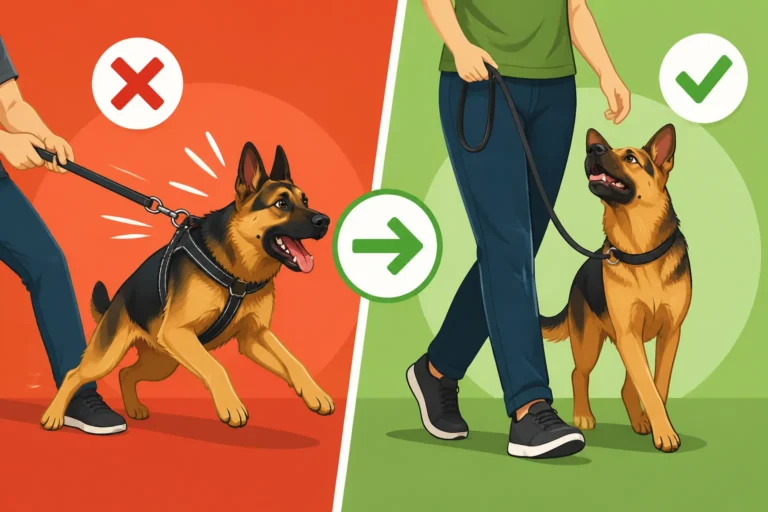
Another common scenario involves frustration on a leash. A German Shepherd might see another dog or person they desperately want to interact with (or, conversely, are fearful of) but can't reach due to the leash. This "leash frustration" can build up, and if their owner then pulls on the leash or tries to redirect them, the dog might redirect their frustration onto the owner, lunging, barking, or even nipping. It's not a personal attack; it's an inability to cope with the situation and an overwhelming feeling of frustration. It highlights the critical importance of understanding German Shepherd Exercise Requirements and providing outlets for their energy.
Lack of Socialization or Training Gaps
Even a well-socialized German Shepherd can experience gaps in their social development if their exposure to new experiences, people, and other dogs isn't consistently maintained. If a German Shepherd puppy was well-socialized but then spent a year in a relatively isolated environment, they might suddenly react aggressively when reintroduced to new stimuli. This isn't malice; it's a lack of coping mechanisms and fear of the unknown. They might never have learned how to appropriately interact with children, or perhaps they had a negative experience with a specific type of dog, leading to a generalization of fear.
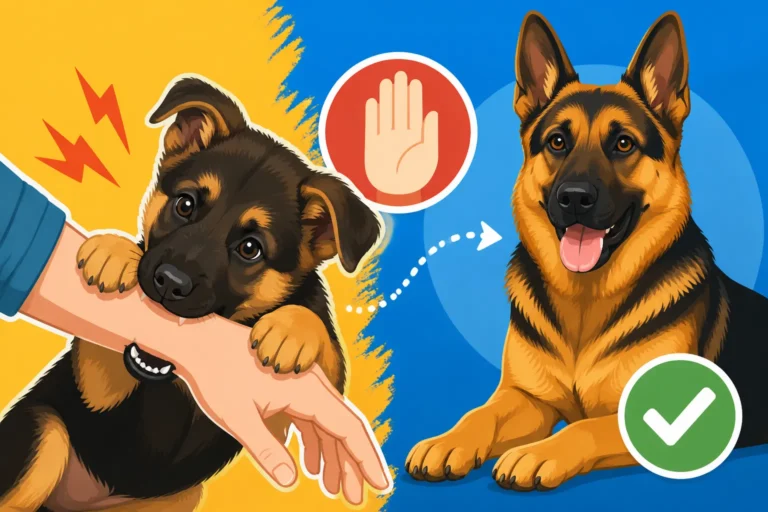
Similarly, training gaps can contribute to sudden aggression. Perhaps a dog learned basic commands but was never truly proofed in varied environments, or perhaps specific problem behaviors were never fully addressed. A German Shepherd might not have a solid "leave it" or "stay" command, leading to situations where their instincts take over, and they act aggressively when they feel they have no other choice. If they've never learned bite inhibition, a sudden snap can be more damaging. Sometimes, owners unintentionally reinforce aggressive behaviors without realizing it. For instance, if a dog growls at a stranger and the owner immediately removes the dog from the situation, the dog learns that growling works to make the "threat" disappear. Addressing these gaps, potentially through resources like BAXTER & Bella's online training programs, can be incredibly helpful for owners needing guidance on specific behavioral issues. A solid foundation in German Shepherd Puppy Training Guide is ideal, but addressing issues later is still possible.
Delving into Fear and Anxiety-Related Aggression
One of the most common, and often misunderstood, reasons for sudden aggression in any dog, including the brave German Shepherd, is fear. When a dog feels threatened, insecure, or overwhelmed, aggression can be their last resort – a desperate attempt to create distance or protect themselves from a perceived danger. It's rarely about dominance; it's almost always about self-preservation.
Traumatic Experiences or Negative Associations
Just like humans, dogs can be deeply affected by traumatic experiences. A single, profoundly negative event can leave a lasting scar on a German Shepherd's psyche, leading to sudden aggression when they encounter something that reminds them of that trauma. Imagine a dog that was startled by a loud motorcycle backfire during a walk. Months later, the sudden roar of any motorcycle might trigger a fear response, causing them to lunge, bark, or even attempt to bite out of sheer terror. It’s not an act of defiance, but a deeply ingrained survival instinct kicking in.
These negative associations aren't always dramatic. They can be subtle and cumulative. For instance, if your German Shepherd repeatedly has unpleasant interactions with children who pull their tail or poke them, they might develop a fear of all children and suddenly growl or snap when a child approaches, even if that child means no harm. The perceived threat is based on past negative experiences. Similarly, a dog that was once attacked by another dog might develop "dog-on-dog" aggression, lashing out at any unfamiliar canine, even if most interactions were positive before the traumatic event. Understanding and addressing these deep-seated fears is a critical part of solving the problem. The article on German Shepherd Behavior Problems and Solutions touches on many related issues.
Lack of Confidence and Learned Helplessness
German Shepherds are naturally confident dogs, but individual personalities and life experiences can lead to significant variations. A dog with underlying anxiety or a general lack of confidence might resort to aggression when faced with situations they feel incapable of handling. Instead of retreating or shutting down, they "front" with aggression, hoping to make the scary thing go away. This can be seen in dogs who were poorly socialized as puppies and never built up resilience, or those who were subjected to harsh, punitive training methods that eroded their self-esteem.
Learned helplessness can also play a role. If a German Shepherd has consistently been put in stressful situations from which they could not escape (e.g., being constantly approached by off-leash dogs while on a leash, without their owner intervening effectively), they might learn that defensive aggression is their only recourse. They’ve tried to signal their discomfort with subtle cues – whale eyes, lip licks, tail tucks – but these were ignored or misunderstood. Eventually, they skip the subtle signals and go straight to the growl or snap, feeling helpless and believing they need to defend themselves more overtly. It's a sad state when a dog feels they have no other choice but to resort to such extreme measures. Addressing a dog's general anxiety, even conditions like German Shepherd Separation Anxiety Solutions, can lay groundwork for building confidence.
Addressing and Managing Sudden Aggression
Witnessing sudden aggression in your German Shepherd is alarming, but it’s a problem that can often be managed and improved with the right approach. It requires patience, consistency, and often, professional guidance. Remember, your dog isn't trying to be "bad"; they are communicating a problem.
Immediate Steps and Safety Precautions
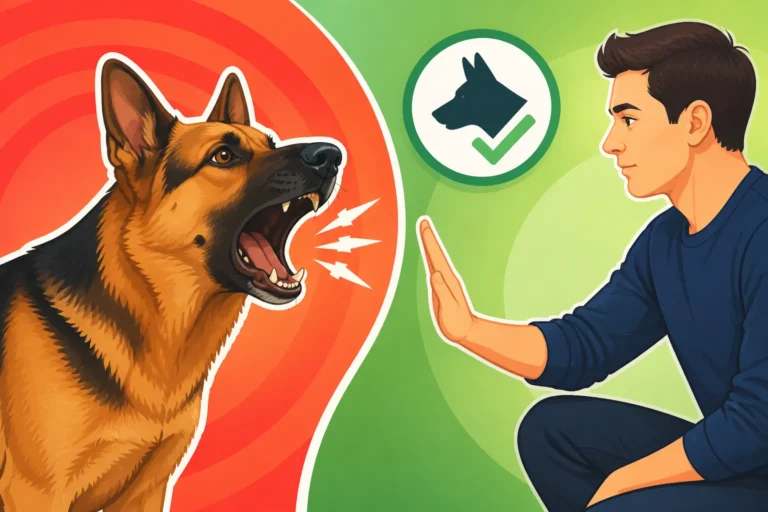
When a German Shepherd suddenly shows aggression, your absolute first priority is safety for everyone involved—humans and other pets. This means immediate management of the environment to prevent further incidents. If your dog is suddenly resource guarding, calmly remove the high-value item, or remove the dog from the area. If they’re showing territorial aggression towards guests, secure them in a separate, comfortable room with water and a safe chew toy before anyone enters your home. Never try to punish aggression with force; this can escalate the situation, teaching your dog that they need to defend themselves even more intensely, and can break the trust you have.
Invest in appropriate safety equipment. A well-fitting muzzle, like those available on Amazon from brands like Baskerville, can be an invaluable tool, not for punishment, but for allowing you to safely assess situations and work with your dog without the risk of bites. Use it cautiously and positively, associating it with treats and pleasant experiences, never as a punitive measure. Leashes, gates, and crates are also crucial for managing space and preventing accidental encounters that could trigger aggression. Keep a detailed log of when and where the aggressive episodes occur, noting triggers, the intensity of the reaction, and any preceding events. This information will be invaluable for your vet and any behavior professional you consult.
Professional Intervention and Training Approaches
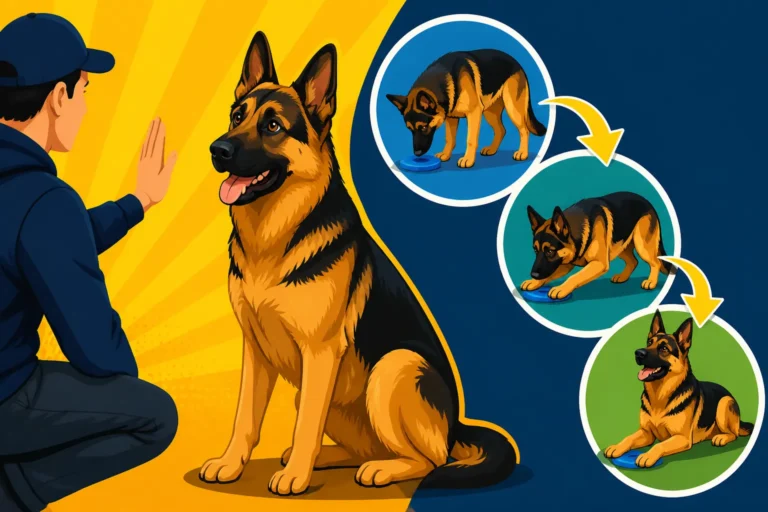
Once medical issues are ruled out, consulting with a qualified professional is the next critical step. This isn't just about "training" in the traditional sense; it's about addressing complex behavioral issues. Look for a Certified Professional Dog Trainer (CPDT-KA), a Certified Applied Animal Behaviorist (CAAB), or a Veterinary Behaviorist (DACVB). These professionals have specialized knowledge in canine behavior and aggression. A good professional will assess your dog's history, observe their behavior, and help you understand the root cause of the aggression. They will develop a tailored modification plan that often involves positive reinforcement, counter-conditioning, and desensitization.
For instance, if your dog is reactive to other dogs on walks, a trainer might teach you how to calmly walk them, reward them for looking at you instead of lunging, and gradually expose them to other dogs at a safe distance where they don't react, slowly decreasing the distance as they become more comfortable. This is a far cry from simply punishing them for barking. Online platforms like BAXTER & Bella can offer foundational training skills that are essential, but for sudden, serious aggression, a one-on-one professional consultation is usually paramount. They can help you implement strategies to How to Stop German Shepherd Aggression effectively and humanely.
Here's a quick look at common types of aggression and their typical triggers:
| Type of Aggression | Common Triggers | Typical Manifestations | Management Strategies |
|---|---|---|---|
| Pain-Induced | Injury, illness, chronic pain | Growling, snapping when touched; guarding body part | Vet examination, pain management, gentle handling |
| Fear-Based | Unfamiliar people, dogs, loud noises, new places | Cowering, lunging, barking, snapping, biting | Desensitization, counter-conditioning, confidence building |
| Resource Guarding | Food, toys, bed, owner, space | Growling, stiff body language, snapping over items | Management (remove items), "trade-up" game, controlled feeding |
| Territorial | Strangers, other animals entering perceived space | Barking, lunging, charging at boundaries | Management (secure dog), desensitization to visitors, barrier work |
| Redirected | Frustration (e.g., on leash, behind window) | Snapping at nearest person/object when frustrated | Identify and remove frustrators, provide appropriate outlets |
| Neurological/Hormonal | Brain tumors, thyroid issues, cognitive decline | Sudden, unpredictable, uncharacteristic outbursts | Vet consultation, medication, environmental management |
Long-Term Management Strategies
Managing sudden aggression in a German Shepherd is often a long-term commitment, not a quick fix. It involves consistent application of training, environmental management, and a deep understanding of your dog's needs. Maintaining a structured routine can greatly reduce anxiety. Ensure your dog receives adequate mental and physical exercise daily – German Shepherds need to work their brains and bodies. Puzzle toys from Amazon, daily training sessions, and varied walks can all help. Consistency in rules and boundaries also provides a sense of security for your dog.
Ongoing socialization, done safely and positively, can help maintain and improve your dog's comfort with the world. This doesn't mean forcing them into situations they can't handle, but rather controlled, positive exposure. Regular veterinary check-ups are also crucial, as underlying health issues can always re-emerge or develop. Consider dietary changes with your vet's guidance, as some dogs benefit from specific diets or supplements, like calming chews (also available on Amazon) if anxiety is a major component. Patience and empathy are your greatest assets. Celebrate small victories, and understand that setbacks can happen. Your German Shepherd relies on you to understand their distress and guide them through it. Continued learning, perhaps through courses on How to Train an Adult German Shepherd, will equip you with even more tools.
Disclaimer
The information provided in this article is for general educational purposes only and is not a substitute for professional veterinary or behavioral advice. If your German Shepherd is exhibiting sudden aggression, please consult with a qualified veterinarian immediately to rule out any underlying medical conditions. After medical causes are addressed, seek guidance from a certified professional dog trainer or veterinary behaviorist.