How to Leash Train a German Shepherd Puppy
Oh, the joy and sometimes sheer frustration of bringing home a German Shepherd puppy! Those adorable bundles of fluff quickly turn into energetic, curious, and often strong-willed youngsters who discover the wide, exciting world waiting just beyond your doorstep. But what starts as a gentle tug can soon become a full-blown wrestling match with a leash, leaving you feeling dragged down the street rather than enjoying a peaceful stroll. This comprehensive guide is here to walk you through the ins and outs of leash training your German Shepherd puppy, transforming those chaotic walks into enjoyable bonding experiences.
Why Leash Training is Crucial for German Shepherd Puppies
Leash training isn't just about teaching your German Shepherd to walk politely beside you; it's a foundational element of their overall development, safety, and well-being. Think of it as teaching them good manners for the outside world, setting them up for a lifetime of positive interactions and adventures. Without proper leash training, even simple vet visits or trips to the park can become incredibly stressful for both you and your growing pup.
The Importance of Early Intervention
Starting leash training early is absolutely paramount for German Shepherd puppies. These dogs are intelligent, powerful, and grow incredibly fast. What might be a cute little tug at 8 weeks old becomes a significant challenge when your 80-pound adult dog decides to chase a squirrel. Puppies are like sponges; they soak up information, both good and bad, at an astonishing rate. If you allow bad habits to form, like pulling or jumping on the leash, they become deeply ingrained and much harder to correct later on.
Early intervention also means capitalizing on their developmental stages. Puppies have a critical socialization window that begins around 3 weeks and closes around 16 weeks. During this time, they are most open to new experiences and learning. Introducing them to the leash and the concept of walking politely during this period allows them to associate these experiences with positive feelings, rather than fear or resistance. It’s not just about physical training, but also about shaping their emotional response to the world outside your home.
Preventing Future Behavioral Issues
A German Shepherd who hasn't been properly leash trained can develop a host of behavioral issues that go beyond just pulling. Leash frustration can escalate into German Shepherd Reactivity on Walks, where your dog barks, lunges, or growls at other dogs, people, or objects. This isn't usually due to aggression but rather a combination of overstimulation, lack of self-control, and the inability to properly greet or interact with their environment. Imagine being constantly restrained from doing what you want; it’s bound to lead to some level of frustration.
Furthermore, a lack of leash control can lead to dangerous situations. A German Shepherd lunging into traffic, dragging you towards an aggressive dog, or escaping their collar to run off can have serious consequences. Proper leash training instills impulse control, reinforces your leadership, and teaches your puppy to look to you for guidance, rather than reacting solely on instinct. It's a key component in building a calm, confident, and well-adjusted companion who can handle various environments safely.
Building a Strong Bond and Trust
Beyond the practicalities, effective leash training is a powerful tool for strengthening the bond between you and your German Shepherd. When you train positively, using rewards and praise, you become the source of all good things. Your puppy learns to trust you, understands your expectations, and sees you as a reliable leader who guides them safely through the world. This shared experience, working together towards a common goal, builds a foundation of mutual respect and understanding.
Think about the feeling of successfully navigating a busy street with your dog walking calmly by your side, or the pride of having them heel perfectly past another dog without a fuss. These moments are incredibly rewarding and reinforce the partnership you share. Conversely, if every walk is a struggle, it can strain your relationship, making you dread outings and limiting the quality time you spend together. A well-leash-trained German Shepherd is a pleasure to be with, opening up a world of possibilities for hiking, visiting pet-friendly places, and simply enjoying peaceful neighborhood strolls.
Essential Gear for German Shepherd Leash Training
Before you even think about stepping outside, gathering the right equipment is crucial. The market is flooded with options, and it can be overwhelming to know what's truly effective for a strong, growing German Shepherd. Choosing the right tools can make all the difference in comfort for your puppy and control for you.
Choosing the Right Collar and Leash
For German Shepherd puppies, starting with a flat buckle collar is typically the best option. It’s comfortable, lightweight, and allows them to get used to the sensation of wearing a collar without any undue pressure. Ensure it fits snugly enough that you can only fit two fingers underneath, but not so tight that it chokes them. As they grow, you might consider a martingale collar, especially if they are prone to slipping out of a standard collar. A martingale tightens just enough to prevent escape without putting continuous pressure on their neck. Avoid choke chains or prong collars for puppies, as these can cause pain, fear, and potential physical damage if used improperly.
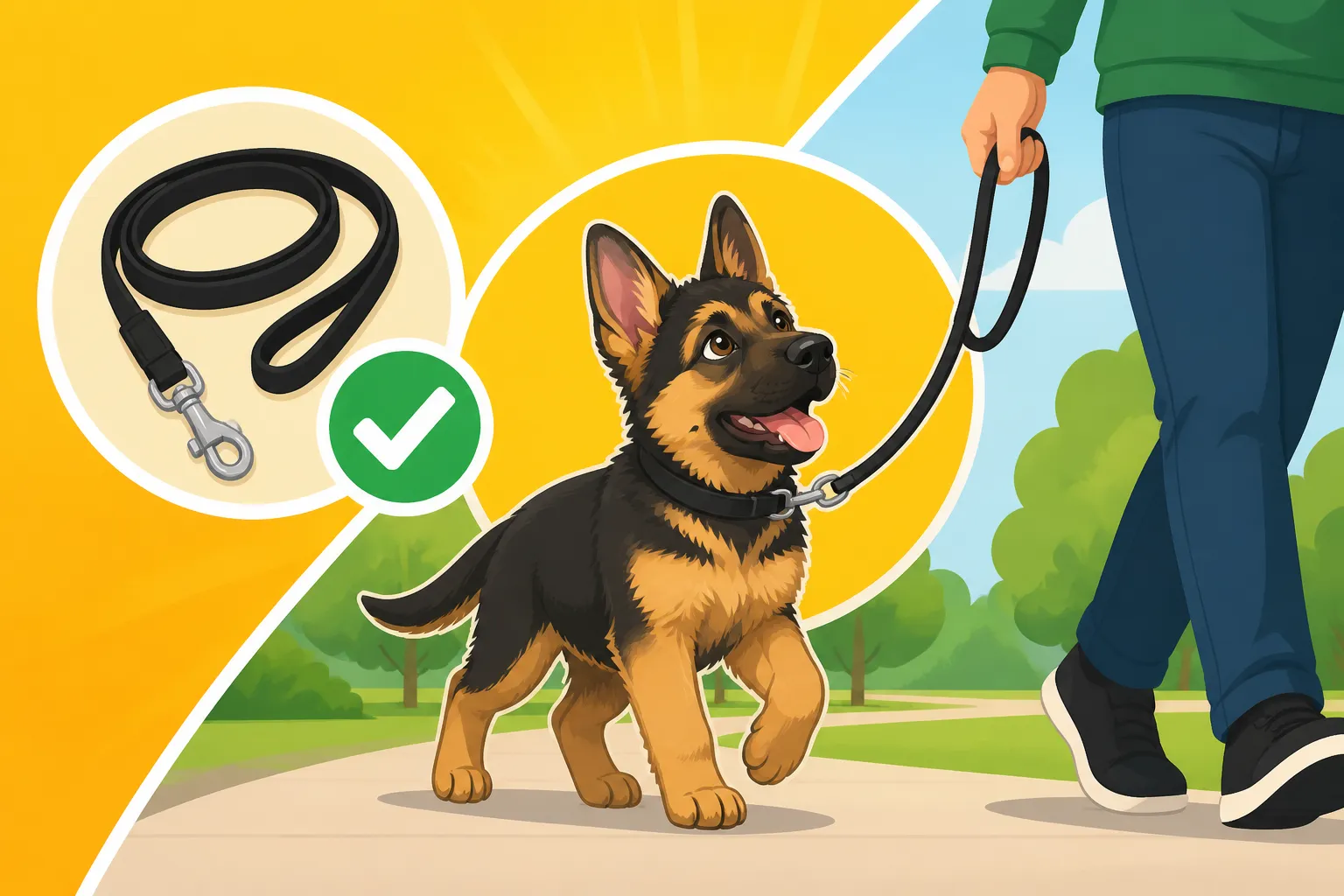
When it comes to leashes, a standard 6-foot nylon or leather leash is your go-to. Nylon is durable and easy to clean, while leather offers a more comfortable grip and greater longevity. Avoid retractable leashes entirely, especially for large breeds like German Shepherds. They offer little control, teach your dog to pull (because tension is constant), and can be dangerous if the dog suddenly bolts or tangles you or others. You want a fixed-length leash that gives you consistent communication with your puppy. You can find a wide variety of these essential training items on platforms like Amazon, making it easy to stock up.
Harnesses: When and Why
Harnesses can be a valuable tool, but not all harnesses are created equal for leash training a German Shepherd puppy. A standard back-clip harness, where the leash attaches to a ring on the dog's back, often encourages pulling by engaging their opposition reflex, much like a sled dog. While comfortable, it provides less control and can make pulling worse for strong puppies.
For training, a front-clip harness (also known as a "no-pull" harness) is often recommended. These harnesses have the leash attachment point on the dog's chest. When your puppy pulls, the leash redirects them to the side, turning their body and making it difficult to pull forward. Brands like Balance Harness or Easy Walk Harness are popular choices. These can be particularly helpful for puppies who are strong pullers or for owners who need a bit more leverage during the learning phase. However, harnesses don't magically teach a dog not to pull; they are tools to manage pulling while you actively teach polite leash walking. They're a great aid but should always be combined with consistent training.
Training Treats and Pouches
Positive reinforcement is the cornerstone of effective German Shepherd puppy leash training, and high-value treats are your best friend. These aren't just any old kibble; we're talking about soft, pea-sized, incredibly tasty morsels that your puppy will work hard for. Think small pieces of cooked chicken, cheese, hot dogs, or commercially available soft training treats. The higher the value of the treat, the more motivated your puppy will be to perform the desired behavior.
A training treat pouch is also essential. This allows you to have treats readily accessible without fumbling, ensuring you can reward your puppy the exact moment they do something right. Timing is everything in dog training. A good pouch will attach to your belt or waistband, have a wide opening for easy access, and perhaps a smaller pocket for keys or poop bags. Having these tools ready ensures that you’re prepared to reinforce good behavior consistently, making training sessions smooth and effective.
Here's a quick comparison of popular leash training gear:
| Gear Type | Description | Pros | Cons | Best Use Case |
|---|---|---|---|---|
| Flat Buckle Collar | Standard collar, usually nylon or leather, with a buckle closure. Leash attaches to a D-ring. | Comfortable, good for identification, easy to put on/take off. | Offers little control if dog pulls excessively or slips out easily. | Initial puppy familiarization, ID tag holder. |
| Martingale Collar | Loop design that tightens gently when dog pulls, preventing escape. | Prevents escape without choking, good for dogs with narrow heads. | Can still allow some pulling if not combined with training. | Dogs prone to backing out of collars, moderate control. |
| Front-Clip Harness | Leash attaches at the dog's chest. Redirects dog sideways when they pull. | Reduces pulling significantly, provides good control, gentle on the neck. | Can sometimes restrict shoulder movement if not fitted correctly; still requires training. | Strong pullers, owners needing more leverage, dogs with neck sensitivities. |
| Standard Back-Clip Harness | Leash attaches at the dog's back. | Comfortable, distributes pressure across the chest. | Can encourage pulling (opposition reflex), less control for strong dogs. | Dogs that don't pull, small dogs, less active dogs. |
| Standard 6-Foot Leash | Fixed-length leash (nylon or leather) typically 4-6 feet long. | Consistent communication, good control, durable. | Requires owner to manage slack; not suitable for off-leash training areas without a long line. | Everyday walks, training sessions. |
| Avoid Retractable Leash | Extends and retracts, allowing dog to range far. | Gives dog more freedom to roam. | Dangerous, teaches pulling, poor control, can cause injuries to dog or owner. | None for training or safe walking. |
Starting Leash Training Indoors: The Foundation
Before you even dream of a peaceful stroll around the block, you need to lay the groundwork indoors. This phase is all about positive associations and teaching the fundamental concepts in a low-distraction environment. Remember, patience is your most valuable tool here.
Acclimating Your Puppy to the Collar and Leash
The very first step is making the collar and leash a non-event, something your puppy associates with good things, not restriction. Start by simply putting the collar on for a few minutes while you're playing or feeding them. Distract them with treats or a favorite toy. Take it off before they start to itch or fuss. Gradually increase the time they wear it. The goal is for them to barely notice it. You can learn more about managing this in a broader context by checking out our German Shepherd Puppy Training Guide.
Once they're comfortable with the collar, attach the leash indoors. Let them drag it around for a few minutes under close supervision (so they don't chew it or get tangled). Again, make it a positive experience with treats and praise. The leash should be light enough that it doesn't bother them. Short, positive sessions are key. The aim is to create a positive emotional response to the equipment, establishing a foundation of trust and comfort before any actual "walking" begins. This phase might take a few days or even a week, depending on your puppy’s temperament.
First Steps: Short Sessions and Positive Reinforcement
With your puppy comfortable in their gear, it's time for the very first "walks"—inside your home. Hold the end of the leash and simply encourage your puppy to follow you. Take a few steps, and as soon as the leash is loose and they move with you, say "Yes!" or "Good!" and offer a high-value treat. Then stop. Repeat this process many, many times. The focus here is on rewarding the loose leash. Don't pull or yank; entice them with treats.
If your puppy resists or pulls, stop moving. Wait patiently for the leash to slacken, even for a second, then reward and try again. This teaches them that pulling gets them nowhere, but a loose leash earns rewards. Keep these sessions very short, perhaps 2-5 minutes, several times a day. End on a positive note. Consistency is vital. Every positive interaction with the leash builds confidence and reinforces the desired behavior. Remember, your puppy is learning a completely new skill, so celebrate every small success.
Teaching "Heel" and "Watch Me" Indoors
Now that your puppy accepts the leash, it's time to introduce some control. Two commands, "Heel" and "Watch Me," are invaluable for leash training. For "Heel," with your puppy on your left side (or whichever side you prefer), hold a treat near their nose. Lure them into position by your side, taking a step or two. As they follow in the correct spot, praise and reward. Gradually increase the number of steps. The goal is for them to understand that "heel" means walking politely by your side with a loose leash.
The "Watch Me" command is a game-changer for redirecting attention away from distractions. Hold a treat near your nose and say "Watch Me." When your puppy looks you in the eyes, immediately say "Yes!" and reward. Practice this in various rooms with increasing (but still low) distractions. Being able to gain your German Shepherd's attention on command will be incredibly useful once you venture outdoors, especially in distracting environments. Many online puppy training programs, like those offered by BAXTER & Bella, incorporate these fundamental commands into their modules, providing structured guidance.
Moving Outdoors: Navigating Distractions
Once your German Shepherd puppy is a pro at loose-leash walking indoors and understands basic commands, it's time to face the real world. This is where the training gets a bit more challenging, as distractions multiply, but it's also where your careful indoor foundation will truly pay off.
Choosing the Right Environment for Outdoor Training
Don't jump straight into a bustling city park on your first outdoor training session. Start in a quiet, low-distraction environment. Your own backyard or a very quiet cul-de-sac or dead-end street are ideal. The goal is to gradually expose your puppy to new sights, sounds, and smells without overwhelming them. Too many distractions too soon can lead to frustration and setbacks, making your puppy shut down or become overly excited.
As your puppy gains confidence in these quieter spaces, slowly introduce them to slightly more stimulating environments. Perhaps a quiet neighborhood street during off-peak hours, or an empty park. Always pay close attention to their body language. Are they scanning nervously, pulling towards every scent, or staying relatively focused on you? Adjust the environment's level of distraction based on their comfort and success. Remember that this is also part of their broader How to Socialize a German Shepherd journey, ensuring they have positive experiences with the outside world.
Managing Excitement and Overwhelm
The outdoors is a sensory explosion for a puppy, and German Shepherds, with their high intelligence and prey drive, can get easily overstimulated. When your puppy gets overly excited – jumping, pulling, or trying to sniff everything – it’s crucial to manage it calmly. If they start pulling, use the same technique you practiced indoors: stop moving immediately. Don't resume walking until the leash is loose. This teaches them that calm behavior gets them what they want (to keep moving), while pulling stops the fun.
If your puppy becomes completely overwhelmed or shuts down, it might be too much, too soon. Take them back to a quieter area, or even indoors, and restart with a simpler task. Use your "Watch Me" command to regain their focus when distractions arise. When they offer you their attention, even for a second amidst the chaos, reward them heavily. It's about teaching them to choose to pay attention to you despite the fascinating world around them. Short, positive, and successful training sessions are far more valuable than long, frustrating ones.
Practicing Leash Manners in Public
As your German Shepherd puppy progresses, you'll want to practice leash manners in more public settings. This means walking past other dogs, people, children, bikes, and cars. Each new distraction is an opportunity to reinforce their training. When you see a potential distraction approaching, preemptively use your "Watch Me" command or lure them into a "Heel" position with a treat. Reward them for maintaining focus on you or walking calmly past the distraction.
If they react to a distraction by pulling or lunging, stop, regroup, and regain their focus before moving on. Consistency here is paramount. Don't let them practice bad habits. If you find a particular distraction, like other dogs, is too much, increase the distance between your puppy and the trigger, and gradually decrease it as they improve. Remember, every walk is a training opportunity, and by being proactive and consistent, you can mold your German Shepherd into a confident and polite walking companion.
Common Leash Training Challenges and Solutions
Even with the best intentions and consistent training, you're bound to encounter some bumps in the road. German Shepherds are smart and energetic, and they'll test boundaries. Understanding common challenges and having strategies to address them will help you navigate these moments without losing your cool.
Pulling on the Leash
Ah, the classic German Shepherd pull. It often feels like you're attached to a freight train, doesn't it? This is usually because they’ve learned that pulling gets them to where they want to go faster. The key to solving this is to break that association entirely. Implement the "Be a Tree" method: the instant your puppy starts to pull, stop dead in your tracks. Don't move forward again until the leash goes slack, even for a moment. Then, immediately praise and continue walking. If they pull again, stop again. This teaches them that pulling literally gets them nowhere.
Another effective technique is changing direction frequently. Every time your puppy gets ahead of you or starts to pull, calmly turn and walk in the opposite direction. Your puppy will be surprised and have to reorient themselves to catch up, often resulting in a loose leash. When they come alongside you, reward them. The constant changes in direction keep them engaged and focused on you, rather than just pulling forward. Combining these techniques with a front-clip harness can provide additional leverage and make the process easier on your arms. Patience and repetition are crucial here; it will take time for them to unlearn the pulling habit.
Leash Reactivity and Barking
Leash reactivity, where your German Shepherd puppy barks, growls, or lunges at other dogs, people, or objects while on leash, is a common and often distressing problem. This behavior typically stems from a mix of fear, frustration, overexcitement, or a lack of proper socialization. It's rarely about true aggression. If you're noticing these behaviors, consider our guide on German Shepherd Behavior Problems and Solutions for a broader perspective.
To address leash reactivity, you need to manage your puppy's environment and change their emotional response. The goal is to keep them under threshold, meaning at a distance from the trigger where they notice it but don't react negatively. This might be a block away at first. When they see the trigger from this safe distance, and they remain calm, immediately reward them with high-value treats. This is called desensitization and counter-conditioning: you're changing their negative association (trigger = scary/frustrating) to a positive one (trigger = treats!). Slowly, over weeks or months, you can gradually decrease the distance as your puppy becomes more comfortable. It's a marathon, not a sprint, and professional help from a certified trainer might be beneficial for severe cases.
Refusal to Walk or Freezing
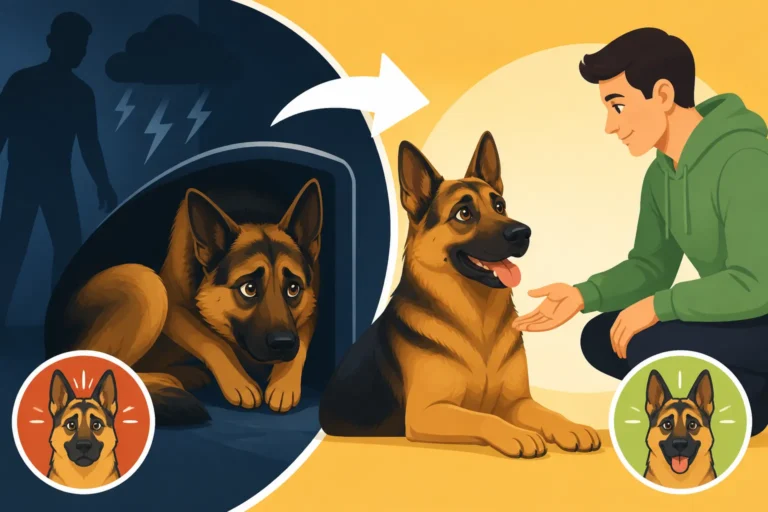
Sometimes, instead of pulling, your German Shepherd puppy might plant their feet, freeze, or even lie down, refusing to move. This can be confusing and frustrating, especially if you're trying to get somewhere. This behavior usually indicates fear, anxiety, or simply being overwhelmed by their environment. It’s their way of saying, "I'm not comfortable here."
First, avoid dragging or forcing them. This will only increase their fear and create negative associations with the leash and walks. Instead, try to identify what's making them uncomfortable. Is it a strange noise, a new person, or just the overall sensory input? Once you've identified a potential trigger, try to increase the distance from it. Then, use positive reinforcement. Lure them forward with a high-value treat, praising them for every tiny step they take. You can also try changing direction to see if a different route is less intimidating. Sometimes, a confident and cheerful tone from you, along with some encouragement, can help them overcome their hesitation. If it's a consistent issue, consider starting your outdoor sessions in even quieter, more familiar places and gradually building up their confidence. If your puppy is still quite young, understanding their German Shepherd Growth Plates and Exercise limits can also help prevent overexertion or discomfort that might lead to refusal.
Advanced Leash Skills and Consistency
Once your German Shepherd puppy has mastered the basics of loose-leash walking and can navigate distractions with relative calm, it's time to refine those skills and ensure consistency throughout their life. Leash training isn't a "one and done" task; it's an ongoing journey of reinforcement and learning.
Off-Leash Reliability with Long Lines
While true off-leash reliability is a complex skill that often requires extensive training in controlled environments, you can start building the foundation with a long line. A long line (15-30 feet) allows your German Shepherd puppy to explore a bit more freely in a safe, enclosed area while still giving you control. This is excellent for practicing recall in a way that mimics off-leash freedom. Let your puppy wander, then call their name and cheerfully give the "Come" command. When they return, reward them enthusiastically. If they don't come, gently reel them in with the long line, making it clear that "Come" is non-negotiable, then reward.
Long lines are also fantastic for building confidence in more open spaces and practicing recall games. Always use a harness with a long line to avoid neck injuries if your puppy suddenly hits the end of the line at a run. This step is crucial for transitioning from strict leash walking to more freedom, teaching them boundaries and recall without the immediate danger of them bolting. Remember, off-leash privileges are earned through consistent and reliable recall, and a long line is an essential bridge.
Maintaining Training Through Adolescence
The German Shepherd adolescent phase, typically from 6 months to 2 years, can feel like a step backward in training. Your once-attentive puppy might suddenly seem to "forget" everything they learned, testing boundaries and becoming more independent. This is normal! Their brains are undergoing significant changes, hormones are fluctuating, and they are pushing the limits to figure out their place in the world. Our guide on German Shepherd Training Timeline by Age delves deeper into these developmental stages.
During this period, consistency becomes even more vital. Don't get discouraged if you have to revisit basic exercises or increase your treat value. Double down on short, positive training sessions. Continue to reward good behavior heavily and immediately. Don't let new bad habits form. If your adolescent German Shepherd starts pulling again, go back to the "Be a Tree" method or frequent direction changes. It's important to be patient but firm, reinforcing the rules you've established. This challenging phase will pass, and your consistent efforts will solidify their good manners for life.
Professional Help and Ongoing Education
There's no shame in seeking professional help. Sometimes, despite your best efforts, you might encounter specific challenges that feel insurmountable, or your German Shepherd puppy might have unique behavioral quirks that require expert guidance. A certified professional dog trainer or a veterinary behaviorist can provide personalized advice, identify underlying issues, and teach you advanced techniques. They can also provide a fresh perspective and help you troubleshoot problems you might be overlooking.
Ongoing education is also key to being a responsible German Shepherd owner. Attend advanced obedience classes, explore dog sports like rally obedience or IGP (though be mindful of your puppy's developing joints as discussed in German Shepherd Exercise Requirements), or simply keep learning through reputable books, websites, and online resources. Companies like BAXTER & Bella offer comprehensive online training programs that can be invaluable for owners at all stages, providing structured lessons and community support. The more you understand about dog behavior and training, the more effectively you can communicate with and guide your German Shepherd, ensuring a well-behaved and happy companion for their entire German Shepherd Lifespan: How Long They Live.
Disclaimer
Please remember that this guide provides general information and should not replace professional veterinary advice or certified dog trainer guidance. Every German Shepherd is an individual, and training methods may need to be adjusted based on your dog's specific temperament, health, and circumstances. Always prioritize your dog's safety and well-being.