How to Train a German Shepherd Off-Leash
The dream of having your German Shepherd trot happily beside you, off-leash, responding to your every cue, is a common one. Yet, for many of us, that vision feels miles away, constantly battling distractions, the fear of them bolting, or simply not knowing where to even begin. It's a real frustration to feel like your dog isn't quite reaching their full potential for freedom and trust. This comprehensive guide is here to unravel the complexities, offering a step-by-step approach to achieve reliable off-leash control, deepening the incredible bond you share with your intelligent companion.
Understanding the German Shepherd Off-Leash Mindset
Before you even think about unclipping that leash, it’s crucial to understand the magnificent creature at the other end. German Shepherds are not just pets; they are highly intelligent, driven working dogs with centuries of selective breeding shaping their instincts. This is both their greatest asset and your biggest challenge when aiming for off-leash reliability.
The German Shepherd's Natural Drive and Challenges
German Shepherds possess an inherent set of traits that make off-leash training a unique endeavor. Their intelligence means they learn quickly, but it also means they can get bored, or worse, decide to problem-solve independently when distractions arise. They often have a strong prey drive, an instinct to chase moving objects like squirrels, rabbits, or even distant joggers. This isn't naughtiness; it's deeply ingrained. They were bred for herding and protection, which means they are acutely aware of their surroundings and can be easily diverted by sights, sounds, and smells that might go unnoticed by less attentive breeds. Their natural guarding instincts, while wonderful for protection, can sometimes translate into reactivity towards unfamiliar dogs or people if not managed carefully.
It’s completely normal to feel like you’re battling their nature sometimes. Many owners experience the frustration of their German Shepherd suddenly "going deaf" when a particularly interesting smell hits their nose or another dog appears on the horizon. This isn't a reflection of your training failures but rather the power of their natural instincts taking over. Acknowledging these drives is the first step; learning to work with them, rather than against them, is the key to success.
Building Foundational Obedience and Trust
Off-leash reliability isn't just about teaching a few commands; it's about forging an unbreakable bond of trust and mutual respect. Your German Shepherd needs to trust that you will keep them safe, and you need to trust that they will listen to you, even when the world throws every conceivable distraction their way. This starts with rock-solid foundational obedience, practiced diligently on a leash in various environments.
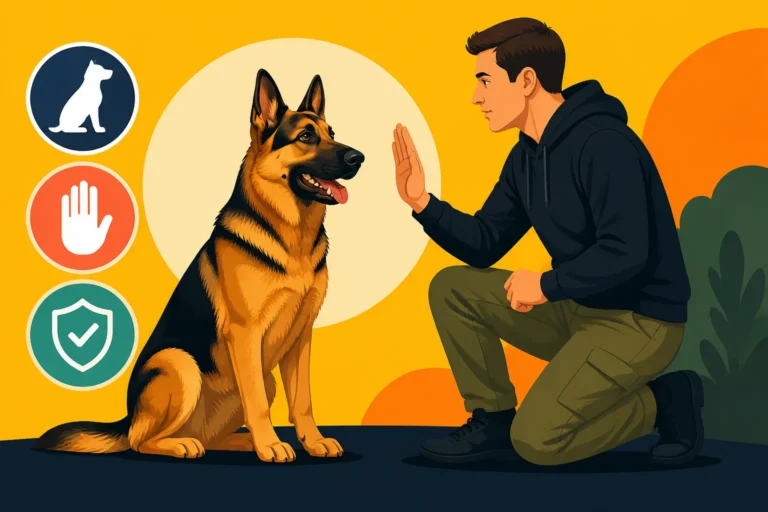
Commands like "sit," "stay," "down," "heel," and especially a lightning-fast recall are not just tricks; they are lifelines. They build the communication bridge that allows your German Shepherd to understand what you want, even when tempted by external stimuli. Think of it as building a strong house: you wouldn't start with the roof before the foundation is laid. Similarly, off-leash work requires an unshakeable foundation of on-leash obedience. Every successful command, every consistent reward, and every patient training session reinforces their understanding and strengthens their desire to work with you. This trust is the bedrock upon which all future off-leash freedom will be built.
Essential Prerequisites: Mastering On-Leash Control First
Before you even think about taking the leash off, you absolutely must have supreme control over your German Shepherd while they are on it. Skipping these critical steps is like trying to run a marathon before you can walk – it's going to end in frustration, potential danger, and a lot of wasted effort.
Perfecting the Recall Command
If there is one command that is the cornerstone of off-leash training, it is the recall. Your German Shepherd must come to you immediately, every single time, without hesitation, regardless of what they are doing. This isn't just about convenience; it's about their safety. A reliable recall can prevent them from running into traffic, getting into a fight with another dog, or disappearing into the woods.
Start by practicing "come" in a low-distraction environment, like your quiet backyard. Use incredibly high-value treats – we're talking cooked chicken, cheese, or their absolute favorite store-bought treats – and make it a party when they return. Get excited, praise them lavishly, and give them the best rewards. Never use "come" to do something unpleasant, like ending playtime or going to the vet, unless you immediately follow it with something positive. Gradually increase the distance and introduce minor distractions, always ensuring success before moving on. The goal is 100% compliance, 100% of the time, before you even consider off-leash work. For a detailed breakdown of this vital skill, you might find our guide on German Shepherd Recall Training: Step-by-Step incredibly helpful.
Achieving a Solid "Stay" and "Wait"
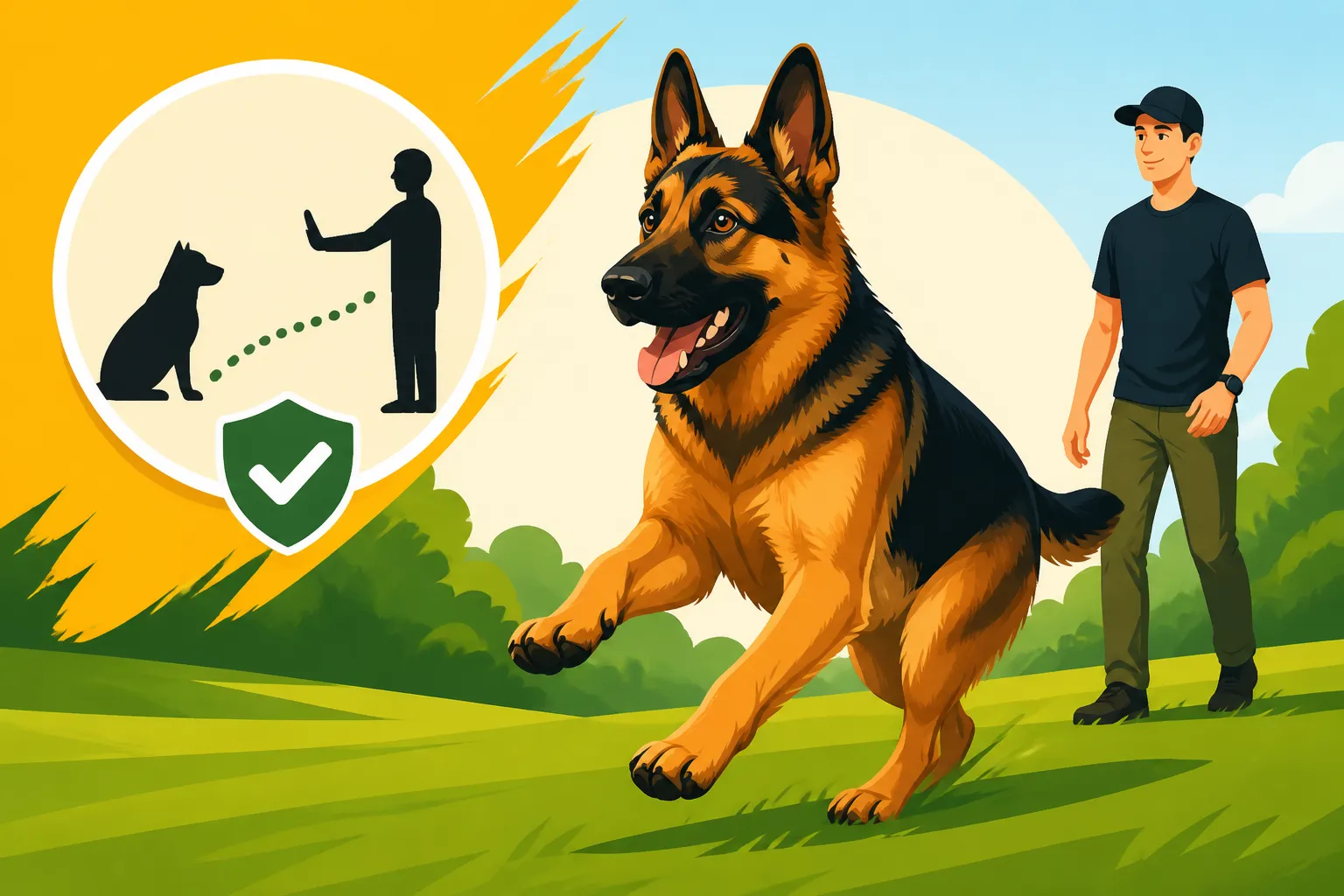
While the recall gets your dog to you, a solid "stay" or "wait" command keeps them where they are. These commands are invaluable for preventing dangerous situations and managing their excitement. Imagine needing your German Shepherd to stay put while a car passes, or waiting patiently at a park entrance while you check for other dogs. These commands buy you precious seconds and give you control.
Just like with recall, start in a quiet environment. Begin with short durations and minimal distance, slowly increasing both as your dog succeeds. Introduce distractions gradually – a dropped toy, a family member walking by, another dog barking in the distance. Always reward them generously for holding the command, even if it's just for a few seconds. The "stay" should be a release from you, not them deciding to break it. Practice these commands during everyday scenarios: before meals, while you open the front door, or when getting out of the car. Consistency is key here; the more they understand and trust the command, the more reliable they will be in real-world situations.
Developing Loose-Leash Walking and Focus
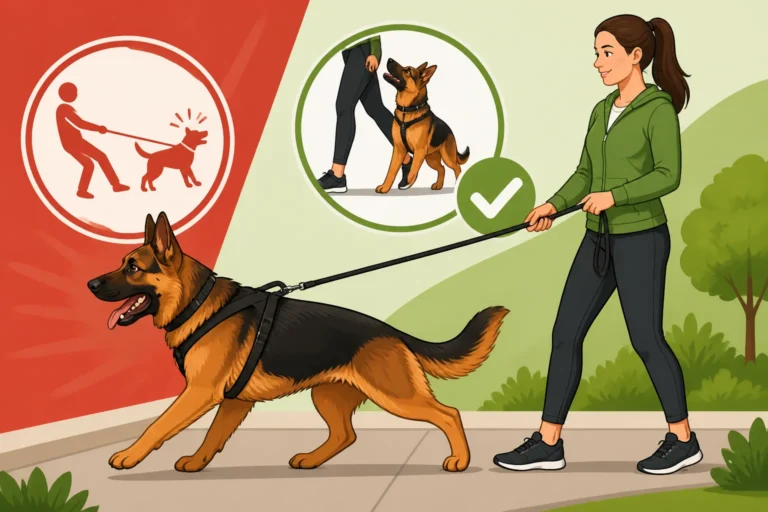
Many people underestimate the importance of excellent on-leash manners for off-leash success. If your German Shepherd is dragging you down the street, pulling and lunging at every squirrel, they are clearly not focused on you. A dog that pulls on a leash is a dog that will likely ignore you off-leash. Loose-leash walking teaches your German Shepherd to pay attention to your pace, direction, and cues, building a habit of connection even when physically restrained.
Alongside loose-leash walking, focus exercises are paramount. Teach a "watch me" or "look" command where your dog makes eye contact with you on cue. Practice this in increasingly distracting environments. Use high-value rewards to make looking at you more rewarding than anything else in the environment. This constant connection, even during mundane walks, reinforces that you are the most interesting and important thing in their world. When they learn to check in with you regularly while on-leash, that behavior will naturally translate to off-leash scenarios. You can explore more about guiding your dog to walk politely in our article on How to Train a German Shepherd to Walk Beside You.
The Gradual Transition to Off-Leash Freedom
Once your German Shepherd has a rock-solid foundation of on-leash obedience, particularly an unwavering recall, you can start the exciting but cautious transition to off-leash work. This stage demands patience, consistency, and a commitment to setting your dog up for success every step of the way.
Starting in Controlled Environments
The very first step off-leash should always be in a highly controlled environment. A securely fenced yard is ideal. This eliminates the danger of traffic or your dog truly getting lost if they don't respond immediately. Even here, don't just unclip and hope for the best. Continue to practice all your foundational commands. Call them for short recalls, practice "stays" while you walk a few steps away, and engage them in play that still requires them to check in with you.
A crucial tool for this stage is a long line – typically 20 to 30 feet in length, sometimes even longer. This is a game-changer because it gives your German Shepherd the feeling of off-leash freedom while still providing you with a vital safety net. You can let them roam, but if they get too far or ignore a recall, you can gently step on the line or reel them in. This allows them to explore and make choices, while still teaching them that ignoring your commands has consequences (i.e., being reeled in). You can find a wide variety of durable long lines on Amazon, which are an indispensable part of this training phase.
Introducing Distractions Incrementally
After consistently demonstrating reliability in your controlled, low-distraction environments, it's time to slowly and carefully introduce distractions. This is where many owners make the mistake of jumping too fast, too soon. Don't go straight from your backyard to a bustling dog park. Instead, think of it as a ladder, taking one rung at a time.
Choose a new environment that is still relatively quiet, such as a local park during off-peak hours, a wide-open field, or a nature trail known for being less populated. Start with the long line still attached. Your first "distractions" might be as simple as a distant person walking, a dog barking far away, or a few leaves rustling. Observe your German Shepherd carefully. If they notice the distraction but still respond to your commands, reward them heavily. If they become too fixated or ignore you, immediately return to a less distracting environment or increase the distance from the stimulus. This incremental approach ensures that your dog learns to generalize their obedience in the face of increasing real-world stimuli without being overwhelmed. Remember, every successful response to a command around a distraction builds confidence and reinforces the desired behavior.
Proofing Commands in Real-World Scenarios
"Proofing" is the process of practicing a command until your dog understands that it applies everywhere, under all circumstances, no matter the distraction. This is the ultimate test of your off-leash training. You'll move from quiet parks to busier trails, from distant dogs to closer encounters, always with the long line initially, and gradually working towards true off-leash reliability.
This phase means practicing in diverse environments: urban parks, open fields, forested trails, near water, and even places with moderate human activity. The goal is for your German Shepherd to respond to your commands as reliably as they would in your living room, even when squirrels are darting, children are playing, or other dogs are passing by. If they fail a command, it's not a punishment situation but a training moment. Simply return to the long line or a less distracting environment, identify what went wrong (was the distraction too much? Was your reward not high-value enough?), and re-practice. Never set them up to fail. This is a continuous process, and even after achieving reliability, you should always carry a leash and be prepared to use it if the situation warrants.
Tools, Techniques, and Troubleshooting for Off-Leash Success
Achieving off-leash reliability with a German Shepherd requires more than just good intentions; it demands the right tools, effective techniques, and a proactive approach to troubleshooting common hurdles.
The Role of Training Aids and Gear
While off-leash training sounds like it means no gear, certain tools are indispensable during the learning process. As mentioned, long lines are your absolute best friend. They allow your German Shepherd to explore and feel a sense of freedom while giving you a crucial safety net to intervene if they ignore a command or wander too far. A good quality, durable long line, easily found on platforms like Amazon, is a non-negotiable item.
High-value rewards are another critical "tool." For German Shepherds, especially when competing with strong environmental distractions, dry kibble often won't cut it. Think tiny pieces of cooked chicken, lean steak, cheese, or specialized high-value training treats. These rewards make listening to you more appealing than chasing a squirrel or greeting a stranger. Consistency in using these rewards for correct responses, especially during the challenging proofing stages, cannot be overstated.
For some handlers and their German Shepherds, e-collars (electronic collars) can be a highly effective communication tool, but their use requires careful, educated application and is often best introduced under the guidance of a professional trainer. When used correctly, an e-collar isn't for punishment but for clear, consistent communication at a distance, providing a tap or vibration that mimics a leash correction. This can be particularly useful for dogs with strong prey drives or when you need an instant "wake-up call" when they're highly distracted. Never use an e-collar without understanding its proper, humane application, as misuse can damage your relationship with your dog. For those interested in positive reinforcement methods, exploring German Shepherd Marker Training: Step-by-Step or German Shepherd Clicker Training: Step-by-Step can provide excellent foundational techniques.
Addressing Common Challenges
Even with the best preparation, you’ll likely encounter some common challenges. One of the biggest for German Shepherds is their strong prey drive. Your dog might be perfectly behaved until a squirrel darts across their path, and then it's as if you cease to exist. To manage this, start practicing recalls before they're fully engaged in the chase. If you see the squirrel first, interrupt them with a happy "come!" before their drive takes over. Work on redirecting their attention with a high-value toy or treat when prey appears. Consistency and proactive management are key. You can find more targeted advice on how to handle this in our article on How to Curb German Shepherd Prey Drive.
Another common issue is your German Shepherd simply ignoring commands, particularly as distractions increase. This isn't usually defiance; it means the distraction is more rewarding than listening to you. Re-evaluate your reward system: are your treats high-value enough? Is your praise enthusiastic? Go back to a less distracting environment and rebuild their confidence. Never punish a dog for not coming when called; you want them to associate coming to you with positive outcomes, not fear. If your dog consistently runs off, it's a clear sign you've moved too quickly. Return to the long line and reinforce your foundational commands. Remember, BAXTER & Bella offers comprehensive online puppy and dog training programs that can provide structured guidance for these kinds of challenges, helping you develop clear communication and build a solid foundation.
Reinforcing Good Behavior and Maintaining Reliability
Off-leash training isn't a destination; it's a continuous journey. You never truly "finish" off-leash training because the world is constantly changing, and your dog's experiences and attention levels will vary. To maintain high reliability, you must continuously reinforce good behavior and practice regularly.
Don't just practice off-leash commands when you need them. Integrate short, fun training sessions into every off-leash outing. Throw in random recalls even when your dog is close by, reward enthusiastically, and then release them back to play. Practice surprise "stays" while they're exploring. Keep your rewards fresh and exciting. Vary your training locations to ensure your German Shepherd generalizes their understanding. By consistently practicing and rewarding, you keep their skills sharp and remind them that listening to you is always the most rewarding option. This ongoing engagement ensures that your German Shepherd remains a joy to have off-leash, giving you both the freedom and confidence you desire.
Safety First: When and Where to Go Off-Leash
The privilege of having your German Shepherd off-leash comes with significant responsibility. True off-leash freedom isn't about letting your dog run wild anywhere they please; it's about making informed, responsible decisions to ensure the safety of your dog, other people, and the environment.
Understanding Local Laws and Etiquette
Before you ever consider taking your German Shepherd off-leash, you must be fully aware of and respect local leash laws. These laws exist for a reason – public safety and wildlife protection. Ignoring them can result in hefty fines, damage to your dog's reputation (and the reputation of all German Shepherds), and worst of all, harm to your dog or others. Always assume a leash law is in effect unless signage explicitly states otherwise and designates an area as an off-leash dog park.
Beyond the law, there's also crucial etiquette to consider. Not everyone loves dogs, and some people are genuinely afraid of them, especially a large, powerful breed like a German Shepherd. Others might have reactive dogs on leash who need space. Always be mindful of your surroundings. If you see another person or dog approaching, even if your German Shepherd is perfectly behaved, it's polite and responsible to call your dog back and leash them or ask them to sit politely by your side. A quick "do you mind if my dog says hello?" can go a long way. Having a well-trained dog off-leash is a testament to your efforts, but it doesn't grant you carte blanche to disregard others' comfort or safety.
Assessing the Environment and Potential Risks
Even in designated off-leash areas, a careful assessment of the environment is critical. Look for potential hazards: busy roads nearby, aggressive or unruly dogs, hidden dangers like broken glass, poisonous plants, or tempting wildlife. If the area is new to you, take a moment to survey it before letting your dog loose. Consider the weather conditions – extreme heat or cold can be dangerous, and icy or slippery terrain can lead to injuries.
Always carry a leash with you, even if you don't intend to use it. It's your safety net and a legal requirement in many places. If at any point you feel uncomfortable with the situation, or if your dog seems overly distracted or isn't responding as reliably as usual, do not hesitate to leash them. It’s never worth risking their safety or the safety of others for the sake of letting them run free. Even the most perfectly trained German Shepherd can have an off day or encounter an unforeseen stimulus that triggers an unexpected reaction. Being prepared for anything is part of being a responsible off-leash owner. For optimal health and safety during exercise, you may want to review our guide on How Much Exercise Does an Adult German Shepherd Need.
Continuous Training and Advanced Socialization
Achieving off-leash reliability is not a one-time achievement but an ongoing commitment to training and responsible dog ownership. Your German Shepherd's environment, experiences, and even hormones can change, requiring continuous reinforcement of their training. Regular, short, positive training sessions throughout your dog's life will keep their skills sharp and their focus on you unwavering.
Beyond basic obedience, consider advanced socialization. This means exposing your German Shepherd to a variety of people, places, sounds, and other dogs in controlled, positive ways. The more comfortable and well-adjusted your dog is in different situations, the less likely they are to react poorly when off-leash. Enrollment in advanced obedience classes, or even exploring dog sports like agility or IGP, can provide structured opportunities to challenge your German Shepherd mentally and physically, further solidifying their responsiveness. Remember, a truly confident and well-socialized German Shepherd is less likely to bolt from fear or react aggressively, making off-leash experiences safer and more enjoyable for everyone involved. For more in-depth advice on this, check out our guide on How to Socialize a German Shepherd.
Disclaimer
This article is for general informational purposes only and does not constitute professional advice. Laws, prices and regulations vary by location and change over time. Consult a qualified professional for guidance on your specific situation.