How to Calm a German Shepherd at Night
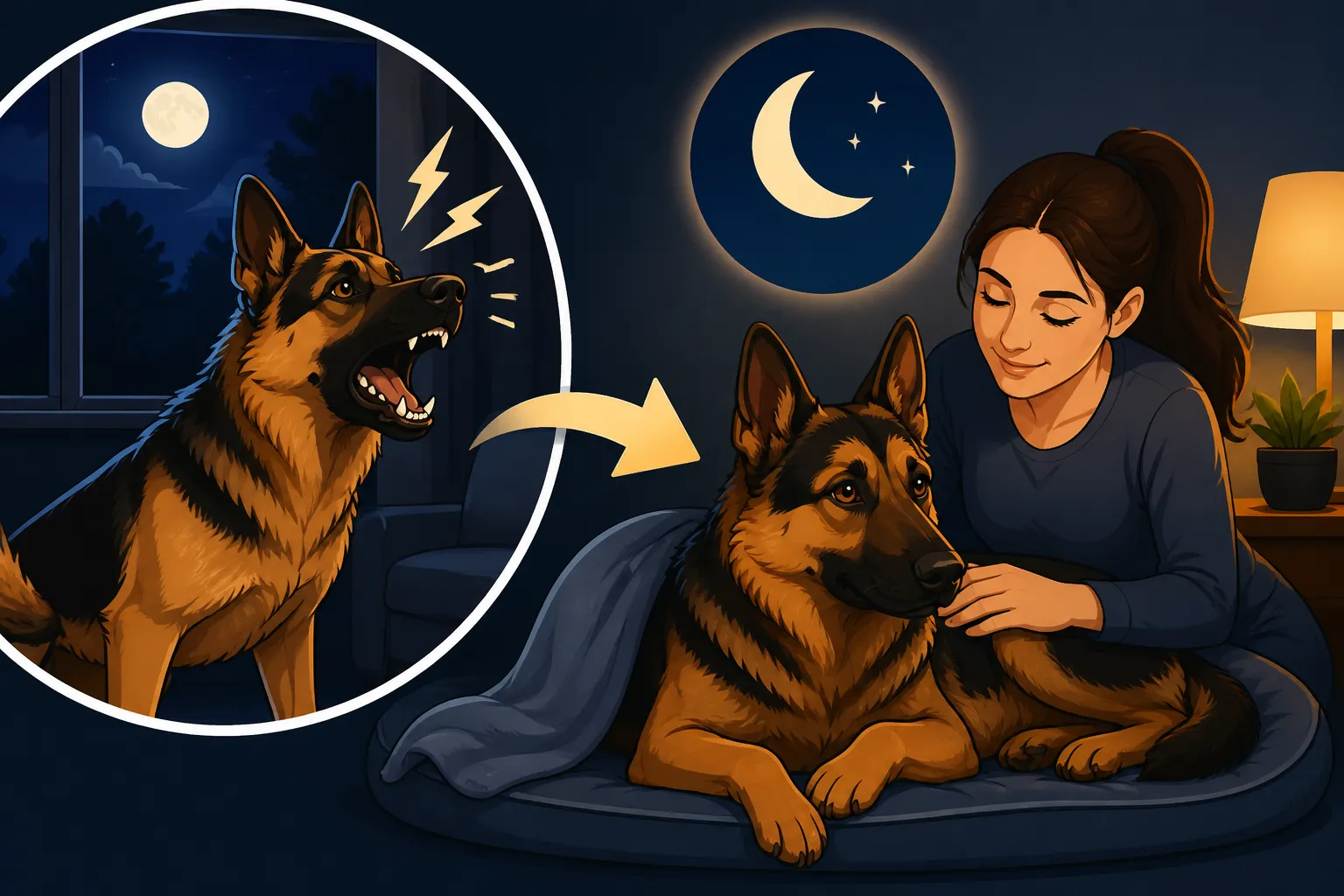
Few things are more exhausting than lying awake night after night, listening to your German Shepherd pace, whine, or refuse to settle down. It’s frustrating, bewildering, and can leave you wondering what you're doing wrong. If your loyal companion is struggling to find peace when the lights go out, this comprehensive guide is here to help you understand the common culprits behind nighttime restlessness and provide practical, empathetic strategies to bring calm back to your home.
Unpacking the Root Causes of Nighttime Restlessness
When your German Shepherd can’t seem to settle at night, it’s not usually because they're being "naughty" or deliberately keeping you awake. More often than not, there's an underlying reason – or several – for their nocturnal activity. Just like us, dogs can experience discomfort, anxiety, or simply have unmet needs that manifest as restlessness once the world quiets down. It's our job as their guardians to become detectives and figure out what’s truly bothering them.
Insufficient Physical or Mental Stimulation
German Shepherds are incredibly intelligent and energetic dogs, bred for demanding work. If they don't get enough physical exercise or mental engagement during the day, that pent-up energy and unused brainpower have to go somewhere. Often, it comes out at night. Imagine trying to sleep after spending all day lounging around with nothing to do – you’d probably feel restless too! This isn't just about a quick walk; it's about structured activities that truly tire them out.
A German Shepherd needs more than just a trip to the backyard. They thrive on vigorous exercise like long runs, fetch sessions, or even agility training. Think about how much exercise an adult German Shepherd needs; it's a significant commitment. Beyond physical exertion, their minds need a workout too. Puzzle toys, training sessions, scent work, or even just learning new tricks can be incredibly stimulating. If their day consists mostly of naps and short potty breaks, they're likely to be bouncing off the walls (or kennel) once you try to go to bed. This is especially true for younger, adolescent German Shepherds who have seemingly boundless energy.
Anxiety and Stress Triggers
Dogs, just like people, can experience anxiety, and nighttime can be a prime time for it to surface. This might be a general anxiety, or it could be specific to separation or fear of the dark. Sudden changes in routine, new noises, or even subtle shifts in your household dynamics can trigger stress in sensitive German Shepherds. Sometimes, the quiet of the night amplifies sounds that might go unnoticed during the day, making them feel more vulnerable or on edge.
Separation anxiety is a big one. If your German Shepherd is used to being right by your side, being alone in a crate or another room at night can be incredibly distressing. They might whine, pace, try to escape, or engage in destructive behaviors. Understanding how to stop German Shepherd separation anxiety involves gradual training and creating a sense of security even when you're not physically present. New environments, thunderstorms, fireworks, or even just the absence of a familiar person can also contribute to a dog feeling unsafe and unable to settle down for the night.
Medical Conditions and Discomfort
While often overlooked, health issues are a common cause of nighttime restlessness, particularly in older German Shepherds. Joint pain, such as that caused by arthritis or hip dysplasia, can make it difficult for them to get comfortable. They might constantly shift positions, stand up and lie down repeatedly, or lick at sore areas. Early signs of degenerative myelopathy, a progressive neurological disease common in German Shepherds, can also manifest as discomfort or unease.
Other medical issues like an upset stomach, urinary tract infections (leading to frequent urges to go out), cognitive dysfunction syndrome (doggy dementia) in seniors, or even itchy skin conditions can all disrupt sleep. If your German Shepherd's restlessness is a new behavior, especially if it comes with other changes like altered appetite or increased thirst, a trip to the vet is absolutely crucial. They can help you determine if something medical is brewing and provide appropriate treatment or pain management, which might include specific joint health supplements. Remember, you can't truly address the behavior until you rule out a physical cause.
Crafting a Calming Nighttime Routine
Consistency is truly the magic word when it comes to helping your German Shepherd settle down at night. Dogs thrive on routine; it provides predictability and a sense of security, which is incredibly important for their mental well-being. By establishing a clear, calming bedtime ritual, you signal to your dog that it's time to wind down and rest. This isn't just about what happens right before bed, but how you structure their entire evening.
The Power of Predictability
Dogs, and especially intelligent breeds like German Shepherds, really benefit from knowing what to expect. A predictable routine reduces anxiety and helps them understand the flow of their day. When the evening routine is consistent, they learn that specific activities lead to bedtime, and their bodies and minds can begin to prepare for sleep. This means doing things in roughly the same order every night, at roughly the same time.
Think about it: if some nights your dog gets a late walk, others they're playing vigorously right before bed, and still others they're left to their own devices, how can they possibly know when it's time to settle? A consistent sequence of events – dinner, last potty break, quiet play, cuddles, then bed – creates a mental map that guides them toward sleep. This routine should be implemented even on weekends or when you have guests over, as much as possible, to reinforce the pattern.
Evening Wind-Down Activities
The hour or two before bedtime should be all about winding down, not revving up. This is where you shift from high-energy play to calmer activities that promote relaxation. Avoid intense games of fetch or tug-of-war right before bed. Instead, focus on activities that engage their minds gently or offer physical comfort.
Consider a final, leisurely sniffy walk around the block rather than a fast-paced run. Let them explore smells, which is mentally tiring without being physically overstimulating. Inside, switch to quiet cuddle time on the couch, gentle brushing, or a calming chew toy. A KONG filled with frozen peanut butter or a durable chew from a brand you might find on Amazon can keep them occupied and mentally satisfied without getting them overly excited. Some owners even use calming music specifically designed for dogs or diffuse pet-safe lavender essential oils (after consulting with their vet, of course) to create a tranquil atmosphere.
The Importance of a Designated Sleep Space
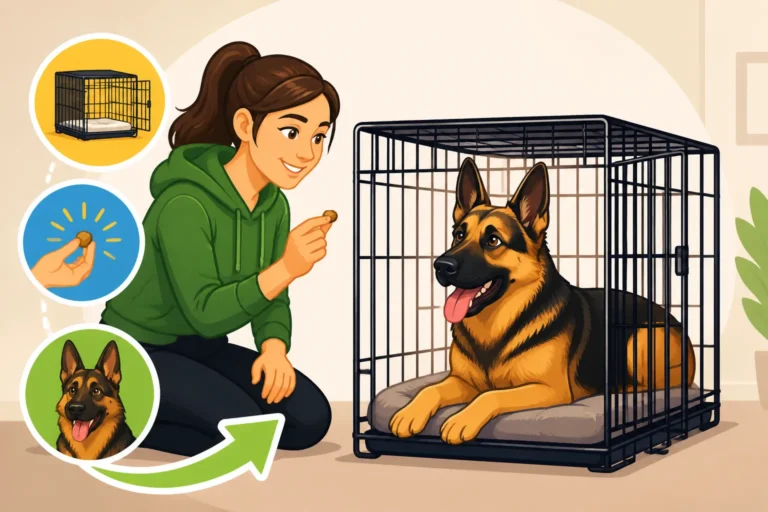
Every German Shepherd, regardless of age, benefits from having their own comfortable, safe, and designated sleep space. This space should be consistently available and associated with positive, calm experiences. For many German Shepherds, this means a well-appointed crate. Crate training a German Shepherd is not about punishment; it’s about providing a secure den that offers comfort and a sense of privacy.
Ensure their sleeping area is comfortable with soft bedding, a favorite blanket, and perhaps a familiar scent. Place the crate or bed in a quiet part of the house, away from high-traffic areas or excessive noise. If your dog struggles with being alone, initially placing the crate near your bed can provide reassurance, gradually moving it further away if needed. The goal is for them to view this space as their personal sanctuary, a place where they feel safe and can truly relax without interruption.
Practical Strategies for a Peaceful Night
Once you've established a consistent evening routine, you can layer on specific strategies to address any lingering restlessness. These tactics range from refining their daily activity to utilizing calming aids and understanding when it’s time to call in the professionals. The key is finding what works best for your individual German Shepherd, as every dog is unique.
Optimizing Daily Exercise and Mental Engagement
As mentioned earlier, insufficient activity is a huge culprit. Review your German Shepherd's daily schedule. Are they truly getting enough vigorous exercise? For many adult German Shepherds, this means at least 1-2 hours of dedicated, high-impact exercise daily, broken into multiple sessions. This could be off-leash running in a safe, fenced area, long hikes, swimming, or even canine sports like IGP training. Young German Shepherds, especially, need structured play and training to burn off their energy.
Beyond physical exertion, remember the mental workout. Incorporate daily training sessions – even 10-15 minutes of working on obedience commands or learning new tricks can be incredibly tiring for their intelligent brains. Snuffle mats, puzzle feeders, and scent games are excellent ways to provide mental stimulation indoors. If you're struggling to come up with ideas, resources like online courses or trainers (such as those found through platforms like BAXTER & Bella) often have fantastic suggestions for engaging activities. A tired dog, both physically and mentally, is a calm dog.
Dietary Considerations and Meal Timing
What and when your German Shepherd eats can also play a role in their nighttime behavior. Feeding too close to bedtime, especially a large meal, can lead to discomfort, indigestion, or more frequent bathroom breaks. Aim to feed their last meal at least 2-3 hours before you plan for them to settle down for the night. This gives them ample time to digest and have a final potty break.
Consider the quality of their diet. Some dogs can be sensitive to certain ingredients, which might manifest as gut discomfort, affecting their ability to sleep peacefully. If you suspect dietary issues, discussing potential changes with your vet or a canine nutritionist is a good idea. They might recommend specific diets for German Shepherds with sensitive stomachs or allergies. Additionally, ensure they have access to fresh water throughout the evening, but maybe pull it an hour or so before bed for those who might need to go out frequently, just to manage potty breaks without restricting hydration.
Utilizing Calming Aids and Products
For some German Shepherds, especially those prone to anxiety, calming aids can provide that extra layer of support. These aren't magic bullets, but they can certainly help complement a solid routine. There's a wide range of options available, and what works for one dog might not work for another, so it often involves a bit of trial and error.
Calming Aids for Nighttime Restlessness
| Aid Type | Examples | How It Helps | When to Consider |
|---|---|---|---|
| Supplements | L-Tryptophan, Chamomile, Melatonin, CBD | Promotes relaxation, reduces anxiety, supports natural sleep cycle | Mild to moderate anxiety, general restlessness |
| Pheromone Products | Adaptil diffusers, collars, sprays | Mimics natural dog appeasing pheromones, creating a sense of safety and calm | Separation anxiety, fear of noises, new environments |
| Pressure Wraps | Thundershirt, anxiety vests | Applies gentle, constant pressure, similar to swaddling a baby, providing comfort | Storm/noise phobias, travel anxiety, general nervousness |
| Chew Toys/Treats | Calming chews, long-lasting chews | Distraction, mental engagement, satisfying chewing instinct (can have calming ingredients) | Boredom-related restlessness, mild anxiety |
| White Noise/Music | Dog-specific calming music, white noise machines | Masks disruptive sounds, creates a consistent, soothing auditory environment | Noise sensitivity, urban living |
You can find many of these products, like calming chews or pheromone diffusers, readily available on platforms like Amazon. Remember to always consult with your veterinarian before introducing any new supplements to ensure they are safe and appropriate for your German Shepherd, especially if they are on other medications or have underlying health conditions.
Addressing Specific Fears and Phobias
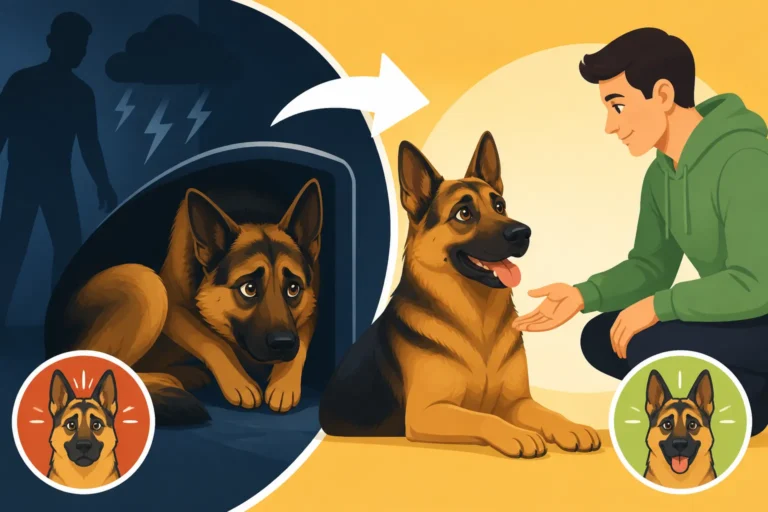
If your German Shepherd's nighttime anxiety stems from specific fears, such as thunderstorms, fireworks, or being alone, a more targeted approach is needed. Desensitization and counter-conditioning are key here, often best done with the guidance of a professional trainer or veterinary behaviorist.
For example, if your dog is terrified of storms, you might play storm sounds at a very low volume during a pleasant activity like feeding dinner, gradually increasing the volume over weeks or months, pairing it always with positive reinforcement. This helps them form new, positive associations. For issues like separation anxiety, building independence during the day through short, supervised alone times and making departures and arrivals low-key can make a huge difference. Resources on how to stop German Shepherd separation anxiety can be incredibly valuable here, often advocating for a holistic approach that includes consistent training and environmental management.
When Professional Help is Needed
There are times when despite your best efforts, your German Shepherd's nighttime restlessness persists or worsens. This isn't a sign of failure on your part, but rather an indication that you might need a bit of professional guidance. Don't hesitate to reach out to experts.
A veterinary visit is always the first step to rule out any underlying medical conditions. Your vet can perform a thorough examination, order bloodwork, or suggest imaging to check for pain or disease. If medical causes are ruled out, they might refer you to a veterinary behaviorist or a certified professional dog trainer specializing in behavior modification. These professionals can conduct a detailed assessment of your dog's behavior, environment, and history to develop a tailored plan. They can also help with advanced training techniques or, if necessary, discuss prescription medications that might help manage severe anxiety when combined with behavior modification. Sometimes, a fresh pair of expert eyes can spot something you've missed and guide you toward a lasting solution, helping your German Shepherd find true peace at night.
Nighttime Calming Checklist & Strategies
Creating a peaceful night for your German Shepherd, and in turn, for yourself, is a process that often requires a multi-faceted approach. Use this checklist as a guide to assess your current routine and identify areas where you can implement changes. Consistency and patience are your best allies!
| Category | Action Item | Strategy Details |
|---|---|---|
| Daily Routine | Ensure sufficient physical exercise | Aim for 1-2 hours of vigorous activity daily (e.g., long runs, fetch, hikes). Refer to how much exercise is too much for a puppy if you have a young one. |
| Provide ample mental stimulation | Incorporate puzzle toys, scent work, short training sessions, or interactive games. | |
| Establish a consistent evening wind-down routine | Stick to the same sequence of events: dinner, last potty, quiet play, cuddle, bed. | |
| Environment | Create a designated, comfortable sleep space | A quiet, dark crate with soft bedding, associated with positive experiences. |
| Minimize nighttime disturbances | Use white noise or calming music to mask external sounds. Ensure consistent light levels. | |
| Diet & Health | Optimize meal timing | Feed last meal 2-3 hours before bedtime to allow for digestion and final potty break. |
| Review diet for sensitivities | Discuss potential dietary changes with your vet if you suspect gut discomfort. | |
| Rule out medical issues | Schedule a vet check-up if restlessness is new or accompanied by other symptoms. Learn to recognize signs your German Shepherd is aging for older dogs. | |
| Behavioral Support | Consider calming aids (vet-approved) | Explore pheromone diffusers, calming supplements (like L-Tryptophan), or anxiety wraps. |
| Address specific anxieties/phobias | Work on desensitization and counter-conditioning for fears like storms or separation anxiety. | |
| Utilize long-lasting chews/puzzle toys at bedtime | Provide a mentally engaging chew (e.g., filled KONG) in their sleep space to encourage settling. | |
| Professional Help | Consult a vet or veterinary behaviorist if needed | For persistent or severe issues, seek expert guidance to develop a tailored behavior modification plan. |
Final Thoughts on Achieving Nighttime Calm
Helping your German Shepherd achieve peaceful nights is a journey, not a sprint. It takes dedication, observation, and a whole lot of patience. Remember that every dog is an individual, and what works wonders for one might have no effect on another. The most important thing is to approach the situation with empathy, understanding that your dog isn't trying to be difficult, but rather communicating an unmet need or discomfort.
By diligently applying these strategies – focusing on robust daily activity, consistent routines, a secure sleep environment, and ruling out health concerns – you'll be well on your way to helping your beloved German Shepherd settle down and enjoy the restful sleep they deserve. And when they sleep soundly, you will too.
Disclaimer
The information provided in this article is for general informational purposes only and is not intended as a substitute for professional veterinary advice, diagnosis, or treatment. Always seek the advice of your veterinarian or other qualified health provider with any questions you may have regarding a medical condition or before implementing any new treatment or lifestyle changes for your German Shepherd.