How to Do Bite Inhibition with a German Shepherd
It’s a universally acknowledged truth among German Shepherd puppy owners: at some point, usually around 8 to 16 weeks, your adorable fluffball transforms into a tiny, razor-toothed land shark. Those sharp little puppy teeth can feel incredibly painful, and it’s natural to worry if this intense nipping will turn into a serious biting problem later on. But don't despair! This comprehensive guide is here to walk you through exactly how to teach your German Shepherd proper bite inhibition, turning that ferocious puppy mouth into a soft, gentle one.
Understanding German Shepherd Bite Inhibition
Before we dive into the nitty-gritty of training, let's really understand what bite inhibition means. It's not about stopping your dog from ever putting their mouth on you or another dog; it's about teaching them how much pressure they can use without causing harm. Think of it as teaching them a "soft mouth." For a German Shepherd, a breed known for its powerful jaws and protective instincts, this lesson is absolutely fundamental.
Why Bite Inhibition is Non-Negotiable
For a German Shepherd, developing excellent bite inhibition is paramount for several reasons. Firstly, their sheer size and strength mean that an adult GSD without a soft mouth can unintentionally cause serious injury, even during playful interactions. Imagine a friendly greeting that accidentally breaks skin – it’s a recipe for fear and misunderstanding, not to mention potential legal issues. A well-socialized German Shepherd with good bite inhibition understands that human skin is fragile and must be treated with utmost care.
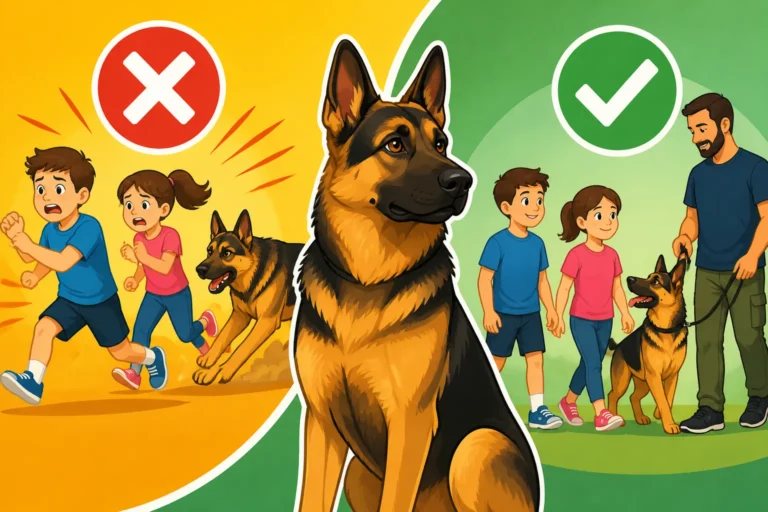
Secondly, it's a critical safety measure for other dogs and even small children. While we always advocate for supervised interactions, accidents can happen. If your German Shepherd has learned to temper their bite, those accidental nips during rough-and-tumble play with another dog, or a clumsy moment with a child, are far less likely to result in injury. It builds a foundation of trust and safety, allowing your German Shepherd to navigate the world confidently and politely. Without this foundational training, you might find yourself constantly worrying about potential incidents, limiting your dog's social opportunities, and, frankly, increasing your own stress levels. It's truly a gift you give your dog and everyone they interact with.
The Difference Between Nipping and Biting
It’s easy to conflate all mouthy behavior as "biting," especially when those puppy teeth are digging into your arm, but there’s a crucial distinction. Nipping, particularly in puppies, is often exploratory or play-related. It's how they learn about their environment and how they interact with their littermates. They're testing boundaries and learning cause and effect. A puppy nipping you is usually trying to engage in play, get attention, or communicate mild frustration. The intent is not malicious; it's instinctual.
Actual biting, on the other hand, usually carries a different intent, such as fear, aggression, resource guarding, or pain. The pressure applied is often much harder, and the body language accompanying it will be tense, defensive, or overtly aggressive, rather than loose and playful. Understanding this difference is key because your approach to bite inhibition is primarily focused on reshaping that natural puppy nipping into appropriate mouth usage, not trying to suppress a fear response (which requires a different type of intervention). If you’re ever worried about true aggression, it’s always best to consult with a professional, as explored in our guide on How to Stop German Shepherd Aggression.
German Shepherd Natural Instincts and Bite Strength
German Shepherds are a working breed, originally bred for herding and protection. This lineage means they possess a natural strength and a strong prey drive. While they aren't inherently aggressive, they do have powerful jaws and an instinct to use their mouths to interact with the world, whether that's carrying objects, herding, or defending. A German Shepherd's bite force is significant, which is precisely why teaching them control over that strength is so vital.
Puppies learn to control their bite primarily through interacting with their littermates and mother. When one puppy bites another too hard during play, the bitten puppy will yelp, and play will stop. This immediate consequence teaches the aggressor that too much pressure equals no more fun. When the mother dog feels a hard bite, she'll often correct the puppy or simply walk away. This natural learning process is what we aim to replicate and reinforce in human-dog interactions. It’s about channeling their natural instincts into acceptable forms of interaction rather than suppressing their nature entirely.
The Critical Puppy Nipping Phase
Every German Shepherd puppy owner goes through it: the infamous "shark week." This is the period when your sweet, fuzzy companion seems to transform into a tiny, toothy terror, leaving nips and scratches on your hands, feet, and clothing. This phase, while sometimes frustrating, is absolutely crucial for teaching bite inhibition, and understanding it can make all the difference.
Recognizing the "Shark Week" Period
Typically, "shark week" kicks into high gear when German Shepherd puppies are between 8 and 16 weeks old. They've just been separated from their littermates and mom, and suddenly, you're their primary source of interaction and play. Those needle-sharp puppy teeth are coming in, and they're exploring the world with their mouths. Everything is fair game for a chew or a nip, especially your moving hands and feet! This isn't a sign of aggression; it's a completely normal developmental stage.
During this period, you’ll notice varying degrees of bite pressure. Sometimes it’s a gentle exploratory nip, other times it feels like a genuine attempt to take a chunk out of you. This fluctuation is precisely where the learning happens. Your job is to consistently communicate what is acceptable and what is not. This period is also often when owners start looking for ways to handle specific issues, such as those addressed in German Shepherd Puppy Biting: What to Do. Ignoring it or hoping they'll grow out of it isn't an option for a breed with such powerful adult jaws.
Learning from Littermates and Mom
In a natural litter environment, puppies learn bite inhibition constantly. When puppy A nips puppy B too hard, puppy B lets out a loud yelp, often startling puppy A, and then stops playing. Puppy A quickly learns that if they want to keep playing, they need to be gentler. The mother dog also plays a significant role. If a puppy bites her too hard during nursing or play, she might growl, correct them, or simply get up and walk away, effectively ending the interaction. These are vital lessons in canine communication and consequence.
When you bring your German Shepherd puppy home, you become the primary teacher of these lessons. You're effectively stepping into the role of a littermate and mom, using similar (though adapted) methods to teach appropriate mouth pressure. Replicating these natural learning opportunities is far more effective than trying to punish the behavior, which can often lead to fear or increased aggression. Understanding this natural learning process is the bedrock of successful bite inhibition training, especially during the puppy's initial integration, as covered in a German Shepherd Puppy First Week Training guide.
The Importance of Early Intervention
The younger your German Shepherd puppy is when you start teaching bite inhibition, the easier and more effective the process will be. The critical window for this learning typically closes around 4-5 months of age. During this sensitive period, puppies are highly impressionable and open to learning social rules. If bite inhibition isn't taught effectively during this time, it becomes much harder to instill later on, as the puppy's adult teeth come in and their jaw strength increases.
Early intervention means establishing clear boundaries and consistent responses from day one. It means every family member needs to be on the same page and implement the same techniques. Waiting until the nipping becomes a painful habit or until the puppy is older and stronger makes the task exponentially more challenging. Think of it as installing crucial safety software early in their development; it prevents far more significant problems down the line. It's a key component of a comprehensive German Shepherd Puppy Training Guide.
Foundational Techniques for Bite Inhibition
Now that we understand the "why," let's get into the "how." These foundational techniques are your primary tools for teaching your German Shepherd puppy to control the pressure of their bite. Consistency and patience are your best friends here.
The "Yelp and Withdraw" Method
This technique is designed to mimic the way puppies learn from their littermates. When your German Shepherd puppy nips you too hard, you need to communicate that it hurt, just like another puppy would.
Here's how to do it:
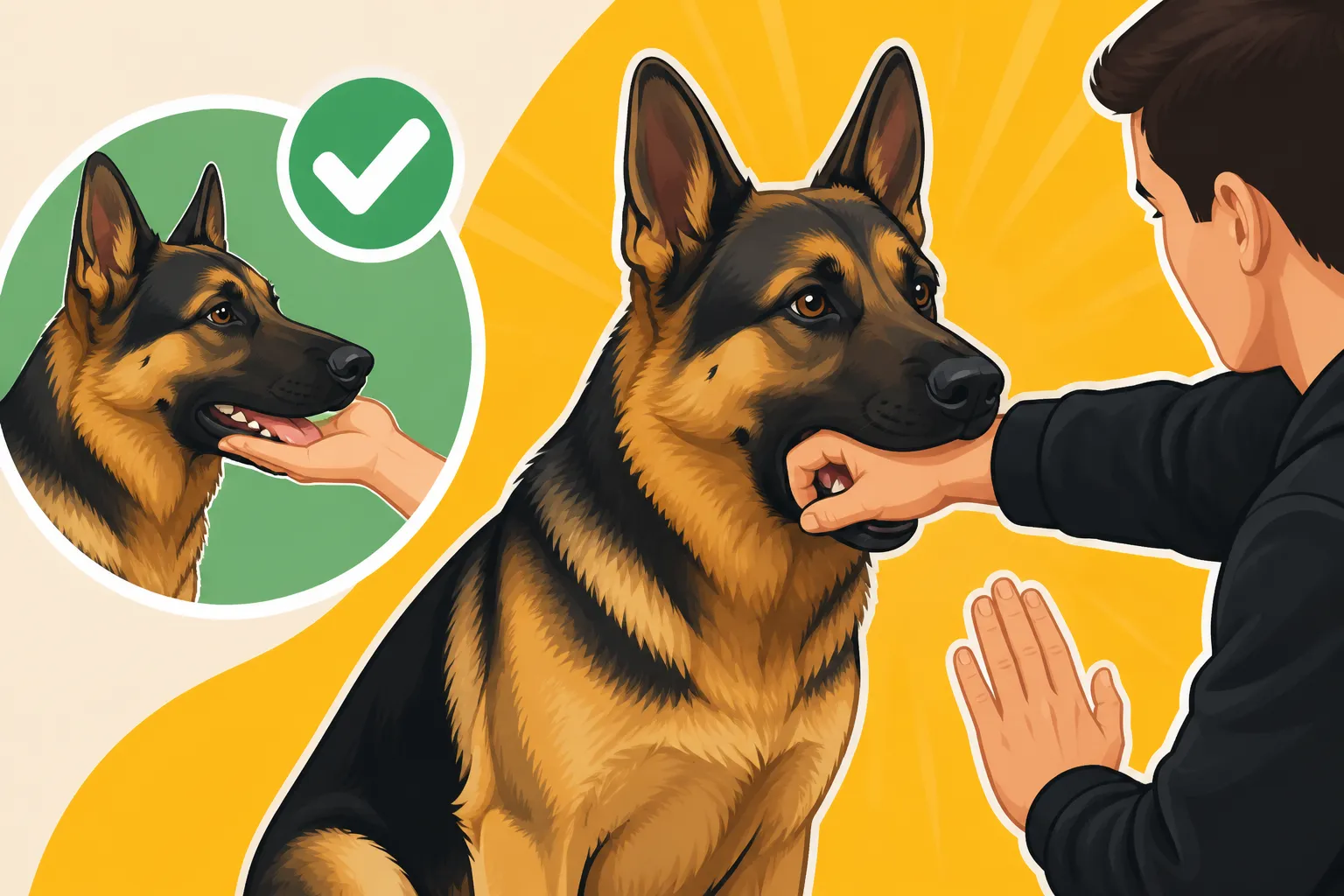
- Exaggerated Yelp: The instant you feel your puppy's teeth press too hard against your skin, let out a sharp, high-pitched "YIP!" or "OW!" Make it sound genuinely painful, even if it wasn't excruciating. The sound should be startling enough to make your puppy pause.
- Immediate Withdrawal: Simultaneously with your yelp, immediately withdraw your hand or body part from their mouth and stop all interaction. Turn away, stand up, or even leave the room for a few seconds (10-20 seconds is usually sufficient). This cessation of play is the consequence. The fun stops.
- Resume Calmly: After the brief time-out, you can calmly re-engage your puppy. If they nip too hard again, repeat the sequence.
The key is consistency. Every single time those teeth apply too much pressure, the "fun" must stop. Your puppy will quickly begin to associate hard biting with the end of playtime. They learn that a softer mouth allows the good times to continue. This method is incredibly effective because it uses a language they naturally understand.
Redirecting to Appropriate Chew Toys
German Shepherd puppies, by nature, need to chew. It's how they explore, relieve teething pain, and exercise their jaws. Trying to stop them from chewing altogether is futile and frustrating. Instead, you need to teach them what is acceptable to chew on. This is where redirection comes in.
Always have a variety of sturdy, appropriate chew toys readily available. When your puppy starts to nip at your hands, feet, or furniture, immediately offer them an acceptable chew toy. Physically place it in their mouth if necessary, guiding their attention to it. When they start to chew on the toy, praise them calmly and enthusiastically ("Good chew!").
Some excellent options for German Shepherd puppies include durable rubber toys like Kongs (which can be stuffed with treats to increase their appeal), Nylabones designed for puppies, or tough rope toys. The goal is to make the designated chew toys far more appealing than your sensitive skin or your favorite armchair. You might find a great selection of these on Amazon, offering a wide array of textures and hardness levels to keep your pup engaged. The act of successful redirection reinforces positive chewing habits and helps prevent destructive behavior from forming in the first place.
Managing Excitement and Overstimulation
Puppies, especially energetic breeds like German Shepherds, can get easily overstimulated. When they're overtired, overly excited, or simply have too much pent-up energy, their nipping can become more frantic and harder. Recognizing the signs of overstimulation – frantic zoomies, increased nipping intensity, ignoring commands, or "crazies" – is crucial.
When you see your puppy reaching this state, it's time to intervene before the biting gets out of hand. Instead of continuing to play, gently guide them into a calmer activity. This might mean:
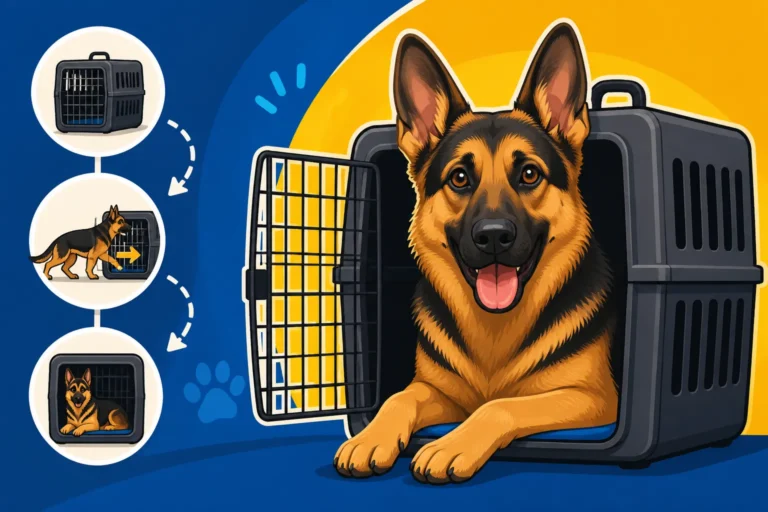
- A brief time-out in their crate: If they are crate trained, a short, enforced nap can do wonders. A How to Crate Train a German Shepherd guide can help with this.
- A quiet chew session: Give them a stuffed Kong or another long-lasting chew in a calm space.
- Short, structured training: Engage their brain with a few quick obedience commands like "sit" or "down" to shift their focus from physical exuberance to mental work.
- Ending playtime: Sometimes, the best solution is simply to end playtime before it gets too wild.
Learning to read your puppy's energy levels and preemptively managing their excitement will significantly reduce the instances of hard nipping. This proactive approach teaches them self-control and helps them understand that calm behavior leads to continued positive interaction, rather than escalating into a chaotic biting frenzy.
| Bite Pressure Level | Puppy Behavior | Human Response (Bite Inhibition) | Goal |
|---|---|---|---|
| Level 4-5 (Hard) | Breaks skin, leaves red mark, causes real pain. | Exaggerated yelp, immediate 10-20 sec time-out (leave room if needed). | Eliminate hard biting entirely. |
| Level 3 (Moderate) | Painful, but doesn't break skin. | Clear yelp, immediate cessation of play, turn away. | Reduce pressure to gentle nips. |
| Level 2 (Mild Nip) | Noticeable pressure, no pain. | Redirect to chew toy, gentle praise if they take the toy. | Shift focus from skin to toys. |
| Level 1 (Soft Mouth) | Mouth on skin, no pressure, like a soft lick or mouthing. | Calm praise, continue gentle interaction. | Acceptable level for interaction. |
Addressing Persistent or Hard Biting
Even with consistent use of the foundational techniques, some German Shepherd puppies can be more persistent or simply have a higher pain tolerance than others. If you're finding that the "yelp and withdraw" isn't consistently working, or if the biting remains hard, it's time to escalate your approach slightly.
Time-Outs and Consequence Management
When your puppy’s nipping remains too hard, and a simple yelp and turning away isn't enough, a more formal time-out can be highly effective. The principle remains the same: hard biting leads to the immediate cessation of all fun and social interaction.
Here's how to implement it:
- Instant Reaction: The very moment your puppy bites too hard, give your "YIP!" or "OW!"
- Lead to Time-Out Space: Calmly, without anger or yelling, take your puppy to a designated "time-out" spot. This could be their crate (if they view it positively), a puppy-proofed bathroom, or a pen. The key is that it's a boring, safe space where they cannot interact with you.
- Short Duration: The time-out should be very brief – 30 seconds to a minute is usually plenty. It's about breaking the cycle and providing a clear consequence, not punishment. If they are still agitated or barking when the time is up, wait a few more seconds until they are calm before releasing them.
- No Attention Upon Release: When you let them out, don't make a big fuss. Just open the door and let them re-enter the main area. If they immediately start nipping hard again, repeat the time-out.
The effectiveness of this method lies in its consistency and immediate application. Your German Shepherd puppy needs to quickly understand that their action (hard biting) directly causes their desired outcome (attention, play) to be removed. This form of consequence management is a powerful teacher.
Handling Play Biting Versus Aggressive Biting
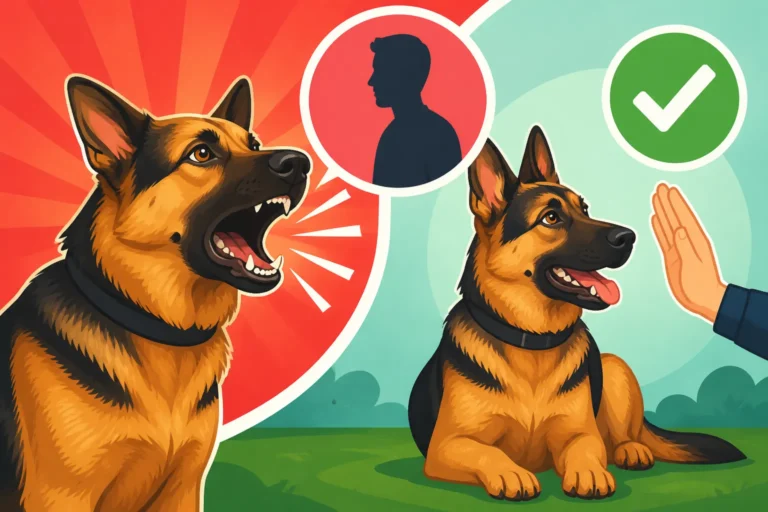
This is a critical distinction that sometimes gets overlooked in the heat of the moment. Most puppy nipping is play biting, even if it hurts. The puppy’s body language will be loose, wiggly, and inviting. They might be wagging their tail, bowing, or trying to initiate chase. The bites are usually quick and exploratory, even if too hard.
Aggressive biting, on the other hand, is accompanied by a very different set of signals. This could include a stiff body, growling, snarling, raised hackles, a tucked tail, whale eye (showing the whites of their eyes), or lunging. The bite itself might be held longer or be accompanied by shaking. If your German Shepherd puppy is exhibiting these signs, especially regularly, you are dealing with something far more serious than typical puppy nipping.
- For Play Biting: Continue with the bite inhibition techniques discussed (yelp, withdraw, redirect, time-outs). Your goal is to refine their mouth use.
- For Aggressive Biting: Immediately stop any interaction that elicits this response. Do not punish, as this can escalate fear-based aggression. Instead, disengage calmly and seek professional help from a certified professional dog trainer or veterinary behaviorist. These situations require expert assessment to determine the root cause and implement a safe, effective modification plan. If you find yourself in this situation, a resource like When to Hire a Trainer for a German Shepherd can be invaluable.
When to Seek Professional Help
There are definitely times when it’s more than just a persistent puppy and you need to bring in the big guns. If, after consistent application of the above techniques for several weeks, your German Shepherd puppy’s biting pressure isn't improving, or if you suspect it's moving beyond typical puppy nipping into genuine aggressive territory, don't hesitate to seek professional guidance.
- No Improvement: If your puppy is routinely breaking skin, drawing blood, or consistently biting with excessive force despite your best efforts.
- Aggressive Displays: Any growling, snarling, or stiff body language associated with the biting, especially if it happens outside of very rough play or resource guarding (which itself needs addressing).
- Fear-Based Biting: If your puppy bites when startled, cornered, or when you attempt to take something from them, it might be fear or resource guarding, which needs specific training.
- Unmanageable Energy: If you simply cannot manage their energy levels, and they seem constantly overstimulated and mouthy.
A professional dog trainer, especially one experienced with German Shepherds, can assess your specific situation, observe your interactions, and provide tailored advice. They can help identify underlying issues, adjust your techniques, or guide you through more advanced behavioral modification if needed. Online training platforms, such as those offered by BAXTER & Bella, can also provide structured programs and direct access to trainers who can offer virtual support and guidance for challenging behaviors. Investing in professional help early can save you a lot of heartache and potential problems down the road.
Advanced Bite Inhibition and Management
Once your German Shepherd puppy has a decent understanding of bite inhibition, the work isn’t over. You need to proof this training in various environments and situations and integrate it into their overall obedience. This ensures they maintain that soft mouth throughout their lives.
Proofing Bite Inhibition in Various Scenarios
Teaching bite inhibition in your living room is one thing; ensuring it holds up when guests arrive, during a busy park visit, or amidst exciting play with other dogs is another challenge entirely. "Proofing" means practicing a learned behavior under different circumstances until it becomes reliable regardless of distractions.
To proof bite inhibition:
- Different People: Have various friends and family members interact with your puppy, all applying the same "yelp and withdraw" rules. This teaches your pup that the rule isn't just for you but for all humans.
- Different Environments: Practice in new places with mild distractions. A new room in your house, the backyard, or a quiet park. Gradually increase the level of distraction.
- Varying Energy Levels: Sometimes you want to play calmly, other times you might engage in slightly more vigorous play (always with toys, not hands!). Your dog needs to understand that a soft mouth is expected even when energy is high.
- New Sensations: Expose your puppy to different textures and sensations. If they tend to mouth clothing, let them mouth a designated "chew blanket" and redirect if they go for your sleeve.
The goal is to generalize the lesson. Your German Shepherd should learn that "skin is always soft" and "toys are for chewing" no matter who they’re with or where they are. This critical step solidifies their understanding and makes the behavior truly reliable. Part of this proofing involves exposing them to various social situations, which ties into effective How to Socialize a German Shepherd training.
Incorporating Obedience Commands
Integrating bite inhibition into your overall obedience training strengthens your control and your German Shepherd's understanding of boundaries. Basic commands can become powerful tools for managing mouthy behavior.
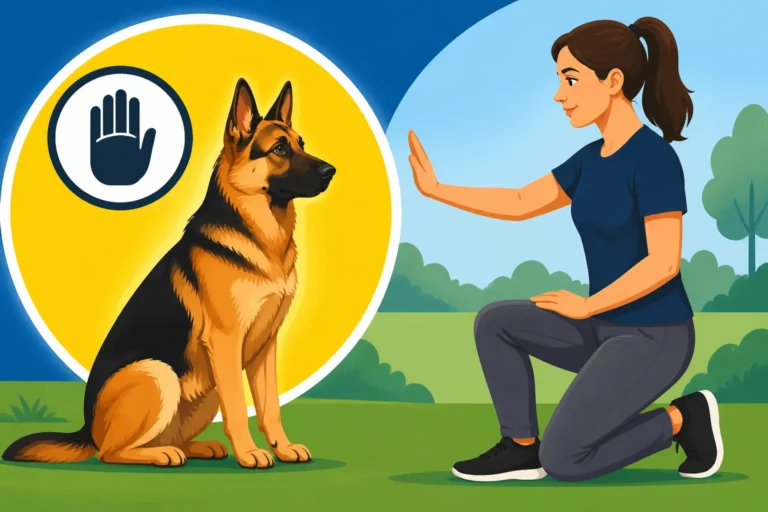
- "Leave It": This is arguably one of the most useful commands for bite inhibition. If your puppy starts to mouth your hand or an inappropriate object, a firm "Leave It!" followed by redirecting to an appropriate toy teaches them to disengage from the undesirable item. Consistent practice of "Leave It" with tempting objects (and rewarding them for complying) builds a strong foundation.
- "Off": If your puppy jumps up and mouths your arm or face, a clear "Off!" can help them understand that putting their mouth on you in that context is not allowed. Pair it with immediately turning your back or stepping away.
- "Sit" / "Down": When your puppy gets overstimulated and mouthy, asking for a "Sit" or "Down" can interrupt the behavior and encourage a calmer state. Reward them for settling.
These commands don't directly teach bite pressure, but they give you tools to interrupt unwanted mouthy behavior and redirect your dog to a more appropriate, calm state. They are foundational aspects of German Shepherd Obedience Training Basics. Consistent reinforcement of these commands creates a more well-rounded, controllable dog who understands that listening to you often leads to positive outcomes.
Long-Term Strategies for a "Soft Mouth"
Teaching bite inhibition isn't a one-and-done deal; it's an ongoing process, especially with a powerful breed like the German Shepherd. As they mature, their jaw strength increases, and their playful energy continues.
Here are some long-term strategies to maintain a soft mouth:
- Continue to Provide Appropriate Outlets: Always ensure your German Shepherd has access to a variety of durable chew toys. Rotate them to keep interest high. Chewing is a natural and healthy behavior; just make sure it's directed correctly.
- Supervise Play: Even with an adult German Shepherd, supervise rough play, especially with other dogs or boisterous individuals. Intervene if play becomes too mouthy or intense.
- Regular Mental and Physical Exercise: A tired German Shepherd is a good German Shepherd. Ensure they get adequate physical exercise to burn off energy and plenty of mental stimulation to keep their minds engaged. A bored, under-exercised dog is more likely to resort to undesirable behaviors, including excessive mouthing. Our guide on German Shepherd Exercise Requirements details how to keep your dog active and content.
- Reinforce Gentle Handling: Regularly practice gentle handling, touching their paws, ears, and mouth. Reward them for staying calm and accepting the interaction. This builds trust and ensures they are comfortable with being handled, which is vital for vet visits and grooming.
- Be a Consistent Role Model: Always use your hands for petting, praise, and feeding, not for roughhousing or play. Your hands should always be associated with positive, gentle interactions.
By consistently applying these long-term strategies, you're not just preventing biting; you're building a relationship of trust and respect with your German Shepherd. A dog with a reliable soft mouth is a joy to live with, a safe member of the community, and a testament to your dedicated training. It’s a core element of How to Train a German Shepherd effectively.
Common Mistakes and Troubleshooting
It's completely normal to hit a few bumps in the road when teaching bite inhibition. Many owners make similar mistakes, often out of frustration or a lack of understanding. Recognizing these pitfalls and knowing how to troubleshoot them is key to your success.
Avoiding Punishment and Aversives
One of the biggest mistakes owners make is resorting to punishment or aversive methods when their German Shepherd puppy bites. This might include:
- Hitting or swatting their nose: This teaches fear and distrust, not bite inhibition. It can also lead to defensive biting.
- Alpha rolls or forcing their mouth closed: These outdated, dominance-theory based methods are not only ineffective but can be dangerous. They damage your bond and can provoke aggression.
- Yelling or screaming: While it might startle them initially, it often just adds to their excitement or fear, making the biting worse. They might even see it as attention.
- Using bitter sprays on your hands: While occasionally helpful for objects, if your puppy associates your hands with a nasty taste, it can make them hesitant to take treats gently or interact positively.
The problem with punishment-based methods is that they don't teach your German Shepherd what to do instead. They only teach suppression, which can result in a dog that bites without warning (because they've learned not to give warning signals) or becomes fearful of your hands. The goal of bite inhibition is to teach control and a soft mouth, not to instill fear. Focus on positive reinforcement, redirection, and the consequence of lost fun.
Consistency is Key: Family Buy-in
This is perhaps the most crucial element in successful bite inhibition training. If one person yelps and withdraws, but another allows the puppy to mouth their hands, your German Shepherd puppy will be utterly confused. They'll learn that sometimes it's okay, sometimes it's not, and they'll continue to test boundaries.
- Team Meeting: Before your puppy even comes home, or as soon as possible, have a "family meeting" to discuss the bite inhibition plan. Everyone in the household, including older children, must understand and commit to the same rules and reactions.
- Same Language: Agree on the exact "yelp" sound. Agree on the duration of the time-out. Agree on the type of chew toys to use for redirection.
- No Exceptions: There can be no "he's just a puppy, it's cute" moments if those moments involve hard nipping. Every hard nip must result in the same consequence.
Inconsistency is a surefire way to prolong the nipping phase and make the process more frustrating for everyone. Your German Shepherd puppy thrives on clear rules and predictable outcomes. When everyone is on the same page, your puppy learns faster and more effectively, preventing many common German Shepherd Behavior Problems and Solutions.
What to Do If Bite Inhibition Isn't Progressing
If you've been consistent with the "yelp and withdraw," redirection, and time-outs for several weeks, and you're still not seeing progress (e.g., your puppy is still routinely biting hard or breaking skin), don't get discouraged, but do reassess.
- Re-evaluate Your Technique: Are your yelps sharp enough? Is your withdrawal immediate and complete? Are your time-outs truly boring? Sometimes we unknowingly give mixed signals.
- Increase the Consequence: If short time-outs aren't working, consider making them slightly longer (up to 2-3 minutes) or ensuring the environment is truly devoid of stimulation.
- Manage Energy Levels More Rigorously: Is your puppy truly getting enough appropriate exercise and mental stimulation? An under-exercised German Shepherd puppy will be more prone to frantic, mouthy behavior. Reviewing guides like How Much Exercise Is Too Much for a Puppy can help ensure you’re hitting the right balance.
- Rule Out Medical Issues: Very rarely, pain or discomfort can lead to increased nipping or irritability. A quick vet check can rule this out.
- Seek Expert Guidance: As mentioned earlier, this is the time to reach out to a certified professional dog trainer. They can observe your interactions firsthand, spot subtle issues you might be missing, and provide targeted solutions. Sometimes an outside perspective is all it takes to get things back on track.
Remember, every German Shepherd puppy is an individual. Some pick up bite inhibition quickly, while others require more time and more diligent training. Your patience, persistence, and consistent, humane approach will ultimately lead to a well-mannered dog with a wonderfully soft mouth.
Disclaimer
Please note: The information provided in this article is for educational and informational purposes only and does not constitute veterinary advice. Always consult with a qualified veterinarian or certified professional dog trainer for any concerns regarding your German Shepherd's health or behavior.