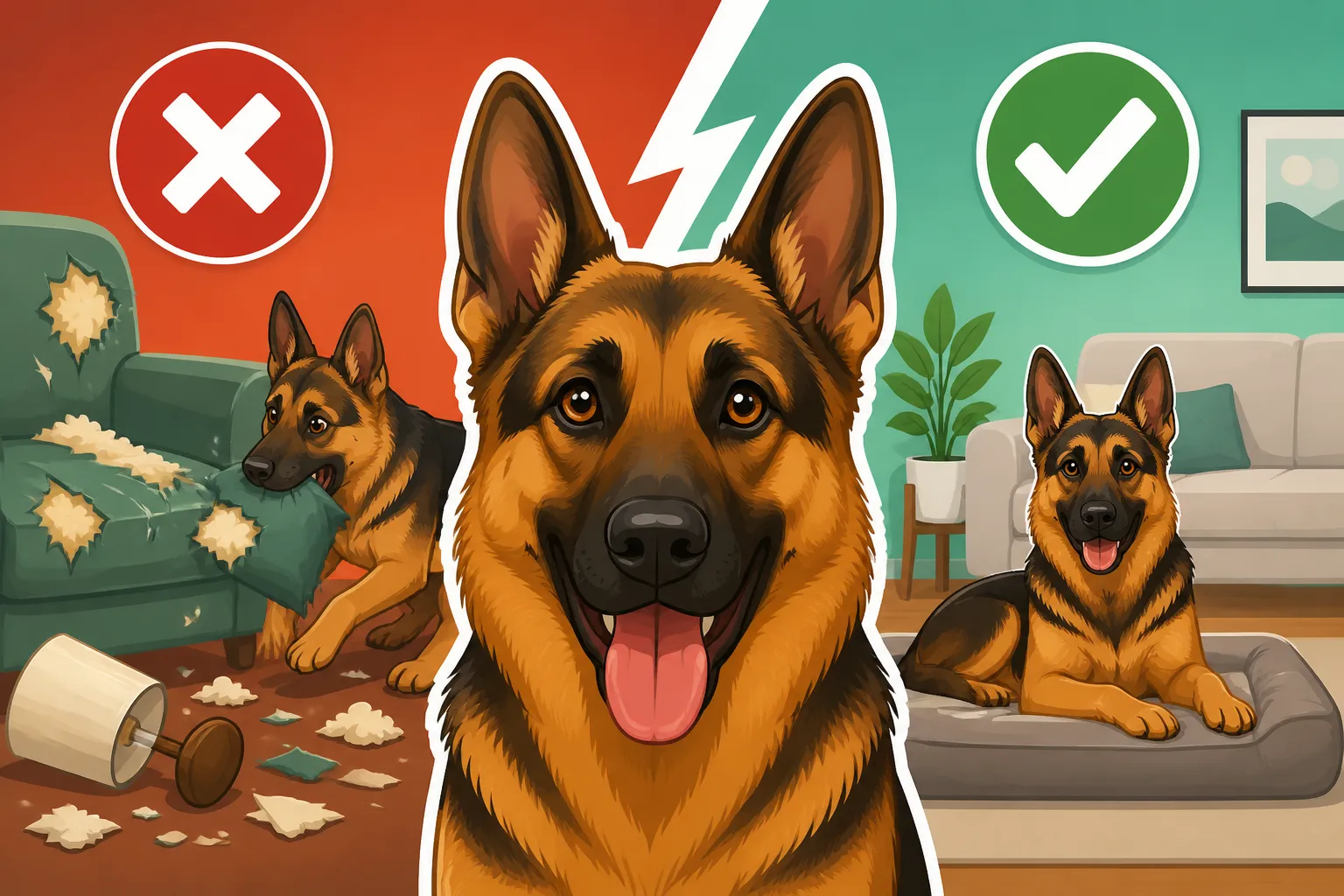
How to Stop a German Shepherd Destroying the House
Coming home to discover your beloved German Shepherd has redecorated your living room with shredded couch stuffing or gnawed a new pattern into your door frame can feel like a punch to the gut. It's frustrating, disheartening, and frankly, expensive. You love your German Shepherd, but dealing with a destructive dog tests even the most patient owner. This comprehensive guide is here to walk you through understanding why your German Shepherd might be turning your house into a chew toy and, more importantly, what concrete steps you can take to stop it.
Understanding Why Your German Shepherd Destroys the House
It’s easy to feel like your German Shepherd is acting out of spite when you see the aftermath of their destructive escapades. But, believe me, that’s rarely the case. Dogs, especially intelligent, high-energy breeds like German Shepherds, don't destroy things to get back at you. They're usually communicating an unmet need, whether it's physical, mental, or emotional. Unpacking these root causes is the very first step in finding a lasting solution.
Unmet Physical and Mental Exercise Needs
German Shepherds are not just pretty faces; they were bred for demanding work. They are incredibly athletic, intelligent, and possess a strong drive to have a "job." If these inherent needs aren't adequately met, that energy and intelligence have to go somewhere. More often than not, it manifests as destructive behavior.
Think about it: if your German Shepherd is only getting a quick walk around the block once a day, and then spending the next eight hours alone while you're at work, that's a recipe for disaster. They have boundless energy that needs to be burned off through vigorous exercise—running, fetching, swimming, or even just long, brisk walks. Without sufficient physical exertion, they'll simply have too much pent-up energy, and your furniture might look like an inviting outlet. Beyond physical activity, their sharp minds also need a workout. German Shepherds thrive on learning, problem-solving, and engaging in tasks. If they're not mentally stimulated through training, puzzle toys, or interactive games, they will create their own "entertainment." This often involves dissecting pillows, chewing on chair legs, or exploring the fascinating textures of your drywall.
Anxiety and Stress as Triggers
Sometimes, destructive behavior isn't about boredom or excess energy at all; it's a coping mechanism for underlying stress or anxiety. German Shepherds are deeply loyal and can form very strong bonds with their families. This can sometimes make them prone to conditions like separation anxiety, where they become genuinely distressed when left alone.
The destruction stemming from separation anxiety often looks different from simple boredom chewing. You might notice damage around exit points like doors and windows, or your dog might eliminate indoors even if they are perfectly house-trained. This isn't defiance; it's panic. Other stressors, such as loud noises (thunderstorms, fireworks), changes in routine (a new work schedule, a family member moving out), or even subtle shifts in the home environment can trigger anxiety-driven destruction. A German Shepherd might chew excessively or pace restlessly, not because they're being naughty, but because they're trying to self-soothe in a stressful situation. It’s important to pay attention to other signs of anxiety, such as excessive drooling, whining, pacing, or loss of appetite, as these often accompany the destructive acts.
Puppy Teething and Exploratory Chewing
While adult German Shepherds can certainly be destructive, puppies are often a different story entirely. For puppies, chewing is a completely normal, instinctual behavior, especially during their teething phase, which typically peaks between three and seven months of age. Just like human babies, puppies explore the world with their mouths, and chewing helps relieve the discomfort of erupting teeth.
During this time, everything becomes fair game. Your shoes, the leg of your dining table, even your hands – it’s all part of their natural exploration and pain relief process. The challenge for us as owners is to guide this natural instinct toward appropriate outlets. If a puppy isn't given enough suitable chew toys, or if they haven't learned what is acceptable to chew on, they’ll simply choose whatever is available. What starts as normal puppy chewing can, if not properly managed, morph into a deeply ingrained habit that carries into adulthood, even after their adult teeth have fully emerged. This isn’t a sign of naughtiness; it’s a lack of clear communication and appropriate alternatives from us.
Identifying the Specific Destructive Behaviors and Their Triggers
Understanding why your German Shepherd is destroying things is crucial, but it's equally important to pinpoint what they are destroying and when. The specifics can give you vital clues to the underlying cause and help you tailor your solutions. A dog that only chews doorframes when you're gone likely has different motivations than one that shreds toys indiscriminately while you're watching TV.
Chewing Furniture, Walls, and Personal Items
This is perhaps the most common and visible form of destructive behavior. Coming home to find a chair leg splintered, a section of baseboard gnawed away, or your favorite pair of sneakers turned into confetti is incredibly frustrating. German Shepherds, with their powerful jaws, can cause significant damage in a surprisingly short amount of time.
Often, this type of chewing is a direct response to boredom or an overwhelming urge to relieve stress. When your German Shepherd targets specific items like furniture, it might be because these items offer a satisfying texture or are easily accessible. They might start with "mouthing" or playful nibbling, and if not redirected to appropriate chew toys, this can escalate into full-blown destruction. Sometimes, these behaviors are inadvertently reinforced if, for example, a puppy gets attention (even negative attention) when chewing something forbidden, or if they successfully destroy an item and find it rewarding in some way. Items that carry your scent, like shoes or clothing, can also be targets for dogs experiencing separation anxiety, as chewing them might provide a sense of comfort or closeness to you.
Digging Indoors and Destructive Shredding
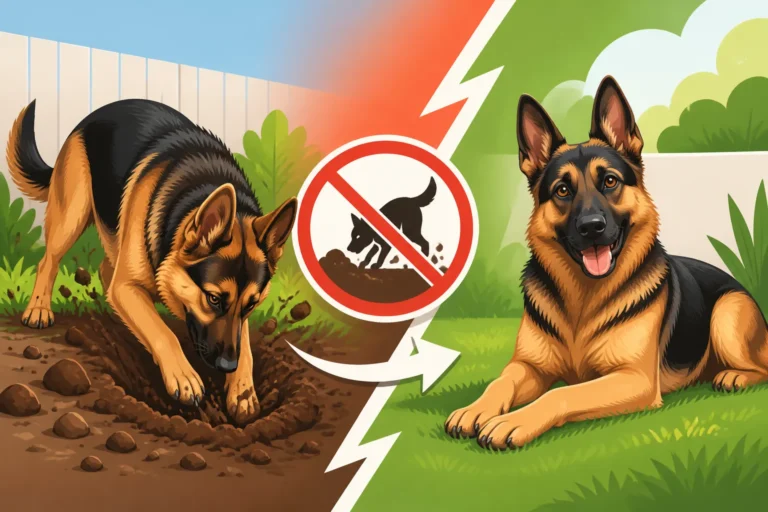
While outdoor digging is a common German Shepherd pastime (they're great at it!), indoor digging and shredding are clear indicators that something is amiss. You might find holes dug into your carpet, padding pulled from under rugs, or even walls scratched and clawed. Shredding, on the other hand, often involves paper products, cushions, blankets, or even garbage.
Indoor digging can stem from a few different places. It could be boredom, where your dog is trying to "bury" imaginary treasures or simply satisfy an instinctual urge to dig. Sometimes, it's an attempt to create a cooler or more comfortable resting spot, especially on hard floors or when they're feeling anxious. For dogs with separation anxiety, digging at doors or windows is often an attempt to escape and reunite with their owners. Destructive shredding is almost always a sign of boredom or a need for mental stimulation. The act of tearing and ripping can be self-rewarding, providing an outlet for pent-up energy and satisfying a primal instinct. If your German Shepherd consistently raids the trash or tears apart soft items, they're looking for an activity, and without a better option, your belongings become the unfortunate victim.
Inappropriate Urination and Defecation
This is a particularly distressing form of "destruction" because it often signals a deeper emotional issue, especially if your German Shepherd is otherwise reliably house-trained. While it can sometimes be a sign of a medical problem (always rule this out with your vet first!), it frequently accompanies other destructive behaviors when a dog is suffering from anxiety or stress.
When a German Shepherd, who normally has impeccable house manners, suddenly starts having accidents indoors, especially when left alone, it's a huge red flag for separation anxiety. They aren't doing it to be spiteful; they simply can't control their bodily functions when they're in a state of panic or extreme stress. This can be combined with other signs like whining, pacing, or destructive chewing around exit points. The emotional toll on owners who walk into a scene of both physical destruction and elimination is immense. It's crucial to approach these situations with empathy and focus on addressing the underlying anxiety rather than punishing your dog, which will only exacerbate their fear and stress.
Immediate and Long-Term Strategies to Curb Destruction
Now that we’ve explored the why and what of destructive behavior, let's talk about the how – how to actually stop it. This isn't about quick fixes; it's about a combination of immediate management, consistent training, and addressing the root causes. Patience and consistency are your best friends here.
Boosting Physical Exercise and Mental Stimulation
This is non-negotiable for a German Shepherd. They are high-drive dogs, and an under-exercised, under-stimulated GSD is a destructive GSD. You need to commit to providing ample opportunities for them to burn off both physical energy and mental prowess.
Start by increasing the duration and intensity of their daily physical activity. Instead of a leisurely stroll, incorporate brisk walks, jogging, or active games of fetch in a secure area. Many German Shepherds adore swimming or running alongside a bicycle (once they are fully grown and vet-cleared, of course). Aim for at least 60-90 minutes of vigorous exercise daily, broken into multiple sessions. Beyond physical exertion, their minds need a workout too. Engage them with puzzle toys like Kongs filled with frozen peanut butter or treats, or snuffle mats that make them "hunt" for their food. Regular, short training sessions, practicing commands or teaching new tricks, are also fantastic for mental engagement. You could even look into dog sports like agility, obedience, or tracking; these provide an incredible outlet for their natural drives. For more ideas on keeping their brains busy, check out our guide on Best Mental Stimulation for German Shepherds.
Crate Training and Safe Spaces
A well-introduced crate can be a German Shepherd's best friend and your house's savior. It's not a jail; it's their den, a safe, secure space where they can relax without the opportunity to get into trouble. When you can't actively supervise your German Shepherd, especially when you leave the house, a crate can prevent destructive behaviors.
The key is to make the crate a positive place. Never use it for punishment. Introduce it gradually, making it comfortable with soft bedding, toys, and treats. Feed meals inside the crate. Start with short periods, even just a few minutes, while you're still home, gradually increasing the duration. The goal is for your German Shepherd to view their crate as a sanctuary, not a prison. For puppies and young dogs, this is an invaluable tool for preventing destructive habits from forming. Even adult dogs can benefit immensely, especially those with separation anxiety, as it provides a structured, predictable environment. Remember to always provide a potty break immediately before and after crating. For a step-by-step approach to this essential skill, take a look at our article, How to Crate Train a German Shepherd.
Chew Toy Management and Redirection
Given that German Shepherds have powerful jaws and an innate need to chew, providing appropriate outlets is paramount. You can't just expect them to not chew; you have to teach them what to chew.
Invest in a variety of high-quality, durable chew toys. Think about different textures and types – robust rubber toys like Kongs, durable nylon chews from brands like Nylabone, and safe, long-lasting natural chews (always choose appropriate sizes and types, and supervise your dog). Rotate these toys regularly to keep your German Shepherd interested. A toy that's always available quickly loses its appeal. When you catch your German Shepherd chewing on something inappropriate, calmly interrupt the behavior and immediately redirect them to an approved chew toy. Praise them enthusiastically when they start chewing on the correct item. You can also use bitter apple spray or similar deterrents on items you don't want them to chew, making the forbidden items less appealing. You can find a wide range of these products easily on platforms like Amazon. Consistency in redirection is key; every time you correct and redirect, you're teaching them what the acceptable choices are.
Addressing Underlying Anxiety and Training
For German Shepherds whose destruction stems from anxiety, especially separation anxiety, a multi-faceted approach is necessary. While the previous strategies will help, you also need to tackle the emotional component.
One effective strategy is gradual desensitization. This involves slowly increasing the time your German Shepherd is alone, starting with just a few seconds, then minutes, and gradually building up. This teaches them that your departures are not something to panic about. Counter-conditioning also plays a role, where you associate your departure with something positive, like a special, high-value chew toy that they only get when you leave. For severe cases of separation anxiety or other complex behavioral issues, professional help is invaluable. A certified professional dog trainer or a veterinary behaviorist can provide tailored guidance, identifying specific triggers and designing a behavior modification plan. Online programs, such as those offered by BAXTER & Bella, can also provide comprehensive resources and support, giving you structured guidance for various training challenges, including anxiety. This kind of systematic training can be crucial for resolving issues like German Shepherd Separation Anxiety Solutions.
Creating a Destruction-Proof Environment and Routine
Even with the best training and exercise, an environment full of temptations can sabotage your efforts. Creating a safe, predictable, and boredom-resistant home is just as important as the direct training. It's about setting your German Shepherd up for success.
Puppy-Proofing Your Home
Just like child-proofing for a toddler, German Shepherd-proofing your home is essential, especially when they are young or if they have a history of destructive behavior. This isn't about restricting their entire life, but about managing their access to tempting items when you can't supervise them 100%.
Start by taking a walk through your home and identifying potential targets. Secure trash cans with lids or place them inside cabinets. Store shoes, remote controls, books, and anything else of value or danger out of reach. Use baby gates or exercise pens to block off entire rooms or areas where your German Shepherd is prone to trouble, especially when you leave the house. Cords and cables should be secured or covered. For areas they are allowed to roam, ensure they have access to their bed, water, and plenty of appropriate chew toys. Teaching commands like "leave it" and "drop it" are also incredibly helpful for those moments when they do get hold of something they shouldn't. This proactive approach prevents opportunities for destructive habits to form and keeps your beloved belongings safe.
Establishing a Predictable Schedule
German Shepherds, like many dogs, thrive on routine and predictability. A consistent daily schedule helps them understand what to expect, reducing anxiety and channeling their energy more effectively. When their day is unpredictable, it can lead to stress, boredom, and subsequently, destructive outlets.
Aim for consistency in feeding times, potty breaks, exercise sessions, and training. For example, knowing that their morning walk always happens at 7 AM, followed by breakfast, and then a crate nap until your lunch break, provides a sense of security. This structured environment minimizes periods where they might feel bored or anxious and start looking for "trouble." A clear routine also helps regulate their energy levels, making them more likely to rest calmly when unsupervised. For instance, if your dog knows that after their vigorous morning exercise and mental stimulation, it's downtime in their crate with a chew, they are less likely to tear up the house. This consistency is a cornerstone of good behavior and something we delve into deeper in our German Shepherd Puppy Training Guide.
Monitoring and Early Intervention
You can't fix what you don't see or understand. Modern technology offers fantastic tools for monitoring your German Shepherd's behavior when you're not physically present, allowing for early intervention and a deeper understanding of their triggers.
Consider investing in a pet camera. Many cameras offer two-way audio, motion alerts, and even treat dispensers. Observing your German Shepherd when you're away can provide invaluable insights into when and why they become destructive. Do they start pacing and whining right after you leave? Do they only chew on items after an hour of silence? This information is critical for refining your strategies. Early intervention also applies when you are home. If you notice your German Shepherd starting to fixate on an inappropriate item, intervene immediately. Don't wait until they've already caused damage. Calmly interrupt, redirect them to an appropriate chew toy, and then praise them when they engage with the correct item. Remember, punishing your German Shepherd after the fact, especially hours after the destruction occurred, is ineffective and can damage your bond. They won't connect the punishment to the act; they'll only connect it to your return.
Comparative Look at Destructive Behaviors and Solutions
| Destructive Behavior | Likely Causes | Immediate Action | Long-Term Solution |
|---|---|---|---|
| Chewing Furniture/Items | Boredom, Teething, Stress, Lack of appropriate chews | Interrupt, redirect to approved chew toy (e.g., Kong) | Increase exercise/mental stimulation, variety of durable chew toys |
| Digging Indoors (Carpet/Walls) | Boredom, Anxiety, Seeking comfort, Escape attempt | Interrupt, provide a digging mat or puzzle toy | More outdoor exercise, secure crate, address anxiety (pro. help) |
| Shredding (Pillows/Paper) | Boredom, Play, Stress relief | Interrupt, redirect to a tearing toy (e.g., old towel) | Puzzle toys, interactive play, consistent routine |
| Inappropriate Elimination | Separation Anxiety, Medical Issue, Incomplete potty training | Clean thoroughly, consult vet, do not punish | Vet check, gradual desensitization, strict potty schedule |
Disclaimer
This article provides general information and should not be considered a substitute for professional veterinary advice or professional dog training guidance. Every German Shepherd is an individual, and behavioral issues can have complex underlying causes. If your German Shepherd is exhibiting severe destructive behavior, especially when coupled with signs of anxiety or aggression, please consult with a certified professional dog trainer, a veterinary behaviorist, or your trusted veterinarian for personalized assessment and support.