German Shepherd Won’t Stop Nipping Kids: Fixes
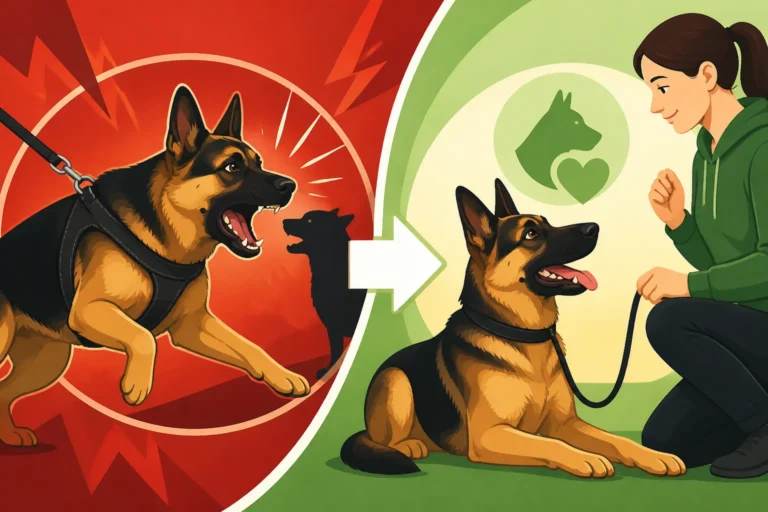
It's incredibly frustrating, and let's be honest, pretty alarming when your beloved German Shepherd starts nipping at the kids. You adopted or raised this magnificent dog with dreams of a loyal family protector, not a furry menace that makes playtime a high-stress event. The worry about your children's safety, coupled with the guilt of feeling like you're failing your dog, can be overwhelming. This comprehensive guide is here to shed light on why this behavior happens and, more importantly, equip you with actionable strategies to effectively address and resolve German Shepherd nipping issues with children, restoring peace and safety to your home.
Understanding Why Your German Shepherd Nips Children
When a German Shepherd nips at children, it's rarely out of malice. Instead, it's usually a manifestation of their natural instincts, a response to a situation they don't understand, or a sign that they're feeling overwhelmed or uncomfortable. Pinpointing the root cause is the first critical step toward finding a lasting solution.
Puppy Nipping vs. Adolescent Nipping
It’s crucial to differentiate between the playful, exploratory nipping of a young German Shepherd puppy and the more serious, intentional nips that might emerge during adolescence or adulthood. A tiny puppy, typically under 4-5 months old, uses its mouth to explore the world, much like a human baby uses its hands. They learn bite inhibition from their littermates and mother, understanding how much pressure they can apply before a playmate yelps and disengages. When they join your family, they often transfer this learning process to human hands and feet. This kind of nipping, while painful, is generally an innocent attempt to play or get attention, and it’s a phase most German Shepherd puppies go through. You can find more detailed guidance on how to stop German Shepherd puppy biting in our dedicated post.
However, as a German Shepherd matures into adolescence (roughly 6 months to 2 years), nipping can take on different meanings. This isn't just exploratory anymore; it might be a sign of poor impulse control, overexcitement, frustration, or even a test of boundaries. An adolescent dog has more strength and intent behind their mouthy behavior, and if not addressed, it can quickly escalate from annoying to genuinely dangerous. Their strong prey drive and energetic nature mean that what starts as a "friendly" nip can quickly become a problem if not managed with firm and consistent training.
Herding Instincts at Play
German Shepherds were originally bred as herding dogs, tasked with moving livestock. This innate instinct to gather, chase, and direct can often translate into their interactions with children. Kids, with their quick, erratic movements, high-pitched voices, and tendency to run, can inadvertently trigger these deep-seated herding behaviors in your German Shepherd. The dog might see a child running across the yard and feel an irresistible urge to "herd" them by nipping at their heels or clothing to stop or redirect their movement. This isn't an act of aggression but rather an attempt to control the child's movement, much like they would a stray sheep.
While it might seem cute or even harmless initially, a herding nip can easily scare a child, cause bruising, or even break the skin. It’s important to understand that your dog isn't trying to hurt the child; they're simply acting on instinct. However, this doesn't make the behavior acceptable or safe. It's our responsibility as owners to teach them that humans, especially small ones, are not sheep to be herded. This instinctual drive requires careful management and redirection, as outlined in our comprehensive guide on German Shepherd behavior problems and solutions.
Overstimulation, Fear, or Anxiety
Children, bless their energetic hearts, can be a lot for even the most patient dog to handle. Their unpredictable movements, sudden loud noises, quick grabs, or even constant hovering can easily lead to a German Shepherd feeling overstimulated, overwhelmed, fearful, or anxious. A dog that is constantly poked, prodded, or chased might nip as a way to say, "Stop! I need space!" This is a warning signal, and if ignored, it can escalate.
Fear-based nipping can occur if a child inadvertently corners a dog, grabs a sensitive area like an ear or tail, or approaches a resting dog suddenly. The dog, feeling threatened and unable to escape, might resort to a quick nip as a defensive mechanism. Similarly, a German Shepherd experiencing anxiety, perhaps due to a lack of proper socialization, past negative experiences, or even general nervousness, might nip when feeling stressed or unsure around children. Recognizing the subtle signs of stress in your dog – lip licking, yawning, turning away, stiffness, or whale eye – is crucial. If these signals are missed, a nip can be the dog's last resort to communicate their discomfort.
Immediate Strategies to Manage Nipping Incidents
When nipping occurs, your immediate response is critical, both for safety and for teaching your German Shepherd what is and isn't acceptable. These strategies focus on managing the environment and redirecting behavior in the moment.
Creating Safe Spaces and Supervision
The golden rule when it comes to dogs and children, especially when nipping is an issue, is never leave them unsupervised. Even if you trust your German Shepherd implicitly, accidents can happen in an instant. This means active, direct supervision at all times when your dog and children are in the same space. Think of yourself as a referee, ready to intervene at the slightest sign of trouble.
Creating designated "safe spaces" for your German Shepherd is equally important. This could be a crate, a dog bed in a quiet corner, or even a separate room where children are not allowed to bother them. A good, sturdy crate can be an absolute lifesaver. It provides a secure den where your dog can retreat when they need a break from the hustle and bustle of family life. Teaching your German Shepherd to love their crate through positive reinforcement can significantly reduce stress and prevent incidents. If you're looking for guidance, our article on how to crate train a German Shepherd offers excellent advice. Make sure your children understand these boundaries too; teach them that when the dog is in their safe space, they are to be left alone. Management tools like baby gates or exercise pens can also be invaluable for creating physical barriers that allow the dog and children to be in the same general area but prevent direct interaction unless supervised. You can find many effective options on Amazon, such as tall gates designed for large breeds.
Redirecting Behavior and Offering Alternatives
When your German Shepherd attempts to nip a child, the key is to interrupt the behavior immediately and redirect it towards something appropriate. A sharp, firm "No!" or "Ah-ah!" can work, but it must be followed instantly by offering an alternative. For example, if your dog goes to nip a child's hand, immediately say your interrupter word and then present them with a sturdy chew toy or a tug toy. Praise them enthusiastically when they engage with the appropriate item. The goal is to teach your dog that using their mouth on toys is good, but using it on humans is not.
Chew toys, especially durable ones designed for strong chewers like German Shepherds, are essential. Brands like Kong, Nylabone, or Goughnuts offer excellent, long-lasting options that can satisfy your dog's oral fixation. Engaging in structured play with these toys, away from the children, can also help drain excess energy and reinforce appropriate mouthing behavior. Tug-of-war, fetch, or even puzzle toys that dispense treats can be fantastic ways to channel their energy and provide mental stimulation. Remember, a tired German Shepherd is often a well-behaved German Shepherd. Consistent redirection helps them understand the rules of engagement and provides them with acceptable outlets for their natural behaviors.
Teaching Children How to Interact Safely
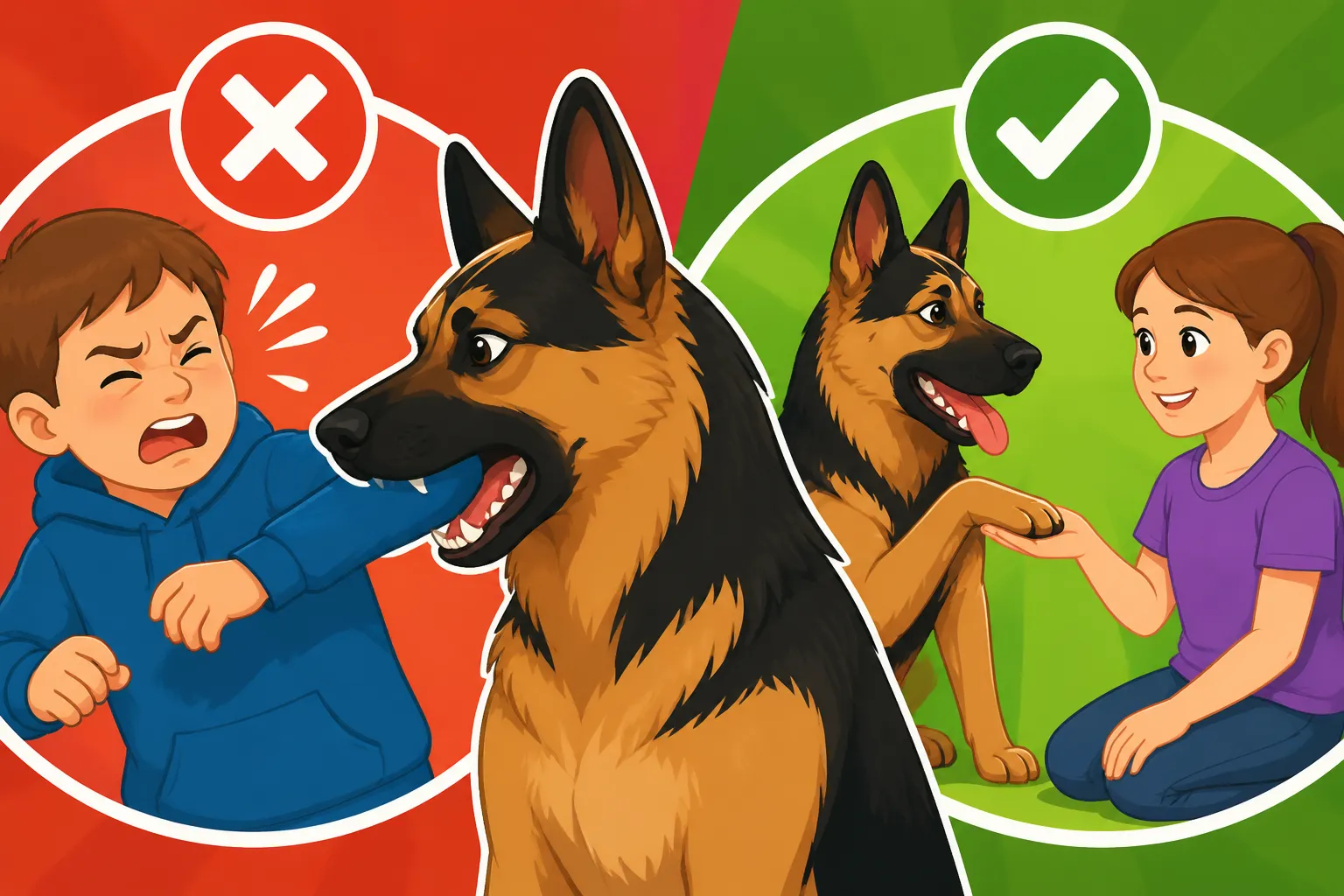
While we focus heavily on dog training, teaching children proper dog etiquette is equally, if not more, important. Kids need to understand that a dog is not a toy and has feelings, personal space, and boundaries. Depending on their age, children can learn simple rules like:
- No running or screaming around the dog: Sudden movements and loud noises can trigger prey drive or startle a dog.
- Always ask permission before petting: Teach them to ask an adult if it's okay to approach the dog.
- Gentle hands only: Show them how to gently pet the dog on its back or shoulder, avoiding the face, ears, or tail.
- Respect personal space: If the dog walks away, let them. If the dog is sleeping or eating, leave them alone.
- No teasing or bothering: This includes pulling fur, poking, or taking toys/food.
For younger children, demonstrating these interactions yourself and practicing with a stuffed animal can be very effective. Make it a game to "be a gentle friend" to the dog. For older children, explaining the dog's body language and why certain actions can scare or excite a dog can be incredibly valuable. There are many excellent resources online and books available that teach children about safe dog interactions. Consistency from all adults in the household in enforcing these rules is paramount to building a safe and respectful relationship between your German Shepherd and your children.
Long-Term Training Solutions for Nipping
While immediate management is crucial for safety, long-term training is what will truly resolve the nipping behavior. This involves consistent effort, clear communication, and often, revisiting foundational obedience.
Consistent Bite Inhibition Training
Bite inhibition is the skill a dog learns to control the force of their bite. As mentioned, puppies learn this from their littermates. If your German Shepherd never fully developed this skill, it’s vital to teach it, regardless of their age. The "ouch" method, while simple, can be highly effective. The moment your dog’s teeth touch skin, even gently, let out a sharp, high-pitched "Ouch!" or "Yelp!" and immediately withdraw all attention. Cross your arms, turn your back, and ignore them for 10-20 seconds. If they calm down, you can re-engage. If they try to nip again, repeat the process. This teaches them that biting makes the fun stop.
Consistency is key here. Every single family member must use this method every single time the dog nips. It's not a punishment, but a clear consequence: "If you bite, play stops." Over time, your German Shepherd will learn to be much gentler with their mouth, understanding that human skin is sensitive. This training often goes hand-in-hand with basic obedience training and socialization, which can be further explored in a German Shepherd Puppy Training Guide.
Reinforcing Calm Behavior and Impulse Control
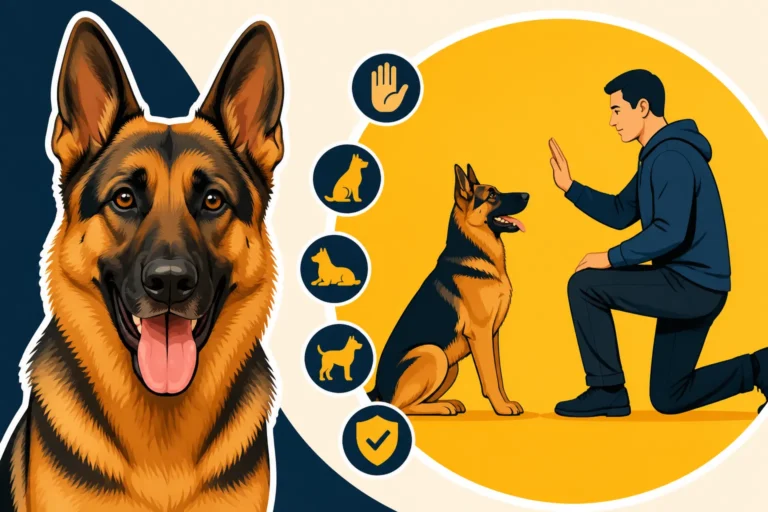
Many nipping incidents stem from overexcitement or poor impulse control. Teaching your German Shepherd to be calm around children, and in general, is a powerful preventative measure. Reward calm behaviors enthusiastically. If your dog is lying quietly while children are playing nearby, toss them a treat or offer soft praise. Teach and practice commands like "Sit," "Stay," "Down," and "Leave It" in increasingly distracting environments, especially when children are present. This helps your dog build self-control.
"Leave It" is particularly important for nipping. Practice it with toys and treats, then gradually introduce it when your dog shows interest in nipping at children. The goal is for them to disengage from the child on command. Structured obedience training sessions, even short 5-10 minute ones multiple times a day, can significantly improve your German Shepherd's focus and impulse control. Online training platforms, like those offered by BAXTER & Bella, can provide structured lessons and support for developing these crucial skills from the comfort of your home. Remember to use positive reinforcement, rewarding desired behaviors rather than punishing unwanted ones.
Desensitization and Counter-Conditioning
For German Shepherds who nip out of fear, anxiety, or overstimulation, desensitization and counter-conditioning are powerful tools. This involves gradually exposing your dog to children in a controlled, non-threatening way, while simultaneously creating positive associations.
Start with very brief, calm exposures. This might mean having your child sit quietly across the room while your German Shepherd is on a leash, enjoying a high-value chew toy or receiving treats from you. The distance should be far enough that your dog doesn't react negatively. Over time, slowly decrease the distance as long as your dog remains relaxed.
Counter-conditioning means changing your dog's emotional response. If your dog nips when a child approaches quickly, practice having the child walk slowly and calmly past your dog. Every time the child passes without incident, immediately give your dog a delicious treat. The goal is to teach your dog that "child approaching" equals "good things happen." This process takes time, patience, and absolute consistency. It's about slowly reprogramming your dog's reaction to children from stress or instinct to positive anticipation. For more insight into helping your dog manage stress, consider our article on German Shepherd Separation Anxiety Solutions, as anxiety can manifest in various unwanted behaviors.
When to Seek Professional Help and What to Expect
Sometimes, despite your best efforts, nipping behavior persists or even escalates. This is not a sign of failure on your part, but rather an indicator that you need to bring in the big guns: a professional.
Recognizing Warning Signs and Escalation
It's critical to understand that a nip, while concerning, is often a warning. If your German Shepherd is progressing beyond nips to growling, snapping, or actually breaking the skin with greater force, these are serious red flags. Other concerning behaviors include guarding children, freezing and staring intently, lunging, or showing the whites of their eyes (whale eye) when children are near. These are clear signs that your dog is deeply uncomfortable or stressed and feels the need to defend themselves or control the situation with more assertive actions.
Ignoring these escalating signs is dangerous. The "bite ladder" concept in dog behavior illustrates how dogs give increasingly clear warnings before a full bite. A nip is often several rungs up that ladder, and continued ignoring could lead to a severe bite. If you're seeing any of these behaviors, or if you ever feel unsafe, or if the nipping is unpredictable and intense, it's time to reach out for expert guidance. Early intervention is always better; the longer a problematic behavior goes unaddressed, the harder it can be to modify.
Consulting a Certified Professional Dog Trainer or Behaviorist
If you're at your wit's end, or if the nipping feels more aggressive or fear-based, please don't hesitate to seek professional help. Not all trainers are created equal, so look for a Certified Professional Dog Trainer (CPDT-KA) or a Certified Dog Behavior Consultant (CDBC), or even a Veterinary Behaviorist (Dip ACVB). These professionals have specific education, certifications, and experience in addressing complex behavioral issues.
A good professional will:
- Conduct a thorough assessment: They'll observe your dog's behavior, ask detailed questions about your household, routines, and the history of the nipping incidents.
- Help identify the root cause: They can often pinpoint triggers and motivations you might have missed.
- Develop a tailored training plan: This isn't a one-size-fits-all approach. They'll create a plan specific to your dog, your children, and your family's lifestyle.
- Teach you effective techniques: They'll demonstrate how to implement the plan safely and effectively, providing hands-on coaching.
- Provide ongoing support: Behavioral modification is a journey, not a quick fix. They should offer follow-up sessions and support as you work through the plan.
Investing in a professional can be a significant cost, but the safety of your children and the well-being of your German Shepherd are priceless. You can get an idea of potential expenses by looking into German Shepherd Training Classes Cost in your area, though specialized behavior consultations might be higher.
Addressing Underlying Medical Issues
It's a less common cause, but sometimes, a sudden change in behavior, including increased nipping or aggression, can be rooted in an underlying medical issue. Pain, discomfort, or certain neurological conditions can make an otherwise tolerant dog irritable and more prone to reacting defensively.
For instance, a dog with undiagnosed arthritis might nip when a child inadvertently touches a sore joint. A dog experiencing vision or hearing loss might startle more easily and nip as a defensive reaction. Thyroid imbalances can also sometimes manifest as behavioral changes. Before embarking on an intensive behavioral modification program, it's always a good idea to schedule a full veterinary check-up for your German Shepherd. Your vet can rule out any physical ailments that might be contributing to the nipping behavior. They might run blood tests, perform a physical exam, or suggest other diagnostics to ensure your dog is healthy. If a medical issue is found, addressing it can sometimes resolve or significantly alleviate the nipping.
Nipping Behavior and Potential Causes Table
To help summarize, here's a quick overview of potential nipping behaviors and their common causes:
| Type of Nipping | Common Age Group | Primary Motivation | Key Characteristics | Management & Training Focus |
|---|---|---|---|---|
| Play/Exploratory Nipping | Puppies (0-6 months) | Learning about the world, seeking attention, play | Mouthy, soft bites, may increase with excitement | Bite inhibition training, redirection to toys, "Ouch!" method |
| Herding Nipping | Any age, often young dogs | Instinct to gather and control movement | Nips at heels, ankles, clothing, especially when running | Management (leash/gate), redirect prey drive to appropriate games, obedience |
| Overstimulation Nipping | Any age | Overwhelmed by activity, noise, or handling | Snappy, quick nips, often after ignoring subtle stress signals | Create safe spaces, structured quiet time, teach children boundaries |
| Fear/Anxiety Nipping | Any age, often undersocialized | Feeling threatened, defensive reaction, lack of coping skills | Stiff body, growling, may lunge, often in response to feeling trapped | Desensitization & counter-conditioning, build confidence, professional help |
| Resource Guarding Nipping | Any age | Protecting food, toys, space, or even people | Nips when child approaches valued item/person, tense body | Management, trade-and-reward games, professional behaviorist |
| Pain-Related Nipping | Any age, more common in older | Reaction to physical discomfort or pain | Sudden onset, often without prior history of nipping | Vet check-up, pain management, ensure gentle interactions |
Disclaimer
The information provided in this article is for general informational purposes only and is not a substitute for professional veterinary advice, diagnosis, or treatment. Always seek the advice of your veterinarian or other qualified health provider with any questions you may have regarding a medical condition or treatment for your German Shepherd. Always consult with a certified professional dog trainer or behaviorist for specific training and behavioral issues.