How to Do Socialization with a German Shepherd
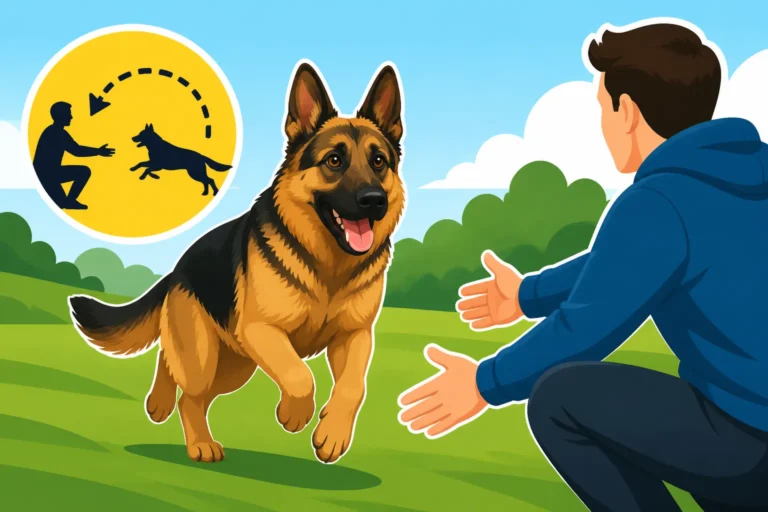
Bringing a German Shepherd into your life is an incredible journey, but let's be honest, the idea of properly socializing such a powerful and intelligent breed can feel utterly daunting. Many new owners worry about their GSD becoming overly protective or even aggressive, especially with strangers or other dogs, and it's a completely valid concern. This comprehensive guide is here to walk you through the essential steps and nuanced approaches to ensure your German Shepherd grows into a well-adjusted, confident, and polite member of society.
Understanding the German Shepherd's Natural Tendencies
Before we dive into the "how-to," it's crucial to understand the very foundation of your German Shepherd's being. These aren't just any dogs; they are bred with specific instincts that, while wonderful for their historical roles, require careful management and understanding in a family pet setting.
The Instinctual Protector and Guard Dog
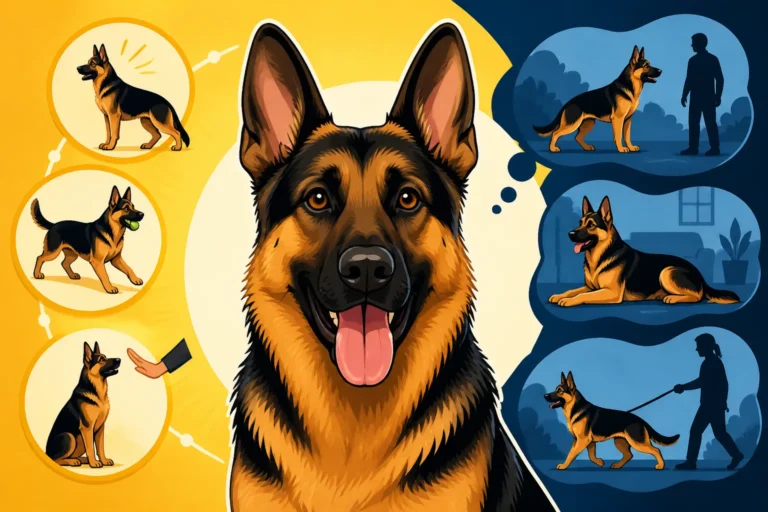
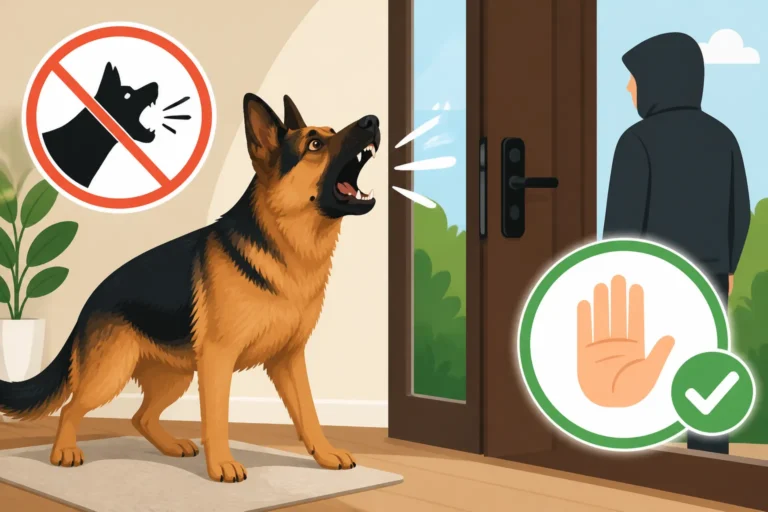
German Shepherds were originally developed in Germany for herding sheep and later gained immense popularity as police, military, and service dogs. This rich history means they carry strong genetic predispositions to be observant, discerning, and protective. They are hardwired to assess situations, identify potential threats, and act as guardians of their flock – which, in your home, means you and your family. This protective instinct is a double-edged sword: it makes them incredibly loyal and brave, but without proper socialization, it can easily manifest as fear-based aggression or over-reactivity towards anything they perceive as a threat to their "pack." It's not about them being inherently mean; it's about their deep-seated desire to keep you safe, even if they sometimes misinterpret what "safe" truly means.
Sensitivity and Wariness Towards Strangers
Unlike some naturally gregarious breeds who greet everyone with a wagging tail, German Shepherds often exhibit a natural wariness. This isn't shyness or fear, but rather a characteristic reserve. They tend to observe new people and situations before deciding how to react. This trait is highly valued in working lines, where a dog needs to be discriminating rather than indiscriminately friendly. However, in a pet, this can easily be misconstrued as unfriendliness or even aggression if not managed correctly. Owners often find themselves validating this wariness, inadvertently reinforcing it, or worse, pushing their dog too far, which can lead to negative associations. Your GSD isn't being rude; they're simply processing the world in a more cautious, analytical way.
The Critical Socialization Window
Every puppy goes through a crucial developmental period known as the socialization window, typically between 3 and 16 weeks of age. For German Shepherds, this window is particularly significant. During this time, a puppy's brain is like a sponge, soaking up every experience and forming lifelong associations. Positive experiences with new sights, sounds, smells, people, and other well-behaved dogs during this period are vital for building a resilient, confident adult dog. Missing this window, or providing too few positive experiences, can lead to fear, anxiety, and behavioral problems down the line. It's not to say that socialization stops at 16 weeks—far from it—but the foundation laid during this time is paramount. Think of it as installing the core operating system; subsequent training adds the applications and updates. For a deeper dive into this vital phase, check out our guide on German Shepherd Puppy Training Guide.
Early Socialization: The Puppy Stage (8-16 Weeks)
The first few weeks you have your German Shepherd puppy are incredibly precious and impactful. This is your prime opportunity to shape their view of the world in a positive way.
Safe Exposures to Sights, Sounds, and Smells
The goal here isn't to bombard your puppy but to introduce them gradually to a wide variety of novel stimuli in a controlled, positive manner. Think of it as a gentle "sensory buffet" rather than a full-on feast. Take your puppy to places where they can observe the world without being overwhelmed. A quiet park bench where they can watch people and dogs from a distance, or a pet-friendly hardware store where they can experience different floor textures and carts rolling by, are excellent starting points. Introduce them to umbrellas opening, skateboards, bicycles, different types of cars, and various household noises like vacuums or blenders, always pairing these experiences with high-value treats and praise. The key is that the puppy is observing and not being forced to interact. If they show any signs of stress, increase the distance or reduce the intensity.
Consider creating a "sound library" at home. You can find CDs or online playlists with various sounds like thunderstorms, traffic, babies crying, or fireworks. Play them softly at first, while your puppy is engaged in a positive activity like eating or playing. Gradually increase the volume over days and weeks. This proactive exposure can prevent fear phobias later on. Remember, every positive exposure builds confidence, while a negative one can set you back significantly.
Controlled Interactions with People and Dogs
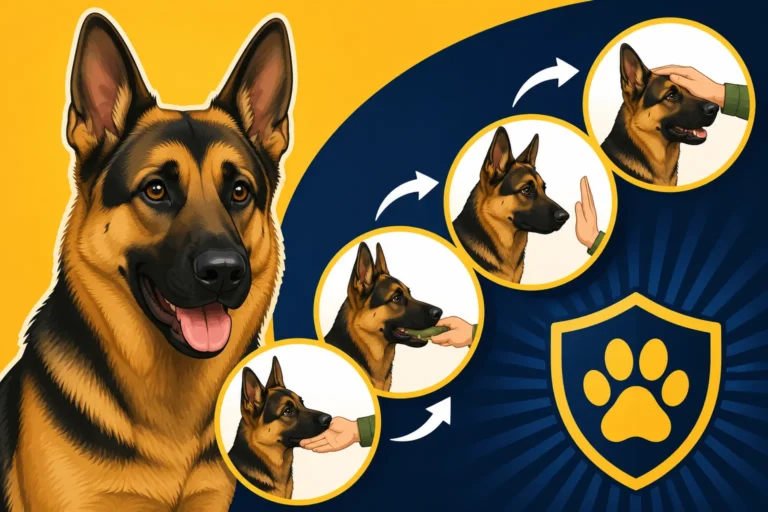
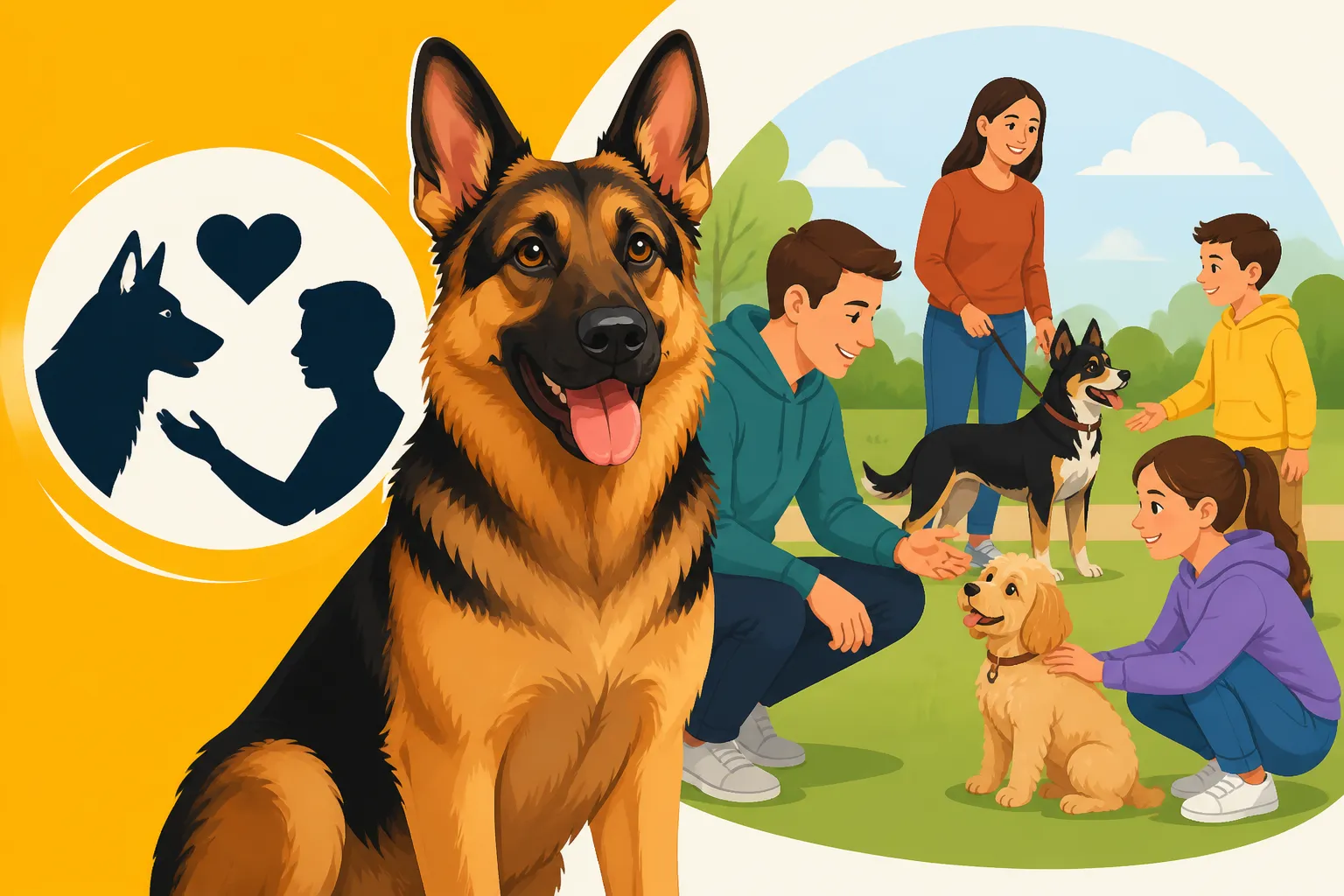
When it comes to interacting with people, aim for quality over quantity. Instead of letting every stranger rush up and pet your puppy, which can be overwhelming and teach them to jump, actively seek out calm, dog-savvy individuals. Ask them to approach slowly, offer a treat (if you approve), and gently pet your puppy under the chin or on the chest, avoiding the top of the head which can be perceived as threatening. Expose your puppy to people of different ages, sizes, ethnicities, and with different gaits (e.g., someone with a hat, someone using a cane).
For dog-dog interactions, this is where it gets tricky. You want your puppy to meet only vaccinated, healthy, and well-socialized adult dogs who are known to be good with puppies. Avoid dog parks during this sensitive age; they are often chaotic and can result in negative experiences with rude or aggressive dogs. Instead, arrange playdates with trusted friends' dogs. Supervise these interactions closely, looking for signs of appropriate play (bowing, taking turns, soft mouths) versus bullying or fear. A good interaction should leave your puppy feeling happy and confident, not scared or overly dominant. Learning how to properly Introduce a German Shepherd to Other Dogs is a skill you'll hone over time.
The Role of Puppy Classes and Structured Environments
Puppy socialization classes are invaluable resources for German Shepherd owners. A good class provides a safe, supervised environment for puppies to interact with each other and with new people. Crucially, a qualified instructor will guide these interactions, teaching you how to read your puppy's body language and intervene if necessary. These classes also often include exposure to new objects, surfaces, and basic obedience commands, all under positive reinforcement. It’s not just about playtime; it’s about learning to exist calmly and confidently around other dogs and people in a structured setting.
Beyond formal classes, seek out other structured environments. A reputable doggy daycare that carefully screens dogs and supervises play can be beneficial, but again, caution is key. For owners looking for structured online training and socialization guidance, programs like those offered by BAXTER & Bella can provide a solid framework and support, especially if in-person classes are limited or intimidating for your young GSD. The beauty of a structured environment is that it teaches your GSD that other dogs and people can be a source of positive engagement, not just something to guard against.
Ongoing Socialization: The Adolescent and Adult Dog
Socialization isn't a one-and-done event that ends with puppyhood. It's a lifelong process, especially with a breed as intelligent and sensitive as the German Shepherd. As your puppy matures into an adolescent and then an adult, their experiences will continue to shape their behavior.
Maintaining Positive Exposure and Building Confidence
Just as humans grow and adapt, so too do dogs. What might have been an exciting new experience for your puppy could become routine for an adult, or even something they start to find boring or irritating if not handled correctly. The key is to keep introducing novel, positive experiences, but now with a focus on building your dog's confidence in handling various situations independently. This means continuing to visit new places—different parks, quiet outdoor cafes, pet-friendly stores—but encouraging your dog to observe calmly rather than needing constant interaction.
Think of it as broadening their horizons. If your GSD is comfortable in your local park, try a different park across town. If they're good with specific types of people, expose them to people with different characteristics, like someone on crutches, or a child riding a scooter. Always make these experiences positive with treats and praise, and ensure your dog feels secure with you as their leader. This ongoing exposure helps reinforce that new things aren't scary, but simply part of the rich tapestry of life. Remember, a confident dog is a calm dog. Regular walks in varied environments, ensuring they are mentally stimulated, can also help. Our guide on Best Mental Stimulation for German Shepherds offers some great ideas.
Addressing Reactivity and Fear-Based Behaviors
It's not uncommon for German Shepherds, especially during adolescence (roughly 6 months to 2 years), to develop some reactivity. This might manifest as barking, lunging, or growling at other dogs, people, or vehicles. This is often rooted in fear, uncertainty, or an overabundance of protective instinct. It's frustrating for owners, and it can feel like all your puppy socialization efforts were for naught. However, it's crucial to address these behaviors immediately and positively.
First, identify the triggers. Is it only strange dogs? Men with hats? Children running? Once you know the trigger, the goal is to create positive associations at a distance your dog is comfortable with. This is where classical conditioning and desensitization come in. If your dog reacts to other dogs at 50 feet, start at 100 feet. When another dog comes into view, and before your GSD reacts, give them a high-value treat. Repeat this over and over, gradually decreasing the distance as your dog shows a relaxed response. If they react, you're too close, so move further away. Never punish reactivity, as this will only increase their fear and anxiety. If you're struggling, seeking guidance on German Shepherd Reactivity on Walks can be immensely helpful, and often, professional trainers specialize in this.
Advanced Socialization: New Environments and Challenges
Once your German Shepherd has a solid foundation of basic socialization, you can introduce them to more complex scenarios. This isn't about throwing them into the deep end, but rather, carefully curated experiences that challenge them in a controlled way. For instance, attending a local dog-friendly event (like a charity walk or a festival) for a short period, allowing them to observe the bustling environment from a safe distance, can be highly beneficial. Similarly, introducing them to different forms of transport, like a short car ride to a new place or even a quick trip on a quiet public transport route if allowed.
Consider enrollment in advanced obedience classes, scent work, or even agility training. These activities don't just teach new skills; they provide structured, positive interactions with other dogs and people in a goal-oriented environment. This type of "working" socialization helps channel their natural drive and intelligence while reinforcing positive social behaviors. The German Shepherd's deep-rooted intelligence means they thrive on purpose, and these activities offer just that, allowing them to learn that challenging new environments can be fun and rewarding.
Key Principles for Successful German Shepherd Socialization
Socialization isn't just about exposure; it's about the quality and intentionality of that exposure. These principles are the bedrock of raising a well-adjusted German Shepherd.
Positive Reinforcement and Desensitization
These two techniques are your best friends in socialization. Positive reinforcement means rewarding your dog for desirable behaviors. When your GSD sees a stranger and remains calm, reward them. When they observe another dog without reacting, reward them. Use high-value treats, praise, or their favorite toy. This teaches them that good things happen when they are calm and confident in new situations.
Desensitization involves gradually exposing your dog to a stimulus at a low level that doesn't provoke a reaction, and slowly increasing the intensity or proximity over time, always pairing it with positive reinforcement. For example, if your German Shepherd barks at the mail carrier, start by having a friend walk by your house in a mail carrier uniform (if feasible) at a great distance, rewarding your dog for quiet observation. Slowly, over days or weeks, decrease the distance. This systematic approach ensures your dog never feels overwhelmed, and instead, learns to associate potentially scary things with good outcomes. For a comprehensive guide on training techniques, consider our resource on German Shepherd Obedience Training Basics.
Reading Your Dog's Body Language
This is perhaps the most critical skill you can develop as a German Shepherd owner. Your dog communicates constantly through their body language, and understanding these subtle cues can prevent negative experiences and build trust.
Signs of Comfort and Relaxation:
- Loose, wagging tail (not stiff and high)
- Soft eyes, pupils normal
- Relaxed mouth, possibly panting softly
- Loose, fluid body movements
- Taking treats readily
Signs of Stress, Fear, or Discomfort:
- Stiff body, frozen posture
- Tail tucked or held very low/high and rigid
- Hard stare or averting gaze
- Panting heavily when not hot or exercising
- Lip licking, yawning (when not tired)
- Ears flattened back or flicking nervously
- Whale eye (showing the whites of their eyes)
- Growling, snarling, barking, lunging (these are late-stage warnings)
- Refusing treats (a big indicator of stress)
If you see any signs of stress, your dog is telling you they are uncomfortable. It’s time to remove them from the situation, increase distance, or reduce intensity. Ignoring these signals can lead to your dog feeling like they have to escalate their warnings, potentially leading to a bite. Learning to understand Understanding German Shepherd Behavior is a journey that will deepen your bond.
Consistency, Patience, and Realistic Expectations
Socialization is a marathon, not a sprint. There will be good days and bad days. Your German Shepherd might excel at meeting new dogs one day and be reactive the next. This is normal. What's vital is your consistency. Every interaction is a learning opportunity. If you're inconsistent, your dog will be confused about what's expected of them.
Patience is equally crucial. You cannot rush a German Shepherd's development or force them to be comfortable. Pushing them past their comfort zone will backfire, potentially creating deeper fear issues. Celebrate small victories and don't get discouraged by setbacks. Some German Shepherds will naturally be more outgoing, while others will always retain a degree of their inherent reserve. Having realistic expectations means understanding your individual dog's personality and genetic predispositions. Your goal isn't necessarily a dog that loves every stranger, but one that can calmly and confidently navigate the world without fear or aggression.
Common Socialization Mistakes to Avoid
Even with the best intentions, owners can inadvertently make mistakes that hinder their German Shepherd's socialization journey. Recognizing these pitfalls is the first step to avoiding them.
Overwhelm and Negative Experiences
One of the biggest mistakes is thinking "more is better." Flooding a sensitive German Shepherd puppy with too many new experiences too quickly can be incredibly damaging. Imagine being thrown into a crowded, loud party where everyone wants to touch you and you don't understand the language. That's what overwhelming socialization can feel like for a puppy.
This can lead to a phenomenon called "learned helplessness" or, worse, a negative association with new things. For instance, taking a young GSD puppy to a busy dog park where they get rough-housed by an adult dog, or swarmed by enthusiastic children, can create lasting fear and reactivity. A single traumatic experience can undo weeks or months of positive work. Always prioritize quality, controlled exposures over quantity. If you notice your dog shutting down, hiding, or showing excessive fear, you've gone too far. Retreat, allow them to decompress, and reintroduce the stimulus at a much lower intensity later.
Forcing Interactions and Ignoring Boundaries
This mistake often stems from a well-meaning desire for your German Shepherd to be "friendly." However, forcing your dog to interact with people or other animals they are clearly uncomfortable with is detrimental. Pulling your dog closer to a stranger when they are leaning away, or pushing them into a group of dogs when they are trying to hide behind your legs, teaches them that you don't listen to their cues and that their discomfort will be ignored. This erodes trust and can exacerbate fear.
A well-socialized dog doesn't have to greet every person or dog they see. It means they can observe calmly and allow polite interactions if they choose. Teach your German Shepherd that they don't have to say hello to everyone. A simple "let's go" and calmly walking away from a perceived threat or overwhelming situation is a powerful tool to teach your dog that you are their protector and advocate. Respecting their boundaries helps them feel safe and, ironically, makes them more likely to relax in future situations.
Neglecting Ongoing Socialization
As mentioned earlier, socialization isn't a phase; it's a lifestyle. Many owners do a fantastic job during puppyhood but then ease off once their German Shepherd reaches adulthood, assuming the work is done. This neglect can lead to a regression in behavior. A well-socialized 6-month-old German Shepherd puppy might become fearful or reactive at two years old if they haven't had consistent, positive exposure to the world in between.
German Shepherds are highly intelligent and need continuous mental stimulation and engagement. Just like we need to regularly exercise our bodies, we need to exercise our dogs' social skills and confidence. This doesn't mean constant new adventures, but consistent outings, refreshing their positive associations with different environments, people, and dogs. Integrate socialization into your daily routine—a different walking route, a visit to a new pet-friendly store, or a supervised playdate. This ongoing effort will ensure your German Shepherd remains a confident, well-adjusted companion throughout their life. For insights into common behavioral challenges that can arise from neglected socialization, our article on German Shepherd Behavior Problems and Solutions is a valuable read.
Tools and Resources to Aid Socialization
You don't have to embark on this journey alone. There are many tools and resources available to make socialization easier and more effective for both you and your German Shepherd.
Training Aids and Equipment
Having the right equipment can make a world of difference, especially when you're managing a powerful breed like a German Shepherd in new environments.
- Front-Clip Harnesses: Brands like the Easy Walk harness or the SENSE-ation harness attach at the chest, redirecting your dog's forward momentum and making it much harder for them to pull. This gives you more control and prevents a negative experience from being exacerbated by your dog dragging you around. Many are available on Amazon.
- Long Lines: A 15-30 foot leash allows your dog to explore a bit more freely in a safe, open area while still giving you control to intervene if needed. This is fantastic for building confidence in observing from a distance without feeling confined.
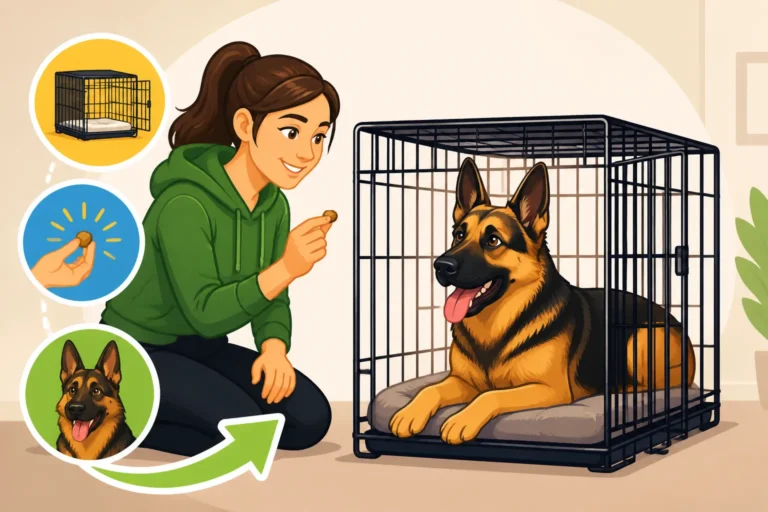
- High-Value Treats: These are your secret weapon! Think boiled chicken, cheese, hot dogs, or specific soft, smelly training treats. The higher the value of the treat, the more likely your dog will associate the novel experience with something incredibly positive. Keep a variety on hand to maintain interest.
- Calming Aids: For some highly anxious or easily overstimulated German Shepherds, a calming vest (like a Thundershirt) or even certain calming supplements (always consult your vet first) can help take the edge off during particularly challenging socialization sessions.
Choosing the right equipment helps you feel more confident, which in turn helps your dog feel more secure.
Professional Help and Online Programs
Sometimes, despite your best efforts, you might encounter challenges that feel beyond your ability to handle. This is where professional help becomes invaluable.
- Certified Professional Dog Trainers (CPDT-KA): A good trainer can provide personalized guidance, help you read your dog's body language, and develop a tailored socialization plan. They can also provide a neutral perspective and hands-on help in managing reactive behaviors. Look for trainers who use positive reinforcement methods and have experience with large working breeds.
- Veterinary Behaviorists: For severe fear, anxiety, or aggression issues that aren't responding to conventional training, a veterinary behaviorist (a DVM with specialized training in animal behavior) can be a lifesaver. They can diagnose underlying medical conditions, prescribe medication if necessary, and work with you on behavior modification protocols.
- Online Training Programs: For those who prefer to learn at their own pace or live in areas with limited access to in-person trainers, online programs can be a fantastic resource. Platforms like BAXTER & Bella offer comprehensive, step-by-step training curricula that include extensive sections on socialization, covering everything from puppy introduction to managing adult dog behaviors. These programs often come with community support and access to trainers for specific questions, making them a robust option for continuous learning and problem-solving.
Safe Socialization Opportunities
The key word here is "safe." Not all socialization opportunities are created equal, and some can do more harm than good.
- Puppy Socialization Classes: As discussed, these are crucial for young puppies, offering controlled, positive interactions.
- Controlled Playdates: Arrange playdates with known, stable, and vaccinated adult dogs who are calm and gentle with puppies or other dogs. Avoid free-for-all dog park scenarios, especially for young or reactive GSDs.
- Observation Outings: Take your German Shepherd to public places (pet supply stores, parks, outdoor cafes) where they can observe people and other dogs from a distance without being forced to interact. Reward calm observation heavily.
- Structured Training Classes: Beyond puppy class, enrolling in obedience, agility, or even trick classes provides a structured environment for your dog to learn to focus on you amidst distractions (other dogs and people), which is a huge component of real-world socialization. This helps channel their immense energy and intelligence. Our guide on How Much Exercise Does a German Shepherd Need can provide ideas for balancing physical and mental stimulation.
Here's a quick comparison of common socialization methods:
| Socialization Method | Best For | Pros | Cons |
|---|---|---|---|
| Puppy Classes | Puppies 8-16 weeks | Safe, supervised play; expert guidance; varied exposures | Can be expensive; quality varies; limited age range |
| Controlled Playdates | All ages | One-on-one focus; known, safe dogs; flexible schedule | Requires effort to find suitable playmates; not always structured |
| Observation Outings | All ages | Low pressure; builds confidence in public; flexible | Less direct interaction; requires careful management of distance |
| Group Training Classes | Adolescents & Adults | Structured learning; focus amidst distraction; ongoing | Can be challenging for highly reactive dogs; commitment required |
| Dog Parks | Not recommended for GSDs | Free, easy access to other dogs | Uncontrolled environment; risk of negative interactions; disease |
Remember, every German Shepherd is an individual. What works for one might not work for another. Be adaptable, observant, and always prioritize your dog's comfort and well-being. With patience, consistency, and the right approach, you can help your German Shepherd become a truly well-adjusted and beloved companion.
Disclaimer
This article is for general informational purposes only and does not constitute professional advice. Laws, prices and regulations vary by location and change over time. Consult a qualified professional for guidance on your specific situation.