Best Dog Food for a German Shepherd with EPI
It's heartbreaking to watch your beloved German Shepherd struggle, especially when they're eating their heart out but still wasting away, experiencing chronic diarrhea, or just generally feeling unwell. Many German Shepherd owners find themselves on a confusing and often frustrating journey trying to figure out what's wrong, only to discover their furry friend has Exocrine Pancreatic Insufficiency, or EPI. This condition makes mealtime a complex puzzle, and simply finding the "best" dog food feels impossible. This comprehensive guide will walk you through understanding EPI, why a specific diet is crucial, and how to choose the right food to help your German Shepherd thrive again.
Understanding Exocrine Pancreatic Insufficiency (EPI) in German Shepherds
EPI is a challenging condition, particularly prevalent in German Shepherds, and it can leave owners feeling helpless as their once vibrant dogs lose weight despite a ravenous appetite. It’s not just about what they eat, but their body's ability to process it.
What is EPI and Why German Shepherds Are Prone?
At its core, Exocrine Pancreatic Insufficiency means your dog's pancreas isn't producing enough of the crucial digestive enzymes needed to break down fats, carbohydrates, and proteins in their food. Imagine trying to digest a delicious meal without any stomach acid – it just wouldn't work. That's essentially what happens with EPI dogs. Their food passes through their system largely undigested, meaning they aren't absorbing vital nutrients. This is why you see weight loss even when they're eating constantly.
For German Shepherds, EPI is often an inherited condition, specifically a genetic predisposition called pancreatic acinar atrophy (PAA). This means that for reasons still being researched, the cells in the pancreas responsible for enzyme production simply waste away over time. While it can occur at any age, it commonly manifests in young to middle-aged adults, often between one and five years old. It's a cruel twist of fate for a breed known for its robust health and intelligence, but understanding this genetic link is the first step toward effective management. If you're exploring German Shepherd Genetic Health Testing for other conditions, it might be worth discussing EPI screening with your vet, especially if you have a family history of the disease.
Common Symptoms and Diagnosis
Recognizing the signs of EPI can be tricky because some symptoms can mimic other digestive issues. However, if you notice a combination of these, it's time for an urgent vet visit:
- Chronic Weight Loss: This is often the most alarming symptom. Your dog is eating a lot, perhaps even more than usual, but looks skinny, bony, and just can't seem to put on weight.
- Persistent Diarrhea or Large, Pale, Greasy Stools: Because fats are particularly difficult to digest without enzymes, the stools of an EPI dog are often voluminous, light-colored (tan or grey), greasy, and have a very foul odor. They may appear yellowish or have a foamy texture. This is a tell-tale sign of maldigestion.
- Ravenous Appetite (Polyphagia): Your German Shepherd might seem constantly hungry, always looking for food, even eating things they shouldn't. This insatiable hunger is their body's desperate attempt to get the nutrients it's missing.
- Coprophagia (Eating Feces): Some EPI dogs may resort to eating their own stool or that of other animals, again, in an attempt to re-digest food particles and absorb nutrients.
- Poor Coat Condition: A lack of proper nutrient absorption can lead to a dull, dry, and brittle coat, and sometimes even skin problems.
- Flatulence and Abdominal Rumbling: Undigested food fermenting in the gut can cause excessive gas and loud gurgling noises from the stomach.
Diagnosing EPI usually involves a simple, non-invasive blood test called the canine trypsin-like immunoreactivity (cTLI) test. This test measures the level of trypsinogen, a pancreatic enzyme precursor, in the blood. A very low cTLI level confirms EPI. Your vet might also run other tests to rule out other conditions that cause similar symptoms, such as intestinal parasites or inflammatory bowel disease. Once you have a diagnosis, you can truly begin the process of effective management, which is a huge relief after the confusion and worry. For more details on the signs, you can refer to our guide on German Shepherd EPI: Symptoms and Treatment.
The Cornerstone of EPI Management: Enzyme Replacement Therapy
It's absolutely critical to understand that dietary changes alone, no matter how perfectly formulated, are not enough to manage EPI. The primary and most effective treatment for EPI is enzyme replacement therapy. This is the cornerstone upon which all other management strategies, including diet, must be built.
Why Enzymes are Non-Negotiable
Think of it this way: no matter how good the fuel (food) you put into your car, if the engine (pancreas) can't properly ignite it, the car won't run. For an EPI dog, the digestive "engine" is broken. Enzyme supplements are the missing spark plugs, providing the necessary digestive enzymes that your German Shepherd's pancreas can no longer produce. Without these external enzymes, food will continue to pass through undigested, leading to continued malabsorption, weight loss, and all the uncomfortable symptoms associated with EPI.
These supplements are typically powdered pancreatic enzymes, usually derived from porcine (pig) or bovine (cow) pancreases. They contain high concentrations of lipase (to digest fats), amylase (to digest starches), and protease (to digest proteins). While there are some plant-based enzymes available, most veterinarians and owners find the animal-derived pancreatic enzyme powders to be far more effective for EPI in dogs.
Administering Enzymes Effectively
Getting the enzyme administration right is just as important as choosing the right food. It's not as simple as sprinkling it on top and letting them eat. Here's how to do it effectively:
- Mix Thoroughly with Food: The enzyme powder must be mixed very well into every meal, not just sprinkled on top. The goal is for the enzymes to come into contact with the food as your dog eats it, starting the digestive process right away.
- Allow for Incubation Time: This is a crucial step often overlooked. After mixing the enzymes into the food, let the food sit for 20-30 minutes at room temperature before feeding it to your dog. This "incubation" time allows the enzymes to begin breaking down the food before it even enters your dog's mouth, making it easier for their compromised system to process.
- Adjust Dosage as Needed: The starting dose is usually recommended by your veterinarian, often a teaspoon or two per meal, depending on the enzyme product's concentration and your dog's weight. However, enzyme therapy is not a one-size-fits-all solution. You'll need to work closely with your vet to adjust the dosage based on your dog's response. Signs of proper dosage include improved stool quality, weight gain, and reduced appetite. If stools are still loose, greasy, or voluminous, the dose might need to be increased. Conversely, too much enzyme can sometimes cause irritation around the mouth, though this is less common.
- Avoid Heating Enzymes: High heat can deactivate the enzymes, rendering them useless. Always mix them into food that is at room temperature or slightly warm, never hot.
- Consider Anti-Acid Medication: Some veterinarians recommend a short course of an antacid like omeprazole (Prilosec) or famotidine (Pepcid) concurrently, especially in the initial stages. The rationale is that stomach acid can potentially degrade the enzymes before they reach the small intestine where they do most of their work. However, this is not always necessary long-term and should only be done under veterinary guidance.
Remember, consistency is key. Every single meal, every single day, must include the appropriate enzyme dosage. This dedication to enzyme therapy is what will truly transform your German Shepherd's health and allow them to absorb the nutrition they so desperately need from their food. Our guide on How to Manage EPI in a German Shepherd goes into more detail about the full management plan.
Navigating the World of Dog Food for EPI German Shepherds
Once enzyme therapy is firmly in place, optimizing your German Shepherd's diet becomes the next critical step. The right food can significantly aid digestion, reduce symptoms, and improve overall quality of life. The goal is to provide a diet that is easy to digest, nutrient-dense, and doesn't place extra strain on their already compromised system.
Key Nutritional Considerations
When selecting food for a German Shepherd with EPI, you're looking for specific characteristics that support digestion and nutrient absorption.
- Low Fiber: While fiber is generally good for digestive health, for EPI dogs, high fiber content can be problematic. Fiber can interfere with the activity of the supplemental enzymes and further hinder nutrient absorption. Look for foods with crude fiber content typically below 4%, though some dogs tolerate slightly more.
- Moderate Fat: There's often a misconception that EPI dogs need an extremely low-fat diet. While fat is the hardest nutrient to digest, the enzymes specifically target fat. Too little fat can lead to essential fatty acid deficiencies and calorie deficits. A moderate fat content, typically around 12-18% on a dry matter basis, is usually ideal, provided adequate enzymes are being administered. The key is digestibility, not necessarily extreme restriction.
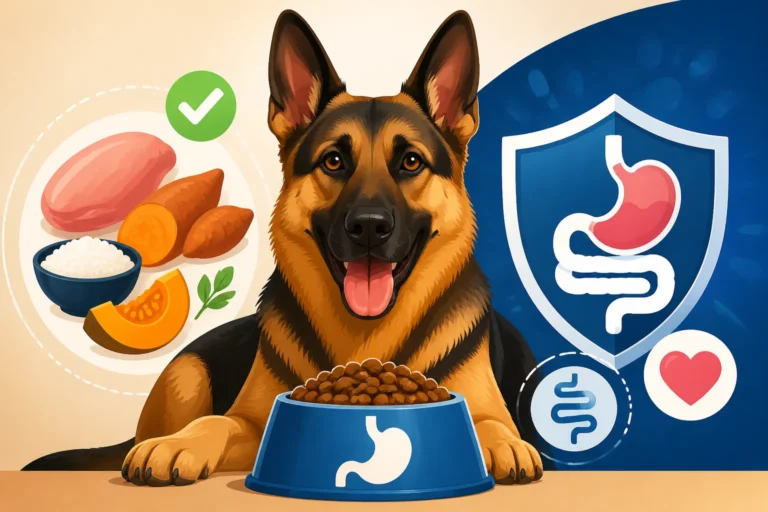
- Highly Digestible Protein: Opt for foods with high-quality, easily digestible protein sources like chicken, turkey, lamb, or fish. These proteins are less likely to cause additional digestive upset and are readily broken down by the enzymes.
- Limited Carbohydrates/Gluten-Free: While not strictly necessary for all EPI dogs, some do better on diets with easily digestible carbohydrates like rice or potatoes, and some owners opt for grain-free formulas, especially if other sensitivities are present. The most important thing is that the carbohydrate source is cooked and easily broken down.
- No Excessively Rich or Fatty Treats/Table Scraps: These can easily upset a delicate EPI system, even with enzymes. Stick to their specialized diet and vet-approved treats.
The overarching principle is digestibility. The easier the food is for the enzymes to break down and for the gut to absorb, the better your German Shepherd will do.
Commercial Dry Kibble Options
Many German Shepherd owners find success with commercial dry kibble, but choosing the right one requires careful label reading. Look for "prescription" or "veterinary" diets specifically formulated for gastrointestinal health, or highly digestible "sensitive stomach" formulas from reputable brands. These often have the ideal balance of low fiber and moderate fat.
Some popular brands known for producing high-quality, digestible diets that can work well for EPI dogs include:
- Purina Pro Plan EN Gastroenteric Formula: This is a prescription diet that many veterinarians recommend. It's highly digestible, low in fiber, and designed for dogs with sensitive digestive systems.
- Royal Canin Gastrointestinal Low Fat: Another excellent veterinary prescription option, specifically formulated to be gentle on the digestive tract and low in fat.
- Hill's Science Diet i/d Digestive Care: This line offers various formulas, including low-fat options, designed to be highly digestible.
When looking at over-the-counter options, you'll still want to scrutinize the ingredient list. Look for:
- Named Meat Sources as the first ingredient (e.g., "chicken meal" rather than "meat by-products").
- Limited Ingredients: Sometimes simpler formulas are better for sensitive guts.
- Moderate Fat and Protein: As discussed above, aim for balance.
- Low Crude Fiber: Keep it under 4% if possible.
You can often find these specialized kibbles on platforms like Chewy or Amazon, making it convenient to source the specific formulas your vet recommends. Always transition food slowly over 7-10 days to avoid upsetting your dog's stomach further, even when changing to a more appropriate diet.
Wet Food and Fresh Food Alternatives
For some German Shepherds with EPI, wet food or fresh food diets can offer additional advantages.
- Wet Food: The higher moisture content in wet food can sometimes make it easier to mix the enzyme powder thoroughly and evenly. It's also often more palatable for dogs with a reduced appetite due to chronic illness. Many of the prescription diets mentioned above also come in wet food formulations.
- Fresh Food Diets: Services like Ollie deliver fresh, human-grade dog food directly to your door. These diets are typically formulated with high-quality, easily digestible ingredients and can be a fantastic option for EPI dogs. The fresh, minimally processed nature of these foods can sometimes improve digestibility and palatability, which is a huge plus when you're trying to get a finicky EPI dog to eat. However, it's crucial to discuss this with your vet to ensure the specific formulation meets the low-fiber, moderate-fat requirements for EPI management. While often pricier, the benefits of fresh food for some EPI dogs can be significant in terms of gut health and overall well-being.
The choice between kibble, wet, or fresh food often comes down to individual dog preference, owner budget, and what works best with enzyme administration. Regardless of the format, the underlying nutritional principles remain the same.
The Role of Fiber and Fat
Let's dive a little deeper into fiber and fat, as these are often the most misunderstood components when feeding an EPI dog.
Fiber:
While dietary fiber is beneficial for healthy dogs by promoting regular bowel movements and supporting gut microbiota, for EPI dogs, it can be a double-edged sword. As mentioned, high fiber can actually hinder enzyme activity and nutrient absorption. Certain types of insoluble fiber can also speed up transit time in the gut, giving even less opportunity for the already limited digestion to occur. Therefore, choosing a food with lower overall fiber is generally recommended. However, some soluble fiber can be helpful in small amounts to support gut health and stool consistency. It's a delicate balance, and focusing on foods naturally lower in fiber is often the safest bet.
Fat:
This is where many owners get confused. Since EPI dogs can't digest fat well, the instinct is often to severely restrict fat. However, fats are a concentrated source of calories and essential fatty acids vital for skin, coat, and overall health. Severely restricting fat can lead to malnutrition and deficiencies. The key isn't to eliminate fat, but to ensure that the type of fat is digestible and that sufficient enzymes are administered to break it down. Moderate fat levels (12-18% on a dry matter basis) with adequate enzyme supplementation are often more beneficial than extremely low-fat diets. For dogs that still struggle with fat digestion even with enzymes, your vet might suggest a trial with an ultra-low fat prescription diet, but this should be guided by professional advice and regular monitoring.
Here’s a quick overview of what to look for when evaluating potential dog foods for your German Shepherd with EPI:
| Nutrient Category | Ideal Range for EPI Dogs (Dry Matter Basis) | Rationale |
|---|---|---|
| Crude Protein | 25-35% | Highly digestible, quality sources for muscle maintenance and overall health. |
| Crude Fat | 12-18% | Moderate levels for essential calories and fatty acids, manageable with enzymes. |
| Crude Fiber | Below 4% (ideally 2-3%) | Minimizes interference with enzyme activity and nutrient absorption. |
| Carbohydrates | Easily digestible sources (rice, potato) | Avoids complex or difficult-to-digest carbs that can cause upset. |
| Ingredient Quality | Human-grade or high-quality animal proteins | Ensures better digestibility and nutrient utilization. |
Ultimately, finding the perfect food is part science, part observation. What works for one EPI German Shepherd might not work for another. It's a process of trial, careful monitoring, and consistent communication with your veterinarian. Our article on German Shepherd EPI Diet and Management provides additional strategies for navigating these choices.
Practical Tips for Feeding Your EPI German Shepherd
Managing EPI is a marathon, not a sprint. Beyond selecting the right food and diligently administering enzymes, there are practical day-to-day feeding strategies that can make a huge difference in your German Shepherd's comfort and recovery.
Feeding Frequency and Portion Control
One of the most impactful changes you can make is how often and how much you feed your EPI German Shepherd. Instead of one or two large meals a day, which can overwhelm their compromised digestive system, aim for smaller, more frequent meals.
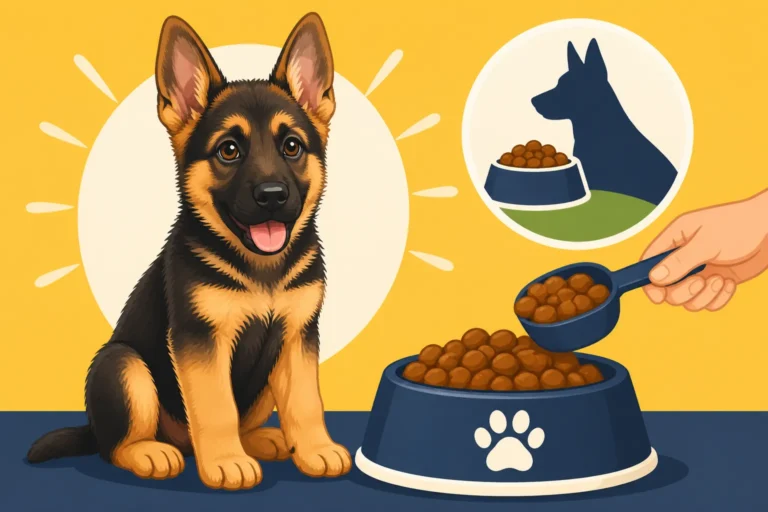
- Multiple Small Meals: Divide their daily food allowance into 3-4 smaller meals throughout the day. For example, if they typically eat twice a day, switch to breakfast, lunch, dinner, and a small evening snack. This approach provides a steady supply of nutrients, reduces the digestive load at any one time, and allows the enzymes to work more efficiently on smaller quantities of food.
- Consistent Schedule: Try to feed them at roughly the same times each day. Dogs, especially German Shepherds, thrive on routine, and a consistent feeding schedule can help regulate their digestive system.
- Proper Portioning: While your EPI dog might seem endlessly hungry, stick to the caloric intake recommended by your vet based on their ideal body weight, not their current emaciated state. Overfeeding, even with enzymes, can still lead to digestive upset. Your vet can help you calculate How Much to Feed a German Shepherd with EPI to ensure they're getting enough calories for healthy weight gain without overworking their system.
Monitoring Progress and Adjusting
Effective EPI management requires ongoing observation and communication with your veterinarian. You are your German Shepherd's best advocate, and your daily observations are invaluable.
- Stool Quality: This is your primary indicator of success. You're looking for firm, well-formed, brown stools, similar to those of a healthy dog. If the stools are still loose, voluminous, greasy, pale, or have a foul odor, it suggests maldigestion is still occurring. This could mean the enzyme dosage needs to be increased, the food needs to be adjusted, or there might be an underlying issue like small intestinal bacterial overgrowth (SIBO), which commonly accompanies EPI. Our guide on German Shepherd Loose Stool: Common Causes can offer more insights into different stool presentations.
- Weight Gain: Keep a close eye on their body condition. Ideally, you should see gradual, steady weight gain and improved muscle mass. Regular weigh-ins at home or at the vet can help track this.
- Appetite and Energy Levels: While their ravenous appetite might persist, you should notice a general improvement in their overall energy, alertness, and demeanor as they start absorbing nutrients.
- Coat Condition: As their nutrient absorption improves, their coat should become shinier and healthier, reflecting their improved internal health.
Don't hesitate to reach out to your vet with any concerns or observations. They can help you fine-tune the enzyme dosage, suggest dietary modifications, or investigate other concurrent issues that might be hindering progress.
Avoiding Common Pitfalls
Even with the best intentions, it's easy to fall into certain traps when managing EPI.
- Raw Diets without Expert Guidance: While raw diets can be beneficial for some dogs, for an EPI German Shepherd, they carry unique risks. The raw protein and fat can be harder to digest, and the enzymes themselves might be degraded by raw meat bacteria or specific components. If you're considering a raw diet, it's absolutely essential to work with a vet or a veterinary nutritionist who has specific expertise in EPI and raw feeding. Never attempt a raw diet for an EPI dog without professional, tailored guidance.
- Sudden Food Changes: Switching foods abruptly can cause digestive upset in any dog, but it's especially problematic for an EPI German Shepherd. Always transition new foods slowly over 7-10 days, gradually mixing increasing amounts of the new food with decreasing amounts of the old.
- Unnecessary Supplements: While some supplements can be beneficial, throwing everything at an EPI dog without clear reasoning can be counterproductive or even harmful. Probiotics can sometimes help address gut flora imbalances that often occur with EPI (like SIBO), but always discuss this with your vet. Avoid giving digestive enzymes not specifically formulated for pancreatic replacement or other unproven remedies, as they are unlikely to be effective and could delay proper treatment. Focusing on the core therapy – pancreatic enzymes and an appropriate diet – is paramount. Sometimes, simple solutions are truly the best German Shepherd Sensitive Stomach Solutions.
- Giving Up Too Soon: EPI can be disheartening, especially in the early stages as you learn to manage it. There will be good days and bad days, and setbacks are possible. It's easy to feel overwhelmed, but remember that with consistent, diligent treatment, most German Shepherds with EPI can go on to live full, happy, and healthy lives. Don't be afraid to seek support from your vet or online communities of EPI owners.
Managing EPI requires patience, vigilance, and a strong partnership with your veterinarian. By understanding the condition, consistently administering enzymes, choosing the right food, and monitoring your German Shepherd's progress, you can help them overcome this challenge and regain their zest for life.
Disclaimer
The information provided in this article is for educational purposes only and is not intended to be a substitute for professional veterinary advice, diagnosis, or treatment. Always seek the advice of your veterinarian or other qualified pet health provider with any questions you may have regarding a medical condition for your German Shepherd. Never disregard professional veterinary advice or delay in seeking it because of something you have read here.