How Much to Feed a German Shepherd
It's a question that keeps so many of us German Shepherd owners up at night: "Am I feeding my dog enough? Too much? Is this food even right for them?" It’s a common frustration, feeling like you’re constantly guessing when it comes to your beloved GSD’s meals. Getting it just right isn't a one-size-fits-all answer, but it’s crucial for their health, energy, and a long, happy life. This guide is going to meticulously break down everything you need to know to confidently nourish your German Shepherd at every stage of their life.
Understanding Your German Shepherd's Unique Nutritional Blueprint
When you think about feeding your German Shepherd, it's easy to just look at the back of a dog food bag and call it a day. But the truth is, every single German Shepherd is an individual, and their nutritional blueprint is shaped by a multitude of factors. Simply scooping out the recommended amount might be a starting point, but it's rarely the perfect fit for your specific dog. We need to go a lot deeper to ensure they're getting exactly what they need to thrive, not just survive.
Factors Influencing Caloric Requirements
Your German Shepherd's daily calorie needs aren't static; they're a dynamic equation based on several key variables. Ignoring these can lead to an underweight or overweight dog, both of which come with their own set of health challenges. It's about finding that sweet spot where they maintain an ideal body condition.
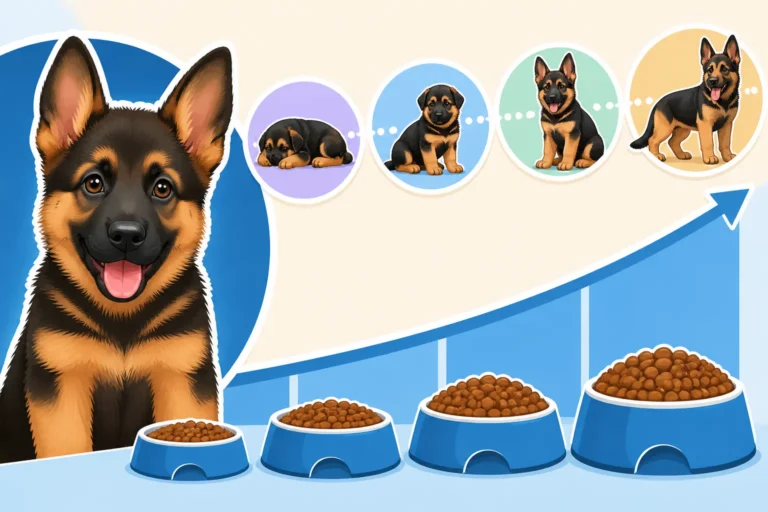
First, let's talk about age. A rambunctious German Shepherd puppy, growing at an incredible rate and burning through energy like a tiny furnace, will naturally need significantly more calories per pound of body weight than a laid-back adult or a senior dog whose metabolism has started to slow down. Pups are literally building bones, muscles, and organs, and that requires immense fuel. Then, as they mature into adulthood, their growth plates close, and their energy expenditure stabilizes, requiring a different caloric intake. Finally, senior German Shepherds often become less active, their digestion might not be as efficient, and they may have underlying health conditions that necessitate a reduction in calories or a different nutrient profile.
Next up is activity level, which is a huge differentiator among GSDs. Do you have a working line German Shepherd who spends hours training for IGP, doing protection work, or herding livestock? Their caloric needs will be astronomically higher than a show line German Shepherd who enjoys leisurely walks around the neighborhood and naps on the couch. Even within family pets, there's a spectrum: some dogs are weekend warriors, hiking mountains and swimming in lakes, while others are content with a few sniffy walks a day. A highly active dog might need double the calories of a sedentary one, and failure to account for this can leave them feeling drained or packing on unwanted pounds.
Then there's metabolism, a trickier one to pinpoint but no less important. Just like people, dogs have individual metabolic rates. You might have two German Shepherds of the same age, weight, and activity level, but one seems to put on weight just by looking at food, while the other struggles to keep weight on despite eating hearty meals. This can be influenced by genetics, thyroid function, and even whether they are spayed or neutered. Spaying or neutering can reduce a dog's metabolic rate, often leading to a need for slightly fewer calories to maintain a healthy weight. It’s not a drastic cut, but it's something to factor in.
Finally, health conditions play a significant role. A German Shepherd recovering from surgery or illness, or one dealing with a chronic condition like pancreatitis or kidney disease, will have very specific dietary requirements that override general guidelines. A dog with certain cancers might need a high-protein, high-fat diet, while a dog with kidney issues might need lower protein. Always consult your veterinarian if your GSD has a health condition, as their feeding plan might need to be drastically altered to support their recovery or management.
Macronutrient Balance for Optimal Health
Beyond just calories, the type of calories – the macronutrient balance – is paramount for a German Shepherd’s health. These dogs are athletes, even the ones who act like couch potatoes, and their bodies are built for power and endurance. Getting the right balance of protein, fats, and carbohydrates is like giving a high-performance engine the correct fuel.
Protein is the undisputed champion for German Shepherds. As a large, muscular breed, they require a substantial amount of high-quality protein for building and repairing muscle tissue. Think about it: every jump, every run, every intense play session causes microscopic tears in muscle fibers, and protein is what allows those to regenerate and grow stronger. Beyond muscle, protein is essential for healthy skin, coat, nails, and vital organ function. Look for dog foods where a named meat source (e.g., "chicken meal," "beef," "lamb") is the first ingredient, indicating a good quality protein source. A diet deficient in protein can lead to muscle wasting, a dull coat, and a weakened immune system, which is the last thing you want for your robust German Shepherd.
Fats often get a bad rap, but for dogs, they are a concentrated source of energy and absolutely vital for various bodily functions. Healthy fats, especially omega-3 and omega-6 fatty acids, are crucial for maintaining a healthy, shiny coat and supple skin, which is particularly important for German Shepherds with their dense double coats. They also play a significant role in cell function, hormone production, and the absorption of fat-soluble vitamins (A, D, E, K). Without adequate healthy fats, your German Shepherd's coat could become dry and flaky, and they might experience a lack of energy. Just make sure it’s the right kind of fat and not excessive amounts from unhealthy sources.
And let's not forget carbohydrates. While dogs don't have a specific dietary requirement for carbohydrates in the same way they do for protein and fat, complex carbohydrates from sources like whole grains (e.g., brown rice, barley, oats), sweet potatoes, or peas provide sustained energy. They fuel the brain and muscles, especially during prolonged activity. For an active German Shepherd, complex carbs are a crucial part of their energy supply, preventing them from feeling sluggish. They also provide fiber, which is important for digestive health, helping to regulate bowel movements and support a healthy gut microbiome. A balanced diet incorporates these three macronutrients thoughtfully, supporting every aspect of your German Shepherd's dynamic physiology.
Decoding Dog Food Labels and Quality
Navigating the pet food aisle can feel like trying to solve a complex puzzle, especially with so many brands vying for your attention. Every bag promises the best, but how do you truly know what you're getting? Understanding dog food labels isn't just about reading the big claims; it's about diving into the nitty-gritty details to ensure your German Shepherd is getting high-quality, appropriate nutrition. This detective work is vital, as not all foods are created equal, and some might even be detrimental to a large breed like a German Shepherd.
Interpreting Guaranteed Analysis and Ingredients Lists
The "Guaranteed Analysis" is where you find the minimum percentages of crude protein and crude fat, and the maximum percentages of crude fiber and moisture. For a German Shepherd, you generally want to see a robust protein percentage, typically in the high 20s to low 30s for adult maintenance, and even higher for puppies or highly active working dogs. The fat percentage should also be respectable, usually in the 12-18% range, providing that crucial energy and supporting skin and coat health. While fiber is important for digestion, excessive amounts can reduce nutrient absorption, so look for moderate levels. And moisture content is simply water, so it influences the concentration of other nutrients.
However, these percentages are just one piece of the puzzle. The true story lies within the ingredients list, and this is where you need to be a savvy shopper. Ingredients are listed by weight, meaning the first few ingredients make up the largest proportion of the food. For a German Shepherd, you absolutely want to see a named meat source (like "chicken," "beef," "lamb," "salmon") as the very first ingredient. Not "meat by-products" or "animal digest," which are often lower quality and harder to pinpoint the exact source. Following the primary meat, you ideally want to see other quality protein sources or beneficial carbohydrates like sweet potatoes, brown rice, or peas. Be wary of foods that list multiple carbohydrate sources (like "corn," "corn gluten meal," "brewer's rice") in the first few spots, as this could be a way to manipulate the protein percentage on paper while actually providing less high-quality meat protein.
Finally, always look for an AAFCO statement. This stands for the Association of American Feed Control Officials, and their statement on the bag confirms that the food is "complete and balanced" for a specific life stage (e.g., "for growth," "for maintenance," or "for all life stages"). This is your assurance that the food meets the basic nutritional requirements established by experts. If a food doesn't have an AAFCO statement, it's essentially a supplement and not suitable as a primary diet for your German Shepherd. Choosing a reputable brand that prioritizes transparent labeling and high-quality ingredients, like some of the well-regarded formulas you might find on Chewy or even through specialized retailers, gives you peace of mind that you're making a good choice for your dog.
Choosing the Right Type of Food
The sheer variety of dog food types can be overwhelming, each with its own set of pros and cons. Understanding these differences will help you decide which option best fits your German Shepherd's needs, your lifestyle, and your budget. There’s no single "best" type for every dog, so an informed decision is key.
Kibble, or dry dog food, is by far the most popular choice due to its convenience, cost-effectiveness, and long shelf life. High-quality kibbles, especially those formulated for large breeds, provide a complete and balanced diet. They can also help maintain dental health by providing some abrasive action as your dog chews. However, not all kibbles are created equal. Some cheaper options can be packed with fillers, artificial preservatives, and lower-quality protein sources. For a German Shepherd, selecting a premium large-breed specific kibble is often recommended, as these are designed with appropriate calcium-to-phosphorus ratios for healthy bone development in growing puppies and joint support for adults. When considering brands, looking at reviews and ingredient lists on sites like Amazon or Chewy can provide valuable insights.
Wet food (canned or pouched) is often more palatable for dogs and provides excellent hydration, which is beneficial for dogs who don't drink enough water. It can be a great option for picky eaters, senior dogs with dental issues, or as a topper to make kibble more appealing. The downside is that wet food is significantly more expensive per calorie than kibble, has a shorter shelf life once opened, and typically offers less dental benefit. Many owners choose to feed a mix of wet and dry food to combine the benefits of both.
Raw or BARF (Biologically Appropriate Raw Food) diets have gained traction among some German Shepherd owners who advocate for feeding dogs a diet closer to what their wild ancestors might have eaten. These diets typically consist of raw meat, bones, organs, and sometimes fruits and vegetables. Proponents claim benefits such as improved coat health, cleaner teeth, and better digestion. However, raw diets carry significant risks if not prepared meticulously, including bacterial contamination (Salmonella, E. coli) that can affect both the dog and human family members. They require extensive research, careful handling, and often consultation with a veterinary nutritionist to ensure they are nutritionally complete and balanced, as deficiencies or excesses can be dangerous, especially for a growing German Shepherd puppy.
Finally, fresh or gently cooked food has emerged as a popular middle-ground option. Services like Ollie deliver pre-portioned, human-grade meals directly to your door, offering the benefits of high-quality, less processed ingredients without the raw food risks. These diets are often highly palatable and can be excellent for dogs with sensitivities or picky appetites. While typically more expensive than premium kibble, they provide a fresh, transparent alternative that many owners feel is worth the investment for their German Shepherd's health and longevity. The convenience factor of having meals delivered, eliminating the guesswork of portion sizes and nutritional balance, is a major draw for busy German Shepherd parents.
German Shepherd Feeding by Life Stage
Just like humans, German Shepherds have vastly different nutritional requirements as they journey through life. What fuels a growing puppy won't be adequate for a wise senior, and ignoring these crucial distinctions can lead to health problems. Tailoring your German Shepherd's diet to their specific life stage is one of the most important things you can do to support their overall well-being and longevity. It’s a dynamic process, not a static feeding plan.
Puppyhood: Building a Strong Foundation
Bringing home a German Shepherd puppy is an exciting time, but it comes with immense responsibility, especially concerning their diet. These little bundles of fur are growing at an astonishing rate, laying down the foundation for their massive adult size and strength. Getting their nutrition right during this critical period is paramount to preventing future health issues, particularly those related to bone and joint development, which German Shepherds are prone to.
During puppyhood, German Shepherds need frequent, small meals. Their tiny stomachs can't handle large quantities of food at once, but their rapidly developing bodies demand a constant supply of nutrients. Typically, puppies will need to eat three to four times a day until they are around six months old, gradually reducing to two meals a day as they mature. This frequent feeding helps maintain stable blood sugar levels and supports their high metabolism. Consistency in feeding times is also key to establishing a good routine and aiding in potty training.
Crucially, German Shepherd puppies should be fed large breed puppy formulas. This isn't just a marketing gimmick; it's a scientific formulation designed to support their unique growth curve. Unlike small or medium breed puppies, large breeds like German Shepherds are susceptible to orthopedic issues like hip and elbow dysplasia if they grow too quickly. Large breed puppy foods are specifically formulated with a controlled calcium-to-phosphorus ratio and moderate calorie levels to promote slow, steady growth, rather than rapid growth spurts. This measured approach allows their bones and joints to develop properly, reducing the risk of painful and debilitating conditions later in life. Overfeeding a German Shepherd puppy or feeding an adult dog formula too early can significantly increase these risks. You can learn more about managing their early nutrition and growth in our comprehensive guide on German Shepherd Puppy Feeding Schedule.
It's tempting to think more food means a bigger, stronger dog, but for German Shepherd puppies, the opposite is often true. Excess calories, especially combined with high calcium levels, can lead to accelerated growth that puts undue stress on their developing growth plates. These are soft areas at the ends of long bones that eventually harden as the puppy matures. Any disruption during this crucial phase can have lasting negative consequences. Therefore, adhering to the feeding guidelines on a quality large-breed puppy food, while carefully monitoring your pup's body condition, is vital. Don't let your German Shepherd puppy get chunky; a lean body condition is what you're aiming for during these formative months to protect those vulnerable joints and ensure a healthy start to life. You can also dive deeper into specific amounts in our article, How Much to Feed a German Shepherd Puppy.
Adulthood: Maintaining Peak Performance
Once your German Shepherd has finished growing, typically between 12 and 18 months of age, they transition into adulthood, and their dietary needs shift from rapid growth to maintenance and peak performance. This is the stage where consistency and mindful adjustments based on their activity become the pillars of their nutrition. The goal now is to maintain an ideal body weight and provide the fuel for their active lifestyle.
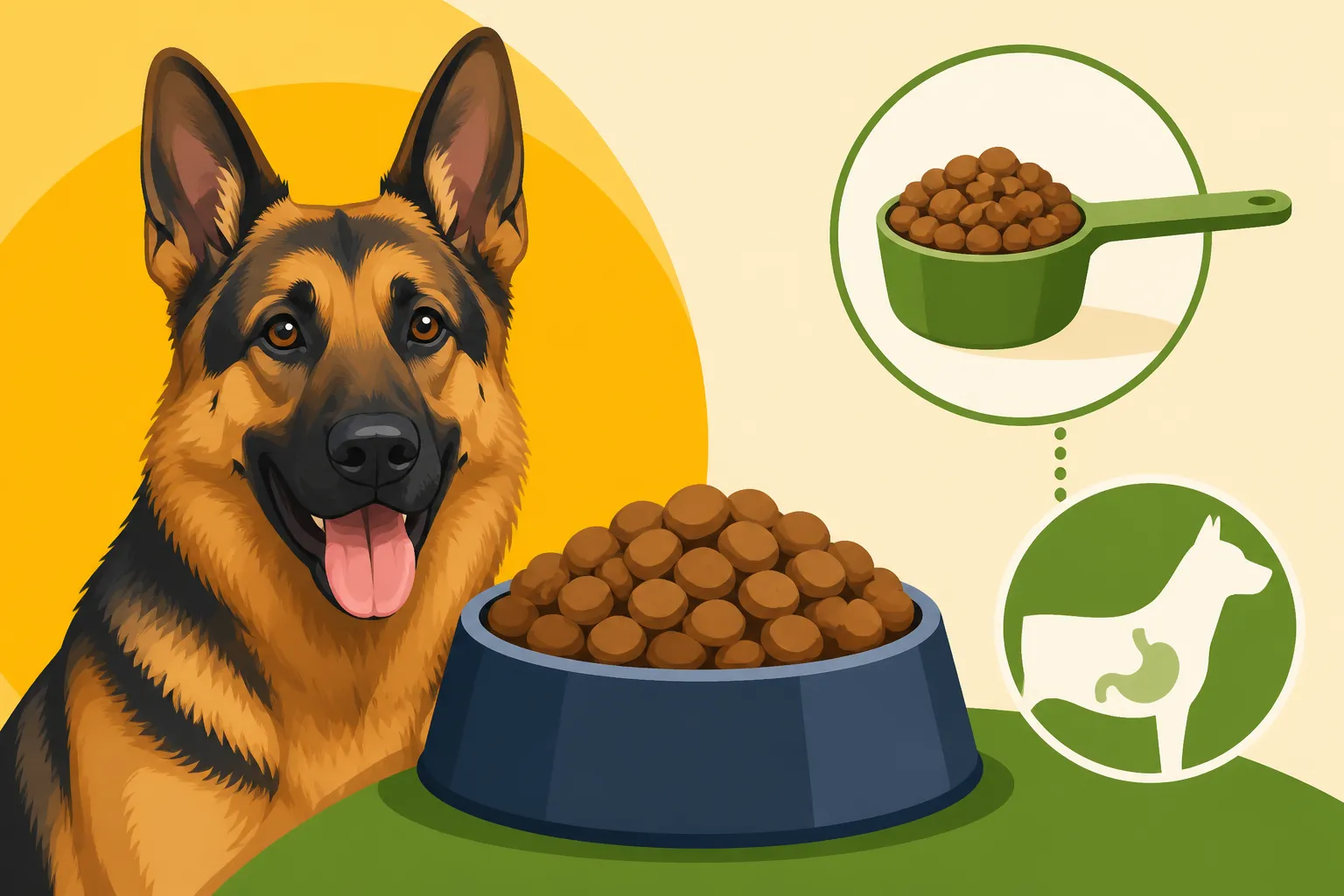
For adult German Shepherds, twice-daily feeding is the standard and most recommended practice. Dividing their daily caloric intake into two meals helps with digestion, prevents overeating at a single sitting, and significantly reduces the risk of bloat (gastric dilatation-volvulus), a life-threatening condition that large, deep-chested breeds like German Shepherds are unfortunately prone to. Spreading out meals ensures a steady supply of energy throughout the day, preventing extreme hunger that can lead to gulping food too quickly.
The specific amount you feed an adult German Shepherd will depend heavily on their individual factors discussed earlier: activity level, metabolism, and even the caloric density of their food. A working German Shepherd who spends hours training or running will require significantly more calories than a companion German Shepherd who enjoys a couple of daily walks. It’s crucial to adjust their food intake based on these factors. Don't just stick rigidly to the bag's recommendations; use them as a starting point. Your dog's body condition score is your best indicator. You should be able to easily feel their ribs without seeing them, and they should have a discernible waist when viewed from above. If you notice them gaining or losing weight, it's time to slightly increase or decrease their food portion. Many owners find that a precise feeding regimen, potentially using a quality dog food like those found on Chewy that offers detailed feeding guides, makes this adjustment process smoother. This constant, vigilant observation is key to ensuring your German Shepherd stays at their optimal weight throughout their adult years. Our broader guide, How Much to Feed a German Shepherd, also offers valuable context on these calculations.
Maintaining a consistent feeding schedule is also important for adult German Shepherds. Dogs thrive on routine, and knowing when to expect their meals can reduce anxiety and aid in digestion. Feeding them at roughly the same times each day helps regulate their metabolism and bowel movements. If your German Shepherd is a particularly enthusiastic eater, consider using a slow feeder bowl, which can prevent them from eating too quickly and further reduce the risk of bloat. This simple tool can make a big difference in slowing down their mealtime, promoting better digestion, and making the eating experience more mindful.
Senior Years: Adapting to Changing Needs
As your German Shepherd gracefully enters their senior years, typically around seven to eight years old, their body undergoes significant changes that necessitate a thoughtful adjustment to their diet. Their metabolism slows, activity levels often decrease, and they may start to experience age-related health issues that impact their nutritional needs. What worked perfectly for an adult German Shepherd can become detrimental for a senior.
One of the most common changes in senior German Shepherds is a decrease in activity. Even if they still love their walks, the intensity and duration often lessen. This metabolic slowdown means they require fewer calories to maintain a healthy weight. Continuing to feed the same amount of food as an active adult can quickly lead to weight gain, which puts added stress on aging joints already prone to arthritis or other mobility issues. Therefore, switching to a senior dog formula is often highly beneficial. These foods are typically lower in calories but maintain high-quality protein to support muscle mass, as muscle wasting can be a concern in older dogs. They also often contain added joint support ingredients like glucosamine and chondroitin. For deeper insights into managing the dietary needs of an older companion, refer to our guide on German Shepherd Senior Diet Adjustments.
Beyond calorie adjustments, senior German Shepherds can experience other health challenges that require specific dietary considerations. Dental issues, such as tooth decay or gum disease, can make chewing hard kibble painful. In such cases, softening kibble with water, switching to a wet food, or exploring fresh food options like those offered by Ollie might be necessary to ensure they can eat comfortably and get adequate nutrition. Digestive efficiency can also decline, so highly digestible ingredients become even more important. Some senior formulas incorporate prebiotics and probiotics to support gut health.
It's not uncommon for senior German Shepherds to experience a decreased appetite or develop pickiness. This could be due to a diminished sense of smell and taste, discomfort, or underlying health issues. If your senior GSD suddenly shows a significant disinterest in food, it's a clear signal to consult your veterinarian, as it could indicate a serious health problem. For those with a healthy but diminished appetite, sometimes warming their food slightly, adding a palatable topper, or offering smaller, more frequent meals can encourage eating. The goal is to keep them nourished, comfortable, and at a healthy weight to support their quality of life during their golden years. Regularly assessing their body condition is paramount; you want them lean, not skinny or overweight.
Practical Feeding Guidelines and Calculators
While understanding the theory behind German Shepherd nutrition is crucial, sometimes you just need concrete numbers to get started. Bag recommendations can be vague, and every dog is different. This section aims to provide practical, actionable advice on how to calculate and adjust your German Shepherd's food intake, ensuring you're hitting the mark without overcomplicating things. Remember, these are guidelines, and your keen observation skills will be your most valuable tool.
General Weight-Based Feeding Charts
When you first bring home your German Shepherd, or if you're switching foods, a general weight-based feeding chart can offer a useful starting point. These charts are usually found on dog food packaging or provided by breeders and veterinarians. They correlate a dog's weight with an estimated daily serving size in cups or grams.
Let's look at an example. Keep in mind, these are average ranges for a healthy, moderately active adult German Shepherd and will need individual adjustment. Always refer to your specific dog food’s chart first, as caloric density varies significantly between brands.
| German Shepherd Weight (lbs) | Estimated Daily Food (Cups, typical kibble*) |
|---|---|
| 50-60 | 2.5 – 3.5 |
| 60-70 | 3.0 – 4.0 |
| 70-80 | 3.5 – 4.5 |
| 80-90 | 4.0 – 5.0 |
| 90-100+ | 4.5 – 5.5+ |
Note: This is based on an average kibble caloric density of 350-400 kcal per cup. Always check your specific food's label.
It's absolutely critical to understand that these numbers are merely starting points. They are not strict rules to be followed blindly. Imagine trying to feed every 70-pound human the exact same number of calories – it just wouldn't work! The same applies to German Shepherds. Your 70-pound working line GSD who runs miles a day will need far more food than a 70-pound spayed female who enjoys short walks.
Think of the feeding chart as your initial guess. You'll then need to closely monitor your German Shepherd's body condition and energy levels over the next few weeks. If they're gaining too much weight, subtly decrease the amount. If they seem too lean or their energy dips, a slight increase might be in order. The key is small, incremental adjustments and consistent observation. A food journal can even be helpful for tracking these changes. You can also consult our detailed guide on German Shepherd Weight and Obesity Risks to better understand what to look for.
Utilizing Online Calorie Calculators
While food bag charts provide a basic framework, online calorie calculators can offer a more personalized estimate for your German Shepherd's daily needs. These tools take into account more variables than a simple weight chart, giving you a slightly more refined number to begin with.
How they work is quite clever. Most reputable online dog calorie calculators ask for information such as your dog's current weight, whether they are intact or spayed/neutered, their age, and their activity level (e.g., inactive, moderately active, highly active, working dog). Using a complex algorithm that considers a dog's Resting Energy Requirement (RER) and various "k-factors" for different life stages and activity levels, they will spit out an estimated daily caloric intake in kilocalories (kcal). For example, a calculator might suggest your 80-pound intact, moderately active German Shepherd needs around 1,800-2,000 kcal per day. Once you have this number, you can then divide it by the caloric density of your chosen dog food (usually found on the bag in kcal/cup or kcal/gram) to determine how many cups or grams to feed.
However, it's vital to recognize the limitations of these online tools. They provide estimates, not definitive prescriptions. They cannot account for every unique metabolic variation, genetic predisposition, or subtle health condition your German Shepherd might have. For instance, a dog with a very fast metabolism due to an underlying health issue might consistently need more calories than a calculator suggests, while a dog with a sluggish thyroid might need fewer. Therefore, always use these calculators as another stepping stone, not the final word.
The importance of consulting a vet cannot be overstated, especially if you're struggling to maintain your German Shepherd's ideal weight or if they have any health concerns. Your veterinarian has the medical expertise to assess your dog's overall health, conduct necessary diagnostics, and recommend a truly customized nutrition plan. They can help you fine-tune calorie intake, suggest therapeutic diets if needed (e.g., for kidney issues or allergies), and interpret any unusual weight fluctuations. In essence, while online calculators offer a helpful guide, your vet remains your most trusted partner in ensuring your German Shepherd's nutritional well-being. This expert advice is particularly important if you're considering special diets or if your dog exhibits signs that might point to specific issues like those covered in German Shepherd Pancreatitis Diet or German Shepherd EPI Diet and Management.
Common Feeding Mistakes and How to Avoid Them
Even with the best intentions, it's easy to fall into common feeding traps that can undermine your German Shepherd's health. Understanding these pitfalls is the first step toward avoiding them and ensuring your loyal companion receives the balanced nutrition they deserve. German Shepherds are robust dogs, but they are not immune to the consequences of improper feeding.
Overfeeding and Obesity Risks
One of the most pervasive problems in modern pet ownership is overfeeding, which inevitably leads to obesity. It’s often born out of love – wanting to give our dogs treats, extra scraps, or simply "more" food because they seem to enjoy it. But for German Shepherds, a breed already prone to joint issues, carrying excess weight is incredibly detrimental and can severely impact their quality of life and lifespan.
The most reliable way to assess if your German Shepherd is at a healthy weight is through the Body Condition Score (BCS). This isn't about the number on a scale, but how your dog looks and feels. Ideally, you should be able to easily feel their ribs with minimal fat covering, without them being visibly prominent. They should have a distinct waist when viewed from above, and an abdominal tuck when viewed from the side (meaning their belly should tuck up from their rib cage to their hips, not hang low). If you have to press hard to feel their ribs, or if you can't see a waist, your GSD is likely overweight. Many vets use a 9-point scale, aiming for a 4 or 5.
The health consequences of obesity in German Shepherds are severe and far-reaching. Extra weight puts immense strain on their joints, exacerbating conditions like hip and elbow dysplasia, accelerating the onset of arthritis, and making mobility painful and difficult. Beyond joint issues, obesity increases the risk of numerous other health problems, including diabetes, heart disease, respiratory difficulties (especially during exercise or in warm weather), certain types of cancer, and a reduced tolerance to heat. It also generally shortens their lifespan. Imagine carrying an extra 20-30 pounds on your own frame every single day; it's exhausting and damaging. For your German Shepherd, it's no different. Preventing and addressing obesity early is crucial. Our article on German Shepherd Weight and Obesity Risks goes into extensive detail about these dangers and how to manage them.
Avoiding overfeeding requires a conscious effort. Measure your dog's food precisely using a standard measuring cup, rather than guessing. Be mindful of treats; they should make up no more than 10% of your dog's daily caloric intake, and consider using low-calorie options or even healthy vegetable snacks like baby carrots or green beans. Resist the urge to give table scraps, as many human foods are too rich, high in fat, or even toxic for dogs. If your German Shepherd is constantly begging, it might be a behavioral issue rather than genuine hunger; ensure they are mentally stimulated and getting enough exercise. Consistent portion control and regular body condition assessments are your best defense against obesity.
Underfeeding and Malnutrition
While obesity often garners more attention, underfeeding and malnutrition can be equally, if not more, damaging to a German Shepherd's health. This isn't usually due to intentional neglect but rather a misunderstanding of a dog's caloric needs, a poor-quality diet, or an underlying health issue preventing nutrient absorption.
Signs of underfeeding can manifest in several ways. The most obvious is being visibly underweight, where ribs, spine, and hip bones are easily seen or protrude prominently with very little muscle mass. Beyond visible thinness, an underfed German Shepherd might exhibit a lack of energy, lethargy, or a dull, dry, and flaky coat. Their immune system can be compromised, making them more susceptible to illnesses, and puppies especially might fail to grow at an appropriate rate, leading to stunted development. Chronic hunger can also lead to behavioral issues, such as obsessive food seeking, eating non-food items, or increased anxiety around meal times.
The risks associated with underfeeding are profound, especially for growing puppies. Malnutrition during development can lead to irreversible damage to organ systems, impaired immune function, and weakened skeletal structures. For adult German Shepherds, chronic underfeeding leads to muscle wasting, a weakened heart, and a compromised ability to fight off infections. A severe lack of essential nutrients, even if calorie intake is technically sufficient, can also lead to malnutrition. This is why choosing a high-quality, nutritionally complete and balanced dog food is so vital. A food might fill their belly, but if it lacks crucial vitamins, minerals, and amino acids, their body will still suffer the effects of deficiency.
To prevent underfeeding, always consult the feeding guidelines on your chosen dog food, starting with the recommended amount for their weight and activity level. If you have a particularly active German Shepherd, or one with a naturally high metabolism, they may need significantly more food than the average recommendation. Regularly monitor their body condition score; if they appear too thin, gradually increase their food intake by small amounts until they reach an ideal weight. If your German Shepherd is eating adequate amounts of high-quality food but still appears thin or exhibits signs of malnutrition, it’s imperative to consult your veterinarian. This could signal an underlying health issue, such as parasites, Exocrine Pancreatic Insufficiency (EPI), or an inability to properly absorb nutrients, which would require medical diagnosis and treatment.
Food Allergies and Sensitivities
It can be heartbreaking to see your German Shepherd constantly scratching, licking their paws raw, or dealing with chronic digestive upset. Often, the culprit lies right in their food bowl. Food allergies and sensitivities are increasingly common in dogs, and German Shepherds are not immune. Understanding the difference and how to identify them is key to bringing relief to your furry friend.
A true food allergy involves an immune system response to a specific protein in the diet. The body mistakenly identifies a harmless food ingredient as a threat and launches an attack, leading to a range of symptoms. Food sensitivities, on the other hand, are typically non-immune mediated and manifest as digestive upset (like diarrhea, vomiting, or gas) without the severe allergic reaction. While distinct, both require dietary management. Common allergens for dogs include beef, dairy, chicken, wheat, lamb, soy, pork, rabbit, and fish, with chicken and beef often topping the list.
The symptoms of food allergies and sensitivities can be varied. The most common signs are dermatological: itchy skin (pruritus), especially around the ears, paws, armpits, and groin, often leading to excessive scratching, licking, and chewing. This can result in hot spots, skin infections, and a dull, greasy coat. Beyond skin issues, gastrointestinal upset is another significant indicator. This includes chronic diarrhea, vomiting, frequent bowel movements, loose stools, excessive gas, or a rumbling stomach. Some dogs may also experience recurrent ear infections, watery eyes, or respiratory issues. If you notice these persistent signs, it’s important to investigate their diet. Our article German Shepherd Food Allergy Symptoms provides a more exhaustive list of what to look for.
Diagnosing a food allergy or sensitivity almost always involves an elimination diet, under the guidance of your veterinarian. This rigorous process involves feeding your German Shepherd a novel protein source (one they've never eaten before, like duck, venison, or kangaroo) and a novel carbohydrate (like potato or sweet potato) for at least 8-12 weeks, with absolutely no other foods, treats, or flavored medications. During this period, all previous symptoms should ideally resolve. After the elimination period, ingredients are systematically reintroduced one by one to identify the specific allergen. This process requires significant dedication but is the most accurate way to pinpoint dietary triggers. Once identified, managing food allergies involves strictly avoiding the offending ingredient for life, often through a prescription hydrolyzed protein diet or a limited ingredient diet. Brands like Royal Canin and Purina offer excellent prescription diets tailored for food sensitivities, which your vet can recommend. You might also explore specialized limited-ingredient formulas available on platforms like Chewy or Amazon, ensuring they are truly free of common allergens.
Enhancing Mealtime and Supplementation
Feeding your German Shepherd isn't just about dumping kibble into a bowl; it's an opportunity to enrich their lives, support their health, and even prevent serious conditions. Thoughtful supplementation and engaging mealtime practices can make a significant difference in their overall well-being. It's about optimizing every aspect of their nutrition, not just meeting the minimum requirements.
Supplements and Toppers for Health
Even with a high-quality, balanced diet, sometimes our German Shepherds can benefit from targeted supplementation, especially as they age or if they have specific predispositions. These aren't magic pills, but carefully chosen additions can provide extra support for crucial bodily functions.
For a large, active breed like the German Shepherd, joint supplements are often at the top of the list, particularly as they mature. Ingredients like glucosamine, chondroitin, and MSM (methylsulfonylmethane) work synergistically to support cartilage health, reduce inflammation, and improve joint lubrication. Given the breed's propensity for hip and elbow dysplasia and subsequent arthritis, proactive joint support can help maintain mobility and comfort for longer. Many German Shepherd owners start these supplements even before signs of discomfort appear, viewing them as a long-term investment in their dog's joint health. You can find excellent joint support options at most pet stores or online retailers like Chewy and Amazon, with brands like Dasuquin and Cosequin being popular choices. We cover this in much more detail in our article on German Shepherd Joint Health Supplements.
Omega fatty acids, specifically EPA and DHA from fish oil, are another fantastic addition. These essential fatty acids are powerhouses for overall health. They are renowned for promoting a healthy, shiny coat and supple skin, reducing dryness and irritation – a huge plus for German Shepherds with their dense double coats. Beyond skin and fur, omegas support cognitive function (especially important for puppies and seniors), reduce systemic inflammation (beneficial for allergies and arthritis), and contribute to cardiovascular health. Look for high-quality fish oil or krill oil supplements, ensuring they are third-party tested for purity and free from heavy metals.
Finally, probiotics can be incredibly beneficial for maintaining a healthy gut microbiome. A balanced gut is crucial for proper digestion, nutrient absorption, and a strong immune system. If your German Shepherd has a sensitive stomach, experiences occasional loose stools, or is on antibiotics, a daily probiotic can help restore balance and promote digestive comfort. You can find probiotic powders, chews, or even incorporate probiotic-rich plain yogurt (in small amounts and ensure no xylitol!) or kefir into their diet. Remember, always discuss any new supplements with your veterinarian to ensure they are appropriate for your individual German Shepherd's health needs and won't interact negatively with any existing medications or conditions.
Enrichment and Mental Stimulation Through Food
Mealtime doesn't have to be a race to the bottom of the bowl. For a highly intelligent and driven breed like the German Shepherd, transforming feeding into an enriching activity provides crucial mental stimulation and can even help prevent serious health issues. It's about making their brains work for their dinner, which taps into their natural instincts.
One of the most effective ways to slow down eating and provide mental engagement is through puzzle feeders and slow feeder bowls. German Shepherds, especially puppies and young adults, can be notoriously fast eaters, often gulping down their food in seconds. This rapid ingestion is a significant risk factor for bloat (Gastric Dilatation-Volvulus), a life-threatening condition where the stomach twists. Slow feeder bowls have ridges and compartments that force the dog to eat more slowly, retrieving smaller portions at a time. Puzzle feeders, on the other hand, require your GSD to use their brain to figure out how to release their kibble, engaging their problem-solving skills and making mealtime last much longer. You can find a wide variety of these items on Amazon or at your local pet supply store, ranging from simple bowls to complex toys. Implementing these tools is a simple yet powerful preventative measure, as detailed in our guide on How to Prevent Bloat in a German Shepherd.
Beyond simply slowing down eating, these tools offer invaluable mental stimulation. German Shepherds thrive on having a job to do, and working for their food can satisfy that innate drive. Instead of just eating, they are "hunting" or "foraging" for their meal. This can reduce boredom, decrease destructive behaviors stemming from pent-up energy, and even build confidence in some dogs. Imagine a German Shepherd who used to inhale their meal in 30 seconds now spending 15 minutes diligently working to get every kibble out of a KONG Wobbler or a snuffle mat. That's 15 minutes of quiet, focused mental work that leaves them feeling more satisfied and less prone to mischief.
Other forms of food-based enrichment include stuffing Kongs or other treat dispensers with their wet food or a mixture of kibble and dog-safe peanut butter (xylitol-free!), then freezing it. This creates a long-lasting, challenging treat that can keep them occupied for extended periods, especially useful for crate training or when you need them to settle. You can also scatter their kibble in the yard (weather permitting) or hide small portions around the house, turning mealtime into a fun scent-work game. By integrating these strategies, you’re not just feeding your German Shepherd's body; you're also nourishing their intelligent mind and promoting healthier eating habits, contributing to a longer, healthier life. Many of these enrichment toys can be easily purchased from retailers like Chewy, making them accessible to all German Shepherd owners. For more tips on their overall dietary needs, consult German Shepherd Nutrition Essentials.
When to Consult Your Veterinarian
While this guide offers extensive information, there are times when self-management simply isn't enough, and professional veterinary advice becomes crucial. Your German Shepherd's health is paramount, and knowing when to seek expert help can make all the difference in catching and addressing issues early. Don't hesitate to reach out to your vet if you notice persistent problems or have significant concerns.
Recognizing Signs of Dietary Issues
Your German Shepherd can't tell you in words when something is wrong with their diet, so it's up to you to be a keen observer of their physical condition and behavior. Recognizing persistent signs of dietary issues is key to identifying problems and seeking timely professional help before they escalate.
One of the most obvious indicators is persistent weight changes. If your German Shepherd is steadily gaining weight despite appropriate feeding and exercise, or conversely, losing weight even though they're eating well, it's a red flag. Unexplained weight loss, in particular, can be a symptom of various underlying health conditions, from parasites and dental issues to more serious concerns like malabsorption disorders (e.g., EPI, which German Shepherds are prone to) or even cancer. Similarly, rapid weight gain could indicate a metabolic issue or simply that your current feeding plan is unsuitable. Regular body condition scoring, rather than just relying on the scale, will help you track these changes more accurately.
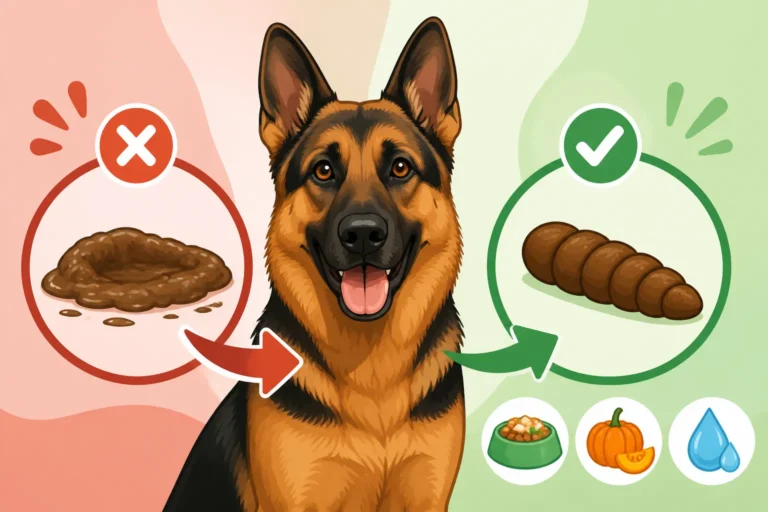
Digestive problems that persist for more than a day or two are also major warning signs. Occasional loose stool might be nothing, but chronic diarrhea, frequent vomiting (especially after meals), excessive gas, straining to defecate, or changes in stool color or consistency (e.g., very pale, tarry black, or containing blood/mucus) all warrant a vet visit. These symptoms could point to food sensitivities, intestinal parasites, bacterial infections, pancreatitis, inflammatory bowel disease, or other serious gastrointestinal conditions. If your German Shepherd has a sudden bout of severe bloat symptoms—a distended abdomen, unproductive retching, restlessness—this is a life-threatening emergency and requires immediate veterinary attention. Our articles on German Shepherd Bloat Emergency: What to Do and German Shepherd Bloat Prevention Feeding Tips provide crucial information on this.
Finally, coat or skin issues can often be dietary in origin. While environmental allergies are common, a dull, dry, flaky, or greasy coat, chronic itching (especially around the ears, paws, or base of the tail), recurring hot spots, or skin infections that don't respond to topical treatments could all be signs of a food allergy or nutritional deficiency. If you've tried different grooming products or home remedies without success, it's time to consider a dietary cause. A vet can help rule out other conditions and guide you through an elimination diet if a food allergy is suspected. Ignoring these persistent signs can lead to chronic discomfort for your German Shepherd and potentially mask more serious underlying health problems.
Developing a Custom Nutrition Plan
While general guidelines are helpful, some German Shepherds benefit immensely from a custom nutrition plan, especially if they have chronic health issues, specialized performance needs, or are simply not thriving on a standard diet. This is where the expertise of a professional truly shines.
Working with a vet or a board-certified veterinary nutritionist is the gold standard for developing such a plan. Your regular veterinarian can provide invaluable guidance, especially for common health concerns, and recommend therapeutic diets. For more complex cases, a veterinary nutritionist has specialized training in animal nutrition and can formulate precise diets tailored to specific medical conditions, metabolic requirements, or performance goals. They can analyze your dog's current diet, evaluate nutrient levels, and recommend adjustments to calories, protein, fat, fiber, and micronutrients. This level of customization goes far beyond what any generic food bag or online calculator can offer.
The need for a custom plan often arises when addressing specific health concerns. For example, a German Shepherd diagnosed with pancreatitis requires a very low-fat diet, which must be carefully balanced to ensure they still receive adequate nutrition without triggering flare-ups. A GSD with kidney disease will need a diet restricted in phosphorus and protein, but with high-quality, easily digestible protein sources. Dogs with severe food allergies might require a prescription hydrolyzed protein diet, where proteins are broken down into particles too small to trigger an immune response. If your German Shepherd has Exocrine Pancreatic Insufficiency (EPI), their diet must be supplemented with pancreatic enzymes to aid digestion. These are not conditions where guesswork is an option; precise dietary management is critical for their health and well-being. Our dedicated guides, such as German Shepherd Pancreatitis Diet and German Shepherd EPI Diet and Management, delve into these specific dietary challenges and management strategies.
A custom nutrition plan can also be beneficial for highly active working German Shepherds who need optimal fueling for peak performance, or for dogs who are struggling with difficult-to-manage weight issues (either too thin or obese). The investment in professional nutritional guidance can lead to a significant improvement in your German Shepherd's health, vitality, and ultimately, a longer, happier life by your side. Don't hesitate to ask your vet about a referral to a veterinary nutritionist if your dog's dietary needs feel particularly complex or challenging.
Disclaimer
The information provided in this article is for general informational purposes only and is not intended as a substitute for professional veterinary advice, diagnosis, or treatment. Always seek the advice of your veterinarian or other qualified health provider with any questions you may have regarding a medical condition or the health and nutrition of your German Shepherd. Never disregard professional veterinary advice or delay in seeking it because of something you have read in this article.