Raw Feeding a German Shepherd: Beginner Guide
The idea of feeding your beloved German Shepherd a raw diet can feel incredibly daunting, can't it? Many of us have heard the buzz about raw feeding, but navigating the myriad of opinions, safety concerns, and nutritional requirements can quickly become overwhelming. This guide aims to demystify the process, offering a realistic, beginner-friendly approach to understanding and potentially implementing a raw food diet for your German Shepherd, addressing common worries and outlining practical steps.
Understanding the Philosophy of Raw Feeding for German Shepherds
For many German Shepherd owners, the journey into raw feeding stems from a desire to provide their canine companions with a diet that more closely mimics what their ancestors would have eaten in the wild. This "ancestral diet" concept is the cornerstone of raw feeding, suggesting that dogs, despite domestication, thrive on unprocessed, whole foods. However, this philosophy is often met with skepticism and valid questions about safety and nutritional completeness.
What Exactly is a Raw Diet for Dogs?
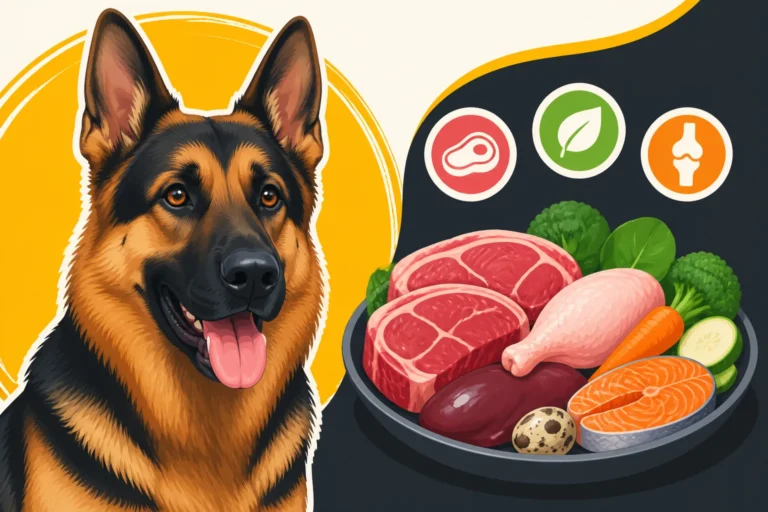
A raw diet for dogs, often referred to as a Biologically Appropriate Raw Food (BARF) diet or a Prey Model Raw (PMR) diet, typically consists of uncooked meat, organs, and bones. The goal is to provide nutrients in their most natural, undenatured state, avoiding the processing and preservatives found in many commercial kibbles. It's not just about tossing a chunk of meat into a bowl; it’s about a carefully balanced approach to mimicking a whole prey animal.
The BARF diet, popularized by Dr. Ian Billinghurst, includes a significant portion of muscle meat, raw meaty bones, and organ meats, but also incorporates fruits, vegetables, and other healthy additions like eggs and dairy. The idea is to replicate the diverse intake of a wild canine. On the other hand, the PMR diet is stricter, focusing almost exclusively on muscle meat, organs, and bones, aiming to provide a nutritional profile almost identical to a whole small animal. Both philosophies aim for optimal health, but their approaches differ slightly in composition. Owners often choose what feels right for their individual dog and lifestyle, sometimes even blending elements of both.
Perceived Benefits for German Shepherds
Owners who swear by raw feeding often report a host of positive changes in their German Shepherds. One of the most frequently mentioned benefits is an improvement in coat health and skin condition, often resulting in a shinier, softer coat and a reduction in issues like dry, flaky skin or excessive shedding. Many German Shepherds can be prone to skin problems and fixes, and owners often seek dietary solutions. Another significant advantage cited is enhanced dental health, as chewing raw meaty bones helps naturally clean teeth and reduce tartar buildup, potentially lessening the need for professional dental cleanings. This aligns with a comprehensive approach to German Shepherd dental care explained.
Digestive health is another area where raw feeders often see a big difference. Many German Shepherds experience loose stool or have sensitive stomachs, and a raw diet, being highly digestible, can lead to smaller, firmer, less odorous stools. Owners often observe increased energy levels and improved muscle tone, which makes sense given that the diet is rich in easily absorbable protein and fats. Furthermore, some believe a raw diet can support a stronger immune system and even help manage or prevent certain common German Shepherd health issues by providing superior nutrition.
The Criticisms and Concerns
Despite the enthusiastic endorsements from many raw feeders, the approach isn't without its critics and legitimate concerns. The primary worry for many veterinarians and dog owners is the risk of bacterial contamination. Raw meat can harbor bacteria like Salmonella and E. coli, which can pose a risk not only to your German Shepherd but also to human members of the household, especially children, the elderly, or those with compromised immune systems. This concern about food safety is paramount and requires strict hygiene protocols.
Another major criticism revolves around nutritional imbalance. Crafting a truly balanced raw diet, especially if you're doing it yourself, can be incredibly complex. Dogs require a precise ratio of vitamins, minerals, fats, and proteins, and getting this wrong over the long term can lead to deficiencies or excesses that could harm your German Shepherd's health. For instance, too much bone can cause constipation or nutrient blocking, while too little can lead to calcium deficiency. This is why understanding German Shepherd nutrition essentials is crucial, regardless of the diet type. Lastly, the cost and time commitment are undeniable. High-quality raw ingredients can be expensive, and preparing meals can be time-consuming, leading many to question if a raw feeding journey is truly sustainable for their budget and lifestyle.
Essential Components of a Balanced Raw Diet
Embarking on a raw feeding journey means understanding the fundamental building blocks of a truly balanced meal for your German Shepherd. It's not just about meat; it's about providing a diverse range of nutrients that would naturally be found in a whole prey animal. Getting these ratios right is key to avoiding nutritional deficiencies or excesses that could impact your dog's long-term health.
Protein Sources: Muscle Meat is Key
Muscle meat forms the bulk of a German Shepherd's raw diet, typically accounting for about 70-80% of the overall meal. This isn't just a filler; it's the primary source of essential amino acids, protein for muscle maintenance and growth, and vital B vitamins. Variety is incredibly important here to ensure a broad spectrum of nutrients. Relying on just one type of meat, like chicken, can lead to imbalances over time.
Think about rotating through various protein sources such as beef, chicken, turkey, lamb, pork, and even venison or duck if you can source them. When choosing cuts, opt for those with a good fat content, as fat is a crucial energy source for dogs. Chicken thighs, beef chuck, lamb shanks, or whole turkeys can be excellent choices. Remember, your German Shepherd is built for a diet rich in protein and fat, so don't shy away from these components. Sourcing these from local butchers or directly from farms can sometimes provide better quality and cost-effectiveness compared to grocery stores.
Organs and Bones: The Nutrient Powerhouses
This is where many beginners get nervous, but organs and bones are absolutely critical to a complete raw diet. They are the concentrated vitamin and mineral bombs that muscle meat alone cannot provide. Organ meats, especially liver and kidney, are packed with vitamins A, D, E, K, and B vitamins, as well as minerals like iron and copper. Liver should make up about 5% of the total diet, while other secreting organs (kidney, spleen, pancreas) should account for another 5%. Again, variety is beneficial here, rotating different types of liver (beef, chicken, lamb) and other organs.
Raw meaty bones (RMBs) are arguably the most unique and vital part of a raw diet. They provide essential calcium and phosphorus in the correct ratio, crucial for bone health, and they offer a fantastic natural way to keep your German Shepherd's teeth clean. Common RMBs include chicken necks, chicken backs, turkey necks, duck frames, or even lamb ribs. The key is raw bones, as cooked bones become brittle and can splinter, posing a serious choking or internal injury hazard. Never feed cooked bones! Choose bones that are appropriate for your German Shepherd's size – too small and they could swallow it whole; too large and it might not provide enough nutritional value. If you're looking for guidance on "German Shepherd Joint Health Supplements", some of these nutrients found in bones are often supplemented in other forms.
Fruits, Vegetables, and Supplements
While muscle meat, organs, and bones form the core, many raw feeders, particularly those following a BARF model, choose to include a small percentage of fruits and vegetables (around 10-15% of the diet). These provide fiber, antioxidants, and a natural source of certain vitamins and phytonutrients that might be less abundant in a pure prey model. Good options include leafy greens like spinach and kale (blended or pureed for better digestibility), carrots, pumpkin, berries, and apples (without seeds). Avoid grapes, raisins, onions, and avocados, which are toxic to dogs.
When it comes to supplements, the goal of a balanced raw diet is to minimize the need for them. However, some owners choose to add omega-3 fatty acids (like fish oil or krill oil) for coat health and anti-inflammatory benefits, especially important for German Shepherds. Probiotics can also be beneficial for gut health. Always do your research and consider consulting with a veterinary nutritionist before adding supplements, especially if you're trying to resolve a specific issue like German Shepherd allergies. Many of these supplements can be conveniently ordered from online retailers like Chewy or Amazon.
| Component | Percentage Range | Examples | Key Nutrients | Notes |
|---|---|---|---|---|
| Muscle Meat | 70-80% | Chicken thighs, beef chuck, lamb, turkey | Protein, essential amino acids, B vitamins | Rotate sources for broad nutrient profile. |
| Raw Meaty Bones | 10-15% | Chicken necks/backs, turkey necks, lamb ribs | Calcium, phosphorus, dental cleaning | MUST be raw; choose appropriate size; never feed cooked bones. |
| Organ Meat | 10% (5% liver, 5% other) | Liver (chicken, beef), kidney, spleen, pancreas | Vitamins A, D, E, K, B vitamins, iron, copper | High potency; too much can cause loose stool. |
| Fruits/Veggies | 0-15% | Spinach, carrots, pumpkin, berries | Fiber, antioxidants, vitamins, phytonutrients | Optional; blend/puree for best absorption; avoid toxic items. |
| Supplements | As needed | Fish oil, probiotics, kelp | Omega-3s, gut health, trace minerals | Consult vet; for specific needs or to fine-tune balance. |
Practical Steps for Starting Your German Shepherd on Raw
So, you've decided to take the plunge. That's fantastic! But the actual implementation can feel like a whole new challenge. Starting a raw diet for your German Shepherd requires careful planning, a commitment to hygiene, and a thoughtful approach to transitioning to ensure your dog's digestive system adapts smoothly.
Sourcing Quality Ingredients
The foundation of a good raw diet is, naturally, high-quality ingredients. You wouldn't want to feed your German Shepherd anything less than the best, right? When sourcing, look for human-grade meat whenever possible. Local butchers are often a fantastic resource; they can provide fresh, often locally-sourced meats, and might even offer bulk discounts or cuts specifically for pets, like ground meat mixes with bone and organ. Don't be afraid to ask them about their practices and what they recommend for raw feeding.
Another excellent option is dedicated raw pet food suppliers. These companies often produce pre-made, balanced raw meals that take a lot of the guesswork out of ratios and sourcing, making it much easier for beginners. Brands like Ollie offer fresh, human-grade raw meals delivered directly to your door, which can be incredibly convenient, especially when you're just starting. You can also find various raw food brands, frozen or freeze-dried, available through major online retailers like Chewy, which makes it easy to compare options and read reviews. For more unusual organ meats or bulk muscle meat, sometimes online specialty suppliers or even Amazon can be useful, but always check the quality and shipping methods carefully.
Transitioning Your Dog Safely
Switching from a kibble diet to raw can be a big change for your German Shepherd's digestive system. Some dogs handle a "cold turkey" transition perfectly fine, especially puppies or those with robust stomachs. This involves simply stopping the old food and starting the new. However, for many dogs, particularly adult German Shepherds with sensitive stomachs or those who have been on kibble for years, a gradual transition is often recommended to avoid upset.
A common gradual method involves fasting your dog for 12-24 hours before introducing the first raw meal. This helps clear out the old food and primes their system. Then, start with a single protein source that is easily digestible, like chicken or turkey. Feed small amounts for the first few days, monitoring your German Shepherd's stool and general well-being. Once they're tolerating that protein, you can slowly introduce new proteins, organs, and raw meaty bones over several weeks. During this time, you might notice some digestive changes, like softer stools or a bit of gas – this is often normal as their gut adapts, but persistent diarrhea or vomiting warrants a call to your vet. This careful approach can also be beneficial if you're managing conditions like German Shepherd EPI, where diet is critical.
Safe Handling and Storage Practices
The importance of safe handling and storage of raw meat cannot be overstated. Just like handling raw meat for human consumption, preventing bacterial contamination is crucial for your family's health and your German Shepherd's. Always wash your hands thoroughly with soap and warm water before and after handling raw food. Use separate cutting boards, bowls, and utensils for raw meat that are not used for human food. Stainless steel or ceramic bowls are excellent choices because they are easy to sanitize.
Store raw meat and prepared raw meals in airtight containers in the coldest part of your refrigerator for no more than 2-3 days. For longer storage, freeze ingredients in individual portion sizes. This makes meal prep much easier and ensures freshness. Thaw frozen portions in the refrigerator, never on the counter, to minimize bacterial growth. Clean and disinfect all food preparation surfaces, bowls, and storage containers regularly with hot, soapy water or a pet-safe disinfectant. Establishing a strict routine for hygiene will become second nature and drastically reduce any risks associated with raw feeding.
Addressing Common Concerns and Troubleshooting
Even with the best intentions and careful planning, raw feeding can present unique challenges. It’s completely normal to have questions and run into issues along the way. The key is to be informed and proactive, addressing concerns before they become major problems for your German Shepherd's health or your peace of mind.
Ensuring Nutritional Balance
One of the biggest anxieties for raw feeders is whether their German Shepherd is getting all the nutrients they need. As mentioned earlier, hitting the right ratios of muscle meat, organs, and bones (and optional fruits/veggies) is critical. If you're preparing meals yourself, diligently sticking to the recommended percentages (e.g., 80% muscle meat, 10% bone, 10% organ) is paramount. Using a kitchen scale to portion accurately can be very helpful, especially when you're learning. Rotating protein sources regularly also helps ensure a wider array of amino acids and micronutrients.
For those who find the DIY balancing act too daunting, opting for commercially prepared, balanced raw meals is a fantastic solution. Many reputable brands formulate their foods to meet AAFCO (Association of American Feed Control Officials) guidelines for complete and balanced nutrition. While AAFCO standards were primarily developed for kibble, many raw food manufacturers use them as a benchmark for nutritional adequacy. If you have specific concerns, or if your German Shepherd has underlying health conditions, consulting with a veterinary nutritionist is highly recommended. They can help you create a customized meal plan that addresses your dog's individual needs. Understanding German Shepherd nutrition essentials goes a long way in confidently ensuring balance.
Managing Costs and Time
Let's be real: raw feeding can be more expensive and time-consuming than pouring a scoop of kibble. However, there are strategies to manage both aspects effectively. To keep costs down, consider buying in bulk from local butchers, farmers, or through raw feeding co-ops. Buying larger cuts of meat or whole animals (like chickens or turkeys) and butchering them yourself can be more economical. Look for sales on muscle meat or organ meats at your local grocery store. Sometimes even browsing discount sections on online retailers like Amazon can yield unexpected deals on supplements or ingredients.
Regarding time, meal prepping can be your best friend. Dedicate an hour or two once a week or every couple of weeks to portion out and package your German Shepherd's meals. You can pre-mix all ingredients for each meal and freeze them in individual containers or freezer bags. This turns daily feeding into a quick thaw-and-serve routine. Utilizing pre-made raw food services, like those found on Chewy or directly from specialized brands, will undoubtedly save you the most time, though often at a higher cost. Weigh your priorities – is the convenience worth the extra expense for you?
German Shepherd Specific Considerations
German Shepherds are a robust breed, but they do have specific needs and predispositions that are worth considering in a raw diet. Their high energy levels mean they require a diet rich in protein and healthy fats to fuel their active lifestyles. As a large breed, they are also prone to orthopedic issues like hip and elbow dysplasia. A properly balanced raw diet with appropriate calcium and phosphorus ratios from raw meaty bones is crucial for supporting bone and joint health throughout their life. Be especially careful with puppy German Shepherd feeding schedule and ensure balanced growth, as rapid growth can exacerbate joint problems.
Another common trait is the German Shepherd sensitive stomach. While many dogs thrive on raw, some might need a slower transition or specific protein sources that are gentler on their digestive system. For dogs with diagnosed conditions like Exocrine Pancreatic Insufficiency (EPI), a raw diet is often a highly recommended approach by holistic vets, as it provides enzymes naturally present in raw foods which can aid digestion. However, always work closely with your veterinarian if your German Shepherd has a health condition, as dietary changes can have significant impacts. Monitoring your dog's weight is also important, as German Shepherd weight and obesity risks are real, and a rich raw diet requires careful portion control. This is especially true when determining how much to feed a German Shepherd, as their caloric needs can vary significantly based on age, activity level, and individual metabolism.
Disclaimer
The information provided in this guide is for informational purposes only and is not intended as a substitute for professional veterinary advice. Always consult with a qualified veterinarian or veterinary nutritionist before making any significant changes to your German Shepherd's diet, especially if they have existing health conditions.