Nutro vs Store Brand for German Shepherds
Choosing the right food for your German Shepherd can feel like navigating a minefield of conflicting information, marketing jargon, and passionate opinions. Many owners find themselves standing in the pet food aisle, utterly bewildered, wondering if spending more on a premium brand like Nutro is truly worth it compared to the convenience and lower price tag of a store brand. This guide aims to cut through the noise, providing a deep dive into the nutritional philosophies and practical differences between Nutro and typical store brand dog foods, helping you make an informed decision for your beloved companion's long-term health and vitality.
Understanding Your German Shepherd's Unique Nutritional Needs
German Shepherds are magnificent, intelligent, and highly active dogs. But their impressive physique and boundless energy come with specific dietary requirements that, if not met, can lead to a host of health problems down the road. It's not just about filling their bowl; it's about providing the right fuel for their unique build and demanding lifestyle.
The Demands of a Large, Active Breed
Think about your German Shepherd. They're not just lounging on the couch all day (though they certainly enjoy a good cuddle!). Whether they're herding invisible sheep in the backyard, accompanying you on a hike through Griffith Park, or training for obedience trials, their large bodies and high energy levels burn a lot of calories and require robust nutritional support. Their muscles need plenty of high-quality protein for growth and repair, especially if they're still growing or are particularly active working dogs.
Beyond protein, a balanced diet for a German Shepherd means the right mix of fats for sustained energy and a healthy coat, and carbohydrates for quick fuel. It's crucial to consider their size and activity level when determining How Much to Feed a German Shepherd. An underfed German Shepherd might lack the energy for their daily activities, while an overfed one can quickly become overweight, putting undue strain on their joints. Their metabolism also plays a role; some German Shepherds are like furry furnaces, burning through food, while others might be a bit more efficient with their calories.
Common Health Concerns and Diet's Role
German Shepherds, unfortunately, are predisposed to certain health issues, many of which can be exacerbated or even somewhat mitigated by their diet. Conditions like hip and elbow dysplasia, common in larger breeds, benefit from carefully controlled growth rates in puppies and sustained joint support throughout their lives. You can learn more in our comprehensive German Shepherd Health Problems Guide. Proper nutrition with appropriate calcium and phosphorus ratios is critical during puppyhood to support healthy bone development.
Beyond structural issues, German Shepherds can also suffer from sensitive stomachs, allergies, and even a predisposition to bloat (gastric dilatation-volvulus). A diet that minimizes common allergens, is easily digestible, and supports a healthy gut microbiome can make a world of difference. Specific dietary choices can play a role in preventing conditions like German Shepherd Bloat Prevention Feeding Tips. If your German Shepherd struggles with a sensitive tummy, finding German Shepherd Sensitive Stomach Solutions often starts with evaluating their food. Furthermore, supplements like glucosamine and chondroitin, often included in higher-quality large breed formulas, are vital for ongoing joint health, especially as they age.
Diving Into Nutro Dog Food
When you hear "Nutro," you might immediately think of a brand that positions itself as a step above the most basic grocery store offerings. They've built a reputation around certain principles, and it's worth exploring what those are and how they translate into the food they produce.
Nutro's Philosophy and Ingredient Sourcing
Nutro's core philosophy centers on "Feed Clean" – a commitment to using non-GMO ingredients where possible, with no artificial flavors, colors, or preservatives, and no chicken by-product meal, corn, wheat, or soy. They emphasize real animal protein as the first ingredient, which is a significant indicator of quality in the pet food world. This focus on "clean" ingredients often appeals to owners who are concerned about potential allergens or unnecessary fillers in their dog's diet.
They also highlight responsible sourcing, often stating that their ingredients are globally sourced from trusted farmers and suppliers. For instance, their chicken might come from specific farms, or their lamb from New Zealand. This level of transparency, while sometimes general, aims to reassure consumers about the quality and safety of what goes into their German Shepherd's bowl. This attention to detail can be a deciding factor for many, especially when trying to manage German Shepherd Allergies: Causes and Relief.
Specific Formulas for German Shepherds
While Nutro doesn't have a formula explicitly named "German Shepherd Formula" like some other premium brands, they do offer several lines that are highly suitable for the breed, particularly their large breed and weight management formulas. Their Nutro Ultra Large Breed Adult Dog Food is a strong contender, featuring a blend of proteins from chicken, lamb, and salmon, along with a mix of fruits and vegetables. This provides a more diverse nutrient profile, which can be beneficial for overall health.
They also offer Nutro Wholesome Essentials Large Breed Adult Farm-Raised Chicken, Brown Rice & Sweet Potato Recipe, which is another popular choice. These large breed formulas are designed with optimal calcium and phosphorus levels to support strong bones and joints, which is paramount for German Shepherds. Many Nutro formulas also incorporate omega-3 and omega-6 fatty acids for a healthy skin and coat, and natural fiber for digestion. Finding the Best Dog Food for German Shepherds often involves looking at these specific ingredient benefits.
Pros and Cons of Nutro
Like any dog food brand, Nutro has its strengths and weaknesses, and it's important to consider them when weighing your options.
Pros of Nutro:
- High-Quality, Digestible Proteins: Typically features real meat as the first ingredient, offering excellent protein content essential for muscle maintenance and overall vitality in active German Shepherds.
- "Clean" Ingredient Philosophy: Avoids many common fillers and artificial additives that some owners prefer to steer clear of, potentially reducing the risk of digestive upset or allergies.
- Nutrient-Dense Formulas: Often includes a blend of fruits, vegetables, and beneficial supplements like glucosamine and chondroitin, promoting overall health and supporting joint function crucial for large breeds.
- Palatability: Many dogs, including picky German Shepherds, tend to enjoy the taste of Nutro foods, making mealtime easier.
Cons of Nutro:
- Higher Price Point: Nutro generally falls into the mid-to-high price range for dog food, which can be a significant factor for owners of large breeds like German Shepherds who eat a lot.
- Limited Specialized Breed Formulas: While they have excellent large breed options, they don't offer a German Shepherd-specific formula that might cater to the most nuanced needs of the breed.
- Availability: While widely available at major pet retailers and online platforms like Chewy and Amazon, it might not be as ubiquitous as some generic store brands in every small town grocery store.
Deciphering Store Brand Dog Foods
When we talk about "store brand" dog foods, we're really talking about a broad category, and it's important not to paint them all with the same brush. However, there are some common characteristics that often differentiate them from more premium or specialty brands.
What Constitutes a "Store Brand"
A "store brand" dog food typically refers to a product manufactured for and sold exclusively by a retail chain, such as a supermarket like Kroger or Walmart, or a large pet supply store's own label. Think of brands like "Great Value" from Walmart, "Wag" from Amazon, or "Simply Essentials" from PetSmart. These brands are produced by various manufacturers, often the same ones that produce national brands, but they are marketed under the retailer's name.
The primary goal of store brands is usually to offer a more budget-friendly option to consumers. They leverage economies of scale and direct retail channels to keep costs down, making them an attractive option for owners looking to save money, especially when dealing with the substantial monthly cost of feeding a large breed like a German Shepherd. However, this cost saving often comes with trade-offs that are worth examining closely.
Common Characteristics and Ingredients
The ingredients list is where you'll often see the biggest differences. While some store brands are making strides to offer higher quality "private label premium" options, many conventional store brands tend to rely on more economical ingredients.
Common characteristics of traditional store brand dog foods include:
- Meat By-products as First Ingredient: Instead of whole chicken or lamb, you might see "meat by-products" or "poultry by-product meal" as one of the first ingredients. While not inherently harmful (they can provide nutrients), the quality and source can be less consistent.
- High Proportion of Fillers: Corn, wheat, and soy are frequently used as primary carbohydrate sources. These are cheaper than ingredients like brown rice, sweet potatoes, or peas. While they provide energy, some dogs can have sensitivities to these grains, and they offer less nutritional density compared to whole grains or vegetables.
- Artificial Additives: Artificial colors, flavors, and preservatives are more common in store brands to enhance palatability and extend shelf life at a lower cost. These are often what conscientious owners try to avoid.
- Vague Ingredient Descriptions: You might see terms like "animal fat" instead of specifying "chicken fat," making it harder to know exactly what your dog is consuming.
- Lower Protein Content: Often, the crude protein percentage will be lower compared to premium brands, and the source of that protein might be less bioavailable for dogs.
The Hidden Risks and Potential Benefits of Store Brands
It's tempting to grab the big bag of budget-friendly kibble, especially when you have a hungry German Shepherd to feed. But there are often hidden considerations that go beyond the sticker price.
Potential Risks:
- Inconsistent Quality: The biggest concern for many veterinarians and dog owners is the potential for inconsistent ingredient quality and nutritional profiles between batches or even different manufacturing facilities used by a single store brand.
- Digestive Issues: The use of cheaper fillers and less digestible proteins can lead to digestive upset, gas, loose stools, or even exacerbate allergies in sensitive German Shepherds.
- Nutritional Deficiencies or Excesses: While meeting AAFCO standards, some store brands might provide nutrients in forms less easily utilized by your dog, or have imbalanced ratios that can be problematic over the long term, particularly for a growing large breed.
- Allergenic Ingredients: Corn, wheat, and soy are common allergens for dogs. If your German Shepherd has sensitivities, a store brand heavy in these ingredients could trigger skin problems or digestive issues.
- Less Research and Development: Store brands typically invest less in extensive research and development for optimal canine nutrition compared to dedicated pet food manufacturers.
Potential Benefits:
- Cost Savings: This is the undeniable number one benefit. For many families on a tight budget, store brands offer an accessible way to feed their dog.
- Convenience: Easily available in most grocery stores and big-box retailers, making them simple to purchase during your regular shopping trip.
- Adequate for Some Dogs: For German Shepherds with no specific health issues or sensitivities, and who are not highly active, some store brands can provide adequate basic nutrition to sustain them.
Head-to-Head Comparison: Nutro vs Store Brand for German Shepherds
Now that we've looked at each category individually, let's put them side-by-side to highlight the critical distinctions that matter for your German Shepherd's health.
Ingredient Quality and Sourcing Showdown
This is arguably the most significant differentiator. Nutro places a strong emphasis on identifiable, real animal protein (like deboned chicken or lamb) as the first ingredient, usually followed by whole grains like brown rice or nutrient-dense vegetables like sweet potatoes. Their "Feed Clean" philosophy also means actively avoiding common fillers like corn, wheat, and soy, and steering clear of artificial colors, flavors, and preservatives. They aim for transparent, responsibly sourced ingredients.
Store brands, on the other hand, frequently list meat by-products or vague "animal protein meals" as primary ingredients. While not necessarily bad, the quality and digestibility can vary greatly. They also lean heavily on corn, wheat, or soy as primary carbohydrate sources, which are cheaper but can be less digestible or problematic for sensitive dogs. Artificial additives are also a more common occurrence. This difference in base ingredients directly impacts the bioavailability of nutrients for your German Shepherd.
Nutritional Adequacy and Digestibility
Both Nutro and reputable store brands will meet AAFCO (Association of American Feed Control Officials) nutritional guidelines. However, simply "meeting standards" isn't the whole story. Nutro's use of high-quality, easily digestible proteins and complex carbohydrates generally translates to better nutrient absorption. This means your German Shepherd's body can more efficiently utilize the protein for muscle maintenance, the fats for energy and coat health, and the vitamins and minerals for overall bodily functions. Fewer fillers and artificial ingredients also tend to result in less digestive upset and smaller, firmer stools.
With store brands, while they meet minimum requirements, the ingredients might be less bioavailable. For example, protein from corn gluten meal is not as easily utilized by a dog's body as protein from deboned chicken. This can lead to your German Shepherd needing to eat more food to get the same nutritional benefit, or even experiencing mild deficiencies over time despite the bag stating it's "complete and balanced." Issues like German Shepherd Loose Stool: Common Causes can often be traced back to less digestible ingredients.
Cost-Effectiveness Over Time
Initial sticker price, Nutro will almost always be more expensive per pound than a store brand. This is a fact that can't be ignored, especially for German Shepherd owners. However, it's crucial to look beyond the immediate cost and consider the long-term cost-effectiveness.
Here's how that plays out:
| Feature | Nutro | Store Brand |
|---|---|---|
| Initial Cost | Higher per pound | Lower per pound |
| Ingredient Quality | High-quality, specific animal proteins, whole grains, no artificial additives | Often relies on by-products, common fillers (corn, wheat), artificial additives |
| Digestibility | Generally high, leading to better nutrient absorption and less waste | Can be lower, potentially leading to more waste and less efficient nutrient uptake |
| Feeding Volume | May require less food per serving due to higher nutrient density | May require more food per serving to meet caloric needs |
| Potential Vet Bills | Potentially lower due to better health outcomes, fewer allergies, and digestive issues | Potentially higher for addressing diet-related allergies, digestive upset, or exacerbated joint issues |
| Overall Value | Higher upfront cost, but potentially lower long-term health expenses and better quality of life | Lower upfront cost, but potential for hidden costs in health problems and less optimal nutrition |
While Nutro might cost you more per bag, if your German Shepherd thrives on it, you might spend less on vet visits for digestive issues, skin problems, or allergy management down the line. Furthermore, due to higher nutrient density, you might find you don't need to feed as much Nutro per meal compared to a less dense store brand, somewhat offsetting the price difference. This is a vital consideration, especially if you're thinking about Is Pet Insurance Worth It for a German Shepherd to mitigate these potential health costs.
Palatability and German Shepherd Preferences
This is a bit more subjective, as every dog is an individual. However, higher quality ingredients often translate to a more appealing taste and aroma for dogs. Nutro's use of real meats and whole food ingredients generally makes it quite palatable to German Shepherds. Many owners report their dogs eagerly finishing their Nutro meals.
Store brands can be hit or miss. Some German Shepherds will eat anything put in front of them, while others might turn their nose up at less flavorful, filler-heavy kibble. If your German Shepherd is a picky eater, a more palatable food can save you a lot of stress at mealtime. Conversely, if your German Shepherd eats anything with gusto, palatability might be less of a driving factor in your decision.
Making the Best Choice for Your German Shepherd
Ultimately, the choice between Nutro and a store brand is a personal one, influenced by your budget, your German Shepherd's individual needs, and your priorities. But there are concrete steps you can take to ensure you're making the most informed decision possible.
Reading Labels Like a Pro
Don't let pretty packaging or vague claims sway you. Become a master of reading dog food labels. Here’s what to look for:
- First Five Ingredients: These make up the bulk of the food. Look for named meat proteins (e.g., "deboned chicken," "lamb meal" – meals are concentrated protein sources, which is good), followed by whole grains or vegetables. Avoid "meat by-products" or generic "animal fat" as the very first ingredient.
- AAFCO Statement: Ensure there's an AAFCO statement indicating the food is "complete and balanced" for your dog's life stage (e.g., "for all life stages," "for adult maintenance," or "for growth of large breed puppies").
- Guaranteed Analysis: This shows the minimum percentages of crude protein and crude fat, and maximum percentages of crude fiber and moisture. For German Shepherds, look for higher protein content, especially if they are active.
- No Artificial Additives: Check for artificial colors, flavors, and chemical preservatives like BHA, BHT, or ethoxyquin. Natural preservatives like mixed tocopherols (Vitamin E) are preferable.
- Named Fats: Look for named fat sources, such as "chicken fat," "salmon oil," or "flaxseed." These provide essential fatty acids for skin and coat health.
Understanding the ingredients in your German Shepherd Feeding Guide is paramount. For example, if you see corn or soy high on the list, and your dog has unexplained itching or digestive issues, it might be a dietary trigger.
Consulting Your Veterinarian
Your veterinarian is an invaluable resource in this decision-making process. They know your German Shepherd's medical history, current health status, and any predispositions to health issues. Don't hesitate to ask them for their recommendations. They can help you:
- Assess Specific Needs: Based on your dog's age, weight, activity level, and any health conditions (like allergies, sensitive stomach, or joint problems), they can advise on the best type of food.
- Interpret Labels: Vets can help you understand complex ingredient lists and guaranteed analyses, pointing out what's beneficial and what might be a concern.
- Identify Allergens: If your German Shepherd is showing signs of allergies, your vet can help you pinpoint potential dietary triggers and recommend specific diets.
- Discuss Supplements: They can also advise on whether additional supplements, such as Best Joint Supplements for German Shepherds, are necessary in conjunction with your chosen food.
Remember, building a good relationship with your vet is part of How to Keep a German Shepherd Healthy. They are there to help you navigate these important choices.
Monitoring Your Dog's Health and Well-being
No matter what food you choose, the ultimate judge is your German Shepherd. Pay close attention to these indicators of their health and how they react to their diet:
- Coat Condition: Is their coat shiny and healthy, or dull and flaky?
- Skin Health: Are they itchy, or do they have red spots or excessive scratching?
- Energy Levels: Are they energetic and playful, or lethargic?
- Stool Quality: Are their stools firm and well-formed, or consistently loose or watery?
- Weight Management: Are they maintaining a healthy weight for their German Shepherd Size and Weight Guide?
- Digestive Upset: Do they experience frequent gas, vomiting, or diarrhea?
- Overall Demeanor: Do they seem happy, alert, and comfortable?
If you switch foods, do so gradually over 7-10 days to avoid digestive upset, and observe them carefully for several weeks. If you notice any negative changes, it might be time to reconsider your choice or consult with your vet. Sometimes, even the "best" food isn't the best for your dog. It's about finding what truly works for them.
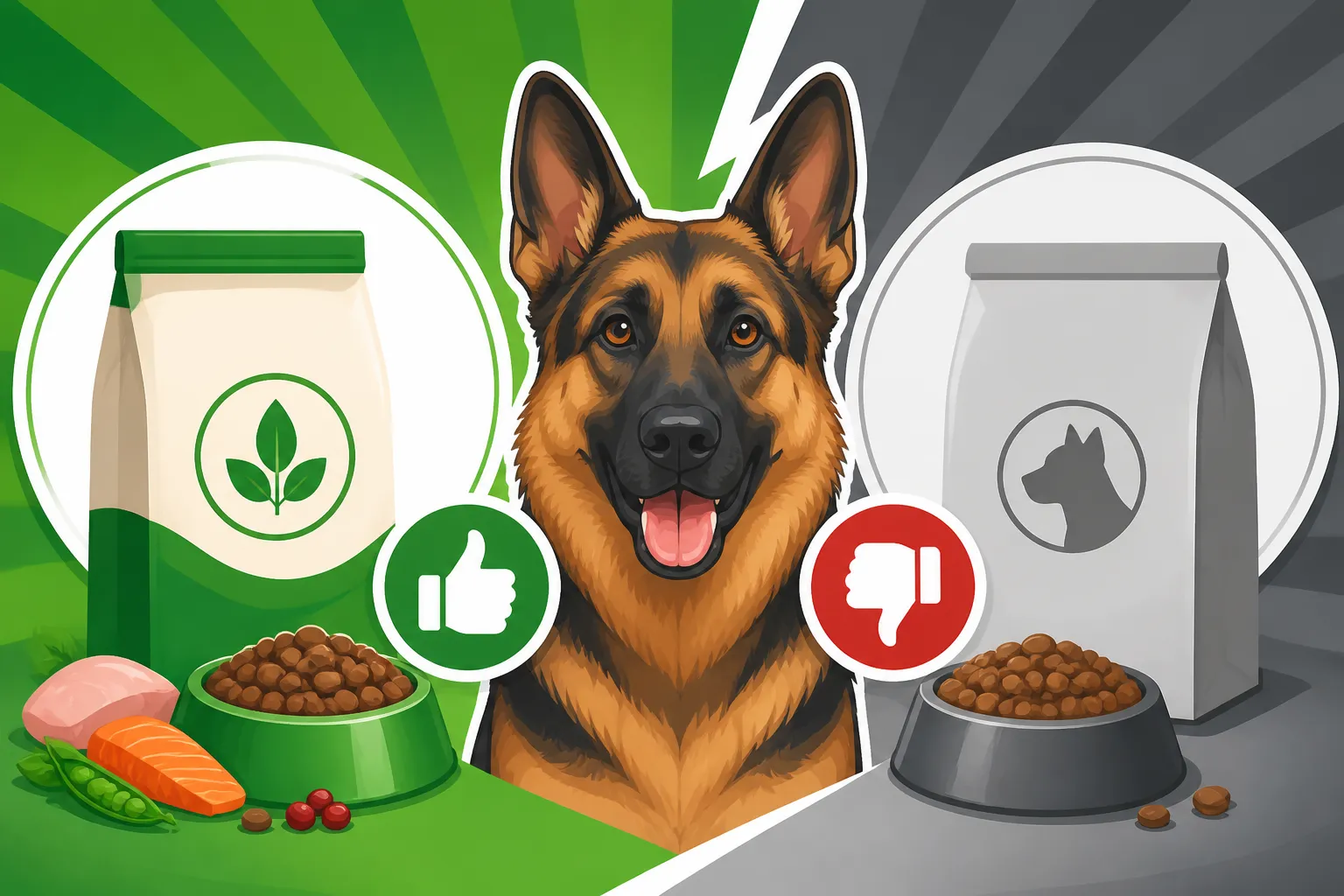
In the end, while store brands offer a cost-effective solution, brands like Nutro often provide a higher quality, more consistent, and nutritionally robust option for your German Shepherd. The investment in better food can often translate into a healthier, happier dog with potentially fewer vet bills down the line.
Disclaimer
The information provided in this article is for general informational purposes only and does not constitute veterinary advice. Always consult with a qualified veterinarian for any health concerns or before making any dietary changes for your German Shepherd.