How to Switch a German Shepherd to Adult Food
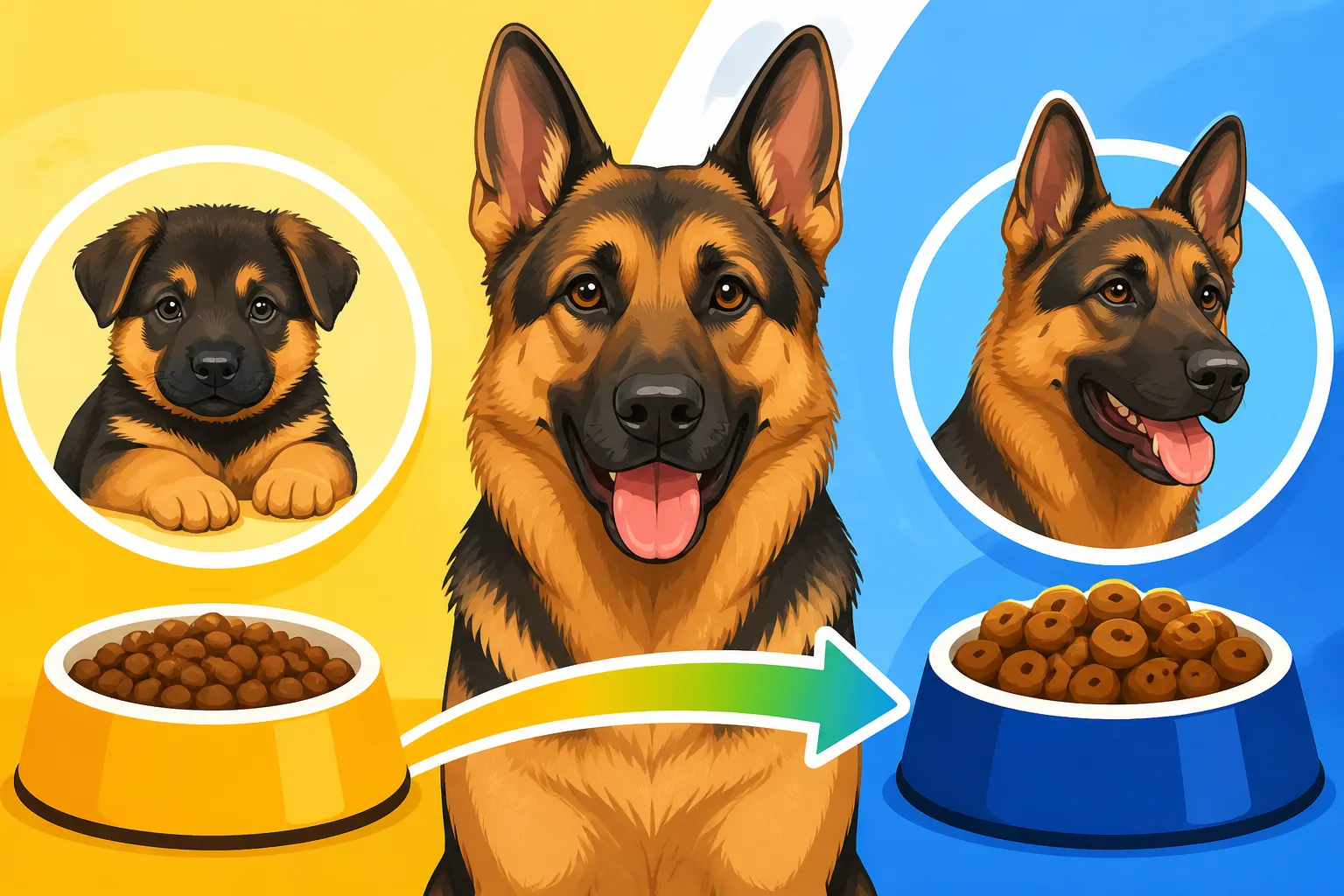
One of the most common questions new German Shepherd puppy parents have is exactly when and how to transition their energetic, growing furball from puppy kibble to adult dog food. It feels like a huge decision, and honestly, getting it wrong can cause digestive upset or even impact their long-term growth and health. This comprehensive guide is here to walk you through the process, helping you confidently make the switch so your beloved German Shepherd can thrive.
Why the Transition to Adult Food Matters for Your German Shepherd
It’s easy to think "food is food," but for a rapidly developing German Shepherd puppy, the right nutrition is paramount. Puppy food isn't just a smaller version of adult food; it's specifically formulated to fuel their incredible growth spurts and energy levels. But eventually, those specialized nutrients become too much, and it's time for a change.
Understanding Puppy vs. Adult Nutritional Needs
Think about it like human babies. They start on breast milk or formula, then move to purees, and eventually solid foods. A puppy’s nutritional journey is similar. Puppy food, especially formulas designed for large breeds like German Shepherds, is typically higher in calories, protein, and fat to support their rapid development. They need that extra energy to grow big and strong, building muscle and bone.
Crucially, puppy foods also have carefully balanced levels of calcium and phosphorus. Too little or too much of these minerals, particularly calcium, can lead to serious skeletal problems and developmental orthopedic diseases in fast-growing large breed puppies. Manufacturers like Purina Pro Plan and Royal Canin invest heavily in research to get these ratios just right for puppies.
As your German Shepherd matures, their growth rate slows down significantly. Their bones are largely developed, and their energy requirements aren't as intense. Continuing to feed a high-calorie, nutrient-dense puppy food to an adult German Shepherd can lead to issues like excessive weight gain and obesity, which puts undue stress on their joints, something German Shepherds are already prone to with conditions like hip and elbow dysplasia. The goal of adult food is to provide a balanced diet for maintenance, rather than rapid growth.
The Risks of Switching Too Early or Too Late
Timing is absolutely critical when it comes to switching your German Shepherd's food. There’s a delicate balance to strike, and missing it can have consequences.
If you transition your German Shepherd to adult food too early, you risk depriving them of essential nutrients vital for proper bone and muscle development. Imagine trying to build a skyscraper without enough steel and concrete – it won’t stand strong. An early switch can result in deficiencies that impact their growth plates and overall skeletal structure, potentially exacerbating issues like German Shepherd Hip Dysplasia Explained or German Shepherd Elbow Dysplasia: Symptoms and Treatment. They might not reach their full growth potential, or worse, develop long-term health problems.
On the flip side, waiting too long to switch can also be detrimental. As we discussed, puppy food is dense. Continuing to feed a mature German Shepherd puppy food past their prime growth stage often leads to excessive weight gain. Obesity is a major concern for German Shepherds, as it puts incredible strain on their joints, contributes to inflammation, and can shorten their lifespan. It can also make them sluggish and less interested in exercise, which is essential for this active breed. Overfeeding puppy food can even contribute to behavioral issues due to excess energy without an outlet. It’s all about providing the right fuel for the right stage of life.
When to Make the Switch: Timing is Everything for German Shepherds
Deciding when to transition your German Shepherd from puppy food to adult food is probably the most nerve-wracking part for many owners. Unlike smaller breeds that might be ready around 9-12 months, German Shepherds, being a large and relatively slow-maturing breed, have a different timeline.
The Ideal Age Range for Transition
For most large breeds like the German Shepherd, the ideal age range to begin the transition is generally between 12 and 18 months old. This might sound like a broad window, but it accounts for individual variations in growth and development. Many German Shepherds will continue to fill out and mature physically even after reaching their full height, especially males. Their growth plates, which are areas of cartilage at the ends of bones that contribute to bone growth, typically don't close until around 12-18 months. Switching too soon, before these plates have fused, can put unnecessary stress on developing joints.
For some working line German Shepherds or those with particularly slow growth, a veterinarian might even recommend staying on large-breed puppy food until closer to 24 months, especially if they are still growing visibly. It's not a race; it's about ensuring their skeletal system is fully developed and strong. Always remember to consider factors discussed in our guide on German Shepherd Growth Plates and Exercise when making this decision.
Signs Your German Shepherd Puppy is Ready for Adult Food
While age is a primary guideline, your individual German Shepherd will also give you clues that they're ready for the switch. Observing these signs, in conjunction with their age, will help you make an informed decision.
- Slowing Growth Rate: You’ll notice their rapid growth spurts start to taper off. They might not be gaining weight as quickly, or their height measurements plateau. They've likely reached most of their adult height and are now focusing on filling out and developing muscle mass.
- Reaching Adult Height and Weight: Most German Shepherds are close to their adult height and weight by 12-18 months. While they may continue to add muscle, the intensive bone growth period is largely over. You can compare your dog's current size to typical breed standards for adult German Shepherds.
- Maintaining Weight Easily: If your German Shepherd is starting to look a little pudgy, or if you're finding you have to consistently reduce their puppy food intake to prevent weight gain, it's a strong indicator that the calorie density of puppy food is now too high for their needs. This is especially true if you notice them gaining weight around the rib cage or base of the tail.
- Changes in Energy Levels: While German Shepherds are always active, the frantic, non-stop energy of a very young puppy often settles into a more sustained, less intense energy level as they mature. If they seem to have boundless energy even after adequate exercise and a full puppy meal, the higher caloric content might be contributing.
- Veterinary Consultation: This is arguably the most important step. Your veterinarian is your best resource. During routine check-ups, they monitor your dog's growth, weight, and overall health. They can assess your German Shepherd's individual development and advise you on the optimal time to transition. Don't hesitate to ask them, "When should I switch my German Shepherd to adult food?" They can provide personalized recommendations based on your dog's specific health and development, including any predispositions to conditions like German Shepherd Genetic Health Testing might reveal.
A Step-by-Step Guide to a Smooth Food Transition
Once you've determined it's time to make the switch, the how becomes just as important as the when. A sudden change in diet can wreak havoc on your German Shepherd's digestive system, leading to upset stomachs, diarrhea, or even a complete refusal to eat. We want to avoid that entirely!
Choosing the Right Adult Food for Your German Shepherd
This isn't just about grabbing any bag of "adult dog food" off the shelf. Your German Shepherd deserves a high-quality diet tailored to their specific needs as a large breed.
- Focus on Large Breed Adult Formulas: Look for foods explicitly labeled for "large breed adult dogs." These formulas are designed with slightly lower calorie densities to prevent rapid weight gain, and they often contain ingredients like glucosamine and chondroitin for joint support, which is a huge plus for German Shepherds. Many reputable brands, including popular ones available on Chewy or Amazon, offer excellent large breed options.
- High-Quality Ingredients: Prioritize foods with real meat (like chicken, beef, or lamb) as the first ingredient. Avoid foods with excessive fillers, artificial colors, or by-products. Look for wholesome grains or appropriate alternative carbohydrates if your dog has sensitivities.
- Consider Specific Needs: Does your German Shepherd have a German Shepherd Sensitive Stomach Solutions? Are they prone to German Shepherd Allergies: Symptoms and Treatment? If so, you might look for limited ingredient diets, novel proteins, or formulas designed for sensitive digestion. Some owners even explore fresh food options like Ollie, which can be customized to your dog's specific needs, though this often comes at a higher cost.
- Read Labels Carefully: Pay attention to the guaranteed analysis (protein, fat, fiber content) and the ingredient list. A balanced adult food will have moderate protein and fat levels appropriate for maintenance.
- Consult Your Vet (Again!): Before making a final decision, discuss your top food choices with your veterinarian. They can offer insights into which brands and formulations would best suit your individual German Shepherd’s health profile. Our guide on Best Dog Food for German Shepherds can also offer more specific brand recommendations and what to look for.
The 7-10 Day Transition Method
This is the golden rule for switching dog foods, and it's absolutely crucial for German Shepherds due to their sensitive digestive systems. The key is gradual introduction, allowing their gut microbiome to adjust slowly to the new ingredients.
Here’s a day-by-day breakdown:
- Day 1-2: 75% Old Food, 25% New Food. Start by mixing a small amount of the new adult food into their regular puppy food. This allows them to get used to the smell and taste without shocking their system.
- Day 3-4: 50% Old Food, 50% New Food. If all is well (no diarrhea, vomiting, or significant discomfort), increase the new food to half of their meal.
- Day 5-6: 25% Old Food, 75% New Food. Now, the new food should be the dominant portion of their meal.
- Day 7-10: 100% New Food. By this point, your German Shepherd should be comfortably eating only the new adult food.
Why this slow approach is crucial: Your dog's digestive tract contains a complex ecosystem of bacteria (the microbiome) that helps break down food. Different food ingredients require different types of bacteria to thrive. A sudden change doesn't give these bacteria time to adjust, leading to an imbalance that manifests as digestive upset. A slow transition allows the beneficial bacteria to adapt and multiply, ensuring a smoother transition.
If at any point during this process your German Shepherd experiences significant digestive upset (severe diarrhea, persistent vomiting), slow down the transition. Go back to the previous day's ratio for a few more days, or even reduce the new food portion further, until their system stabilizes. It's better to take 2 weeks than to rush it and cause discomfort.
Monitoring Your German Shepherd During the Switch
During this transition period, you need to be a diligent observer. Your German Shepherd can't tell you if their tummy hurts, so you need to watch for the signs.
- Changes in Stool: This is your primary indicator. Look for changes in consistency, frequency, and color. Loose stools or diarrhea are common signs of digestive upset. If you notice persistent diarrhea or blood in the stool, contact your vet immediately. A healthy stool should be firm and well-formed.
- Appetite and Energy Levels: Is your dog still eager to eat? Are they finishing their meals? A sudden decrease in appetite or energy could indicate they're not feeling well. Conversely, if they seem to have more energy but are also gaining weight, you might need to adjust their German Shepherd Feeding Guide to match the adult food's caloric density.
- Vomiting: Any vomiting, especially more than once, is a red flag. If it's a one-off and your dog seems fine afterward, it might just be a minor adjustment. Persistent vomiting, however, requires a vet visit.
- Gas and Bloating: Increased flatulence or a visibly distended abdomen could point to digestive discomfort. While some gas is normal, excessive amounts can signal that the new food isn't agreeing with them. Be especially vigilant for signs of German Shepherd Bloat (GDV): Symptoms and Treatment, a life-threatening condition for which German Shepherds are at high risk.
- Skin and Coat Health: While less immediate, long-term diet changes can affect their skin and coat. After the full transition, continue to monitor for any changes like dry skin, dull coat, or excessive scratching, which might suggest an allergy or deficiency. You can learn more in our German Shepherd Coat and Skin Care guide.
If you observe any concerning symptoms, don't hesitate to contact your veterinarian. They can provide guidance, recommend supplements like probiotics, or suggest a different food if necessary.
Common Challenges and Troubleshooting During Food Transition
Even with the best intentions and a slow transition, you might encounter a few bumps along the road. German Shepherds can be sensitive, and every dog is an individual. Don't get discouraged if things aren't perfectly smooth.
Digestive Upsets and How to Manage Them
It's almost a rite of passage for dog owners: the dreaded loose stool during a food transition. Here’s how to handle it:
- Slow Down Further: The first and most important step is to slow down the transition even more. If you're on Day 3 and seeing soft stools, go back to the Day 1 ratio (75% old, 25% new) for a few extra days until their system settles. You can extend the entire process to 10-14 days, or even longer if needed. Patience is key here.
- Bland Diet Intervention: If diarrhea is persistent or severe, your vet might recommend a temporary bland diet. This typically involves boiled chicken (no skin, no bones) and plain white rice. Feed small, frequent meals of this bland diet for a day or two until stools firm up, then slowly reintroduce the old food first, followed by the new food using the extended transition method.
- Probiotics: Ask your vet about adding a canine-specific probiotic supplement. Probiotics can help restore the balance of beneficial bacteria in your German Shepherd’s gut, easing the transition. These are often available at pet stores like Petco or directly from your vet.
- Hydration: Ensure your German Shepherd has constant access to fresh water. Diarrhea can lead to dehydration, so encouraging water intake is vital.
- When to See the Vet: If vomiting is frequent, diarrhea is watery or bloody, your dog seems lethargic, or symptoms don't improve after a day or two of slowing down the transition, contact your vet immediately. These could be signs of something more serious than a simple food adjustment.
Picky Eaters and Refusal to Eat New Food
Some German Shepherds are food motivated, while others can be surprisingly particular. If your GSD is turning up their nose at the new adult food, try these strategies:
- Warm it Up: Sometimes, just slightly warming the food (microwave-safe bowl, then add a tiny bit of warm water or low-sodium broth) can enhance the aroma and make it more appealing.
- Add a Topper: A small spoonful of plain canned pumpkin (not pie filling!), plain Greek yogurt, or even a tiny amount of wet dog food (if that’s not their usual) can make the new food more enticing. Just be mindful of calories, especially if you’re also trying to manage their weight.
- Patience and Persistence: German Shepherds are smart. If they learn that refusing the new food gets them something better, they’ll keep doing it. Put the food down for 15-20 minutes. If they don’t eat, pick it up and offer it again at the next scheduled mealtime. Don’t offer alternatives or treats during this time. A healthy dog won’t starve themselves, but this can feel tough as an owner! This strategy is also useful when trying to establish a consistent German Shepherd Puppy Feeding Schedule.
- Avoid Free-Feeding: If you’ve been leaving food out all day, switch to scheduled mealtimes (2-3 times a day). This creates a sense of routine and makes them hungrier when food is offered.
- Mix Thoroughly: Ensure the new food is well-mixed with the old food so they can’t easily pick out the preferred kibble.
- Rule Out Medical Issues: If your German Shepherd, who was previously a good eater, suddenly refuses all food (new and old), or shows other signs of illness, it’s always best to consult your vet to rule out any underlying medical problems.
The transition process might take a bit of effort and observation, but successfully moving your German Shepherd from puppy to adult food sets them up for a lifetime of good health and appropriate nutrition.
Here’s a helpful table summarizing the 7-10 day transition:
| Day | Old Food Percentage | New Food Percentage | Observation Notes | Action if Upset Stomach |
|---|---|---|---|---|
| Day 1-2 | 75% | 25% | Minor changes in stool are okay. Watch for appetite. | Go back to 100% old food for a day, then restart. |
| Day 3-4 | 50% | 50% | Stool should still be firm, appetite normal. | Revert to Day 1-2 ratio for a few extra days. |
| Day 5-6 | 25% | 75% | Digestion should be adapting well. Maintain normal behavior and energy. | Revert to Day 3-4 ratio for a few extra days. |
| Day 7-10 | 0% (or 10% leftover) | 100% (or 90% new) | Should be fully transitioned and eating new food without issues. | Continue 25% old / 75% new for a few more days. |
Disclaimer
The information provided in this article is for general informational purposes only and is not a substitute for professional veterinary advice. Always consult with a qualified veterinarian regarding any medical concerns or before making any changes to your German Shepherd's diet, health regimen, or treatment plan.