Raw Diet for German Shepherds Explained
Many German Shepherd owners find themselves at a crossroads when it comes to nutrition. You want to provide the absolute best for your beloved companion, but the sheer volume of conflicting information, particularly around raw feeding, can feel incredibly overwhelming. It's tough to cut through the noise and figure out if a raw diet is truly beneficial or just a passing trend with potential risks. This comprehensive guide is here to demystify the raw diet for German Shepherds, breaking down its principles, potential advantages, inherent challenges, and practical steps for implementation, so you can make an informed decision for your dog's health.
Understanding the Raw Diet Philosophy for German Shepherds
The concept of feeding dogs a raw diet stems from the idea that their digestive systems are still fundamentally similar to their wild ancestors, wolves. Proponents argue that dogs are not designed to thrive on highly processed, carbohydrate-heavy kibble. Instead, they believe dogs fare best on foods closer to what they would naturally consume in the wild.
What is a Biologically Appropriate Raw Food BARF Diet
The term "BARF" stands for Biologically Appropriate Raw Food, or sometimes "Bones And Raw Food." This approach was popularized by Australian veterinarian Dr. Ian Billinghurst in the 1990s and is perhaps the most well-known raw feeding philosophy. The core principle of BARF is to feed dogs a diet that mimics what their ancestral canine relatives would eat, but with the addition of some plant matter that wild canids might consume from the stomachs of their herbivorous prey, or scavenge from fruits and berries.
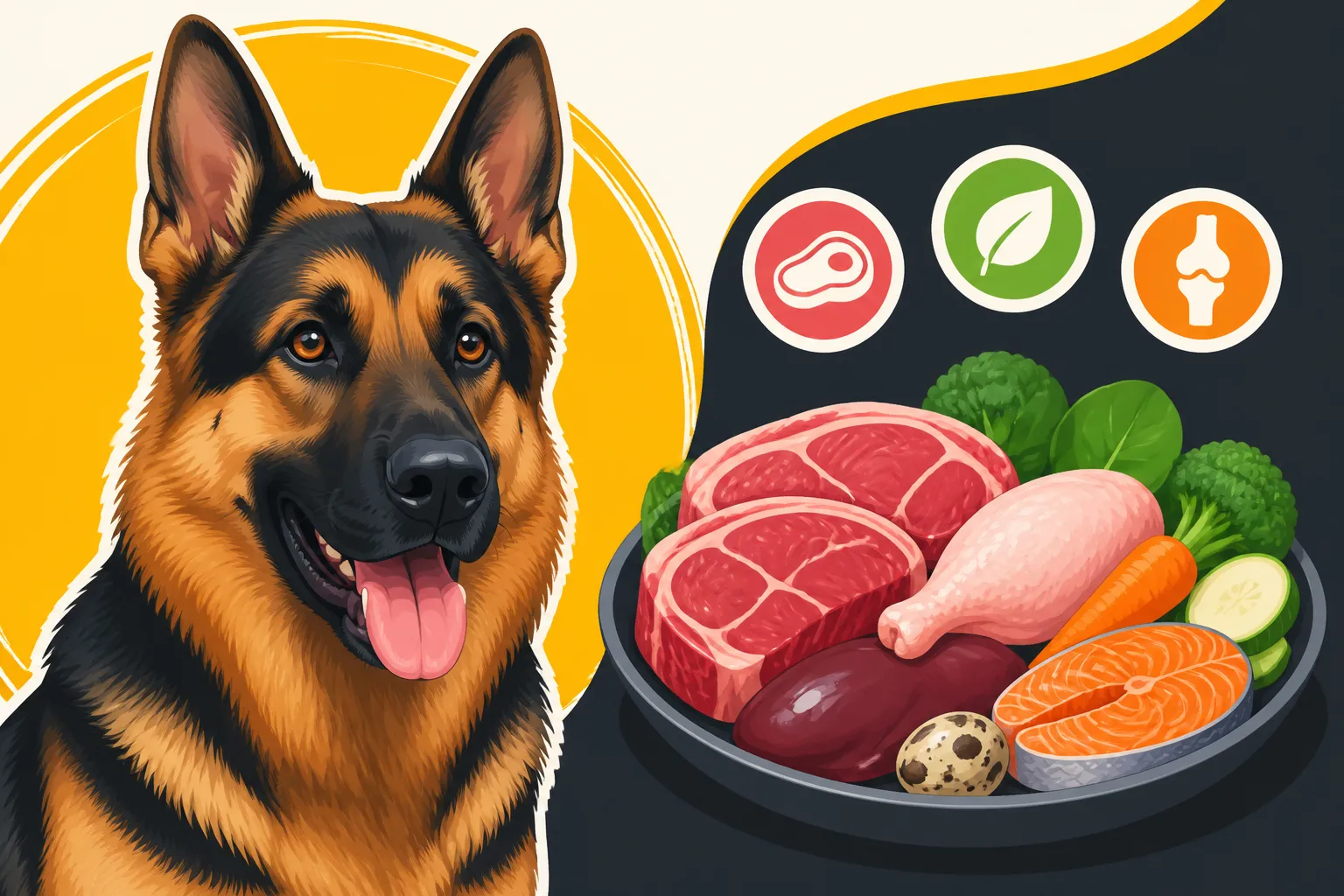
A typical BARF diet for a German Shepherd usually consists of a balanced mix of raw muscle meat, organs (like liver, kidney, and spleen), raw meaty bones, and a smaller percentage of fruits, vegetables, and sometimes supplements. The idea is to provide a wide array of nutrients in their most natural, unprocessed form. This contrasts sharply with most commercial kibbles, which often contain grains, fillers, and are cooked at high temperatures, which some argue destroys vital enzymes and reduces nutrient bioavailability. The evolutionary argument posits that millennia of canine digestion haven't fundamentally changed, making a raw, unprocessed diet the optimal choice.
Prey Model Raw PMR vs BARF
While BARF is widely recognized, another significant raw feeding philosophy is the Prey Model Raw (PMR) diet. The primary distinction between PMR and BARF lies in the inclusion of plant matter. PMR is stricter in its adherence to mimicking a whole prey animal, containing no fruits, vegetables, or supplemental grains.
The PMR diet focuses almost exclusively on whole raw meat, raw bones, and raw organs, mirroring the nutritional profile of a small prey animal. For a German Shepherd, this would mean a diet composed of roughly 80% muscle meat, 10% raw meaty bone, 5% liver, and 5% other secreting organs. The philosophy behind PMR is that dogs are carnivores, and all necessary nutrients can be derived from animal sources alone. Advocates believe that wild canids primarily consume the gut contents of their prey, which are already predigested plant materials, and don't actively forage for fruits and vegetables themselves.
When considering which approach might be more suitable for your German Shepherd, it often comes down to personal belief and your dog's individual needs. Some German Shepherds thrive on the simplicity of PMR, while others benefit from the added fiber and phytonutrients found in the fruits and vegetables of a BARF diet. For German Shepherds with certain sensitivities or digestive issues, the limited ingredients of PMR might be easier to manage initially. However, ensuring nutritional completeness with PMR requires sourcing a wider variety of animal parts, including different organs and types of bone, to cover all micronutrient bases. Ultimately, both aim for a diet that avoids processed ingredients and cooked foods.
Potential Benefits of a Raw Diet for German Shepherds
Many German Shepherd owners who transition their dogs to a raw diet report observing a noticeable improvement in their dog's overall health and vitality. These anecdotal accounts often highlight specific areas where raw feeding seems to make a significant difference.
Improved Digestion and Gut Health
One of the most frequently cited benefits of a raw diet is improved digestion. Dogs' digestive systems are naturally optimized to process raw meat and bones. The high moisture content and natural enzymes in raw food are believed to make it easier for their bodies to break down and absorb nutrients. Unlike kibble, which often contains carbohydrates that can be difficult for some dogs to digest, a raw diet typically focuses on protein and fat, which are more readily utilized.
Owners often notice a dramatic change in their German Shepherd's stool quality – it becomes smaller, firmer, and less odorous. This indicates better nutrient absorption and less waste. Furthermore, a balanced raw diet can promote a healthier gut microbiome, which is crucial for overall health and immunity. Many German Shepherds suffer from sensitive stomachs, and for some, transitioning to a raw diet has offered significant relief from issues like chronic diarrhea, gas, and vomiting. If your German Shepherd struggles with a sensitive stomach, exploring a raw diet might be a viable solution, but always consult with your vet first.
Enhanced Coat, Skin, and Dental Health
The transformation in a German Shepherd's coat and skin health is often striking when they switch to a raw diet. The rich supply of essential fatty acids, particularly Omega-3 and Omega-6, found in raw meats, fish, and certain oils (if supplemented in BARF), contributes directly to a healthier skin barrier and a shinier, softer coat. Many owners report a significant reduction in dry, flaky skin, itchiness, and hot spots, which can be common skin problems in German Shepherds.
Beyond the coat, raw meaty bones play a crucial role in dental hygiene. Chewing on appropriate raw bones acts as a natural toothbrush, scraping away plaque and tartar buildup. This mechanical action can significantly reduce the risk of dental disease, gum inflammation, and bad breath, which are prevalent issues in dogs fed primarily kibble. Unlike cooked bones that can splinter and cause harm, raw bones are pliable and digestible. You might find yourself scheduling fewer professional dental cleanings if your German Shepherd regularly enjoys raw meaty bones as part of their diet. For a deeper dive into dental care, check out our guide on German Shepherd Dental Care Explained.
Better Energy Levels and Weight Management
A German Shepherd on a properly balanced raw diet often displays more consistent energy levels. Instead of the sugar highs and crashes that can sometimes accompany carbohydrate-heavy kibble, raw-fed dogs tend to have a more stable and sustained energy output throughout the day. This is attributed to the diet being rich in readily available protein and healthy fats, which provide efficient fuel for their active bodies.
Weight management also becomes more straightforward. Because raw food is nutrient-dense and highly digestible, dogs often feel more satisfied with smaller portions, making it easier to maintain an ideal weight. This is especially important for a breed prone to joint issues, where maintaining a lean physique is paramount. A raw diet can help German Shepherds build and maintain lean muscle mass, which is critical for their strong, athletic build. Obesity in German Shepherds can exacerbate conditions like hip and elbow dysplasia, so proactive weight management is a huge win. To learn more about how to manage your dog's weight, consider reading about German Shepherd Weight and Obesity Risks.
Navigating the Risks and Challenges of Raw Feeding
While the benefits of raw feeding can be compelling, it's crucial to approach this dietary change with open eyes and a thorough understanding of the potential risks and challenges. A raw diet is not without its pitfalls, and improper implementation can lead to serious health issues for your German Shepherd.
Nutritional Imbalances and Deficiencies
Perhaps the most significant concern with raw feeding is the risk of nutritional imbalances or deficiencies if the diet is not meticulously balanced. Unlike commercially prepared kibble, which is formulated to meet specific AAFCO (Association of American Feed Control Officials) nutritional standards, a homemade raw diet requires careful planning and a deep understanding of canine nutritional needs. Simply feeding raw meat and a few bones is not enough.
A common pitfall is an incorrect calcium-to-phosphorus ratio, which is vital for bone health, especially in a large, fast-growing breed like the German Shepherd. Too much or too little of either can lead to severe skeletal problems, particularly in puppies. Deficiencies in essential vitamins (like Vitamin D or E), trace minerals (such as zinc or manganese), or certain amino acids can also occur if a wide variety of muscle meats, organs, and bones from different animals aren't included consistently. Relying on a single protein source or neglecting crucial organs like liver and kidney (which are powerhouses of vitamins and minerals) can quickly lead to nutritional gaps. It is highly recommended to consult with a board-certified veterinary nutritionist to formulate a balanced raw diet, especially if you are considering a long-term commitment. This foresight can prevent serious health complications down the line, ensuring your German Shepherd receives all the nutrients they need to thrive.
Bacterial Contamination and Food Safety
Another serious concern associated with raw feeding is the risk of bacterial contamination. Raw meat, by its very nature, can harbor pathogenic bacteria such as Salmonella, E. coli, Listeria, and Campylobacter. While dogs' digestive systems are generally more resilient to these bacteria than humans', they are not immune. Dogs can still get sick, displaying symptoms like vomiting, diarrhea, lethargy, and fever.
More importantly, these bacteria pose a significant public health risk to human handlers, particularly children, the elderly, pregnant individuals, or those with compromised immune systems. Cross-contamination in the kitchen from raw meat surfaces, utensils, or even direct contact with your dog's mouth or feces can lead to severe food poisoning. The Centers for Disease Control and Prevention (CDC) and the American Veterinary Medical Association (AVMA) both caution against raw feeding due to these risks. Strict hygiene protocols are non-negotiable: thoroughly washing hands, sanitizing all surfaces and utensils after preparing raw food, and properly storing raw ingredients are essential steps to mitigate this risk. Even then, the risk cannot be entirely eliminated.
Choking Hazards and Bone Concerns
Raw meaty bones are a cornerstone of many raw diets, offering valuable calcium, phosphorus, and fantastic dental benefits. However, they also present potential hazards if not chosen and fed correctly. The primary concern is choking, especially with small, easily swallowed bones or bones that can splinter into sharp fragments. While raw bones are generally more flexible and less likely to splinter than cooked bones, not all raw bones are safe for all dogs.
It's vital to differentiate between recreational bones (larger bones for chewing enjoyment) and meal bones (smaller, softer bones that are fully consumed as part of a meal). Weight-bearing bones from large animals, like beef femurs, can be too hard for your German Shepherd's teeth and lead to dental fractures. Small, brittle bones from poultry, like chicken drumsticks, might be a choking hazard for a dog that gulps their food. Always supervise your German Shepherd when they are eating bones. Select bones that are appropriately sized for your dog – ideally, larger than their muzzle so they cannot be swallowed whole. Ensure the bones are raw; never feed cooked bones, as the cooking process makes them brittle and prone to splintering, which can cause internal injuries or blockages. Understanding how to properly incorporate raw meaty bones is crucial for both their safety and nutritional value.
Practical Guide to Implementing a Raw Diet
Deciding to switch your German Shepherd to a raw diet is a significant commitment. Once you've thoroughly researched the philosophy and risks, the next step is to understand the practicalities of sourcing ingredients, preparing meals, and transitioning your dog safely.
Sourcing Ingredients and Meal Preparation
The quality of your raw ingredients is paramount. You need to ensure you're getting fresh, human-grade meat, organs, and bones to minimize the risk of bacterial contamination and maximize nutritional value. Local butchers are often an excellent resource, as they can provide cuts suitable for dog food and sometimes even offer discounts on bulk purchases or less popular cuts. Farmers' markets can also be a source for fresh, pasture-raised meats. For organs and specific types of bones, you might need to seek out specialty pet food suppliers.
Alternatively, several reputable companies offer pre-made raw diets that are formulated to be nutritionally complete and balanced. Brands like Ollie deliver freshly prepared, human-grade raw meals directly to your door, taking the guesswork out of balancing the diet yourself. Many pet stores, and even online retailers like Chewy and Amazon, also stock various frozen raw patties, chubs, or dehydrated raw options from trusted brands. These can be a convenient way to start or supplement a raw diet, though they often come at a higher cost than preparing meals from scratch.
When preparing meals at home, strict food safety is non-negotiable. Always use separate cutting boards and utensils for raw meat. Wash your hands thoroughly with soap and water before and after handling raw ingredients. Store raw meat in airtight containers in the coldest part of your refrigerator or freezer, separate from human food. Thaw frozen portions in the refrigerator, never at room temperature, to prevent bacterial growth. Portioning meals in advance and freezing them can save time and ensure consistency.
Transitioning Your German Shepherd to Raw
Transitioning your German Shepherd from kibble to raw food needs to be done thoughtfully to avoid digestive upset. There are generally two methods: gradual transition or "cold turkey."
For a gradual transition, you would slowly introduce small amounts of raw food alongside their regular kibble over several days or even a week, gradually increasing the raw portion while decreasing the kibble. This allows your dog's digestive system to adjust to the new food. Start with easily digestible proteins like chicken or turkey. Monitor their stool and behavior closely. If you notice soft stools, diarrhea, or vomiting, slow down the transition or revert to a smaller raw portion.
The "cold turkey" method involves switching directly from kibble to raw. Some proponents argue this is better because mixing kibble (which digests slowly) with raw food (which digests quickly) can cause digestive issues. This method often starts with a single, bland protein source for a few days before introducing variety. For robust German Shepherds with no history of digestive issues, this might work, but it's generally riskier for sensitive dogs. Regardless of the method, ensure your German Shepherd has access to plenty of fresh water. Be patient, as every dog adjusts at their own pace.
Crafting a Balanced Raw Meal Plan
Creating a balanced raw meal plan involves understanding the correct ratios of muscle meat, raw meaty bones, and organs. For a Prey Model Raw (PMR) diet, the general guideline is often referred to as the "80/10/5/5 rule":
- 80% Muscle Meat: This is the bulk of the diet and provides protein, fat, and essential vitamins. Include a variety of sources like beef, chicken, lamb, pork, and fish.
- 10% Raw Meaty Bone (RMB): These are bones with meat attached, like chicken necks, backs, wings, or lamb ribs. RMBs provide crucial calcium and phosphorus.
- 5% Liver: Liver is a nutrient powerhouse, rich in Vitamin A, B vitamins, and iron.
- 5% Other Secreting Organs: This includes organs like kidney, spleen, pancreas, and brain. These provide a diverse range of vitamins and minerals.
For a BARF diet, you would follow similar ratios but also incorporate 10-15% fruits and vegetables. These can be pureed or finely chopped to aid digestion and provide additional fiber, antioxidants, and phytonutrients. Good options include leafy greens, carrots, pumpkin, berries, and apples. Rotation of protein sources is key to ensuring a wide spectrum of nutrients. Don't feed the same protein every day; switch between beef, chicken, turkey, lamb, and fish over the course of a week or month.
Here's an example of what a weekly raw meal plan for an adult German Shepherd might look like, adhering to the 80/10/5/5 PMR principle, with optional BARF additions:
| Day | Primary Protein Source | Muscle Meat Examples (80%) | Raw Meaty Bone (10%) | Liver (5%) | Other Organs (5%) | Optional BARF Additions (10-15%) |
|---|---|---|---|---|---|---|
| Monday | Beef | Ground beef, beef heart, stew meat | Beef riblets | Beef liver | Beef kidney | Spinach, blueberries |
| Tuesday | Chicken | Chicken thighs, ground chicken | Chicken necks | Chicken liver | Chicken gizzards | Carrots, pumpkin puree |
| Wednesday | Lamb | Lamb stew meat, ground lamb | Lamb ribs | Lamb liver | Lamb spleen | Green beans, apple slices |
| Thursday | Turkey | Ground turkey, turkey breast | Turkey necks | Turkey liver | Turkey heart | Kale, raspberries |
| Friday | Pork | Pork shoulder, pork loin | Pork riblets | Pork liver | Pork kidney | Zucchini, flaxseed oil |
| Saturday | Fish (e.g., Sardines) | Whole sardines (small fish can be whole prey) | Small fish bones | Fish liver | Fish roe (if available) | Sweet potato, chia seeds |
| Sunday | Mixed/Variety | Mix of leftover muscle meats, bone-in chicken parts | Chicken backs | Beef liver | Lamb kidney | Mixed greens, probiotic powder |
Supplements may also be necessary depending on the completeness of your ingredients. Fish oil for omega-3s, kelp for minerals, and probiotics for gut health are common additions. Remember that a balanced diet isn't achieved in a single meal but over several weeks or months of consistent variety. For a more general overview of feeding your German Shepherd, check out our comprehensive German Shepherd Feeding Guide.
Common Misconceptions and Expert Insights
The world of raw feeding is rife with strong opinions and persistent myths. Addressing these can help you approach the diet with a clearer understanding and realistic expectations for your German Shepherd.
Raw Feeding and Aggression
One of the oldest and most pervasive myths surrounding raw feeding is the idea that feeding raw meat will make a dog aggressive or give them a "taste for blood." This fear-mongering tactic is often used by opponents of raw feeding, but it lacks any scientific basis. A German Shepherd's temperament and behavior are shaped by genetics, socialization, training, and environment, not by the form in which their protein is served.
Aggression is a complex behavioral issue that can stem from various factors such as fear, resource guarding, territoriality, or lack of proper socialization. Giving a dog a raw chicken leg is no more likely to make them aggressive than feeding them a commercially produced kibble made from chicken meal. What can happen, however, is that some dogs may become possessive or "resource guard" their valuable raw food, especially if they haven't been properly trained or socialized around food items. This is a training issue, not a dietary one, and needs to be addressed through consistent positive reinforcement and management, just like any other resource guarding behavior. Understanding and addressing potential issues like How to Stop German Shepherd Aggression through proper training is key, regardless of diet.
The Cost and Time Commitment
Many people hesitate to embrace raw feeding for their German Shepherds because they believe it's prohibitively expensive and incredibly time-consuming. While it's true that raw feeding can require a greater upfront investment of both time and money than simply scooping kibble, it's not necessarily as unattainable as some might think.
When it comes to cost, store-bought, pre-made raw diets can indeed be more expensive than premium kibble, sometimes running into hundreds of dollars a month for a large breed like a German Shepherd. However, preparing raw meals yourself can significantly reduce this cost. Buying meat in bulk from local butchers, farmers, or through co-ops can offer substantial savings. Looking for discounted cuts, organ meats, and less popular proteins can also help manage the budget. Some owners report that their homemade raw diets end up being comparable in cost to high-quality kibble, especially when considering the potential reduction in vet bills for conditions like allergies or dental issues.
The time commitment is also a factor. Initially, researching, sourcing ingredients, and learning to balance the diet will take time. However, once you get into a routine, meal prepping for a few weeks at a time can streamline the process. Dedicating an hour or two once a month to portioning and freezing meals can make daily feeding quick and easy. Many raw feeders feel the investment in time and money is well worth it for the visible health benefits and the peace of mind that comes from knowing exactly what their dog is eating.
It's about weighing the true lifetime cost of a German Shepherd, which includes food, vet care, and potential treatments for diet-related issues, against the perceived higher cost of raw feeding. For many, the long-term health benefits, like a shinier coat, cleaner teeth, and fewer allergy flare-ups, translate into a better quality of life for their German Shepherd and potentially fewer vet visits down the line. To fully understand your dog's nutritional needs and how to meet them, exploring resources like German Shepherd Nutrition Essentials can be incredibly helpful.
Disclaimer
The information provided in this article is for educational purposes only and should not be considered a substitute for professional veterinary advice. Always consult with a qualified veterinarian or a board-certified veterinary nutritionist before making any significant changes to your German Shepherd's diet, especially when transitioning to a raw food regimen, to ensure it is appropriate and nutritionally balanced for your individual dog.