BARF Diet for German Shepherds Explained
It’s no secret that we, as German Shepherd parents, are always striving to provide the absolute best for our loyal companions. We see the rising interest in more "natural" diets and start to wonder if the kibble we've been feeding is truly enough. The idea of feeding our majestic GSDs a diet that mimics what their wild ancestors would have eaten can be incredibly appealing, but diving into something like the BARF diet can also feel overwhelming and even a little scary. This comprehensive guide is here to demystify the Biologically Appropriate Raw Food (BARF) diet, specifically tailored for our beloved German Shepherds, covering everything from what it is to how to implement it safely and effectively.
Understanding the Philosophy Behind the BARF Diet
The BARF diet, which stands for Biologically Appropriate Raw Food or Bones And Raw Food, isn't just a trend; it's a feeding philosophy built on the idea that dogs, including our German Shepherds, thrive on a diet of raw, whole foods that closely resemble what their wild canid ancestors consumed. It's about moving away from highly processed kibble and embracing fresh, natural ingredients. Many German Shepherd owners find themselves drawn to this approach out of a desire to provide a diet that feels more aligned with their dog's evolutionary biology, hoping to address common issues like allergies, digestive problems, or simply to promote optimal health.
The Core Principles of BARF Feeding
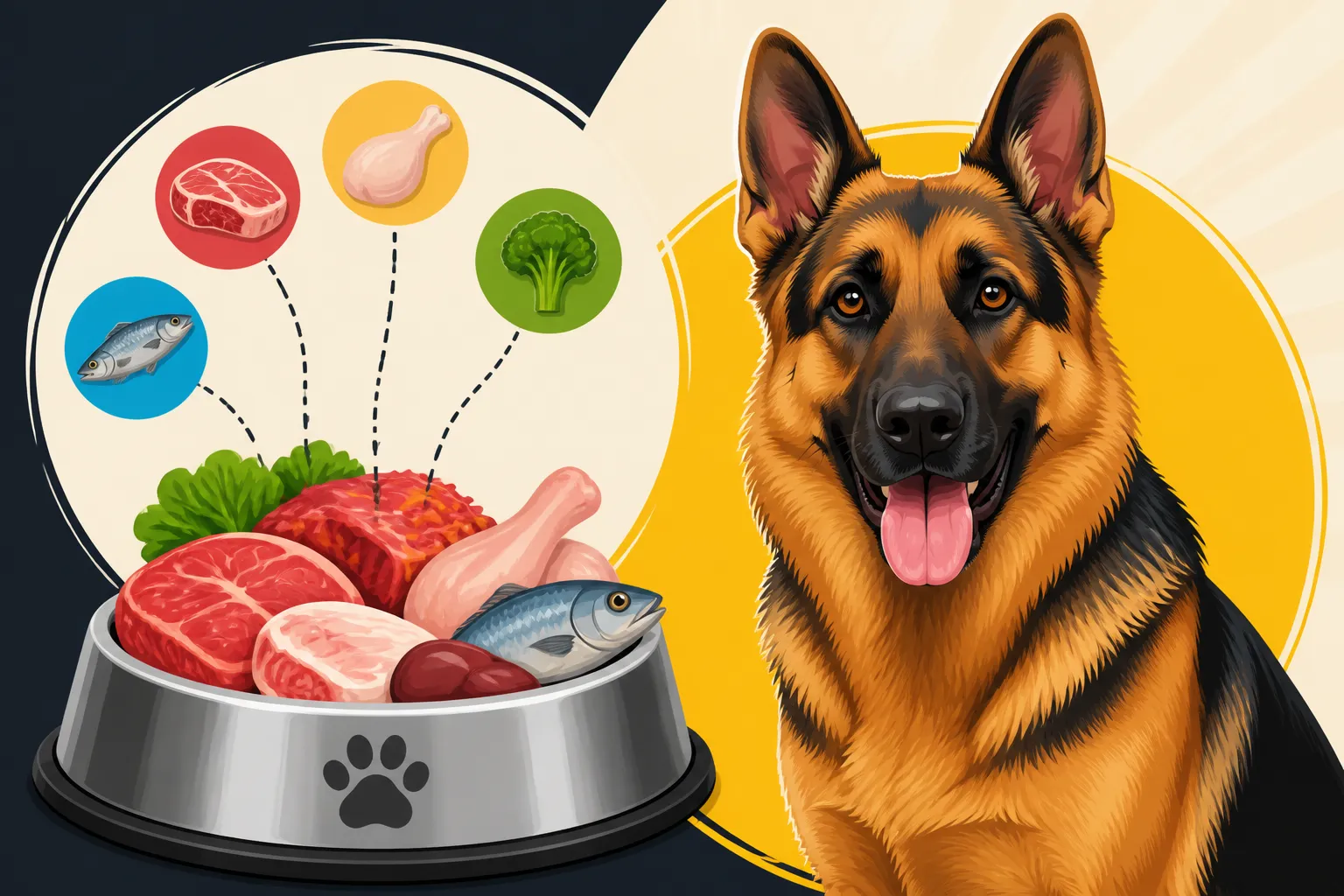
At its heart, the BARF diet aims to replicate the diet of an omnivorous scavenger that would consume whole prey, fruits, and vegetables found in its natural habitat. This means a balanced BARF diet for your German Shepherd typically consists of a diverse mix of ingredients. You're looking at about 70-80% raw muscle meat and bones, 10-15% organ meat, and 5-10% fruits and vegetables. The key word here is "raw." No cooking, no processing, just pure, unadulterated food. This includes a variety of protein sources like chicken, beef, lamb, and turkey, along with specific percentages of meaty bones for calcium and phosphorus, and nutrient-dense organs like liver and kidney. Fresh fruits and vegetables are included to provide essential vitamins, minerals, and fiber, rounding out the diet. It's a significant shift from the conventional feeding bowl, demanding a good understanding of canine nutritional needs.
Why German Shepherd Owners Consider Raw Diets
Many German Shepherd owners turn to the BARF diet after struggling with various health concerns that seem unresponsive to traditional commercial dog foods. For a breed that can be prone to sensitive stomachs, allergies, or dull coats, the promise of a more natural, easily digestible diet is incredibly enticing. Owners often report seeing improvements in their German Shepherd’s overall vitality, from a shinier, healthier coat to better dental hygiene, and even a noticeable reduction in digestive issues. When you've dealt with recurring bouts of loose stool or endless itching, the idea of a diet designed to support a robust immune system and digestive tract becomes a very attractive solution. It’s about taking a proactive step towards potentially mitigating some of the common German Shepherd Health Problems Guide many of us face.
Assembling a Balanced BARF Diet for Your German Shepherd
Creating a truly balanced BARF diet for your German Shepherd is a commitment that goes beyond simply throwing some raw meat in a bowl. It requires careful planning and an understanding of nutritional ratios to ensure your dog gets all the essential vitamins, minerals, and macronutrients without deficiencies or excesses. This isn't a "one size fits all" approach, and what works for one GSD might need slight adjustments for another, depending on their age, activity level, and specific health needs.
The Essential Protein and Fat Sources
The bulk of a German Shepherd's BARF diet should come from raw muscle meat. This provides the protein necessary for strong muscles, energy, and overall tissue repair. Variety is crucial here; don't just stick to one type of meat. Incorporate different sources like beef, chicken, lamb, turkey, and sometimes even venison or pork (ensure it’s properly sourced and frozen to mitigate parasites). Aim for a good mix of lean and fattier cuts to provide a healthy balance of fats, which are also vital for energy and nutrient absorption. For German Shepherds, known for their high energy and muscle mass, ensuring adequate, high-quality protein is paramount. You might find great options for these ingredients from local butchers or online specialty pet food retailers, even through platforms like Chewy, which offers a range of raw-specific products and ingredients.
Incorporating Raw Meaty Bones and Organ Meats
This is where the "Bones" in BARF really comes in, and it's perhaps the most important, and sometimes intimidating, part. Raw meaty bones are crucial for providing natural calcium, phosphorus, and other minerals in the correct ratios. Always feed raw bones, never cooked, as cooked bones can splinter and cause severe internal damage. Good options for German Shepherds include chicken necks, backs, wings, or even larger beef knuckle bones (for recreational chewing, not consumption if too hard). The bones should be soft enough to be fully consumed and digested.
Organ meats are nutrient powerhouses, packed with essential vitamins and minerals that muscle meat alone can't provide. Liver, kidney, and heart are excellent choices. Liver, especially, is rich in Vitamin A, while heart provides taurine, vital for cardiac health. Aim for about 10-15% of the total diet to be organ meat, with liver making up roughly half of that. Again, variety is key; don't just feed one type of organ. Balancing these components correctly ensures your German Shepherd receives a truly holistic diet.
Fruits, Vegetables, and Supplemental Support
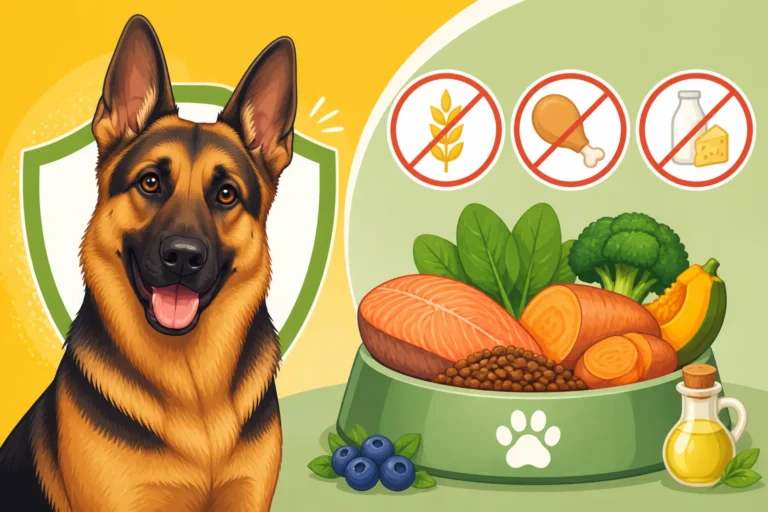
While dogs are primarily carnivores, their wild ancestors would have consumed pre-digested plant matter from the stomachs of their prey, along with berries and roots. Therefore, fruits and vegetables play a role in a BARF diet, offering fiber, antioxidants, and additional vitamins. Good choices include leafy greens like spinach and kale, carrots, broccoli, squash, and berries such as blueberries. Always avoid grapes, raisins, onions, and other foods toxic to dogs. These plant components should make up a smaller portion, around 5-10% of the total diet.
Even with a meticulously planned BARF diet, some German Shepherds might benefit from strategic supplementation. For instance, fish oil (for Omega-3 fatty acids) is often recommended for coat health and anti-inflammatory benefits, which can be particularly helpful for managing German Shepherd Arthritis Management at Home. Probiotics can support gut health, especially during the transition period or for dogs with German Shepherd Sensitive Stomach Solutions. Glucosamine and chondroitin are also common additions for joint support, given the breed's predisposition to orthopedic issues like hip and elbow dysplasia. Many high-quality supplements can be found on platforms like Amazon or specialized pet supply stores.
Potential Benefits and Risks of the BARF Diet for German Shepherds
Deciding whether the BARF diet is right for your German Shepherd involves weighing its touted benefits against the very real risks. It’s not a decision to be taken lightly, and understanding both sides of the coin is paramount for responsible pet ownership.
The Upsides: What Owners Often Report
Many German Shepherd owners who commit to a well-implemented BARF diet report a dramatic improvement in their dogs' health and well-being. One of the most frequently cited benefits is enhanced digestion and significantly improved stool quality. Say goodbye to huge, stinky piles; raw-fed dogs often produce smaller, firmer, less odorous stools because their bodies are absorbing more nutrients. This can be a game-changer for GSDs prone to German Shepherd Loose Stool Common Causes.
Another notable improvement is often seen in coat condition. Owners describe their German Shepherds having a remarkably shinier, softer, and healthier coat, with less shedding (though German Shepherds will always shed, it might be more manageable). This is likely due to the higher bioavailability of nutrients and healthy fats in the raw diet, helping to combat issues like German Shepherd Dry Skin Diet Fixes. Dental health can also see significant benefits from the mechanical action of chewing raw meaty bones, which naturally scrapes away plaque and tartar, reducing the need for costly dental cleanings. Beyond the physical, many owners also observe an increase in energy levels and overall vitality in their dogs, which can contribute to a longer and healthier German Shepherd Lifespan How to Maximize It.
The Challenges and How to Mitigate Them
Despite the enthusiastic testimonials, the BARF diet isn't without its challenges and risks. The primary concern often revolves around bacterial contamination. Raw meat can harbor bacteria like Salmonella, E. coli, and Listeria, which can pose risks to both your dog and human family members through cross-contamination. This is why meticulous hygiene practices are non-negotiable in a BARF household. Always wash hands thoroughly after handling raw meat, clean preparation surfaces with disinfectants, and keep your dog's food bowls sanitized. Sourcing high-quality, human-grade ingredients is also critical to minimize these risks.
Another significant challenge is ensuring nutritional completeness and balance. Without proper knowledge and careful planning, a homemade BARF diet can easily become deficient in crucial nutrients or have an imbalance of calcium and phosphorus, which is particularly dangerous for growing puppies and large breeds like German Shepherds. A calcium deficiency or imbalance can lead to severe orthopedic problems. Consulting with a veterinary nutritionist is highly recommended to formulate a balanced meal plan. Lastly, the risk of choking or internal injury from bones is real if inappropriate bones are fed (e.g., cooked bones, or bones that are too hard or too small for your GSD to safely chew). Always supervise your dog when feeding bones and choose appropriate raw meaty bones that are digestible and not likely to splinter.
| Component | Recommended Percentage of Daily Intake | Primary Nutritional Role | Key Considerations for German Shepherds |
|---|---|---|---|
| Raw Muscle Meat | 70-80% | Protein for muscle, energy; fats for coat & energy | Variety is key (beef, chicken, lamb, turkey); consider activity level. |
| Raw Meaty Bones | 10% | Calcium, Phosphorus, dental health | NEVER cooked; supervise; chicken necks/backs, larger beef bones. |
| Organ Meat | 5-10% | Vitamins (A, B), minerals, taurine (heart) | Liver (half of organ portion), kidney, heart; highly concentrated. |
| Fruits & Vegetables | 5-10% | Fiber, antioxidants, vitamins, minerals | Pureed or finely chopped for better digestion; avoid toxic foods. |
| Supplements (Optional) | As needed | Targeted support (e.g., Omega-3, probiotics, joint support) | Consult vet; essential for specific health needs or diet gaps. |
Safely Transitioning Your German Shepherd to a BARF Diet
Transitioning your German Shepherd to a BARF diet isn't something you should rush. Their digestive system needs time to adjust to raw ingredients, and a sudden switch can lead to upset stomachs, vomiting, or diarrhea. Patience and a methodical approach are your best friends here.
The Gentle Approach to Introducing Raw Food
When you're ready to make the switch, a slow, gradual introduction is usually the most successful method. For German Shepherds, particularly those with a German Shepherd Sensitive Stomach Solutions, this means introducing new proteins and components one at a time over several weeks. You can start by replacing a small portion of their current food with a single type of raw muscle meat for a few days, monitoring their digestion. Once that's well-tolerated, you can gradually increase the raw portion and introduce a new component, like a small amount of organ meat or a new type of fruit/vegetable. Some owners choose to fast their dog for 12-24 hours before the first raw meal to fully clear their system, but this isn't necessary for every dog and should be discussed with your vet. The goal is to make the transition as smooth as possible, avoiding digestive upset and building up their tolerance gradually.
Sourcing and Preparation Safety Guidelines
Food safety is paramount when feeding a BARF diet. You want to source high-quality, human-grade ingredients whenever possible. Build a relationship with a local butcher who understands your needs, or explore reputable online raw pet food suppliers. Ensure all meats are fresh and handled correctly.
When preparing meals, treat raw dog food with the same caution you would your own raw meat.
- Storage: Store raw meat separately in sealed containers in the coldest part of your refrigerator or freezer.
- Thawing: Thaw frozen raw meals in the refrigerator, never on the counter.
- Preparation Surfaces: Use separate cutting boards and utensils for raw meat or sanitize thoroughly between uses.
- Cleanup: Wash your hands thoroughly with soap and water after handling raw food, and clean all surfaces, bowls, and storage containers with hot, soapy water or a pet-safe disinfectant.
- Portion Control: Accurately measure portions based on your German Shepherd's weight, age, and activity level. Resources like How Much to Feed a German Shepherd can provide guidance, but a vet's input is invaluable.
For convenience, some owners opt for pre-made, commercially available raw diets from trusted brands rather than preparing everything from scratch. These often come pre-portioned and are formulated to be nutritionally complete, taking some of the guesswork out of balancing the diet. While not strictly BARF in the sense of whole bones, some fresh food delivery services like Ollie offer minimally processed, human-grade cooked or gently cooked options that can serve as a stepping stone or alternative for those not ready for full raw.
The Indispensable Role of Your Veterinarian
Perhaps the most critical step in transitioning to or maintaining a BARF diet for your German Shepherd is partnering with a veterinarian who is supportive of, or at least open to, raw feeding. Not all vets are proponents of raw diets, often due to concerns about nutritional imbalance and bacterial risk. However, finding a vet who is willing to work with you and monitor your German Shepherd's health is invaluable.
Your vet can help you ensure the diet is nutritionally complete, especially important for growing German Shepherd puppies, as their German Shepherd Puppy Feeding Schedule needs are very specific for proper bone development. They can also perform regular check-ups, blood tests, and stool analyses to monitor for any deficiencies, excesses, or parasites. Early detection of any issues is crucial. Don't be afraid to ask questions, voice your concerns, and seek their professional guidance throughout your German Shepherd's raw feeding journey. They are your best resource for navigating the complexities of canine nutrition.
Maintaining a Healthy BARF Lifestyle for Your German Shepherd
Once you've successfully transitioned your German Shepherd to a BARF diet, the journey isn't over. It becomes a lifestyle that requires ongoing attention to detail, continuous learning, and adaptability. Your German Shepherd's nutritional needs will change throughout their life, and your BARF diet will need to evolve with them.
Adjusting for Life Stages and Activity Levels
A growing German Shepherd puppy, for instance, has vastly different caloric and nutritional requirements than a sedentary senior dog. Puppies need more calcium and phosphorus for bone development, and higher protein and fat for rapid growth. As they mature, their energy needs might fluctuate based on whether they are a working dog, a show dog, or a beloved family pet. A German Shepherd involved in strenuous activities, like Schutzhund or agility, will require more calories and potentially a higher percentage of muscle meat than one whose primary exercise is daily walks around the neighborhood.
For senior German Shepherds, you might focus more on easily digestible proteins and potentially add more joint support supplements. Keeping an eye on your dog’s body condition is essential. You should be able to feel their ribs easily without seeing them overtly, and they should have a discernible waist. If you notice your GSD is gaining too much weight, a common issue leading to problems like How to Tell If a German Shepherd Is Overweight, you might need to slightly reduce portion sizes or adjust the fat content. Conversely, if they're looking too lean, increasing portions or calorie-dense ingredients would be appropriate. Regularly reviewing and adjusting their German Shepherd Diet by Age and Weight is a continuous process.
The Importance of Variety and Observation
A truly successful BARF diet isn't just about sticking to a formula; it's about providing variety. Rotating different protein sources (beef, chicken, lamb, turkey, fish) ensures a wider spectrum of amino acids and micronutrients. Varying organ meats and the types of fruits and vegetables offered further enhances this diversity. Think about it like this: would you eat the same meal every single day? Neither should your German Shepherd. This variety also helps mitigate the risk of developing allergies to a single protein source over time.
Beyond variety, keen observation of your German Shepherd is paramount. Pay attention to their energy levels, coat condition, skin health, stool consistency, and overall demeanor. Are they thriving? Do they seem energetic and happy? Are their teeth clean, as detailed in our guide on German Shepherd Dental Care Explained? Are there any signs of digestive upset after a particular meal? Your dog will give you the best feedback. Keep a food journal if needed, especially in the beginning, to track what works well and what might cause a minor issue. This attentive approach allows you to fine-tune their diet to their individual needs.
Understanding the Financial and Time Commitment
Let's be realistic: feeding a BARF diet can be more time-consuming and often more expensive than simply scooping kibble. You'll spend more time planning meals, sourcing ingredients, preparing food, and cleaning up. The cost can vary widely depending on where you source your ingredients, whether you buy in bulk, and if you opt for pre-made raw meals or assemble them yourself. High-quality human-grade meat and organs aren't always cheap.
However, many German Shepherd owners view this as a worthwhile investment in their dog's long-term health, potentially reducing vet bills related to diet-related illnesses down the line. It's about prioritizing prevention and optimal well-being. If the cost or time commitment becomes overwhelming, remember there are always options. You could consider a "hybrid" approach, combining some raw meals with a high-quality kibble or gently cooked fresh food, or explore economical ways to source ingredients. The goal is a healthy German Shepherd, and there are many paths to get there.
Disclaimer
The information provided in this guide is for informational purposes only and is not intended as a substitute for professional veterinary advice. Always consult with a qualified veterinarian or a certified veterinary nutritionist before making any significant changes to your German Shepherd's diet, especially when considering a BARF or raw food diet. Individual dogs may have unique dietary needs and health conditions that require personalized recommendations.