Best Dental Chews for German Shepherds
Maintaining good dental health for our beloved German Shepherds can feel like an uphill battle. With their powerful jaws and often enthusiastic chewing habits, finding a dental chew that truly makes a difference – and lasts more than five minutes – is a real challenge for many GSD owners. This comprehensive guide is here to walk you through everything you need to know about selecting the best dental chews to support your German Shepherd's oral hygiene.
Understanding Your German Shepherd's Dental Needs
It’s easy to overlook dental care when you’re focused on walks, training, and cuddles, but your German Shepherd's oral health is intrinsically linked to their overall well-being. These magnificent dogs, like many large breeds, are particularly susceptible to certain dental issues that, if left unaddressed, can lead to serious health complications down the line.
Why Dental Care is Non-Negotiable for GSDs
Just like humans, dogs accumulate plaque, a sticky film of bacteria, food particles, and saliva, on their teeth. If this plaque isn't removed regularly, it hardens into tartar, a calcified substance that adheres firmly to the tooth surface, often visible as a yellow or brown buildup near the gum line. For German Shepherds, their strong jaws and often active lifestyle mean they're constantly using their mouths, which ironically can sometimes accelerate plaque buildup if they're not engaging in appropriate chewing that helps clean their teeth. Poor dental health can quickly cascade into more significant problems, affecting not just their mouth but their entire body.
Untreated dental disease can lead to severe pain, making it difficult for your German Shepherd to eat comfortably, which in turn can affect their nutrition and energy levels. Beyond the discomfort, the bacteria from gum disease can enter the bloodstream through inflamed gums, traveling to vital organs like the heart, kidneys, and liver, potentially causing serious systemic infections or aggravating existing conditions. Ensuring good dental hygiene is a cornerstone of how to keep a German Shepherd healthy, helping to prevent these systemic issues and contributing to a longer, more comfortable life.
Common Dental Woes Faced by German Shepherds
German Shepherds are prone to a range of dental problems, many of which can be painful and impact their quality of life. The most common issues we see include:
- Plaque and Tartar Buildup: This is the precursor to most other dental problems. If you notice a yellowish or brownish coating on your dog's teeth, especially on the back molars, that's tartar. It's too hard to brush away easily at home and often requires professional scaling.
- Gingivitis: This is the inflammation of the gums, caused by plaque and tartar irritating the gum line. You might notice red, swollen, or bleeding gums, or even a noticeable bad breath. It's reversible with proper care, but if ignored, it progresses to periodontitis.
- Periodontitis: This is a more advanced and irreversible form of gum disease. The inflammation spreads deeper, affecting the bone and tissues supporting the teeth. As the disease progresses, teeth can become loose, painful, and eventually fall out. This stage often requires tooth extractions.
- Broken or Fractured Teeth: German Shepherds love to chew, and sometimes they chew on things that are too hard, like real bones, antlers, or hard nylon toys. These can lead to broken teeth, which are incredibly painful and can expose the sensitive pulp, leading to infection.
- Oral Abscesses: These are pockets of pus that form due to bacterial infections, often stemming from severe gum disease or a broken tooth. They are extremely painful and require immediate veterinary attention.
The cumulative effect of these issues is often a chronic, foul odor from your dog's mouth – classic "dog breath" is almost always a sign of underlying dental disease. Understanding these common German Shepherd health problems is the first step in proactive care.
Beyond the Brush: The Role of Dental Chews
While daily tooth brushing is widely considered the gold standard for canine dental care, let’s be real – it’s not always a simple task, especially with a large, strong-willed German Shepherd. Many owners struggle to brush their dog’s teeth consistently, if at all. This is where dental chews come in as a valuable complementary tool.
Dental chews are designed to help mechanically scrub away plaque and stimulate gum health as your dog chews. They can reach areas that might be difficult to access with a toothbrush and provide a fun, engaging way for your dog to contribute to their own oral hygiene. However, it's crucial to understand that not all chews are created equal, and they are generally not a substitute for professional veterinary dental cleanings or a consistent home care routine that includes brushing. Think of them as an excellent addition to your overall German Shepherd dental care explained plan, offering a bridge between brushings and a way to keep those teeth healthier.
Decoding Effective Dental Chews for German Shepherds
Choosing the right dental chew for your German Shepherd isn't as simple as grabbing the first bag you see on the shelf. Given their powerful jaws and specific needs, you need to be strategic in your selection.
Essential Features for German Shepherd Dental Chews
When you're sifting through the options, keep these critical characteristics in mind:
- Size and Durability: This is paramount for a German Shepherd. A chew that’s too small can be a choking hazard or swallowed whole, defeating its dental purpose. Look for chews specifically marketed for large or extra-large breeds. The chew should be durable enough to withstand a German Shepherd's strong bite for a reasonable amount of time, allowing for effective scrubbing action without splintering or breaking into sharp pieces. However, it shouldn't be so hard that it risks breaking teeth. A good rule of thumb is that if you can't easily indent it with your thumbnail, it might be too hard.
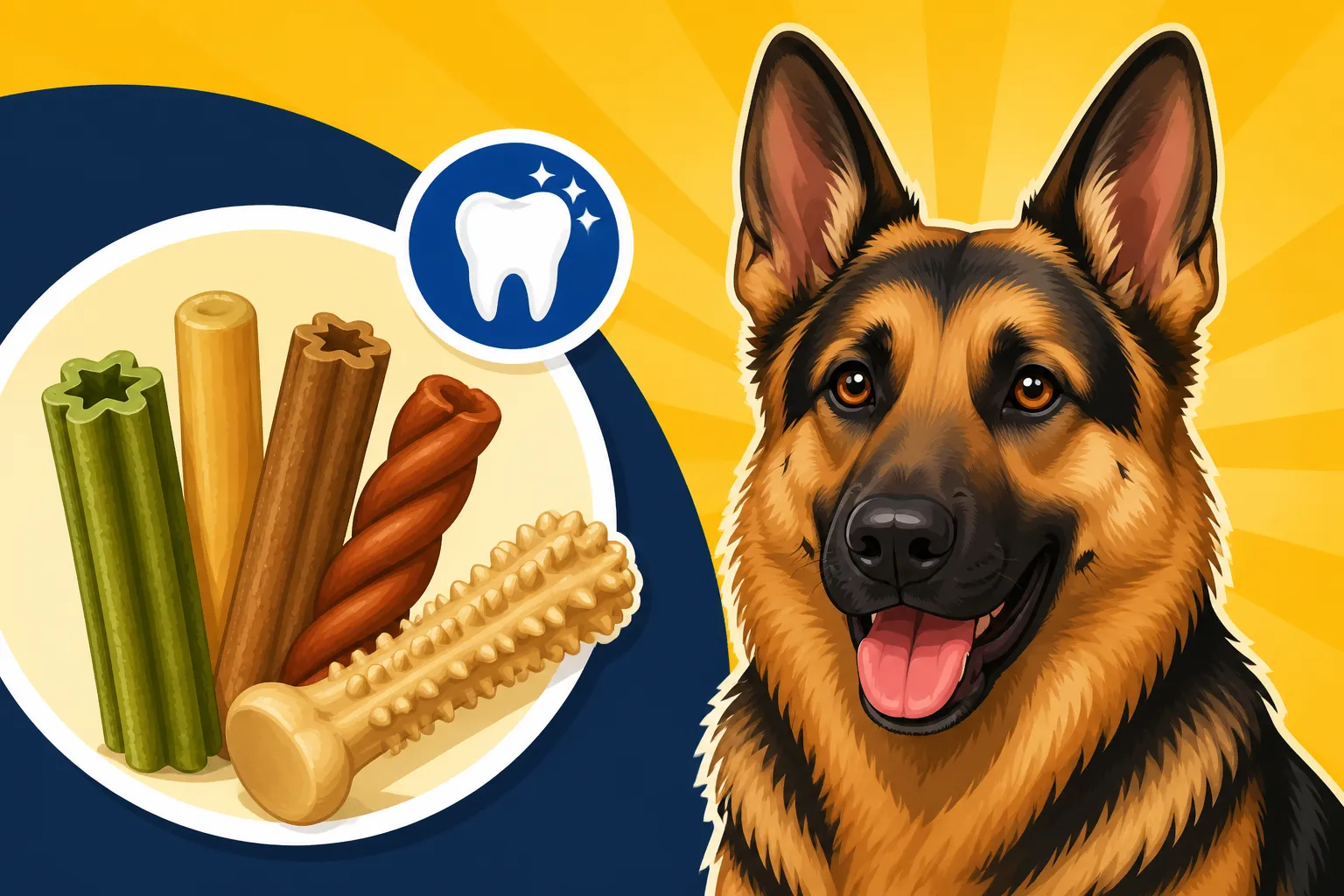
- Texture: The texture of the chew is key to its effectiveness. Many effective dental chews have a slightly abrasive or flexible, textured surface designed to physically scrape plaque from the tooth surface as the dog chews. Ridges, nubs, and grooves can enhance this mechanical action.
- Ingredients: Always scrutinize the ingredient list. Look for natural ingredients and avoid artificial colors, flavors, and preservatives, especially if your German Shepherd has a sensitive stomach or known allergies. Some chews contain active ingredients like enzymes or hexametaphosphate that help break down plaque or prevent tartar formation. Be mindful of calorie content too, as dental chews can contribute significantly to daily intake, especially for a larger dog. If your GSD struggles with German Shepherd weight and obesity risks, account for these calories.
- Digestibility: The chew should be easily digestible to prevent gastrointestinal upset or blockages. Rawhide, for instance, can be a controversial choice for some dogs due to its digestibility issues. Opt for chews made from digestible starches or proteins.
Different Types of Dental Chews and How They Work
Dental chews operate through various mechanisms to promote oral health:
- Mechanical Abrasive Chews: These are the most common type, relying on their physical texture and hardness to scrub plaque off teeth as the dog chews. Think of the ridged or nubbly designs that literally scrape the tooth surface. These are excellent for removing loose plaque before it hardens into tartar.
- Enzymatic Chews: Some chews incorporate enzymes that chemically break down plaque and bacteria in the mouth. These can be particularly helpful for dogs who aren't vigorous chewers or who have significant plaque buildup. The enzymes need to be in contact with the teeth and gums to be effective.
- Soluble Chews: These chews are designed to dissolve as your dog chews, leaving no lasting pieces that could pose a choking hazard. Their cleaning action often comes from a unique texture and ingredients that help clean teeth as they break down.
- Water Additives & Oral Rinses: While not strictly chews, it's worth noting these as part of the broader dental care landscape. They work to reduce bacteria in the mouth or prevent plaque adhesion, often as a supplement to other methods.
Here's a quick comparison of common dental chew types:
| Chew Type | Primary Action | German Shepherd Suitability | Pros | Cons |
|---|---|---|---|---|
| Mechanical/Abrasive | Physical scrubbing of plaque | High (if appropriately sized & durable) | Effective plaque removal, satisfying chew | Must be durable enough to last, can be too hard if not careful |
| Enzymatic | Chemical breakdown of plaque/bacteria | Medium to High (good for less aggressive chewers) | Targets bacteria, less physical effort from dog | May not provide as much physical scrubbing, often softer |
| Soluble | Dissolves while cleaning | High (good for safety) | Reduces choking risk, often palatable | May be consumed too quickly, less sustained cleaning for power chewers |
| Long-Lasting (e.g., yak chews, dental bones) | Extended physical abrasion | High (for power chewers) | Very satisfying, prolonged cleaning action, durable | Can be too hard and risk tooth fracture if not chosen carefully |
What VOHC Approval Means for Your Choice
When you're trying to separate the truly effective dental chews from the marketing fluff, one acronym stands out: VOHC. The Veterinary Oral Health Council (VOHC) is a recognized authority that evaluates pet dental products for their ability to help control plaque and tartar.
When a dental chew carries the VOHC seal of acceptance, it means that the product has met rigorous scientific standards and proven its efficacy in reducing plaque, tartar, or both. This isn't just a label; it's an assurance based on clinical trials. For a German Shepherd owner, a VOHC-approved product offers a much higher likelihood that the chew will actually do what it claims. It significantly reduces the guesswork and helps you invest in a product that genuinely contributes to your dog’s oral health, rather than just providing a tasty snack. When browsing options on sites like Chewy or Amazon, always look for this seal on the product description or packaging.
Our Top Considerations for German Shepherd Dental Chews
Considering your German Shepherd's powerful chewing style and potential sensitivities, it's wise to lean towards products that are proven effective, safe, and appropriate for their size and health profile.
VOHC-Approved Chews for Proven Efficacy
For ultimate peace of mind regarding effectiveness, VOHC-approved dental chews are your best bet. Several brands consistently receive VOHC approval for their large breed formulations.
- Greenies Dental Chews: These are perhaps one of the most widely recognized VOHC-approved dental chews. They come in specific sizes for large and even gigantic breeds, ensuring they’re appropriately sized for a German Shepherd's mouth. Their unique texture and shape are designed to flex around the teeth, providing a scrubbing action down to the gum line. Greenies often contain parsley to help with bad breath and are generally well-tolerated. You can easily find these in large packs on Amazon or Chewy.
- Purina Pro Plan Dental Chewz: Another VOHC-accepted option, these chews are made with real poultry as the first ingredient. They offer a flexible, chewy texture and ridges to help clean teeth. They are designed to be digestible and come in sizes suitable for larger dogs.
- OraVet Dental Chews: These chews are unique in that they contain delmopinol, an ingredient that forms a protective barrier against bacteria, plaque, and tartar. They provide both mechanical cleaning and a preventative barrier, making them a dual-action option for proactive dental care. OraVet chews are also VOHC-accepted.
When selecting VOHC-approved chews, remember to check the specific claim (e.g., "helps control plaque," "helps control tartar," or "helps control both") as well as the size recommendation for your German Shepherd.
Natural and Limited Ingredient Options for Sensitive GSDs
Many German Shepherds can have sensitive stomachs or develop allergies. If you’re dealing with German Shepherd allergies: symptoms and treatment can be complex, and diet plays a huge role. For these dogs, finding a dental chew with limited, natural ingredients is crucial to avoid triggering adverse reactions.
- Whimzees Dental Chews: These chews are known for their vegetarian, gluten-free, and grain-free formulas, making them an excellent choice for dogs with common protein allergies or sensitivities. They come in fun, engaging shapes (like toothbrushes or alligators) that are designed to maximize surface area for cleaning. Whimzees are durable and designed for a good chewing session, which is great for GSDs. They are widely available online and in pet stores.
- Earth Animal No-Hide Dental Chews: These chews are a fantastic alternative to traditional rawhide, offering a highly digestible, long-lasting chew made from humanely raised protein and natural ingredients. While not strictly VOHC-approved, they provide a satisfying, safer chew that can aid in dental hygiene through mechanical action without the common digestive issues associated with rawhide. They come in various protein sources, which can be helpful if your GSD has specific protein allergies (e.g., chicken, beef).
- Other Single-Ingredient Chews: Consider natural, single-ingredient options like dehydrated sweet potato chews or specific dental treats offered by fresh pet food companies. For example, some brands like Ollie, primarily known for fresh food, might also offer natural, limited-ingredient treats that could serve a dual purpose if chosen carefully. Always verify the ingredients to ensure they align with your dog's dietary needs.
When choosing natural or limited-ingredient chews, always introduce them slowly and monitor your German Shepherd for any signs of digestive upset or allergic reactions.
Durable Chews for Power Chewers
Let's face it: a German Shepherd's powerful jaws can make short work of many "long-lasting" chews. For these super chewers, durability is not just a preference; it’s a necessity to ensure the chew lasts long enough to provide any dental benefit and doesn't become a choking hazard.
- Nylabone Dental Chews (specifically their "DuraChew" or "Power Chew" lines): While some Nylabones are meant to be non-consumable, their dental versions are designed to be chewed on for cleaning. They feature ridges and nubs that help scrape teeth and stimulate gums. It's critical to select the "Souper" or "Monster" size appropriate for your GSD and to supervise chewing to ensure no large pieces are broken off and ingested. These are very durable and often recommended by vets for aggressive chewers, but always check the hardness to ensure it won't damage teeth.
- Benebone Dental Chews: Similar to Nylabone in their hardness and durability, Benebone dental chews are made with real flavors (like bacon or peanut) infused throughout the chew to keep dogs engaged. Their ergonomic design makes them easy for dogs to grip and chew. Again, choose the largest size and supervise to ensure your GSD is not trying to break off and swallow large pieces.
- Yak Cheese Chews: These hard chews are made from yak and cow milk, compressed into a very dense, long-lasting stick. They soften as the dog chews, providing a digestible and durable option that can last for hours or even days for a powerful German Shepherd. They are a good source of protein and calcium and are generally well-tolerated. Ensure you remove small end pieces to prevent choking. You can find excellent yak chews on Amazon.
Remember, even with the most durable chews, supervision is key. No chew is indestructible, and it's important to monitor your German Shepherd to ensure they are chewing safely and not attempting to break off and swallow large chunks, which can lead to choking or digestive problems.
Integrating Dental Chews into Your GSD's Routine
Getting the best dental chews is one thing, but knowing how to use them effectively within a broader dental care strategy is another. It’s all about consistency, safety, and a holistic approach.
Safe and Effective Use of Dental Chews
To maximize the benefits of dental chews and minimize risks, follow these guidelines:
- Supervision is Key: Always supervise your German Shepherd while they are enjoying a dental chew. This is crucial to prevent choking if a piece breaks off, or if they try to swallow a chew whole. It also allows you to intervene if the chew becomes too small or if they're chewing too aggressively on a hard chew.
- Follow Manufacturer Guidelines: Pay attention to the recommended feeding frequency and portion sizes. Overfeeding dental chews can lead to weight gain, as many contain calories. Remember to factor in these calories when planning your German Shepherd feeding guide to prevent German Shepherd obesity risks.
- Introduce Gradually: If your German Shepherd hasn't had a particular type of dental chew before, introduce it gradually. Give it for a short period and observe for any signs of digestive upset, such as diarrhea or vomiting. This is especially important if your dog has a history of German Shepherd sensitive stomach solutions or allergies.
- Storage: Store dental chews in a cool, dry place to maintain their freshness and efficacy. Some chews can become brittle or lose their texture if not stored properly.
Holistic Dental Health: Chews as Part of a Larger Plan
While dental chews are a fantastic tool, they are most effective when integrated into a comprehensive dental health routine. Think of them as one piece of a larger puzzle:
- Regular Brushing: As mentioned, daily tooth brushing with a vet-approved enzymatic toothpaste remains the gold standard. Even if you can't do it daily, aiming for a few times a week can make a huge difference. You might find resources on how to train a German Shepherd puppy to accept tooth brushing beneficial for starting early.
- Professional Veterinary Cleanings: No amount of dental chews or brushing can completely remove hardened tartar below the gum line. Your veterinarian can assess your German Shepherd's dental health during routine check-ups and recommend professional cleanings under anesthesia when necessary. These cleanings allow for thorough scaling, polishing, and examination for any hidden issues.
- Appropriate Diet: A high-quality diet that promotes overall health can also contribute to dental health. Some kibble formulations are specifically designed as "dental diets" with larger kibble sizes or specific textures to provide a scrubbing action as the dog eats. For guidance on the best dog food for German Shepherds, consult your vet.
- Dental Water Additives or Rinses: These can be used daily to further reduce bacteria in your dog's mouth. Always choose products specifically designed for dogs and approved by your vet.
By combining dental chews with these other strategies, you're providing your German Shepherd with the best possible defense against dental disease, helping them live a healthier, happier life free from oral pain.
When to Seek Professional Veterinary Dental Care
Even with the best home care routine, sometimes professional intervention is necessary. You should contact your veterinarian if you notice any of the following signs in your German Shepherd:
- Persistent Bad Breath: While some "dog breath" is normal, an exceptionally foul odor often signals advanced dental disease.
- Red, Swollen, or Bleeding Gums: These are clear indicators of gingivitis or periodontitis.
- Difficulty Eating or Chewing: If your GSD is dropping food, reluctant to eat, or favoring one side of their mouth, they might be experiencing dental pain.
- Excessive Drooling: More drooling than usual, especially if accompanied by blood, can indicate oral discomfort.
- Pawing at the Mouth or Face Rubbing: Your dog might be trying to alleviate pain or irritation.
- Loose or Missing Teeth: A definite sign of advanced dental disease.
- Visible Tartar Buildup: If you see significant yellow or brown crust on the teeth, it's time for a professional cleaning.
Early detection and treatment of dental problems are key. Your vet can perform a thorough oral examination, often requiring sedation or anesthesia for a complete assessment and any necessary procedures like scaling, polishing, or extractions. Don't wait until your German Shepherd is clearly in pain; proactive veterinary care is crucial. If you're ever wondering, "How to Tell If a German Shepherd Is in Pain," dental issues are a very common cause.
Disclaimer
The information provided in this guide is for informational purposes only and does not constitute veterinary advice. Always consult with a qualified veterinarian for any health concerns or before making any decisions about your German Shepherd's diet, health, or dental care. Individual results may vary.