Best Joint Supplements for German Shepherd Coat and Skin
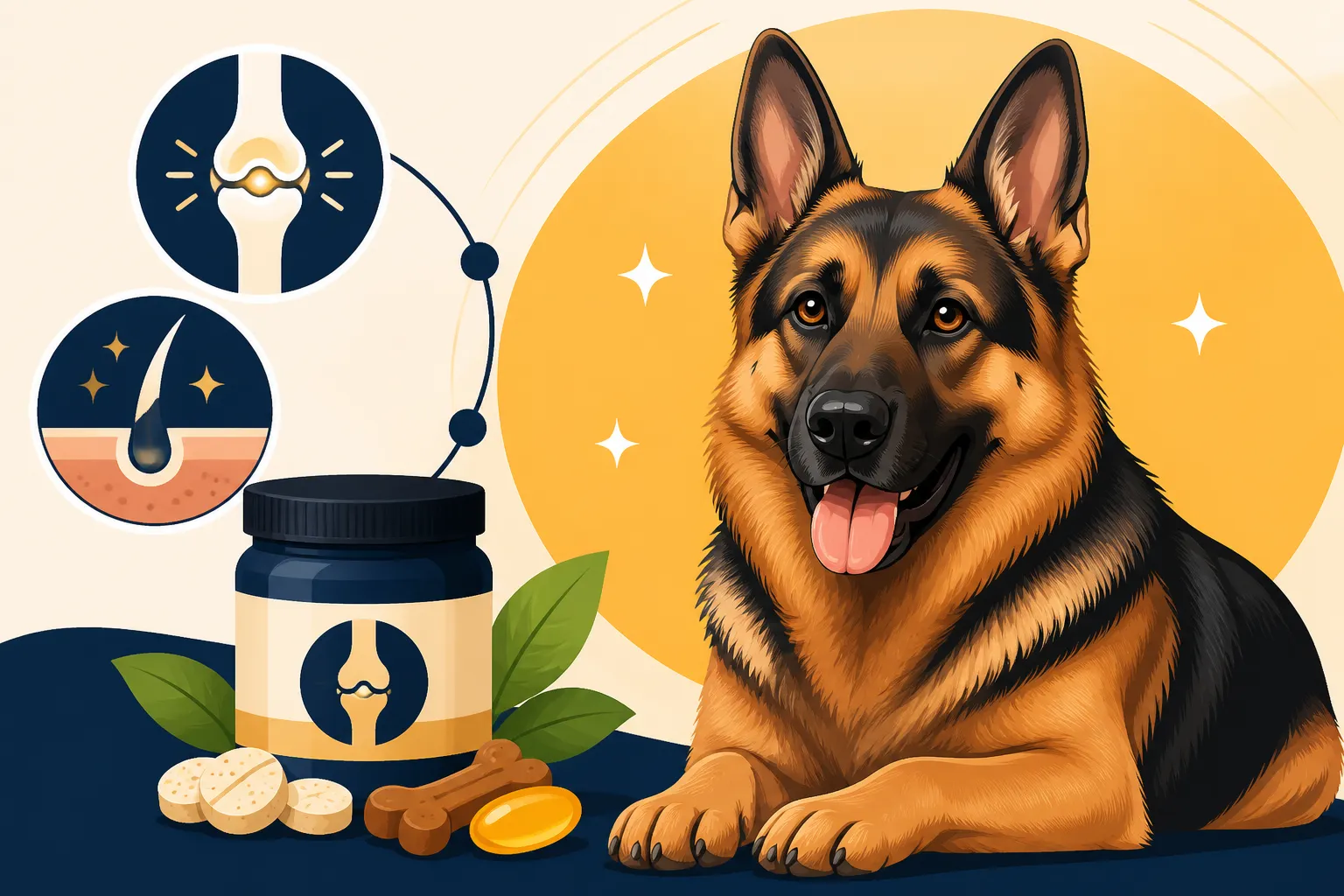
As a German Shepherd owner, it’s heartbreaking to see your beloved companion struggling with discomfort. Many of us grapple with the dual challenge of managing their often-sensitive joints and their sometimes-troublesome skin and coat. It feels like you’re constantly putting out fires – one day it’s a limp, the next it’s incessant scratching or dull fur. But what if there was a way to tackle both concerns with a more integrated approach? This comprehensive guide will delve into how specific joint supplements can do double duty, offering substantial benefits for both your German Shepherd’s mobility and their skin and coat health.
Understanding the Dual Challenge: Why Joint and Skin Health are Intertwined for German Shepherds
German Shepherds are magnificent dogs, known for their strength, intelligence, and unwavering loyalty. However, these very traits come with certain predispositions that, as dedicated owners, we need to be aware of and proactively manage. One of the most common and often heartbreaking realities for GSD parents is the breed's propensity for joint issues, particularly hip and elbow dysplasia. These conditions are not just about stiffness or occasional limping; they involve chronic inflammation, pain, and the gradual degeneration of cartilage, which significantly impacts a dog's quality of life. For a deeper dive, check out our guide on German Shepherd Hip Dysplasia Explained.
Alongside these musculoskeletal challenges, many German Shepherds also present with sensitive skin and coat issues. We're talking about everything from dry, flaky skin and persistent itching to hot spots, recurrent allergies, and even excessive shedding that goes beyond their normal "blowing coat" phases. It can be incredibly frustrating to see your dog constantly scratching, nibbling at their paws, or dealing with a dull, sparse coat despite your best efforts. You might be focused on specific German Shepherd Skin Problems and Fixes, but have you considered how their joint health might be playing a role?
The connection between joint health and skin/coat condition might not be immediately obvious, but it's deeply rooted in the body's systemic processes. Inflammation, for example, is a major culprit that doesn't just stay localized to a sore hip. When your German Shepherd experiences chronic inflammation in their joints due to conditions like arthritis – a topic covered more thoroughly in German Shepherd Arthritis: Symptoms and Treatment – that inflammation can become systemic, affecting other parts of their body, including their skin. Think of it like a domino effect: chronic pain leads to stress, and stress itself can manifest in skin flare-ups, excessive licking, or even a compromised immune response that makes them more susceptible to skin infections.
Consider a real-life scenario: A German Shepherd experiencing discomfort from early-stage hip pain might start moving less, becoming less active overall. This reduced activity can sometimes lead to decreased circulation to the skin, or if they're constantly licking a painful area, that localized irritation can quickly turn into a hot spot or infection. Moreover, a dog that is constantly uncomfortable might not groom themselves effectively, leading to matting, dander buildup, and further skin irritation. Conversely, certain dietary deficiencies or inflammatory responses that initially affect the skin might also contribute to systemic inflammation that exacerbates joint issues. It's a complex interplay, and addressing both simultaneously with targeted nutrition makes perfect sense.
Essential Ingredients for Comprehensive Joint and Skin Support
When you're looking for a supplement that can offer dual benefits for your German Shepherd's joints and skin, you'll want to keep an eye out for a specific roster of ingredients. These are the powerhouses that contribute to cartilage health, reduce inflammation, promote skin barrier function, and encourage a lustrous coat. It's not just about one magic bullet; often, the most effective supplements combine several of these ingredients to work synergistically.
Building Blocks for Joint Resilience and Skin Integrity
The foundational ingredients for joint support are probably familiar if you've done any research into canine orthopedic health:
- Glucosamine and Chondroitin: These are the superstars of joint supplements, and for good reason. Glucosamine is an amino sugar that plays a crucial role in building and repairing cartilage, the cushion between bones. Chondroitin, a complex carbohydrate, helps maintain cartilage elasticity and inhibits enzymes that break it down. Together, they act as the essential building blocks for healthy, resilient joints. While their primary role is joint-focused, their ability to reduce inflammation can indirectly benefit the skin. Less systemic inflammation means a healthier environment for skin cells to thrive, potentially reducing the severity of inflammatory skin conditions.
- Methylsulfonylmethane (MSM): Often found alongside glucosamine and chondroitin, MSM is a natural sulfur compound celebrated for its anti-inflammatory and pain-relieving properties. It supports the connective tissues that are vital for joint function. But here's where it shines for skin and coat: sulfur is a key component of collagen and keratin, the proteins essential for healthy skin, nails, and hair. Supplementing with MSM can therefore promote stronger hair follicles, improve skin elasticity, and even aid in wound healing.
The Omega Factor: Inflammation and Radiance
When it comes to dual-purpose benefits, Omega-3 fatty acids are truly indispensable. If you're looking for Best Omega Supplements for German Shepherds, you're already on the right track for both concerns.
- Omega-3 Fatty Acids (EPA and DHA): Derived primarily from fish oil (like salmon or sardine oil), these polyunsaturated fats are potent anti-inflammatory agents. For joints, EPA (Eicosapentaenoic Acid) and DHA (Docosahexaenoic Acid) can significantly reduce pain, stiffness, and the progression of arthritis by modulating inflammatory pathways. For skin and coat, Omega-3s are absolute game-changers. They help to strengthen the skin's natural barrier, locking in moisture and protecting against environmental irritants. This can dramatically reduce dryness, itching, flakiness, and the frequency of hot spots, leading to a much softer, shinier, and healthier coat. Many German Shepherd owners report a noticeable difference in their dog's coat quality after consistent Omega-3 supplementation.
The Emerging Heroes: Collagen, HA, and Antioxidants
Beyond the classics, other ingredients are gaining recognition for their combined benefits:
- Hyaluronic Acid (HA): A naturally occurring substance in the body, HA is a critical component of synovial fluid, which lubricates joints and acts as a shock absorber. Its role in joint health is well-established. Less commonly known is its profound benefit for skin. HA is a powerful humectant, meaning it can hold vast amounts of moisture. In the skin, it contributes to hydration, elasticity, and overall suppleness, helping to keep the skin plump and resilient.
- Collagen: This is the most abundant protein in the body, forming the structural framework for bones, cartilage, tendons, and ligaments. For skin, collagen is the ultimate foundation, responsible for its strength, elasticity, and youthful appearance. Supplementing with hydrolyzed collagen (which is broken down for easier absorption) can support joint integrity and improve skin tone, texture, and promote stronger, healthier hair growth.
- Antioxidants (Vitamin E, Vitamin C, Green Tea Extract, Turmeric): These compounds are crucial for combating oxidative stress, which is essentially cellular damage caused by free radicals. Oxidative stress plays a role in both joint degeneration and skin aging/inflammation. Vitamin E is particularly beneficial for skin health, often improving dry skin and supporting the immune system. Turmeric, with its active compound curcumin, is a potent anti-inflammatory that can benefit both inflamed joints and inflammatory skin conditions. These ingredients ensure overall cellular health, which radiates outward to both mobility and appearance.
To help you visualize these multi-talented ingredients, here's a quick overview:
| Ingredient | Primary Benefit (Joints) | Primary Benefit (Skin/Coat) | Key Considerations |
|---|---|---|---|
| Glucosamine | Cartilage repair, anti-inflammatory | Indirectly reduces inflammation | Often paired with Chondroitin for synergy |
| Chondroitin | Cartilage elasticity, shock absorption | Indirectly reduces inflammation | Sourced from bovine or marine cartilage |
| MSM | Pain/inflammation reduction | Collagen production, hair strength | Supports detoxification and nutrient absorption |
| Omega-3 Fatty Acids | Anti-inflammatory, joint lubrication | Skin barrier, reduce itching, shiny coat | Look for high EPA/DHA content, tested for purity |
| Hyaluronic Acid | Joint lubrication | Skin hydration, elasticity | Can be derived from microbial fermentation or animal sources |
| Collagen | Joint structure, tendon strength | Skin elasticity, wound healing, hair growth | Hydrolyzed form is best for bioavailability |
| Antioxidants (Vit E, C) | Combat oxidative stress | Protect skin from damage, support healing | Found in many natural ingredients like berries |
Navigating the Supplement Landscape: Choosing the Right Product for Your German Shepherd
With so many options out there, choosing the best joint supplement for your German Shepherd's coat and skin can feel overwhelming. It's not just about picking the first product you see; it requires a bit of detective work and an understanding of what truly makes a supplement effective and safe.
Forms of Supplements: What Works Best for Your Dog?
Supplements come in various forms, and what works for one GSD might not work for another.
- Chewable Tablets or Soft Chews: These are often the most popular choice because they resemble treats, making administration easy and enjoyable for your dog. Many brands formulate them with appealing flavors like chicken or beef, which can be a huge win if your German Shepherd is picky. However, ensure the actual dosage of active ingredients isn't too low to make them palatable.
- Powders: Powders are great for precise dosing, especially if your dog is on the cusp of a weight bracket or has specific needs. They can be easily mixed into your dog's regular food, wet food, or even a bit of yogurt. The downside? Some dogs might detect the scent or texture and turn up their nose, but many high-quality powders are flavorless or have a natural, subtle taste.
- Liquids: Liquid supplements offer excellent absorption rates and can be incredibly easy to administer, either directly into your dog's mouth or mixed with food. They are often concentrated, meaning a small dose goes a long way. This form can be particularly beneficial for senior German Shepherds who might have difficulty chewing or swallowing pills.
Quality, Purity, and Sourcing: Don't Compromise
This is perhaps the most critical aspect of choosing any supplement. Not all supplements are created equal, and the pet industry isn't as strictly regulated as human pharmaceuticals.
- Third-Party Testing and Certifications: Always look for supplements that have been independently tested for purity, potency, and safety. In the U.S., the National Animal Supplement Council (NASC) Quality Seal is a strong indicator of a reputable brand. This seal signifies that the company adheres to stringent quality control standards, including proper labeling, ingredient testing, and adverse event reporting.
- Human-Grade Ingredients: While not always a strict requirement, products made with human-grade ingredients often indicate a higher standard of sourcing and manufacturing. It tells you the ingredients meet the same quality standards as food fit for human consumption.
- Avoid Fillers and Artificial Additives: Check the ingredient list for unnecessary fillers, artificial colors, flavors, or preservatives. These can sometimes trigger allergies or digestive upset in sensitive German Shepherds, negating the benefits of the active ingredients. You want the supplement to be as clean and pure as possible.
The Indispensable Role of Your Veterinarian
Before you introduce any new supplement, whether it's for joints, skin, or both, a consultation with your veterinarian is absolutely non-negotiable.
- Accurate Diagnosis: Your vet can accurately diagnose the underlying causes of your German Shepherd's joint pain or skin issues. Are the joint problems definitely due to arthritis or dysplasia, or is there another musculoskeletal concern? Are the skin issues due to allergies, parasites, or an infection? A proper diagnosis ensures you're treating the right problem.
- Personalized Recommendations: Based on your dog's specific health status, age, weight, and any existing medications, your vet can recommend the most appropriate type of supplement and dosage. They can also advise on potential interactions with other medications or dietary needs. For example, a puppy might need different support than a senior dog, which is why understanding German Shepherd Puppy Feeding Schedule or German Shepherd Senior Care Guide is important.
- Monitoring and Adjustments: Your vet can help you monitor your German Shepherd's response to the supplement and make any necessary adjustments over time.
Where to Find Reputable Products
Once you have your vet's recommendations, you'll be ready to shop. You can often find a wide array of options from well-regarded brands on platforms like Chewy or Amazon, allowing you to compare ingredients, read customer reviews, and check for certifications like the NASC seal. Specialty pet stores also often carry a curated selection of high-quality supplements. While fresh food services like Ollie primarily focus on diet, the principles of high-quality, anti-inflammatory ingredients in their meals can certainly complement the benefits of a targeted supplement regimen. Always double-check the seller's reputation when purchasing online to ensure you're getting genuine products.
Integrating Supplements into Your German Shepherd's Daily Life for Maximum Benefit
Getting started with supplements for your German Shepherd isn't just about buying a product; it's about thoughtful integration into their routine to ensure maximum effectiveness and safety. This isn't a quick fix, but a long-term commitment to their well-being.
Starting Slowly and Monitoring Responses
When introducing any new supplement, whether it’s for joint health, skin health, or both, the golden rule is to start gradually. Sudden changes can sometimes upset a dog’s digestive system, leading to mild issues like diarrhea or an upset stomach.
- Phased Introduction: Begin with a smaller dose than recommended for the first few days, especially if you’re using a powder or a chew. For instance, if the label recommends two chews daily, start with one for 3-5 days. This allows your German Shepherd's system to adjust without being overwhelmed.
- Observe Carefully: During this initial phase, pay close attention to your dog's behavior, appetite, and stool consistency. Watch for any signs of discomfort, allergic reactions (like increased scratching or redness), or changes in energy levels. While rare with quality supplements, individual sensitivities can occur. If you notice anything concerning, stop the supplement and consult your vet immediately.
- Consistent Dosing: Once your German Shepherd has adjusted, ensure you administer the supplement consistently according to the packaging instructions and your vet's guidance. The benefits of these ingredients are cumulative, meaning they build up over time. Skipping doses will diminish their efficacy.
The Virtue of Patience: Expecting Results
It’s easy to get excited and expect immediate results, especially when you're investing in your dog's health. However, joint and skin supplements typically require time to work.
- Long-Term Strategy: These supplements are designed to support and repair, not to offer instant relief like some medications. It’s reasonable to expect to see initial improvements in joint comfort or coat quality within 4 to 6 weeks, but significant, lasting changes might take 2 to 3 months, or even longer for more chronic conditions.
- Keeping a Journal: A simple way to track progress is to keep a daily or weekly journal. Note your German Shepherd's activity levels, how easily they get up, any signs of limping, the appearance of their coat, the frequency of scratching, and their overall demeanor. This objective record can help you identify subtle improvements that you might otherwise overlook in day-to-day interactions. It also gives you concrete information to share with your vet during follow-up appointments.
The Holistic Approach: Supplements are Part of a Larger Picture
Supplements are powerful tools, but they are most effective when integrated into a comprehensive health strategy. Think of them as enhancing a healthy lifestyle, not replacing it.
- Balanced Nutrition: A high-quality, balanced diet forms the cornerstone of your German Shepherd's health. The right food provides essential nutrients that work hand-in-hand with supplements. For insights into tailoring their diet, check out Best Diet for a German Shepherd's Coat and Skin or explore German Shepherd Nutrition Essentials. Avoiding processed foods with artificial ingredients and focusing on whole, real food can significantly reduce systemic inflammation.
- Appropriate Exercise: Regular, moderate exercise is crucial for maintaining muscle strength, joint flexibility, and healthy weight. For German Shepherds, this means balancing their need for activity with protecting their joints, especially during puppyhood. Our guide on German Shepherd Growth Plates and Exercise can offer helpful advice. Avoid high-impact activities if your dog has known joint issues, and opt for swimming or leash walks instead.
- Regular Grooming: A consistent grooming routine is vital for coat and skin health. Regular brushing helps distribute natural oils, removes loose hair and dander, and stimulates circulation. It also allows you to regularly inspect their skin for any new issues. For practical tips, refer to How to Groom a German Shepherd.
- Routine Veterinary Care: Regular check-ups with your vet are essential for monitoring your German Shepherd's overall health, adjusting supplement dosages as needed, and addressing any new concerns promptly. Your vet can also recommend specific diagnostics if your dog's condition doesn't improve. This overarching strategy is key to understanding How to Keep a German Shepherd Healthy throughout their life.
By combining the right joint supplements for coat and skin with a holistic approach to care, you're not just treating symptoms; you're actively promoting your German Shepherd's long-term health, comfort, and vitality.
Disclaimer
Please remember that the information provided in this article is for educational purposes only and is not a substitute for professional veterinary advice. Always consult with your veterinarian before starting any new supplement regimen or making changes to your German Shepherd's diet or care plan, especially if they have pre-existing health conditions or are on medication.