How Much to Feed a 8-Week-Old German Shepherd
Bringing home an 8-week-old German Shepherd puppy is an exhilarating experience, but it also comes with a lot of questions, particularly when it comes to feeding. You want to make sure your little bundle of fluff grows into a strong, healthy adult, and figuring out the exact right amount of food can feel like a monumental task. This guide is here to take the guesswork out of feeding your 8-week-old German Shepherd puppy, offering clear, actionable advice to help you establish a solid nutritional foundation.
The Critical First Weeks: Why 8 Weeks is Special for German Shepherd Puppies
The first few weeks with your German Shepherd puppy are foundational, and their diet plays a massive role in their immediate health and long-term development. At 8 weeks old, they've just transitioned from their mother's milk and the consistent environment of their breeder to your home, making nutrition a sensitive topic.
Understanding Their Rapid Growth and Nutritional Needs
At 8 weeks, your German Shepherd puppy is a tiny powerhouse of growth. Their bones are lengthening, muscles are developing, and their brain is still making crucial connections. This incredible pace of development means they have extremely high energy demands and require a diet packed with specific nutrients. They're not just growing in size; their internal organs, immune system, and digestive tract are all maturing. Think of them like a little sponge, soaking up every nutrient to fuel this rapid transformation.
Because of this accelerated growth, their metabolism is through the roof. They burn through calories much faster than an adult dog, which means they need frequent, nutrient-dense meals. Skimping on quality or quantity during this phase can have lasting negative impacts on their skeletal development, potentially contributing to issues like German Shepherd Hip Dysplasia Explained or German Shepherd Elbow Dysplasia: Symptoms and Treatment later in life. It's truly a critical window where their body is building the framework for their entire lifespan.
Transitioning from Breeder's Care to Your Home
One of the biggest mistakes new puppy owners make is drastically changing their puppy's diet as soon as they get home. Your 8-week-old German Shepherd has just undergone a significant life change: leaving their littermates, their mother, and their familiar surroundings. Their digestive system is still quite delicate, and a sudden change in food can lead to stomach upset, diarrhea, and a general reluctance to eat.
Ideally, your breeder will send you home with a small supply of the food your puppy has been eating. For at least the first week, stick to this food to allow your puppy to adjust to their new environment without added gastrointestinal stress. If you do plan to switch to a different food, do so gradually over 7-10 days. Start by mixing 25% new food with 75% old food for a few days, then move to 50/50, then 75% new/25% old, before transitioning entirely to the new food. This slow transition helps their digestive system adapt and minimizes the chance of an upset stomach, which is the last thing you want to deal with alongside all the other joys and challenges of a new puppy!
How Much to Feed an 8-Week-Old German Shepherd Puppy
Determining the precise amount to feed your 8-week-old German Shepherd puppy isn't an exact science, but there are excellent guidelines to follow to ensure they're getting enough, without overdoing it. It's a delicate balance that requires attention to detail.
Decoding Dog Food Labels: A Necessity, Not a Suggestion
The first and most important source of information regarding feeding amounts will be the specific bag of puppy food you choose. Dog food manufacturers, especially those producing large-breed puppy formulas, invest heavily in nutritional science and provide detailed feeding charts. These charts usually base recommendations on the puppy's current weight and their projected adult weight. For example, a bag of Purina Pro Plan Large Breed Puppy might recommend a certain range of cups per day for a puppy weighing 10-20 pounds and expected to be 51-100 pounds as an adult.
However, these are always starting points and general guidelines, not rigid rules. Every puppy is an individual! Factors like your puppy's metabolism, activity level, and even the ambient temperature can influence how many calories they need. A very active, playful GSD puppy romping around in the yard will likely need slightly more food than a more relaxed puppy who spends more time napping. Always use the bag's recommendations as your initial guide, but be prepared to adjust based on your puppy's individual needs and body condition. If you're using a brand like Ollie that delivers fresh food, their personalized feeding plans will simplify this significantly, taking much of the guesswork out of daily portions.
The General Guideline and What to Look For
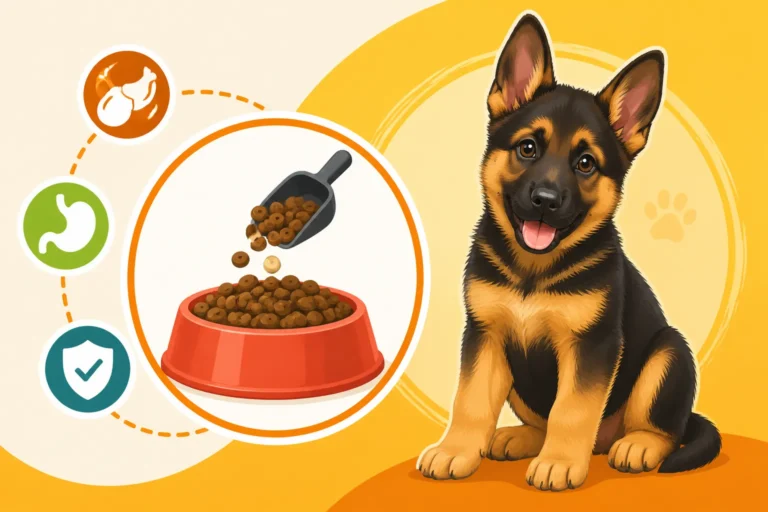
For an 8-week-old German Shepherd puppy, you're generally looking at feeding them somewhere in the range of 2.5 to 4 cups of high-quality large-breed puppy kibble per day. This amount should always be divided into multiple meals, as we'll discuss shortly.
Here's a generalized table to give you an idea, but remember to always consult your specific food's packaging:
| Puppy Age | Puppy Weight (Approx.) | Daily Food Amount (Cups) | Meals Per Day | Notes |
|---|---|---|---|---|
| 8 weeks | 15-20 lbs | 2.5 – 4 cups | 3-4 | Start at the lower end of the range and adjust. Monitor body condition closely. This is a very active growth phase. |
| 12 weeks | 25-35 lbs | 3 – 5 cups | 3 | Continue monitoring. Growth is still rapid, but feeding frequency might shift slightly. |
| 4-6 months | 40-55 lbs | 4 – 6 cups | 2-3 | As they grow, caloric needs increase but metabolism might slightly slow. |
| 6-12 months | 55-70+ lbs | 4 – 7 cups | 2 | Approaching maturity, but still growing. Transition to adult food might start around 12-18 months depending on growth plates. |
Important Note: These cup amounts are for dry kibble. If you are mixing with wet food or using fresh food, adjust accordingly based on the caloric density of those products.
What should you look for to know if you're feeding enough?
- Energy Levels: A well-fed puppy should be energetic, playful, and curious. Lethargy could be a sign of underfeeding or, more seriously, illness.
- Stool Consistency: Firm, well-formed stools are a good indicator of proper digestion. Loose stools can mean too much food, too rich food, or a need for a different formula.
- Body Condition: You should be able to easily feel your puppy's ribs with light pressure, but they shouldn't be visibly sticking out. They should have a noticeable waist when viewed from above. A distended belly could indicate worms or overfeeding. Your vet can show you how to properly assess your puppy's body condition score.
The Importance of Multiple Meals
At 8 weeks old, a German Shepherd puppy should be fed 3 to 4 times a day. Their small stomachs can't handle large quantities of food at once, and their high metabolism means they need frequent fuel top-ups. Spreading out their meals offers several benefits:
- Better Digestion: Smaller, more frequent meals are easier for a puppy's immature digestive system to process, reducing the risk of stomach upset and diarrhea.
- Stable Blood Sugar: Consistent feeding helps maintain stable blood sugar levels, preventing energy dips and ensuring a steady supply of nutrients for growth.
- Reduces Hunger Pangs: Puppies, like children, thrive on routine. Regular meals prevent them from becoming overly hungry, which can lead to rapid eating and digestive issues.
- Potty Training Aid: A consistent feeding schedule directly correlates with a consistent potty schedule, making German Shepherd Potty Training: Step-by-Step much easier! You'll know roughly when your puppy will need to go outside after eating.
- Bloat Prevention: While bloat is more commonly associated with adult German Shepherds, establishing healthy eating habits early, like not wolfing down huge meals, can contribute to overall digestive health and potentially mitigate future risks. If you're concerned, you can read more about German Shepherd Bloat: Signs and Prevention.
What to Feed Your Growing German Shepherd Puppy
The type of food you offer your 8-week-old German Shepherd is just as important, if not more important, than the quantity. German Shepherds are a large breed prone to certain orthopedic issues, and proper nutrition from puppyhood is paramount in supporting healthy growth.
Choosing the Right Large Breed Puppy Food
This is not the time for generic "all-breed" puppy food or adult dog food. Your 8-week-old German Shepherd needs a high-quality, large-breed specific puppy formula. Here's why this is so critical:
- Controlled Growth: Large breed puppy formulas are specifically designed to promote slow and steady growth, rather than rapid growth. Rapid growth in large breed puppies can put excessive strain on their developing joints and bones, increasing the risk of developmental orthopedic diseases like hip and elbow dysplasia. These formulas typically have carefully balanced levels of protein, fat, and calories.
- Calcium and Phosphorus Balance: Perhaps most importantly, large breed puppy foods have a precise calcium-to-phosphorus ratio. Too much calcium, which can be found in regular puppy foods or through unnecessary supplementation, can be detrimental to the skeletal development of large breeds. It can interfere with proper bone and cartilage formation, making conditions like German Shepherd Hip Dysplasia Prevention much more challenging.
- Joint Support: Many quality large-breed puppy foods will also include ingredients beneficial for joint health, such as glucosamine and chondroitin, though their impact on puppies is still a topic of ongoing research.
When you're looking for food, prioritize brands that have a proven track record and conduct feeding trials. Reputable choices often include Royal Canin German Shepherd Puppy formula, Purina Pro Plan Large Breed Puppy, Hill's Science Diet Large Breed Puppy, or Eukanuba Large Breed Puppy. You can often find these reliable brands at pet supply retailers like Chewy or on Amazon, making them accessible. Always check the ingredient list for a named meat source (e.g., "chicken meal" rather than "meat byproduct") as the first ingredient.
Wet Food, Raw Diets, and Supplements: What's Appropriate Now?
Navigating the world of dog food can be overwhelming with so many options beyond dry kibble. Here's a quick rundown for your 8-week-old GSD:
- Wet Food: While not ideal as a primary food source due to its lower caloric density and higher moisture content, a small amount of wet puppy food can be mixed with kibble to increase palatability, especially if your puppy is a picky eater or needs encouragement to eat. Make sure it's also a high-quality, complete, and balanced puppy formula.
- Raw Diets: Raw feeding is a complex topic, especially for growing puppies. While some owners advocate for it, raw diets come with significant risks, including nutritional imbalances (which are very dangerous for large breed puppies and their developing bones) and bacterial contamination (like Salmonella), which can affect both your puppy and your family. If you are considering a raw or fresh diet, it is absolutely crucial to consult with a board-certified veterinary nutritionist first. They can help you formulate a truly balanced diet. Some commercially prepared fresh food options, like Ollie, do offer balanced, human-grade meals, but even then, discussing it with your vet for your specific puppy's needs is wise. For more details on this, consider researching Raw Diet for German Shepherds Explained after talking to your vet.
- Supplements: Generally speaking, if you are feeding a high-quality, complete, and balanced large-breed puppy food, your 8-week-old German Shepherd puppy does not need additional supplements. In fact, adding supplements, especially calcium, can be harmful. As mentioned, an excess of certain nutrients can disrupt the delicate balance required for proper bone growth and can actually increase the risk of orthopedic problems. Always discuss any potential supplements with your veterinarian before giving them to your puppy. Unless there's a diagnosed deficiency or specific medical need, sticking to a well-formulated puppy food is usually the safest and best approach.
Establishing a Healthy Feeding Routine and Monitoring
Feeding is more than just putting food in a bowl; it's about establishing a routine, monitoring your puppy's health, and building good habits that will serve them throughout their life.
Consistency is Key for Digestion and Training
Puppies thrive on routine, and consistent feeding times are essential for several reasons. For an 8-week-old German Shepherd, try to stick to a schedule of 3-4 meals roughly evenly spaced throughout the day. For example, you might feed at 7 AM, 12 PM, 5 PM, and 9 PM.
- Aids Potty Training: As mentioned, a consistent feeding schedule directly translates to a more predictable potty schedule. Within 15-30 minutes after eating, most puppies will need to relieve themselves. Knowing this helps you preemptively take them outside, preventing accidents and reinforcing good habits. This is a cornerstone of German Shepherd Puppy Training Guide.
- Reduces Anxiety: Dogs are creatures of habit. A predictable routine provides comfort and reduces anxiety, helping your new puppy settle into their new home faster. They learn to trust that their needs will be met at specific times.
- Promotes Good Eating Habits: Consistent mealtimes prevent over-eating or under-eating. Your puppy learns when to expect food, rather than feeling like they need to gorge themselves because they don't know when the next meal will come.
- Designated Feeding Area: Choose a quiet, low-traffic area for your puppy's food and water bowls. This gives them a sense of security and allows them to eat without interruption or feeling threatened. If you have other pets, ensure your puppy has their own space to eat undisturbed.
Reading Your Puppy's Cues and Adjusting Portions
Even with the best guidelines, your puppy will communicate their needs to you. Pay close attention to these cues:
- Leaving Food in the Bowl: If your puppy consistently leaves food in their bowl after 15-20 minutes, they might be getting too much, or perhaps they're not keen on the food. Try reducing the amount slightly at the next meal. If it persists, consult your vet to rule out any underlying health issues or consider a different brand of food.
- Acting Ravenous: If your puppy devours their food in seconds and then acts incredibly hungry, sniffing around for more, they might need a slight increase in their daily intake. Again, observe their body condition first. Are they too thin? Are their ribs too prominent?
- Body Condition Score: Regularly perform a "rib check." You should be able to easily feel your puppy's ribs without pressing hard, but they shouldn't be visibly obvious or sticking out. When viewed from above, your puppy should have a discernible waist, and when viewed from the side, their abdomen should tuck up slightly. If they look too thin or too round, adjust their food intake gradually and discuss it with your vet. Regular vet check-ups are also crucial for monitoring growth and ensuring your puppy is on a healthy trajectory, which is part of How to Keep a German Shepherd Healthy.
Hydration and Treats
Hydration is just as vital as food. Always ensure your 8-week-old German Shepherd puppy has access to fresh, clean water. Change their water multiple times a day and clean their bowl regularly to prevent bacterial buildup.
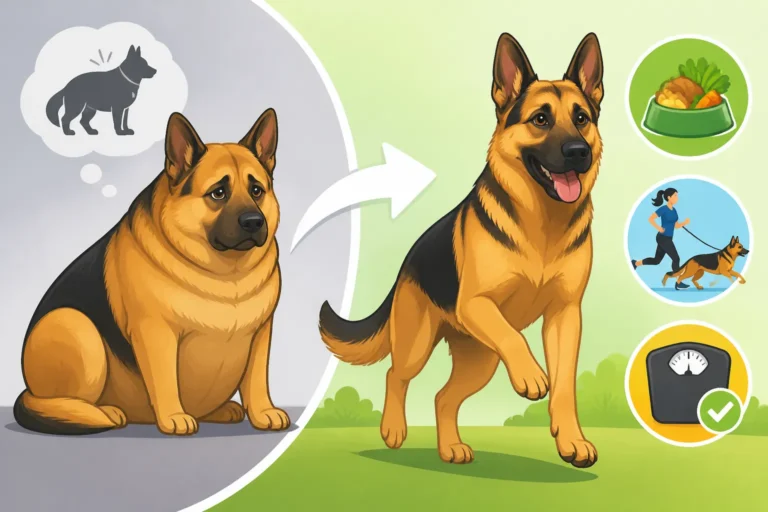
Treats can be an excellent tool for training and bonding, especially during German Shepherd Puppy Training Guide. However, they must be given in moderation. For an 8-week-old puppy, treats should be tiny, pea-sized, and low in calories. Think small pieces of their regular kibble, freeze-dried liver, or specific training treats. Remember that treats add to their daily caloric intake, so if you're doing a lot of training with treats, you might need to slightly reduce their meal portions to avoid German Shepherd Weight and Obesity Risks. Aim for treats to make up no more than 10% of their daily calories. Avoid table scraps, as many human foods can be unhealthy or even toxic for dogs, and they can quickly lead to an unbalanced diet and digestive upset.
By understanding their unique needs, choosing the right food, and establishing a consistent routine, you'll set your 8-week-old German Shepherd puppy up for a lifetime of health and happiness.
Disclaimer
The information provided in this guide is for general informational purposes only and is not intended as a substitute for professional veterinary advice. Always consult with a qualified veterinarian regarding your German Shepherd puppy's specific dietary needs, health concerns, or any changes to their feeding regimen. Individual puppies may have different requirements based on their health, activity level, and specific food formulation.