How to Brush a German Shepherd’s Teeth
If you've ever leaned in for a sweet German Shepherd snuggle only to be met with a gust of truly alarming "dog breath," you know that gut feeling. It's not just unpleasant; it's often a tell-tale sign that your furry friend's oral health might need some serious attention. Ignoring those pearly whites can lead to painful, expensive problems down the line, but figuring out where to even begin with brushing can feel overwhelming. This guide is here to walk you through everything you need to know to confidently and effectively brush your German Shepherd's teeth, making it a positive experience for both of you.
Why Brushing Your German Shepherd's Teeth is Non-Negotiable
Let's be real, nobody enjoys sticking their fingers in their dog's mouth, especially not a German Shepherd with those powerful jaws! But here's the honest truth: regular dental care, especially brushing, isn't just about fresh breath. It's a cornerstone of your German Shepherd's overall health and well-being. Think of it like this: would you skip brushing your own teeth for a week? A month? A year? Your dog's mouth needs the same diligent care.
Understanding Common German Shepherd Dental Problems
German Shepherds, like many breeds, are prone to a range of dental issues that can quickly escalate from minor annoyances to serious health threats. It often starts with plaque, a sticky film of bacteria, food particles, and saliva that constantly forms on teeth. If plaque isn't removed daily through brushing, it mineralizes and hardens into tartar (calculus). Once tartar forms, you can't just brush it away; it requires professional removal by a veterinarian.
The real trouble begins when plaque and tartar build up under the gum line. This leads to gingivitis, an inflammation of the gums, which often presents as red, swollen, or bleeding gums. If left unchecked, gingivitis progresses to periodontal disease – a painful, irreversible infection that destroys the tissues and bone supporting the teeth. This is where you see really distressing symptoms: loose teeth, abscesses, difficulty eating, and persistent, foul breath that can clear a room. What's even scarier is that the bacteria from severe periodontal disease can enter the bloodstream and travel to vital organs, potentially causing serious damage to the heart, kidneys, and liver. It’s a huge component of the broader topic of German Shepherd Health Problems Guide.
The Long-Term Benefits of Regular Dental Care
So, why put in the effort? Because the payoff is immense. Firstly, regular brushing significantly reduces the risk of plaque and tartar buildup, preventing gingivitis and periodontal disease. This means your German Shepherd avoids the chronic pain, infection, and potential tooth loss associated with these conditions. Imagine the relief of knowing your dog isn't silently suffering from a painful mouth!
Beyond immediate oral health, consistent dental care contributes directly to a longer, healthier lifespan for your loyal companion. By preventing bacteria from entering their bloodstream, you're protecting their vital organs from potential damage. This proactive approach can save you thousands of dollars in emergency vet bills, costly dental surgeries (which often involve anesthesia and extractions), and specialized medications down the road. Plus, let's not forget the simple joy of fresh breath and a healthy, happy dog who can enjoy their food and toys without discomfort. It's truly one of the most impactful ways to learn How to Keep a German Shepherd Healthy.
Gathering Your German Shepherd's Dental Arsenal
Before you even think about approaching your German Shepherd with a toothbrush, you need to make sure you have the right tools for the job. Using human products or the wrong kind of brush can be ineffective at best, and harmful at worst. Let's get you set up for success!
Choosing the Right Toothbrush
The key to a good dog toothbrush is its size and softness. German Shepherds have large mouths, but you need bristles that are gentle enough not to irritate their gums.
- Finger Brushes: These slip over your finger and are great for beginners or dogs just getting used to the sensation. They offer excellent control and direct contact, allowing you to gently massage their gums and introduce them to the idea of brushing. Many owners find them less intimidating for their dogs initially.
- Long-Handled Pet Toothbrushes: These look more like human toothbrushes but are designed with specific angles and softer bristles for a dog's mouth. They often have two heads – one larger for back teeth and a smaller one for front teeth or puppies. Brands like Virbac C.E.T. and Petosan offer excellent dual-head options. These are readily available on pet supply sites like Chewy.
- Electric Pet Toothbrushes: Yes, they exist! For some dogs, the vibration can be more effective at dislodging plaque. However, these are generally best for dogs already comfortable with brushing, as the noise and sensation can be startling initially. They tend to be more expensive but can be a game-changer for efficiency.
Regardless of the type, ensure the bristles are soft. Hard bristles can damage gum tissue. Think about what will comfortably reach all surfaces, especially those tricky molars at the back.
Selecting the Safest Toothpaste
This is critical: NEVER use human toothpaste for your German Shepherd. Human toothpastes often contain fluoride, which can cause digestive upset if swallowed, and xylitol, an artificial sweetener that is highly toxic to dogs and can cause a rapid drop in blood sugar, liver failure, and even death. It's not worth the risk, even in small amounts.
Always opt for an enzymatic toothpaste specifically formulated for dogs. These toothpastes are designed to be swallowed safely and contain enzymes that help break down plaque and fight bacteria, even if your brushing isn't perfect. They come in appealing flavors like poultry, beef, malt, or peanut butter, which can make the experience much more palatable for your German Shepherd. Brands like Virbac C.E.T., TropiClean, and Sentry Petrodex are popular and widely recommended by veterinarians. You can find a good selection of these on Amazon or at local pet stores.
Additional Dental Aids and Chew Toys
While brushing is the gold standard, other products can complement your routine. Remember, these are supplements, not replacements for brushing.
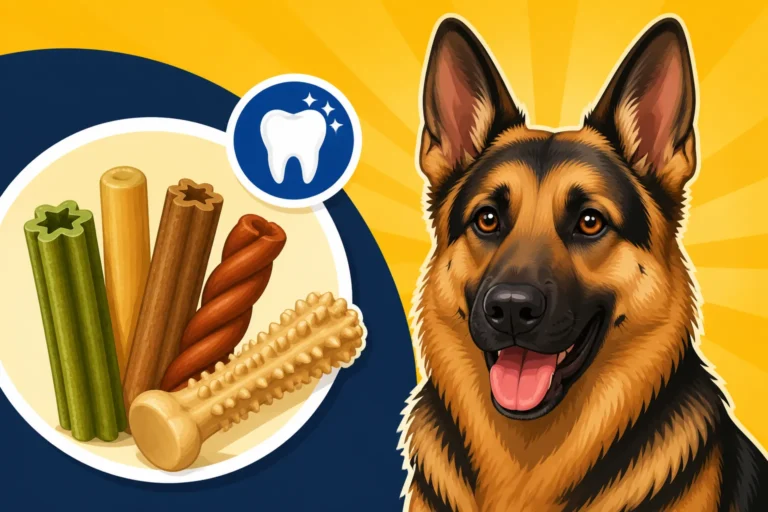
- Dental Chews: Products like Greenies, Purina DentaLife, or Whimzees are designed with textures and ingredients that help scrape away plaque and reduce tartar as your dog chews. They can be a great daily treat, offering a bit of extra scrubbing power. Just be sure to choose appropriate sizes for your German Shepherd to prevent choking and ensure effectiveness.
- Water Additives: These are solutions you add to your dog's drinking water, containing ingredients that help reduce bacteria in their mouth and freshen breath. They can be a good passive method of dental support. Always check the ingredients to ensure they are safe for daily ingestion.
- Dental Wipes: For those days when brushing is just impossible, or for quick clean-ups, dental wipes can remove some surface plaque. They are often infused with enzymes or other dental-health ingredients.
- Interactive Chew Toys: High-quality, durable chew toys can help keep your German Shepherd's teeth clean by providing a safe outlet for chewing. Look for toys made from tough rubber or nylon that are designed to withstand powerful chewers and have textures that help massage gums and clean teeth. KONG and Nylabone are excellent brands known for their durable products, often found on platforms like Chewy. Just be sure they are appropriately sized and can't be swallowed. While these are great for overall oral health, they are not a substitute for regular brushing.
The Step-by-Step Guide to Brushing Your German Shepherd's Teeth
Alright, you've got your tools. Now for the main event! Patience and consistency are your best friends here. Don't expect perfection on day one, or even week one. This is a marathon, not a sprint.
Acclimation: Making it a Positive Experience
The biggest mistake people make is trying to force a toothbrush into their dog's mouth from day one. Your German Shepherd needs to associate this experience with positive things.
- Start with Touch: Begin by simply touching your German Shepherd's mouth and gums gently with your fingers. Do this during calm times, like when you're cuddling on the couch. Praise them lavishly and give a high-value treat (like a small piece of cooked chicken or cheese) every time they tolerate it. Keep sessions very short, just 10-20 seconds. Repeat this several times a day for a few days until they're completely comfortable with you handling their mouth. This helps create a positive association, which is key for all German Shepherd Behavior Problems and Solutions.
- Introduce the Toothpaste: Once they're okay with mouth touches, let them lick a tiny bit of the dog-specific toothpaste off your finger. The flavors are usually appealing to dogs, and this helps them get used to the taste and texture. Again, massive praise and treats!
- Finger Brush Introduction: After they love the toothpaste, put a tiny dab on a finger brush. Gently rub it along their outer gums and teeth for just a few seconds. Focus on the front teeth first, as they are easier to reach. Praise and reward. Build up the time and coverage slowly over several days or even a week.
- Transition to the Toothbrush: Once they're comfortable with the finger brush, introduce the actual pet toothbrush. Let them sniff it, lick the toothpaste off it, and gradually transition to gently brushing. Again, short sessions, lots of praise, and treats. The goal is to make it a routine they look forward to, or at least tolerate happily. This gradual introduction helps avoid any unnecessary stress for your German Shepherd and makes the process of How to Train a German Shepherd much smoother in the long run.
The Brushing Technique
Once your German Shepherd is comfortable with the tools and the routine, you can start with the actual brushing technique.
- Positioning: Find a comfortable position for both of you. Many people sit on the floor with their German Shepherd between their legs, or stand beside them with their dog's head gently supported.
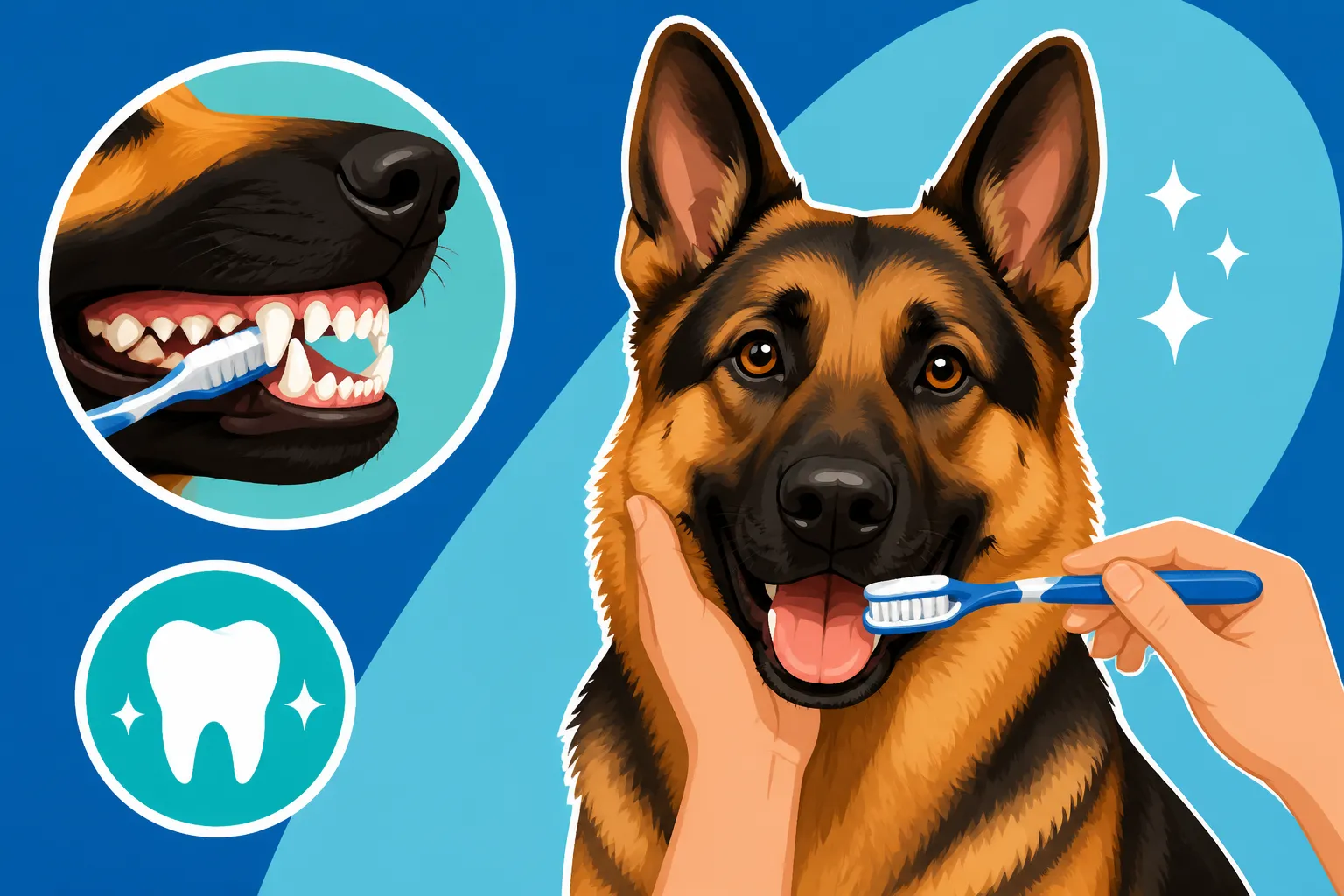
- Lift the Lip: Gently lift your German Shepherd's upper lip to expose the outer surfaces of their teeth and gums. Don't try to open their mouth wide; you'll mostly be brushing the outside surfaces of their teeth. The inner surfaces tend to be kept cleaner by their tongue and saliva.
- Angle the Brush: Hold the toothbrush at a 45-degree angle to the gum line, ensuring the bristles are reaching both the tooth surface and just under the gum line. This is where plaque loves to hide.
- Gentle Circles: Use gentle, circular motions to brush each tooth. Focus on a few teeth at a time. Pay special attention to the canine teeth (the long fangs) and the large molars at the back, as these tend to accumulate the most plaque and tartar.
- Work Your Way Around: Gradually work your way around one side of their mouth, then the other. Don't worry if you can't get every single tooth perfectly clean every time. Consistency is more important than perfection.
- Frequency: Ideally, you should brush your German Shepherd's teeth daily. If daily isn't feasible, aim for at least three times a week. This frequency is usually enough to disrupt plaque formation before it hardens into tartar.
Remember to keep the tone light and positive throughout the process. Talk to your dog in a soothing voice, offer constant praise, and finish every session with that highly anticipated treat!
Troubleshooting Common Challenges
It's rare for a German Shepherd to become an instant fan of teeth brushing. You'll likely encounter some resistance, but don't give up!
- Resistance or Biting: If your German Shepherd is genuinely resisting or showing signs of aggression, stop immediately. Go back to square one with the acclimation steps. Ensure your sessions are shorter, your treats are higher value, and you're not causing any discomfort. Never scold or punish, as this will only create a negative association. If resistance is severe, consider consulting with a professional dog trainer or your vet for guidance.
- Not Staying Still: Some dogs are just wiggly! Try brushing when your German Shepherd is naturally calmer, perhaps after a long walk or during their evening cuddle time. Having a second person gently hold them or distract them with a puzzle toy (if they're able to still their head) can also help. You might also try different locations – some dogs feel more secure being brushed on a raised surface, others on the floor.
- Difficulty Reaching Back Teeth: The back molars can be tough. The dual-headed toothbrushes are designed for this. Sometimes, a finger brush might give you better maneuverability for those hard-to-reach spots. Practice makes perfect, and gradually, your German Shepherd will learn to tolerate you getting to those areas.
- Bleeding Gums: A little pink on the brush initially, especially if your dog has gingivitis, isn't uncommon. However, if there's significant bleeding, or if it persists after a few days of gentle brushing, it's a sign of a more serious issue and you should consult your veterinarian immediately.
Patience is key. Think of it as a bonding exercise rather than a chore. Over time, it will become a normal part of your German Shepherd's routine, just like their daily walks or meal times.
Beyond the Brush: Holistic Dental Care for Your German Shepherd
While brushing is the cornerstone of good oral hygiene, a truly comprehensive approach involves other elements too. Dental health is deeply intertwined with overall health, just as discussed in the German Shepherd Health Problems Guide.
The Role of Diet in Dental Health
What your German Shepherd eats can certainly impact their dental health, though it's important not to overstate its role compared to brushing.
- Kibble vs. Raw/Fresh Diets: Some proponents of kibble argue that the abrasive nature of dry food helps scrape plaque off teeth. While it may offer some mechanical cleaning for surface plaque, it's generally not enough to prevent buildup, especially under the gum line. Kibble also often contains carbohydrates that can contribute to plaque formation. On the other hand, raw or fresh food diets, like those offered by companies such as Ollie, often include raw bones (appropriate size and type, never cooked bones) that can provide excellent mechanical cleaning. However, raw diets require careful handling and balancing, and even with raw bones, brushing is still recommended for optimal health. Ultimately, no diet alone is a substitute for manual brushing.
- Dental-Specific Diets: Some veterinary prescription diets are specifically formulated to help reduce plaque and tartar. These often feature larger kibble sizes or unique fiber matrices that encourage chewing and help scrub the teeth. Brands like Royal Canin Veterinary Diet Dental or Hill's Prescription Diet t/d often fall into this category. If your German Shepherd is prone to dental issues, discuss these specialized diets with your vet as part of their German Shepherd Diet by Age and Weight plan.
Professional Dental Cleanings and When They're Needed
Even with the best at-home brushing routine, many German Shepherds will eventually need a professional dental cleaning. Think of it like your own dental check-ups – you brush daily, but you still see the hygienist for a deep clean.
- When to Consider a Professional Cleaning: Your veterinarian will assess your German Shepherd's oral health during their annual check-ups. Signs that a professional cleaning might be necessary include significant tartar buildup, very red or bleeding gums, persistent bad breath that doesn't improve with brushing, pawing at the mouth, or any signs of pain while eating. Common German Shepherd Health Issues by Age often include increasing dental problems as they get older.
- What a Professional Cleaning Involves: A professional dental cleaning in dogs always requires general anesthesia. This allows the vet to thoroughly examine the entire mouth, including under the gum line, take dental X-rays (to check for issues below the gum line), scale off all plaque and tartar (both above and below the gum line), and polish the teeth to smooth out any microscopic scratches that could harbor bacteria. Any diseased or damaged teeth will be extracted. This is a significant procedure, and your vet will perform pre-anesthetic bloodwork to ensure your German Shepherd is healthy enough for the anesthesia.
- Cost Considerations: Professional dental cleanings can be expensive, often ranging from several hundred to over a thousand dollars, especially if extractions are needed. This is where pet insurance can be a huge help, and it’s worth considering "Is Pet Insurance Worth It for a German Shepherd?". However, preventative measures like daily brushing can significantly reduce the frequency and cost of these procedures, which is why regular brushing is so valuable. Understanding German Shepherd Vet Costs Per Year can help you budget for these possibilities.
Recognizing and Addressing Serious Dental Issues
While your daily brushing gives you a peek into your German Shepherd's mouth, you also need to know what serious signs to look out for that warrant immediate veterinary attention. Don't wait for your next annual check-up if you notice any of these.
- Foul, Persistent Bad Breath: Beyond the normal "dog breath," a truly repulsive odor usually indicates a serious bacterial infection.
- Red, Swollen, or Bleeding Gums: These are clear signs of inflammation (gingivitis) or infection (periodontal disease).
- Excessive Drooling: Sometimes accompanied by blood in the saliva.
- Difficulty Eating or Chewing: Your German Shepherd might chew on one side of their mouth, drop food, or show a reluctance to eat hard kibble or chews. This could be a sign of pain from a loose tooth, abscess, or oral lesion.
- Pawing at the Mouth or Rubbing Face: This behavior can indicate discomfort or pain.
- Loose or Missing Teeth: A clear sign of advanced periodontal disease.
- Swelling on the Face, Especially Under the Eye: This could indicate a tooth root abscess, which is a serious infection requiring urgent treatment.
- Lumps or Bumps in the Mouth: Any abnormal growths should be examined by a vet promptly, as they could be cancerous.
Being proactive and observant can make a world of difference. Catching dental problems early can save your German Shepherd from pain and prevent more severe, systemic health issues. Just like a proper German Shepherd Senior Care Guide includes regular vet checks, so does care for younger dogs.
Comparing Dental Care Tools for German Shepherds
To help you decide which tools are best for your German Shepherd, here's a quick comparison of popular options:
| Tool Type | Pros | Cons | Ideal For |
|---|---|---|---|
| Finger Brush | Excellent control, gentle, easy for beginners, direct contact | Less reach for back teeth, can be chewed if not careful | Introducing brushing, nervous dogs, puppies, detailed gum line cleaning |
| Long-Handled Brush | Good reach for back teeth, effective plaque removal, durable | Can be intimidating for some dogs, less direct control | Regular brushing, dogs comfortable with oral handling, all adult GSDs |
| Electric Toothbrush | Highly effective plaque removal, less effort for owner | Can be noisy/startling, expensive, requires acclimation | Dogs already comfortable with brushing, owners seeking maximum efficiency |
| Enzymatic Toothpaste | Safe to swallow, aids in plaque breakdown, appealing flavors | Human toothpaste is toxic, must be dog-specific | All German Shepherds (essential) |
| Dental Chews | Supplements brushing, satisfying for dogs, various brands | Not a substitute for brushing, calorie content, choking risk | Daily supplemental cleaning, rewarding positive behavior |
| Water Additives | Passive dental support, freshens breath, easy to administer | Less effective than brushing, ingredients vary | Passive daily support, dogs resistant to direct oral care |
Remember, the best approach often involves a combination of these tools, always prioritizing manual brushing with a dog-specific toothbrush and enzymatic toothpaste.
Disclaimer
The information provided in this article is for general informational purposes only and is not a substitute for professional veterinary advice, diagnosis, or treatment. Always seek the advice of your veterinarian or other qualified animal health provider with any questions you may have regarding a medical condition or treatment for your German Shepherd.