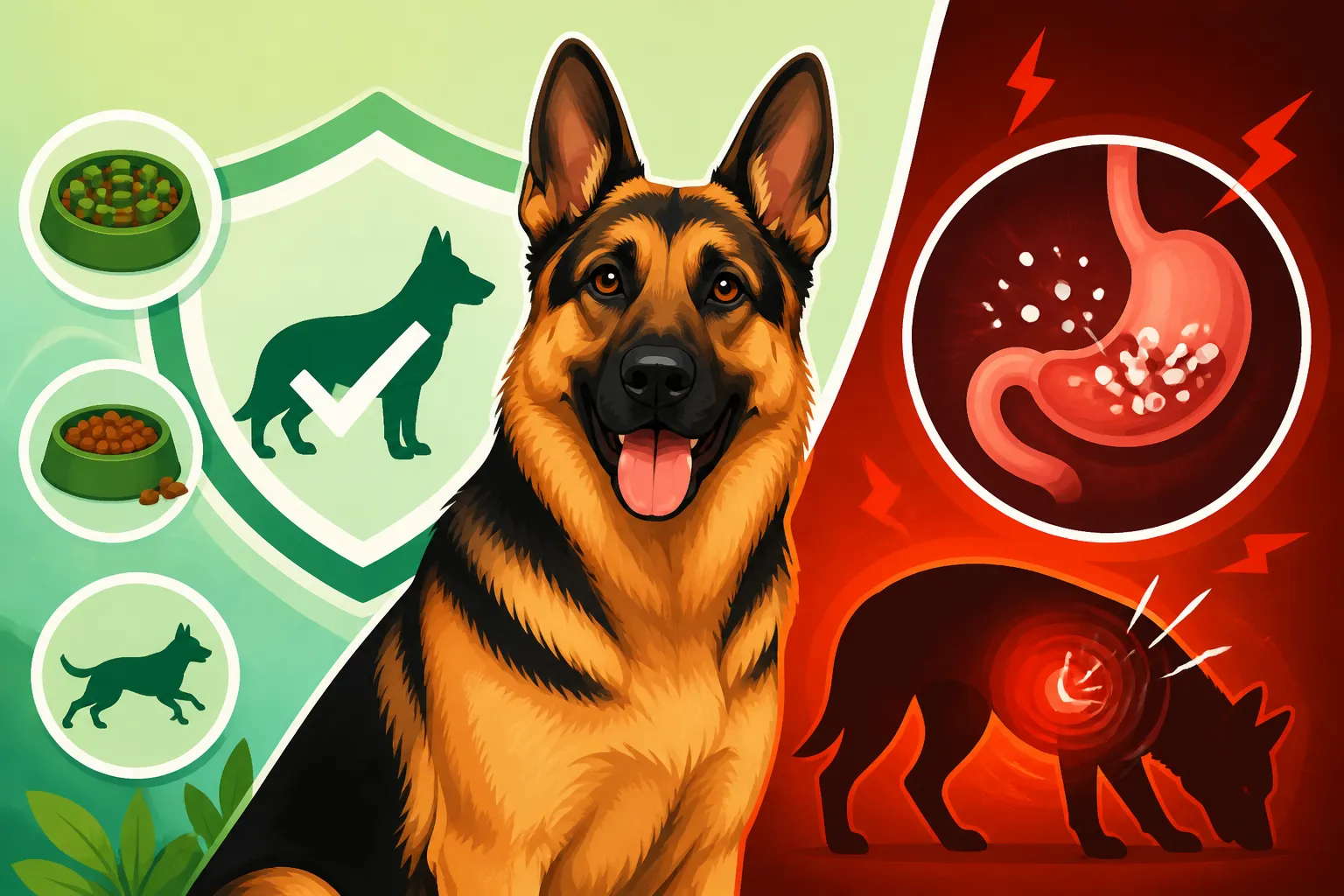
How to Prevent Bloat (GDV) in German Shepherds
The sudden, terrifying onset of bloat, medically known as Gastric Dilatation-Volvulus (GDV), is a nightmare for any German Shepherd owner. This isn't just an upset tummy; it's a life-threatening emergency that can develop in a matter of hours, often without much warning, leaving you feeling helpless and panicked. This guide aims to empower you with comprehensive strategies and practical steps to significantly reduce the risk of bloat in your beloved German Shepherd, helping you safeguard their health and bring you peace of mind.
Understanding the Threat of Bloat (GDV) in German Shepherds
For many German Shepherd owners, the word "bloat" sends a shiver down their spine. It’s a condition that strikes fear into the hearts of those who adore these magnificent dogs, and for good reason. German Shepherds are statistically one of the breeds most susceptible to this rapid, often fatal, medical emergency. Understanding precisely what bloat entails and recognizing its dire warnings are the first crucial steps in prevention. It’s not just about knowing it exists; it’s about grasping its mechanics and the urgency it demands.
What Exactly is Gastric Dilatation-Volvulus (GDV)?
At its core, Gastric Dilatation-Volvulus, or GDV, is a two-part catastrophe within your dog's abdomen. The "dilatation" part refers to the stomach filling with an abnormal amount of gas, fluid, or food, causing it to swell dramatically. Imagine a balloon rapidly inflating inside your dog's belly. This initial expansion is already incredibly painful and puts immense pressure on surrounding organs, blood vessels, and the diaphragm, making it hard for your dog to breathe.
The second, and often more devastating, part is the "volvulus." This is when the distended stomach then twists on its axis, effectively pinching off both the entrance (from the esophagus) and exit (to the small intestine). This twist traps the gas and fluid inside, leading to further expansion and preventing anything from leaving the stomach. It also cuts off the blood supply to the stomach tissue, leading to tissue death, and can severely impact blood flow to the heart and other vital organs, quickly causing shock. The entire process is excruciatingly painful and progresses with alarming speed, often leading to death if not treated immediately. German Shepherds, with their deep, narrow chests, are anatomically predisposed to this twisting action, making them prime candidates for this devastating condition. You can learn more about other critical health concerns in our in-depth German Shepherd Health Problems Guide.
Recognizing the Warning Signs of Bloat
While our goal here is prevention, knowing the signs of bloat is absolutely non-negotiable, because even with the best preventive measures, an emergency can still occur. Time is of the essence if your German Shepherd shows symptoms. If you ever suspect bloat, you need to act immediately.
Here are the critical warning signs to watch for:
- Distended Abdomen: Your dog's belly might look swollen, especially on the left side, and feel tight or drum-like to the touch. This can be subtle initially but progresses rapidly.
- Retching Without Vomit: This is one of the most classic and concerning signs. Your dog will try to vomit, heaving and gagging, but nothing or very little comes up. This indicates that the stomach's exits are blocked.
- Restlessness and Pacing: Your German Shepherd might seem uncomfortable, unable to settle, constantly shifting positions, or pacing anxiously. They know something is terribly wrong.
- Pain and Discomfort: They may whine, groan, look at their flank, or become unusually quiet and withdrawn. They might refuse to lie down comfortably. If you're wondering How to Tell If a German Shepherd Is in Pain, these are key indicators.
- Drooling: Excessive drooling can occur due to nausea and discomfort.
- Pale Gums: As shock sets in, blood flow is compromised, leading to pale or white gums.
- Rapid, Shallow Breathing or Panting: The distended stomach presses on the diaphragm, making breathing difficult.
- Weakness or Collapse: In advanced stages, your dog may become weak, stumble, or even collapse as their body goes into shock.
If you observe any of these symptoms, even just one or two, consider it an emergency and get to a vet immediately. Do not wait to see if it improves. Our detailed article on German Shepherd Bloat (GDV): Symptoms and Treatment provides further insights into recognizing and responding to this urgent situation. This is where having pet insurance like Healthy Paws can truly make a difference, as emergency surgery for bloat can be incredibly expensive, often thousands of dollars, without coverage.
Strategic Feeding Practices to Reduce Bloat Risk
One of the most significant areas where owners can make a tangible difference in preventing bloat is through thoughtful feeding practices. It’s not just about what you feed, but how and when you feed your German Shepherd that can play a massive role in their safety. Many common habits, though seemingly innocent, can inadvertently increase the risk of this life-threatening condition.
The Importance of Multiple Smaller Meals
Think about how our German Shepherds are built. They are large, active, and can be voracious eaters. When they consume one massive meal, their stomach expands significantly. This large, full stomach is then more susceptible to torsion or twisting, especially if they gulp down their food quickly.
The solution is straightforward: divide their daily food allowance into two or three smaller meals throughout the day. Instead of one large morning meal, for example, feed a portion in the morning and another in the evening. For puppies, a German Shepherd Puppy Feeding Schedule often naturally incorporates multiple meals, and this habit should continue into adulthood. This approach reduces the sheer volume of food and gas in the stomach at any one time, making it less likely to distend excessively and twist. Slowing down eating is also crucial. Consider using slow-feeder bowls or puzzle feeders, which encourage your dog to work for their food, prolonging mealtime and preventing gulping.
Food Choices and Hydration
The type of food and how your dog hydrates also factor into bloat prevention. While research is ongoing and sometimes conflicting, general guidelines suggest certain considerations:
- Avoid High-Fat Diets: Some studies suggest that diets with very high fat content, especially if fat is listed among the first few ingredients, might be associated with an increased risk. Fat can slow gastric emptying, meaning food stays in the stomach longer, potentially leading to more gas production.
- Kibble Size and Shape: There’s some evidence that larger kibble size may encourage dogs to chew their food more, thus slowing down ingestion. This is a subtle factor, but every little bit helps. Look for quality large-breed formulas.
- Fermentable Ingredients: Some ingredients, like certain types of soy or legumes, can lead to increased gas production in the gut. While eliminating them entirely might not be feasible or necessary, being aware of their presence can be helpful, especially if your dog seems particularly gassy after certain foods. If your German Shepherd has a German Shepherd Sensitive Stomach Solutions might also involve careful ingredient choices.
- Water Management Around Meals: While constant access to fresh water is vital for your dog's overall health, avoid allowing them to gulp down a large quantity of water immediately before or after a meal. This can significantly increase the stomach's volume and potentially introduce more air, contributing to distension. Offer smaller amounts of water during these times or ensure they've had their fill well before eating.
Debunking the Raised Bowl Myth
This is a really important point because it goes against what many of us have been taught or have always done. For years, conventional wisdom suggested that raised feeding bowls could prevent bloat by promoting better posture during eating. However, more recent and robust research, notably a large study published in the Journal of the American Veterinary Medical Association, actually indicated the opposite. This study found that feeding from raised bowls might increase the risk of bloat in large and giant breeds like German Shepherds.
The theory is that elevated bowls might encourage faster eating and gulping of air, or perhaps change the mechanics of swallowing in a way that is detrimental. Therefore, the current recommendation is to feed your German Shepherd from a bowl placed directly on the floor. If you've been using a raised bowl, don't panic, but it's worth transitioning to floor feeding to be on the safer side. We delve deeper into this specific topic in our article, Should German Shepherds Eat from Raised Bowls.
Managing Exercise and Stress Around Mealtimes
Beyond what and how your German Shepherd eats, when they eat in relation to their activity level and emotional state is a critical factor in bloat prevention. Many well-meaning owners inadvertently create situations that heighten risk without even realizing it. It's about recognizing these high-risk windows and implementing sensible routines.
The Danger of Pre and Post-Meal Activity
Imagine yourself after a large meal – your body wants to slow down, digest, and relax. Your German Shepherd's body is no different, perhaps even more sensitive due to their anatomy. Vigorous exercise, running, jumping, or intense play immediately before or after eating is a significant risk factor for bloat. The physical jostling and movement, combined with a full stomach, can easily contribute to the stomach twisting.
Here's how to manage it:
- Pre-Meal Wind-Down: Aim for at least an hour of calm activity or rest before feeding time. This allows their system to settle down and prepares their body for digestion. If they’ve just been on a stimulating walk or had a play session in the yard, give them a good break before putting the food bowl down.
- Post-Meal Relaxation: This is arguably even more crucial. After your German Shepherd eats, they need a mandatory resting period. No running, no jumping, no intense training sessions, and definitely no rough play for at least one to two hours, and ideally longer (up to three hours for very active dogs or after a larger meal). A quiet nap in their crate or a gentle chew toy is perfect during this time. This gives their stomach ample opportunity to begin emptying without external agitation. This careful management is a key part of How to Keep a German Shepherd Healthy overall.
Reducing Stress and Anxiety
It might not be as obvious as physical activity, but stress and anxiety can also play a role in increasing a dog's susceptibility to bloat. When dogs are stressed, their digestive system can be impacted, sometimes leading to slower digestion or changes in gut motility, which could theoretically contribute to gas buildup.
Consider these points to create a calm feeding environment:
- Routine and Predictability: Dogs thrive on routine. Feeding your German Shepherd at consistent times each day helps regulate their digestive system and reduces anxiety about when their next meal is coming. A predictable schedule can also lead to more efficient digestion.
- Quiet Feeding Area: Designate a quiet, safe space where your German Shepherd can eat without interruption. This means no other pets or children bothering them, no loud noises, and no sense of competition if you have multiple dogs. Resource guarding, even if subtle, can lead to faster eating and increased stress.
- Addressing Underlying Anxiety: If your German Shepherd is generally anxious or prone to stress, addressing these underlying issues can have overall health benefits, including potentially reducing bloat risk. This might involve training, enrichment, or in some cases, consultation with a veterinary behaviorist. Managing stressors helps keep their entire system running more smoothly.
Proactive Veterinary Care and Surgical Options
While daily management is paramount, partnering with your veterinarian and considering specific medical interventions can provide an additional layer of protection against the devastating impact of bloat. This is where professional insight and advanced options come into play, especially for a breed like the German Shepherd.
Regular Check-ups and Discussing Risk Factors
Your veterinarian is your strongest ally in maintaining your German Shepherd’s health. Regular check-ups are not just for vaccinations; they're opportunities to discuss breed-specific risks like bloat. During these visits, your vet can assess your dog’s overall condition, discuss their diet and exercise routine, and help identify any individual risk factors that might be present.
Be open with your vet about your concerns. They can provide tailored advice based on your dog's age, activity level, and medical history. This is also a good time to discuss any digestive issues your dog might be experiencing, as chronic gas or discomfort could be subtle indicators of a higher risk. Understanding German Shepherd Genetic Health Testing might also be a broader conversation to have with your vet, as genetic predispositions can influence many health outcomes. Investing in a good pet insurance plan, like one from Healthy Paws, can make these regular vet visits and any necessary diagnostic work or specialist consultations more financially manageable, ensuring you can always provide the best care without undue stress.
Considering a Gastropexy
For German Shepherds, especially those considered high-risk, one of the most effective preventive measures is a surgical procedure called a gastropexy. This elective surgery aims to prevent the "volvulus" (twisting) part of GDV, which is the most dangerous aspect of the condition.
Here's how it works: During a gastropexy, the surgeon permanently attaches a section of the stomach wall to the abdominal wall. This "tacks" the stomach in place, preventing it from rotating or twisting if it becomes distended with gas. It's crucial to understand that a gastropexy does not prevent the stomach from dilating (filling with gas), but it dramatically reduces the likelihood of the life-threatening twist. If a dog with a gastropexy still bloats, it's typically a much less severe and more treatable condition.
Many vets recommend considering a gastropexy as a prophylactic (preventive) measure, often performed when the dog is already undergoing another abdominal surgery, such as spaying or neutering. This reduces the overall cost and stress of a separate procedure. Discussing the pros and cons, as well as the German Shepherd Spay and Neuter Timing, with your vet can help you make an informed decision about this procedure. While it involves an upfront cost, the potential cost of emergency bloat surgery and the associated risks are significantly higher, making a gastropexy a sound investment in your German Shepherd’s long-term health and your peace of mind. Our article on German Shepherd Vet Costs Per Year can shed light on the financial aspects of advanced care like this.
Common Bloat Prevention Strategies
Here’s a summary of the most effective strategies to prevent bloat in German Shepherds, highlighting what works and what misconceptions to avoid:
| Prevention Strategy | Rationale/Effectiveness | Key Considerations |
|---|---|---|
| Feed Multiple Small Meals | Reduces stomach volume at any one time, less likely to distend. | Aim for 2-3 meals daily. |
| Limit Exercise Around Meals | Prevents stomach jostling, reducing twisting risk. | 1-hour rest before, 1-2 hours (or more) rest after. |
| Use Slow-Feeder Bowls | Slows eating, reduces air ingestion. | Effective for dogs that gulp food. |
| Feed on Floor Level | Recent studies suggest raised bowls might increase risk. | Revert to floor-level bowls if currently using raised ones. |
| Avoid Excessive Water After Meals | Prevents rapid stomach expansion. | Offer smaller amounts, or ensure water access is managed. |
| Prophylactic Gastropexy | Surgically tacks stomach to prevent twisting (volvulus). | Highly effective; often done during spay/neuter. Does not prevent dilatation. |
| Avoid Stress Around Mealtimes | Stress can impact digestion and increase overall risk. | Ensure a calm, quiet eating environment. |
| High-Quality, Appropriate Diet | Supports overall digestive health, less gas-producing ingredients. | Consult vet for best food type. Consider large-breed specific formulas. Focus on whole ingredients and moderate fat. |
It's clear that a multi-faceted approach, combining careful daily habits with informed veterinary discussions, offers the best defense against this formidable threat.
Disclaimer
The information provided in this article is for general educational purposes only and is not a substitute for professional veterinary advice. Always consult with a qualified veterinarian for any health concerns or before making any decisions related to your German Shepherd's medical care or diet. While prevention strategies can significantly reduce the risk of bloat, they do not guarantee complete protection.