German Shepherd Puppy Feeding Schedule
Bringing home a German Shepherd puppy is an exhilarating experience, but many new owners quickly find themselves overwhelmed by the sheer volume of conflicting advice on how to feed their rapidly growing companion. From deciphering complex dog food labels to worrying about growth rates and potential health issues, the pressure to get your puppy's nutrition right can feel immense. This comprehensive guide is designed to cut through the noise, offering clear, empathetic, and realistic advice on establishing a proper German Shepherd puppy feeding schedule to ensure your furry friend thrives.
Why a Proper Feeding Schedule Matters for Your German Shepherd Puppy
Getting your German Shepherd puppy’s feeding schedule dialed in isn’t just about avoiding a hungry whine; it’s a foundational element for their entire well-being. These magnificent dogs are prone to certain health issues that can be mitigated or exacerbated by early nutrition. Establishing a consistent routine from day one sets them up for success both physically and behaviorally.
The Critical Role of Early Nutrition
Think about it like building a house: a strong foundation is absolutely essential. For German Shepherd puppies, their first year of life is a period of explosive growth and development, unlike almost any other stage. They’re not just getting bigger; their bones are forming, muscles are developing, and their immune system is learning to protect them. The nutrients they receive during this time directly impact the strength of their skeletal structure, the integrity of their organs, and their ability to fend off illness. Skimping on quality or consistency during these formative months can have lasting repercussions that might not even become apparent until they’re much older.
This rapid development means their bodies are working overtime, requiring a precise balance of proteins, fats, carbohydrates, vitamins, and minerals. Unlike smaller breeds, German Shepherds grow incredibly quickly, and supporting that growth without overdoing it is a delicate dance. A balanced diet prevents both nutritional deficiencies and excesses, both of which can be detrimental. For instance, too much calcium in a large breed puppy's diet can paradoxically lead to skeletal problems, even though calcium is vital for bone growth. It's truly a Goldilocks situation – it has to be just right.
Preventing Health Issues Down the Road
German Shepherds are, unfortunately, predisposed to a number of orthopedic issues, most notably German Shepherd Hip Dysplasia Explained and elbow dysplasia. While genetics play a significant role, how you feed your puppy can profoundly influence the expression and severity of these conditions. Rapid growth, often fueled by overfeeding or diets with incorrect calcium-to-phosphorus ratios, puts immense stress on developing joints. This stress can exacerbate any underlying genetic predisposition to dysplasia, leading to pain, arthritis, and mobility issues later in life.
Beyond joint health, proper nutrition in puppyhood is crucial for a robust immune system, which helps prevent a range of other common German Shepherd health problems. A well-nourished puppy is better equipped to fight off infections, develop a healthy gut microbiome, and maintain healthy skin and coat. Conversely, a poor diet can lead to a compromised immune system, making them more susceptible to everything from allergies to gastrointestinal upset. It’s a proactive approach to their health that pays dividends over their entire German Shepherd Lifespan: How Long They Live.
Establishing Good Habits and Routine
Dogs, especially intelligent breeds like German Shepherds, thrive on routine. A consistent feeding schedule provides predictability, which can reduce anxiety and contribute to a more well-adjusted, confident dog. When your puppy knows when and where their meals will appear, it helps them understand boundaries and expectations around food. This predictability is also incredibly useful for house-training, as regular meal times often lead to more predictable potty breaks.
Beyond the physical benefits, a structured feeding routine also provides valuable training opportunities. Meal times are perfect for practicing impulse control (waiting patiently for their bowl), reinforcing basic commands (sit, stay), and preventing resource guarding behaviors. This routine helps establish you as the provider and leader, strengthening the bond between you and your puppy. When they learn that good things come from you, on your terms, it sets a positive precedent for all future training and interactions.
Understanding Your German Shepherd Puppy’s Nutritional Needs
German Shepherd puppies aren’t just smaller versions of adult dogs; their bodies are performing miracles of growth and development daily. Their nutritional requirements are distinct and demanding, designed to fuel this incredible transformation.
The Growth Spurt and Energy Demands
Imagine going from a tiny, adorable fluff ball to a powerful, athletic dog topping 70-90 pounds in just about a year! That’s the journey of a German Shepherd puppy. This rapid growth spurt demands a significant amount of energy, far more than an adult dog of the same size. Their metabolic rate is higher, and every calorie consumed is put to work building bone, muscle, and brain tissue. If they don’t get enough energy, their growth can be stunted, and their development compromised.
However, it's a delicate balance. Too much energy, especially combined with imbalanced nutrients, can lead to excessively rapid growth, which is precisely what we want to avoid for their developing joints. The goal is steady, controlled growth that supports their genetic potential without putting undue stress on their developing skeletal system. This means their food needs to be energy-dense but specifically formulated for large-breed puppies to ensure the right balance. Their playful, boundless energy also contributes to their high caloric needs; a German Shepherd puppy is rarely still for long!
Essential Nutrients: Protein, Fat, Carbs
Just like us, puppies need a balanced intake of macronutrients: protein, fat, and carbohydrates. But the ratios are different.
- Protein: This is the building block of life for your growing German Shepherd. High-quality animal protein sources are crucial for developing strong muscles, healthy organs, enzymes, and hormones. Look for named meat meals (e.g., "chicken meal," "lamb meal") as the first ingredient in your puppy's food, rather than vague terms like "meat by-products." Growing puppies require a higher percentage of protein in their diet than adult dogs to support muscle development and tissue repair.
- Fats: Dietary fats are a concentrated source of energy, vital for powering your puppy's active lifestyle. They also play a critical role in brain and nervous system development, hormone production, and the absorption of fat-soluble vitamins (A, D, E, K). Essential fatty acids, particularly Omega-3s like DHA and EPA (often found in fish oil), are especially important for cognitive development and healthy skin and coat.
- Carbohydrates: While proteins and fats are often highlighted, healthy carbohydrates provide sustained energy for your puppy's daily activities. Sources like sweet potatoes, peas, and brown rice offer complex carbohydrates that release energy slowly, preventing sugar spikes and crashes. They also provide fiber, which is important for digestive health.
Vitamins and Minerals for Bone and Joint Development
Beyond macronutrients, a symphony of vitamins and minerals works behind the scenes to ensure proper development. For German Shepherds, with their predisposition to joint issues, particular attention must be paid to calcium, phosphorus, and vitamin D. These three work in concert to build strong bones.
- Calcium and Phosphorus: The ratio of calcium to phosphorus is paramount for large-breed puppies. An ideal ratio is generally between 1.1:1 and 1.5:1. Too much calcium, even with the correct ratio, can be just as problematic as too little, leading to conditions like osteochondritis dissecans (OCD) or promoting excessively rapid bone growth. High-quality large-breed puppy foods are specifically formulated to manage these levels.
- Vitamin D: This vitamin is essential for the absorption of calcium and phosphorus from the gut into the bloodstream, making it a critical player in bone mineralization.
- Other Key Nutrients: Glucosamine and chondroitin, while not strictly "essential" in the same way as vitamins, are often included in large-breed puppy foods or given as supplements to support joint cartilage health. Antioxidants (like vitamins C and E) bolster the immune system, and B vitamins are crucial for metabolism and energy production. Ensuring these are present in appropriate amounts in your puppy's food is key to supporting their overall health and setting them up for a long, active life.
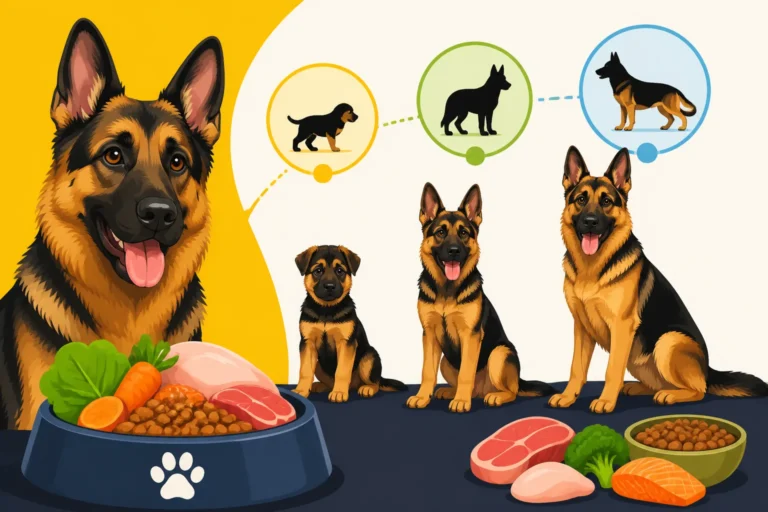
German Shepherd Puppy Feeding Schedule by Age
The “right” feeding schedule isn’t static; it evolves as your German Shepherd puppy grows. What works for an 8-week-old tiny tot won’t suffice for a 6-month-old adolescent. Adjusting the frequency and quantity of meals is crucial for proper development and digestive health.
8 Weeks to 3 Months: The Tiny Terror Stage
When you first bring home your German Shepherd puppy, likely between 8 and 10 weeks old, they are in a state of rapid development. Their digestive systems are still quite sensitive, and their tiny stomachs can’t handle large meals. For this reason, frequent, small meals are key.
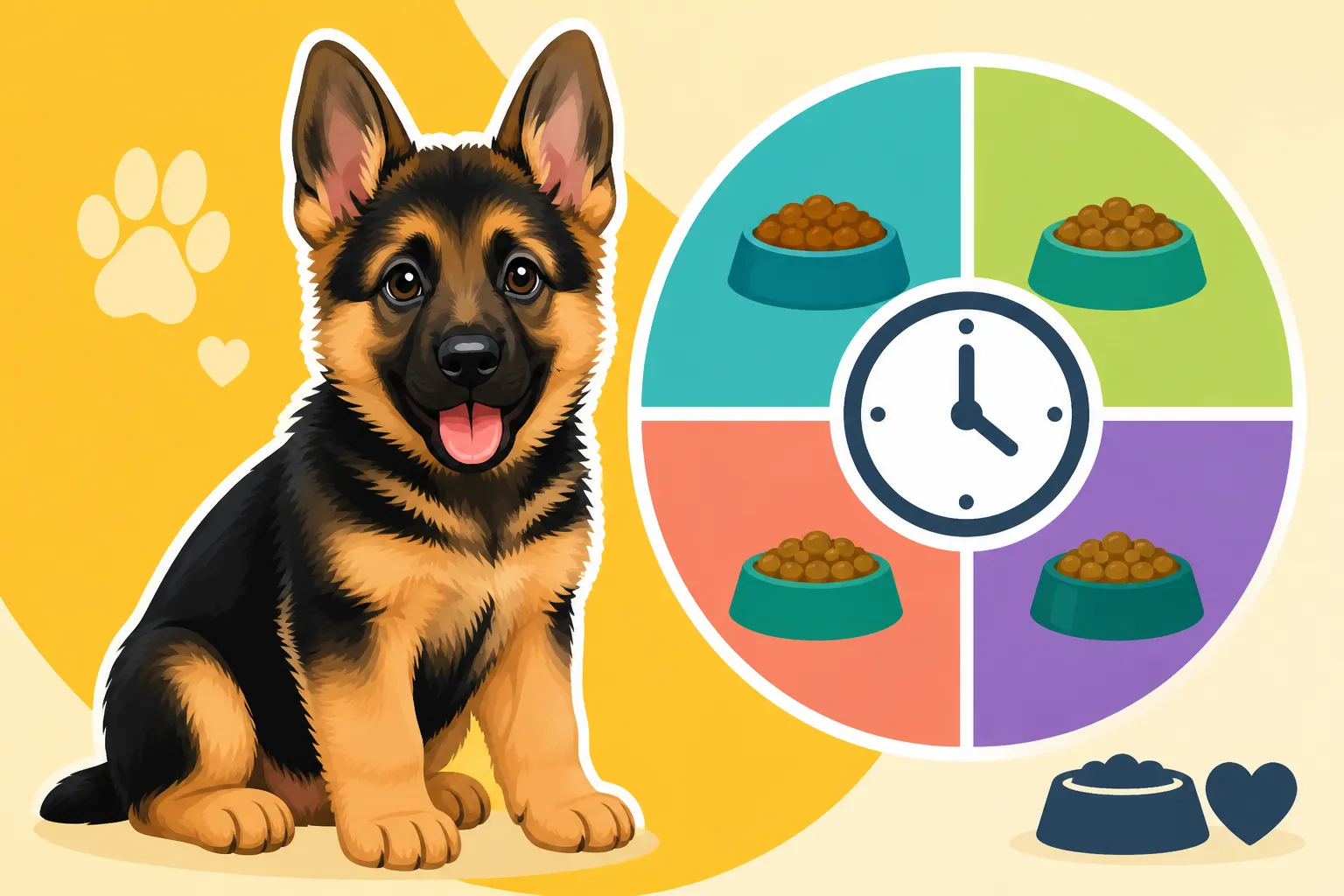
During this stage, your puppy should be fed 3-4 times a day. Spacing these meals out evenly helps keep their blood sugar stable, provides a constant supply of energy for their non-stop growing, and prevents their stomachs from becoming overly full, which can lead to discomfort or regurgitation. For example, if you feed four times a day, meals could be at 7 AM, 12 PM, 5 PM, and 9 PM. This also aids in house-training, as predictable feeding leads to predictable potty breaks. If you notice your puppy often having loose stools or an upset stomach, it might be a sign they’re eating too much at one go, or the food isn't agreeing with them. Many breeders recommend sticking to the food your puppy was raised on for the first few weeks to avoid additional stress on their system. You can easily find high-quality large-breed puppy food from online retailers like Chewy, which offers a wide selection.
3 to 6 Months: The Rapid Growth Phase
As your German Shepherd puppy transitions from 3 to 6 months, they’re still growing at an astonishing rate, but their digestive system is becoming more robust, and their stomach capacity increases. You can typically reduce the feeding frequency slightly during this period.
At this stage, 3 meals a day is generally appropriate. This usually means a morning meal, a midday meal, and an evening meal. The total daily food amount will increase significantly compared to the earlier stage, as their body mass and activity levels surge. However, resist the urge to simply free-feed or give them unlimited access to food. Structured meal times remain vital for maintaining a healthy weight and reinforcing good behavior around food. It's during this phase that many owners start to notice the incredible energy levels of their German Shepherd puppies, so ensuring they have consistent, nourishing meals is paramount to supporting their active lifestyle. Remember that consistency is key; try to stick to roughly the same times each day.
6 to 12 Months: Approaching Adulthood
Once your German Shepherd puppy hits the 6-month mark, they are still growing, but the explosive growth of early puppyhood begins to taper off slightly, becoming more steady. Their bodies are maturing, and their energy needs, while still high, can be met with fewer, larger meals.
From 6 months up until they are about a year old, 2 meals a day is often sufficient. This usually means a breakfast and a dinner. For some highly active puppies, or those that might be a little leaner, a small third meal or an extra snack might still be beneficial, but for most, twice daily feeding works well. This also sets the stage for their adult feeding routine. During this period, you’ll want to continue feeding a large-breed puppy formula to support their joint development and ensure they don’t grow too quickly. They aren't fully grown in height and bone structure yet (that often takes until 18-24 months for German Shepherds to truly fill out), but their most intense growth phase is behind them. Regularly check their weight and body condition to ensure they aren't gaining too much or too little. This is a good time to consider how When Do German Shepherds Stop Growing really impacts their nutritional needs as they mature.
Beyond 12 Months: Transition to Adult Food
The transition to adult dog food is a significant milestone. For German Shepherds, this usually happens between **12 to 18 months of age**. Some breeders or veterinarians might even recommend waiting until 18-24 months, especially for very large males, to ensure their growth plates have fully closed and to further mitigate joint stress.
Once your German Shepherd reaches this age and has mostly completed their growth, they can transition to a high-quality adult large-breed dog food, typically fed twice a day. The key here is gradual transition. Don't switch their food overnight, as this can lead to an upset stomach, diarrhea, or vomiting. Instead, over a period of 7-10 days, slowly mix increasing amounts of the new adult food with decreasing amounts of their puppy food. Start with 75% old food, 25% new food for a couple of days, then 50/50, then 25% old, 75% new, until they are fully on the adult formula. Always monitor their digestion during this change. Continuing with a formula designed for larger breeds is beneficial, as these often contain joint-supporting ingredients and appropriate caloric density for their size.
| Age Range | Recommended Feeding Frequency | Key Considerations |
|---|---|---|
| 8 Weeks – 3 Months | 3-4 times a day | Small stomach capacity, sensitive digestion, rapid growth. Helps with house-training predictability. |
| 3 – 6 Months | 3 times a day | Increased stomach capacity, sustained rapid growth. High energy demands. Monitor body condition closely. |
| 6 – 12 Months | 2 times a day | Growth rate slows slightly but is still significant. Preparing for adult routine. Continue large-breed puppy formula. |
| 12 – 18+ Months | 2 times a day | Transition to adult large-breed food gradually. Growth plates closing. Continue monitoring weight and joint health. |
How Much to Feed Your Growing German Shepherd Puppy
Determining the exact amount of food for your German Shepherd puppy can feel like a guessing game, especially when every puppy is unique. While general guidelines exist, individual factors play a huge role in ensuring your puppy gets just the right amount of fuel.
Decoding Dog Food Labels and Guidelines
The first place most people look for feeding instructions is the back of the dog food bag. These labels provide a crucial starting point, often displaying a chart that correlates your puppy’s current weight and age with a recommended daily feeding amount. However, it’s vital to understand that these are *just guidelines*. They are calculated for an “average” puppy, and your German Shepherd is anything but average in their specific needs.
These charts typically suggest a total daily amount, which you then divide by the number of meals you're feeding. For instance, if the bag recommends 4 cups per day for a 25-pound, 4-month-old puppy, and you're feeding three times a day, each meal would be about 1.3 cups. Always use a standard measuring cup, not just scooping haphazardly, as precision helps avoid over- or under-feeding. Pay close attention to whether the recommendation is for "cups" or "ounces" or "grams," and ensure you're using the correct measuring tool. Brands like Purina Pro Plan and Royal Canin often have detailed feeding charts specifically tailored for large breed puppies on their packaging or websites, which can be very helpful.
Factors Influencing Feeding Amounts
No two German Shepherds are exactly alike, even within the same litter. Several key factors will influence how much food your individual puppy truly needs:
- Activity Level: A German Shepherd puppy who spends hours playing fetch and exploring a large yard will naturally burn more calories than one with a more sedentary lifestyle. If your puppy is highly active, they might need slightly more food. Conversely, if their activity is restricted due to weather or a temporary injury, you might need to slightly reduce their intake.
- Metabolism: Just like people, dogs have individual metabolic rates. Some puppies are naturally lean and seem to burn through food quickly, while others are prone to gaining weight more easily. This is something you'll learn to recognize about your own dog over time.
- Age and Growth Stage: As discussed, a younger puppy in the peak of a growth spurt will have different caloric demands than an older puppy whose growth is starting to slow. Referencing the feeding schedule by age is crucial here.
- Breed Line: While all German Shepherds are large dogs, there can be subtle differences. Working line German Shepherds, for example, might have slightly higher energy needs than some show lines due to their genetic predisposition for intense activity and drive.
- Environmental Temperature: Dogs burn more calories trying to stay warm in cold weather, and less in very hot weather. While this might not be a significant factor for indoor puppies, it can play a role for those who spend more time outdoors.
Monitoring Your Puppy’s Body Condition
This is, hands down, the most important factor in determining if you’re feeding your puppy the right amount. Forget the numbers on the bag if your puppy isn’t thriving; their body condition is the ultimate guide. You want your German Shepherd puppy to be lean, not chunky. A little “puppy fat” is normal, but excessive weight during growth is a recipe for joint disaster.
Here’s how to assess body condition:
- Ribs: You should be able to easily feel your puppy's ribs with light pressure, almost like feeling the back of your hand. You shouldn't be able to see them protruding sharply, but you definitely shouldn't have to push hard to feel them.
- Waist: Look down at your puppy from above. You should see a clear "tuck" or indentation behind their ribs, forming a waistline. From the side, their belly should tuck up slightly rather than hanging low or appearing distended.
- Spine and Hip Bones: You should be able to feel their spine and hip bones without them being sharply prominent. If they're too bony, your puppy might be underweight. If you can't feel them at all, they might be overweight.
Adjust your puppy's food intake incrementally based on this assessment. If they’re looking a little too plump, slightly reduce the amount. If they’re too lean, slightly increase it. Make changes gradually, perhaps by 1/4 cup per day, and observe for a week before making further adjustments. This proactive monitoring is key to how to keep a German Shepherd healthy. If you’re ever unsure, always consult your veterinarian.
Choosing the Best Food for Your German Shepherd Puppy
The sheer number of dog food brands and formulas on the market can be overwhelming. For a German Shepherd puppy, making the right choice is paramount for their long-term health, especially considering their genetic predispositions.
Dry Kibble vs. Wet Food vs. Raw Diet
Each type of dog food comes with its own set of pros and cons, and what works best for one dog might not be ideal for another.
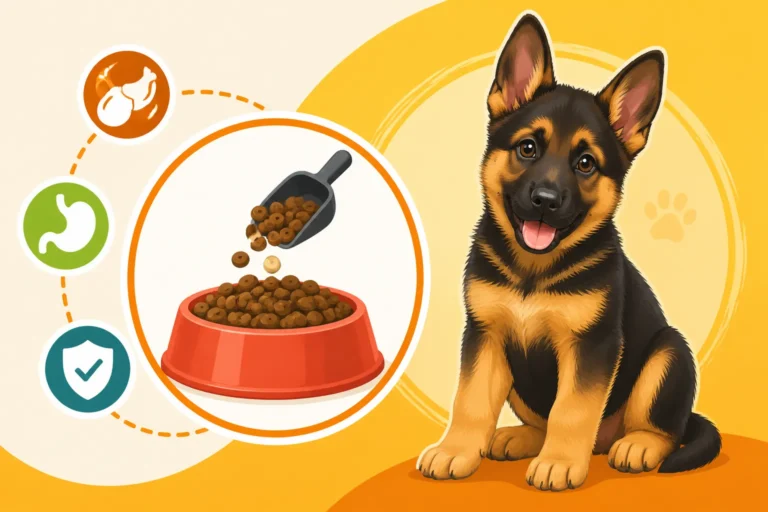
- Dry Kibble: This is the most common and often the most economical choice. High-quality large-breed puppy kibble is formulated to provide complete and balanced nutrition, with precise control over calorie density and calcium-to-phosphorus ratios essential for German Shepherds. Kibble can also help with dental hygiene to some extent, as the crunching action can scrape away some plaque. Brands like Hill's Science Diet and Royal Canin offer breed-specific large-breed puppy formulas. The downside can be that some lower-quality kibbles use fillers or less digestible ingredients. When feeding kibble, ensuring your puppy has access to plenty of fresh water is crucial, as it has a very low moisture content.
- Wet Food: Wet food is often more palatable and hydrating due to its high moisture content. It can be a good option for picky eaters or to entice puppies who aren't drinking enough water. However, it's typically more expensive, and due to its lower calorie density per volume, you often need to feed more to meet your German Shepherd puppy's caloric needs. It also doesn't offer the same dental benefits as kibble.
- Raw Diet (BARF or PMR): A raw diet, often comprising raw meat, bones, and organs (BARF for Biologically Appropriate Raw Food, or PMR for Prey Model Raw), has gained popularity among some owners who believe it's closer to a dog's ancestral diet. Proponents claim benefits like shinier coats, cleaner teeth, and better digestion. However, feeding a balanced raw diet is incredibly complex and challenging, especially for a growing large-breed puppy. Imbalances in calcium, phosphorus, and other nutrients can have devastating long-term effects on skeletal development. There's also a higher risk of bacterial contamination for both the dog and the human handlers. If you're considering a raw diet, it is absolutely critical to work with a board-certified veterinary nutritionist to ensure it's complete and balanced for your German Shepherd puppy's specific needs. Simply feeding raw chicken from the grocery store is not sufficient or safe. Companies like Ollie offer fresh, pre-portioned cooked food options, which can be a safer alternative to DIY raw if you're looking for something beyond kibble.
Large Breed Puppy Formulas: What to Look For
For German Shepherd puppies, a standard puppy food simply won’t cut it. You *must* choose a formula specifically designed for “large breed puppies.” This isn’t just marketing; it’s a critical nutritional difference.
Here's what to look for:
- Controlled Growth: Large breed puppy foods are formulated with slightly lower calorie and fat content compared to regular puppy foods. This helps promote slower, more sustained growth, which is vital for reducing the risk of orthopedic issues.
- Calcium-to-Phosphorus Ratio: This is key. Large breed puppy formulas will have carefully controlled levels of calcium and phosphorus, typically within the range of 1.1:1 to 1.5:1, and a calcium content generally not exceeding 1.5% on a dry matter basis. This prevents excesses that can harm developing joints.
- High-Quality Protein: The first few ingredients should be identifiable animal proteins like chicken meal, lamb meal, or salmon meal. Avoid foods with vague "meat by-products" as primary ingredients.
- DHA: An omega-3 fatty acid crucial for brain and eye development. It's often derived from fish oil.
- Joint Support: Many large breed puppy foods include ingredients like glucosamine and chondroitin, which are believed to support joint health, although their efficacy in preventing dysplasia is debated. Still, it's a beneficial inclusion.
- AAFCO Statement: Always check for an AAFCO (Association of American Feed Control Officials) statement on the label, indicating that the food is "complete and balanced" for "growth of large-size dogs" or "all life stages including growth of large-size dogs." This ensures it meets essential nutritional standards.
When to Consider Specialized Diets
While a good quality large-breed puppy food is suitable for most German Shepherds, there are instances where a specialized diet might be necessary.
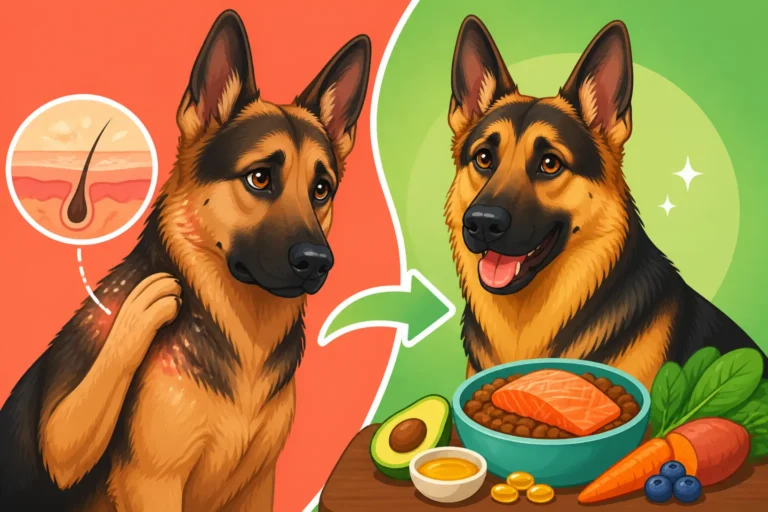
- Allergies or Sensitivities: If your puppy develops symptoms like persistent itching, skin rashes, chronic ear infections, or digestive upset (like German Shepherd Loose Stool: Common Causes), they might have food allergies or sensitivities. In such cases, your vet might recommend a limited ingredient diet, a hydrolyzed protein diet, or a novel protein diet to identify and avoid allergens.
- Gastrointestinal Issues: Conditions like German Shepherd EPI: Symptoms and Treatment (Exocrine Pancreatic Insufficiency) or chronic pancreatitis will require very specific dietary management prescribed by a veterinarian, often involving highly digestible, low-fat formulas and enzyme supplements.
- Growth Concerns: If your puppy is significantly over or underweight despite appropriate feeding amounts, your vet might recommend a specialized higher or lower calorie diet, or investigate underlying health issues.
- Veterinary Recommendation: Always follow your veterinarian's advice. They have the complete picture of your puppy's health and can recommend the most appropriate diet if there are any specific health concerns. Never hesitate to discuss your food choices with them, as they can provide invaluable, individualized guidance.
Common Feeding Mistakes and How to Avoid Them
Even with the best intentions, new German Shepherd puppy owners can inadvertently make feeding mistakes that could impact their dog’s health. Being aware of these common pitfalls can help you avoid them and ensure your puppy thrives.
Overfeeding and Underfeeding Risks
Both ends of the spectrum – feeding too much or too little – carry significant risks for a growing German Shepherd puppy.
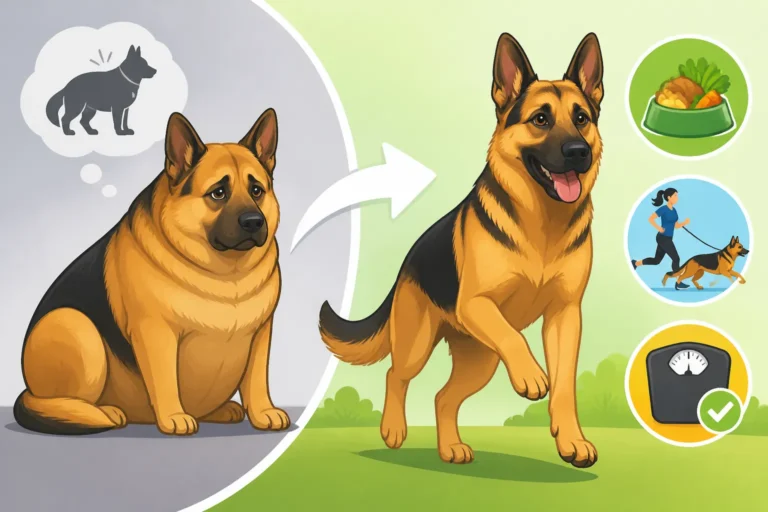
- Overfeeding: This is arguably the more common and dangerous mistake for large breeds. Overfeeding leads to excessively rapid growth and puts tremendous strain on their still-developing bones and joints. This stress can exacerbate or even trigger orthopedic issues like hip and elbow dysplasia, making a genetically predisposed puppy much more likely to develop painful symptoms earlier in life. Overweight puppies also face a higher risk of obesity as adults, which brings its own host of problems, including diabetes, heart disease, and further joint deterioration. It’s crucial to remember that a plump puppy isn't necessarily a healthy puppy; a lean, athletic build is the goal.
- Underfeeding: While less common for German Shepherds with their hearty appetites, underfeeding can also have severe consequences. Not providing enough calories and nutrients can lead to stunted growth, nutritional deficiencies, a weakened immune system, and a lack of energy. A puppy who is consistently hungry might also develop food aggression or resource guarding behaviors out of a primal need to protect their scarce food source. If your puppy appears too thin, consult your vet to rule out any underlying health issues before simply increasing food intake.
The key to avoiding both is consistent monitoring of your puppy's body condition and adjusting their food intake incrementally, as discussed previously. Don't go by what your puppy wants to eat, but rather what their body needs to eat for healthy, steady growth. This is perhaps one of the most important aspects of preventing German Shepherd Bloat: Signs and Prevention, which can be exacerbated by eating too quickly or too much.
Free-Feeding vs. Scheduled Meals
This is a long-standing debate among dog owners, but for German Shepherd puppies, the consensus leans heavily towards scheduled meals.
- Free-Feeding (leaving food out all day): While seemingly convenient, free-feeding can lead to several problems. It makes it nearly impossible to monitor how much your puppy is actually eating, increasing the risk of overeating and obesity. It also makes house-training more challenging, as potty breaks become unpredictable. Furthermore, free-feeding can encourage picky eating (since food is always available) and can lead to resource guarding issues if you have multiple pets. For German Shepherds, specifically, free-feeding can increase the risk of bloat (Gastric Dilatation-Volvulus), a life-threatening condition where the stomach fills with gas and twists. Eating large amounts at irregular intervals, or eating very quickly, are thought to be risk factors.
- Scheduled Meals: This method involves offering food at specific times, for a set duration (e.g., 10-15 minutes), and then picking up any uneaten food until the next meal. This creates a predictable routine, which aids in house-training, helps prevent overeating, and allows you to monitor appetite changes, which can be an early indicator of illness. It also reinforces your role as the provider, strengthening your bond and helping with training. It's the clear winner for German Shepherd puppies.
Sudden Diet Changes and Upset Stomachs
You’ve found the perfect large-breed puppy food, but what happens if you need to switch? Perhaps your vet recommended a new formula, or the old brand is no longer available. A common mistake is making a sudden, abrupt change.
German Shepherd puppies, like all dogs, have sensitive digestive systems. Their gut bacteria are specifically adapted to the food they've been eating. A sudden change can shock this system, leading to:
- Diarrhea: This is the most common symptom, ranging from mild to severe, and can lead to dehydration, especially in young puppies.
- Vomiting: Another common reaction, often accompanying diarrhea.
- Loss of Appetite: Your puppy might simply refuse the new food if it's introduced too suddenly.
- Gas and Bloating: Discomfort and excessive flatulence can occur as their digestive system struggles to adapt.
To avoid these unpleasant and potentially harmful reactions, always transition foods gradually over a period of 7-10 days (or even longer for very sensitive puppies). Start by mixing 25% new food with 75% old food for a few days. If no issues arise, move to 50/50 for a few more days, then 75% new, 25% old, until you're feeding 100% new food. This allows their digestive system to slowly adjust to the new ingredients. This cautious approach is one of the key steps outlined in preventing German Shepherd Puppy Feeding Mistakes to Avoid.
Beyond the Bowl: Water, Treats, and Supplements
Feeding your German Shepherd puppy isn’t just about what goes into their food bowl. Other dietary elements, from hydration to training rewards and potential supplements, play a crucial role in their overall health and development.
The Importance of Fresh Water Access
Water is arguably the most vital nutrient, and it’s often overlooked. German Shepherd puppies, with their high activity levels and rapid metabolism, need constant access to fresh, clean water. Dehydration can quickly become a serious problem, impacting every bodily function from circulation and digestion to temperature regulation.
Always ensure your puppy's water bowl is clean and full. Change the water at least twice a day, or more frequently if it becomes dirty or warm. Consider having multiple water stations around the house, especially if you have a large home or multiple floors, to encourage consistent hydration. During playtime or after exercise, offer water frequently. If you're out and about, bring a portable water bottle and collapsible bowl. While some dogs are naturally good drinkers, others need gentle encouragement. If you suspect your puppy isn't drinking enough, you can try adding a splash of low-sodium broth to their water or incorporating some wet food into their diet. Understanding How Much Water a German Shepherd Needs Daily is fundamental to their health.
Smart Snacking: Treats in Training
Treats are an invaluable tool for German Shepherd puppy training. Their high intelligence and desire to please make them excellent candidates for positive reinforcement, and treats are a powerful motivator. However, not all treats are created equal, and moderation is key.
- Choose Wisely: Opt for small, soft, high-value treats that are easy for your puppy to swallow quickly without distraction. Look for treats with wholesome ingredients and avoid those with excessive sugar, artificial colors, or questionable fillers. Brands like Zuke's Mini Naturals or even small pieces of cooked chicken or cheese can work well.
- Calorie Awareness: Treats contribute to your puppy's daily caloric intake. If you're using a lot of treats during training, you might need to slightly reduce the amount of kibble at meal times to prevent overfeeding. A general rule of thumb is that treats should make up no more than 10% of their daily calories.
- Purposeful Treats: Treats should be earned, not just given freely. Use them for rewarding desired behaviors during training sessions, crate training, or when socializing your puppy. This helps them associate treats with positive actions and learning. Avoid using them to appease nuisance behaviors like barking or whining.
When Joint Supplements Might Be Beneficial
Given the German Shepherd’s predisposition to hip and elbow dysplasia, many owners naturally wonder about joint supplements. While a high-quality large-breed puppy food should provide adequate nutrition, supplements can sometimes offer additional support.
- Glucosamine and Chondroitin: These are the most common ingredients in joint supplements, believed to support cartilage health and lubrication. Many large-breed puppy foods already include them, but if your puppy's food doesn't, or if your vet recommends it, a separate supplement might be considered. It's crucial to understand that these supplements are not a cure for dysplasia but can sometimes help manage symptoms or potentially support joint health.
- Omega-3 Fatty Acids: Fish oil, rich in EPA and DHA, has anti-inflammatory properties that can benefit overall joint health and reduce inflammation. They also contribute to a healthy coat and skin. Many puppy foods contain Omega-3s, but a veterinarian might recommend additional supplementation.
- Veterinary Guidance is Key: Always consult your veterinarian before starting any supplements for your puppy. They can assess your puppy's individual needs, recommend appropriate dosages, and ensure there are no contraindications with their current diet or health status. Over-supplementation, especially with certain vitamins or minerals, can be just as harmful as a deficiency. Your vet might suggest supplements earlier if there's a strong family history of severe dysplasia or if they notice any early signs of joint issues. For senior German Shepherds, joint supplements become even more critical, and you can learn more about specific options in resources like Best Joint Supplements for Senior German Shepherds.
Troubleshooting Feeding Challenges
Even with the best preparation, you might encounter bumps in the road when feeding your German Shepherd puppy. From picky eating to digestive upsets, these challenges are common but manageable with the right approach.
Loss of Appetite or Picky Eaters
It’s usually a red flag when a German Shepherd puppy, known for their robust appetites, suddenly loses interest in food. This can be genuinely concerning, but not always a sign of a major problem.
- Temporary Loss of Appetite: Sometimes, a puppy might skip a meal or two due to minor stress, a change in routine, or simply not feeling 100%. If your puppy is still energetic, drinking water, and otherwise acting normal, monitor them closely. Try offering the meal again later.
- Underlying Illness: A persistent loss of appetite (more than 24 hours), especially when accompanied by other symptoms like lethargy, vomiting, diarrhea, or fever, is a strong indicator of illness. In this case, contact your veterinarian immediately. It could be anything from an infection to a more serious condition.
- Picky Eating: Some German Shepherds can become surprisingly picky. This often happens if they've been inadvertently trained to be picky by being offered too many different foods or human scraps. To address this:
- Stick to a Schedule: Offer food for 10-15 minutes, then pick it up. No other food until the next scheduled meal. They'll learn to eat when food is available.
- Avoid Free-Feeding: This just reinforces pickiness.
- Don't Offer Alternatives: Avoid the temptation to immediately offer a different, more palatable food if they refuse their regular meal. This teaches them that if they hold out, something better will come along.
- Enhance Palatability: You can try adding a small amount of warm water or low-sodium chicken broth to their kibble to make it more appealing. Some owners might mix in a little wet food (ensure it’s a high-quality, complete food). However, avoid making this a regular habit if you want them to eat plain kibble.
- Rule Out Dental Issues: Sometimes, a puppy might avoid eating if they have a sore tooth, gum inflammation, or are actively teething. A vet check can rule this out.
Dealing with Diarrhea or Vomiting
Every puppy experiences an upset stomach at some point, but persistent or severe diarrhea and vomiting warrant immediate attention.
- Mild, Occasional Upset: A single bout of loose stool or vomiting might be due to eating something they shouldn't have (a common puppy pastime!), minor stress, or a slight dietary indiscretion. If your puppy is still acting normal and energetic, you can try a bland diet for 24-48 hours: boiled chicken (no skin or bones) and plain white rice. Feed small amounts frequently. Ensure they have plenty of fresh water. You can also explore German Shepherd Sensitive Stomach Solutions if this is a recurring issue.
- Persistent or Severe Symptoms: If diarrhea or vomiting is severe (e.g., projectile vomiting, watery diarrhea, blood in stool/vomit), frequent, or lasts for more than 24 hours, or if your puppy is lethargic, weak, or dehydrated, contact your veterinarian immediately. These can be signs of serious conditions like parvovirus, giardia, an intestinal blockage, or severe infection, especially in young puppies who can dehydrate rapidly.
- Dietary Transition Issues: As mentioned, sudden food changes are a frequent cause. Always transition foods gradually.
- Parasites: Intestinal parasites are very common in puppies. Regular deworming by your vet is essential, but if you suspect parasites, a stool sample can confirm.
Addressing Food Aggression or Resource Guarding
German Shepherds have a natural guarding instinct, and sometimes this can manifest as resource guarding, where they become aggressive when protecting their food, toys, or even a particular spot. This is a serious issue that needs to be addressed early and carefully.
- Start Early with Prevention:
- "It's My Food" Game: When your puppy is eating, occasionally approach the bowl, drop an even higher-value treat into it (like a piece of chicken), and then walk away. This teaches them that your approach means good things, not that you're going to take their food.
- Hand-Feeding: Regularly hand-feed your puppy some of their meals. This reinforces your role as the benevolent provider and builds trust.
- Teach "Leave It" and "Drop It": These commands are crucial for safety and managing guarding behaviors.
- What NOT to Do: Never try to physically punish or snatch food away from a guarding puppy. This will only escalate the aggression and can be dangerous, potentially teaching them that they must guard aggressively to protect their resources from you.
- Professional Help: If your puppy is already exhibiting clear signs of growling, snarling, or biting attempts around food, it is imperative to seek help from a certified professional dog trainer or veterinary behaviorist. Resource guarding can be a complex behavior, and expert guidance is necessary to safely and effectively modify it. Early intervention is key to preventing this behavior from becoming more deeply ingrained and dangerous.
The Long-Term Impact of Puppy Nutrition
The choices you make regarding your German Shepherd puppy’s diet aren’t just for today or tomorrow; they lay the groundwork for their entire life. Good nutrition during puppyhood has profound and lasting effects on their physical health, behavior, and overall quality of life.
Lifelong Health Benefits
Think back to the foundation of that house. A well-built foundation, established through proper nutrition in puppyhood, supports a strong, healthy structure for years to come.
- Stronger Bones and Joints: By feeding a high-quality large-breed puppy formula that promotes controlled growth and has the correct calcium-to-phosphorus ratio, you significantly reduce the risk and severity of orthopedic conditions like hip and elbow dysplasia. This means less pain, greater mobility, and a higher quality of life for your German Shepherd as they age. While genetics can't be changed, environmental factors like diet play a huge role in how those genes express themselves. This preventative care is essential for understanding German Shepherd Health Problems Guide.
- Robust Immune System: A diet rich in essential vitamins, minerals, and antioxidants supports a strong immune system, making your dog more resilient to illness and infection throughout their life. This translates to fewer vet visits for preventable ailments and a dog better equipped to fight off any health challenges that do arise.
- Healthy Weight Management: Establishing good eating habits and a healthy body condition early on helps prevent adult obesity. Maintaining a healthy weight is one of the single most impactful things you can do to extend your dog's lifespan and prevent secondary health issues like diabetes, heart disease, and arthritis.
- Optimal Organ Function: Proper nutrition supports the healthy development and function of all internal organs, from the heart and kidneys to the liver and digestive system. This contributes to overall vitality and longevity.
Behavioral Implications
It’s easy to focus solely on the physical aspects of nutrition, but diet also plays a role in your German Shepherd’s behavior and temperament.
- Stable Energy Levels: A balanced diet with appropriate macronutrients provides steady energy, preventing hyperactivity caused by sugar crashes or lethargy from insufficient fuel. This helps manage the famously high energy levels of German Shepherd puppies, making them more receptive to training and calmer overall.
- Cognitive Development: Key nutrients like DHA (an Omega-3 fatty acid) are crucial for brain development. Puppies who receive adequate DHA in their diet often show improved cognitive function, which can translate to better trainability, problem-solving skills, and overall intelligence. This is why many high-quality puppy foods highlight DHA content.
- Reduced Anxiety and Stress: A consistent feeding schedule, as part of an overall routine, provides predictability and security for your puppy. This can reduce anxiety and stress, leading to a more confident, well-adjusted dog. Digestive upset caused by poor diet or sudden food changes can also contribute to anxiety and irritability in dogs.
- Less Resource Guarding: As mentioned, proper feeding practices and early training around food can prevent resource guarding behaviors, fostering a more harmonious relationship between your dog and your family.
Supporting a German Shepherd Lifespan
Ultimately, every decision you make for your German Shepherd puppy contributes to their potential to live a long, healthy, and happy life. Nutrition is a cornerstone of this endeavor. By carefully choosing their food, establishing a proper feeding schedule, and consistently monitoring their body condition, you are actively working to How to Extend a German Shepherd’s Lifespan. You are providing them with the best possible start, reducing the likelihood of preventable diseases, and laying the groundwork for a future filled with vitality, strength, and companionship. It’s a significant responsibility, but one that pays immeasurable dividends in the love and joy your German Shepherd brings into your home.
Disclaimer
The information provided in this guide is for general informational purposes only and does not constitute veterinary advice. Always consult with a qualified veterinarian for any health concerns or before making any changes to your German Shepherd puppy’s diet, exercise, or treatment plan.