How to Prevent Pancreatitis in German Shepherds
It's incredibly frightening when your beloved German Shepherd starts showing signs of discomfort or illness, and few things strike fear into a pet parent's heart like the mention of pancreatitis. This serious inflammatory condition of the pancreas can cause immense pain and quickly become life-threatening, making prevention a top priority for responsible German Shepherd owners. This comprehensive guide is here to walk you through everything you need to know about proactively protecting your loyal companion from the risks of pancreatitis.
Understanding Pancreatitis in German Shepherds
Pancreatitis, simply put, is the inflammation of the pancreas, a vital organ nestled near the stomach and small intestine. This small but mighty gland has two main jobs: producing enzymes essential for digestion and hormones like insulin that regulate blood sugar. When the pancreas becomes inflamed, these digestive enzymes, which are normally inactive until they reach the small intestine, can prematurely activate within the pancreas itself. This essentially causes the pancreas to start "digesting" itself, leading to pain, damage, and potential widespread systemic issues.
What is Pancreatitis and Why are German Shepherds Susceptible?
While any dog breed can develop pancreatitis, German Shepherds, unfortunately, seem to be among those with a higher predisposition. This isn't just anecdotal; veterinarians often see a pattern in certain breeds. There isn't one single, clear-cut genetic marker identified for GSDs and pancreatitis specifically, but it's believed that a combination of factors contributes to their heightened risk. Their generally sensitive digestive systems, coupled with genetic factors that might influence enzyme regulation or immune response, could play a role. Furthermore, German Shepherds, especially those with an active lifestyle, are often fed diets that might inadvertently contribute to risk if not carefully managed. It's a condition that can range from a mild, chronic form, sometimes mistaken for a sensitive stomach, to an acute, severe episode that requires immediate emergency care. The severity often depends on how widespread the inflammation is and how quickly it's addressed.
The consequences of untreated or severe pancreatitis can be dire. Beyond the immediate pain, persistent inflammation can damage the pancreas permanently, leading to conditions like Exocrine Pancreatic Insufficiency (EPI) if the digestive enzyme-producing cells are destroyed, or even diabetes if the insulin-producing cells are affected. It's a cascade effect, and that's why understanding the potential for this illness is the first step in effective prevention. For more detailed information on their overall health, you might want to read our comprehensive German Shepherd Health Problems Guide.
Recognizing the Warning Signs of Pancreatitis
Even when focusing on prevention, knowing the signs of pancreatitis is crucial because sometimes, despite our best efforts, it can still occur. Early detection is absolutely key to successful management and recovery. The symptoms can vary in intensity depending on whether it's an acute (sudden and severe) or chronic (long-term, recurring, often milder) form.
Common signs to watch out for include:
- Vomiting: This is one of the most common and distressing symptoms. It can be frequent and persistent.
- Diarrhea: Often accompanies vomiting, and stool might be greasy or loose.
- Severe Abdominal Pain: Your German Shepherd might hunch their back, moan, be reluctant to be touched around their belly, or adopt a "prayer position" (front legs down, rear end up) to try and relieve discomfort.
- Loss of Appetite: Due to pain and nausea, they may refuse to eat.
- Lethargy and Weakness: They might be unusually tired, slow, and generally unwell.
- Fever: Their body temperature might be elevated.
- Dehydration: Excessive vomiting and diarrhea can quickly lead to dehydration.
If you observe any of these symptoms, especially a combination of them, it's vital to contact your veterinarian immediately. Do not wait to see if it improves on its own, as pancreatitis can rapidly worsen. Quick veterinary intervention can make a significant difference in the outcome. It's also wise to be aware of other gastrointestinal issues, as some symptoms can overlap with conditions like German Shepherd Bloat: Signs and Prevention, which is another emergency situation. Having pet insurance, like plans offered by Healthy Paws, can certainly alleviate some of the financial stress associated with emergency vet visits, allowing you to focus purely on your dog's health without hesitation.
Dietary Strategies for Pancreatitis Prevention
Diet is arguably the most significant factor you can control when it comes to preventing pancreatitis in your German Shepherd. The pancreas reacts strongly to what your dog eats, particularly fat content. A diet that is too rich or experiences sudden changes can overstimulate the pancreas, leading to inflammation.
Choosing the Right Food: Low-Fat and High-Quality Diets
The cornerstone of pancreatitis prevention, especially for German Shepherds, is a low-fat diet. Fat triggers the release of digestive enzymes from the pancreas, and an excessive or sudden intake can overwhelm the system, prompting those enzymes to activate prematurely. This doesn't mean no fat, as healthy fats are essential for nutrient absorption and overall health, but rather a carefully managed, appropriate level.
When selecting dog food, look for options specifically formulated for large breeds or those with sensitive stomachs that emphasize moderate fat content. Many veterinary-prescribed diets are designed this way, but if you're choosing an over-the-counter option, scrutinize the label. Generally, a fat content below 10-15% on a dry matter basis is often recommended for dogs prone to pancreatitis. Ingredients should be high-quality, easily digestible proteins (like chicken or turkey), and complex carbohydrates (like brown rice or sweet potato). Avoid foods with excessive fillers, artificial preservatives, or unnamed animal fats. Brands like Purina Pro Plan Veterinary Diets EN Gastroenteric Formula or Hill's Prescription Diet i/d Low Fat are often recommended by vets for dogs with pancreatic issues, though consulting with your vet for the best specific recommendation is always paramount. You might find our guide on Best Dog Food for German Shepherds helpful for general choices, but always double-check fat content for pancreatitis prevention.
Safe Feeding Practices and Avoiding Trigger Foods
Beyond the food itself, how you feed your German Shepherd plays a crucial role. Consistency is key. Sudden changes in diet, overfeeding, or providing large, infrequent meals can all put stress on the pancreas. Establishing a regular feeding schedule with two or three smaller meals a day, rather than one large one, can help keep the digestive system running smoothly without overwhelming it.
Portion control is also vital. Obesity is a significant risk factor for pancreatitis, as excess body fat can alter metabolic processes and increase inflammation throughout the body. Your vet can help you determine the ideal weight and appropriate caloric intake for your German Shepherd. Check out our guide on German Shepherd Weight and Obesity Risks for more details.
Perhaps the biggest culprit for acute pancreatitis flare-ups is often "dietary indiscretion"—meaning, dogs getting into human foods they shouldn't. Fatty table scraps, especially things like bacon grease, fried foods, rich gravies, or even certain dairy products, are absolute no-gos. These high-fat items can cause a sudden, severe pancreatic overload. Even seemingly innocent fatty treats can pose a risk.
Here’s a quick table to guide you on human foods:
| Safe in Moderation (Low Fat) | Avoid Entirely (High Fat/Risk) |
|---|---|
| Plain, cooked lean chicken/turkey (no skin/bones) | Bacon, sausages, fatty meats |
| Plain, cooked rice or pasta | Gravy, butter, cream sauces |
| Small amounts of plain vegetables (e.g., carrots, green beans) | Fried foods (fries, chicken skin) |
| Low-fat cottage cheese (small amounts) | Rich cheeses, full-fat dairy |
| Apple slices (no seeds) | Chocolate, grapes, raisins (toxic!) |
| Pumpkin (canned, plain, not pie filling) | Macadamia nuts |
| Plain, unsweetened yogurt | Avocados (in large amounts due to fat) |
Always remember, even "safe" human foods should be given in very small quantities and only if your dog isn't prone to allergies or sensitivities. If you're looking for solutions for a generally delicate stomach, our article on German Shepherd Sensitive Stomach Solutions can offer further advice, but remember to prioritize low-fat options for pancreatitis prevention.
Lifestyle and Management for Prevention
Diet is paramount, but it's not the only piece of the puzzle. A holistic approach to your German Shepherd's health, encompassing their daily routine and regular veterinary care, significantly bolsters their defense against pancreatitis.
The Role of Exercise and Weight Management
As mentioned earlier, maintaining a healthy weight is critical for overall health and specifically for preventing pancreatitis. Overweight or obese German Shepherds are at a higher risk, partly because excess fat tissue can produce inflammatory chemicals that contribute to pancreatic inflammation. Regular, appropriate exercise helps burn calories, build muscle, and maintain a healthy metabolism.
For a German Shepherd, "appropriate exercise" means consistent activity that matches their age, energy level, and physical condition. This typically includes daily walks, active play sessions, and mental stimulation. Aim for at least 60-90 minutes of moderate to vigorous exercise daily for an adult GSD, broken into several sessions. Puppies need less strenuous, more frequent play to protect their developing joints. Remember that a properly exercised dog is also generally happier and less prone to stress. If you're unsure about the right amount of activity, refer to our guide on German Shepherd Exercise Requirements.
Monitor your dog's body condition regularly. You should be able to feel their ribs easily without seeing them, and they should have a discernible waist when viewed from above. If you're concerned your German Shepherd is carrying extra weight, consult your vet for a weight management plan that includes diet adjustments and an exercise regimen. This proactive approach not only helps prevent pancreatitis but also extends their overall German Shepherd Lifespan: How Long They Live.
Stress Reduction and Regular Veterinary Check-ups
While stress isn't a direct cause of pancreatitis in the same way a fatty meal is, chronic stress can weaken the immune system and exacerbate existing inflammatory conditions. German Shepherds thrive on routine and predictability. Sudden changes in environment, separation anxiety, or lack of mental stimulation can contribute to stress. Ensuring they have a stable home environment, consistent training, and plenty of enrichment can go a long way in promoting their well-being.
Regular veterinary check-ups are an indispensable part of any preventative health strategy. Your veterinarian is your best partner in identifying potential risks before they become serious problems. During these visits, your vet can monitor your German Shepherd's weight, discuss their diet, and perform routine blood work. Blood tests, particularly those looking at pancreatic enzymes like amylase and lipase, can sometimes flag early indicators of pancreatic stress, even before overt symptoms appear. Discussing any subtle changes in appetite, energy, or stool consistency with your vet can provide valuable clues. These routine appointments are also the perfect time to explore options for German Shepherd Genetic Health Testing, as understanding any predispositions can further refine your preventative strategy.
Supplements and Proactive Measures
Beyond diet and lifestyle, there are additional proactive steps and supplements that can support your German Shepherd's pancreatic health, particularly if they are identified as being at higher risk.
Beneficial Supplements for Pancreatic Health
When it comes to supplements, it's always best to consult with your veterinarian before adding anything new to your German Shepherd's regimen. However, certain supplements have shown promise in supporting digestive and pancreatic health.
- Omega-3 Fatty Acids: While high dietary fat is a trigger, beneficial Omega-3 fatty acids (EPA and DHA) found in fish oil can actually have anti-inflammatory properties. They are crucial for overall health, including skin, coat, and joint health. When choosing a fish oil supplement, ensure it's high-quality, pure, and dosed appropriately for your dog's weight. Look for products that have been tested for heavy metals and toxins.
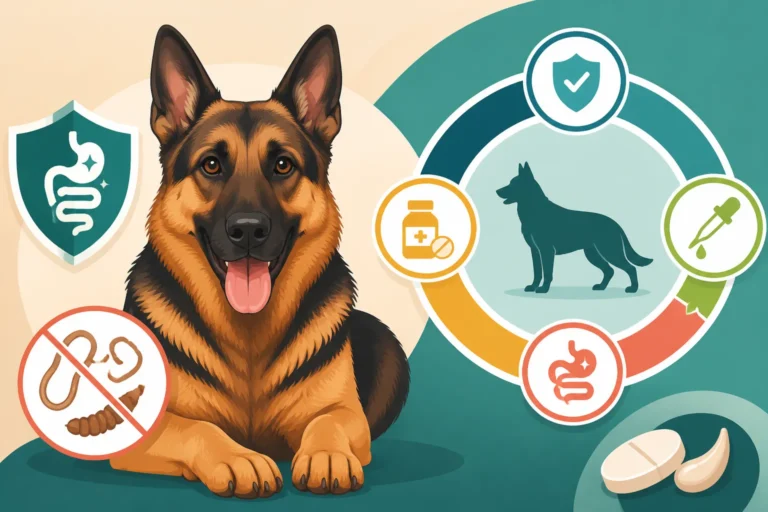
- Probiotics: A healthy gut microbiome contributes significantly to overall digestive health. Probiotics introduce beneficial bacteria to the gut, which can aid digestion and potentially reduce systemic inflammation. This is particularly relevant if your German Shepherd has a sensitive stomach or has been on antibiotics.
- Digestive Enzymes: For German Shepherds diagnosed with Exocrine Pancreatic Insufficiency (EPI), supplemental digestive enzymes are absolutely vital. However, for prevention, some veterinarians might suggest a mild enzyme supplement to aid digestion and reduce the workload on a potentially stressed pancreas. This is a very specific recommendation and should only be pursued under veterinary guidance.
Remember, supplements are meant to supplement a healthy diet and lifestyle, not replace them. They should be considered as an additional layer of support. For more information on general digestive support, you might find our article on Best Probiotics for German Shepherds beneficial.
When to Seek Veterinary Advice and Emergency Preparedness
Even with the most diligent preventative measures, sometimes things can go wrong. A German Shepherd could sneak a fatty treat at the park, or a previously undiagnosed sensitivity could surface. Knowing when to act quickly is paramount. If your dog exhibits sudden, severe vomiting, abdominal pain, or extreme lethargy, treat it as an emergency and contact your vet or the nearest emergency animal hospital immediately. Time is of the essence in treating acute pancreatitis.
Beyond immediate action, being prepared for unexpected health crises also means having a plan in place. This includes knowing your local emergency veterinary clinic's location and hours, having emergency contact numbers readily available, and considering the financial aspect of treatment. German Shepherds can incur significant German Shepherd Vet Costs Per Year, and emergency pancreatitis treatment often involves hospitalization, IV fluids, pain medication, anti-nausea drugs, and specialized diets, which can quickly add up. This is where pet insurance becomes invaluable. Companies like Healthy Paws offer comprehensive accident and illness plans that can cover a large percentage of eligible vet bills, providing immense peace of mind during stressful situations. It ensures that you can make treatment decisions based on what's best for your dog, rather than worrying about the immediate financial burden.
Disclaimer
This article is for general informational purposes only and does not constitute professional advice. Laws, prices and regulations vary by location and change over time. Consult a qualified professional for guidance on your specific situation.