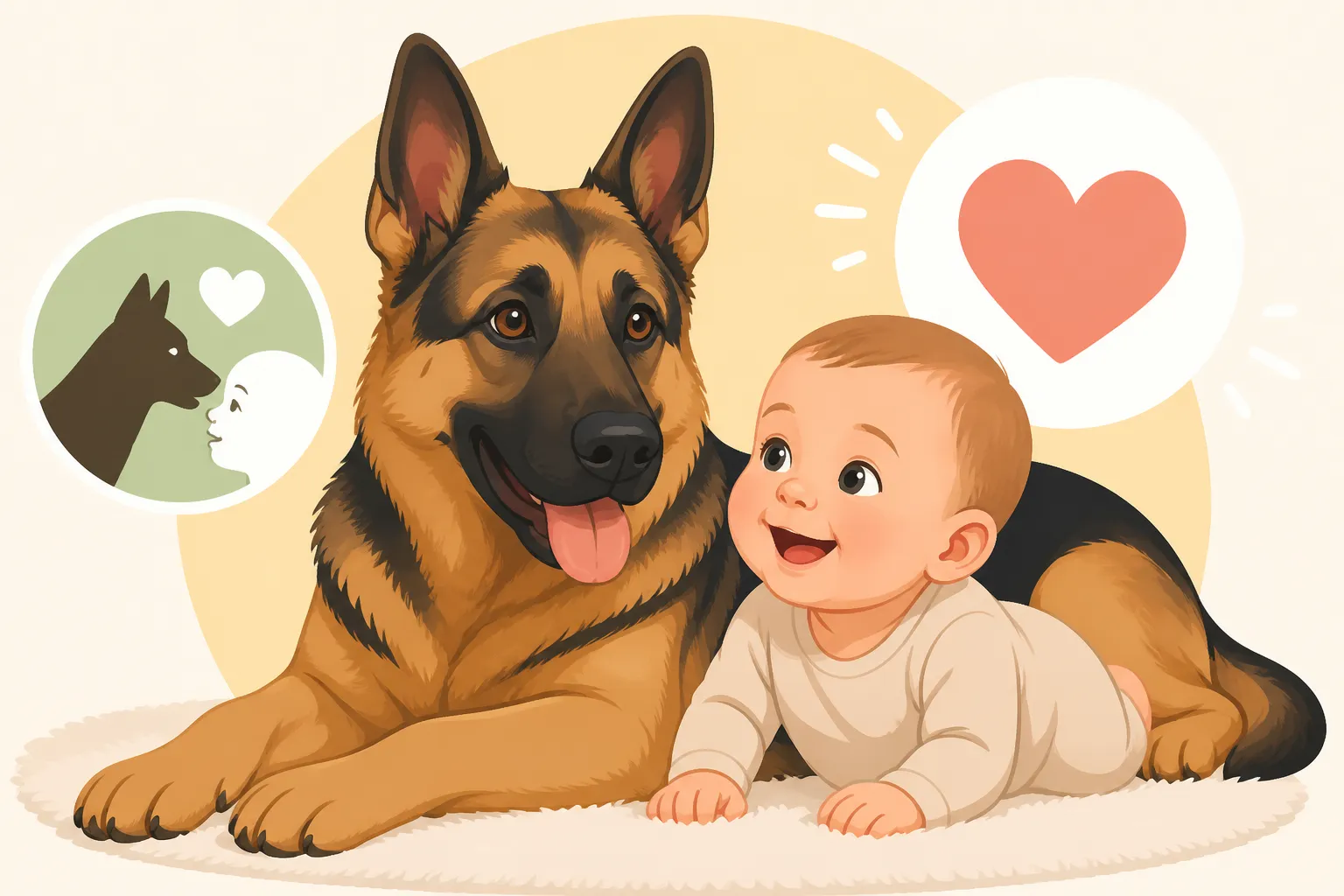
Are German Shepherds Good with Babies
Bringing a new baby home is one of life's most exciting, and often most nerve-wracking, experiences. For German Shepherd owners, a common concern quickly emerges: "Are German Shepherds good with babies?" You might worry about their protective instincts, their size, or how their energy will blend with the delicate new addition. This guide aims to thoroughly address these anxieties, offering practical advice and a realistic perspective on integrating your beloved German Shepherd with your new infant, ensuring a safe and harmonious home for everyone.
Understanding the German Shepherd Temperament Around Children
German Shepherds are renowned for their loyalty, intelligence, and protective nature. These traits, while highly desirable in a family pet, can sometimes raise questions when a newborn enters the picture. It's crucial to understand these inherent characteristics and how they manifest when introducing a baby.
Natural Instincts and Protective Nature
German Shepherds were originally bred as herding dogs, which means they have a strong innate desire to watch over and protect their "flock" – in this case, your family. This protective instinct is a double-edged sword when it comes to babies. On one hand, it means your German Shepherd will likely see your child as a member of their pack to be guarded. On the other hand, this protectiveness can sometimes be misdirected or become overbearing if not properly managed. They might become overly vigilant, seeing normal baby cries or even visitors as potential threats, which can lead to unwanted behaviors like barking or territorial displays.
It's important to differentiate between healthy protectiveness and resource guarding or aggression. A well-adjusted German Shepherd should be protective in a calm, observant way, not an anxious or reactive one. Their large size and powerful build mean that even an accidentally clumsy movement can be overwhelming for an infant, so understanding and channeling their instincts through consistent training is paramount. For example, a German Shepherd might naturally place themselves between a stranger and the baby, which is a wonderful display of their loyalty, but you want to ensure they don't escalate to snapping or growling if the "threat" is merely a friendly aunt trying to peek into the crib.
Socialization is Key
The foundation for a German Shepherd being good with babies truly lies in their early and ongoing socialization. A dog that has been exposed to a wide variety of sights, sounds, people, and experiences from puppyhood is far more likely to adapt positively to new situations, including the arrival of a baby. If your German Shepherd puppy has been exposed to children of various ages, loud noises, and different environments, they'll be less likely to be startled or anxious when a crying baby or new baby equipment appears.
Proper socialization means not just exposure, but positive exposure. If your German Shepherd has only had negative or limited interactions with children, it's a much steeper hill to climb. A German Shepherd who has been routinely exposed to calm children, learning that kids often make sudden movements or high-pitched noises but are not a threat, will typically be more tolerant and relaxed. This process doesn't stop once they're adults; continued positive exposure and reinforcement will ensure they remain well-adjusted. Think about how you introduce them to new adult friends; the same principles apply, but with much greater care and control, when it comes to babies. Read more about How to Socialize a German Shepherd for a deeper dive.
Essential Steps for Introducing Your German Shepherd to a Baby
The arrival of a new baby is a monumental life event, and it will undeniably shake up your German Shepherd's routine. Careful planning and a gradual, controlled introduction are vital to ensuring a smooth transition and building a positive relationship between your dog and your child.
Preparation Before the Baby Arrives
Long before the baby comes home, start preparing your German Shepherd. This isn't just about getting them used to the idea, but actively reshaping their routine and environment to mimic what life will be like with a newborn.
- Introduce Baby Scents and Sounds: Start playing recordings of baby sounds (crying, cooing, giggling) at low volumes, gradually increasing them. Let your dog sniff baby lotions, powders, and even a used baby blanket or outfit that a friend's baby has worn. This helps normalize these novel stimuli. You can find many baby-related items, like specific baby-safe cleaning products, on sites like Chewy that will carry these distinct scents.
- Adjust Routines: Babies mean unpredictable schedules. Begin altering your German Shepherd's feeding times, walk times, and playtime gradually. If they're used to getting attention on demand, start incorporating periods where they need to entertain themselves or be ignored. This helps them adjust to potentially less immediate attention once the baby arrives.
- Establish Boundaries: Set up baby gates, restrict access to certain rooms (like the nursery), and practice having your dog stay on their bed or in their crate for longer periods. This teaches them boundaries and prepares them for times when they can't be directly involved with the baby. Use treats and praise to make these new boundaries positive experiences. This is also a good time to revisit German Shepherd Obedience Training Basics.
- Reinforce Basic Commands: Your "sit," "stay," "down," and "leave it" commands will be invaluable. Practice them diligently, especially in distracting environments. A solid "stay" can literally be a lifesaver when you need to quickly pick up a dropped pacifier without your German Shepherd getting there first.
The First Introduction
The first meeting between your German Shepherd and your newborn should be calm, controlled, and positive. Avoid any high-energy or stressful situations.
- Bring Home a Scented Item First: Before the baby physically arrives, have someone bring a blanket or article of clothing the baby has worn in the hospital home for your German Shepherd to sniff. Allow them to investigate it calmly, praising them for gentle curiosity. This allows them to become familiar with the baby's unique scent in a low-pressure environment.
- The Calm Entry: When you first come home with the baby, have someone else take the baby into a separate room while you greet your German Shepherd alone. This allows them to get out their initial excitement about your return without associating it directly with the baby. Once they've settled, leash your German Shepherd and bring them into the same room as the baby.
- Controlled Interaction: Keep your German Shepherd on a leash during the first few introductions. Allow them to approach the baby slowly, if they choose, and sniff gently while the baby is being held by an adult. Do not force interaction. Praise and reward calm behavior with high-value treats. Keep the initial interactions short and sweet. The goal is positive association, not overwhelming them.
Ongoing Supervision and Training
The introduction is just the beginning. The real work lies in consistent, ongoing supervision and training to foster a safe and loving relationship.
- Never Leave Them Unattended: This is the golden rule. Even the most trustworthy German Shepherd should never be left alone with a baby, not even for a second. Accidents can happen in an instant, even with the best intentions. Baby gates and crates are your friends.
- Positive Reinforcement: Always reward calm and gentle behavior around the baby. If your German Shepherd lies quietly near the baby, or ignores a cry, offer a treat or quiet praise. Associate the baby's presence with good things. You can find excellent training treats on Chewy that your German Shepherd will love.
- Create Safe Spaces: Ensure your German Shepherd has their own designated safe space, like a comfortable crate or bed in a quiet area, where they can retreat when they need a break from the baby's noise or activity. This is vital for their mental well-being and prevents them from becoming overwhelmed.
- Include Your Dog: While the baby will take up a lot of your time, make an effort to include your German Shepherd in gentle family activities. Taking walks together, or having quiet cuddle time when the baby is sleeping, reinforces their place in the family and helps prevent feelings of displacement.
Common Challenges and How to Address Them
Even with the best preparation, integrating a German Shepherd with a new baby can present challenges. Being proactive and understanding potential issues will help you navigate them successfully.
Jealousy and Attention-Seeking Behaviors
It's completely natural for your German Shepherd to feel a shift in attention with a new baby. They were once the center of your universe, and now a tiny human is demanding most of your time and energy. This can manifest as jealousy or attention-seeking behaviors, which can range from mild annoyance to more concerning actions.
- Signs of Jealousy: These might include nudging you for attention when you're holding the baby, increased barking, destructive chewing (especially on baby items), inappropriate urination, or even trying to get between you and the baby. Some German Shepherds might regress in their training, seemingly "forgetting" commands they once knew perfectly.
- Management and Prevention:
- "Baby = Good Things": Never punish your dog for showing interest in the baby. Instead, redirect and reward. When you're feeding or changing the baby, give your German Shepherd a long-lasting chew toy or a treat-filled puzzle. This helps them associate the baby's presence with positive rewards.
- Proactive Attention: Don't wait for your German Shepherd to act out to give them attention. Schedule dedicated playtime, training sessions, and walks before they demand it. Even five minutes of focused interaction can make a big difference.
- No Negative Association: Avoid making your dog feel like the baby is the reason they are being reprimanded or ignored. If you need to correct behavior, do so neutrally and redirect them, rather than associating the correction directly with the baby's presence.
Startle Response and Over-Excitement
Babies make unpredictable noises and movements. A sudden cry, a flailing arm, or a dropping toy can easily startle a German Shepherd, potentially leading to an exaggerated reaction. Similarly, a naturally excitable German Shepherd might view the baby's movements as an invitation to play, which can be dangerous given their size.
- Understanding the Response: A startled dog might jump, bark loudly, or even try to run away. An over-excited German Shepherd might jump up, mouth, or try to herd the baby. While these might not be aggressive, their sheer power can inadvertently cause harm.
- Management and Prevention:
- Desensitization: As mentioned earlier, playing baby sounds helps. Also, gently expose your dog to baby movements. For example, if your baby is starting to kick or wave their arms, ensure your German Shepherd is calmly observing from a distance with you present, rewarding their calm demeanor.
- Energy Outlets: A tired German Shepherd is a good German Shepherd. Ensure they are getting plenty of physical exercise and mental stimulation daily. Long walks, fetch sessions, or puzzle toys can burn off excess energy that might otherwise lead to over-excitement indoors. Chewy offers a wide selection of durable toys perfect for German Shepherds. German Shepherd Exercise Requirements are significant and need to be met even with a baby in the house.
- Controlled Proximity: Always supervise interactions. If your German Shepherd shows signs of being overwhelmed or overly excited, calmly remove them from the situation and direct them to their safe space.
Protecting the Baby's Space
German Shepherds have strong guarding instincts, and while admirable, this can sometimes extend to guarding the baby's immediate area, even from family members. This resource guarding behavior around the baby needs careful management to prevent any unfortunate incidents.
- Recognizing Guarding: This might look like growling or stiffening when someone approaches the crib or bassinet, placing their body between the baby and another person, or trying to prevent someone from picking up the baby. It's their natural instinct to protect what they perceive as their "possession" or "charge."
- Management and Prevention:
- No Access to Crib/Bassinet: From the start, prevent your German Shepherd from jumping into the crib or sleeping in the baby's bassinet. These are strictly human-only zones. Use baby gates to enforce these boundaries.
- Teach "Leave It": This command is crucial. Practice "leave it" with toys, food, and even with the baby's items. You need to be able to tell your dog to disengage from anything, including the baby's space, if necessary.
- Controlled Interactions: When family members approach the baby, especially if your German Shepherd is nearby, ensure they do so calmly and openly. If your dog shows any signs of guarding, gently redirect them away and reward them for moving to their spot. You want your dog to understand that you are in charge of protecting the baby, not them. Consistent training, as outlined in How to Train a German Shepherd, is vital here.
Creating a Safe and Harmonious Environment
The ultimate goal is a home where both your German Shepherd and your baby can thrive safely and happily. This involves clear rules, consistent enforcement, and meeting both your dog's and your baby's needs.
Establishing Boundaries and Rules
Clear boundaries and consistent rules are paramount. Dogs thrive on routine and knowing what's expected of them. For a German Shepherd, a lack of clear rules can lead to confusion and potential problems, especially with a new, unpredictable family member like a baby.
- "Place" Command: Teach your German Shepherd a strong "place" command, instructing them to go to a designated bed or mat and stay there until released. This is invaluable when you need to change a diaper, feed the baby, or simply have quiet time without your dog underfoot. Practice this command regularly, rewarding them generously for staying.
- No Jumping on Furniture: If your German Shepherd is allowed on furniture, now is the time to reconsider, at least for the main living areas where the baby will spend time. A large dog jumping onto a couch where a baby is sleeping in a bassinet can be dangerous. Consistency is key – if they're not allowed on the couch for baby safety, they should never be allowed.
- Designated "Baby-Free" Zones: Use baby gates to create physical barriers. The nursery, for instance, should ideally be a German Shepherd-free zone unless you are actively supervising a brief, controlled interaction. This gives the baby a safe haven and your German Shepherd a clear understanding of where they are and aren't allowed.
- Teach Respect for Baby Items: Your German Shepherd should understand that baby toys, blankets, and clothing are not theirs. Teach "leave it" rigorously with these items. If they pick up a baby toy, calmly take it away without drama and redirect them to their own toys, perhaps even a new durable chew toy from Chewy.
| Behavior to Encourage | Action to Take | Behavior to Discourage | Action to Take |
|---|---|---|---|
| Calmly observing baby | Reward with praise/treats | Excessive barking at baby | Redirect, ignore if possible, address cause |
| Resting in designated "place" | Provide high-value chew/toy | Jumping on furniture near baby | Consistent "off" command, use gates |
| Gentle sniffing of baby's foot | Supervise closely, quiet praise | Mouthing or nipping at baby/clothes | Immediate, calm interruption, redirection |
| Ignoring baby's cries | Provide distraction (Kong) | Resource guarding (e.g., crib) | Assert parental control, remove dog |
| Walking calmly with stroller | Reward gentle leash manners | Pulling on leash near stroller | Practice loose-leash walking separately |
Providing Outlets for German Shepherd Energy
A bored or under-exercised German Shepherd is a recipe for trouble, especially in a household with a baby. Their high energy levels and intelligence demand consistent physical activity and mental stimulation. Failing to provide these outlets can lead to destructive behaviors, anxiety, and a higher likelihood of problematic interactions with the baby.
- Daily Physical Exercise: Despite how exhausted you might be with a newborn, your German Shepherd still needs their walks, runs, or active playtime. If you can't manage long walks every day, consider hiring a dog walker or enlisting family help. A tired dog is generally a calm dog. Remember that German Shepherds need substantial exercise to be well-behaved family members. German Shepherd Exercise and Grooming Routine is critical for their well-being.
- Mental Stimulation: German Shepherds are highly intelligent and need their minds engaged. Puzzle toys, interactive feeders, scent work, and short training sessions throughout the day can be incredibly effective. Even 10-15 minutes of mental work can be as tiring as a long walk. Consider incorporating new commands or tricks into your routine to keep their brains active.
- Dedicated Playtime: Make sure your German Shepherd still gets dedicated, one-on-one playtime with you. This could be a game of fetch in the backyard, a tug-of-war session, or just some focused belly rubs. This special time reinforces your bond and helps them feel loved and not forgotten amidst the baby chaos.
- Chew Toys: Provide a variety of appropriate chew toys. German Shepherds love to chew, and providing healthy outlets for this natural behavior can prevent them from chewing on inappropriate items, like baby toys or furniture. Rotate their toys to keep them interesting. You can find a vast selection of durable chew toys suitable for a German Shepherd on Chewy.
In conclusion, German Shepherds can be wonderful with babies, but it's not a given. It requires immense dedication, proactive training, careful management, and consistent supervision from the owners. With the right approach, your loyal German Shepherd can become a gentle, protective guardian and a beloved family member to your little one.
Disclaimer
This article is for general informational purposes only and does not constitute professional advice. Laws, prices and regulations vary by location and change over time. Consult a qualified professional for guidance on your specific situation.