Miniature German Shepherd: Traits, Facts, and Care
Many people adore the German Shepherd's loyal, intelligent, and protective nature but find their formidable size a bit intimidating for smaller homes or less experienced owners. This desire for a scaled-down version often leads people to search for a "Miniature German Shepherd," hoping for all the beloved traits in a more compact package. However, the reality behind this term is a bit more complex than just a smaller purebred. This guide will delve into what a "miniature German Shepherd" truly means, exploring the traits, care, and facts surrounding these smaller variations and helping you understand if one might be the right fit for your family.
What Is a Miniature German Shepherd, Really?
Let's clear the air right off the bat: there isn't an officially recognized breed called the "Miniature German Shepherd." When people use this term, they're generally referring to one of a few scenarios, none of which involve a purebred German Shepherd that naturally stays significantly smaller than the breed standard. It's a common misconception, often fueled by well-meaning but misinformed breeders or online listings. Understanding the true nature of what you're seeing advertised as "miniature" is crucial for making an informed decision and avoiding potential heartbreak down the line.
Understanding the "Miniature" Misnomer
The term "miniature" is typically applied to breeds that have been deliberately bred down in size over generations, like Miniature Poodles or Miniature Schnauzers. This process involves careful selection of smaller individuals within a breed to eventually establish a smaller version that still conforms to the breed standard in every other way. This has simply not happened with German Shepherds. The German Shepherd Dog breed standard is very clear on size, and intentionally breeding for significantly smaller specimens is generally frowned upon by reputable breeders as it can lead to health issues and dilute the breed's working capabilities and overall integrity.
So, when you encounter a "Miniature German Shepherd," it's usually one of two things: either it's a German Shepherd mix, or it's a purebred German Shepherd that is significantly undersized due to genetics, poor nutrition, or health issues. Neither of these scenarios constitutes a recognized "miniature" version of the breed. It's important to approach any such claims with a healthy dose of skepticism and do your homework thoroughly to understand the dog's true origins and potential genetic makeup.
Common Crossbreeds Often Mistaken
More often than not, what's marketed as a "Miniature German Shepherd" is actually a designer crossbreed. These dogs are typically the result of breeding a German Shepherd with a smaller dog breed. The goal is to combine some of the German Shepherd's desirable traits with the smaller stature of another breed. While these mixes can be wonderful dogs, they are not purebred German Shepherds and their traits can be quite unpredictable.
Some common breeds used in these crosses to achieve a "miniature" size include Beagles, Corgis, Poodles (resulting in a "Sheepadoodle" if crossed with a Standard Poodle, but smaller Poodles could lead to smaller mixes), or even smaller terrier breeds. The resulting puppies can inherit a mix of physical and temperament traits from both parents, making it difficult to predict their adult size, coat type, or personality. For example, a German Shepherd mixed with a Corgi might have the Shepherd's loyalty but the Corgi's short legs and herding instinct, or it might inherit a less desirable combination. Understanding these potential outcomes is part of being a responsible owner, and it's important to remember that such a dog would need its own specific care considerations. For those interested in purebred German Shepherds, learning about the full spectrum of their characteristics is key, as detailed in our comprehensive German Shepherd Breed Guide.
Why the Desire for Smaller German Shepherds?
The appeal of a "Miniature German Shepherd" is understandable, stemming from several practical and emotional reasons. For many, the iconic look and intelligent demeanor of a German Shepherd are incredibly attractive, but the practicalities of a large, high-energy dog can be daunting. A smaller size often implies less space needed, potentially lower food costs, and easier handling for individuals who might not be able to manage a full-grown 70-90 pound dog.
Furthermore, some people live in apartments or homes with smaller yards, where a full-sized German Shepherd might struggle to get adequate exercise without significant owner dedication. The idea of a "mini" version offers a perceived solution to these space constraints. There's also the element of perceived cuteness; smaller versions of large breeds often evoke a strong emotional response. However, it’s crucial to remember that a dog's physical size doesn't always dictate its exercise needs or temperament. A smaller dog can still have the intense drive and energy of its German Shepherd parent, requiring substantial mental and physical stimulation to prevent behavioral issues. This is why it's so important to understand German Shepherd Temperament and Personality regardless of their size.
Key Traits and Characteristics
When you're considering a dog advertised as a "Miniature German Shepherd," you're stepping into a world where traits can be a grab bag, especially if it's a crossbreed. Unlike a purebred German Shepherd where you can generally predict size, coat, and temperament based on breed standards and pedigree, a "miniature" version (which, again, is likely a mix or undersized purebred) introduces a lot more variables. This section will explore what you might realistically expect in terms of physical appearance, temperament, and potential health issues.
Physical Appearance
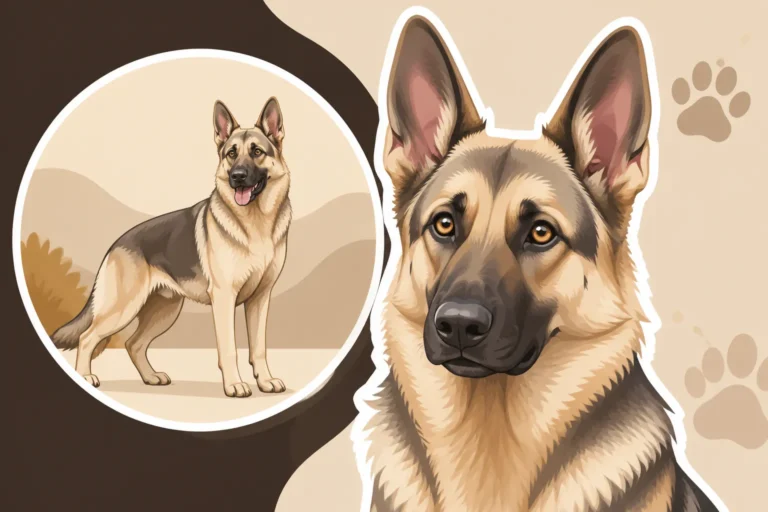
The most defining characteristic of a "miniature" German Shepherd is, naturally, its smaller size compared to the standard. A typical purebred German Shepherd male stands around 24-26 inches tall at the shoulder and weighs between 65-90 pounds, with females slightly smaller. A "miniature" version might range anywhere from 18-22 inches tall and weigh 30-55 pounds. This range is highly dependent on what breeds were used in a cross, or the specific genetic factors if it's an undersized purebred.
The coat can vary significantly. If it's a mix, the coat might be short like a German Shepherd, wiry like a terrier, or even wavy if a Poodle is involved. Colors could also span beyond the traditional black and tan, sable, or solid black of purebred Shepherds. You might see more unique patterns or colors from the other parent breed. The build might be more delicate, or it could still retain some of the powerful, athletic structure of a German Shepherd, just on a smaller scale. It's essential to see the parents if possible to get a better idea of what the adult dog might look like.
Temperament and Behavior
This is where the unpredictability of a "miniature" crossbreed really comes into play. If it's an undersized purebred German Shepherd, you'd generally expect the core German Shepherd Temperament and Personality to shine through: intelligent, loyal, confident, and protective. However, an undersized dog might also be more prone to nervousness or fear if its small stature is a result of poor breeding or early life experiences.
With a crossbreed, the temperament will be a blend of both parent breeds. For example, a German Shepherd-Beagle mix might be very vocal and have a strong scent drive, combined with the Shepherd's guardian instincts. A German Shepherd-Corgi mix might be intelligent and active, with a strong desire to herd. You could get the best of both worlds, or a challenging combination of traits. It's crucial to understand the typical temperaments of all breeds involved in the mix to anticipate potential behaviors. Early socialization and consistent training, as outlined in our German Shepherd Puppy Training Guide, are paramount, regardless of their size or exact breed mix, to help shape a well-adjusted companion.
Health Concerns Specific to "Mini" Types
While the intention behind a "miniature" German Shepherd might be to avoid some of the larger breed health issues like hip and elbow dysplasia, the reality can be more complicated. If the dog is an undersized purebred, it may still be prone to the same German Shepherd Health Problems Guide as its larger counterparts, sometimes even exacerbated if poor breeding practices were involved in achieving the smaller size. The genetic predisposition to conditions like degenerative myelopathy or certain cancers wouldn't necessarily disappear with a smaller stature.
For crossbreeds, the health concerns become a mix. The dog might inherit conditions common to German Shepherds and conditions common to the other parent breed. For instance, a German Shepherd-Poodle mix could still be at risk for hip and elbow issues from the Shepherd side, while also being susceptible to conditions like Addison's disease or bloat from the Poodle side. It's a complex genetic lottery. Always ask about the health testing of both parent dogs if you are considering a crossbreed, and remember that German Shepherd Genetic Health Testing is a critical step for any responsible breeder to undertake, irrespective of the dog's eventual size.
Care and Considerations for "Mini" German Shepherds
Caring for any dog requires dedication, but when you're dealing with a "Miniature German Shepherd" – which, again, is likely a mix or an undersized purebred – you need to be prepared for a range of potential needs. Their care might deviate from a standard German Shepherd in some ways, but in others, they will require just as much attention and understanding as their larger cousins. It's not just about their smaller size; it's about their unique blend of genetics and inherited predispositions.
Nutritional Needs and Feeding
Even if your "mini" German Shepherd is smaller, their nutritional needs will still be robust, especially if they carry the high energy levels typical of the breed. They will likely need a high-quality dog food formulated for active, medium-sized breeds, rather than a small-breed formula designed for tiny dogs like Chihuahuas. The protein content should be adequate to support muscle development, and the food should contain appropriate levels of fats, vitamins, and minerals.
You'll need to pay close attention to their weight, as smaller dogs can sometimes be prone to obesity if overfed, putting strain on their joints. Consult your vet to determine the appropriate portion sizes and feeding schedule. Just like their full-sized relatives, some "mini" German Shepherds might have sensitive stomachs, so finding the Best Dog Food for German Shepherds that suits them can involve some trial and error. Many owners find great success exploring options from reputable brands available on platforms like Chewy, which offer a wide selection to cater to various dietary needs. Always check the ingredients list and choose foods with real meat as the primary ingredient. For more detailed guidance, our article on How Much to Feed a German Shepherd provides excellent general advice that can be adapted for a smaller but still energetic dog.
Exercise and Mental Stimulation
Never assume that a smaller stature means less need for exercise! This is one of the biggest misconceptions when considering a "miniature" German Shepherd. If your dog has significant German Shepherd genetics, they will still possess a high drive for activity and mental engagement. These dogs were bred to work, and that inherent drive doesn't disappear just because they're a few inches shorter. They need daily, vigorous exercise – think long walks, runs, challenging games of fetch, and structured play sessions.
Beyond physical exercise, mental stimulation is equally critical. German Shepherds are incredibly intelligent and thrive on having a job to do. This could involve puzzle toys, obedience training, scent work, or even agility, scaled down for their size. Without adequate mental engagement, a "mini" German Shepherd can become bored, destructive, or develop behavioral issues. Think of it as satisfying their intelligent minds; a bored German Shepherd, regardless of size, is often a mischievous one. Finding engaging toys and training tools is easy on sites like Chewy, which provides a vast array of options to keep them entertained and mentally sharp. These dogs need a lot of interaction, so understanding their German Shepherd Exercise Requirements is crucial.
Grooming and Maintenance
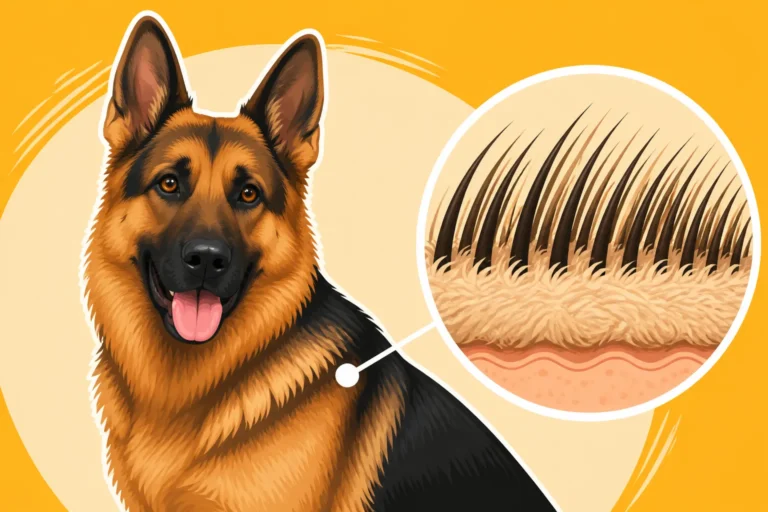
Grooming needs for a "miniature" German Shepherd will depend heavily on their coat type, which, as discussed, can vary greatly if it's a mix. If your dog inherits the classic German Shepherd double coat, expect shedding, particularly during seasonal "blow outs." This means regular brushing (multiple times a week, daily during shedding seasons) is essential to manage loose hair, prevent mats, and keep their skin healthy. You'll also need to consider baths (as needed, typically every few weeks to months) and nail trims.
If the "mini" German Shepherd is mixed with a breed that has different grooming needs, such as a Poodle with its non-shedding but constantly growing coat, then professional grooming might be a regular necessity. Regardless of coat type, consistent ear cleaning, teeth brushing, and checking for skin irritations are vital. Good dental hygiene is often overlooked but critical for overall health, so reviewing resources like German Shepherd Dental Care Explained can be very beneficial. Stocking up on brushes, shampoos, and nail clippers can be easily done through online pet supplies retailers like Chewy.
Are They Right for You?
Deciding whether a "Miniature German Shepherd" is the right addition to your life is a significant decision that goes beyond just falling in love with a cute, smaller dog. It requires a realistic assessment of your lifestyle, living situation, and what you're truly looking for in a canine companion. Since "miniature German Shepherd" isn't a true breed, you're essentially looking at a mixed breed or an undersized purebred, each with its own set of considerations.
Pros and Cons of Owning a "Mini" German Shepherd
It's helpful to weigh the potential benefits against the challenges before committing. Here's a table to give you a quick overview, keeping in mind that actual traits can vary widely:
| Feature | Potential Pros (often perceived) | Potential Cons (realistic considerations) |
|---|---|---|
| Size | More manageable for smaller living spaces; easier to transport | Can still have high energy/drive of GSD; not necessarily apartment-friendly |
| Temperament | May inherit loyalty, intelligence of GSD | Unpredictable mix of traits from both parent breeds; could be nervous |
| Exercise Needs | Might seem lower due to size | Often as high as a full-sized GSD, requiring significant dedication |
| Health | Might avoid some large-breed joint issues (not guaranteed) | Susceptible to health issues from both parent breeds; potential poor breeding |
| Availability | Easier to find in rescues (mixes); niche breeders | Can be difficult to verify lineage/health if not from reputable source |
| Cost | Potentially lower initial purchase than a purebred GSD (for mixes) | Ongoing costs for food, vet care, training still significant |
As you can see, the "pros" are often perceptions that might not hold true in reality. The unpredictability of a mixed breed means you might not get the temperament or health profile you anticipate. If you're hoping for a German Shepherd with a guarantee of smaller size and fewer health issues, you might be setting yourself up for disappointment. It's more accurate to consider it as owning a unique mixed breed with German Shepherd heritage.
Finding a Reputable Source
If you're still set on finding a smaller German Shepherd type dog, the absolute most critical step is finding a reputable source. Because "Miniature German Shepherds" are not a recognized breed, you won't find legitimate breeders adhering to strict breed standards. This makes it a prime area for unethical backyard breeders and puppy mills looking to cash in on a trend. These breeders often pay little attention to health, temperament, or genetic testing, leading to dogs with significant health problems or behavioral issues.
Instead, look for rescues or shelters where you might find German Shepherd mixes that happen to be smaller. Many wonderful dogs are waiting for homes, and often, rescue organizations have a good understanding of a dog's history and temperament. If you do find someone selling "Miniature German Shepherds," ask copious questions: what breeds are in the mix? Can you meet both parents? What health testing has been done on both parents (not just genetic screening, but OFA/PennHIP clearances, etc.)? Any responsible breeder, even of a mixed breed, should be transparent about their dogs' health and lineage. Be wary of anyone who cannot provide clear answers or documentation, as this is a major red flag that indicates you might be supporting an irresponsible breeding operation. Ultimately, making sure Is a German Shepherd Right for You covers more than just their size; it's about the entire commitment.
Disclaimer
This article is for general informational purposes only and does not constitute professional advice. Laws, prices and regulations vary by location and change over time. Consult a qualified professional for guidance on your specific situation.