How Big Do German Shepherds Get
One of the biggest questions new German Shepherd owners grapple with is, "Just how big will my puppy get?" It's a valid concern, as these majestic dogs can vary significantly in size, and understanding their growth trajectory is crucial for everything from diet planning to ensuring proper exercise. This comprehensive guide will walk you through everything you need to know about German Shepherd size, growth patterns, and the factors that influence their ultimate stature.
Understanding German Shepherd Growth: What to Expect
Bringing home a German Shepherd puppy is an exciting time, but it also comes with a lot of questions about their development. You watch them grow seemingly overnight, and it’s natural to wonder when they’ll stop and what their final size will be. It's not always a linear process; there are distinct phases to their growth that every owner should be aware of.
The Rapid Puppy Phase
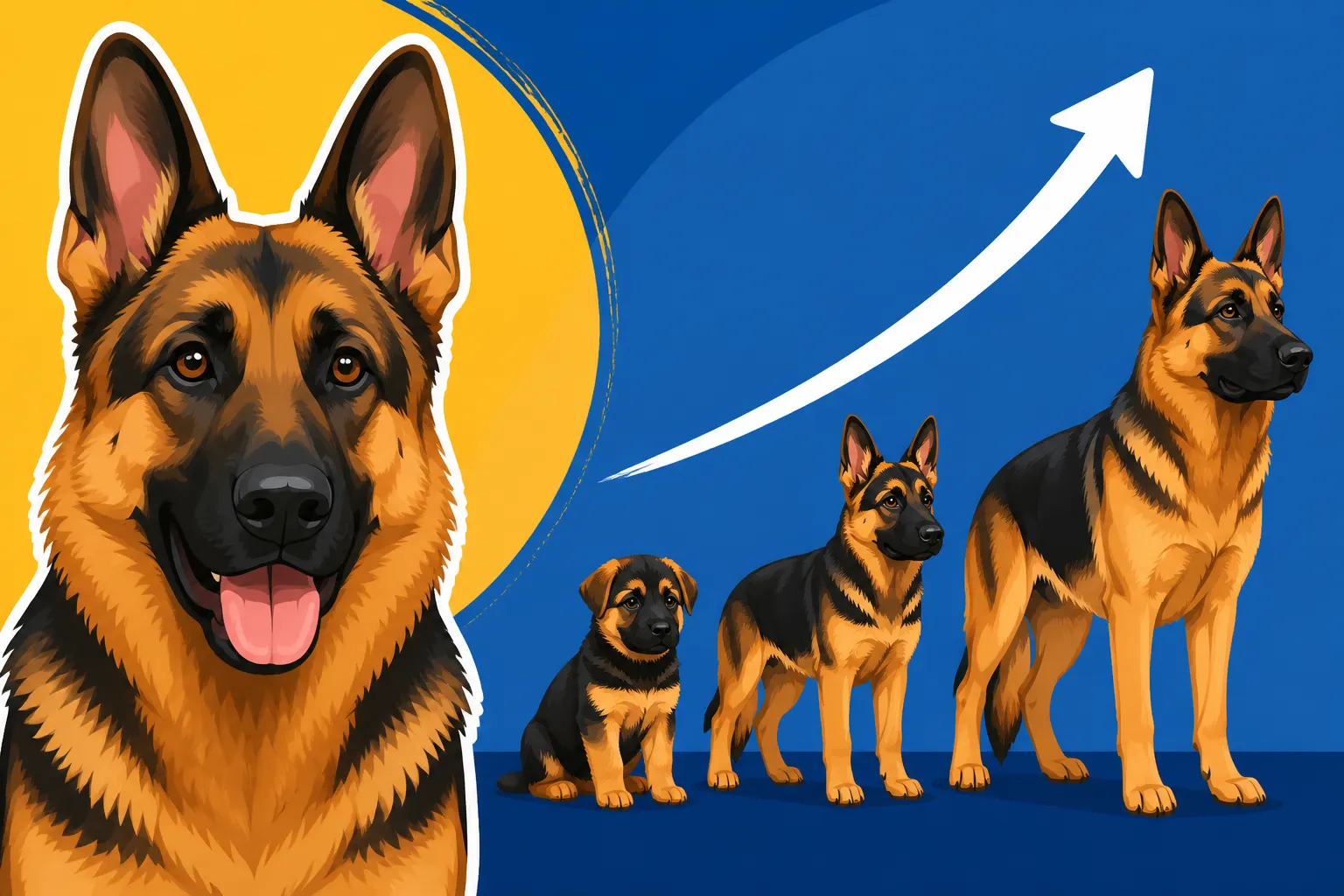
The first few months of a German Shepherd puppy's life are characterized by incredibly rapid growth. They are like little sponges, soaking up nutrients and expanding at an astonishing rate. You'll literally see changes in their size week to week, sometimes even day to day. During this period, their bones are lengthening quickly, and they're gaining weight at a fast pace. It's easy to get carried away with how cute and tiny they are, but remember that the foundations for their adult health, especially their joints, are being laid right now. Proper nutrition is paramount, providing a balanced diet specifically formulated for large breed puppies to support this intense development without over-stressing their growing bodies. You can find many suitable large-breed puppy foods on platforms like Chewy, which cater to their specific needs.
The Awkward Adolescent Stage
Around 6 months and extending well into their first year, German Shepherds often enter what many owners affectionately call their "awkward phase." Their bodies grow unevenly; sometimes their legs seem too long for their body, or their head appears a little too big. They might look gangly and uncoordinated, almost like a teenager who hasn't quite grown into their limbs yet. This stage can be a bit frustrating for owners who expect a perfectly proportioned dog, but it's a completely normal part of their development. Their growth plates are still open, and their skeletal structure is continuing to develop. Patience is key during this time, along with continued appropriate exercise that doesn't put excessive strain on their developing joints. Remember, their minds are also developing rapidly, making it a great time for continued training and socialization. For more insights into their overall development, check out our German Shepherd Breed Guide.
Reaching Adult Stature
While their skeletal growth largely finishes by 12 to 18 months, don't be surprised if your German Shepherd continues to "fill out" for another year or so. This means they'll add muscle mass, broaden their chest, and generally look more substantial and powerful. A dog might reach its full height at 12-15 months, but won't achieve its full adult weight and muscle definition until closer to two or even three years of age. This "filling out" phase is particularly noticeable in males, who tend to be larger and more muscular than females. It's a period where their athleticism truly shines through, provided they've had proper nutrition and exercise throughout their younger years. Many owners notice a significant difference in their dog's physique between 18 months and two and a half years old, as they transition from a lanky adolescent into a powerful, adult German Shepherd.
Factors Influencing German Shepherd Size
It's tempting to think that all German Shepherds will reach a predictable size, but several factors play a significant role in determining how large your individual dog will become. Understanding these influences can help you anticipate your dog's growth and make informed decisions about their care.
Genetics and Lineage
The genetic blueprint inherited from your puppy's parents is, without a doubt, the most significant factor in their eventual size. Just like humans, puppies tend to take after their parents. If both parents are on the smaller side of the breed standard, it's likely their offspring will be too. Conversely, if you have a puppy from two large, well-built German Shepherds, you can generally expect a larger adult dog. There are also differences between different lines of German Shepherds. For example, some working lines might be slightly more compact and agile, while certain show lines might be bred for a larger, more substantial appearance. This is why a reputable breeder will be transparent about the size and health history of their breeding stock. Understanding the nuances of Working Line vs Show Line German Shepherd can give you a better idea of what to expect in terms of general size trends.
Nutrition and Diet
What you feed your German Shepherd, especially during their crucial growth phases, directly impacts their development. High-quality dog food formulated for large breed puppies is essential. These diets are specifically designed to support steady, controlled growth, preventing them from growing too quickly, which can put undue stress on their developing joints. Overfeeding or feeding a diet too rich in protein and calcium can actually be detrimental, contributing to skeletal issues like hip and elbow dysplasia later in life. On the other hand, underfeeding or feeding a poor-quality diet can stunt their growth and lead to nutritional deficiencies. It's a delicate balance. Always follow the feeding guidelines provided by your vet or the food manufacturer, adjusting as your puppy grows and their activity levels change. Places like Chewy offer a wide selection of large breed puppy formulas from trusted brands. For more detailed guidance, see our German Shepherd Puppy Feeding Schedule.
Exercise and Activity Levels
Exercise is crucial for a German Shepherd's overall health and development, but how much and what kind of exercise can influence their growth. During puppyhood, controlled exercise is key. Excessive, high-impact activities like long-distance running, intense jumping, or repetitive retrieves on hard surfaces can be harmful to still-developing growth plates. These plates are soft cartilage that eventually harden into bone, and injury to them can lead to lifelong issues or even affect bone length. Instead, focus on moderate, age-appropriate play and short walks. As they mature and their growth plates close (typically around 12-18 months), you can gradually increase the intensity and duration of exercise. Sufficient exercise helps build strong muscles and supports healthy joint development, contributing to a well-proportioned and robust adult dog. It's vital to understand How Much Exercise Is Too Much for a Puppy to prevent damage.
Spay/Neuter Timing
While not as widely discussed, the timing of spaying or neutering can also play a role in a German Shepherd's growth. Hormones, specifically estrogen and testosterone, are involved in the closure of growth plates. When a dog is spayed or neutered before their growth plates have naturally closed, it can delay this process. This delay might result in longer bones, making the dog slightly taller than they would have been otherwise, but also potentially leading to a more gangly build and altered joint angles. While the exact impact is still a topic of ongoing research and debate among veterinary professionals, many now recommend waiting until a large breed dog like a German Shepherd is closer to skeletal maturity (around 12-18 months) before spaying or neutering, especially for males. Discuss this important decision with your veterinarian to weigh the pros and cons for your individual dog.
German Shepherd Growth Milestones by Age
Watching your German Shepherd puppy grow is a journey filled with milestones. From tiny bundles of fluff to impressive adults, their development is fascinating. Knowing what to expect at different ages can help you ensure they're growing healthy and strong.
Puppyhood: 0-6 Months
This is the period of explosive growth! German Shepherd puppies gain weight and height rapidly in these first six months. They are born small and vulnerable, but quickly transform. By 8 weeks, when many puppies go to their new homes, they are already active and curious. Their paws might look disproportionately large, hinting at the size they'll eventually reach. It's during this time that they need precise nutrition – a large breed puppy food designed to support their fast but controlled growth. Overfeeding them during this critical stage can lead to problems, so stick to recommended portion sizes. Socialization is also paramount in these early months to ensure they grow into well-adjusted adults, even as their bodies are changing so much. By six months, your German Shepherd puppy will be a significantly larger, more active dog, but still very much a baby in terms of mental maturity and full physical development.
Adolescence: 6-18 Months
During this adolescent phase, your German Shepherd will continue to grow, though the rate will begin to slow down compared to their early puppy months. They'll gain height, and their bones will continue to lengthen. You might notice them looking a bit "leggy" or awkward as different parts of their body grow at varying speeds. Many German Shepherds will reach close to their adult height by 10-12 months, but they will still be quite lean. This is the period where their skeletal structure is solidifying, and their growth plates are typically closing. Continuing with appropriate exercise and a balanced diet is crucial. Don't mistake their lean, energetic adolescent frame for being underweight; they are still maturing. Their adult coat may also start to come in more fully, adding to their mature appearance.
Adulthood: 18+ Months
By 18 months, most German Shepherds have reached their full height, and their growth plates are generally closed. However, as mentioned earlier, they are not yet fully developed. The next year or so is dedicated to "filling out," meaning they will put on muscle mass and broaden their chest and head, achieving that powerful, majestic build German Shepherds are known for. Males often take longer to fully mature and fill out than females. A dog that looked lanky at 18 months can become a truly impressive specimen by two or two and a half years old, looking much more substantial and powerful. This mature weight gain is healthy, provided it's muscle and not excess fat. Regular exercise and a high-quality adult dog food are essential to support this final stage of development and maintain their peak physical condition. It's during this time you'll truly see the magnificent animal you've raised. For a complete picture of what a healthy adult looks like, read Signs of a Healthy German Shepherd.
Here's a general table outlining German Shepherd growth, keeping in mind individual variation:
| Age (Months) | Male Weight (Approx. lbs) | Female Weight (Approx. lbs) | Male Height (Approx. inches) | Female Height (Approx. inches) | Key Development |
|---|---|---|---|---|---|
| 2 | 15-25 | 12-20 | 12-15 | 10-13 | Rapid early growth, learning basic commands, early socialization. |
| 4 | 35-50 | 30-45 | 18-21 | 16-19 | Significant growth spurts, more coordinated, continued training. |
| 6 | 55-70 | 45-60 | 22-24 | 20-22 | Approaching adolescent size, "awkward" phase, growth rate starts to slow. |
| 9 | 65-85 | 55-75 | 23-25 | 21-23 | Close to adult height, filling out begins, gaining muscle. |
| 12 | 70-90 | 60-80 | 24-26 | 22-24 | Often full height, growth plates may be closing, still gaining muscle. |
| 18 | 75-95 | 65-85 | 24-26 | 22-24 | Skeletal maturity reached, continues to fill out with muscle mass. |
| 24+ | 80-100+ | 70-90+ | 24-26 | 22-24 | Fully mature in terms of muscle and breadth, peak physical condition, often slightly heavier for males. For specific ranges, read German Shepherd Size and Weight Guide. |
Note: These are average ranges. Individual dogs can fall outside these figures.
When Do German Shepherds Stop Growing?
This is a question every German Shepherd owner asks, often with a mix of anticipation and a touch of wistful nostalgia for their puppy days. The answer isn't a single age, but rather a window, and it involves understanding the difference between skeletal maturity and full physical development.
Skeletal Maturity vs. Full Development
For most German Shepherds, particularly males, skeletal maturity – meaning their bones have finished lengthening and their growth plates have closed – occurs around 12 to 18 months of age. Females often reach this point a bit earlier, usually between 10 and 16 months. Once the growth plates close, the bones can no longer grow longer. This is why it's so important to manage exercise during puppyhood to protect these vulnerable areas. If you're ever unsure about your dog's growth plate status, your vet can sometimes take X-rays to confirm closure, especially if there's a concern about joint health or before considering spay/neuter surgery.
However, skeletal maturity doesn't mean your dog is "done" growing. Not entirely, anyway. This is where the concept of "filling out" comes in.
The "Filling Out" Phase
Even after their bones have stopped growing in length, German Shepherds will continue to develop in other ways. They will broaden across the chest, their skull will mature, and they will pack on significant muscle mass. This "filling out" phase can easily extend until they are two, two-and-a-half, or even three years old. A two-year-old German Shepherd will look much more robust, powerful, and substantial than an 18-month-old, even if they haven't grown any taller. This is the stage where their true German Shepherd physique really emerges. During this time, continue to provide a high-quality adult diet, and ensure they get consistent, appropriate exercise to build and maintain strong muscles without putting on excess weight. Think of it like a human athlete: they stop growing taller in their late teens, but they continue to build muscle and refine their physique well into their twenties.
Monitoring for Healthy Growth
Throughout all these stages, monitoring your German Shepherd's weight and overall condition is vital. Regular vet check-ups are essential to ensure they are on a healthy growth curve. Your vet can assess their body condition score, which is a far more reliable indicator of health than just looking at a number on the scale. An overweight German Shepherd, regardless of age, puts extra strain on their joints, which are already prone to issues like hip and elbow dysplasia. On the other hand, a dog that is too thin might not be getting adequate nutrition. Keep a close eye on their energy levels, coat condition, and enthusiasm for food. If you notice any drastic changes or concerns about their growth, don't hesitate to reach out to your veterinarian. Maintaining an ideal weight throughout their lives is one of the best ways to ensure a long and healthy life for your beloved companion. You might consider using a reputable online store like Chewy for weight management foods or supplements if recommended by your vet. For further information on managing their weight, refer to German Shepherd Weight and Obesity Risks.
Ultimately, watching your German Shepherd grow is a testament to the care and love you provide. By understanding their growth patterns, genetic predispositions, and the impact of proper nutrition and exercise, you can help ensure your magnificent companion reaches their full, healthy potential.
Disclaimer
This article is for general informational purposes only and does not constitute professional advice. Laws, prices and regulations vary by location and change over time. Consult a qualified professional for guidance on your specific situation.