How Fast Can a German Shepherd Run
It's completely natural to wonder just how fast your German Shepherd can really bolt across a field. These magnificent dogs are renowned for their strength, intelligence, and agility, and their speed is often a point of pride and curiosity for owners. But beyond a simple number, there’s a whole world of factors that influence a German Shepherd's running prowess, from their genetics to their daily diet, and understanding these can help you better appreciate and support your furry friend's athletic capabilities.
The German Shepherd's Natural Athleticism: Built for More Than Just Speed
German Shepherds are not just beautiful dogs; they are incredibly athletic animals, bred for purpose and performance. Their physical build and inherent drive make them formidable athletes, capable of bursts of speed alongside incredible endurance. It’s this combination that truly sets them apart.
Built for Speed and Endurance
When you look at a German Shepherd, you see a dog designed for movement. They possess a powerful, muscular build, particularly in their hindquarters, which are the engine for their propulsion. Their deep chests accommodate strong lungs, allowing for efficient oxygen intake, crucial for sustained activity. Their gait is a hallmark of their breed — a smooth, ground-covering trot that is both efficient and tireless. This isn't just about winning a sprint race; it's about being able to work and move effectively over varied terrain for extended periods.
Think about their historical roles: herding sheep, patrolling borders, assisting in search and rescue missions. These tasks demand not just quick bursts but also the ability to maintain a steady pace for hours, navigating obstacles, and reacting swiftly to changing situations. A German Shepherd needs to be quick to cut off a stray sheep, agile to navigate rocky terrain, and have the stamina to keep up with the flock or their handler all day. This inherent design means they excel in activities like agility courses, Schutzhund, and even just a vigorous game of fetch in the park. Their long, powerful strides allow them to cover a surprising amount of ground with each bound, making them seem to glide across the landscape.
Factors Influencing Their Pace
While German Shepherds are generally fast, it's not a one-size-fits-all number. Several critical factors come into play when determining an individual German Shepherd's top speed and overall running ability.
Genetics and Lineage: Just like people, some German Shepherds are naturally more predisposed to speed. The distinction between Working Line German Shepherd Explained and Show Line German Shepherd Explained is a huge one here. Working line German Shepherds, often seen in police, military, and sport capacities, are typically bred with a stronger emphasis on physical prowess, endurance, and drive. They tend to be leaner, more agile, and possess that explosive power needed for intense physical tasks. Show line German Shepherds, while still athletic, are sometimes bred with a focus on conformation to breed standards, which might lead to a slightly heavier build or different angulation that prioritizes a flowing trot over sheer sprinting speed. However, even within these lines, individual genetic variations can lead to faster or slower dogs.
Age and Development: A German Shepherd puppy will be quick and agile, but their bones and joints are still developing. Pushing a young puppy for top speed sprints can be detrimental to their long-term joint health. Their true athletic potential usually isn't fully realized until they are fully grown, typically around 18-24 months. Conversely, as German Shepherds enter their senior years, their speed naturally decreases. Common German Shepherd Health Issues by Age often include conditions like arthritis or degenerative myelopathy, which can significantly impact mobility and speed. It’s important to adjust exercise routines accordingly as they age to keep them comfortable and active without risking injury.
Overall Health and Conditioning: A healthy, well-conditioned German Shepherd will always be faster than one who is overweight or out of shape. Regular exercise, a balanced diet, and routine veterinary care are paramount. Conditions like hip or elbow dysplasia, even in mild forms, can severely limit a dog's ability to run comfortably and quickly. German Shepherd Hip Dysplasia Explained highlights how critical proper joint health is for their athleticism. Muscle mass, cardiovascular fitness, and flexibility all contribute to a dog's speed. If your German Shepherd isn't getting enough consistent, varied exercise, their top speed will suffer, and they'll tire more quickly.
Understanding German Shepherd Speed: What's the Average?
So, let's get down to the numbers. While it's tough to give an exact figure for every German Shepherd, we can provide a realistic range based on their capabilities. They're built for functional speed, which means they can accelerate quickly and maintain a strong pace.
The Sprint vs. Sustained Run
When we talk about a German Shepherd's speed, it's important to distinguish between a short, explosive sprint and a sustained, longer run.
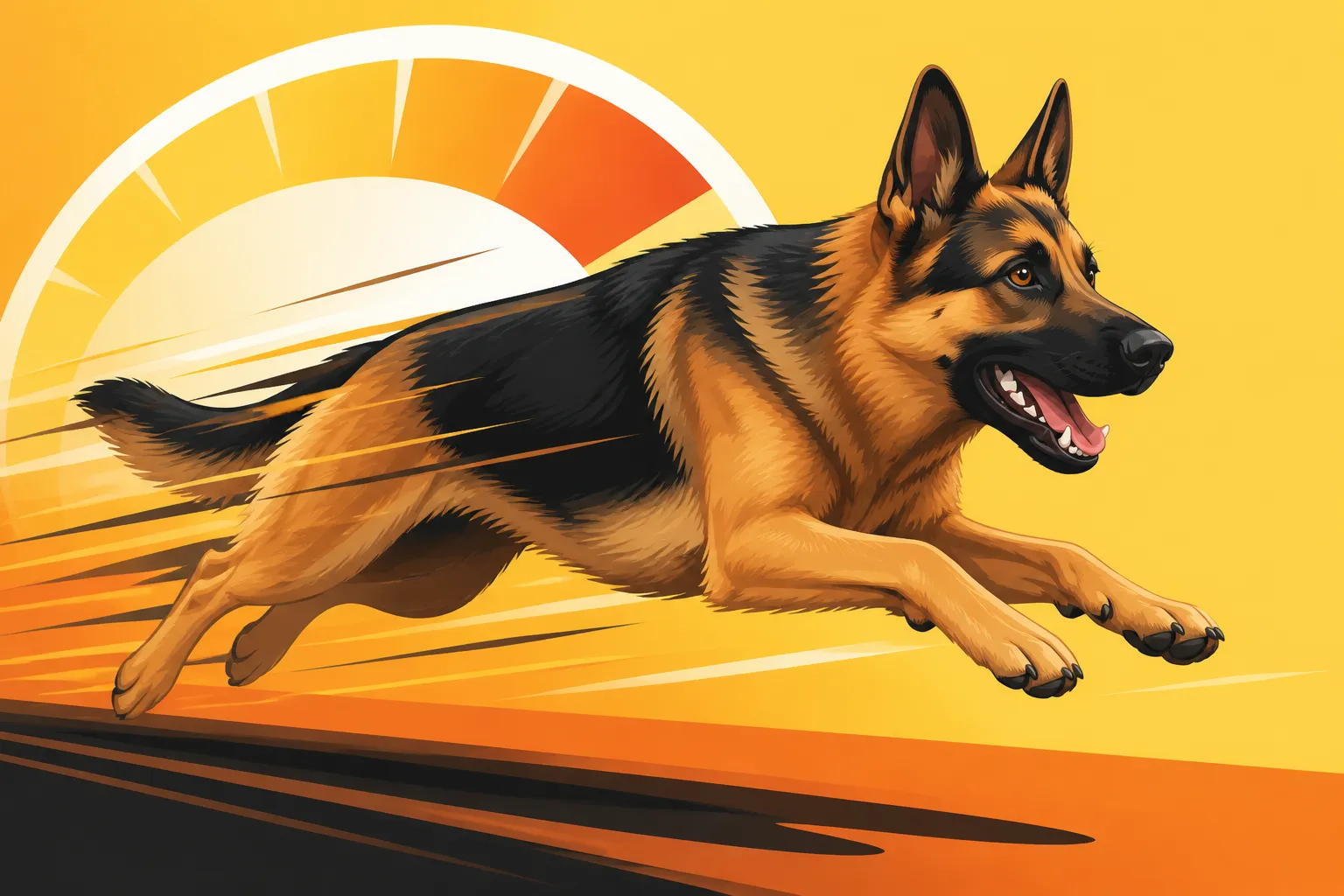
For a short burst, like chasing a squirrel or a ball thrown across a yard, a well-conditioned German Shepherd can reach speeds of approximately 30 to 35 miles per hour (around 48 to 56 kilometers per hour). This is an impressive speed, showcasing their powerful musculature and rapid acceleration. They can cover ground incredibly fast over short distances, making them excellent at tasks requiring quick interception or pursuit. Their agility also plays a huge role here, allowing them to change direction rapidly without losing much momentum.
However, sustaining this top speed for long periods isn't typical. German Shepherds are more known for their endurance running, where they can maintain a steady, strong trot for several miles without excessive fatigue. They might run at a pace of 10-15 mph for a longer duration, covering significant distances during a hike, a jog with their owner, or while performing working tasks. This sustained endurance is perhaps even more remarkable than their top sprint speed, speaking to their stamina and robust cardiovascular system.
Comparing to Other Breeds
To put a German Shepherd's speed into perspective, it's helpful to compare them to some other well-known breeds. They are fast, but not the fastest dog on the planet.
For instance, Greyhounds are the undisputed champions of canine sprinting, capable of reaching speeds of up to 45 mph (72 km/h) or even more over short distances. However, Greyhounds are specialized sprinters, built for pure straight-line speed with a very different body type focused on maximal acceleration and a lighter frame. They don't typically have the endurance of a German Shepherd.
When compared to other large working breeds, the German Shepherd holds its own very well. Breeds like Labrador Retrievers or Golden Retrievers, while energetic and athletic, typically clock in around 20-25 mph. Rottweilers, though powerful, are heavier and usually a bit slower, often in the 20-25 mph range. Even breeds like Siberian Huskies, known for their sled-pulling endurance, might not hit the same top sprint speeds as a German Shepherd, though their ability to run for extremely long distances in harsh conditions is unparalleled.
Here’s a quick comparison of approximate top speeds:
| Breed | Approximate Top Speed (MPH) | Primary Running Style |
|---|---|---|
| Greyhound | 40 – 45+ | Short, explosive sprint |
| German Shepherd | 30 – 35 | Balanced sprint & endurance |
| Doberman Pinscher | 30 – 35 | Fast sprint |
| Border Collie | 25 – 30 | Agility & sustained run |
| Labrador Retriever | 20 – 25 | Moderate sprint & endurance |
| Rottweiler | 20 – 25 | Powerful, moderate speed |
| Siberian Husky | 25 – 30 | Endurance, steady pace |
This table illustrates that while the German Shepherd might not be the absolute fastest, they offer an incredible balance of speed, power, and endurance, making them versatile athletes.
Maximizing Your German Shepherd's Running Potential
As an owner, you play a huge role in ensuring your German Shepherd can reach and maintain their athletic potential safely. It’s not just about pushing them; it’s about smart training, proper care, and keen observation.
Training and Conditioning for Speed
To help your German Shepherd maintain their top speed and overall fitness, a structured and thoughtful exercise routine is essential. You can't just expect them to be fast without consistent effort.
Firstly, variety is key. Don't just do the same thing every day. Incorporate different types of exercise:
- Sprinting bursts: Short, intense games of fetch on a soft surface like grass can help develop their explosive power. Make sure they have a good warm-up first and a cool-down walk afterward.
- Longer, steady runs: If you're a runner, taking your German Shepherd with you for a 3-5 mile jog can build their cardiovascular endurance. Always pay attention to their cues and don't overdo it, especially in hot weather. How Much Exercise Does an Adult German Shepherd Need provides more detail on ideal exercise levels.
- Agility training: Weaving poles, jumping hurdles, and navigating tunnels can significantly improve their quickness, coordination, and ability to change direction. This kind of mental and physical stimulation is fantastic for German Shepherds.
- Interval training: Alternating between short bursts of high-speed running and periods of slower jogging or walking can improve their overall fitness and ability to recover quickly.
Always remember to build up intensity and duration gradually. A sudden increase in exercise can lead to injuries like sprains or muscle strains. Listening to your dog's body language is paramount – if they're lagging, limping, or showing signs of discomfort, it's time to rest.
Nutritional Support and Joint Health
What you feed your German Shepherd directly impacts their energy levels, muscle development, and joint health – all critical components of speed. A high-quality diet specifically formulated for large, active breeds is non-negotiable. Look for dog foods that list a high-quality animal protein as the first ingredient. Many owners find brands like Royal Canin German Shepherd or Purina Pro Plan beneficial for their specific needs. You can often find a great selection of these specialized foods on sites like Chewy.
Beyond kibble, consider supplements, especially for joint support. German Shepherds are prone to conditions like hip and elbow dysplasia, which can severely hinder their ability to run. Glucosamine, chondroitin, and Omega-3 fatty acids are common ingredients in joint supplements that can help maintain cartilage health and reduce inflammation. Best Joint Supplements for German Shepherds is a great resource if you're exploring these options. Again, a reputable pet supply retailer like Chewy is a good place to start your research for these products. Always consult your vet before adding any supplements to your dog's diet.
Maintaining a healthy weight is also crucial. An overweight German Shepherd will be slower, less agile, and put undue stress on their joints, increasing their risk of injury. Regularly monitor their body condition and adjust food portions as needed.
Safety Considerations While Running
Safety should always be your top priority when exercising your German Shepherd, especially when they’re running at full speed.
- Proper Warm-up and Cool-down: Just like human athletes, dogs need to warm up their muscles before intense activity and cool down afterward. A brisk 5-10 minute walk before and after running sessions can prevent muscle pulls and stiffness.
- Appropriate Surfaces: Running on soft surfaces like grass, dirt trails, or sand is much kinder on their joints than asphalt or concrete. High-impact running on hard surfaces, particularly for extended periods, can contribute to joint issues over time.
- Hydration: Always carry water, especially during longer runs or on warmer days. German Shepherds can overheat quickly, and proper hydration is critical.
- Leash Safety: If running in an area where off-leash isn't safe or permitted, invest in a comfortable, well-fitting harness that doesn't restrict their shoulder movement. A running leash that clips around your waist can also be helpful, allowing you to run hands-free while maintaining control.
- Regular Vet Check-ups: Routine veterinary visits are vital to catch any underlying health issues that might impact their ability to run. Your vet can advise on appropriate exercise levels and discuss preventive measures for common breed-specific conditions. Early detection of issues like German Shepherd Hip Dysplasia: Symptoms and Treatment can make a huge difference in managing their long-term mobility.
When to Be Concerned About Your German Shepherd's Speed
While we love to see our German Shepherds bounding with joy, it's equally important to be observant of any changes in their running ability. A sudden decrease in speed or reluctance to run can be a significant indicator of an underlying health problem.
Recognizing Health Limitations
German Shepherds are prone to certain genetic and acquired health conditions that can directly impact their mobility and speed. If you notice your dog slowing down, limping after exercise, showing stiffness, or having difficulty rising, don't just brush it off as "getting old."
Hip and Elbow Dysplasia: These are common orthopedic issues where the joints don't form properly, leading to pain and limited mobility. Even if a German Shepherd was tested as a puppy, these conditions can worsen over time. A dog with hip or elbow dysplasia will often be hesitant to run, jump, or climb stairs, and their powerful gait might be compromised. First Signs of Hip Dysplasia in German Shepherds can help you recognize early indicators.
Degenerative Myelopathy (DM): This is a progressive neurological disease that affects the spinal cord, leading to weakness and paralysis in the hind limbs. Initially, it might present as subtle clumsiness or dragging of the paws, eventually impacting their ability to run or even walk. It's a devastating condition, and early signs can sometimes be misinterpreted as normal aging. Degenerative Myelopathy in German Shepherds is a crucial read for any GSD owner.
Arthritis: As dogs age, or as a consequence of previous injuries or joint conditions, arthritis can develop, causing pain and inflammation in the joints. This will naturally reduce their willingness and ability to run quickly and comfortably. German Shepherd Arthritis Management at Home can offer strategies for supporting an arthritic dog.
If you observe any of these symptoms, a trip to the veterinarian is essential. Early diagnosis and intervention can often help manage the condition and improve your dog's quality of life.
Age-Related Changes in Performance
It's a tough pill to swallow, but all dogs, including our athletic German Shepherds, slow down as they age. What was once a lightning-fast sprint may become a more leisurely trot. This is a natural part of the aging process, but it doesn't mean their active life has to end.
As they become seniors, you'll notice a natural decline in their top speed and endurance. Their muscles may lose some mass, their joints become less flexible, and their cardiovascular system might not be as robust. It's important to adjust your expectations and their exercise routine accordingly. Instead of long, strenuous runs, focus on shorter, more frequent walks, gentle play, and mental stimulation. Swimming can be an excellent low-impact exercise for senior German Shepherds, as it provides a good workout without stressing their joints.
Understanding these changes allows us to provide the best possible care for our aging companions. Continue to monitor their health closely and work with your vet to address any age-related issues. Providing them with a comfortable bed, easy access to food and water, and continuing to engage them mentally are all part of How to Care for a Senior German Shepherd. Even if they can't run as fast as they once did, their need for companionship and engagement remains strong.
Disclaimer
This article is for general informational purposes only and does not constitute professional advice. Laws, prices and regulations vary by location and change over time. Consult a qualified professional for guidance on your specific situation.