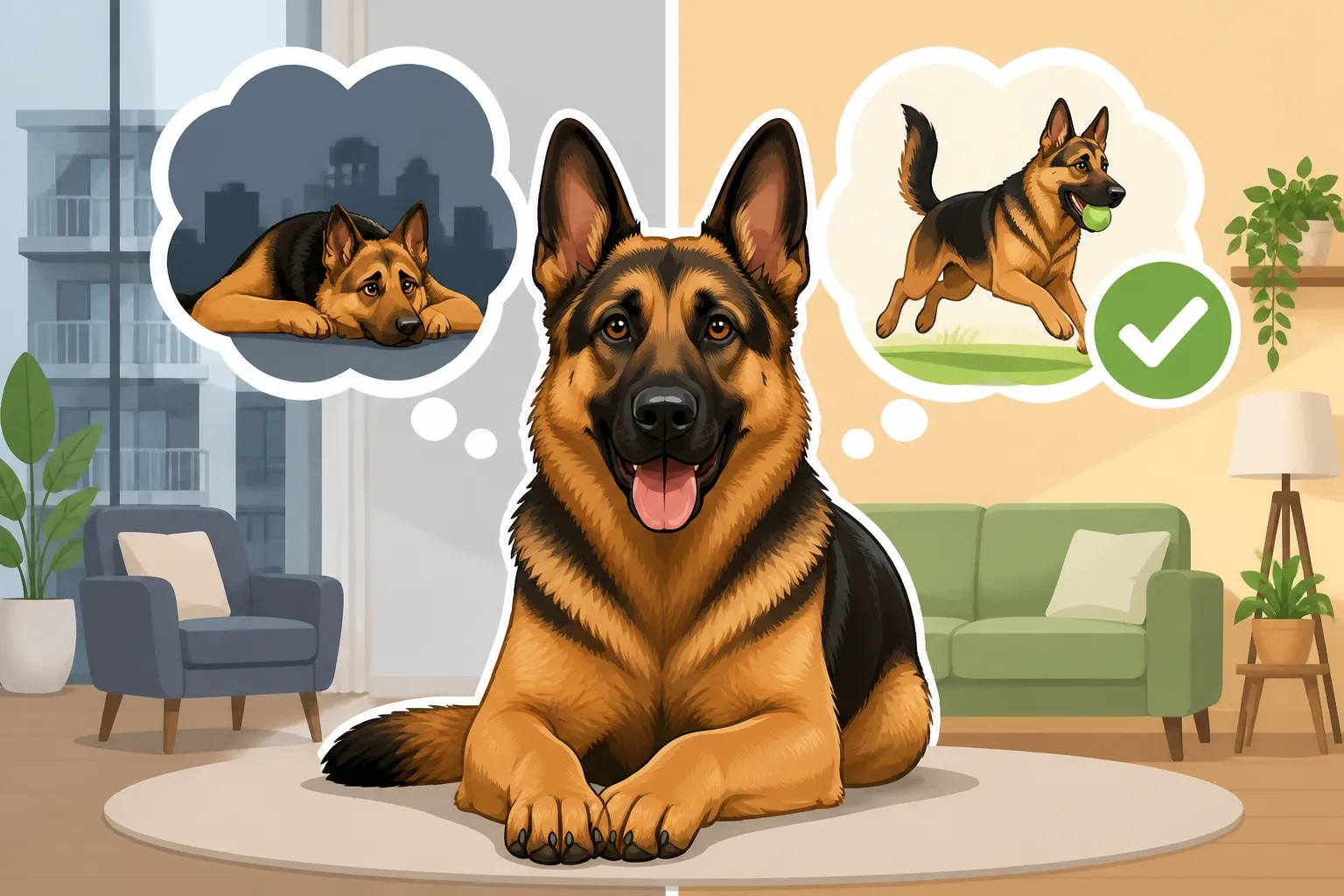
Are German Shepherds Good Apartment Dogs
Let's be real, the idea of a majestic German Shepherd in a tiny apartment often sounds like a recipe for disaster, or at the very least, a cramped and unhappy dog. Many prospective owners are discouraged, believing these large, energetic dogs need acres of land to thrive. But the truth is, while a sprawling yard is certainly a bonus, it’s not the ultimate determinant of a German Shepherd's well-being in a residential setting. This comprehensive guide will explore whether German Shepherds can indeed be good apartment dogs, focusing on the essential factors that truly matter and how you can create a happy, healthy life for your GSD, even without a huge backyard.
Understanding the German Shepherd's Core Needs
Before we even talk about apartment living, it's crucial to understand what makes a German Shepherd tick. These aren't just big dogs; they're intelligent, loyal, and incredibly active animals bred for herding and protection. Their needs go far beyond just physical space, often surprising new owners who underestimate the mental and emotional demands of the breed.
High Energy and Exercise Requirements
One of the biggest misconceptions is that a large yard alone satisfies a German Shepherd's exercise needs. While a yard offers convenience, most German Shepherds will spend their time patrolling the perimeter, sniffing around, or simply waiting for you to interact with them, rather than actively exercising themselves. They aren't self-exercising machines. They require dedicated, structured physical activity every single day, regardless of whether they live in a mansion or a studio apartment.
Think about it: a quick trot around the yard won't cut it for a breed designed to work for hours. A German Shepherd thrives on vigorous walks, runs, hikes, and engaging play sessions. They need to stretch their powerful legs, run at full speed, and truly exert themselves. Without this outlet, that pent-up energy can quickly manifest as destructive behaviors, like chewing furniture or excessive barking, making apartment living (or any living situation) a nightmare. This is why understanding German Shepherd Exercise Requirements is paramount, regardless of your living space.
Intelligent and Mentally Stimulating
Beyond physical exercise, German Shepherds possess remarkable intelligence and a strong desire to have a job to do. They are problem-solvers by nature, and if you don't provide them with appropriate mental challenges, they'll invent their own, which usually won't align with your preferences. This isn't a breed content to just lie around all day, even if they've had some physical exercise. Their minds need to be engaged as much as their bodies.
This need for mental stimulation becomes even more critical in an apartment setting where physical space might be limited. Puzzle toys, training sessions, scent work, and interactive games are not luxuries; they are necessities. A mentally bored German Shepherd can be just as problematic as a physically under-exercised one. You might find them staring intently at squirrels out the window, developing obsessive habits, or constantly nudging you for attention. Ignoring these mental needs can lead to anxiety, stress, and behavioral issues that make shared living spaces very challenging. Learning about Best Mental Stimulation for German Shepherds is key.
Making Apartment Living Work for a German Shepherd
So, can a German Shepherd genuinely be happy and well-adjusted in an apartment? Absolutely, but it requires an extraordinary level of commitment, consistency, and proactive planning from the owner. It's less about the square footage and more about the lifestyle you provide.
The Critical Role of Daily Exercise
The non-negotiable aspect of apartment living with a German Shepherd is fulfilling their intense exercise needs. This means dedicating significant time each day, rain or shine, to getting them out and moving. This isn't just a 15-minute potty break; it's an hour or two of purposeful activity.
Consider a daily routine that might involve a brisk 45-minute walk or jog in the morning, followed by another substantial outing in the evening. On weekends, longer adventures like hiking trails, trips to dog parks for off-leash running (if appropriate and safe for your dog), or even dog sports like agility or flyball become essential. These activities serve multiple purposes: they burn physical energy, provide mental engagement, and offer crucial socialization opportunities. If you're a keen runner or cyclist, bringing your German Shepherd along (once they're fully grown and cleared by a vet) can be an excellent way to meet their needs. Remember, consistency is key; skipping days can quickly lead to an unruly dog.
Consistent Training and Socialization
A well-trained German Shepherd is a pleasure to live with, no matter the dwelling size. An untrained one, especially in close quarters, can be a terror. Obedience training is paramount, not just for good manners but also for mental stimulation and strengthening your bond. From the moment you bring your German Shepherd home, whether they're a puppy or an adult, training needs to be a continuous process.
This includes basic commands like "sit," "stay," "come," and "down," but also advanced skills that challenge their intellect. Regular training sessions, even short 10-15 minute bursts several times a day, can make a huge difference. Think about using positive reinforcement methods and keeping sessions fun and engaging. Furthermore, proper socialization is vital. A German Shepherd who is comfortable and confident around various people, sounds, and other dogs is much easier to manage in public spaces and, by extension, within the close confines of apartment living. Taking them to dog-friendly stores, parks, and even just sitting on a busy bench to observe the world can help. You can find excellent training resources, tools, and even specialized treats on Chewy to support your efforts in How to Train a German Shepherd and German Shepherd Puppy Training Guide.
Maximizing Small Spaces and Indoor Enrichment
Even if your apartment is cozy, you can still create an enriching environment. Vertical space, designated relaxation zones, and clever use of toys can make a big difference.
- Designated Spots: Give your German Shepherd a specific "den" – a comfortable crate or a plush dog bed in a quiet corner where they can retreat and feel secure. This helps them understand boundaries and provides a sense of personal space, which is especially important in shared living. A sturdy crate can be invaluable for How to Crate Train a German Shepherd and providing a safe haven.
- Mental Games: Incorporate puzzle feeders and interactive toys that require your dog to work for their treats. Snuffle mats, treat-dispensing balls, and Kongs stuffed with goodies can keep them occupied for considerable periods. Rotate these toys regularly to prevent boredom. These activities tap into their natural problem-solving instincts and burn mental energy.
- Indoor Training & Play: Even indoors, you can conduct short training sessions, practice tricks, or play gentle games of fetch with soft toys. Hallways can be surprisingly good for short bursts of fetch. Scent games, where you hide treats around the apartment for your dog to find, are also fantastic for mental stimulation and require minimal space.
Overcoming Specific Apartment Challenges
Living with a German Shepherd in an apartment isn't without its unique hurdles. Anticipating and preparing for these can make the journey much smoother.
Noise Control and Barking Tendencies
German Shepherds are naturally alert and protective, which means they can be prone to barking at perceived threats, whether it's the mail carrier, a neighbor walking by, or simply a leaf blowing past the window. In an apartment building, excessive barking is not just annoying; it can lead to neighbor complaints and significant stress for you and your dog.
Proactive management is key. Start by addressing any triggers. Is it sounds from the hallway? Consider a white noise machine or calming music when you're away. Is it visual? Block off windows your dog stares out of with privacy film or curtains. Most importantly, consistent training is vital. Teach your dog a "quiet" command from an early age, rewarding them heavily when they stop barking on cue. If a specific trigger causes barking, work on desensitization and counter-conditioning. For example, if they bark at the sound of neighbors, play recordings of those sounds at a low volume while distracting them with a favorite toy or treat, gradually increasing the volume over time. Ignoring these tendencies won't make them go away; in fact, they'll likely escalate. Addressing German Shepherd Barking Tendencies effectively is crucial for apartment harmony.
Managing Energy Indoors and Preventing Destructive Behavior
Even with ample outdoor exercise, there will be times when your German Shepherd is indoors and still has energy to burn. This is where creative indoor enrichment and strict routine come into play. A bored and understimulated German Shepherd is a destructive one, and apartment furniture makes for easy targets.
To prevent this, ensure their daily exercise schedule is non-negotiable. If you have a particularly high-energy individual, consider doggy daycare a few times a week or hiring a reliable dog walker for midday excursions. Indoors, continue with interactive games, puzzle toys, and chews. Look for durable chew toys on sites like Chewy that can withstand a German Shepherd's powerful jaws. Rotate these toys to keep things fresh. Remember, a tired dog is a good dog, and a dog whose mind is engaged is less likely to gnaw on your couch. If destructive behavior does occur, it's often a sign that their needs aren't being met; don't just punish the behavior, address the root cause, which is usually a lack of physical or mental stimulation.
Navigating Building Rules and Social Interactions
Apartment complexes often have strict rules regarding pet ownership, including breed restrictions, weight limits, and leash policies. Before even considering a German Shepherd, thoroughly review your building's pet policies. Some landlords or HOAs have blanket bans on certain breeds, including German Shepherds, due to their size or perceived aggression (which is often unfounded but a reality in many policies).
Beyond the official rules, consider the social dynamics. A German Shepherd is a large, imposing dog, and some neighbors might be wary, even if your dog is perfectly friendly. It's your responsibility to ensure your dog is always under control, especially in common areas like lobbies, elevators, and hallways. Consistent leash training is paramount to prevent pulling or jumping on unsuspecting residents. Always clean up after your dog immediately and completely. Being a responsible pet owner in an apartment building means being considerate of your neighbors, which in turn fosters a positive reputation for your German Shepherd and for you. Proper How to Socialize a German Shepherd training will also help your dog navigate these interactions gracefully.
Essential Considerations for Apartment Dwellers
Bringing a German Shepherd into an apartment is a lifestyle choice that requires careful thought about your own habits and resources.
Your Lifestyle and Commitment Level
Owning a German Shepherd in an apartment isn't for the faint of heart or the perpetually busy. It demands a significant time commitment, often more than owners with large yards might realize. Are you prepared to:
- Go out for long walks or runs early in the morning and late in the evening, regardless of weather?
- Dedicate time daily to training and mental enrichment games?
- Invest in durable toys, puzzle feeders, and potentially professional training or dog walking services?
- Handle potential noise complaints or neighbor anxieties with grace and proactive solutions?
If your schedule is already packed, or you're not an active person, an apartment-dwelling German Shepherd might not be the right fit. This breed thrives on interaction and structure, and if you can't provide that consistently, both you and your dog will struggle. Consider your German Shepherd Ownership Time Commitment honestly before making this big decision.
Proximity to Green Spaces and Dog-Friendly Amenities
While a private yard isn't a necessity, easy access to outdoor spaces is. Living far from parks, walking trails, or even suitable sidewalks for long walks will complicate your daily routine immensely.
Before choosing an apartment or a German Shepherd, scout your neighborhood for dog-friendly parks, open fields, or walking paths. Identify safe, clean areas where your dog can get their exercise. Having a designated dog park nearby where your GSD can burn off steam with other well-socialized dogs can be invaluable, but always ensure the park is safe and that your dog has excellent recall. Some apartment complexes even offer their own dog parks or walking trails, which can be a huge bonus. Additionally, look for local doggy daycares, boarding facilities, or professional dog walkers you can rely on for those days when your schedule absolutely won't allow for their usual exercise routine. Even having a pet-friendly store like Chewy nearby can be helpful for quick supply runs.
Health and Veterinary Care
German Shepherds are generally robust, but like all large breeds, they are prone to certain health issues, such as hip and elbow dysplasia, bloat, and degenerative myelopathy. These conditions can sometimes be exacerbated by improper exercise or diet, or simply occur due to genetics.
Regular veterinary check-ups are non-negotiable. Ensure you have access to a good veterinarian who understands large breeds and their specific needs. Maintaining a healthy weight through appropriate feeding (check out guides like German Shepherd Feeding Guide) and exercise can significantly reduce strain on their joints. While apartment living itself doesn't cause these issues, managing a large dog with mobility problems in a multi-story building can be more challenging. Being proactive about their health and prepared for potential veterinary costs is crucial. For more details on common health concerns, refer to German Shepherd Health Problems Guide.
Conclusion
The notion that German Shepherds cannot live happily in apartments is a myth, but it's a myth born from the very real challenges they present without proper care. It's not the size of your home that dictates a German Shepherd's happiness, but the size of your commitment, your dedication to meeting their robust exercise and mental stimulation needs, and your willingness to invest in consistent training. If you are an active individual or family, prepared to dedicate significant time and effort every single day to your German Shepherd's well-being, then yes, your intelligent, loyal companion can absolutely thrive in an apartment setting. It simply means you become their "yard" and their source of adventure.
Disclaimer
This article is for general informational purposes only and does not constitute professional advice. Laws, prices and regulations vary by location and change over time. Consult a qualified professional for guidance on your specific situation.