When Do German Shepherd Ears Stand Up
One of the most defining characteristics of a German Shepherd is their majestic, erect ears, standing tall and alert. But if you’re a new German Shepherd puppy parent, or even an experienced one with a new pup, you might find yourself staring at those adorable floppy ears day after day, wondering, "When will they stand up?" It can be a source of anxiety and endless Googling, imagining your future guard dog with ears still flopping like a Retriever. This guide is here to walk you through the fascinating journey of German Shepherd ear development, from those soft, floppy puppy ears to the proud, erect sentinels we all recognize, explaining the typical timeline, what factors play a role, and what you can do (and shouldn't do) to support this natural process.
The Marvel of German Shepherd Ear Development: A Timeline
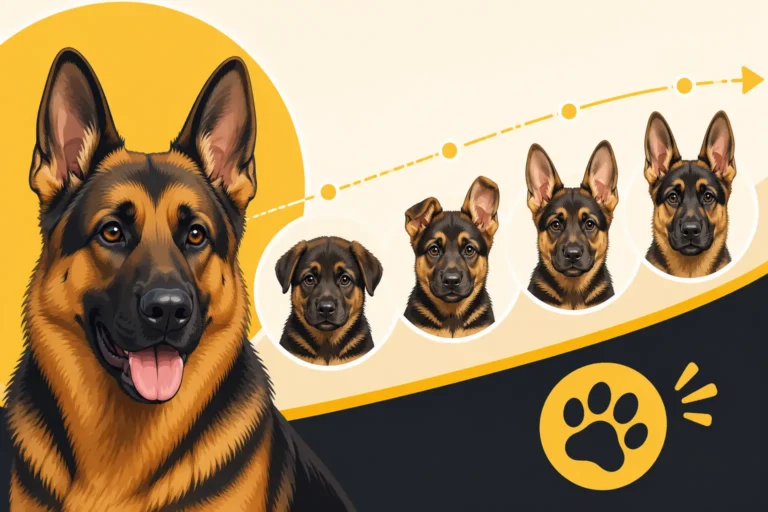
Understanding the stages of ear development in a German Shepherd puppy can help alleviate a lot of the worry and frustration that new owners often experience. It's not an overnight transformation; it's a gradual process, intimately tied to their growth and development. Just like human babies don't walk or talk on a set day, puppies don't have their ears stand up on a specific date. However, there are general windows of time to expect these changes.
Puppy Ear Stages: From Floppy to Fabulous
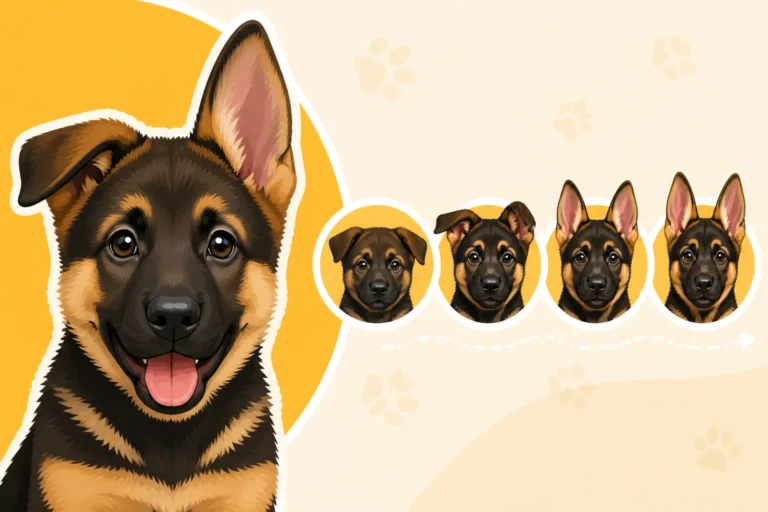
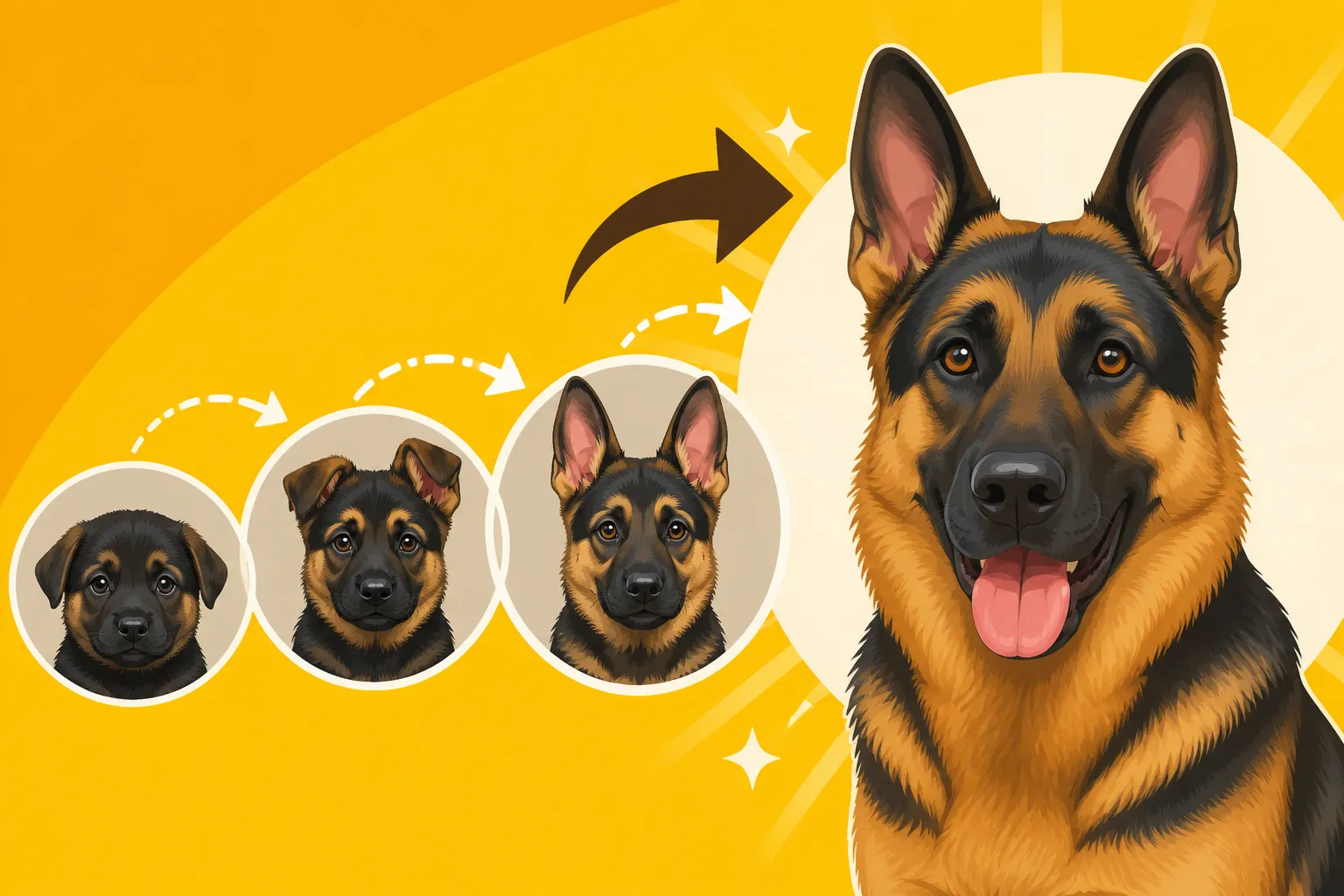
When German Shepherd puppies are born, their ears are almost always floppy. They're soft, pliable, and haven't developed the cartilage or muscle strength needed to stand erect. This is completely normal and, frankly, quite endearing! As they grow, you'll start to notice subtle changes, and it's important to remember that every puppy is an individual. Some might have one ear pop up, then the other, or they might stand up and then flop back down again. This is all part of the journey. For a deeper dive, check out our article on German Shepherd Puppy Ear Stages.
Typically, you'll see the first signs of their ears attempting to stand somewhere between 8 and 16 weeks of age. This period often coincides with a significant growth spurt and the onset of teething. During teething, a massive amount of calcium and other nutrients are redirected to support the development of their adult teeth. This can temporarily deplete resources needed for ear cartilage, causing ears that were starting to stand to suddenly flop back down. It's a common phenomenon and doesn't usually mean there's a problem. Patience is truly a virtue during this phase.
By around 5 to 7 months of age, most German Shepherds will have their ears fully standing. Some might take a little longer, perhaps up to 8 or 9 months, especially if they are larger pups or had a prolonged teething period. If you're past this window and still seeing floppy ears, it's natural to start feeling a bit concerned, but there's still often hope and steps you can take.
Why the Wait? The Science Behind Standing Ears
The erect nature of a German Shepherd's ears isn't just about aesthetics; it's a complex interplay of genetics, cartilage development, and overall health. The ear itself is supported by cartilage, which hardens over time. This hardening process requires a good supply of calcium and other minerals, along with robust collagen production. When a puppy is young, this cartilage is still soft and developing.
As the puppy matures, especially during the demanding teething phase, their body prioritizes bone and tooth development. Think of it like a construction project: the foundational elements get the most attention first. The ears, while iconic, are lower on the body's priority list for critical mineral allocation. So, when those adult teeth are pushing through, it's common for even well-developing ears to temporarily lose some stiffness. This is a crucial window where external factors, like nutrition and gentle handling, can have a supportive role. Understanding this biological process helps you manage your expectations and avoid unnecessary worry.
Factors Influencing German Shepherd Ear Standing
While genetics lay the groundwork, several environmental and care-related factors can influence when and if your German Shepherd's ears stand up. It's a blend of nature and nurture, where your proactive care can make a difference.
Genetic Predisposition: The Unseen Blueprint
The most significant factor in whether a German Shepherd's ears will stand up is genetics. A puppy inherits its physical traits, including ear type, from its parents. Reputable breeders understand this well and will only breed dogs with proper ear sets that adhere to the breed standard. If both parents have strong, erect ears and come from lines known for good ear sets, the chances are very high that their offspring will too. This is why choosing a puppy from a reputable breeder is so important; they can often provide information about the parents' ear development and the likelihood for their puppies.
However, even with excellent genetics, there can be outliers. Sometimes a pup from perfectly-eared parents might have issues, just as sometimes a pup from less-than-perfect parents might surprise you. Genetics provide the blueprint, but not an absolute guarantee. Factors like specific genetic markers for ear cartilage strength play a role. If you are ever in doubt, researching German Shepherd Genetic Health Testing can provide more insight into responsible breeding practices that aim to reduce the likelihood of such issues.
Nutrition and Overall Health: Fueling Ear Development
A healthy, well-nourished puppy has the best chance for proper development, including ear cartilage. This means feeding a high-quality large-breed puppy food that supports steady, healthy growth, rather than rapid growth. Look for formulas specifically designed for large breeds, as they typically have appropriate calcium-to-phosphorus ratios to prevent skeletal issues, which can indirectly affect ear cartilage development. Brands like Purina Pro Plan, Royal Canin, and Hill's Science Diet often have excellent large-breed puppy formulas. For more on what to feed your growing pup, check out our German Shepherd Puppy Feeding Schedule and How Much to Feed a German Shepherd Puppy articles.
Beyond their regular food, sometimes supplements are considered. Some owners might consider joint supplements that contain ingredients like glucosamine, chondroitin, and MSM, as these are beneficial for cartilage health throughout the body. While not a direct "ear standing" supplement, supporting overall joint and cartilage health can be helpful. Collagen is another key component of strong cartilage. You can find many reputable joint supplements on platforms like Chewy, making it convenient to research and select a product if recommended by your vet. Remember, always consult your veterinarian before adding any supplements to your puppy's diet, as an imbalance of nutrients can cause more harm than good.
Teething and Trauma: Temporary Setbacks
As mentioned, teething is a huge culprit for temporarily floppy ears. The body dedicates significant resources to growing those strong adult teeth, sometimes at the expense of ear cartilage firmness. It’s a normal part of growth.
Beyond teething, physical trauma can also affect ear standing. Rough play with littermates or other dogs, excessive ear rubbing, or even improper handling by humans can damage the delicate cartilage in a developing ear. Imagine a puppy playing tug-of-war where another dog accidentally nips or pulls an ear, or children pulling on them. Even seemingly innocuous actions can have an impact during the critical development phase. Try to supervise play and teach everyone in the household, especially children, to be gentle with your puppy’s ears. It's also worth noting that frequent crating in a crate that's too small might sometimes lead to ears bending incorrectly, though this is less common.
What to Do If Your German Shepherd's Ears Aren't Standing
It's completely normal to feel a pang of concern if your pup's ears are taking their sweet time to stand up. The good news is that for many puppies, a combination of time, proper care, and sometimes a little intervention can help.
Veterinary Consultation: Your First Step
If your German Shepherd's ears haven't stood by 6-7 months of age, or if you notice unevenness, excessive floppiness, or any signs of pain or irritation, your first and most important step should be a visit to your veterinarian. They can assess your puppy's overall health, check for underlying issues, and offer professional guidance. They might examine the ear canal for infections, check for any physical damage, or simply reassure you that your pup is developing normally, just on a slightly slower timeline.
Your vet can also discuss the pros and cons of certain interventions and recommend specific dietary adjustments or supplements if they deem them necessary. They'll be able to give you an accurate picture based on your individual puppy's health status, which is invaluable. Don't rely solely on anecdotal advice from other owners or online forums; a professional opinion is crucial.
Nutritional Support and Lifestyle Adjustments
Ensure your puppy is on a high-quality, large-breed puppy diet that provides all essential nutrients. Avoid sudden changes in food, which can cause digestive upset. You can explore different options from trusted brands that can be found on sites like Chewy. Consistency in feeding a balanced diet supports overall growth, including cartilage development.
Consider incorporating appropriate chews into their routine. Teething toys that are safe and durable help redirect their chewing instincts away from potentially damaging objects and also provide mental stimulation. While the primary function isn't ear standing, healthy chewing habits contribute to a well-adjusted puppy, reducing stress that might indirectly affect development. Limiting rough play that could inadvertently damage the ears is also wise. Teach your puppy to play gently, especially with other dogs, and encourage soft toys or supervised fetch rather than rowdy wrestling.
Taping: When and How (Under Guidance)
Ear taping is a common method used to support German Shepherd ears in standing, but it should always be done under the guidance of a veterinarian or an experienced breeder. Improper taping can cause discomfort, skin irritation, restrict blood flow, or even permanently damage the ear cartilage. It's not a DIY project to be taken lightly.
The purpose of taping is to provide external support, holding the ear in the correct erect position, allowing the cartilage to strengthen and "set" in that shape. It essentially acts like a cast for the ear. There are various taping methods, often involving lightweight medical tape and sometimes a small brace or roll of material inserted into the ear canal (never too deep!). The ears are typically taped for a period, then untaped for a few days to allow air circulation and cleaning, before being re-taped if needed. This process can be repeated for several weeks or even a few months. It's often most effective when started between 3-6 months of age, before the cartilage becomes too rigid in a floppy position. Your vet or breeder can show you the correct technique and monitor your puppy's progress.
| Factor | Typical Impact on Ear Standing | Recommended Action |
|---|---|---|
| Genetics | Primary determinant; strong lines often yield strong ears. | Choose a reputable breeder. |
| Age (8-16 weeks) | Initial standing attempts, often with temporary flopping. | Be patient, monitor. |
| Teething (3-6 months) | Can cause temporary flopping due to nutrient diversion. | Ensure good nutrition, provide chew toys. |
| Nutrition Quality | High-quality diet supports cartilage development. | Feed large-breed puppy food, consult vet on supplements. |
| Trauma / Rough Play | Can damage delicate cartilage. | Supervise play, handle ears gently. |
| Taping (Vet/Breeder Guided) | Provides external support for strengthening cartilage. | Consult vet for proper technique and timing. |
| Overall Health | Healthy pups have better development overall. | Regular vet check-ups, appropriate vaccinations. |
What NOT to Do and When to Worry
In the anxiety of wanting those ears to stand, owners sometimes resort to methods that are ineffective, harmful, or simply unnecessary. It's just as important to know what not to do as what to do.
Common Mistakes to Avoid
- Excessive Manipulation: Constantly touching, rubbing, or bending your puppy's ears can actually hinder the cartilage from hardening. It's like trying to set a broken bone while constantly moving it. Gentle handling is fine, but avoid excessive fiddling.
- Improper Taping: As mentioned, taping should only be done with professional guidance. Using the wrong type of tape, taping too tightly, or taping incorrectly can lead to skin irritation, infections, and even permanent damage to the ear cartilage or nerve endings. Never use super glue or other harsh adhesives.
- "Old Wives' Tales": There are many myths out there, like giving gelatin or certain foods to make ears stand. While good nutrition is key, specific foods or home remedies rarely have a direct, proven impact on ear cartilage beyond a balanced diet. Stick to vet-approved advice.
- Cutting Hair from the Ears: Some people believe trimming hair from the inside or outside of the ear makes them lighter and helps them stand. This is generally unnecessary and can sometimes even lead to skin irritation or an increased risk of ear infections if the natural protective hair is removed.
- Ignoring Underlying Health Issues: Assuming floppy ears are only a cosmetic issue without a vet check-up can be a mistake. Ear infections, injuries, or nutritional deficiencies could be contributing factors that need medical attention.
When to Consult Your Vet Again
If your German Shepherd is approaching 8-9 months of age and their ears are still completely floppy, it's definitely time for another conversation with your veterinarian. While some dogs might take longer, this is generally considered the outer edge of the normal development window. At this point, the cartilage is often more set, and successful intervention becomes less likely, though not impossible.
Your vet can help you understand the realistic chances of the ears standing and discuss whether further attempts at taping are advisable. They can also explore potential surgical options (like ear implants) if it's a significant concern for you, though these are typically rare and often considered only for specific situations, sometimes for working dogs where erect ears are functional. For most pet owners, if the ears haven't stood by this age, they simply become a charming, unique characteristic of their beloved German Shepherd. Remember, a floppy-eared German Shepherd is still 100% German Shepherd, full of love and loyalty, regardless of their ear set. The most important thing is their health and happiness. Our guide on Signs of a Healthy German Shepherd can help you keep an eye on their overall well-being.
Living with Floppy German Shepherd Ears
Even after all the anticipation and effort, some German Shepherds simply end up with ears that never fully stand. This can be a tough pill to swallow for some owners, especially given the breed's iconic image. However, it's crucial to remember that a German Shepherd with floppy ears is still a magnificent, intelligent, and loving companion.
Embracing Uniqueness
Just like people, dogs have individual quirks and variations. A floppy-eared German Shepherd is not "broken" or less of a German Shepherd. In fact, many people find them incredibly endearing and unique! Think of it as a special characteristic that sets your dog apart. Their personality, loyalty, and intelligence remain unchanged, regardless of how their ears are positioned. You'll likely find that their ears become one of their most charming features, often leading to comments and questions from curious onlookers, which can be a great opportunity to share your journey and educate others.
This is where your love for your dog truly shines. You didn't get a German Shepherd solely for its ears; you got them for their companionship, their protective nature, their boundless energy, and their clever minds. Focus on these incredible traits, and you'll quickly forget any initial disappointment about ear set.
Health and Hearing Considerations
From a health perspective, floppy ears generally do not pose a significant issue. Their hearing is typically unaffected; the internal structures for hearing are the same whether the ear is erect or folded. In fact, some argue that floppy ears might be slightly less prone to certain types of minor injuries that could affect erect ears, though this is anecdotal.
The main health consideration for floppy ears is the potential for increased moisture and reduced air circulation within the ear canal. This can sometimes create a warmer, more humid environment, which could potentially make them slightly more susceptible to ear infections than dogs with fully erect ears. However, this is easily managed with routine ear cleaning. Just as you would regularly check and clean the ears of any dog, pay attention to your floppy-eared German Shepherd's ears, especially after swimming or bathing. Your vet can recommend appropriate ear cleaning solutions and frequency to help prevent any issues. German Shepherd Ear Infections: Prevention is a great resource if you're concerned about this.
In the grand scheme of things, the ears standing up is a small part of a much larger, beautiful picture. Your German Shepherd will offer you a lifetime of joy, protection, and unconditional love, regardless of whether their ears are perpetually alert or adorably relaxed.
Disclaimer
This article is for general informational purposes only and does not constitute professional advice. Laws, prices and regulations vary by location and change over time. Consult a qualified professional for guidance on your specific situation.