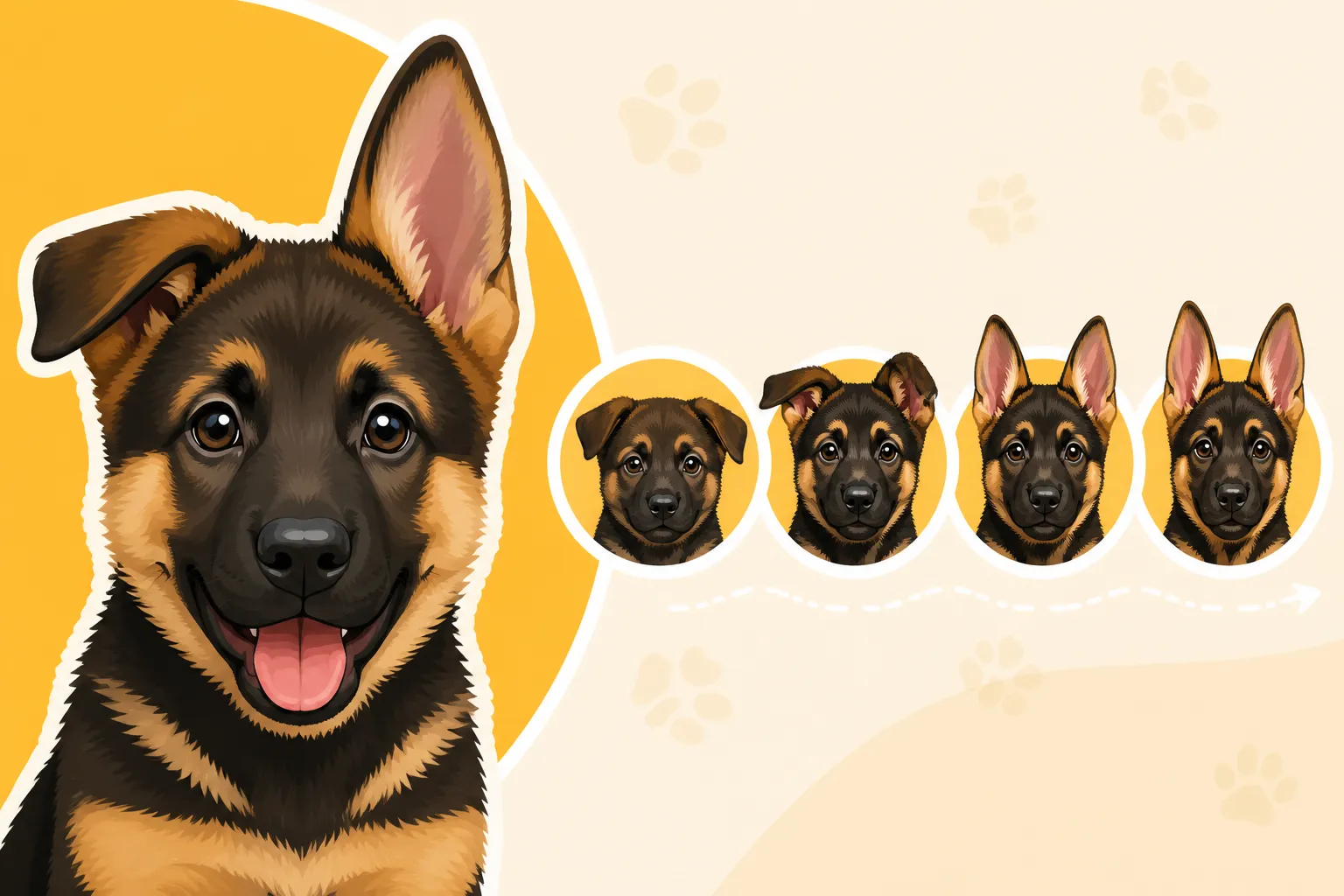
German Shepherd Puppy Ear Stages
One of the most anxious times for any new German Shepherd puppy parent is waiting for those adorable, floppy ears to stand up. You see pictures of majestic, alert adult German Shepherds with their perfectly erect ears, and then you look at your own little fluffball, whose ears seem to have a mind of their own – sometimes up, sometimes down, sometimes one up and one down. It's totally normal to wonder if they’re ever going to stand! This guide is here to walk you through the fascinating and sometimes frustrating journey of German Shepherd puppy ear development, offering reassurance and practical advice every step of the way.
The Marvel of German Shepherd Ear Development: A Genetic Journey
The journey of a German Shepherd puppy’s ears from floppy to famously erect is truly a marvel, and it's something that defines their iconic look. It’s not just about aesthetics, though; those ears are incredibly functional, allowing them to pinpoint sounds with remarkable precision, which is essential for a breed known for its intelligence and working capabilities. Understanding this development helps set realistic expectations and prevents a lot of unnecessary worry.
When your German Shepherd puppy is born, their ears are, without exception, soft and floppy. This is completely normal and expected. The cartilage in a newborn puppy's ears is extremely pliable and hasn't yet firmed up. Think of it like a human baby's soft spot; it needs time and proper development to strengthen. This initial floppiness is universal across all German Shepherd puppies, regardless of their eventual ear set. It’s during the coming weeks and months that the magic happens, driven by genetics, nutrition, and even a little bit of luck. A strong genetic predisposition for erect ears is a hallmark of the breed, and reputable breeders pay close attention to this trait in their breeding lines. You can often get a good idea of what to expect by looking at the parents' ears, but even then, nature has its own timeline.
The process of the ears standing up involves the hardening and strengthening of the cartilage in the ear flap. This is largely tied to the puppy’s overall growth and development, particularly the absorption and distribution of calcium and other minerals, which are crucial for bone and cartilage formation. As the puppy grows, their body channels these essential nutrients, and the ear cartilage gradually becomes firmer. This firming up doesn't happen overnight; it’s a gradual process, sometimes showing signs of progress one day and then seeming to regress the next. Factors like diet, genetics, and even the size of the ears themselves play a role. A healthy diet, like quality large-breed puppy food from brands available at Chewy, provides the necessary building blocks for this development. It’s a complex interplay, and patience really is the most important tool in your German Shepherd ear-watching toolkit.
German Shepherd Puppy Ear Stages and Their Typical Timelines
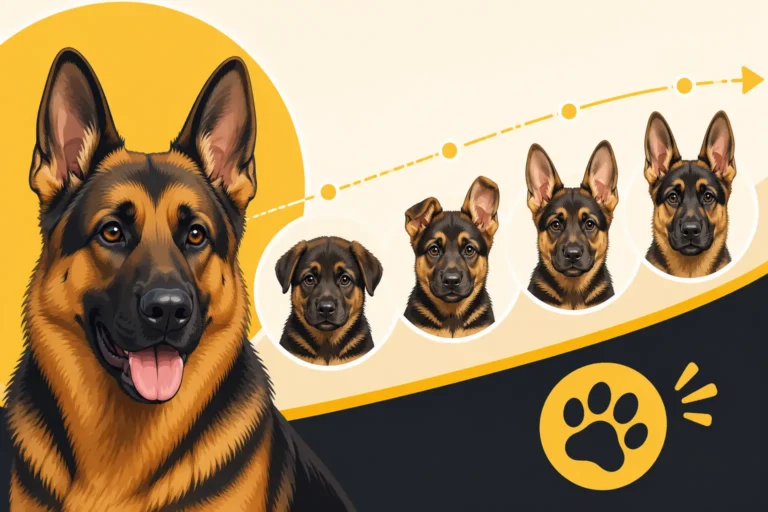
German Shepherd puppy ears don't just pop up overnight; they go through a series of stages, each with its own timeline. Understanding these typical stages can help you manage your expectations and know what's normal for your growing pup.
The Floppy Stage: Birth to 8 Weeks
From birth up until about 8 weeks of age, your German Shepherd puppy’s ears will be completely floppy. They lie flat against the head, soft and pliable, lacking any structural rigidity. This is absolutely the norm for every German Shepherd puppy. At this early stage, the cartilage is still soft, and the muscles that will eventually support the ears are underdeveloped. You might see them twitching or responding to sounds, but they won't show any signs of standing. It’s during this crucial period that puppies are usually with their mother and littermates, focusing on nursing, learning social cues, and growing rapidly. A good breeder will ensure puppies are in excellent health, which is foundational for all aspects of their development, including ear strength.
As they near 8 weeks and prepare to go to their new homes, their ears will likely still be floppy. Some very early developers might show a slight lift or a brief moment of one ear perking up, but this is rare. Most often, they remain soft. This is a time of immense growth, and a significant amount of the puppy's energy and nutrients are going into building bones, muscles, and developing their immune system. Don't be alarmed if your 8-week-old puppy's ears are still down; it's exactly where they should be. This is just the beginning of their ear adventure!
The "Crazy Ear" Stage: 8 Weeks to 5 Months
This is perhaps the most entertaining, and sometimes bewildering, stage of German Shepherd ear development. Beginning around 8 weeks and lasting until about 5 months (though it can vary), you'll witness the "crazy ear" phase. This is when the ears start to experiment. You might see one ear stand up, while the other remains stubbornly floppy. Or both ears might stand for a few hours, only to flop back down after a nap. Sometimes they’ll do a "taco ear" fold, or stand at odd angles. It's a hilarious and often frustrating time for owners.
The reason for this inconsistent behavior is directly related to the teething process. German Shepherd puppies typically start losing their baby teeth and growing their adult teeth around 3-5 months of age. This process requires a tremendous amount of calcium and other minerals, which the puppy's body draws from all available resources, including the cartilage in their ears. As minerals are temporarily diverted, the ear cartilage can soften, causing them to flop. Once the major teething phase is over and the body's mineral distribution normalizes, the ears often get a second wind and start to stand more consistently. German Shepherd Puppy Training Guide often touches on the importance of appropriate chew toys during this time, which also helps strengthen jaw muscles, indirectly supporting ear development. It's a busy time for their little bodies!
| Age Range | Typical Ear Position | What's Happening |
|---|---|---|
| Birth – 8 Weeks | Completely floppy | Soft cartilage, undeveloped muscles. |
| 8 Weeks – 5 Months | Inconsistent (up, down, one up/one down) | Cartilage hardening, teething causing mineral diversion. |
| 5 – 7 Months | Increasingly standing, some wobbles | Cartilage continues to firm, teething typically complete. |
| 7 Months + | Fully erect (usually) | Cartilage fully hardened, ear muscles developed. |
The Standing Phase: 5 Months to 7 Months
By the time your German Shepherd puppy reaches 5 to 7 months of age, you should start to see more consistent standing. For many pups, this is when both ears firmly perk up and stay that way. The teething process is usually winding down, allowing the body's resources to fully commit to strengthening that ear cartilage. You might still observe occasional wobbles, especially when they're tired, playing intensely, or waking up, but the overall trend will be upwards.
It's important to note that every puppy is an individual. Some German Shepherds have their ears fully standing by 4 months, while others might take a little longer, even up to 8 or 9 months. The larger the ears, the more cartilage needs to firm up, which can sometimes mean a slightly longer timeline. Patience is key during this phase. Continue to provide excellent nutrition, minimize rough play involving the ears, and avoid unnecessary manipulation of the ears themselves. If your puppy's ears are still consistently floppy past 7 months, it might be time to gently consult with your veterinarian. This is also the period where your puppy is truly growing into their adult size and personality, as detailed in our When Do German Shepherds Stop Growing article.
Factors Influencing German Shepherd Ear Standing
While genetics are the primary determinant of whether a German Shepherd's ears will stand, several other factors can influence the timeline and success of this process. Understanding these can help you support your puppy's natural development.
Genetics and Breed Lines
The most significant factor in ear set is genetics. German Shepherds are specifically bred to have erect ears. If both parents have strong, well-set ears, the likelihood of their offspring having standing ears is very high. Reputable breeders pay close attention to this trait and will often be able to show you pictures of the parents and even past litters, giving you an indication of what to expect. Certain lines, particularly those with a history of strong working dogs or show champions, tend to consistently produce puppies with excellent ear sets.
However, even with good genetics, sometimes a puppy might take a bit longer or struggle due to other influences. It's not an absolute guarantee, but strong genetics are the best foundation. Conversely, if a puppy comes from a background where ear set wasn't prioritized, or where there might be mixed breed ancestry, the chances of fully erect ears can decrease. This is why choosing a reputable breeder is so vital – they understand the breed standard and genetic predispositions, often conducting German Shepherd Genetic Health Testing which includes evaluating such physical traits in their breeding stock.
Nutrition and Diet
Proper nutrition plays a critical role in the overall development of your German Shepherd puppy, including the strength of their ear cartilage. High-quality puppy food, specifically formulated for large breeds, provides the essential vitamins, minerals, and proteins needed for healthy growth. Calcium, phosphorus, and Vitamin D are particularly important for bone and cartilage development.
Feeding an appropriate diet is paramount. Avoid over-supplementing with calcium, however, as too much can be just as detrimental as too little, leading to skeletal imbalances. Most good quality puppy foods, such as those from Purina Pro Plan or Royal Canin, are carefully balanced. If you're concerned about your puppy's diet, always consult with your veterinarian. They can advise on specific nutritional needs or recommend supplements if truly necessary, but generally, a balanced, high-quality kibble from a brand like Chewy carries should be sufficient. You can learn more about proper feeding in our German Shepherd Puppy Feeding Schedule guide.
Teething and Growth Spurts
As mentioned earlier, the teething process is a major player in the "crazy ear" stage. When puppies are cutting their adult teeth, their bodies divert significant amounts of calcium to jaw and tooth development. This temporary diversion can soften the ear cartilage, causing ears that were once standing to suddenly flop. It's a completely normal occurrence and usually resolves once teething is complete.
Growth spurts can also temporarily affect ear standing. During periods of rapid growth, the body is allocating resources extensively, and the ears might not be the top priority for a short time. This is usually transient, and as the growth evens out, the ears often follow suit. It's important not to panic during these phases. Think of it as your puppy’s body deciding where to put its energy; sometimes it's teeth, sometimes it's growing paws, and sometimes it's those magnificent ears.
Injury or Trauma
While less common, injury or trauma to the ears can prevent them from standing properly. This could be anything from a rough play session with littermates or other dogs, an accident, or even vigorous ear scratching if an ear infection is present. Head injuries or rough handling can also damage the delicate cartilage.
It's crucial to supervise puppy play, especially with other dogs, to prevent accidental ear damage. Avoid pulling, twisting, or excessively manipulating your puppy's ears. If you suspect an injury, or if one ear suddenly flops after an incident, it's best to have your veterinarian examine your puppy. Ensuring your puppy's general health and comfort, including proper German Shepherd Dental Care Explained and regular ear checks, contributes to their overall well-being and ear development.
Supporting Your German Shepherd Puppy's Ear Development
While nature does most of the work, there are ways you can support your German Shepherd puppy's ears during their development, and also know when it's okay to just let things happen naturally.
The "Wait and See" Approach
For most German Shepherd puppies, the best approach is often the simplest: patience. Many owners become overly anxious about their puppy’s ears, especially when they see other pups with perfectly erect ears at a young age. However, intervening too early or unnecessarily can sometimes do more harm than good. Until your puppy is at least 5-6 months old and has finished the bulk of their teething, it's generally recommended to simply provide a healthy environment and observe.
During this "wait and see" period, focus on providing a high-quality diet, ensuring your puppy gets appropriate exercise (but not too much for developing joints, as discussed in How Much Exercise Is Too Much for a Puppy), and protecting their ears from rough play or injury. Allowing the ears to develop naturally gives the cartilage and surrounding muscles the best chance to strengthen on their own. Continually touching, poking, or taping ears prematurely can irritate the skin, cause discomfort, or even damage the delicate cartilage, which is the exact opposite of what you want. Trust the genetics and the natural process unless there's a clear reason for concern.
Nutrition and Supplements
As highlighted, excellent nutrition is foundational. Ensure your puppy is on a high-quality, large-breed puppy food. These foods are designed to provide the optimal balance of nutrients for growing puppies, preventing rapid growth that can stress developing joints, while still supporting strong bones and cartilage. Brands like Purina Pro Plan, Royal Canin, or Hill's Science Diet (often found at Chewy) are formulated with these needs in mind.
While some owners are tempted to add calcium supplements, cottage cheese, or gelatin to "help" the ears stand, this is generally not recommended without veterinary guidance. Over-supplementing calcium can disrupt the delicate calcium-phosphorus balance in a growing puppy, potentially leading to orthopedic problems like German Shepherd Hip Dysplasia Explained. If your vet identifies a specific nutritional deficiency, they might recommend a targeted supplement. Otherwise, a balanced diet is usually all that's needed. Think of it this way: if your puppy is otherwise healthy and thriving, their diet is likely providing what their ears need.
Ear Taping: When and How
If, by 6-7 months of age, your German Shepherd's ears are still consistently floppy, and particularly if one or both ears are showing no signs of standing, ear taping might be considered. This is a technique used to provide temporary support to the ear cartilage, helping it to strengthen in the desired upright position. However, ear taping should always be done under the guidance of an experienced breeder or veterinarian, as improper taping can cause discomfort, skin irritation, or even permanent damage.
The goal of taping is to support the ear, not to pull or stretch it. Typically, a light, breathable material like athletic tape and a soft brace (often made from foam rollers or tampons) are used. The ear is gently positioned upright, and the tape and brace are applied to hold it in place. The tape needs to be changed regularly (every few days to a week) to check for irritation, clean the ear, and allow the skin to breathe. It’s a commitment, often requiring weeks or even a couple of months of consistent taping. Always consult with a professional who can demonstrate the correct technique and monitor your puppy's ears throughout the process. A responsible breeder will guide you on this, and some vets may be familiar, though many prefer not to perform it unless absolutely necessary.
When to Worry: Signs of Potential Ear Issues
While patience is a virtue in German Shepherd ear development, there are certain signs that might warrant a closer look from your veterinarian. It’s always better to be safe than sorry when it comes to your pup's health.
Persistent Floppiness Beyond 7-9 Months
If your German Shepherd puppy's ears are still consistently floppy with no signs of standing by 7 to 9 months of age, it's a good idea to consult your veterinarian. While some dogs are late bloomers, this age range is typically beyond the normal window for natural standing. Your vet can examine the ears, assess the cartilage, and rule out any underlying medical issues or structural problems. They might also inquire about your puppy’s diet, general health, and any history of injury.
It's important to differentiate between ears that are still floppy and ears that have never shown any signs of trying to stand. If your pup’s ears have never even flickered up, or if they seemed to be standing and then permanently flopped, it's worth discussing. Sometimes, even with excellent care, genetics simply don't align, and some German Shepherds might have permanently floppy ears. While not ideal for the breed standard, it doesn't affect their ability to be wonderful companions.
Infection or Injury
Any signs of pain, redness, swelling, discharge, or an unpleasant odor from your puppy’s ears should be addressed by a vet immediately. These are classic symptoms of an ear infection, which can be very uncomfortable for your puppy and, if left untreated, could potentially affect the ear cartilage. Similarly, if you notice a sudden flopping of an ear accompanied by pain, swelling, or reluctance to be touched, it could indicate an injury.
Ear infections are common in dogs, and German Shepherds are no exception. Floppy ears are more prone to infection due to reduced air circulation, but even upright ears can get them. Regular ear checks, as part of your overall How to Keep a German Shepherd Healthy routine, are crucial. If your puppy is constantly scratching at their ears or shaking their head, these are also strong indicators that something isn't right. Prompt treatment is important to prevent complications and minimize discomfort.
Underlying Health Conditions
In rare cases, persistent ear floppiness or issues with ears standing can be a symptom of an underlying health condition. This could range from nutritional deficiencies (though less common with good quality commercial foods) to more serious systemic health problems that impact overall growth and cartilage development. For example, some parasitic infections can weaken a puppy and affect their development.
If your vet has ruled out common causes like teething and simple delayed development, they might suggest further diagnostics to ensure there are no other health concerns impacting your puppy. While it’s unlikely to be anything serious, a thorough check-up provides peace of mind. Remember, your vet is your best partner in navigating your German Shepherd’s health journey, from their first vaccinations as outlined in German Shepherd Vaccination Schedule to any specific concerns like ear development.
Disclaimer
This article is for general informational purposes only and does not constitute professional advice. Laws, prices and regulations vary by location and change over time. Consult a qualified professional for guidance on your specific situation.