How Much to Feed a German Shepherd Puppy
Bringing home a German Shepherd puppy is one of the most exciting, yet nerve-wracking, experiences a dog parent can have! Suddenly, you're responsible for this tiny, adorable, land shark who will grow into a magnificent, powerful dog. The biggest question on everyone's mind, and rightly so, is "Am I feeding them enough? Too much? What even is enough?" It's a valid concern, because getting your German Shepherd puppy's nutrition right during these critical early months is absolutely fundamental to their long-term health, especially their joints and bone development. This comprehensive guide is here to cut through the confusion and give you all the information you need to confidently nourish your growing German Shepherd pup.
Understanding Your German Shepherd Puppy's Unique Nutritional Needs
When you think about German Shepherds, you picture those strong, athletic dogs, right? Well, they don't get that way by accident! Their incredible growth rate means their bodies are working overtime, and that demands a very specific kind of fuel. It’s not just about filling their belly; it’s about providing the exact building blocks they need to develop properly.
The Critical Growth Period
German Shepherd puppies are what we call a "large breed" and they grow fast. Seriously, one day they're a tiny fluffball you can hold in one arm, and before you know it, they're a leggy teenager tripping over their own paws. This rapid growth spurt, particularly between 3 and 8 months of age, is the most crucial time for their bone and joint development. Unlike smaller breeds, German Shepherds need controlled growth. If they grow too quickly, often due to being overfed or fed inappropriate food, it can put immense stress on their developing joints and growth plates.
The scary truth is that this accelerated growth can contribute to or exacerbate developmental orthopedic diseases like hip and elbow dysplasia, which are unfortunately common in the breed. When a puppy gains weight too quickly, their bones and cartilage may not have time to properly solidify and mature, leading to malformations or weakness. This is why getting the quantity and quality of food just right is paramount. You want them to grow steadily and strongly, not rapidly and recklessly.
Key Nutrients for Growing Pups
So, what exactly is the right kind of fuel? It’s a delicate balance of macronutrients and micronutrients that supports their rapid development without overloading their system. Your German Shepherd puppy's diet needs to be carefully formulated to meet these demands.
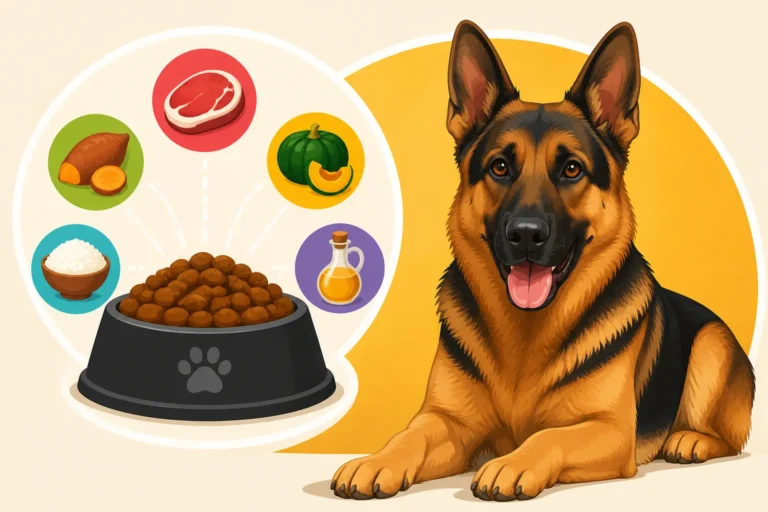
First up is protein. This is the absolute cornerstone for muscle development, tissue repair, and overall growth. Look for high-quality animal protein as the primary ingredient in their food – think chicken, beef, lamb, or fish. Puppies need more protein than adult dogs because their bodies are constantly building new cells and muscle mass. Don't skimp here; quality protein is vital for building that strong German Shepherd physique.
Next, we have fats. While we often associate fat with weight gain, healthy fats are incredibly important for puppies. They provide a concentrated source of energy, essential for a puppy’s high metabolism and endless play sessions. Beyond energy, fats play a critical role in brain development, hormone production, and maintaining a shiny, healthy coat. Omega-3 and Omega-6 fatty acids are particularly beneficial, often found in fish oils or flaxseed.
Carbohydrates are also important for sustained energy throughout the day. Complex carbohydrates like brown rice, oats, and sweet potatoes offer a steady release of energy without causing sugar spikes. They also provide fiber, which is crucial for healthy digestion, something many German Shepherds can be sensitive about.
Finally, the unsung heroes: vitamins and minerals. For a large breed puppy like a German Shepherd, the balance of calcium and phosphorus is especially critical. Too much calcium, or an improper ratio, can disrupt bone development and actually increase the risk of orthopedic problems. Many "all life stages" foods might have calcium levels that are too high for a rapidly growing large breed puppy. Look for a diet specifically formulated for large breed puppies that manages these mineral levels carefully to promote proper bone formation. Remember, a healthy German Shepherd starts with a healthy foundation, and that means proper nutrition right from the start. To ensure they stay in top form, it's also worth looking into comprehensive resources like our guide on How to Keep a German Shepherd Healthy.
Deciphering Dog Food Labels and Choosing the Right Formula
Walking into the pet store or browsing online for puppy food can feel like navigating a maze. There are countless brands, formulas, and claims. For a German Shepherd puppy, choosing the right food isn't just a suggestion; it's a critical decision for their health trajectory.
"Large Breed Puppy" Formulas Explained
This is where the rubber meets the road. For German Shepherds, skipping straight to a formula labeled "Large Breed Puppy" is not just a preference, it's a necessity. These specialized diets are explicitly designed to support the unique growth patterns of big dogs. They aren't just larger kibbles; the nutritional profile is carefully adjusted.
The primary difference lies in the controlled calorie density and the mineral balance, especially calcium and phosphorus. Large breed puppy foods typically have slightly lower fat content and fewer calories per cup compared to generic puppy foods. This helps prevent too rapid a growth rate, which, as we discussed, can contribute to joint issues. More importantly, they feature a precise calcium-to-phosphorus ratio, usually between 1.1:1 and 1.5:1, with total calcium levels kept within safe limits (around 0.7-1.2% on a dry matter basis). This careful balance is vital for the slow, steady development of strong bones and cartilage, minimizing the risk of conditions like German Shepherd Hip Dysplasia. Feeding a regular puppy food, or even an "all life stages" food, often provides too much calcium and too many calories, pushing your GSD pup to grow faster than their skeletal system can comfortably handle.
When you're shopping, make sure you’re looking specifically for "large breed puppy formula" on the bag. Brands like Royal Canin, Purina Pro Plan, and Hill's Science Diet all offer excellent large breed puppy options. You can easily find these and compare ingredients on platforms like Chewy or Amazon, which often have detailed nutritional breakdowns and customer reviews to help you make an informed choice. It's a small detail on the bag, but it makes a world of difference for your pup's future.
What to Look for in an Ingredient List
Beyond the "large breed" designation, a deep dive into the ingredient list is essential. This is where you separate the truly beneficial foods from those that just sound good on paper. A high-quality diet will be reflected in its ingredients.
The first ingredient should always be a named animal protein source. This means "chicken meal," "deboned chicken," "lamb," or "beef," rather than vague terms like "meat meal" or "poultry byproduct." A specific named protein ensures you're getting a quality source for muscle development. For example, some premium brands like Ollie pride themselves on using human-grade, fresh meats, which can be a fantastic option if it fits your budget and lifestyle.
Look for healthy fats such as chicken fat (a great source of Omega-6), flaxseed, or fish oil (for Omega-3s). These contribute to skin and coat health, provide essential energy, and support cognitive development. You also want to see complex carbohydrates like brown rice, barley, oats, or sweet potatoes. These provide sustained energy and fiber for digestive health. Avoid foods that rely heavily on corn, wheat, or soy as primary ingredients, especially if your German Shepherd shows any signs of a German Shepherd Sensitive Stomach Solutions.
Equally important is what not to see on the list. Steer clear of artificial colors, flavors, and excessive fillers. These offer little to no nutritional value and can sometimes trigger allergies or digestive upset. Always remember that the ingredient list is arranged by weight, so the first few ingredients make up the bulk of the food. Prioritizing quality ingredients will lay a fantastic foundation for your German Shepherd's health and vitality. If you’re ever curious about preventing genetic predispositions, understanding German Shepherd Genetic Health Testing can also guide your dietary choices based on potential health concerns.
Age-Specific Feeding Guidelines for German Shepherd Puppies
One of the biggest mistakes new German Shepherd owners make is treating all puppy stages the same when it comes to feeding. Your puppy's nutritional needs and portion sizes will change significantly as they grow. This isn't a "set it and forget it" situation; it requires attentive adjustment as they mature.
8 to 12 Weeks Old
This is often the age when you first bring your German Shepherd puppy home. They are tiny, vulnerable, and rapidly adjusting to a whole new world. At this stage, their stomachs are still quite small, and their digestive systems are developing, so frequent, small meals are key. Most breeders will have started weaning them, so you'll be continuing that transition.
You'll typically be feeding your 8- to 12-week-old German Shepherd puppy 4 to 5 meals a day. The total daily amount of food will be outlined on your chosen large breed puppy food bag, usually based on their current weight or projected adult weight. Divide that daily total into the number of meals. For instance, if the bag recommends 4 cups a day, you'd give them 1 cup four times a day, or slightly less than a cup five times a day. Consistency is paramount. Stick to a schedule as much as possible, as this helps with digestion and also lays the groundwork for successful German Shepherd Potty Training: Step-by-Step. Sudden changes in food or schedule can easily lead to an upset tummy and loose stools. If your pup is experiencing issues, our guide on German Shepherd Loose Stool: Common Causes might offer some valuable insights.
3 to 6 Months Old
Welcome to the growth spurt! Between 3 and 6 months, your German Shepherd puppy will likely hit a major growth acceleration phase. They're gaining weight, getting taller, and their energy levels are through the roof. While it might seem counterintuitive, you generally don't want to drastically increase their food portions during this period. Instead, continue to follow the feeding guidelines on your large breed puppy food bag closely, which accounts for their growing needs without promoting overly rapid weight gain.
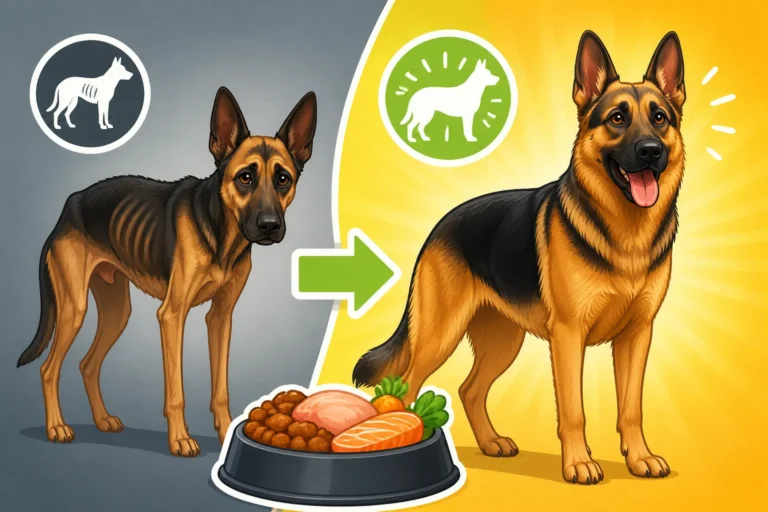
Most puppies in this age range will transition to 3 meals a day. For example, if the food bag now suggests 5-6 cups a day for their current weight, you'd split that into three equal portions. This reduces the number of feedings but allows for larger, more substantial meals as their digestive system matures. It's crucial during this phase to regularly assess their body condition. You should be able to feel their ribs easily, but not see them prominently. Their waist should be visible when viewed from above. Remember, the goal is steady growth, not chunky puppy fat. Too much weight during this critical period can put undue stress on those developing joints.
6 to 12 Months Old
As your German Shepherd approaches their first birthday, their growth rate will start to slow down somewhat, though they will continue to fill out and mature physically. They'll still be growing, but perhaps not at the same breakneck pace as before. This is usually the time to transition to 2 meals a day.
The total daily amount will still depend on their weight, activity level, and the specific food you're using. Again, consult the feeding chart on the bag and adjust based on your puppy's individual needs and body condition. For example, if the bag recommends 6 cups daily, you'd offer 3 cups in the morning and 3 in the evening. This routine mimics adult feeding patterns and is easier to manage. During these months, you’ll also be thinking about when to transition them to adult dog food. For most German Shepherds, this typically happens between 12 to 18 months of age, once their major growth plates have closed. Some working lines or very large individuals might benefit from staying on large breed puppy food a bit longer, up to 18 months, to ensure complete skeletal maturity.
Here’s a general approximate feeding chart for German Shepherd puppies. Always consult your specific dog food bag for exact recommendations, as caloric density varies between brands.
| Age Range | Approximate Daily Meals | Approximate Cups per Day (Dry Kibble) | Notes |
|---|---|---|---|
| 8-12 Weeks | 4-5 | 3-4 cups | Frequent small meals; follow breeder's recommendation for initial transition. |
| 3-4 Months | 3 | 4-5 cups | Major growth spurt; monitor body condition closely. |
| 4-6 Months | 3 | 5-6 cups | Continued rapid growth; ensure controlled portions. |
| 6-9 Months | 2-3 | 6-7 cups | Growth rate may start to stabilize slightly. |
| 9-12 Months | 2 | 6-8 cups | Filling out; prepare for adult food transition around 12-18 months. |
| 12-18 Months | 2 | Transition to adult food amount | Most GSDs are reaching skeletal maturity; individual variation exists. |
Note: These are approximations for an average German Shepherd puppy. Factors like activity level, metabolism, and the specific caloric content of your chosen food will influence exact amounts. Always use a large breed puppy formula.
For more details on when to transition, you can refer to our article on When Do German Shepherds Stop Growing. This transition is crucial for their overall German Shepherd Lifespan: How to Maximize It.
Practical Feeding Tips and Common Pitfalls
Feeding your German Shepherd puppy isn't just about the "what" and "how much"; it's also about the "how" and "when." Establishing good feeding habits from the start can prevent a host of issues, from digestive upset to behavioral problems.
How to Measure Accurately and Avoid Overfeeding
This might sound like a no-brainer, but precise measurement is often overlooked. Many people grab a standard measuring cup from their kitchen drawer, but these are often inaccurate when it comes to kibble. The difference between a level cup of kibble and a slightly mounded one can add up to hundreds of extra calories over a day, which can be detrimental to a large breed puppy.
The best way to measure is by weight, using a kitchen scale. Most reputable dog food brands provide guidelines in ounces or grams, or at least a very precise "standard 8-ounce measuring cup" equivalent. If you're using a cup, invest in a dedicated, accurate pet food measuring cup, not your grandma's baking cup. Fill it level to the top, don't pack it down. Consistently measuring ensures you're providing the recommended amount and not inadvertently overfeeding. Even small excesses daily can lead to unhealthy weight gain for a German Shepherd, which directly impacts their joint health down the line. Remember, feeling for their ribs is a great way to gauge if they're maintaining a healthy weight; you should be able to feel them easily without them being visible. Our guide on German Shepherd Weight and Obesity Risks delves deeper into this topic.
Feeding Schedules and Routines
German Shepherds thrive on routine. A consistent feeding schedule isn't just convenient for you; it's incredibly beneficial for your puppy's digestion and mental well-being. Knowing when their next meal is coming can reduce anxiety and begging behavior.
Aim for specific meal times each day. For example, if you're feeding three times a day, it might be 7 AM, 1 PM, and 7 PM. This regular schedule helps regulate their metabolism and keeps their digestive system running smoothly, which is particularly important for German Shepherds who can sometimes have sensitive stomachs. Another common topic is the use of raised bowls for large breeds. Historically, some owners believed raised bowls could help prevent bloat (Gastric Dilatation-Volvulus), a life-threatening condition for German Shepherds. However, current research suggests that raised bowls may actually increase the risk of bloat in large and giant breed dogs. The safest bet, according to veterinary consensus, is to feed your German Shepherd puppy from a bowl on the floor. While the exact causes of bloat are still being studied, avoiding rapid eating, strenuous exercise right after meals, and using a slow-feeder bowl (if your puppy eats too fast) are generally recommended preventative measures. For more in-depth information, check out our article on German Shepherd Bloat Prevention Feeding Tips.
Hydration and Treats
Water is just as important as food. Your German Shepherd puppy needs constant access to fresh, clean water. A large, stable bowl that won't tip over easily is best. Change the water frequently, and clean the bowl daily to prevent bacterial buildup. Hydration aids digestion, nutrient absorption, and helps regulate body temperature, which is especially important after a vigorous play session.
And then there are treats! Everyone loves to give their puppy treats, but it's important to remember that treats are part of your puppy's daily caloric intake, not a bonus on top of their meals. High-value treats are fantastic for training, but they should make up no more than 10% of their daily calories. If you're using a lot of treats, you might need to slightly reduce their meal portions to avoid overfeeding. Opt for healthy, low-calorie treats or even small pieces of their own kibble for training. Look for treats with simple, wholesome ingredients. Remember, for a German Shepherd puppy, growing at a healthy rate is a marathon, not a sprint, and every calorie counts. Ensuring their dental health is also part of overall care, so incorporating dental chews or understanding German Shepherd Dental Care Explained can be helpful.
When to Adjust Food and Recognize Problems
Being a proactive German Shepherd owner means being observant. Your puppy's nutritional needs aren't static; they'll fluctuate with growth spurts, activity levels, and even individual metabolism. Knowing when and how to adjust their food, and recognizing signs of trouble, is a key part of responsible pet ownership.
Monitoring Weight and Body Condition
Regularly monitoring your German Shepherd puppy's weight and body condition is perhaps the most important ongoing task for their health. Don't just rely on the feeding guide on the bag; it's a starting point, not an immutable law. Every puppy is an individual, and their metabolism and growth rate can vary.
You should aim to have your puppy weighed at their vet check-ups, but also get a feel for their healthy shape at home. The "rib test" is a simple, effective method: you should be able to easily feel your puppy's ribs when you lightly run your hands along their side, but you shouldn't see them protruding visually. From above, they should have a discernible waistline tucking in after their ribs, rather than a straight, blocky appearance or a pronounced hourglass figure. If they look too thin, you might need to slightly increase their food, but be cautious and incremental. If they're looking a bit plump, a slight reduction might be in order. However, always consult with your veterinarian before making significant changes, especially during puppyhood. They can provide personalized advice based on your puppy's specific growth trajectory and breed expectations. Keeping an eye on their development is vital for preventing long-term issues, so understanding details like How Much Exercise Is Too Much for a Puppy also plays a role in managing their energy and caloric needs.
Signs of Digestive Issues or Allergies
Even with the best intentions, German Shepherds can sometimes have sensitive digestive systems or develop allergies. It’s crucial to know what to look for so you can address issues promptly. Common signs of digestive distress include persistent loose stool, diarrhea, vomiting, excessive gas, or a sudden loss of appetite. Occasional upset stomachs can happen, but if these symptoms are consistent or severe, it's time to contact your vet.
Sometimes, issues manifest as skin problems, which can indicate food allergies or environmental sensitivities. Watch for excessive itching, scratching, paw licking, skin redness, recurrent ear infections, or a dull, flaky coat. These could be signs that something in their diet isn't agreeing with them. Our article on German Shepherd Allergies: Causes and Relief offers detailed information on how to identify and manage these issues. Your vet might suggest an elimination diet to pinpoint the culprit, which often involves switching to a novel protein or hydrolyzed protein diet for a period. Remember, never make drastic food changes without veterinary guidance, especially with a growing puppy.
Transitioning to Adult Food
The transition from puppy food to adult food is another significant milestone. For German Shepherds, this typically happens between 12 to 18 months of age. The exact timing depends on their individual maturity, growth rate, and your veterinarian’s recommendation. Some large breed dogs continue to benefit from large breed puppy food for a bit longer, as their growth plates may not fully close until 18-24 months.
When you do make the switch, it must be gradual to prevent digestive upset. A sudden change can shock their system, leading to diarrhea or vomiting. The recommended method is to slowly introduce the new food over 7-10 days:
- Days 1-2: 75% old food, 25% new food
- Days 3-4: 50% old food, 50% new food
- Days 5-6: 25% old food, 75% new food
- Days 7-10+: 100% new food
Observe your puppy closely during this period. If they show any signs of digestive upset, slow down the transition and keep them on a higher percentage of the old food for a few more days until their system adjusts. The goal is a smooth, seamless transition that continues to support their health as they move into adulthood. For more insights on this pivotal stage, our guide on German Shepherd Senior Care Guide touches on the long-term impacts of early nutrition.
Disclaimer
The information provided in this guide is for general informational purposes only and does not constitute veterinary advice. Always consult with a qualified veterinarian regarding any health or feeding concerns for your specific German Shepherd puppy. Individual dietary needs can vary based on age, activity level, health status, and other factors.